Bhuddha's Hand - What's The Bhuddha's Hand Fruit?
.png)
The Buddha's hand fruit looks like something from another planet – a bright yellow citrus with finger-like segments that branch out like, well, a hand. This exotic citrus fruit has been turning heads at farmers markets and specialty grocery stores, leaving many people wondering what exactly it is and how to use it.
For curious home cooks, food enthusiasts, and anyone who loves exploring unique ingredients, the Buddha's hand citrus offers a fascinating journey into the world of specialty produce. Unlike regular citrus fruits, Buddha's hand fruit contains no pulp or juice – just fragrant zest and pith that pack an incredible aromatic punch.
We'll dive into what makes Buddha's hand characteristics so special and trace the Buddha's hand origin back to its Asian roots. You'll also discover creative Buddha's hand culinary uses that go way beyond typical citrus applications, plus learn about the surprising Buddha's hand health benefits that come with this unusual fruit.
Discover the Unique Characteristics of Buddha's Hand Fruit
Recognize the distinctive finger-like appearance that sets it apart
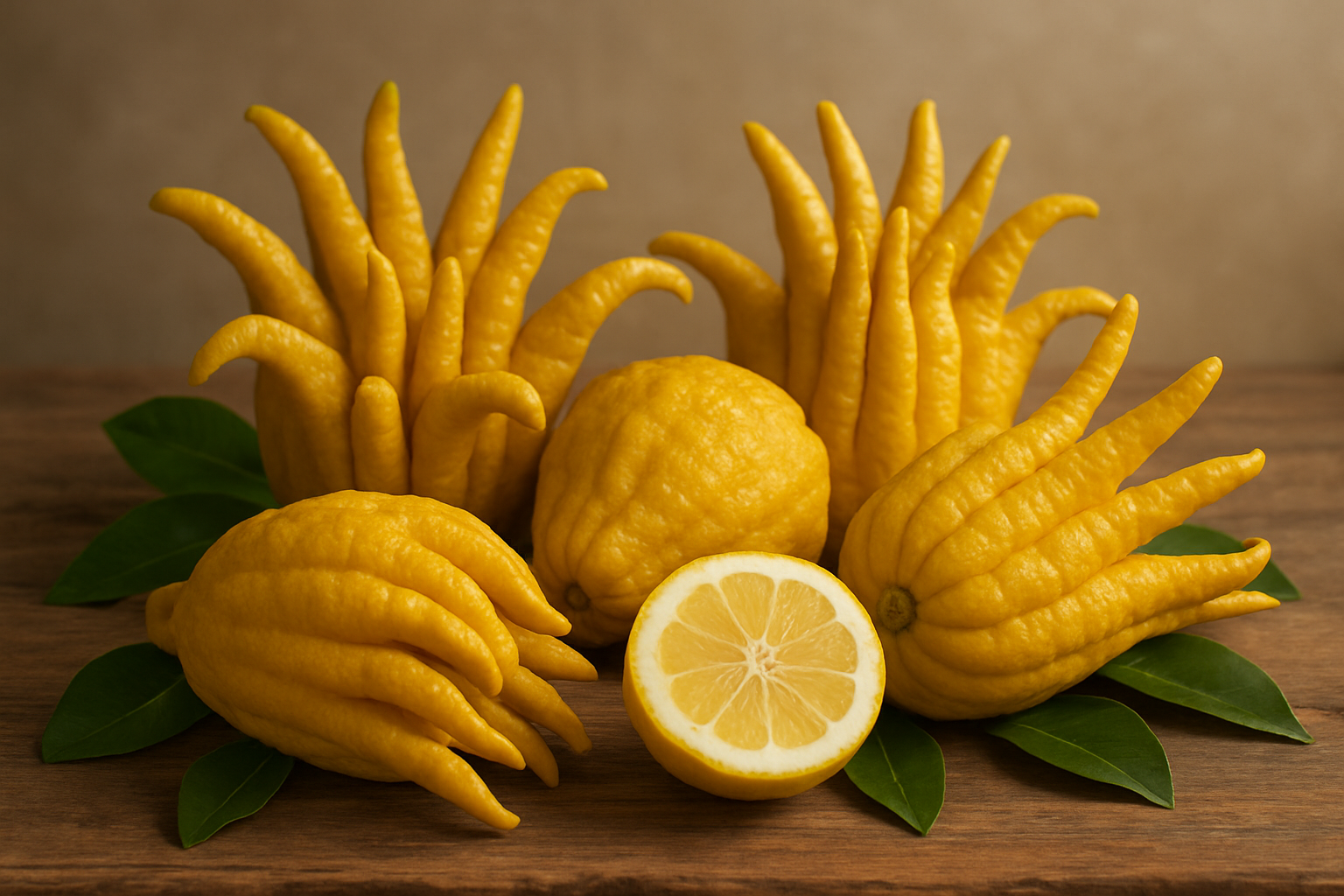
Buddha's hand fruit stands out as one of nature's most bizarre creations. Picture a lemon that's been transformed into what looks like a golden octopus – that's your first glimpse of this extraordinary citrus. The Buddha's hand citrus earned its name from the way its segments split into finger-like projections, resembling the hand position often seen in Buddhist statuary and meditation poses.
These "fingers" can number anywhere from 5 to 20, each curving and twisting in unique directions. Some varieties have fingers that stay closed together like a fist, while others spread wide like an open palm reaching toward the sky. The skin has the same bumpy, textured surface you'd find on other citrus fruits, but the overall shape is completely alien to anyone familiar with traditional oranges or lemons.
The size varies considerably, with most fruits measuring between 6 to 12 inches in length. The exotic citrus fruit can weigh anywhere from half a pound to over two pounds, depending on how many fingers have developed and their individual size.
Understand why it contains no pulp or juice unlike other citrus fruits
Here's where Buddha's hand fruit gets really weird – crack one open and you'll find absolutely nothing inside. No juicy segments, no pulp, no seeds. The entire fruit consists of nothing but thick, spongy pith and that incredibly aromatic outer skin called the zest.
This unique Buddha's hand characteristic makes it completely different from every other citrus you've ever encountered. While oranges, lemons, and limes developed their internal fruit structure to house seeds and attract animals for seed dispersal, Buddha's hand took a different evolutionary path. The absence of pulp means the entire fruit is essentially one giant piece of zest – the same aromatic outer layer that you might grate from a lemon, but magnified into the entire fruit structure.
This characteristic actually makes Buddha's hand incredibly valuable in culinary applications. You get maximum aromatic oils and flavor compounds without any bitter pith or sour juice to balance. The white pith underneath the yellow skin is surprisingly sweet and mild, lacking the bitterness found in other citrus fruits.
Learn about its intense fragrant aroma that fills entire rooms
The moment you bring a ripe Buddha's hand fruit into your kitchen, everyone will know it. The fragrance is so powerful that a single fruit can perfume an entire room for weeks. This isn't a subtle citrus scent – it's an intense, almost overwhelming burst of lemon-meets-cedar with floral undertones that seem to dance in the air.
The aroma comes from the abundant oil glands packed into the thick skin. These oils contain the same compounds found in other citrus fruits, but in much higher concentrations. Limonene, the primary aromatic compound, exists in such quantities that you can actually see tiny droplets of oil spray into the air when you bend or twist the fruit's fingers.
Many people use Buddha's hand as a natural air freshener, placing whole fruits in bowls around their homes. The scent is clean, uplifting, and long-lasting – some fruits continue releasing fragrance for up to a month after harvest. Professional perfumers prize these essential oils for their complexity and staying power.
Identify the bright yellow color when fully ripe
A perfectly ripe Buddha's hand citrus glows with the most vibrant golden-yellow color you'll see in the produce section. This isn't the pale yellow of an unripe banana or the greenish tint of an early lemon – it's a deep, rich yellow that almost seems to emit its own light.
The color develops gradually as the fruit matures on the tree. Young fruits start out green, just like other citrus varieties, then slowly transition through lime green to pale yellow before reaching that signature golden hue. The transformation can take several months, and the color serves as the most reliable indicator of peak ripeness and maximum fragrance.
When shopping for Buddha's hand, avoid any fruits with brown spots, wrinkled skin, or areas that feel soft to the touch. The ideal specimen should feel firm but give slightly under gentle pressure, with skin that looks almost waxy in its perfection. The bright yellow color should be uniform across all the fingers, though some natural variation in intensity is normal and doesn't affect quality.
Explore the Origins and Growing Regions of This Exotic Citrus
Trace its ancient roots in China and India
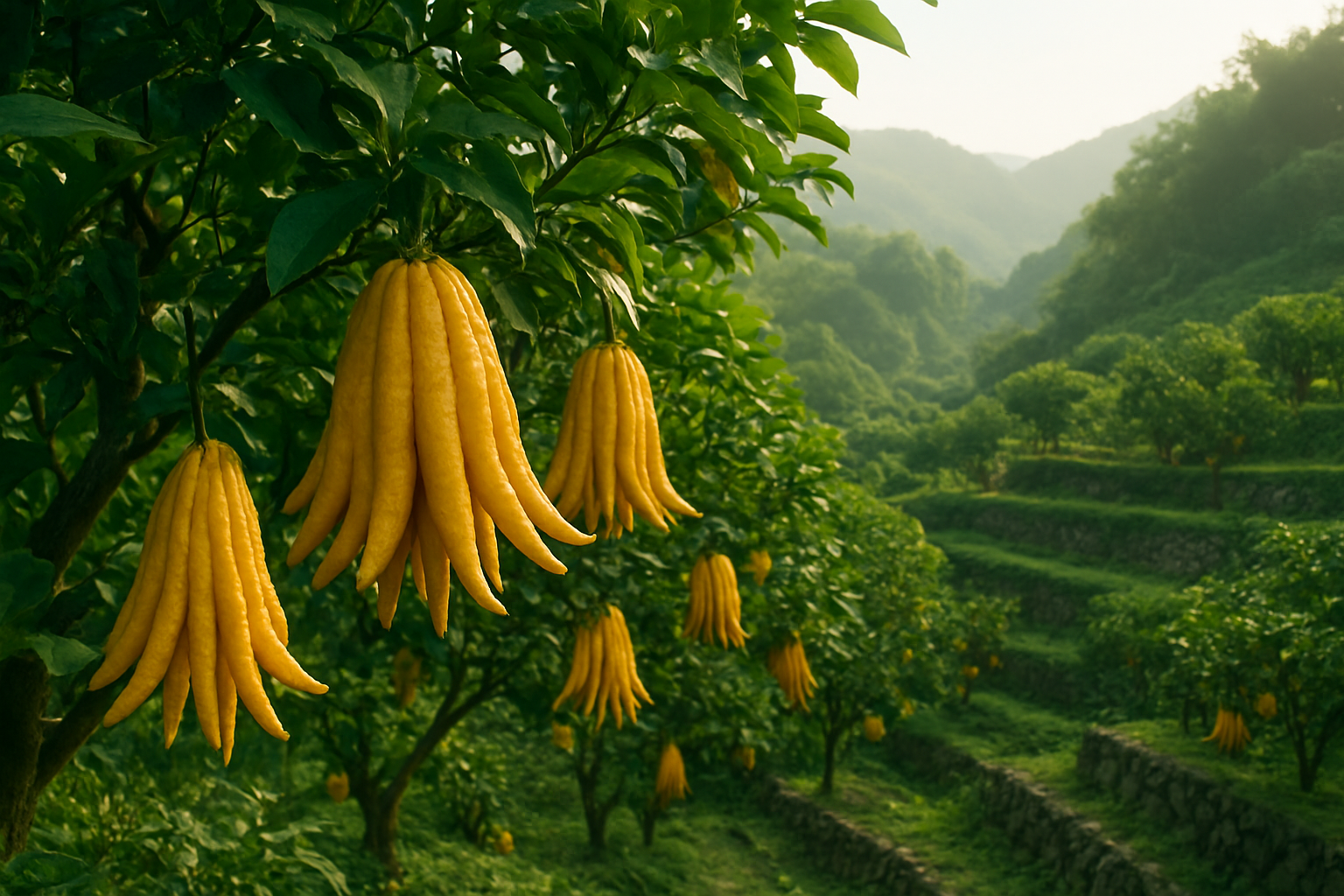
Buddha's hand citrus has been captivating people for over 2,000 years, with its earliest recorded appearances dating back to ancient China during the Han Dynasty. Chinese scholars and Buddhist monks particularly revered this exotic citrus fruit, believing its finger-like segments resembled the praying hands of Buddha himself. The fruit quickly became a symbol of happiness, longevity, and good fortune in Chinese culture.
From China, Buddha's hand cultivation spread to India through ancient trade routes, where it became deeply embedded in Hindu and Buddhist religious practices. Indian gardeners mastered the art of growing this finicky fruit in temple gardens and monastery courtyards, where its intense fragrance was believed to purify sacred spaces.
The fruit's journey didn't stop there. By the 8th century, Arab traders had introduced Buddha's hand to the Mediterranean region, though it never achieved the same cultural significance it held in Asia. Japanese cultivators embraced the fruit around the same time, developing their own unique varieties that remain prized today.
Discover current cultivation hotspots around the world
Today's Buddha's hand origin hotspots tell a fascinating story of agricultural adaptation. California's Central Valley has emerged as the primary commercial growing region outside of Asia, with specialty citrus farms producing Buddha's hand for gourmet markets across North America. The Golden State's Mediterranean-style climate proves perfect for this temperamental fruit.
Major Growing Regions:
| Region | Production Focus | Notable Characteristics |
|---|---|---|
| Guangdong, China | Traditional varieties | Ancient cultivation methods |
| California, USA | Commercial export | Year-round greenhouse growing |
| Southern Italy | Boutique production | Coastal Mediterranean climate |
| Southern Japan | Premium varieties | Artisanal cultivation techniques |
| Southern Australia | Small-scale farming | Wine region microclimates |
China remains the world's largest producer, with Guangdong Province leading the way. Here, farmers still use traditional methods passed down through generations, growing Buddha's hand in small family orchards rather than massive commercial operations.
Italy's Amalfi Coast has developed a niche market for Buddha's hand, with local growers supplying high-end restaurants and specialty food producers. These Italian varieties tend to be more compact but intensely aromatic.
Understand the specific climate conditions needed for growth
Buddha's hand demands very specific growing conditions, which explains why this exotic citrus fruit remains relatively rare compared to oranges or lemons. The plant thrives in USDA hardiness zones 9-11, requiring consistent temperatures between 55-85°F year-round.
Critical Growing Requirements:
-
Temperature stability: No frost tolerance whatsoever - even brief exposure to 32°F can kill the plant
-
Humidity levels: 60-80% relative humidity for optimal growth
-
Sunlight exposure: 6-8 hours of filtered sunlight daily (intense direct sun can damage fruit)
-
Soil drainage: Well-draining, slightly acidic soil with pH 6.0-6.5
-
Wind protection: Strong winds can damage the delicate finger-like projections
The plant's sensitivity to temperature fluctuations makes greenhouse cultivation increasingly popular in regions with variable climates. Many California growers use shade cloth during summer months to protect the developing fruit from scorching sun, while heating systems maintain minimum temperatures during cooler periods.
Water management proves equally crucial - Buddha's hand trees need consistent moisture but will quickly develop root rot in waterlogged conditions. Professional growers often use drip irrigation systems to maintain optimal soil moisture without creating drainage problems.
Unlock the Culinary Uses and Flavor Profile
Master zesting techniques for maximum flavor extraction
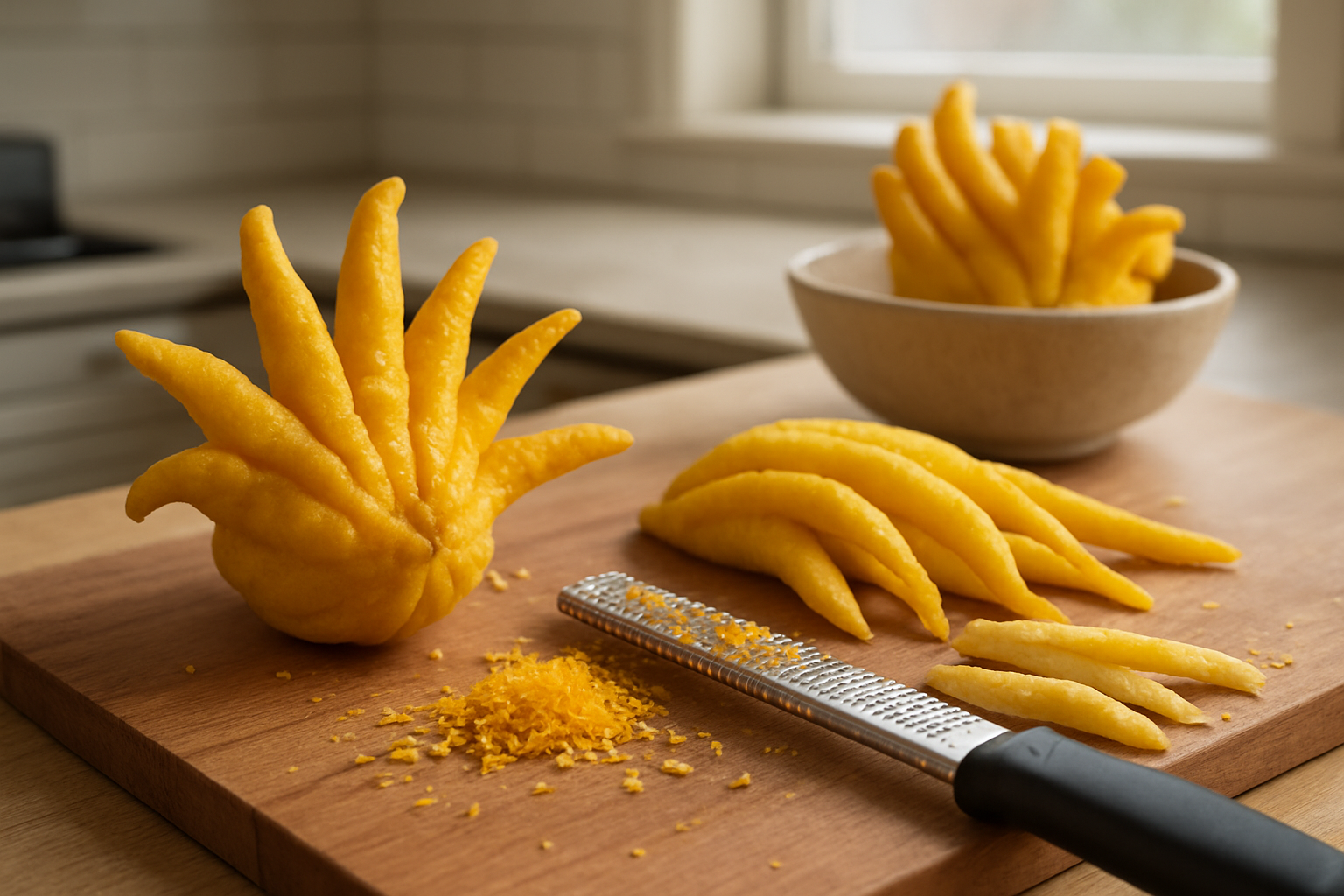
The Buddha's hand citrus offers an incredible zesting experience that puts regular lemons to shame. Unlike other citrus fruits, you can zest the entire finger-like segments without worrying about bitter white pith. The secret lies in using a microplane grater at a 45-degree angle, working from the tip of each "finger" toward the base in smooth, consistent strokes.
For the most aromatic results, zest Buddha's hand fruit just before using it in your recipes. The oils in the skin are incredibly potent and volatile, so timing matters. Professional chefs often zest directly over the dish they're preparing, allowing those precious oils to fall exactly where they're needed. You can also create Buddha's hand zest in advance by storing it in airtight containers in the freezer for up to three months.
The key difference with Buddha's hand zesting is that you can be generous. Each segment contains concentrated citrus oils without the sourness typically found in lemon or lime zest. This makes it perfect for delicate preparations where you want intense aroma without overwhelming acidity.
Learn traditional cooking applications in Asian cuisine
Buddha's hand fruit holds deep cultural significance in Asian cooking traditions, particularly in Chinese and Japanese cuisines. In China, home cooks have used this exotic citrus fruit for centuries to create preserved citrus peels, a delicacy that appears during Lunar New Year celebrations. The fruit's natural sweetness and lack of juice make it ideal for candying whole segments, creating treats that last for months.
Japanese cuisine embraces Buddha's hand in both sweet and savory applications. Traditional tea ceremonies sometimes feature Buddha's hand-infused waters, where the fruit's essence creates a subtle, calming backdrop for the ritual. Buddhist temples have long incorporated the fruit into vegetarian dishes, using thin slices as aromatic garnishes for soups and rice preparations.
Korean cooks appreciate Buddha's hand for its ability to cut through rich, fatty dishes. They often slice the segments paper-thin and add them to kimchi for an unexpected citrus note that brightens the fermented flavors. Thai cuisine uses Buddha's hand in curry pastes, where the oils add complexity without the sharp acidity that might clash with coconut milk.
Discover modern Western culinary innovations
Western chefs have embraced Buddha's hand citrus as a game-changing ingredient that brings something completely new to familiar dishes. High-end restaurants now feature Buddha's hand in cocktail programs, where bartenders muddle the aromatic segments to create unique gin and vodka infusions. The fruit's ability to provide citrus flavor without acidity makes it perfect for spirits that would typically be overwhelmed by lemon or lime.
Pastry chefs have discovered that Buddha's hand transforms baked goods in remarkable ways. The zest works beautifully in shortbread cookies, pound cakes, and cream-based desserts where traditional citrus might curdle dairy ingredients. Many bakeries now offer Buddha's hand macarons and gelatos, capitalizing on the fruit's Instagram-worthy appearance and sophisticated flavor profile.
Modern savory applications include Buddha's hand salt blends, where chefs combine the zest with coarse sea salt to create finishing salts for grilled meats and roasted vegetables. The fruit also appears in compound butters, vinaigrettes, and even as a garnish for cheese boards where its mild sweetness complements aged cheeses without competing.
Understand how the mild, sweet taste enhances dishes
The Buddha's hand's flavor profile sets it apart from every other citrus fruit you've encountered. Instead of the sharp, acidic punch of lemons or the bitter edge of grapefruit, Buddha's hand delivers pure citrus essence with gentle sweetness and floral undertones. This unique characteristic makes it incredibly versatile in both sweet and savory preparations.
The fruit's mild nature means it enhances rather than dominates other flavors. When you add Buddha's hand zest to a chocolate dessert, it brightens the cocoa without creating that classic lemon-chocolate contrast. In savory dishes, it provides aromatic lift without the mouth-puckering sensation that might clash with wine pairings or delicate proteins.
Professional cooks value Buddha's hand because it allows them to layer citrus flavors throughout a dish without reaching the threshold where acidity becomes overwhelming. You can use Buddha's hand zest in marinades, rubs, and finishing touches all within the same recipe, creating depth and complexity that would be impossible with traditional citrus fruits.
The sweetness in Buddha's hand comes from natural sugars in the peel, not added sweeteners. This makes it perfect for health-conscious cooking where you want to add flavor complexity without increasing refined sugar content. The fruit's natural oils also provide that satisfying mouthfeel that makes dishes feel more complete and satisfying.
Harness the Health Benefits and Nutritional Value
Boost your vitamin C intake naturally
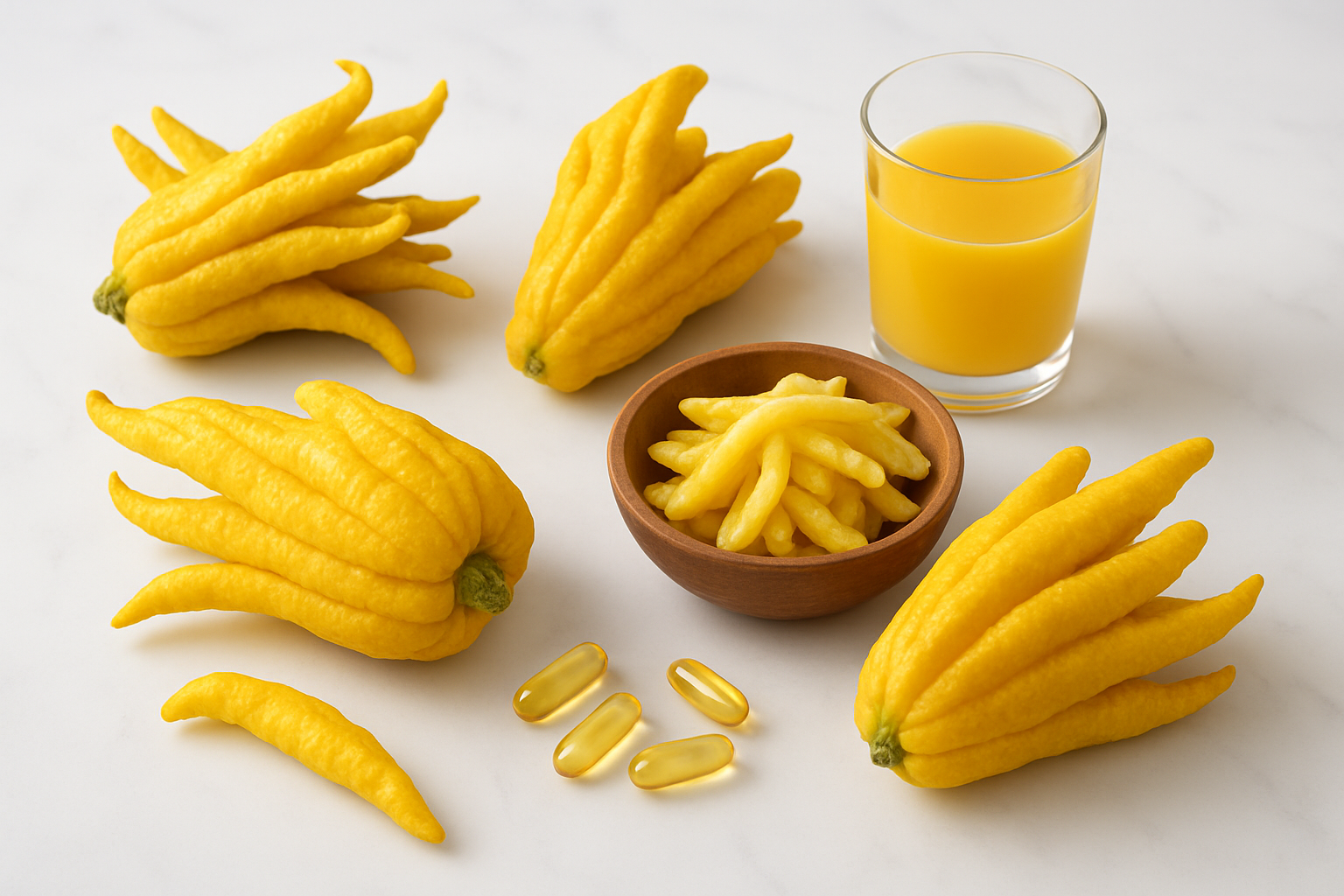
Buddha's hand fruit packs an impressive vitamin C punch that puts it among the top citrus fruits for immune support. A single serving contains approximately 40-60% of your daily vitamin C needs, making it an excellent natural alternative to synthetic supplements. The unique finger-like segments of Buddha's hand citrus contain concentrated levels of ascorbic acid, which your body absorbs more readily than artificial versions.
The zest and peel contain the highest concentration of vitamin C, so you get maximum benefits when using the entire fruit. Unlike other citrus fruits where you might discard the peel, Buddha's hand characteristics make the entire fruit usable, giving you access to all those immune-boosting compounds. Regular consumption supports collagen production, wound healing, and helps your body fight off seasonal illnesses.
Support digestive health with natural compounds
The essential oils found in Buddha's hand fruit contain powerful digestive aids that have been used in traditional medicine for centuries. These natural compounds help stimulate digestive enzymes, making it easier for your body to break down and absorb nutrients from other foods. The fruit's unique bitter compounds, called limonoids, work specifically to improve bile production and liver function.
Buddha's hand health benefits extend to reducing digestive discomfort and bloating. The citrus oils help relax smooth muscle in the digestive tract, which can ease cramping and improve overall gut comfort. Many people find that adding Buddha's hand zest to their meals or teas helps settle their stomach after heavy or rich foods.
Reduce inflammation with powerful antioxidants
The antioxidant profile of this exotic citrus fruit rivals some of the most potent anti-inflammatory foods available. Buddha's hand contains high levels of flavonoids like hesperidin and naringin, which actively combat free radicals and reduce inflammatory markers throughout your body. These compounds work at the cellular level to protect against oxidative stress and chronic inflammation.
Research shows that the unique combination of citrus bioflavonoids in Buddha's hand may help reduce inflammation in joints, cardiovascular system, and even brain tissue. The fruit's essential oils contain d-limonene, a compound that demonstrates significant anti-inflammatory properties. Regular consumption may help manage chronic inflammatory conditions and support overall longevity.
| Nutrient | Amount per 100g | Daily Value % |
|---|---|---|
| Vitamin C | 35-45mg | 40-50% |
| Fiber | 2-3g | 8-12% |
| Flavonoids | 15-25mg | Variable |
| Essential Oils | 0.5-1.5% | N/A |
Navigate Purchasing and Storage for Maximum Freshness
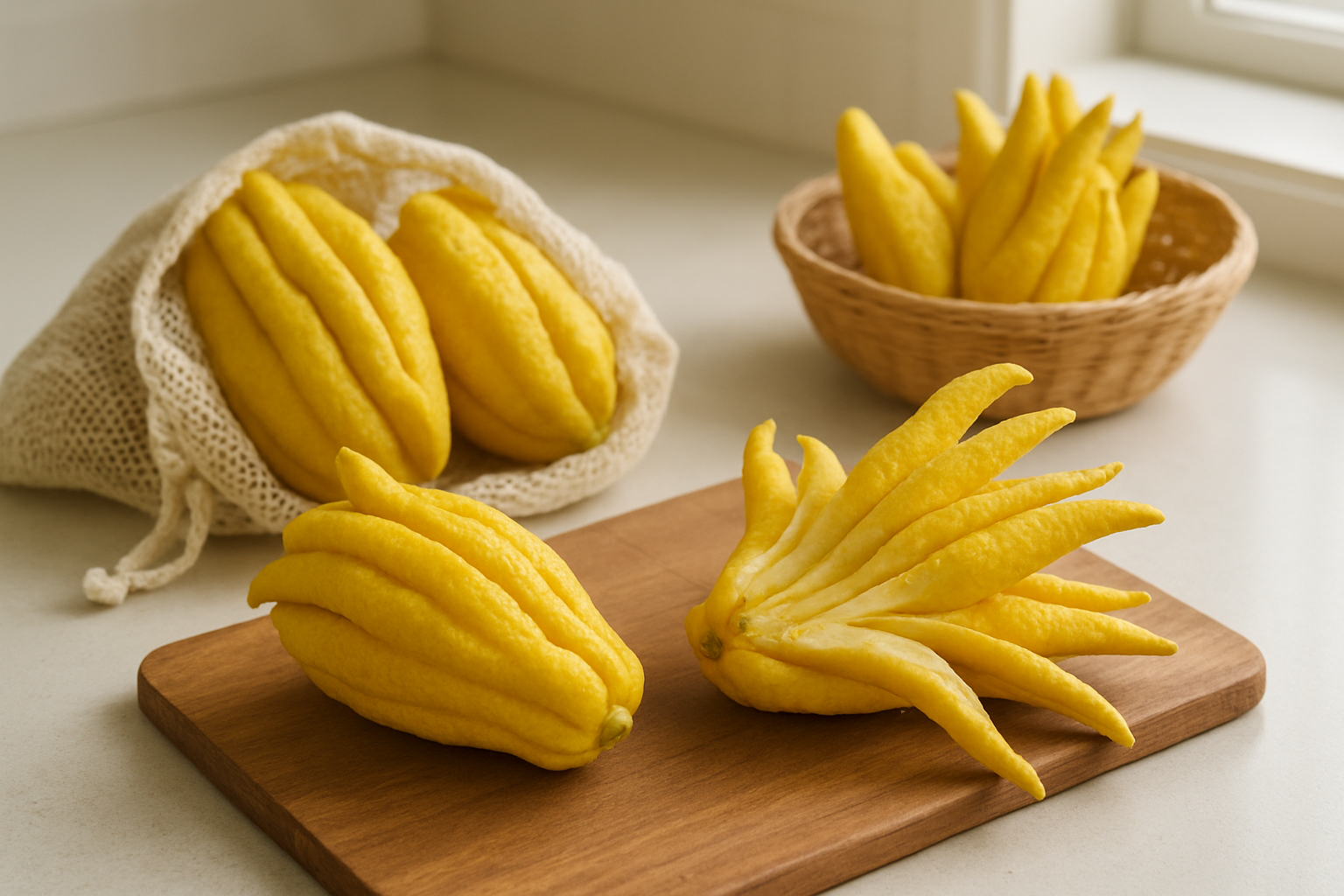
Identify Quality Indicators When Selecting at Markets
Finding fresh Buddha's hand citrus at markets requires knowing what to look for. The skin should feel firm and slightly heavy for its size, with a bright yellow color that signals peak ripeness. Avoid fruits with brown spots, soft patches, or wrinkled skin, as these indicate the fruit is past its prime.
The distinctive finger-like segments should feel sturdy and show no signs of shriveling. Fresh Buddha's hand fruit gives off an intense, fragrant aroma that you can smell even before touching it. If the fruit lacks this characteristic citrusy perfume, it's likely been sitting too long.
Check the base where the fruit was attached to the tree - it should look clean and not show signs of mold or decay. Size varies widely, but choose specimens that feel substantial rather than lightweight, which could indicate dehydration.
Master Proper Storage Techniques to Extend Shelf Life
Buddha's hand storage tips start with understanding this exotic citrus fruit doesn't store like regular oranges or lemons. Keep it at room temperature for immediate use within 2-3 days, where it will continue releasing its amazing fragrance.
For longer Buddha's hand storage, wrap the fruit loosely in paper towels and place it in the refrigerator's crisper drawer. This method extends freshness for up to two weeks. Never store it in plastic bags, as trapped moisture leads to rapid deterioration.
The zest can be preserved longer by grating it fresh and freezing in ice cube trays with a little water. Dried Buddha's hand zest keeps for months when stored in airtight containers away from light and heat.
Find Reliable Sources Both Online and In Specialty Stores
Asian grocery stores typically offer the best selection of Buddha's hand fruit, especially during winter months when it's in season. Many specialty produce markets and high-end grocery chains now stock this exotic citrus fruit in their premium sections.
Online retailers provide year-round access, though prices tend to be higher. Look for vendors who specialize in exotic fruits and guarantee freshness upon delivery. Some citrus farms in California offer direct shipping during harvest season from December through February.
Farmers markets in areas with diverse populations often feature Buddha's hand fruit from local growers. Building relationships with vendors can help you secure the freshest specimens and get notified when new shipments arrive.
Determine Optimal Ripeness for Different Uses
Buddha's hand characteristics change as the fruit ripens, affecting its best culinary applications. For zesting and cocktail garnishes, choose fruits with firm, bright yellow skin that releases oils easily when scraped.
Slightly softer specimens work better for candying or making preserves, as the pith becomes more pliable. The most aromatic fruits - those with the strongest fragrance - excel in applications where you want maximum scent impact, like infusing spirits or making room fresheners.
For decorative purposes, select perfectly formed fruits with all "fingers" intact and uniformly colored skin. These Buddha's hand fruits maintain their appearance longest and create stunning centerpieces or gifts.
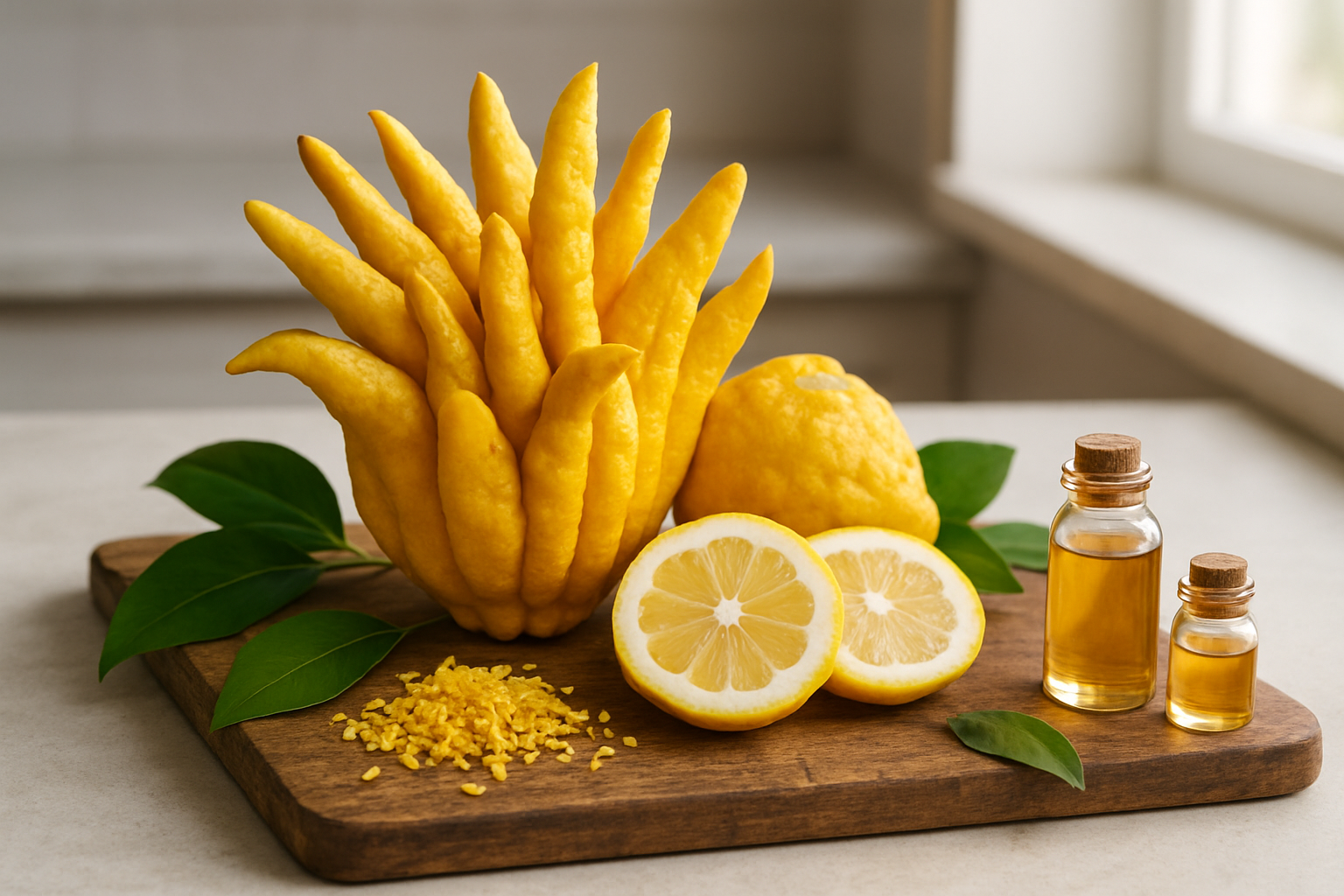
Buddha's Hand fruit stands out as one of nature's most fascinating citrus varieties, bringing together exotic appearance, versatile culinary applications, and impressive health benefits. From its finger-like segments that contain no pulp or juice to its intense fragrance that can fill an entire room, this unique fruit offers experiences unlike any traditional citrus. Whether you're zesting it into cocktails, candying the peel for desserts, or simply using it as a natural air freshener, Buddha's Hand proves that sometimes the most unusual ingredients deliver the most memorable results.
Ready to add some adventure to your kitchen? Track down this exotic citrus at specialty grocery stores or Asian markets, and remember to store it at room temperature where it can continue perfuming your space for weeks. With its rich history, distinctive flavor, and surprising nutritional profile, Buddha's Hand deserves a spot in every curious cook's repertoire. Give this ancient fruit a try – your taste buds and your guests will thank you for the introduction to something truly special.


.png)
Comments
Post a Comment