Cempedak - What's The Cempedak Fruit?

If you've ever wondered "what is cempedak," you're about to discover one of Southeast Asia's most prized tropical fruits. The cempedak fruit looks like jackfruit's smaller, more fragrant cousin, but it packs its own unique punch of sweet, custard-like flavor that has fruit lovers raving.
This guide is perfect for curious food enthusiasts, health-conscious eaters, and anyone wanting to explore exotic tropical fruits beyond the usual suspects. You'll learn what makes cempedak vs jackfruit different, why many consider it a superfruit packed with nutritional benefits, and discover the impressive cempedak health benefits that have made it a staple in traditional medicine for centuries.
We'll cover everything from the cempedak nutritional benefits that earn it superfruit status to practical tips on where to buy cempedak and how to eat this golden treasure. You'll also explore its fascinating cempedak medicinal properties and learn why this tropical fruit cempedak deserves a spot on your must-try list.
Understanding Cempedak - The Tropical Jackfruit Cousin
Origin and Botanical Classification of Cempedak
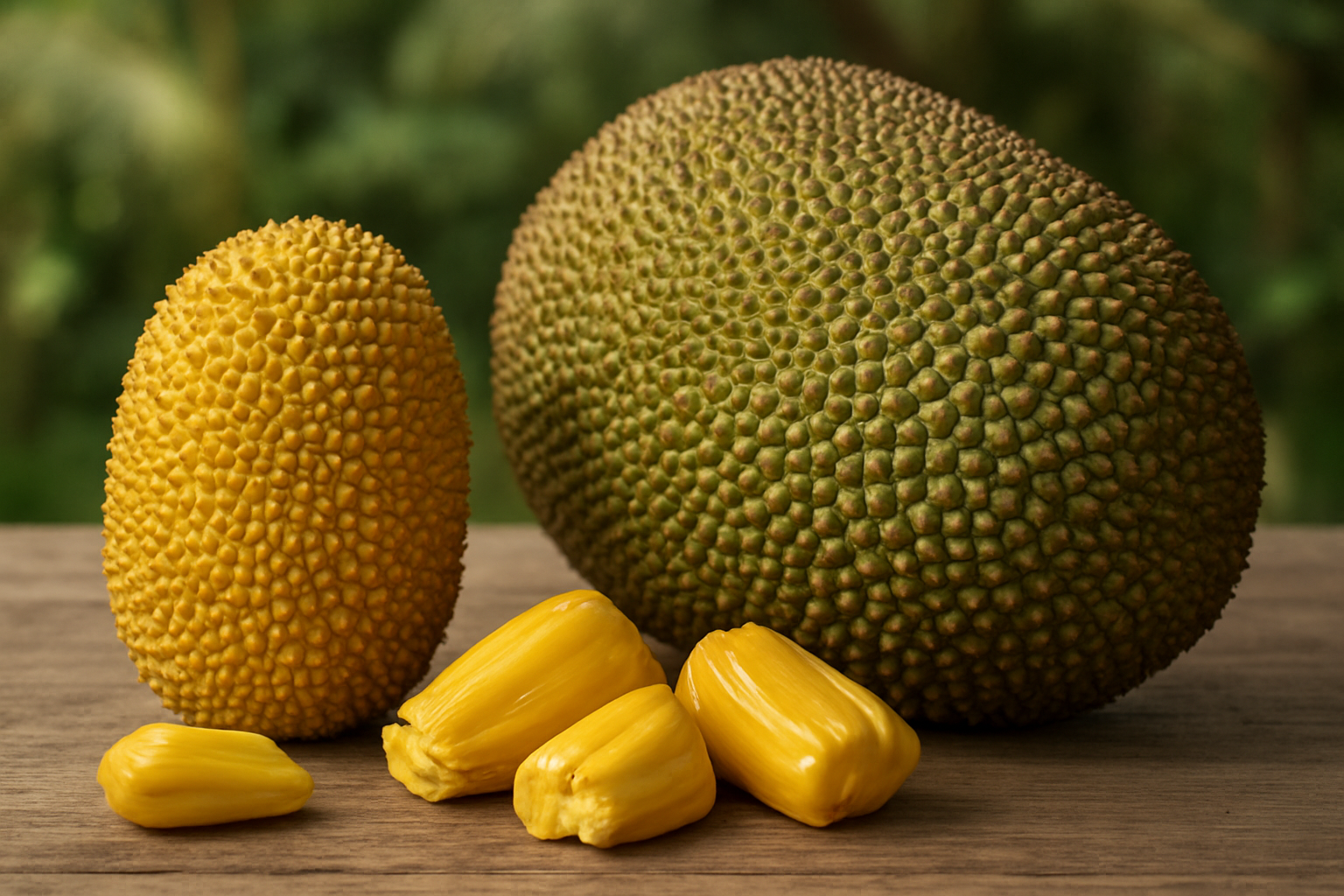
The cempedak fruit belongs to the Moraceae family and carries the scientific name Artocarpus integer. This tropical treasure originates from Southeast Asia, particularly thriving in the humid climates of Malaysia, Thailand, Indonesia, and Brunei. The tree itself can reach impressive heights of up to 20 meters, producing distinctive fruits that have been cultivated for centuries in their native regions.
Native communities have cherished cempedak for generations, passing down traditional knowledge about its cultivation and preparation. The fruit grows naturally in lowland rainforests but adapts well to cultivated environments, making it a popular choice for home gardens and commercial orchards throughout Southeast Asia.
Physical Appearance and Distinctive Characteristics
Cempedak presents a striking appearance that immediately catches the eye. The fruit typically measures 15-35 centimeters in length and can weigh between 1-3 kilograms. Its exterior showcases a yellowish-green skin covered in small, soft spines that are much gentler than those found on durian.
The most remarkable feature lies within - the golden-yellow flesh surrounds large seeds and offers a creamy, custard-like texture. When ripe, cempedak emits a sweet, tropical fragrance that's pleasant and inviting, unlike the polarizing scent of durian. The flesh segments, called arils, can be easily separated from the central core, revealing their jewel-like appearance.
Fresh cempedak fruit displays vibrant colors ranging from pale yellow to deep orange, depending on ripeness. The skin yields slightly to gentle pressure when ready to eat, and experienced fruit lovers can identify peak ripeness by the intensified aroma.
How Cempedak Differs from Jackfruit and Breadfruit
While cempedak belongs to the same botanical family as jackfruit and breadfruit, several key differences set it apart. Understanding these distinctions helps identify and appreciate each fruit's unique qualities.
| Feature | Cempedak | Jackfruit | Breadfruit |
|---|---|---|---|
| Size | 1-3 kg | 3-35 kg | 1-3 kg |
| Texture | Creamy, soft | Fibrous, chewy | Starchy, potato-like |
| Flavor | Sweet, custard-like | Mildly sweet, neutral | Bland, starchy |
| Skin | Soft spines | Hard, hexagonal bumps | Smooth, netted |
| Seeds | Large, single per aril | Multiple per segment | None when ripe |
The flavor profile represents the most significant difference. Cempedak offers intense sweetness with hints of honey and banana, creating a dessert-like experience. Jackfruit provides a milder taste that works well in both sweet and savory dishes, while breadfruit remains largely starchy and neutral.
Size variation also helps with identification. Jackfruit can grow enormous, sometimes reaching the size of a watermelon, while cempedak and breadfruit maintain more manageable proportions. The cempedak vs jackfruit comparison often surprises newcomers who expect similar flavors due to their family relationship, but the taste experience differs dramatically.
Nutritional Benefits That Make Cempedak a Superfruit
Essential vitamins and minerals packed in every bite
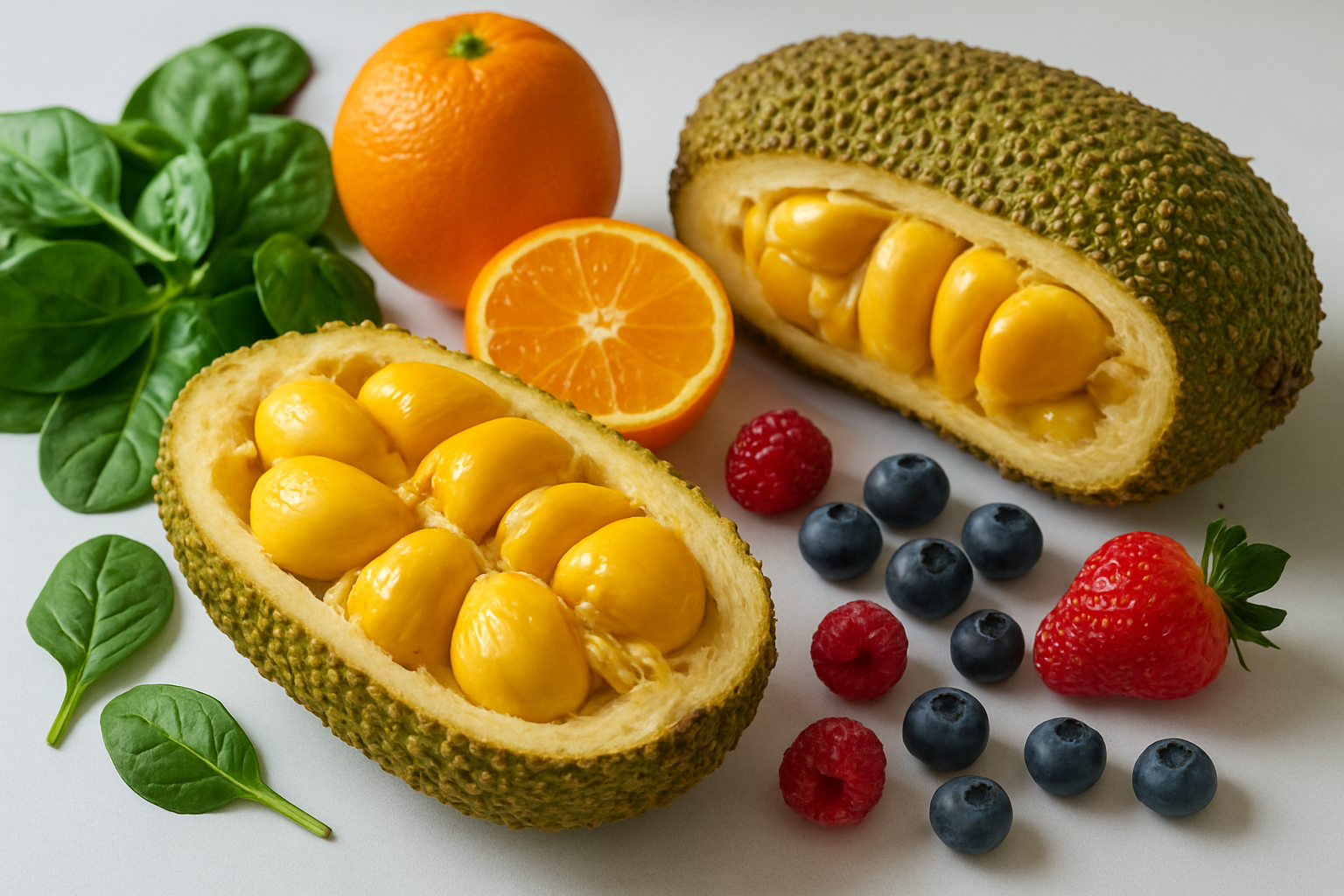
Cempedak fruit delivers an impressive nutritional punch that rivals many well-known superfruits. Each serving contains high levels of vitamin C, providing nearly 60% of your daily requirement in just one cup. This tropical powerhouse also packs significant amounts of vitamin A, essential for maintaining healthy vision and supporting immune function.
The mineral profile of cempedak is equally remarkable. You'll find substantial amounts of potassium, which helps regulate blood pressure and supports heart health. Magnesium content aids in muscle function and bone development, while iron contributes to healthy blood formation. The fruit also contains decent levels of calcium, phosphorus, and zinc, making it a well-rounded nutritional choice.
B-complex vitamins are abundant in cempedak, including thiamine (B1), riboflavin (B2), and niacin (B3). These vitamins play crucial roles in energy metabolism and nervous system function. The fruit's folate content makes it particularly beneficial for pregnant women and those planning to conceive.
Antioxidant properties for immune system support
The cempedak superfruit contains powerful antioxidants that help combat free radicals in your body. These compounds include flavonoids, carotenoids, and phenolic acids, which work together to protect cells from oxidative stress and inflammation.
Beta-carotene gives cempedak its golden color and converts to vitamin A in your body. This antioxidant supports immune system function and helps maintain healthy skin. The fruit's vitamin C content works synergistically with other antioxidants to boost your body's natural defense mechanisms.
Research suggests that regular consumption of antioxidant-rich fruits like cempedak may help reduce the risk of chronic diseases and slow the aging process. The unique combination of antioxidants in cempedak provides comprehensive protection against cellular damage.
Fiber content for digestive health
Cempedak nutritional benefits extend to digestive wellness through its impressive fiber content. One cup provides approximately 4-6 grams of dietary fiber, contributing significantly to your daily fiber needs. This fiber comes in both soluble and insoluble forms, each offering distinct health advantages.
Soluble fiber helps regulate blood sugar levels by slowing glucose absorption, making cempedak a smart choice for those managing diabetes. It also helps lower cholesterol levels by binding to cholesterol particles in the digestive system.
Insoluble fiber promotes healthy bowel movements and prevents constipation by adding bulk to stool. This type of fiber also feeds beneficial gut bacteria, supporting a healthy microbiome. The combination of both fiber types makes cempedak an excellent choice for maintaining optimal digestive function and preventing gastrointestinal issues.
Natural energy boosting compounds
The natural sugars in cempedak provide quick energy without the crash associated with processed sugars. Fructose, glucose, and sucrose combine to deliver sustained energy release, making this tropical fruit an ideal pre-workout snack or afternoon pick-me-up.
Cempedak's complex carbohydrate content works alongside its B-vitamins to support efficient energy metabolism. The fruit's natural sugars are balanced by fiber, which helps prevent rapid blood sugar spikes and promotes steady energy levels throughout the day.
The presence of natural compounds like amino acids and enzymes further enhances the fruit's energy-boosting properties. These components help your body convert nutrients into usable energy more efficiently, making cempedak a superior alternative to artificial energy drinks or processed snacks.
Where to Find and How to Select Perfect Cempedak
Geographic regions where cempedak grows naturally
Cempedak fruit thrives exclusively in the humid tropical climates of Southeast Asia, where the warm, consistent temperatures and abundant rainfall create perfect growing conditions. Malaysia stands as the primary native habitat, particularly in the states of Pahang, Kelantan, and Terengganu, where wild cempedak trees have flourished for centuries in both rainforests and cultivated orchards.
The fruit also grows naturally across southern Thailand, especially in provinces like Narathiwat, Pattani, and Songkhla near the Malaysian border. In Indonesia, you'll find cempedak trees scattered throughout Sumatra and parts of Java, where local communities have been harvesting this tropical treasure for generations. Southern Myanmar (formerly Burma) hosts smaller populations of cempedak trees, though they're less common than in neighboring countries.
Brunei and southern Philippines also support limited cempedak cultivation, though these regions represent the outer edges of the fruit's natural range. The trees require specific soil conditions – well-draining but moisture-retentive earth with pH levels between 5.5 and 7.0 – which explains why cempedak hasn't spread beyond its Southeast Asian homeland despite numerous attempts at cultivation elsewhere.
Seasonal availability and peak harvest times
Cempedak follows a distinct seasonal pattern that varies slightly across different regions. The primary fruiting season typically runs from June through August, with peak harvest occurring during July when trees produce their largest and most flavorful fruits. This timing coincides with the region's wet season, when consistent rainfall supports optimal fruit development.
A secondary, smaller harvest often occurs between December and February in some areas, particularly in equatorial regions where temperature variations remain minimal year-round. However, these off-season fruits tend to be smaller and less abundant than the main crop.
| Region | Primary Season | Secondary Season | Peak Harvest |
|---|---|---|---|
| Malaysia | June - August | December - January | July |
| Thailand | May - July | November - December | June |
| Indonesia | July - September | January - February | August |
| Brunei | June - August | None | July |
Climate variations can shift these patterns by several weeks, and mature trees may produce fruit sporadically throughout the year, though in much smaller quantities.
Signs of ripeness and quality indicators
Selecting perfect cempedak requires attention to several key indicators that distinguish ripe, flavorful fruit from immature or overripe specimens. The skin color provides the first clue – look for a golden-yellow to orange hue with a slight glossy sheen. Green patches indicate the fruit needs more time to ripen, while brown or dark spots suggest overripeness.
The aroma offers the most reliable indicator of ripeness. Ripe cempedak emits a sweet, slightly musky fragrance that's noticeable even from a distance – similar to jackfruit but more intense and complex. The smell should be pleasant and fruity; avoid fruits with fermented or overly pungent odors.
Physical examination checklist:
-
Skin texture: Should yield slightly to gentle pressure without being mushy
-
Sound test: Tap the fruit – ripe cempedak produces a hollow, resonant sound
-
Stem area: Should be dry and clean, without mold or excessive stickiness
-
Weight: Choose fruits that feel heavy for their size, indicating good flesh development
-
Shape: Look for well-rounded, symmetrical fruits without significant dents or soft spots
The spikes on the skin should be firm and well-defined rather than shriveled or blackened, which indicates freshness and proper handling during transport.
Best places to purchase fresh cempedak
Finding fresh cempedak outside Southeast Asia can be challenging, but several reliable sources exist for both regional and international buyers. Traditional wet markets in Malaysia, Thailand, and Indonesia remain the best option for the freshest, highest-quality fruit. These markets typically receive daily deliveries from local orchards, and vendors can provide valuable advice about ripeness and preparation.
In Southeast Asia:
-
Local wet markets and fresh produce stalls
-
Roadside fruit vendors near growing regions
-
Specialty tropical fruit farms offering direct sales
-
Traditional morning markets (pasar pagi) in Malaysia
International options:
-
Asian grocery stores in major cities with Southeast Asian populations
-
Specialty tropical fruit importers (seasonal availability)
-
Online retailers specializing in exotic fruits (limited and expensive)
-
Some high-end supermarkets in areas with significant Asian communities
When buying from international sources, expect significantly higher prices and limited availability. The fruit's short shelf life makes long-distance shipping challenging, so most imported cempedak arrives frozen or processed rather than fresh. Contact Asian grocery stores in advance to inquire about special orders during peak season – many retailers can arrange imports if there's sufficient customer demand.
For the authentic experience, nothing beats purchasing cempedak fruit directly from source regions during your travels to Southeast Asia, where you can enjoy it at peak freshness and discover the true flavor profile that makes this tropical fruit so cherished by locals.
Culinary Uses and Traditional Preparation Methods
Raw Consumption Techniques and Flavor Profile
How to eat cempedak raw starts with understanding its unique texture and taste profile. The creamy, custard-like flesh delivers a complex flavor that blends sweet tropical notes with subtle hints of vanilla and honey. Unlike its cousin jackfruit, cempedak offers a more intense aroma and richer taste experience.
To prepare fresh cempedak, cut the fruit lengthwise and remove the golden arils from their protective pods. Each aril contains a seed that can be separated easily. The flesh should feel soft but not mushy when perfectly ripe. Many people enjoy eating the arils directly, savoring the creamy texture that melts on the tongue.
The cempedak fruit provides an excellent snacking experience when chilled. Some prefer to remove the seeds and blend the flesh into smoothies or mix it with coconut milk for a traditional Southeast Asian treat. The natural sweetness makes it perfect for fruit salads, though its strong aroma means it pairs best with other robust tropical flavors like mango or durian.
Popular Cooked Dishes Featuring Cempedak
Traditional cooking methods transform cempedak into various beloved dishes across Southeast Asia. Cempedak fritters rank among the most popular preparations, where the flesh gets coated in seasoned batter and deep-fried until golden. This cooking method creates a delightful contrast between the crispy exterior and soft, sweet interior.
Cempedak curry showcases the fruit's versatility in savory applications. Young, less ripe cempedak works wonderfully in coconut milk-based curries with spices like galangal, lemongrass, and chilies. The fruit absorbs flavors beautifully while maintaining its distinctive taste.
| Cooking Method | Preparation Time | Best Ripeness Level |
|---|---|---|
| Fritters | 15 minutes | Fully ripe |
| Curry | 30 minutes | Semi-ripe |
| Compote | 20 minutes | Overripe |
| Grilled | 10 minutes | Ripe |
Sweet preparations include cempedak compote, where the flesh simmers with palm sugar and pandan leaves. Grilled cempedak wrapped in banana leaves creates a smoky, caramelized treat perfect for dessert.
Traditional Preserving and Processing Methods
Ancient preservation techniques ensure year-round enjoyment of this seasonal tropical fruit cempedak. Sun-drying remains the most common method, where thinly sliced flesh dries under direct sunlight for several days. The result creates chewy, concentrated fruit leather that stores for months.
Fermented cempedak paste represents another traditional preservation method. The overripe flesh undergoes natural fermentation, creating a pungent condiment used in various dishes. This process intensifies the fruit's natural umami characteristics.
Salt-curing offers another preservation option. Fresh cempedak gets packed in coarse sea salt, drawing out moisture while infusing a subtle saline flavor. This method produces a unique ingredient for both sweet and savory applications.
Modern processing includes making cempedak jam, where the flesh cooks down with sugar and lime juice. The natural pectin content helps create a spreadable consistency perfect for bread or crackers. Some traditional methods involve smoking the flesh over coconut husks, imparting a distinctive flavor that complements the fruit's natural sweetness.
Health Benefits and Medicinal Properties
Blood Sugar Regulation and Diabetes Management
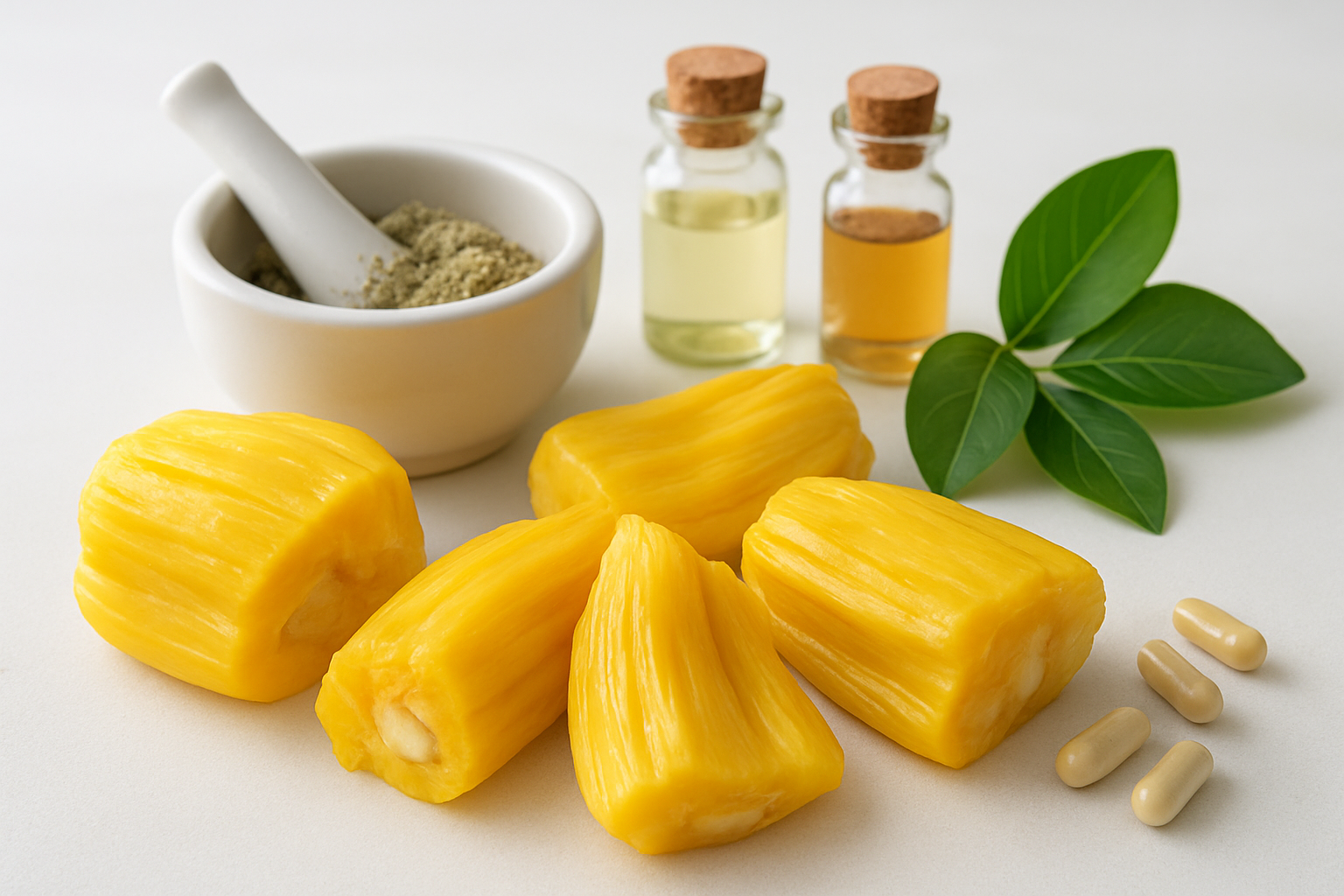
Cempedak fruit contains natural compounds that help keep blood sugar levels steady throughout the day. The fiber content in this tropical superfruit slows down how quickly sugar enters your bloodstream, preventing those sharp spikes that can leave you feeling tired and hungry shortly after eating.
Research shows that the antioxidants in cempedak, particularly flavonoids and phenolic compounds, improve how your body processes insulin. This makes the fruit especially valuable for people managing type 2 diabetes or those at risk of developing it. The natural sugars in cempedak are released slowly, providing sustained energy without overwhelming your system.
Regular consumption of cempedak can help maintain healthy glucose metabolism. The fruit's low glycemic index means it won't cause dramatic blood sugar swings like processed foods do. Many traditional healers in Southeast Asia have used cempedak leaves as a natural remedy for managing diabetes symptoms.
Heart Health and Cholesterol Control
Your cardiovascular system gets significant support from cempedak's impressive nutrient profile. The fruit contains potassium, which helps regulate blood pressure by balancing sodium levels in your body. This mineral works like a natural blood pressure medication, helping your heart pump more efficiently.
The fiber in cempedak actively works to reduce bad cholesterol (LDL) while supporting good cholesterol (HDL) levels. This dual action protects your arteries from plaque buildup that can lead to heart disease and stroke. The antioxidants in cempedak also prevent cholesterol oxidation, a key factor in arterial damage.
Magnesium and folate in cempedak support healthy heart rhythm and proper blood vessel function. These nutrients work together to reduce inflammation in blood vessels, improving circulation throughout your body. People who eat cempedak regularly often report better energy levels and improved cardiovascular endurance.
Skin and Hair Health Improvements
Cempedak's vitamin C content makes it a natural beauty booster from the inside out. This vitamin helps your body produce collagen, the protein that keeps your skin firm, smooth, and youthful-looking. Regular consumption can reduce the appearance of fine lines and help maintain skin elasticity.
The antioxidants in cempedak protect your skin cells from damage caused by pollution, UV rays, and everyday stress. These compounds fight free radicals that accelerate aging and cause dull, tired-looking skin. Many people notice a natural glow after adding cempedak to their diet for several weeks.
For hair health, the B vitamins in cempedak support strong, healthy growth from the roots. The fruit's copper content helps maintain natural hair color and prevents premature graying. Traditional applications include using cempedak pulp as a hair mask to add shine and moisture to dry, damaged strands.
Anti-inflammatory and Healing Properties
Cempedak contains powerful anti-inflammatory compounds that help your body recover from injuries and reduce chronic inflammation. The fruit's natural enzymes work similar to over-the-counter anti-inflammatory medications but without the side effects.
These healing properties extend to wound recovery and immune system support. The vitamin A in cempedak promotes faster tissue repair, while zinc helps cuts and scrapes heal more quickly. Traditional medicine practitioners have used cempedak bark and leaves to treat various inflammatory conditions for centuries.
The fruit's antimicrobial properties help fight off infections and support overall immune function. Regular consumption can reduce the frequency of common illnesses like colds and flu. The natural compounds in cempedak also support digestive health by reducing inflammation in the gut lining.
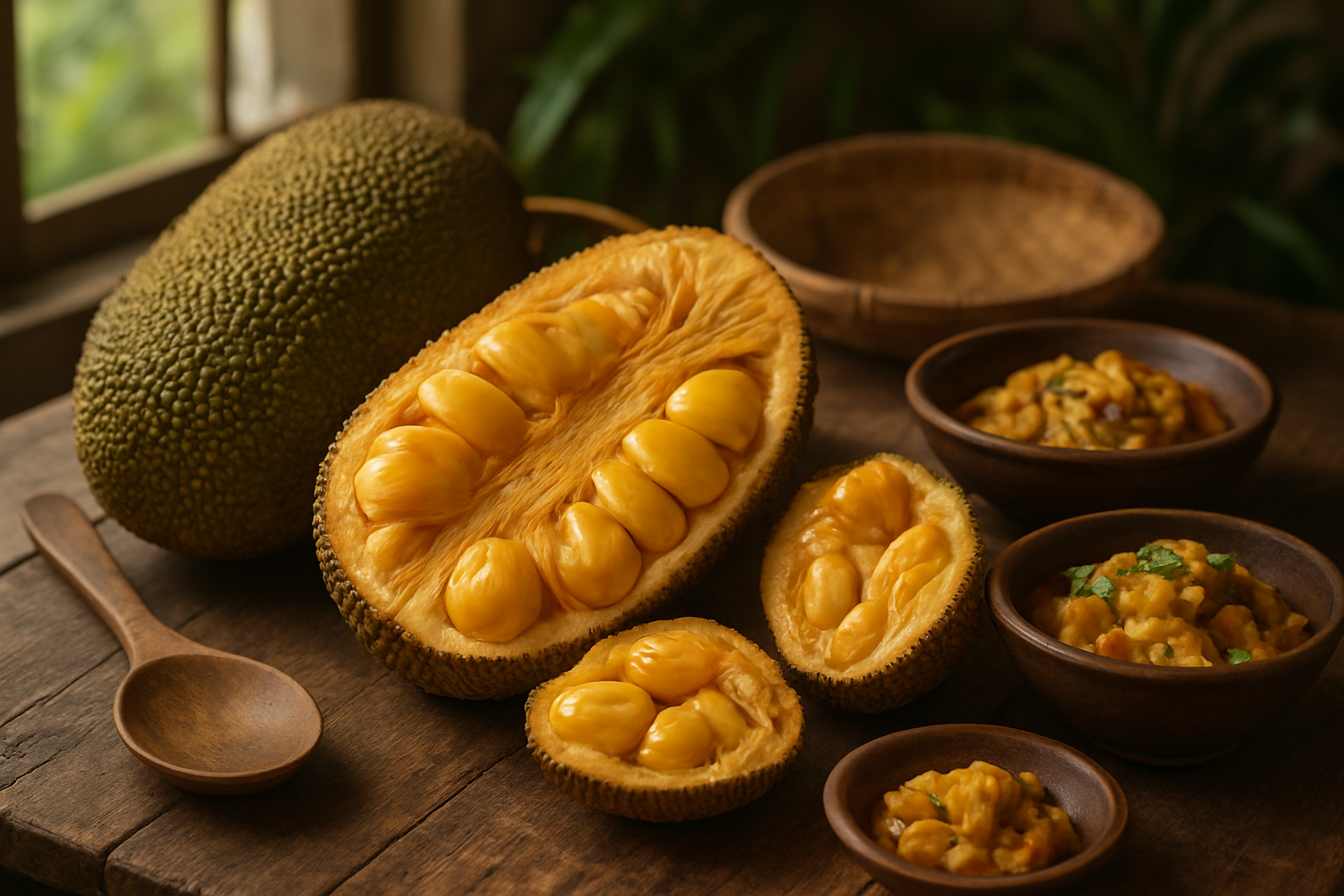
Cempedak stands out as one of Southeast Asia's best-kept secrets, offering a perfect blend of incredible taste and impressive health benefits. This tropical gem packs serious nutritional value with its high fiber content, essential vitamins, and natural compounds that support your immune system and overall wellness. Finding fresh cempedak might take some effort if you're outside its native regions, but the reward is worth it when you experience its unique sweet flavor and creamy texture.
Don't let this amazing fruit stay hidden in your local Asian markets any longer. Whether you enjoy it fresh as a snack, blend it into smoothies, or try traditional preparations like tempura-style fritters, cempedak deserves a spot in your regular fruit rotation. Next time you're exploring new foods or looking for healthier alternatives, give cempedak a chance – your taste buds and body will thank you for discovering this tropical treasure.


Comments
Post a Comment