Feijoa - What's The Feijoa (Pineapple Guava) Fruit?
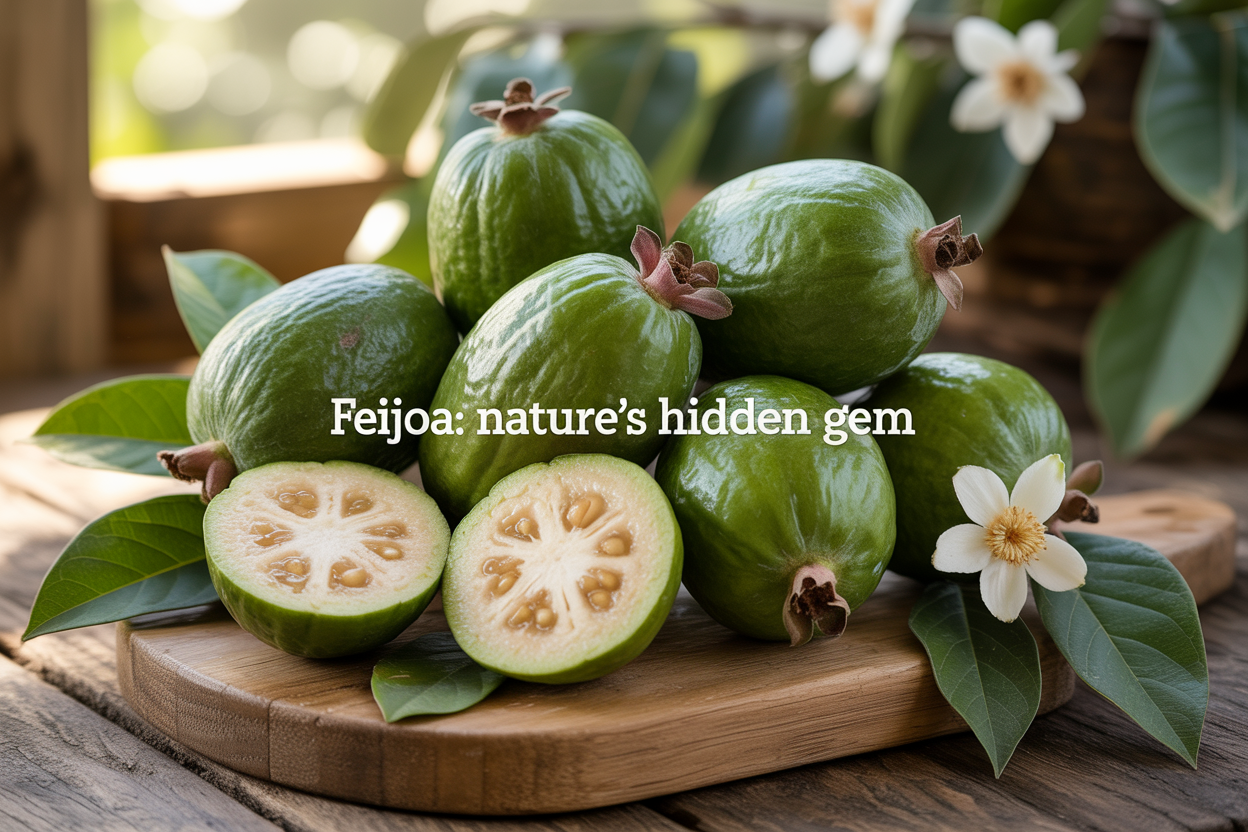
Discover the Exotic Feijoa Fruit That's Taking the World by Storm
The feijoa fruit, also known as pineapple guava, is a green, egg-shaped tropical treasure that combines the flavors of strawberry, pineapple, and mint in one incredible bite. Perfect for curious food lovers, home gardeners, and health enthusiasts, this guide reveals everything you need to know about this unique superfruit.
You'll discover what makes feijoa taste so distinctive and learn the best ways to eat this versatile fruit. We'll also explore the impressive feijoa benefits and nutrition facts that make it a true powerhouse food. Plus, you'll get practical tips for growing feijoa trees in your own backyard and creative feijoa recipes to transform your cooking game.
Discover the Origins and Identity of Feijoa
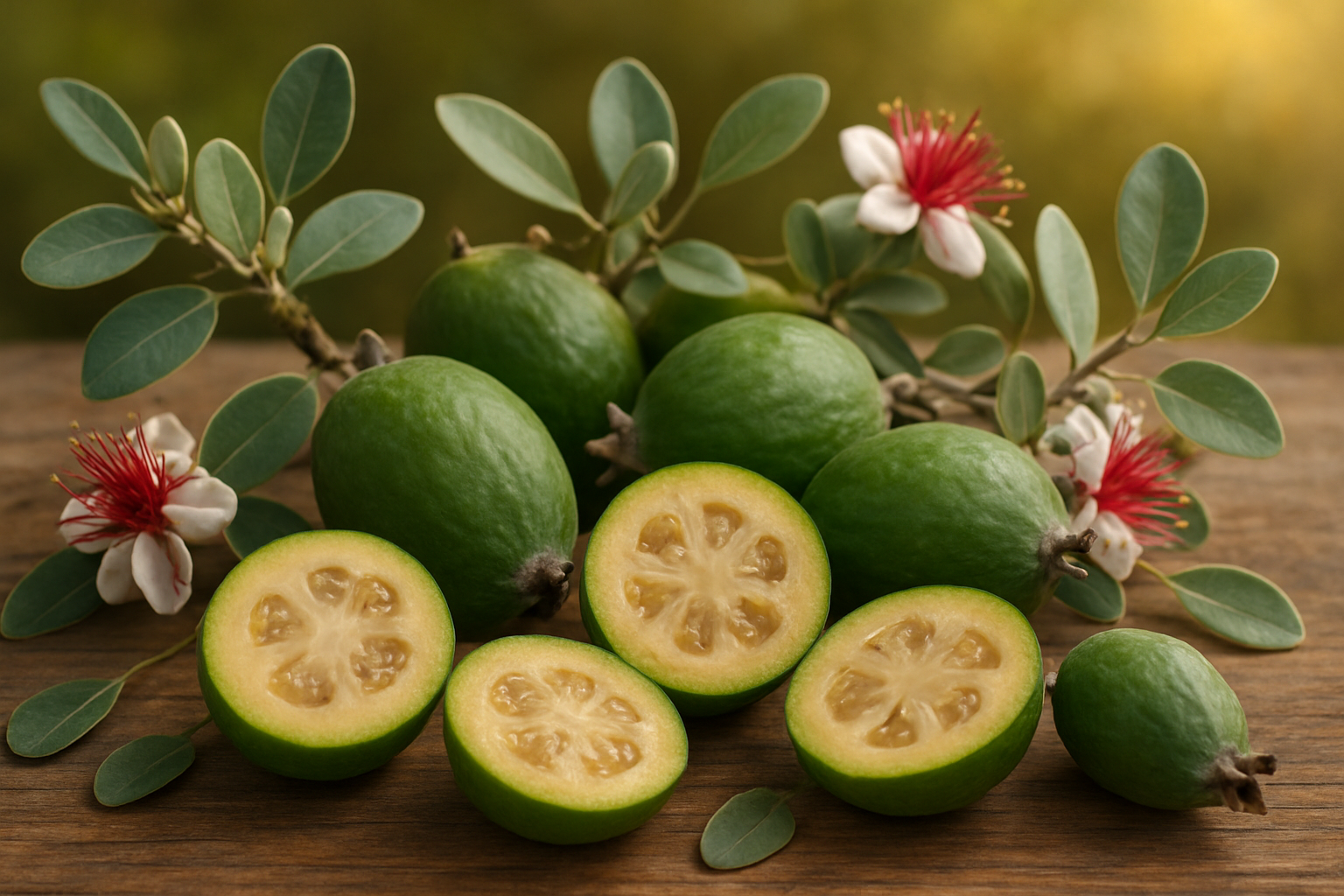
Uncover the South American roots of this exotic superfruit
The feijoa fruit traces its fascinating journey back to the rugged highlands of southern Brazil, Uruguay, northern Argentina, and Paraguay. This remarkable fruit belongs to the myrtle family (Myrtaceae) and thrives in the subtropical regions where the climate provides just the right balance of warmth and moisture.
Indigenous peoples of South America have known about this green-skinned treasure for centuries, harvesting wild feijoas from native trees that grew naturally across the landscape. The fruit's botanical name, Acca sellowiana, honors Friedrich Sellow, a German naturalist who documented the species during his expeditions through South America in the early 1800s.
Wild feijoa trees can still be found dotting the South American countryside, producing smaller fruits than their cultivated cousins. These original specimens showcase the fruit's incredible adaptability, surviving harsh weather conditions and poor soils that would challenge many other fruit trees.
Learn why it's called both feijoa and pineapple guava
The dual naming of this fruit creates endless confusion, but each name tells part of its story. "Feijoa" comes from João da Silva Feijó, a Portuguese botanist and naturalist who contributed significantly to Brazilian botanical studies. This name stuck in scientific circles and remains the preferred term in many countries.
The "pineapple guava" moniker emerged when European settlers and botanists first encountered the fruit. They noticed its aromatic qualities reminded them of pineapple, while its appearance and texture seemed similar to guava. This descriptive name helped early cultivators market the fruit to audiences unfamiliar with the original South American terminology.
Here's how different regions prefer to call this fruit:
| Region | Common Name | Alternative Names |
|---|---|---|
| New Zealand | Feijoa | - |
| Australia | Feijoa | Pineapple Guava |
| United States | Pineapple Guava | Feijoa |
| South America | Feijoa | Guayabo del País |
| Europe | Feijoa | Pineapple Guava |
Understand how this fruit conquered New Zealand and beyond
The feijoa's global expansion began in the early 1900s when French horticulturist Edouard André introduced seeds to Europe. From there, enterprising gardeners and botanists carried the fruit to various corners of the world, but nowhere did it find a more welcoming home than New Zealand.
New Zealand's temperate climate proved perfect for feijoa cultivation. The country's mild winters, warm summers, and adequate rainfall created ideal growing conditions that allowed the fruit to flourish beyond anyone's expectations. By the 1920s, feijoa trees were appearing in New Zealand gardens, and commercial cultivation followed soon after.
The fruit's conquest of New Zealand happened so successfully that many people now associate feijoas more with New Zealand than with their South American origins. Kiwi gardeners embraced the hardy trees that could withstand their climate variations while producing abundant crops of aromatic fruit.
Beyond New Zealand, feijoas found success in:
-
Australia: Particularly in cooler coastal regions
-
California: Where Mediterranean climates suit the trees perfectly
-
Mediterranean countries: Including parts of Italy, Spain, and southern France
-
South Africa: Where the climate mirrors the fruit's native habitat
Today, while what is feijoa remains a mystery to many, this South American native has established thriving populations across multiple continents, proving its remarkable adaptability and appeal to fruit lovers worldwide.
Master the Art of Identifying Perfect Feijoa
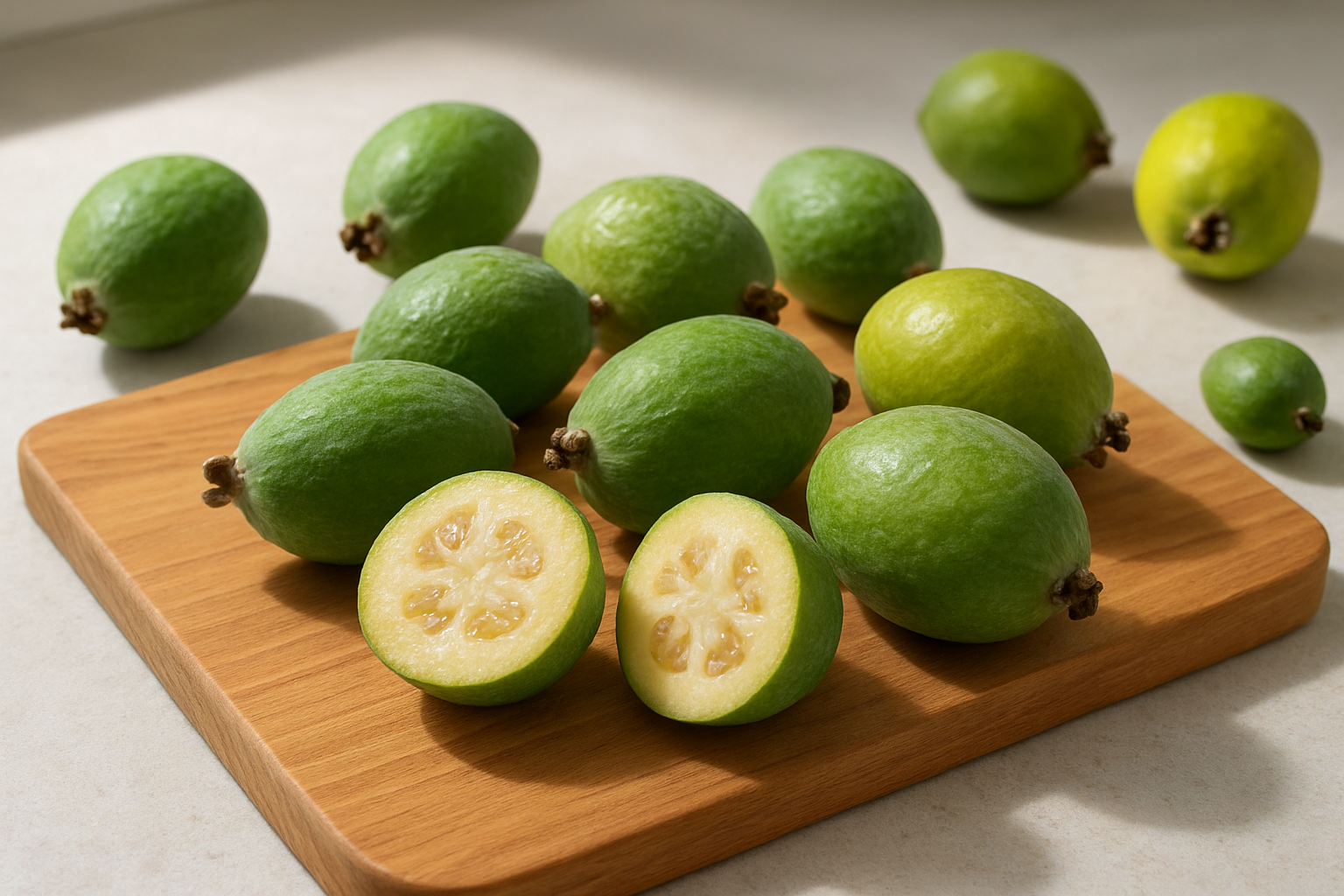
Recognize the unique egg-shaped appearance and green skin
Feijoa fruit stands out with its distinctive oval to egg-shaped silhouette, typically measuring 2-4 inches in length. The skin displays a beautiful green color that ranges from bright emerald when unripe to a deeper, more muted green-gray when ready to eat. Unlike many tropical fruits, feijoa maintains its green exterior even when perfectly ripe, making visual cues trickier to master.
The surface feels smooth to slightly bumpy, with a waxy coating that gives it a subtle sheen. You'll notice the fruit tapers slightly at both ends, with the blossom end often showing remnants of the dried flower petals. Size varies considerably depending on the variety, with some specimens reaching up to 3.5 inches long and 2 inches wide.
Discover the telltale fragrant aroma that signals ripeness
The most reliable indicator of a ripe pineapple guava is its incredible fragrance. A perfectly ripe feijoa releases an intoxicating perfume that combines tropical sweetness with floral notes. This aroma becomes noticeably stronger as the fruit reaches peak ripeness, often detectable from several feet away.
When you hold a ripe feijoa close to your nose, you'll catch hints of pineapple, guava, and strawberry, with subtle mint undertones. The fragrance should be sweet and inviting, never sour or fermented. If the fruit has no scent at all, it needs more time to ripen. Overripe fruits develop an overly intense, almost alcoholic smell that signals the flesh has begun to ferment.
Learn the gentle squeeze test for optimal eating timing
The gentle squeeze test works perfectly for feijoa fruit selection. Hold the fruit in your palm and apply light pressure with your thumb. A ripe feijoa yields slightly to gentle pressure, similar to a ripe avocado, but shouldn't feel mushy or overly soft.
The fruit should give just enough to indicate the flesh inside has softened, creating that perfect jelly-like texture feijoa lovers crave. Rock-hard fruits need several more days at room temperature, while fruits that feel squishy or leave finger impressions have passed their prime. The sweet spot feels like pressing into a ripe peach - firm but with a subtle give.
Understand seasonal availability for best fruit selection
Feijoa season varies dramatically by location, making timing crucial for finding the best specimens. In the Southern Hemisphere, particularly New Zealand and parts of Australia, peak season runs from March through June (autumn). Northern Hemisphere growers, including California and parts of the Mediterranean, typically see their harvest from October through December.
The best feijoa benefits come from tree-ripened fruits, so shopping at farmers markets during peak season offers superior quality compared to imported options. Early season fruits tend to be smaller and more tart, while late-season specimens often reach maximum size and sweetness. Store-bought feijoas are frequently picked unripe for shipping, so patience is key - let them ripen at room temperature for 3-7 days until they pass the aroma and squeeze tests.
Unlock the Incredible Nutritional Powerhouse Benefits
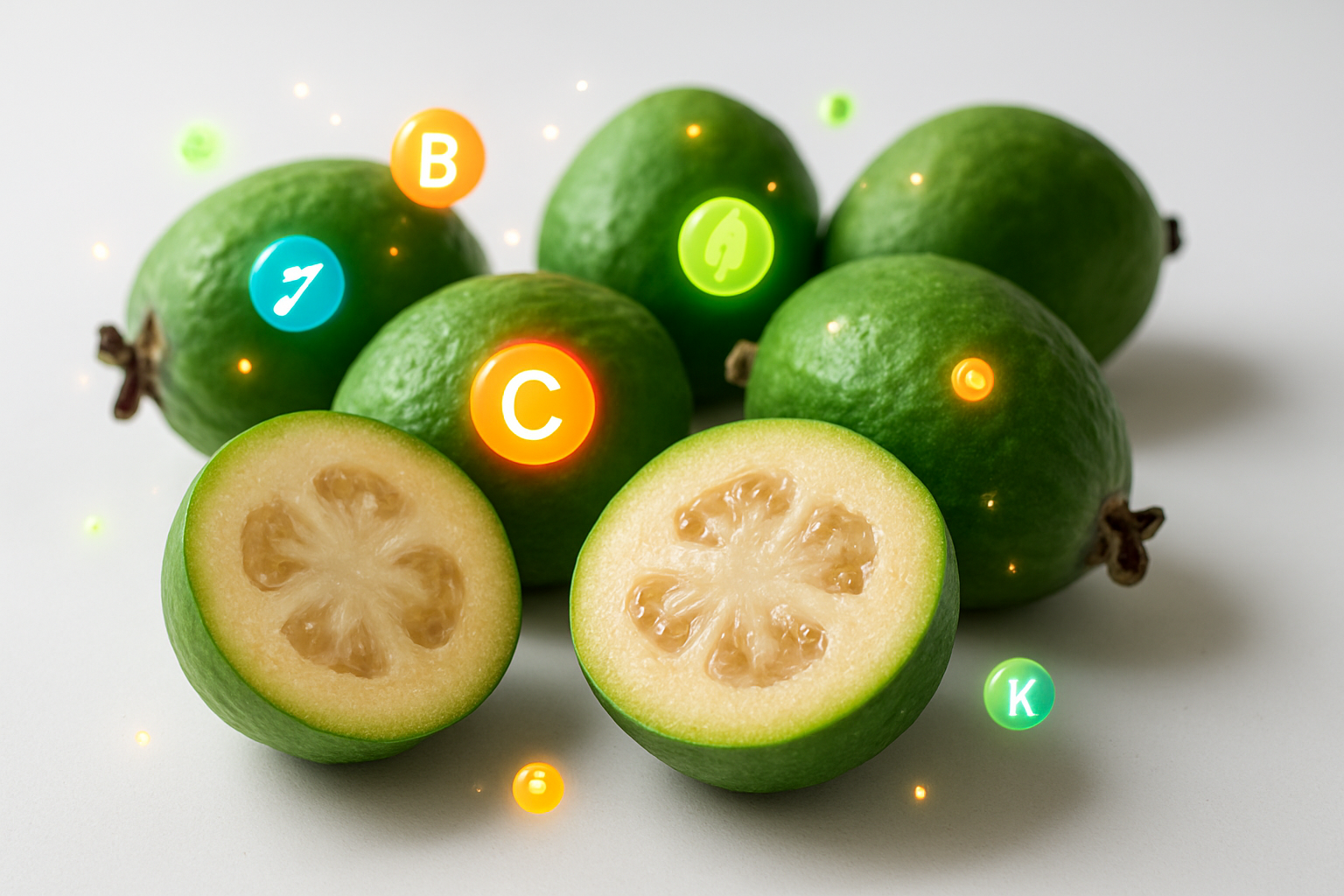
Boost your immune system with exceptional vitamin C content
Feijoa fruit packs an impressive vitamin C punch that puts many citrus fruits to shame. A single medium-sized feijoa contains approximately 55-83 mg of vitamin C, covering nearly your entire daily requirement. This powerful antioxidant works around the clock to strengthen your immune defenses, helping your body fight off infections and seasonal bugs more effectively.
The vitamin C in feijoa benefits goes beyond basic immunity. It actively supports collagen production, keeping your joints healthy and your skin looking fresh. Unlike synthetic supplements, the natural vitamin C in pineapple guava comes bundled with complementary compounds that enhance absorption and effectiveness.
Support digestive health with high fiber and enzyme content
Your gut will thank you for adding feijoa nutrition to your daily routine. Each fruit delivers about 6 grams of dietary fiber, promoting healthy digestion and keeping things moving smoothly. The soluble fiber helps regulate blood sugar levels while feeding beneficial gut bacteria.
What makes feijoa particularly special is its natural enzyme content. These digestive enzymes help break down proteins and improve nutrient absorption. Many people notice better digestion and less bloating when they regularly include this tropical gem in their diet.
Protect your heart with potassium and antioxidant compounds
Feijoa fruit serves as a heart-healthy powerhouse loaded with potassium, delivering about 172 mg per serving. This essential mineral helps regulate blood pressure by counteracting sodium's effects and supporting proper heart rhythm. Regular consumption can contribute to better cardiovascular health over time.
The antioxidant profile includes flavonoids and phenolic compounds that combat oxidative stress - a major contributor to heart disease. These protective compounds work together to reduce inflammation in blood vessels and support healthy cholesterol levels.
Enhance skin health with anti-inflammatory properties
The anti-inflammatory compounds in pineapple guava work wonders for your skin from the inside out. The combination of vitamin C, antioxidants, and natural plant compounds helps reduce skin irritation and supports the healing of minor blemishes.
Regular feijoa consumption may help protect against UV damage and slow down signs of aging. The fruit's natural oils and compounds support skin elasticity and hydration, giving you that healthy glow that comes from proper nutrition rather than expensive creams.
Experience the Unique Flavor Profile and Eating Methods
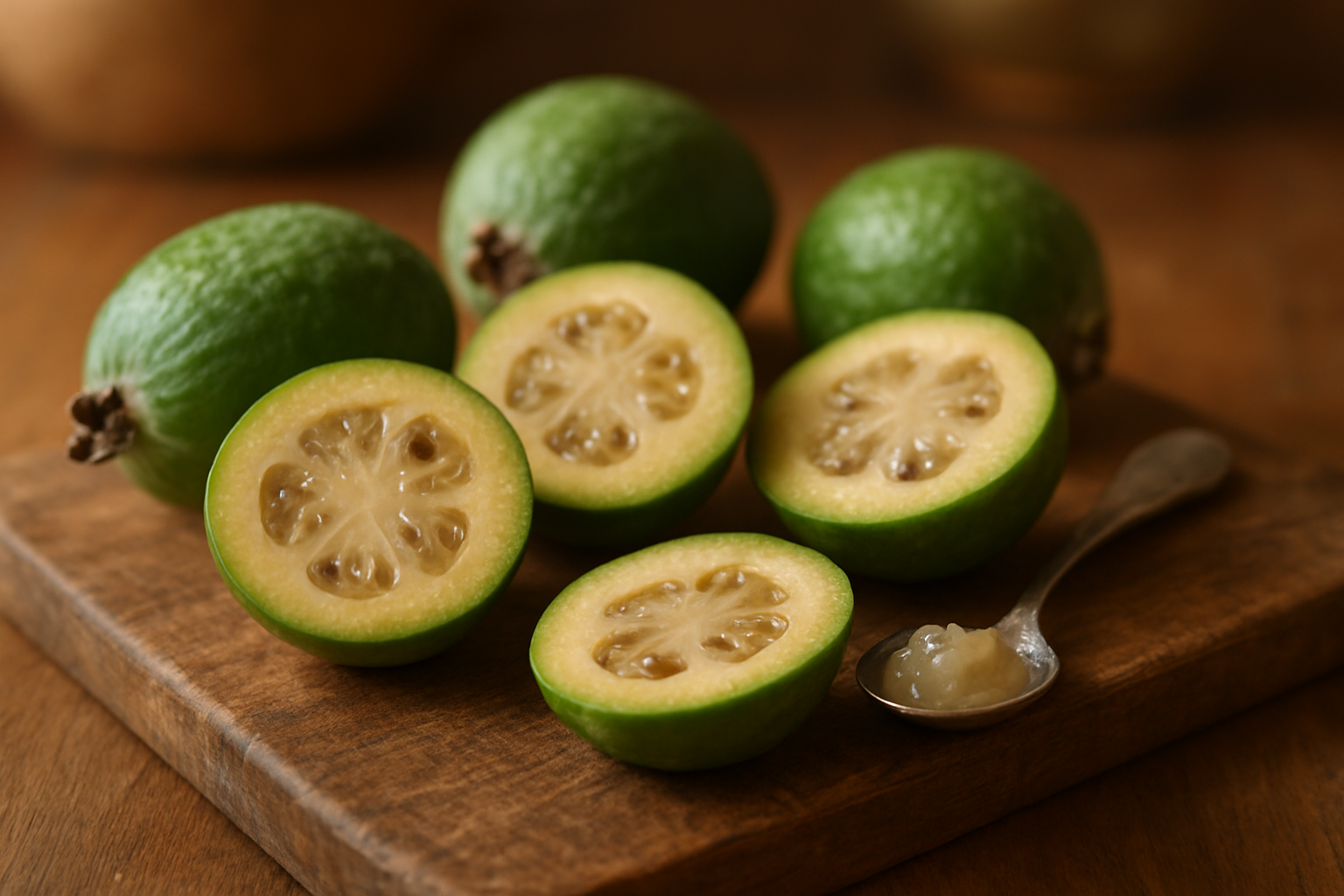
Savor the tropical blend of pineapple, guava, and mint notes
The feijoa taste is truly one of nature's most delightful surprises. When you bite into this exotic fruit, your taste buds encounter a fascinating symphony of flavors that dance across your palate. The dominant notes mirror sweet pineapple with its tropical brightness, followed by the creamy richness of guava that adds depth and smoothness to each bite.
What makes feijoa fruit particularly special is the unexpected hint of mint that appears as an aftertaste. This refreshing element sets it apart from other tropical fruits and creates a cooling sensation that lingers pleasantly. Some people also detect subtle notes of strawberry or even a slight floral essence, making each feijoa eating experience unique depending on the fruit's ripeness and variety.
The texture complements the flavor perfectly - the flesh is grainy yet creamy, similar to a ripe pear but with more juice. The aromatic quality is equally impressive, with a sweet, perfume-like fragrance that intensifies as the fruit ripens. This complex feijoa taste profile makes it incredibly versatile for both fresh eating and culinary applications.
Master the simple spoon-scooping technique for fresh consumption
Learning how to eat feijoa properly enhances your enjoyment of this remarkable fruit. The traditional spoon-scooping method remains the most popular and efficient way to consume fresh feijoas, especially for beginners.
Start by washing the fruit thoroughly under cool running water. Cut the feijoa in half crosswise using a sharp knife, revealing the translucent, jelly-like flesh inside with its characteristic seed cavity in the center. The flesh should appear creamy white to pale yellow, indicating perfect ripeness.
Using a small spoon or teaspoon, gently scoop out the soft interior flesh, leaving the skin behind. The texture should be soft and yielding - if you encounter resistance, the fruit may not be fully ripe yet. Eat the scooped flesh immediately for the best flavor experience, or collect it in a bowl if you're preparing multiple feijoas.
This method works particularly well for:
-
Very ripe, soft feijoas
-
When you want to avoid any potential skin bitterness
-
Serving feijoas as an elegant dessert
-
Introducing children to the fruit
The spoon technique also allows you to easily remove any seeds that might be too large or hard for comfortable eating.
Discover skin-eating possibilities and preparation methods
While many people discard feijoa skins, they're actually edible and can add extra nutrition and fiber to your diet. The skin contains beneficial compounds and shouldn't be wasted if you enjoy the slightly tart, more intense flavor it provides.
Before eating pineapple guava with the skin on, scrub the fruit thoroughly with a vegetable brush under running water to remove any surface dirt or residue. The skin is thin and tender when the fruit is ripe, though it does have a more concentrated, sometimes slightly bitter taste compared to the sweet flesh inside.
Preparation methods for skin-on consumption:
| Method | Best For | Preparation |
|---|---|---|
| Slicing | Snacking, salads | Cut into wedges or rounds |
| Dicing | Smoothies, baking | Chop into small cubes |
| Whole eating | Quick snack | Eat like an apple |
Some people prefer to remove just the blossom end (the brown, papery part opposite the stem) while keeping the rest of the skin intact. This approach works well when the feijoa is perfectly ripe and the skin feels tender to the touch.
The skin adds a pleasant textural contrast and delivers additional antioxidants and fiber that support digestive health. Start with small amounts to see how your palate responds to the more intense flavor profile.
Transform Your Kitchen with Creative Feijoa Recipes
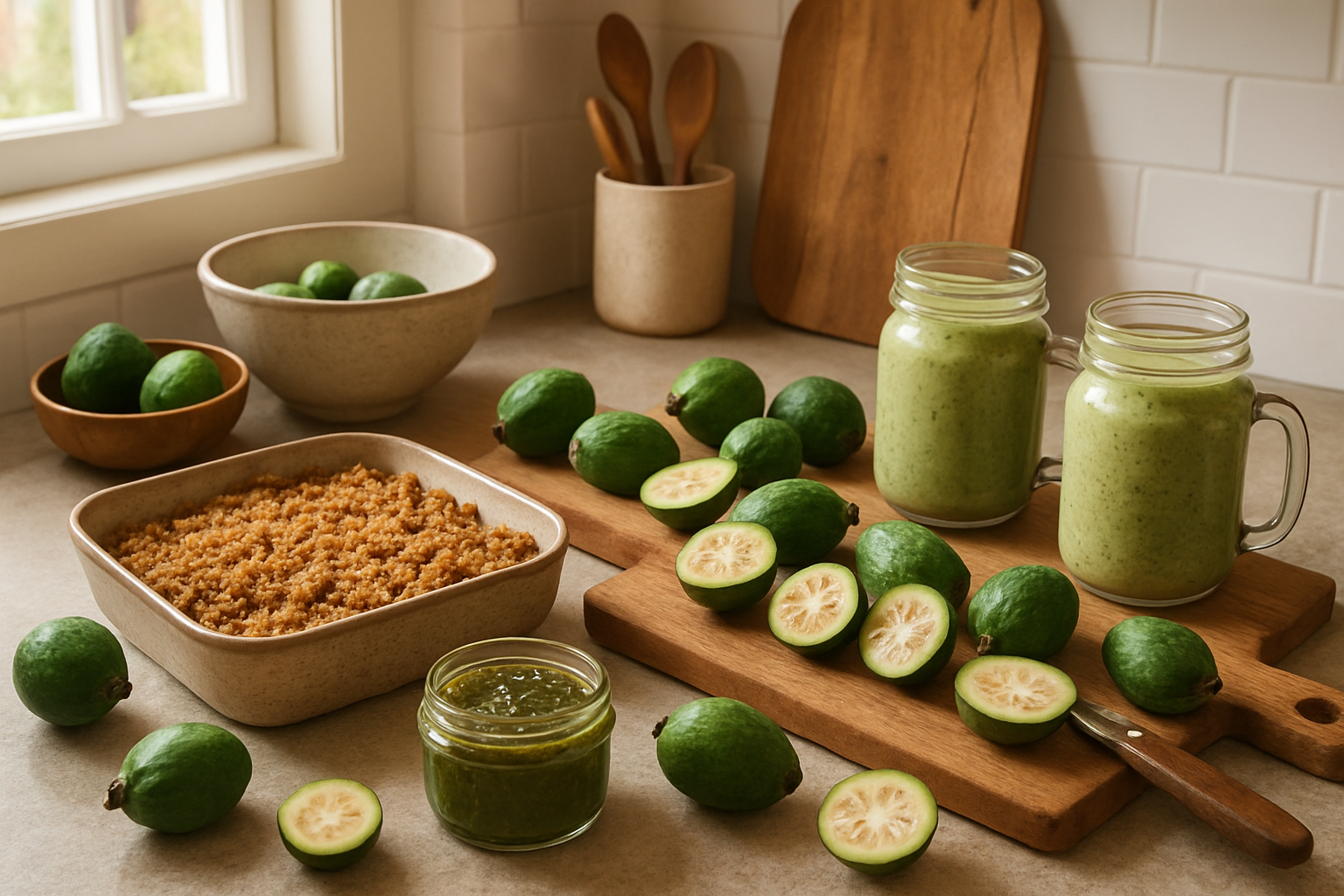
Create refreshing smoothies and juices for daily nutrition
Feijoa fruit transforms ordinary smoothies into tropical masterpieces bursting with vitamin C and antioxidants. The creamy flesh blends beautifully with banana and yogurt, creating a naturally sweet base that doesn't need added sugars. Try combining four ripe feijoas with half a frozen banana, a cup of coconut milk, and a handful of spinach for an energizing green smoothie that masks any vegetable taste with the fruit's unique pineapple-guava flavor.
For a protein-packed breakfast option, blend feijoa with Greek yogurt, oats, and a drizzle of honey. The fruit's natural tartness balances rich dairy perfectly, while its fiber content keeps you satisfied longer. Fresh feijoa juice works wonderfully when mixed with apple or pear juice, creating refreshing drinks that showcase the fruit's distinctive taste profile.
Bake irresistible muffins, cakes, and desserts
Feijoa recipes shine brightest in baked goods where the fruit's aromatic qualities intensify during cooking. Classic feijoa muffins remain a New Zealand favorite – simply fold diced fruit into your standard muffin batter, and the pieces create pockets of jammy sweetness throughout each bite. The fruit's natural pectin helps maintain moisture, resulting in tender, flavorful muffins that stay fresh for days.
Feijoa upside-down cake showcases the fruit's beautiful appearance while caramelizing its sugars for deeper flavor complexity. Layer halved feijoas cut-side down in your cake pan with brown sugar and butter before adding batter. As it bakes, the fruit creates its own syrup that soaks into the cake layers.
For elegant desserts, try feijoa crumble topped with oat streusel, or incorporate pureed feijoa into cheesecake filling. The fruit pairs exceptionally well with cinnamon, vanilla, and lemon zest, making it perfect for autumn baking when feijoas reach peak ripeness.
Craft gourmet jams, chutneys, and preserves
The high pectin content in feijoa fruit makes it ideal for creating thick, spreadable preserves without artificial thickeners. Traditional feijoa jam requires just fruit, sugar, and lemon juice – the natural pectin does the rest. Cook diced feijoas with equal parts sugar over medium heat until the mixture reaches gel consistency, usually within 20-30 minutes.
Feijoa chutney elevates any cheese board or meat dish with its complex sweet-and-tangy profile. Combine chopped feijoas with onions, apple cider vinegar, brown sugar, and warm spices like ginger and cardamom. The slow cooking process mellows the fruit's tartness while building layers of flavor that improve with time.
For sophisticated preserving, try feijoa and vanilla bean jam or experiment with savory combinations like feijoa and jalapeño relish. These gourmet preserves make excellent gifts and showcase the fruit's versatility beyond simple sweet applications.
Experiment with savory dishes and salad combinations
Feijoa's unique flavor profile works surprisingly well in savory applications where its tropical notes complement rich proteins and fresh vegetables. Dice raw feijoa into grain salads with quinoa, arugula, and pomegranate seeds for textural contrast and bright flavor bursts that cut through heavier ingredients.
The fruit pairs beautifully with pork and chicken – try roasting pork tenderloin with halved feijoas, rosemary, and white wine for an elegant dinner that highlights the fruit's natural sweetness against savory herbs. Feijoa salsa combines diced fruit with red onion, cilantro, lime juice, and a touch of jalapeño, creating a fresh accompaniment for grilled fish or tacos.
For sophisticated salads, combine sliced feijoa with goat cheese, candied walnuts, and mixed greens dressed with balsamic vinaigrette. The fruit's creamy texture and complex flavor profile bridges the gap between sweet and savory elements, creating memorable dishes that showcase this remarkable fruit beyond traditional dessert applications.
Grow Your Own Feijoa Paradise at Home
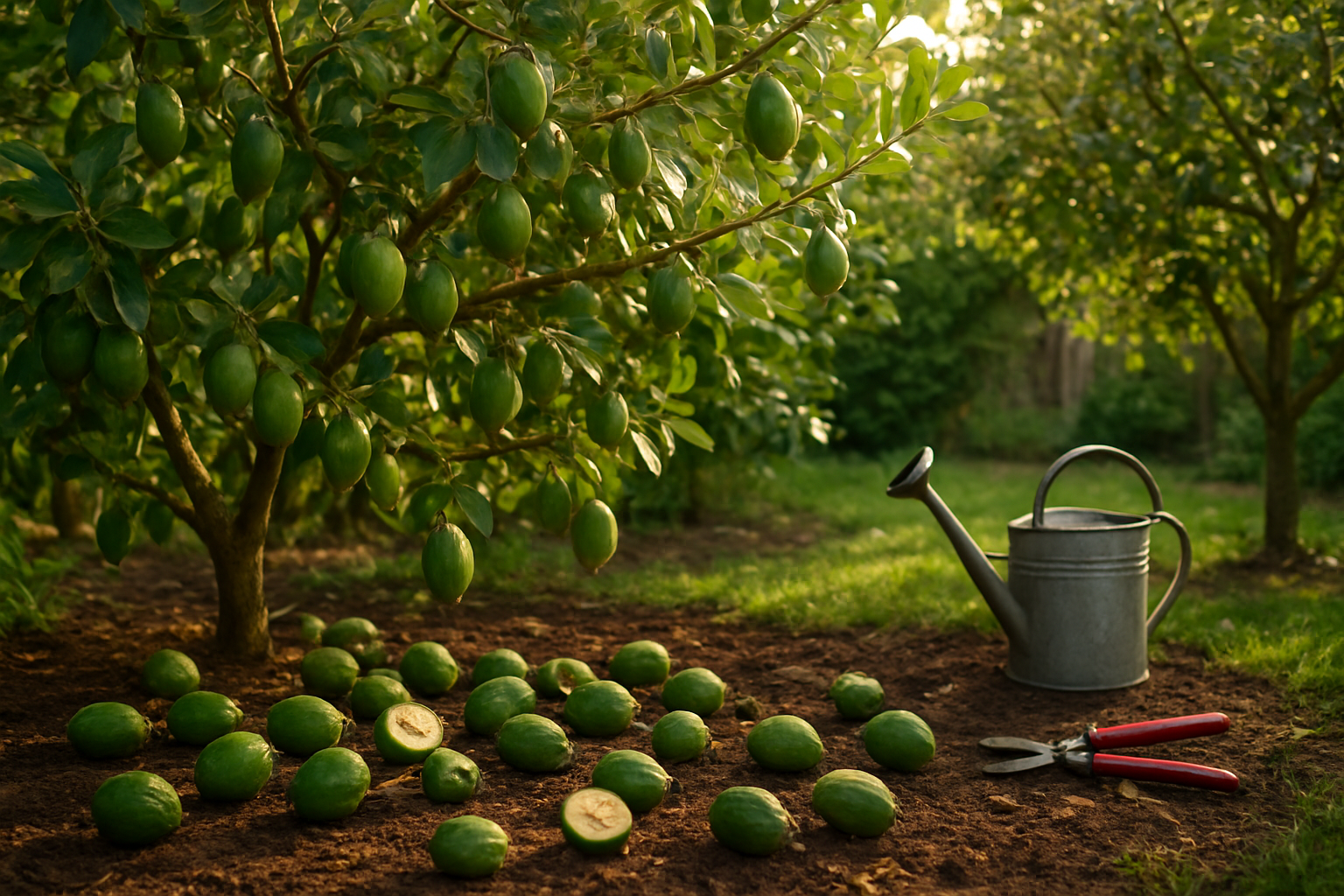
Choose the Right Climate and Soil Conditions for Success
Growing feijoa successfully starts with understanding what makes this remarkable fruit tree thrive. Feijoa trees prefer subtropical to temperate climates with mild winters and warm summers. They handle temperatures as low as 12°F (-11°C) once established, but young trees need protection from harsh frosts. The sweet spot for feijoa tree cultivation lies in USDA zones 8-11, where they enjoy consistent moisture without waterlogged conditions.
Your soil needs to drain well while retaining some moisture – think of it like a well-wrung sponge. Feijoas tolerate various soil types, from sandy loam to clay, but they absolutely despise standing water around their roots. A slightly acidic to neutral pH between 5.5 and 7.0 creates the perfect environment for nutrient uptake.
These trees love morning sun and afternoon shade in hot climates, but full sun works beautifully in cooler regions. Wind protection becomes crucial since feijoas have shallow root systems that can suffer in strong gusts. Plant them near fences, buildings, or other trees to create natural windbreaks.
The magic happens when you provide consistent moisture during flowering and fruit development, typically from late spring through fall. Mulching around the base helps retain moisture and regulate soil temperature, creating the ideal growing environment for your future feijoa paradise.
Select Appropriate Varieties for Your Growing Zone
Choosing the right feijoa variety makes the difference between a struggling tree and a productive powerhouse. Different cultivars handle varying climates and produce distinct fruit characteristics, so matching your variety to your specific growing conditions ensures success.
For cooler zones (8-9), 'Mammoth' and 'Coolidge' varieties excel with their cold tolerance and self-fertile nature. 'Mammoth' produces large, flavorful fruit even in challenging conditions, while 'Coolidge' offers reliable harvests without requiring a pollination partner.
Warmer zones (10-11) can support a wider range of varieties, including 'Pineapple Gem', 'Nazemetz', and 'Triumph'. These heat-loving cultivars produce exceptionally sweet fruit with complex flavor profiles that showcase the best of what feijoa fruit can offer.
| Variety | Climate Zone | Fruit Size | Self-Fertile | Special Features |
|---|---|---|---|---|
| Coolidge | 8-10 | Medium | Yes | Early ripening, cold hardy |
| Mammoth | 8-9 | Large | Yes | Excellent flavor, frost tolerant |
| Pineapple Gem | 9-11 | Small-Medium | No | Intense pineapple flavor |
| Apollo | 9-11 | Large | No | Commercial quality, high yield |
| Gemini | 9-11 | Medium | No | Consistent producer |
Most varieties benefit from cross-pollination, even self-fertile ones, so planting two different cultivars typically increases fruit production dramatically. Space them within 50 feet of each other for optimal pollination results.
Master Pruning and Care Techniques for Maximum Fruit Production
Proper pruning transforms your feijoa tree from a wild shrub into a productive fruit machine. Young trees need formative pruning to establish strong branching structure, while mature trees require maintenance pruning for continued health and maximum fruit production.
Start pruning in late winter before new growth begins. Remove dead, diseased, or crossing branches first – this opens up the canopy for better air circulation and light penetration. Feijoas fruit on new growth, so light annual pruning encourages fresh shoots that will carry next season's harvest.
Shape your tree with an open center or modified leader system. Remove lower branches gradually as the tree matures, creating clearance for mowing and harvesting. Keep the center relatively open to allow sunlight to reach interior branches where fruit development occurs.
Essential Care Practices:
-
Watering: Deep, weekly watering during growing season, reducing in winter
-
Fertilizing: Balanced fertilizer (10-10-10) in early spring, followed by compost mulch
-
Pest Management: Watch for scale insects and fruit flies; use horticultural oil when needed
-
Harvest Timing: Collect fruit when it drops naturally or yields slightly to gentle pressure
Feijoas respond beautifully to organic matter, so regular applications of compost or well-aged manure around the drip line boost both soil health and fruit quality. Avoid fertilizing late in the season, as this can reduce cold hardiness and delay fruit ripening.
The key to growing feijoa successfully lies in patience and consistency. These trees take 2-3 years to establish and 4-5 years to reach full production, but the reward of homegrown pineapple guava makes every bit of effort worthwhile.
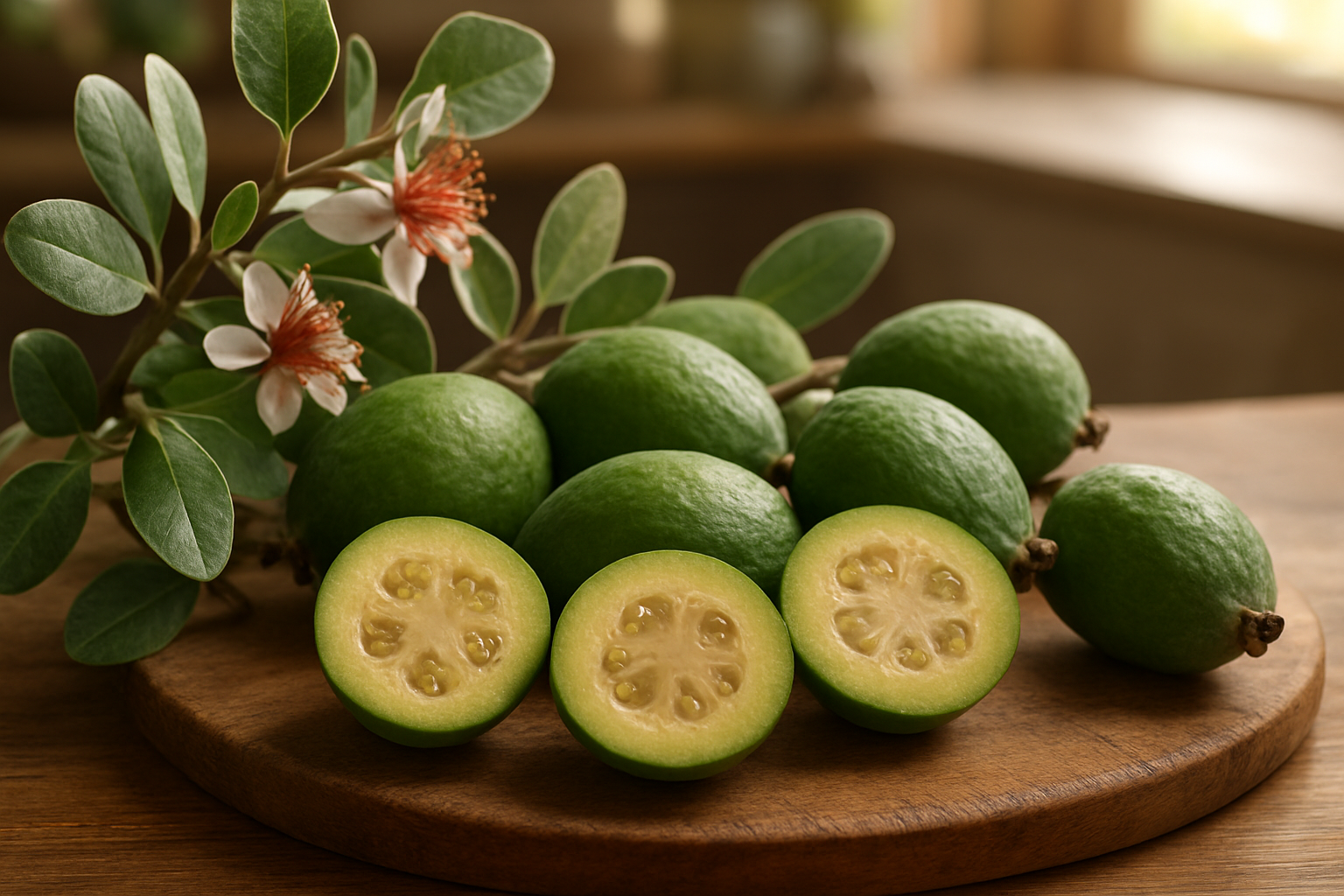
Feijoa stands out as one of nature's most underrated treasures, packing impressive nutritional benefits into its sweet-tart package. From learning to spot the perfect ripeness to discovering creative ways to enjoy this unique fruit, you now have all the tools to make feijoa a regular part of your life. The combination of vitamin C, fiber, and antioxidants makes it a smart choice for anyone looking to boost their health naturally.
Ready to dive into the world of feijoa? Start by visiting your local farmer's market or specialty grocery store to find fresh feijoas, then experiment with simple recipes like smoothies or jams. If you're feeling ambitious, consider planting your own feijoa tree – with a little patience, you'll have homegrown fruit that tastes even better than store-bought. Give this remarkable fruit a chance, and you might just find your new favorite snack.


.png)
Comments
Post a Comment