Garden Egg - What's The Garden Egg Fruit?
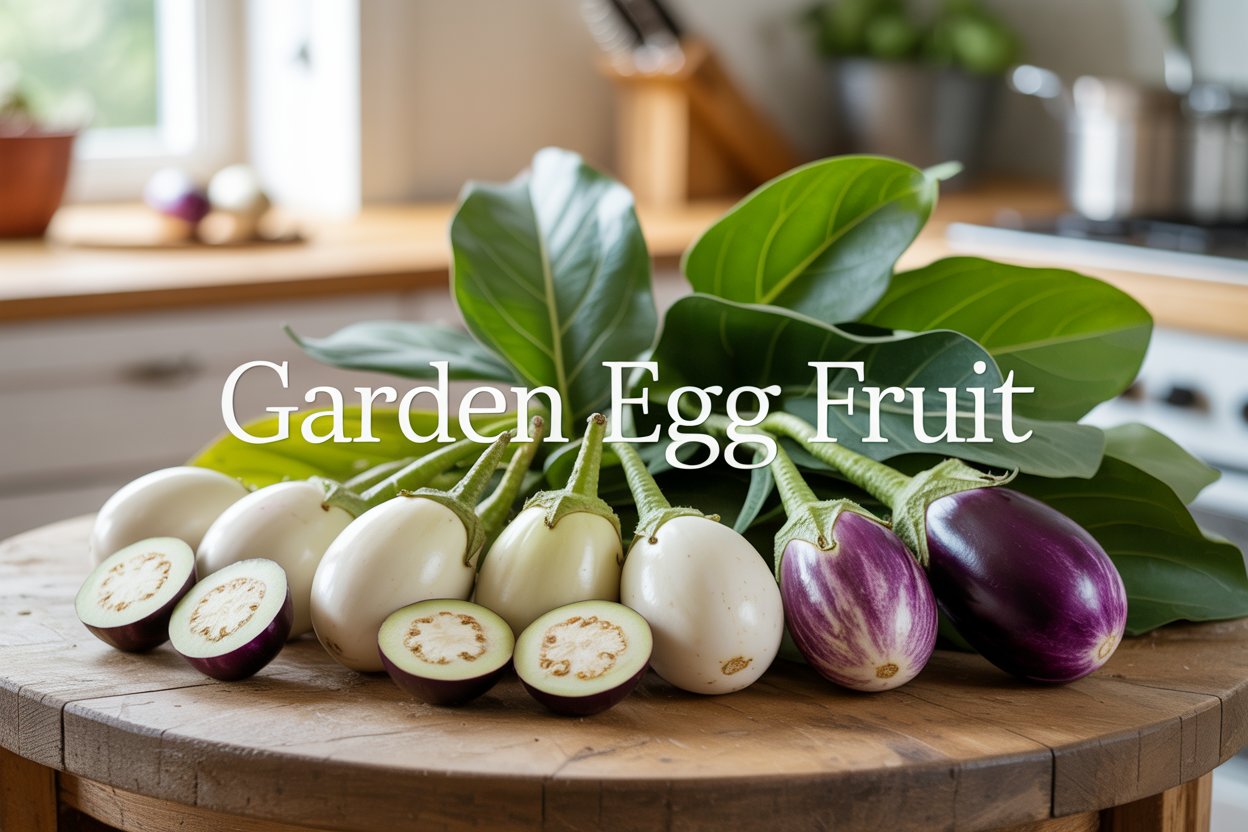
Garden egg fruit might look like a small white eggplant, but this African superfood packs way more nutrition and flavor than you'd expect. If you're curious about what is garden egg or looking to add healthier options to your diet, this vibrant vegetable deserves a spot on your plate.
This guide is perfect for home gardeners, health-conscious eaters, and anyone wanting to explore nutritious foods from around the world. We'll dive into the impressive garden egg nutrition profile that makes it a true superfood, plus share practical garden egg cultivation tips so you can grow your own fresh supply. You'll also discover creative garden egg recipes and cooking methods that turn this humble fruit into delicious, healthy meals your whole family will love.
Understanding Garden Egg: The Basics You Need to Know
What Garden Egg Actually Is and Its Scientific Classification
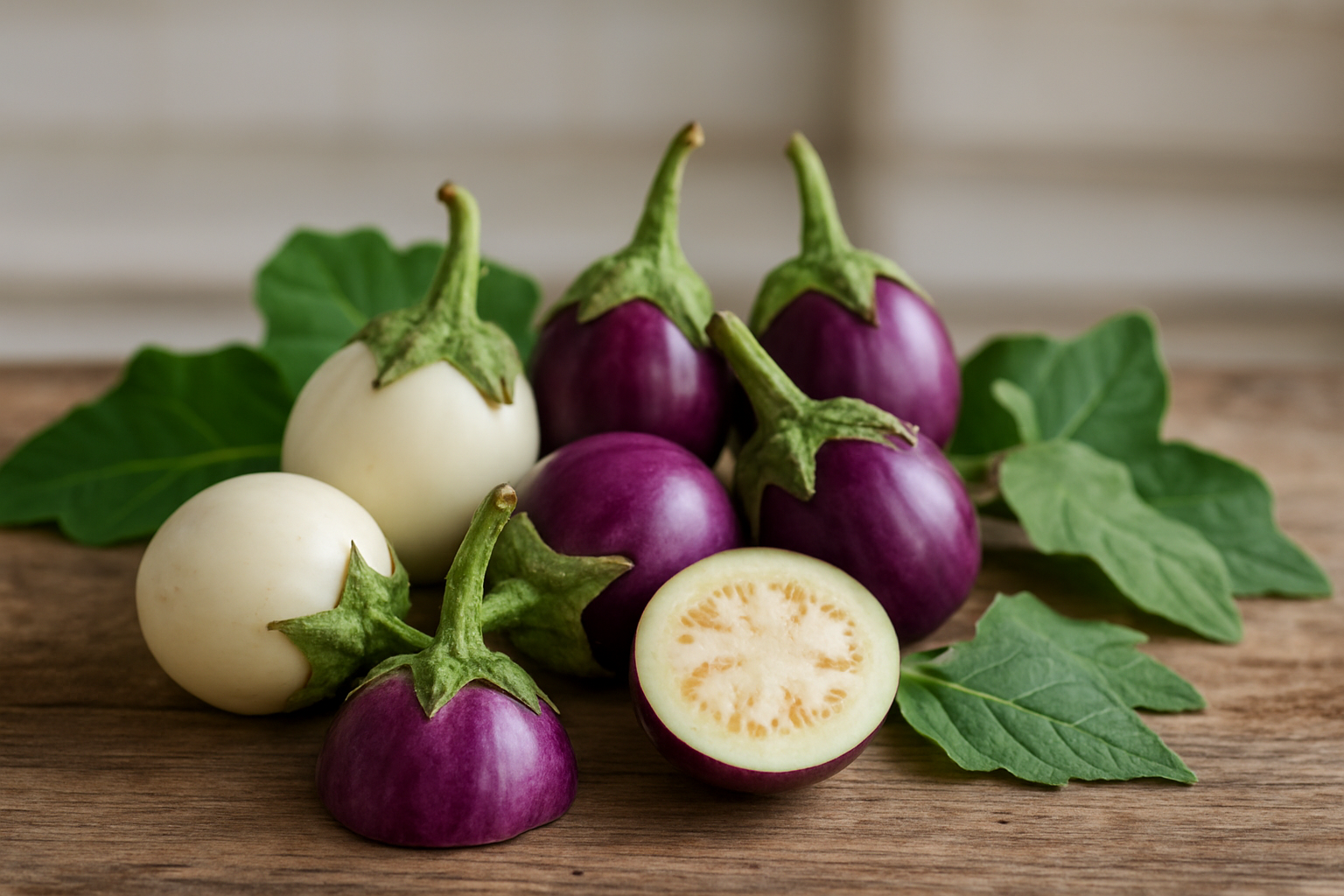
Garden egg fruit belongs to the nightshade family (Solanaceae) and carries the scientific name Solanum melongena. This makes it a close relative of the common eggplant, tomatoes, and potatoes. Most people don't realize that what is garden egg actually represents a specific variety of eggplant that's been cultivated for centuries across Africa and Asia.
The plant grows as a woody, perennial herb that can reach heights of 40-150 cm depending on the variety and growing conditions. Garden egg produces beautiful purple or white flowers that eventually develop into the distinctive fruits we know and love. Unlike its larger purple cousin, garden egg fruits are typically harvested when young and tender, which gives them their unique texture and mild flavor profile.
Garden egg plants thrive in warm, tropical climates and have been domesticated for over 4,000 years. The genetic diversity within this species is remarkable, with hundreds of cultivars developed across different regions to suit local tastes and growing conditions.
Physical Appearance and Distinctive Characteristics
Garden egg fruits come in an impressive array of shapes, sizes, and colors that often surprise first-time growers. The most common varieties produce small, round to oval fruits that measure 2-8 cm in diameter. Colors range from pure white and pale green to deep purple, yellow, and even striped patterns.
The skin texture varies significantly between cultivars - some have smooth, glossy surfaces while others display a slightly ridged or bumpy appearance. When you cut open a fresh garden egg, you'll find tender, creamy white flesh with small, soft seeds distributed throughout. The flesh has a mild, slightly sweet flavor with subtle bitter notes that become more pronounced as the fruit matures.
Garden egg fruit characteristics include:
-
Size: Typically 2-8 cm in diameter
-
Weight: Usually 20-100 grams per fruit
-
Shape: Round, oval, or slightly elongated
-
Colors: White, green, purple, yellow, or striped
-
Texture: Smooth to slightly rough skin
-
Flesh: Creamy white with minimal seeds
The leaves of garden egg plants are large, soft, and often have a fuzzy texture with prominent veining. Young fruits feel firm to the touch and have a slight bounce when gently pressed.
Common Names and Regional Variations Worldwide
Garden egg goes by dozens of different names across the globe, reflecting its widespread cultivation and cultural importance. In West Africa, particularly Nigeria and Ghana, it's commonly called "garden egg" or "African eggplant." Ghanaians often refer to it as "nyaadowa" in the local Twi language.
Throughout Asia, you'll encounter various regional names and varieties. In Thailand, small round varieties are known as "ma-kheua phuang" while Indians call certain types "brinjal" or "baingan." Filipino markets sell them as "talong" when referring to the smaller varieties.
| Region | Common Names | Local Varieties |
|---|---|---|
| West Africa | Garden egg, African eggplant | White round, purple oval |
| East Africa | Nakati, Entula | Green bitter types |
| Thailand | Ma-kheua phuang | Pea eggplant, Thai round |
| India | Brinjal, Baingan | Baby eggplant varieties |
| Philippines | Talong | Small purple types |
Different regions have developed distinct varieties adapted to local conditions. West African types tend to be milder and less bitter, while some Asian varieties pack more intense flavors. The diversity in names reflects not just linguistic differences but also the unique cultivars that have evolved in each area over centuries of selective breeding.
European and American markets are increasingly recognizing these varieties, often labeling them as "baby eggplant," "Thai eggplant," or simply "mini eggplant" to help consumers understand their relationship to the familiar large purple eggplant.
Nutritional Profile: Health Benefits That Make Garden Egg a Superfood

Essential Vitamins and Minerals Content
Garden egg fruit packs an impressive nutritional punch that rivals many conventional superfoods. This small but mighty vegetable delivers substantial amounts of vitamin C, providing nearly 20% of your daily needs in just one serving. Vitamin C plays a crucial role in immune system support and collagen production, making garden egg benefits particularly valuable for skin health and wound healing.
The mineral content is equally remarkable. Garden egg nutrition includes significant levels of potassium, which helps regulate blood pressure and supports heart health. Magnesium content aids muscle function and bone development, while iron contributes to healthy red blood cell formation. The fruit also contains folate, essential for DNA synthesis and particularly important for pregnant women.
B-complex vitamins are present in meaningful quantities, including thiamine (B1), riboflavin (B2), and niacin (B3). These vitamins support energy metabolism and nervous system function. The calcium content, though modest, still contributes to bone health maintenance.
| Nutrient | Amount per 100g | % Daily Value |
|---|---|---|
| Vitamin C | 12mg | 20% |
| Potassium | 229mg | 7% |
| Magnesium | 14mg | 4% |
| Iron | 0.23mg | 1% |
| Folate | 22mcg | 6% |
Antioxidant Properties and Disease-Fighting Compounds
What truly makes garden egg a superfood lies in its rich concentration of antioxidants and bioactive compounds. The deep purple skin contains anthocyanins, powerful antioxidants responsible for the fruit's vibrant color. These compounds neutralize harmful free radicals that can damage cells and contribute to chronic diseases.
Chlorogenic acid, another potent antioxidant found in garden egg fruit, has shown promising effects in reducing inflammation and potentially lowering diabetes risk. This compound also supports liver health and may help regulate blood sugar levels. The flesh contains flavonoids like nasunin, which specifically protects brain cells from oxidative stress.
Phenolic compounds throughout the fruit work synergistically to provide anti-inflammatory benefits. Research suggests these antioxidants may help reduce the risk of heart disease, certain cancers, and neurodegenerative conditions. The combination of different antioxidant types creates a comprehensive defense system against cellular damage.
The antioxidant activity remains high even after cooking, making garden egg benefits accessible whether consumed raw or prepared. Regular consumption can contribute significantly to your body's antioxidant defense network.
Low Calorie Count for Weight Management
Garden egg stands out as an excellent choice for those focused on weight management. With only 25 calories per 100 grams, this nutrient-dense fruit allows you to eat satisfying portions without compromising caloric goals. The high water content (approximately 92%) adds volume to meals while keeping calories minimal.
The natural sugars in garden egg fruit are balanced and won't cause dramatic blood sugar spikes. This stability helps control hunger and reduces cravings for high-calorie snacks. The fruit's natural compounds may also boost metabolism slightly, supporting overall weight management efforts.
Protein content, while modest at 1 gram per 100 grams, still contributes to satiety. The combination of water, fiber, and nutrients creates a feeling of fullness that can help reduce overall caloric intake throughout the day. This makes garden egg nutrition particularly valuable for sustainable weight loss or maintenance programs.
The versatility of preparation methods means you can incorporate garden egg into various meals without adding significant calories, making it easier to maintain a balanced diet long-term.
Fiber Content for Digestive Health
Garden egg provides approximately 3 grams of dietary fiber per 100-gram serving, supporting healthy digestive function in multiple ways. This soluble and insoluble fiber combination promotes regular bowel movements and helps maintain a healthy gut microbiome. The fiber content aids in preventing constipation and supports overall intestinal health.
Soluble fiber in garden egg fruit helps slow digestion, leading to better nutrient absorption and more stable blood sugar levels. This type of fiber also binds to cholesterol in the digestive system, potentially helping to lower blood cholesterol levels. The pectin content specifically supports beneficial bacteria growth in the gut.
Insoluble fiber adds bulk to stool and promotes efficient waste elimination. This helps maintain digestive regularity and may reduce the risk of digestive disorders. The fiber also creates a feeling of fullness that can support weight management goals naturally.
Regular consumption of garden egg benefits digestive health by providing prebiotic effects, feeding beneficial gut bacteria that support immune function and overall health. The gentle nature of garden egg fiber makes it suitable for most digestive systems, including those with mild sensitivities.
Growing Garden Egg: Cultivation Tips for Maximum Yield
Ideal Climate and Soil Conditions
Garden egg cultivation thrives in warm, tropical and subtropical climates where temperatures consistently range between 70-85°F (21-29°C). These plants love plenty of sunshine and need at least 6-8 hours of direct sunlight daily to produce the best yields. If you're dealing with cooler climates, consider growing garden egg in greenhouses or starting them indoors before transplanting after the last frost.
The soil requirements for garden egg are pretty straightforward but crucial for success. Well-draining, fertile soil with a pH between 6.0-7.0 works best. Sandy loam or loamy soil types are ideal because they provide excellent drainage while retaining enough moisture and nutrients. Before planting, work in plenty of organic compost or aged manure to boost soil fertility and improve structure.
Garden egg plants don't tolerate waterlogged conditions, so avoid heavy clay soils unless you amend them significantly with organic matter and sand. The soil should be loose and crumbly, allowing roots to penetrate easily and water to drain properly while still holding enough moisture for consistent growth.
Planting Techniques and Spacing Requirements
Start garden egg from seeds either directly in the garden or in seedling trays for later transplanting. If starting indoors, sow seeds 6-8 weeks before your last expected frost date. Plant seeds about ¼ to ½ inch deep in seed-starting mix, keeping the soil consistently moist but not soggy.
For direct sowing, wait until soil temperatures reach at least 65°F (18°C) and all danger of frost has passed. Plant seeds in rows or hills, spacing them about 2-3 inches apart initially. You'll need to thin them later as they grow.
Proper spacing is essential for healthy garden egg cultivation and maximum yield. Transplant or thin seedlings to stand 18-24 inches apart in rows that are spaced 3-4 feet apart. This spacing gives each plant enough room to develop a strong root system and adequate air circulation, which helps prevent fungal diseases.
When transplanting seedlings, handle them gently and plant them at the same depth they were growing in their containers. Water them well after transplanting and provide some shade for the first few days to help them adjust to their new environment.
Watering and Fertilization Best Practices
Garden egg plants need consistent moisture throughout their growing season, but overwatering can cause more problems than underwatering. Aim to provide about 1-1.5 inches of water per week, including rainfall. The key is maintaining steady soil moisture without creating waterlogged conditions.
Water deeply but less frequently rather than giving plants light, frequent watering. This encourages deep root development and makes plants more drought-tolerant. Early morning watering is best because it gives plants time to dry before evening, reducing disease risks.
Mulching around plants with organic materials like straw, grass clippings, or shredded leaves helps retain soil moisture, suppress weeds, and regulate soil temperature. Keep mulch a few inches away from plant stems to prevent pest problems.
For fertilization, garden egg plants are moderate feeders that respond well to balanced nutrition. Start with a balanced fertilizer like 10-10-10 at planting time, working it into the soil according to package directions. Once plants begin flowering, switch to a fertilizer higher in phosphorus and potassium to promote fruit development.
Side-dress plants with compost or balanced fertilizer every 4-6 weeks during the growing season. Organic options like fish emulsion or compost tea work excellently and provide slow-release nutrients. Avoid over-fertilizing with nitrogen, which can promote excessive leafy growth at the expense of fruit production.
Culinary Applications: Delicious Ways to Prepare Garden Egg

Traditional African Cooking Methods
Garden egg cooking methods have been perfected across Africa for centuries, with each region developing its own signature approaches. In West Africa, the most popular preparation involves boiling whole garden egg fruits until tender, then serving them with groundnut sauce or palm oil-based stews. Nigerian cooks often prepare garden egg stew by sautéing diced onions, tomatoes, and peppers before adding chopped garden eggs and allowing them to simmer until soft.
Ghanaian cuisine features kontomire stew, where garden eggs are combined with cocoyam leaves and dried fish or meat. The garden egg fruit adds a unique bitter-sweet flavor that balances the richness of the protein. In Cameroon, traditional preparation includes grilling garden eggs over open flames before peeling and mashing them into a smooth paste served alongside plantains or cassava.
East African communities prepare garden egg curry by combining the fruit with aromatic spices like coriander, cumin, and turmeric. Ethiopian cooks incorporate garden eggs into vegetable wat (stew), creating a flavorful dish that's both nutritious and satisfying.
Modern Recipe Adaptations for International Cuisines
Contemporary chefs worldwide have embraced garden egg recipes, adapting this versatile fruit into familiar international dishes. Mediterranean-inspired preparations include stuffed garden eggs filled with quinoa, herbs, and feta cheese, then baked until golden. Italian cuisine adaptations feature garden egg in ratatouille-style dishes, combined with zucchini, bell peppers, and fresh basil.
Asian fusion cooking incorporates garden eggs into stir-fries, tempura batters, and coconut-based curries. Thai-inspired recipes combine garden eggs with lemongrass, galangal, and coconut milk for aromatic curries. Indian cuisine adaptations include garden egg bhaji, where thinly sliced fruits are coated in spiced chickpea flour and deep-fried until crispy.
Modern garden egg nutrition-conscious recipes focus on healthy preparation methods like grilling, roasting, and steaming. Smoothie recipes blend garden eggs with tropical fruits to mask the natural bitterness while maintaining the nutritional benefits. Vegan recipes substitute garden eggs for eggplant in classic dishes like baba ganoush and moussaka.
Preparation Techniques to Reduce Bitterness
The natural bitterness of garden egg fruit can be overwhelming for first-time consumers, but several proven techniques help reduce this characteristic. Salt-drawing is the most effective method: slice garden eggs, sprinkle generously with coarse salt, and let them sit for 30-45 minutes. The salt draws out bitter compounds through osmosis. Rinse thoroughly and pat dry before cooking.
Blanching offers another excellent approach. Drop whole or chopped garden eggs into boiling water for 3-5 minutes, then immediately transfer to ice water. This quick cooking process neutralizes bitter compounds while maintaining the fruit's structure. Some cooks add a pinch of baking soda to the blanching water for enhanced bitterness reduction.
Soaking garden eggs in cold water with lemon juice or vinegar for 20-30 minutes helps break down bitter alkaloids. The acid neutralizes compounds responsible for the harsh taste. Pre-cooking methods like parboiling or steaming for 10-15 minutes before incorporating into final recipes significantly reduce bitterness while preserving garden egg benefits.
Choosing younger, smaller garden eggs naturally reduces bitterness since mature fruits develop stronger bitter compounds. Remove seeds when possible, as they concentrate the most bitter elements.
Storage Methods to Maintain Freshness
Proper storage is crucial for maintaining garden egg fruit quality and extending shelf life. Fresh garden eggs keep best at room temperature for 2-3 days when stored in a cool, dry place away from direct sunlight. Refrigeration extends storage to 5-7 days when fruits are placed in the vegetable crisper drawer in perforated plastic bags to maintain humidity while allowing air circulation.
For longer storage, blanching and freezing preserves garden eggs for up to six months. Blanch sliced garden eggs for 3-4 minutes, cool completely, then freeze in airtight containers or freezer bags. Frozen garden eggs work excellently in cooked dishes but lose their crisp texture for fresh applications.
Dehydrating creates shelf-stable garden egg chips that store for several months in airtight containers. Slice thinly, lightly salt, and dehydrate at 135°F for 8-12 hours until crispy. These make nutritious snacks and can be rehydrated for cooking.
Signs of spoilage include soft spots, dark discoloration, wrinkled skin, and off odors. Fresh garden eggs should feel firm with smooth, glossy skin and bright color. Avoid washing until ready to use, as excess moisture accelerates spoilage.
Health Benefits: Medical Advantages of Regular Garden Egg Consumption
Blood Sugar Regulation for Diabetics
Garden egg benefits include exceptional blood sugar management properties that make this fruit invaluable for people with diabetes. The high fiber content in garden egg fruit helps slow down glucose absorption in the bloodstream, preventing dangerous spikes in blood sugar levels after meals. This natural regulation mechanism allows diabetics to maintain more stable glucose readings throughout the day.
The potassium and magnesium found in garden eggs work together to improve insulin sensitivity, making it easier for cells to utilize glucose effectively. Regular consumption can reduce the need for higher medication doses in some diabetic patients, though medical supervision remains essential.
Garden egg nutrition also includes compounds called nasunin and chlorogenic acid, which protect pancreatic beta cells responsible for insulin production. These antioxidants help preserve the body's natural ability to regulate blood sugar over time.
Heart Health and Cholesterol Management
The cardiovascular benefits of garden egg health benefits extend far beyond basic nutrition. These fruits contain powerful compounds that actively reduce LDL (bad) cholesterol while boosting HDL (good) cholesterol levels. The soluble fiber binds to cholesterol in the digestive tract, preventing its absorption into the bloodstream.
Anthocyanins, the purple pigments giving garden eggs their distinctive color, strengthen blood vessel walls and improve circulation. These same compounds reduce inflammation in arteries, lowering the risk of atherosclerosis and heart attacks.
| Heart Health Benefit | Active Compound | Mechanism |
|---|---|---|
| Cholesterol Reduction | Soluble Fiber | Binds cholesterol in gut |
| Blood Pressure Control | Potassium | Relaxes blood vessels |
| Anti-inflammatory | Anthocyanins | Reduces arterial inflammation |
The potassium content helps regulate blood pressure by counteracting sodium's effects and promoting proper fluid balance. Regular garden egg consumption can reduce systolic blood pressure by 8-12 points in hypertensive individuals.
Weight Loss Support and Metabolism Boost
Garden egg superfood properties make it an excellent addition to weight management programs. With only 25 calories per 100 grams, these fruits provide substantial volume and nutrition without excess calories. The high water content (over 90%) creates feelings of fullness while supporting hydration.
The fiber in garden eggs slows digestion and extends satiety between meals, naturally reducing overall calorie intake. This same fiber feeds beneficial gut bacteria, which produce short-chain fatty acids that boost metabolism and fat burning.
Garden egg nutrition includes compounds that may increase thermogenesis - the process by which your body burns calories to produce heat. Studies suggest regular consumption can increase metabolic rate by 5-8% within four weeks.
The natural enzymes present in fresh garden eggs support digestive health and nutrient absorption, ensuring your body efficiently uses consumed calories rather than storing them as fat. The low glycemic index prevents insulin spikes that typically trigger fat storage around the midsection.
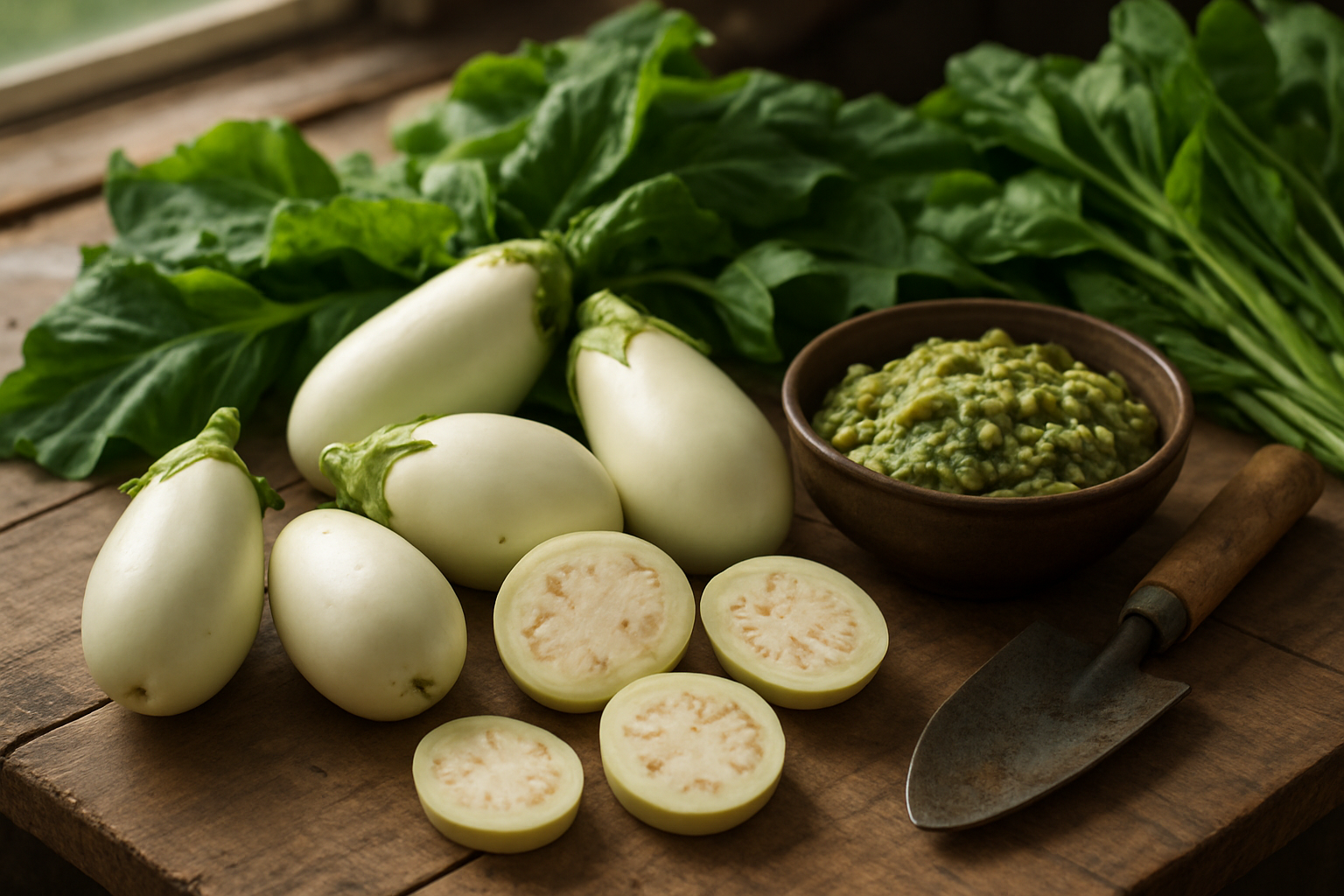
Garden egg stands out as a remarkable fruit that deserves a spot in both your garden and kitchen. From its impressive nutritional profile packed with vitamins, minerals, and antioxidants to its versatility in cooking, this purple gem offers countless ways to boost your health naturally. The cultivation process is straightforward enough for beginners, yet rewarding for experienced gardeners who want to maximize their harvest.
The health benefits speak for themselves - regular consumption can support heart health, aid digestion, and provide essential nutrients your body craves. Whether you're grilling, stewing, or adding it to your favorite recipes, garden egg brings both flavor and nutrition to every meal. Start small by adding garden egg to one meal per week, or better yet, try growing a few plants in your backyard. Your taste buds and your health will thank you for discovering this incredible superfood.


.png)
Comments
Post a Comment