Jujube - What's The Jujube Fruit?
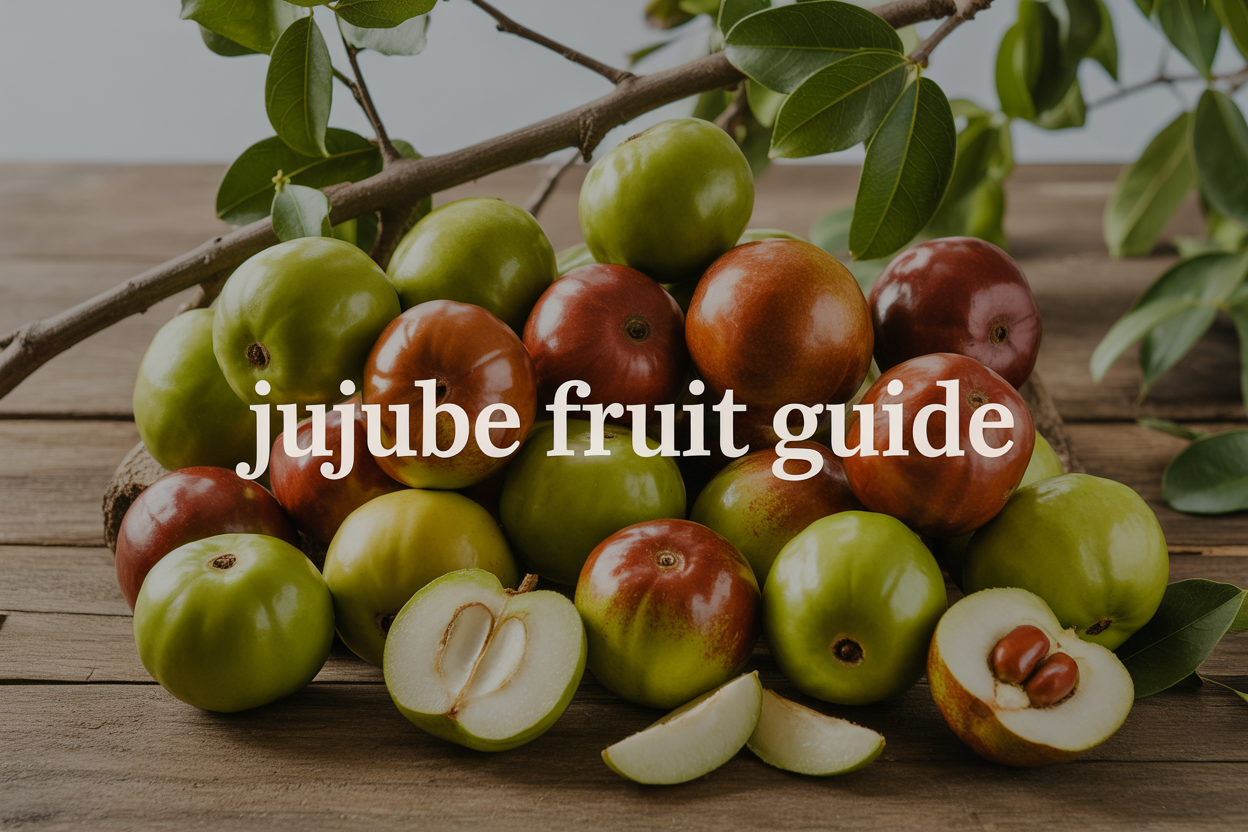
The jujube fruit might sound unfamiliar, but this small, sweet treasure has been feeding people for thousands of years. Also known as Chinese date fruit or red date fruit, the jujube comes from the jujube tree and offers a unique blend of apple-like crunch and date-like sweetness that's winning over health-conscious eaters and curious food lovers everywhere.
This guide is perfect for anyone wondering "what is jujube" – from health enthusiasts seeking natural nutrition sources to adventurous foodies ready to expand their fruit horizons. We'll explore the impressive jujube benefits and jujube nutrition that make this fruit a superfood contender, plus dive into its distinctive jujube fruit taste and share practical tips on how to eat jujube. You'll also discover what makes these fruits so special, from their rich jujube health benefits to simple ways to enjoy them in your daily routine.
Understanding the Jujube Fruit Basics
Origins and botanical classification of jujube
The jujube fruit comes from the Ziziphus jujuba tree, a species that has deep roots in ancient Chinese civilization dating back over 4,000 years. This remarkable fruit originated in China and gradually spread throughout Asia, the Middle East, and eventually to other parts of the world through trade routes and cultural exchange.
Botanically speaking, the jujube tree belongs to the Rhamnaceae family, commonly known as the buckthorn family. The scientific classification places it in the genus Ziziphus, which includes about 40 different species worldwide. The cultivated variety we commonly eat today is Ziziphus jujuba, also called Ziziphus jujuba Mill., named after the botanist Philip Miller who helped classify it.
The tree itself is deciduous and can live for hundreds of years, producing fruit annually once mature. Its hardy nature and drought tolerance made it an ideal crop for ancient civilizations, particularly in regions with challenging growing conditions.
Physical appearance and size variations
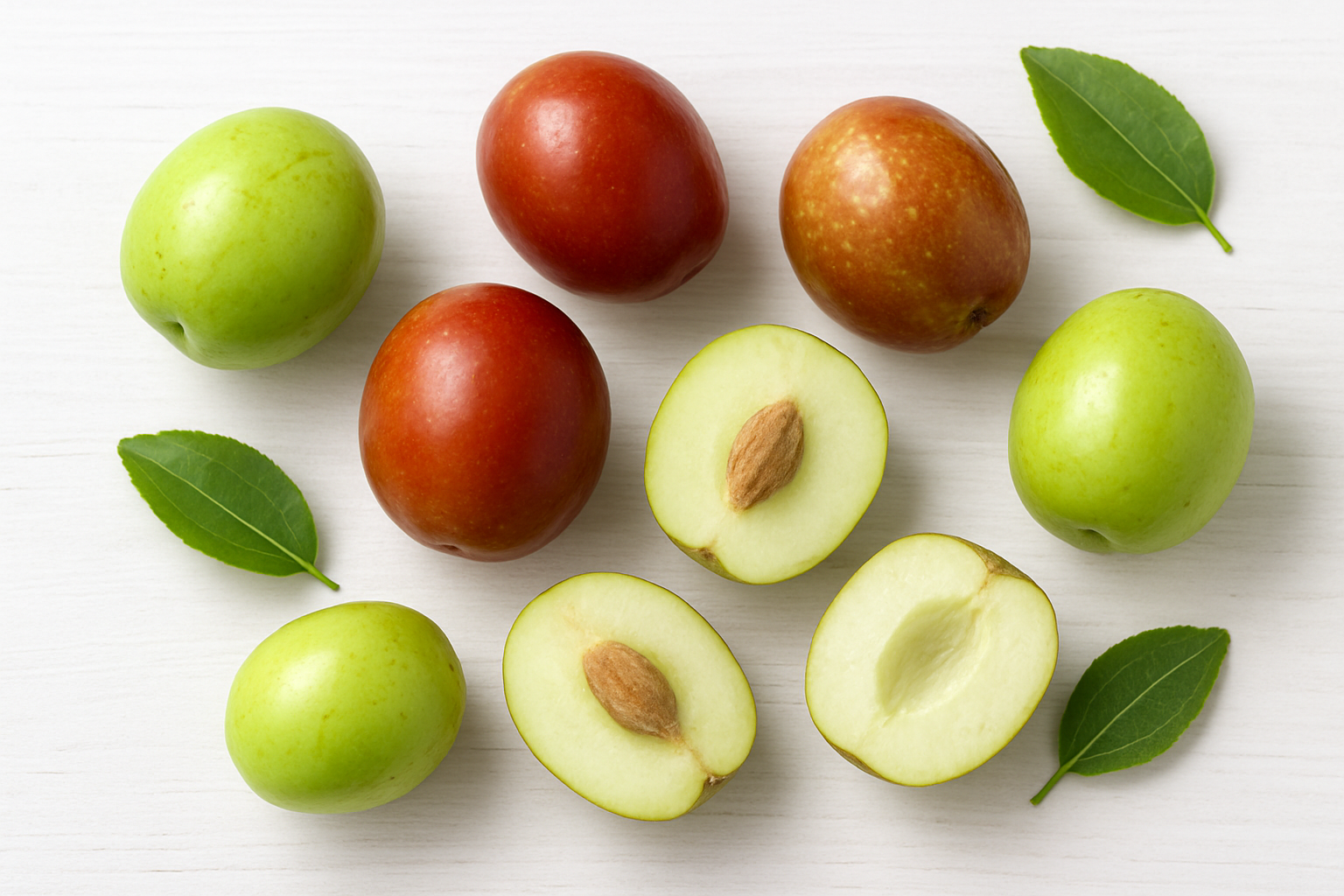
Jujube fruit displays remarkable diversity in size, shape, and color depending on the variety and growing conditions. Most jujubes are small, ranging from the size of a cherry to that of a small plum, typically measuring 1 to 2 inches in length.
The fruit starts green and gradually transitions through various color stages as it ripens:
-
Fresh ripe stage: Glossy reddish-brown to deep mahogany color with smooth, thin skin
-
Semi-dried stage: Wrinkled exterior with concentrated sweetness
-
Fully dried stage: Dark brown, prune-like appearance with chewy texture
Shape variations include:
| Variety Type | Shape | Size | Common Characteristics |
|---|---|---|---|
| Li variety | Elongated oval | 1.5-2 inches | Crisp texture, sweet flavor |
| Shanxi Li | Round to oval | 1-1.5 inches | Dense flesh, excellent for drying |
| Sugar Cane | Cylindrical | 2-2.5 inches | Extra sweet, large size |
| Honey Jar | Round | 1 inch | Compact, intensely sweet |
The skin is typically thin and edible, while the flesh ranges from crisp and apple-like when fresh to chewy and date-like when dried.
Common names and regional terminology
The jujube fruit goes by numerous names across different cultures and regions, reflecting its widespread cultivation and cultural significance. The most common names include:
Chinese terminology:
-
Hong zao (红枣) - meaning "red date"
-
Da zao (大枣) - meaning "big date"
-
Chinese date fruit - most common English translation
Regional variations:
-
Red date fruit - widely used in health food circles
-
Chinese apple - referring to its crisp texture when fresh
-
Korean daechu (대추) - used in traditional Korean cuisine
-
Indian ber - related species commonly found in India
-
Persian annab - traditional Middle Eastern name
-
French jujubier - referring to both fruit and tree
-
Spanish azufaifo - traditional Spanish terminology
The name "jujube" itself derives from the Persian "zunzuf" through Arabic "zulzuf," which eventually became "jujube" in French and English. This linguistic journey mirrors the fruit's physical journey along ancient trade routes.
Relationship to other fruits in the buckthorn family
What is jujube in relation to other fruits becomes clearer when examining its family connections. The Rhamnaceae or buckthorn family includes several interesting relatives that share similar characteristics with the jujube.
Key family members include:
Direct relatives in Ziziphus genus:
-
Ziziphus mauritiana (Indian jujube or ber) - smaller, more sour variety
-
Ziziphus spina-christi (Christ's thorn jujube) - biblical significance
-
Ziziphus lotus (lotus jujube) - North African variety
Other buckthorn family members:
-
Rhamnus species (true buckthorns) - primarily medicinal shrubs
-
Ceanothus species (California lilac) - ornamental flowering shrubs
-
Colubrina species (nakedwood) - tropical trees
The jujube stands out among its relatives for several reasons. Unlike many buckthorn family members that produce small, often bitter berries primarily valued for medicinal properties, the jujube developed into a sweet, nutritious fruit suitable for fresh eating and preservation. This evolution likely occurred through thousands of years of selective cultivation in China, where farmers chose the sweetest and largest fruits for replanting.
The family connection explains certain shared characteristics like drought tolerance, thorny branches, and the ability to fix nitrogen in soil. However, the jujube's transformation into a major food crop sets it apart from most of its botanical relatives, making it unique within the buckthorn family tree.
Nutritional Benefits and Health Properties
Essential vitamins and mineral content
The jujube fruit packs an impressive nutritional punch that puts many common fruits to shame. A single serving of fresh jujube delivers a whopping 77% of your daily vitamin C needs - that's more than most citrus fruits. This powerhouse vitamin plays a crucial role in collagen production, wound healing, and keeping your skin looking healthy and radiant.
Beyond vitamin C, jujube nutrition includes significant amounts of potassium, which helps regulate blood pressure and supports proper heart function. The fruit also contains manganese, an often-overlooked mineral that's essential for bone health and metabolism. You'll find decent amounts of vitamin A, which supports eye health and immune function, plus small but meaningful quantities of B vitamins like thiamine and riboflavin.
What makes Chinese date fruit particularly interesting is its copper content. This trace mineral helps your body absorb iron more effectively and plays a role in maintaining healthy connective tissues. The iron content itself, while modest, still contributes to preventing fatigue and supporting oxygen transport throughout your body.
Antioxidant properties for immune support
The real magic of jujube benefits lies in its remarkable antioxidant profile. These little red fruits contain powerful compounds called flavonoids, saponins, and phenolic acids that work together to combat harmful free radicals in your body. Free radicals are unstable molecules that can damage cells and contribute to aging and disease.
Research shows that jujube health benefits extend to supporting your immune system through these antioxidants. The fruit contains compounds like betulinic acid and epicatechin, which have shown promising anti-inflammatory properties in studies. These natural defenders help your body fight off infections and may reduce the risk of chronic diseases.
The vitamin C content works hand-in-hand with these antioxidants to create a robust defense system. When you're dealing with stress, illness, or environmental toxins, your body burns through vitamin C quickly. Regular consumption of jujube fruit can help maintain optimal levels of this critical nutrient.
Fiber content for digestive health
Red date fruit brings solid digestive benefits through its impressive fiber content. A serving provides about 12% of your daily fiber needs, which might not sound like much, but it adds up when you're trying to reach that recommended 25-35 grams per day.
The fiber in jujube comes in both soluble and insoluble forms. Soluble fiber dissolves in water and forms a gel-like substance that helps slow digestion and keeps you feeling full longer. This type of fiber also helps regulate blood sugar levels by slowing the absorption of sugars into your bloodstream.
Insoluble fiber, on the other hand, adds bulk to your stool and helps food move through your digestive system more efficiently. This can prevent constipation and promote regular bowel movements. Many people who regularly include jujube in their diet report improved digestive comfort and more consistent bathroom habits.
The fiber content also feeds beneficial gut bacteria, acting as a prebiotic that supports a healthy microbiome. A balanced gut microbiome has been linked to better mood, stronger immunity, and even improved mental clarity.
Flavor Profile and Culinary Uses
Taste Comparison to Familiar Fruits
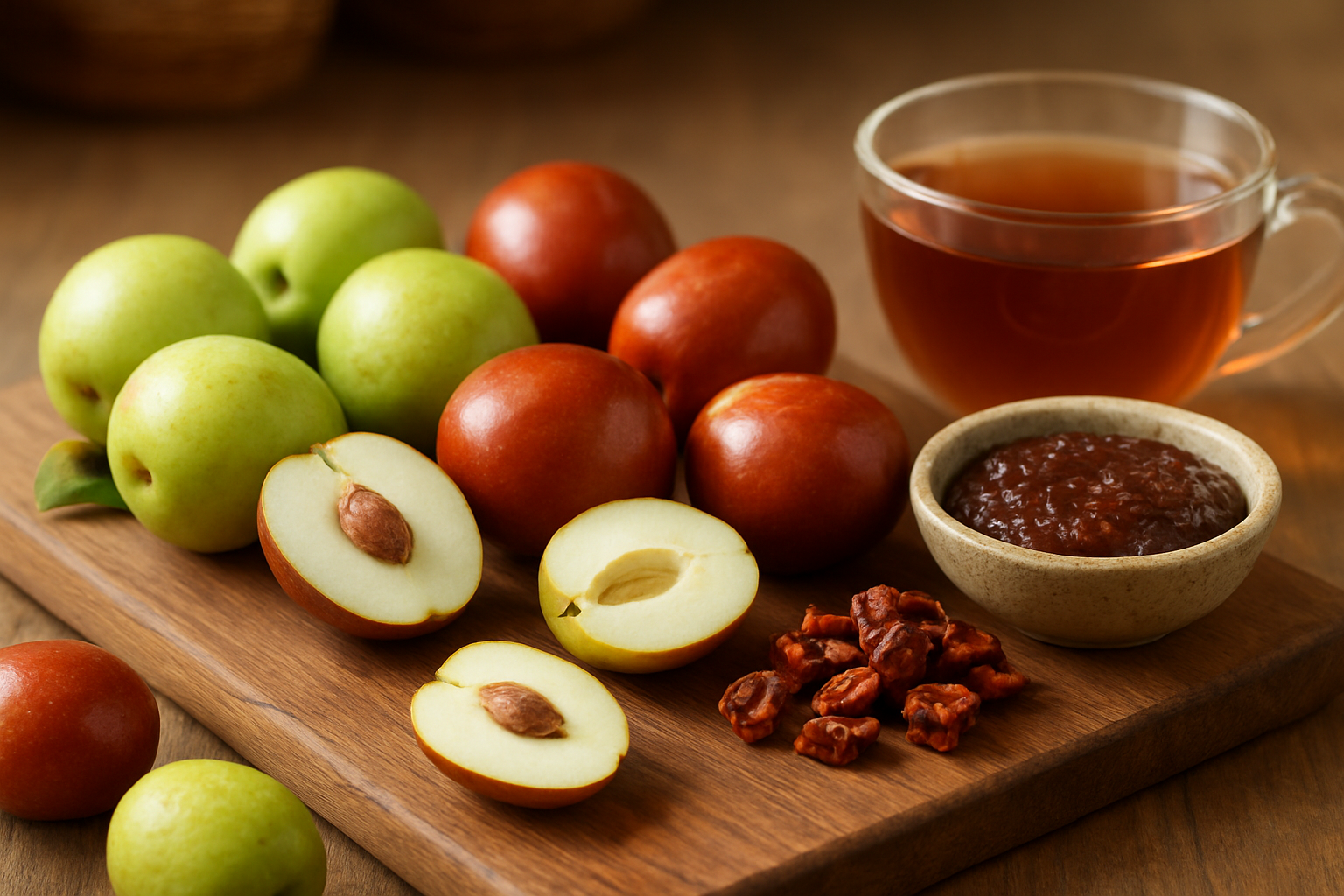
The jujube fruit taste creates a unique flavor experience that bridges several familiar fruits. When fully ripe, jujubes deliver sweetness reminiscent of dates or figs, with subtle apple-like notes and a hint of honey. The flavor intensity varies dramatically based on ripeness - young green jujubes taste crisp and mildly sweet like green apples, while fully mature specimens develop concentrated sweetness comparable to dried dates.
Many people describe the Chinese date fruit as having a complex flavor profile that shifts from tart to sweet as it ripens. The initial bite might remind you of a Granny Smith apple, but the aftertaste carries deeper, more concentrated fruit notes similar to raisins or dried apricots. Some varieties exhibit slight floral undertones, making each bite a layered tasting experience.
Fresh Eating Experience and Texture
Eating fresh jujube fruit provides a satisfying textural journey. The skin offers a slight resistance before giving way to firm, crisp flesh that's surprisingly juicy. Unlike apples, which maintain consistent texture throughout, jujubes have a denser, more substantial bite that becomes increasingly tender toward the center.
The texture evolves as the fruit ripens. Young jujubes provide a satisfying crunch with white, firm flesh that releases refreshing juice. As they mature and develop their characteristic reddish-brown color, the flesh becomes softer and more yielding while maintaining structural integrity. The single pit inside is relatively large compared to the fruit size, so there's less flesh than you might expect from similar-sized fruits.
Cooking and Baking Applications
Jujube benefits extend beautifully into culinary applications. These versatile fruits work exceptionally well in both sweet and savory dishes. In baking, jujubes can substitute for dates in recipes, adding natural sweetness to breads, muffins, and energy bars. Their firm texture holds up well during cooking, making them ideal for fruit compotes, jams, and preserves.
Asian cuisines incorporate jujubes into soups, stews, and rice dishes, where they contribute subtle sweetness and nutritional density. The fruits pair excellently with nuts, seeds, and grains in trail mixes or granola. When cooking with jujubes, remember that their natural sugars concentrate during heating, so adjust other sweeteners accordingly.
Traditional Preservation Methods
Traditional preservation transforms how to eat jujube into a year-round option. Sun-drying remains the most common method, concentrating flavors and extending shelf life significantly. Dried jujubes develop a chewy, date-like consistency with intensified sweetness that makes them perfect for snacking or adding to tea blends.
Pickling offers another preservation avenue, creating tangy-sweet condiments popular in many cultures. Some traditions involve smoking jujubes to create unique flavor profiles, while others ferment them into wines or vinegars. Modern preservation techniques include freezing fresh jujubes, which maintains their nutritional value while softening their texture slightly upon thawing.
Growing Conditions and Harvesting

Climate Requirements for Optimal Growth
The jujube tree thrives in hot, dry climates and handles temperature extremes better than most fruit trees. These hardy plants prefer regions with long, hot summers where temperatures reach 80-100°F during the growing season. What makes jujube trees exceptional is their ability to withstand winter temperatures as low as -20°F once established, making them suitable for USDA hardiness zones 5-9.
Jujube fruit production peaks in areas with low humidity and minimal rainfall during the fruiting season. The tree actually prefers arid conditions and can struggle in consistently humid environments where fungal diseases become problematic. Desert regions and Mediterranean-type climates provide ideal growing conditions, which explains why jujube trees flourish in parts of California, Arizona, and similar climates worldwide.
Wind protection benefits young trees, but mature jujube trees handle strong winds well. They need full sun exposure - at least 6-8 hours of direct sunlight daily - to produce the best fruit yields and develop proper sugar content.
Soil Preferences and Water Needs
Jujube trees adapt to various soil types but perform best in well-draining, slightly alkaline soil with a pH between 6.5-8.5. They tolerate poor soils, including sandy, rocky, or clay-heavy ground where other fruit trees fail. The key requirement is excellent drainage - waterlogged soil kills jujube trees quickly.
These drought-tolerant trees need minimal irrigation once established. Young trees require regular watering during their first two years, but mature jujube trees can survive on natural rainfall in most areas. Deep, infrequent watering works better than frequent shallow watering, encouraging deep root development.
| Soil Condition | Jujube Tree Response |
|---|---|
| Well-draining sandy soil | Excellent growth |
| Clay soil with drainage | Good performance |
| Rocky, poor soil | Acceptable growth |
| Waterlogged soil | Poor survival rate |
Salt tolerance is another strength - jujube trees handle salty soils that damage other fruit trees, making them valuable for coastal areas or regions with high soil salinity.
Seasonal Harvesting Timeline
Jujube fruit harvesting spans several months, typically beginning in late summer and continuing through fall. The exact timing depends on your location and variety, but most jujube trees start producing ripe fruit in August or September.
Fresh jujube fruit is ready when it turns from green to reddish-brown and gives slightly to gentle pressure. At this stage, the fruit has a crisp, apple-like texture and sweet flavor. Harvest times for fresh eating:
-
Early varieties: Late July to August
-
Mid-season varieties: August to September
-
Late varieties: September to October
For dried jujube fruit (Chinese date fruit), leave the fruit on the tree longer until it begins to wrinkle and darken. This natural drying process concentrates the sugars and creates the traditional dried jujube texture. Some growers harvest fresh fruit and dry it artificially, while others prefer tree-dried fruit for superior flavor.
Peak harvest usually occurs over 3-4 weeks, with trees producing fruit continuously rather than all at once. Check trees every few days during harvest season, as ripe fruit doesn't store well on the tree and may drop or become overripe quickly. A single mature jujube tree can produce 40-60 pounds of fruit annually under optimal conditions.
Purchasing and Storage Guidelines
How to select ripe jujubes at the market
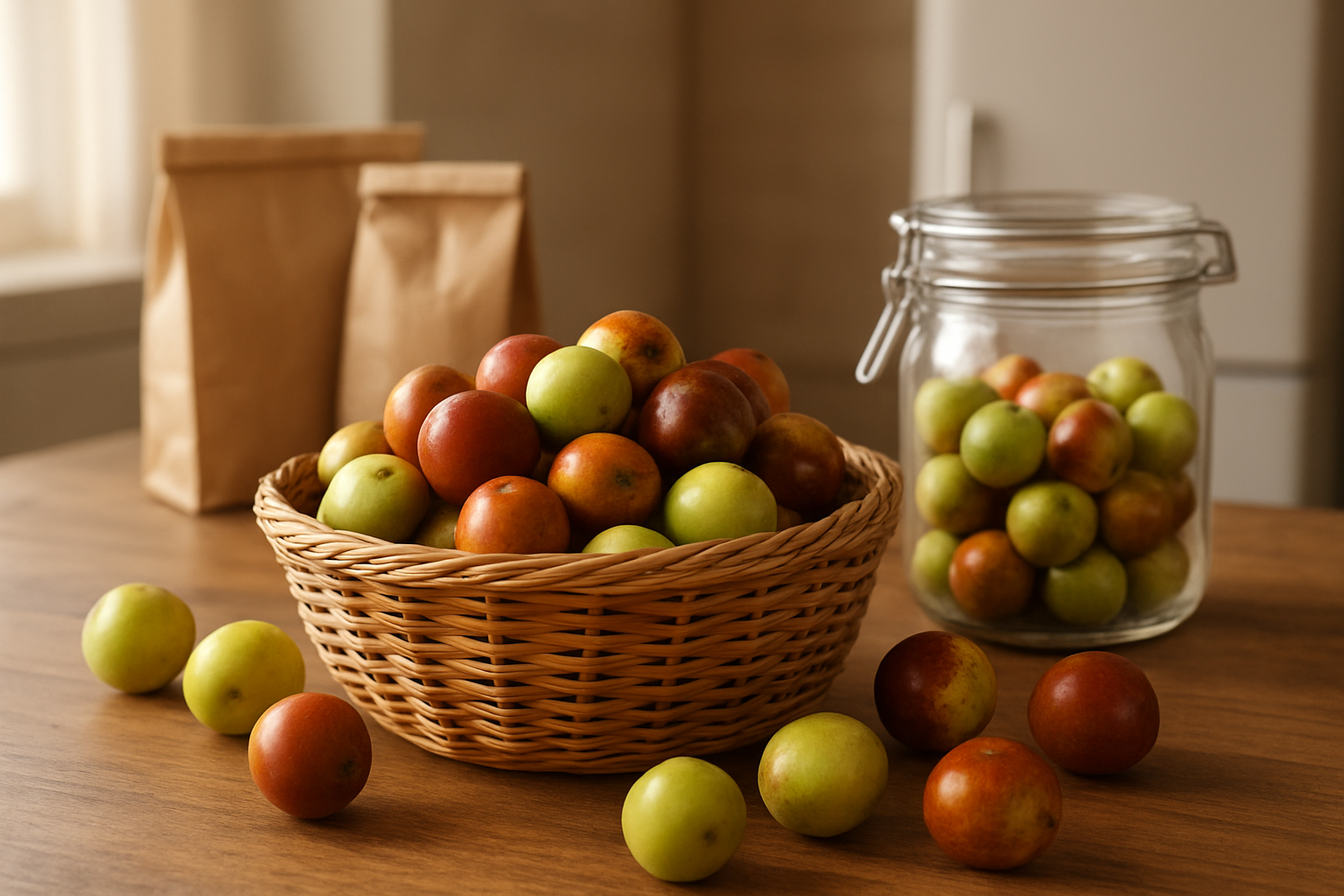
Finding quality jujube fruit starts with knowing what to look for. Fresh jujubes should feel firm to the touch with smooth, unblemished skin. The color ranges from green to yellow-brown to deep reddish-brown, depending on the variety and ripeness stage. Green jujubes offer a crisp, apple-like texture, while the reddish-brown ones are sweeter and softer.
Avoid fruits with soft spots, wrinkled skin, or any visible bruising. The stem area should be clean and free from mold or dark patches. Size varies significantly between varieties, so don't judge quality based on size alone. Give them a gentle squeeze - they should yield slightly but bounce back without leaving an indentation.
Look for jujubes that have a slight shine to their skin and feel heavy for their size. The best specimens have an even color distribution without dark spots or blemishes that could indicate internal damage.
Proper storage techniques for freshness
Fresh jujube fruit storage depends largely on ripeness and intended use. Unripe, green jujubes stay fresh at room temperature for about a week, gradually ripening and developing more sweetness. Store them in a cool, dry place away from direct sunlight.
For longer storage, refrigerate fresh jujubes in the crisper drawer inside a perforated plastic bag. This maintains humidity while allowing airflow. Properly stored refrigerated jujubes can last 2-3 weeks.
Ripe jujubes benefit from immediate refrigeration since they spoil faster at room temperature. Never wash jujubes until you're ready to eat them, as excess moisture accelerates spoilage.
For extended preservation, jujubes dry exceptionally well. Simply leave them at room temperature in a well-ventilated area, turning occasionally. They'll naturally dehydrate over 1-2 weeks, transforming into the traditional Chinese date fruit with concentrated sweetness and chewy texture.
Signs of spoilage to watch for
Spoiled jujubes display several clear warning signs. The most obvious indicator is soft, mushy texture when pressed. Fresh jujubes should never feel squishy or leave indentations when touched.
Visual cues include dark brown or black spots on the skin, which often indicate internal decay. Wrinkled, shriveled skin on fresh jujubes suggests they're past their prime, though this is normal for naturally dried varieties.
Smell plays a crucial role in identifying spoilage. Fresh jujubes have a mild, sweet aroma. Any sour, fermented, or off-putting odors signal bacterial growth or fermentation. White or fuzzy mold growth anywhere on the fruit means immediate disposal.
Check the stem end carefully, as this area often shows the first signs of decay. Brown or black coloration around the stem, or any liquid seeping from this area, indicates the fruit has gone bad.
Shelf life expectations for different ripeness stages
Understanding jujube fruit shelf life helps with meal planning and reduces waste. Green, unripe jujubes last longest, staying fresh for 7-10 days at room temperature and up to 3 weeks refrigerated. These maintain their crisp texture and gradually develop sweetness over time.
Yellow-green transitional stage jujubes have a moderate shelf life of 5-7 days at room temperature and 2 weeks refrigerated. They offer the best balance of crispness and sweetness for most culinary applications.
Fully ripe, reddish-brown jujubes are most perishable, lasting only 3-4 days at room temperature but extending to 10-14 days when properly refrigerated. Their higher sugar content makes them more susceptible to fermentation and bacterial growth.
| Ripeness Stage | Room Temperature | Refrigerated | Best Uses |
|---|---|---|---|
| Green | 7-10 days | 3 weeks | Raw snacking, salads |
| Yellow-green | 5-7 days | 2 weeks | Cooking, preserves |
| Reddish-brown | 3-4 days | 10-14 days | Immediate consumption, desserts |
Dried jujubes have exceptional longevity, lasting 6-12 months when stored in airtight containers in cool, dry conditions.
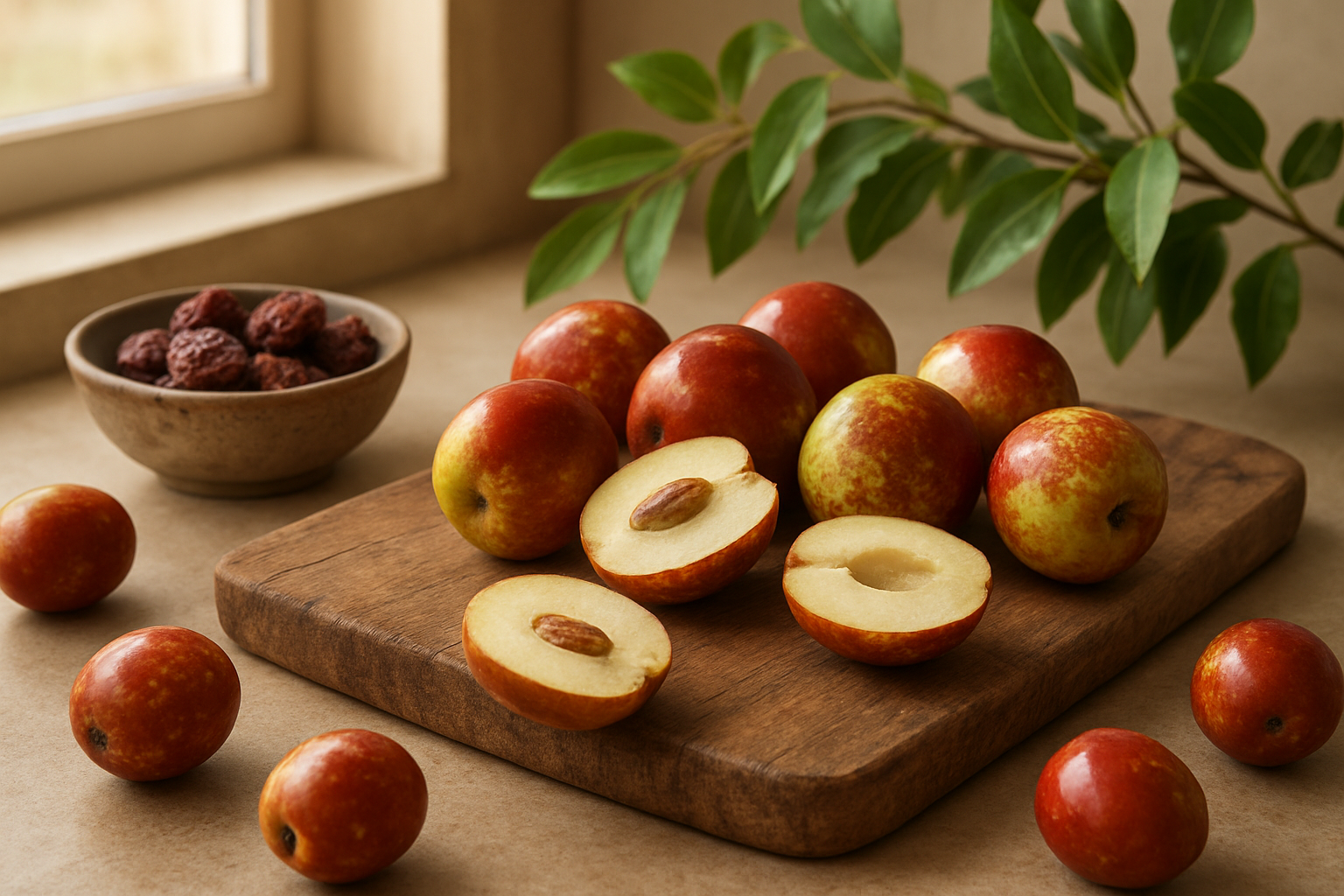
The jujube fruit packs a surprising nutritional punch with its impressive vitamin C content, fiber, and antioxidants that support immune health and digestion. This sweet, apple-like treat offers incredible versatility in the kitchen - you can eat them fresh and crispy, dried like dates, or incorporate them into both sweet and savory dishes. The fruit's adaptability to various climates makes it an excellent choice for home gardeners looking to add something unique to their landscape.
When shopping for jujubes, look for firm, unblemished fruits and store them properly to maximize their shelf life. Whether you're drawn to their health benefits, curious about their honey-like flavor, or excited to try growing your own, jujubes deserve a spot on your radar. Give this ancient superfruit a try - you might just discover your new favorite snack that's been hiding in plain sight.


.png)
Comments
Post a Comment