Langsat - What's The Langsat Fruit?
Langsat - What's The Langsat Fruit?
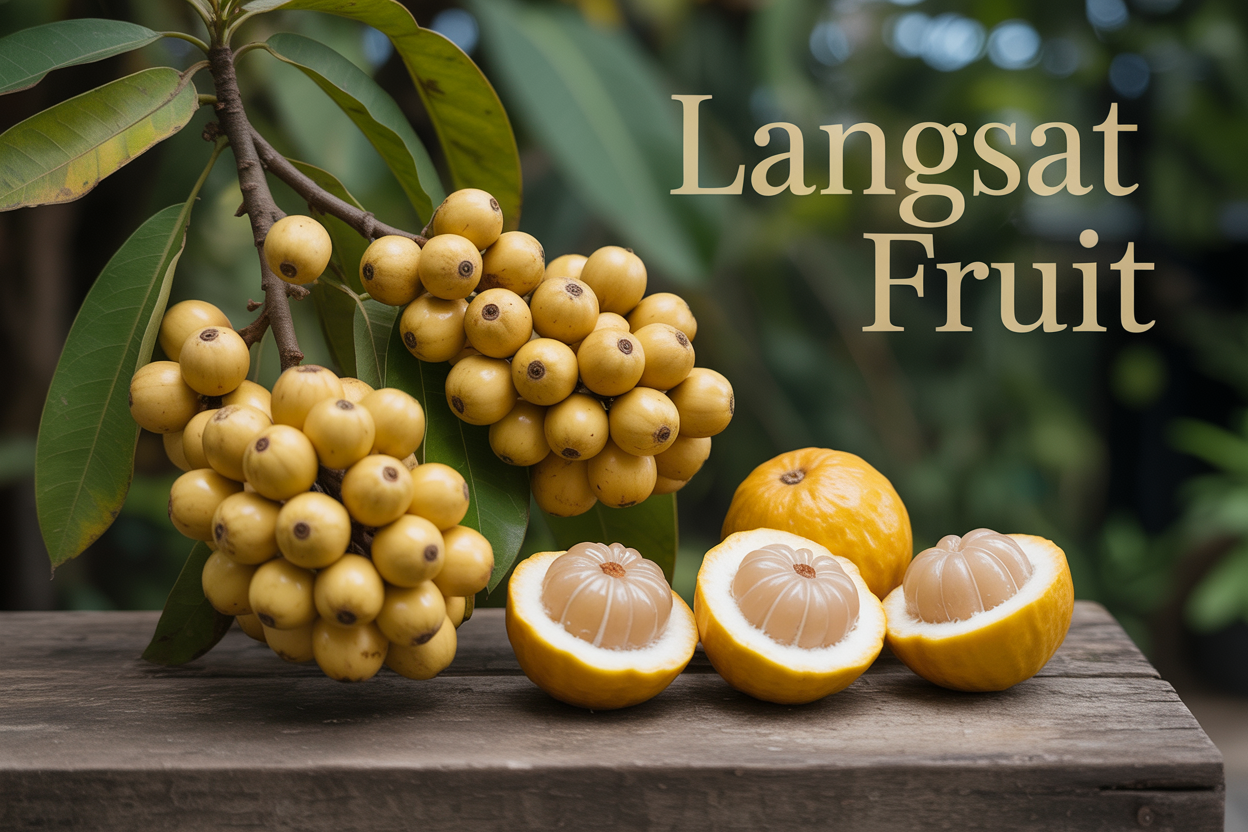
Never heard of langsat fruit? You're not alone. This small, translucent tropical fruit langsat remains a hidden gem in many parts of the world, yet it's been delighting taste buds across Southeast Asia for centuries.
This guide is perfect for curious food lovers, health-conscious eaters, and anyone wanting to expand their tropical fruit knowledge. We'll explore what is langsat exactly, dive into the impressive langsat nutrition facts and langsat benefits that make this fruit a nutritional powerhouse, and discover the unique langsat fruit taste that sets it apart from similar fruits like longan.
You'll also learn practical tips on how to eat langsat properly, where to buy langsat if you want to try it yourself, and even get insights into growing langsat tree requirements if you're feeling adventurous enough to cultivate your own.
Understanding Langsat's Origins and Characteristics
Botanical classification and scientific name
The langsat fruit belongs to the Mahogany family (Meliaceae) and carries the scientific name Lansium parasiticum. This tropical species shares close genetic relationships with other Southeast Asian fruits, including the longan and rambutan. The plant exists as a medium-sized evergreen tree that can reach heights of 10-15 meters when fully mature.
Botanists recognize several cultivated varieties of langsat, with the most prized being the 'Duku' variety, known for its sweeter flesh and thinner skin. The tree produces compound leaves arranged alternately, creating dense canopy coverage that provides excellent shade in tropical gardens.
Native regions and natural habitat
What is langsat becomes clearer when examining its origins across Southeast Asia. The fruit traces its ancestry to the rainforests of Malaysia, Indonesia, Thailand, and the Philippines, where wild varieties still flourish today. These regions provide the ideal combination of consistent warmth, high humidity, and rich, well-draining soil that langsat trees require.
Wild langsat trees naturally grow in lowland tropical rainforests at elevations below 400 meters above sea level. The species has adapted to thrive in areas receiving 1,500-2,500mm of annual rainfall, with temperatures consistently ranging between 22-32°C (72-90°F). Over centuries, cultivation has spread to other tropical regions including parts of India, Sri Lanka, and various Pacific islands.
Physical appearance and size specifications
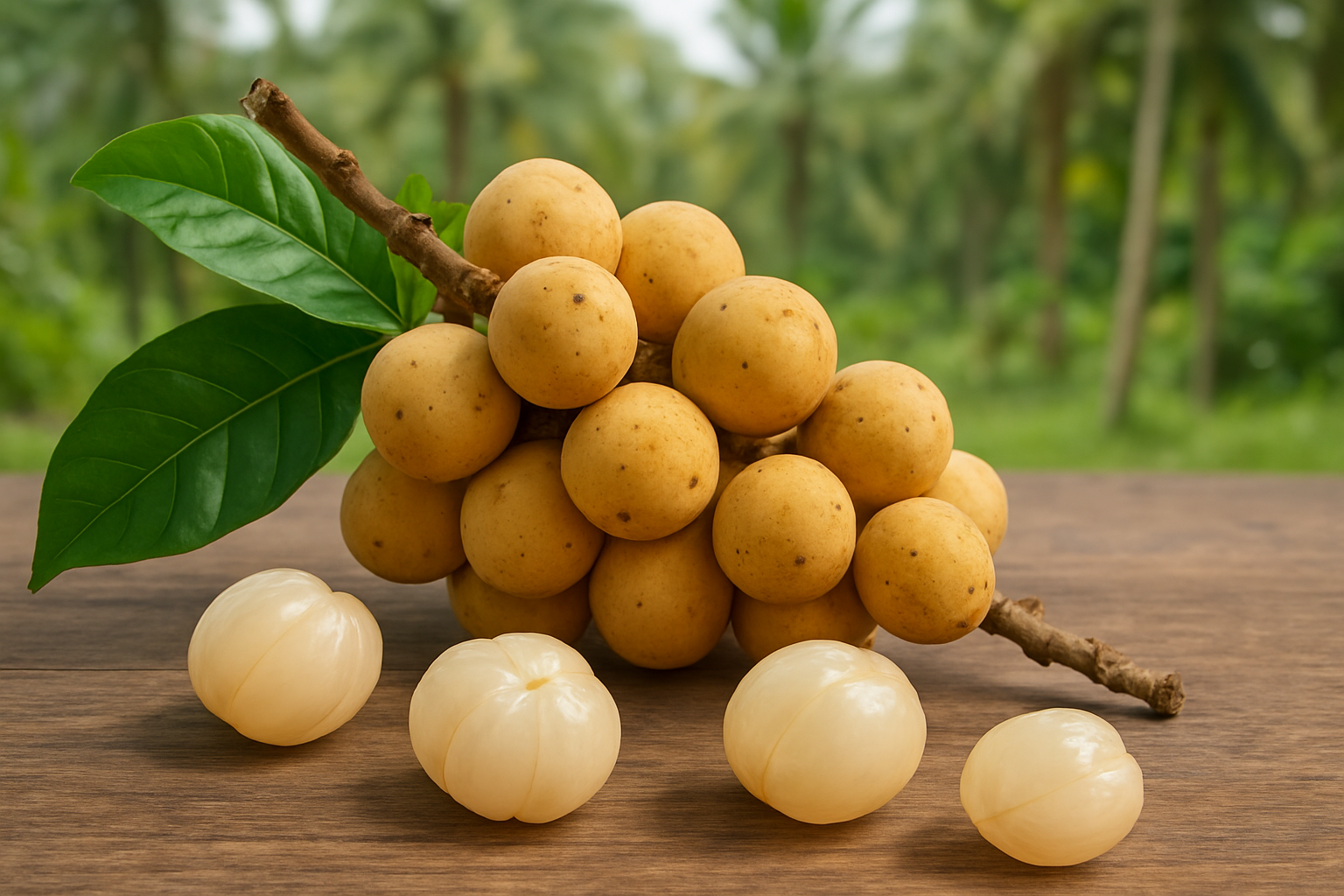
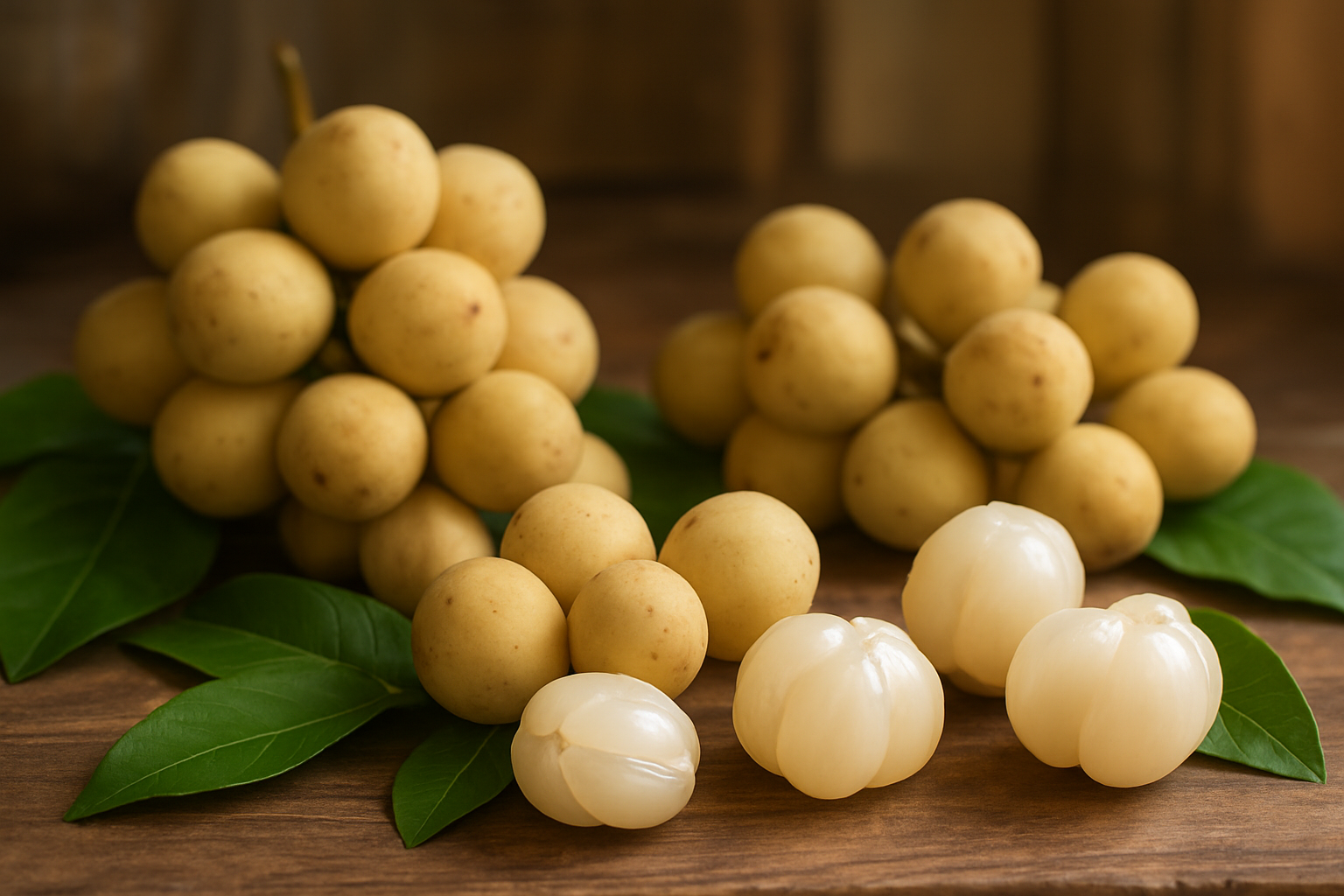
Tropical fruit langsat displays distinctive characteristics that make identification straightforward. The fruits grow in hanging clusters of 8-20 individual pieces, resembling small potato clusters. Each fruit measures approximately 2-4 centimeters in diameter and weighs between 15-25 grams.
The outer skin presents a pale yellow to light brown color with a slightly rough, leather-like texture. When peeled, the skin reveals translucent white flesh divided into 4-6 segments, similar to citrus fruits but with a softer consistency. Each segment may contain a small, bitter seed that should be avoided when eating.
| Physical Feature | Specification |
|---|---|
| Fruit diameter | 2-4 cm |
| Weight per fruit | 15-25 grams |
| Flesh segments | 4-6 pieces |
| Cluster size | 8-20 fruits |
| Skin thickness | 2-3 mm |
Seasonal availability and harvesting periods
Langsat fruit follows specific seasonal patterns that vary slightly across different growing regions. In Malaysia and Thailand, the primary harvest season occurs between June and August, with a secondary smaller harvest possible between December and February. Indonesian varieties typically peak between July and September.
Harvesting requires careful timing since langsat doesn't continue ripening after picking. Farmers identify ready fruits by their pale yellow coloration and slight softness when gently pressed. The entire cluster gets harvested together using long poles with cutting tools, ensuring minimal damage to both fruit and tree.
Peak availability in local markets coincides with these harvest periods, when prices drop significantly and quality reaches its highest point. During off-seasons, finding fresh langsat becomes challenging, though some preserved or frozen varieties may be available in specialty stores.
Nutritional Profile and Health Benefits
Essential vitamins and mineral content
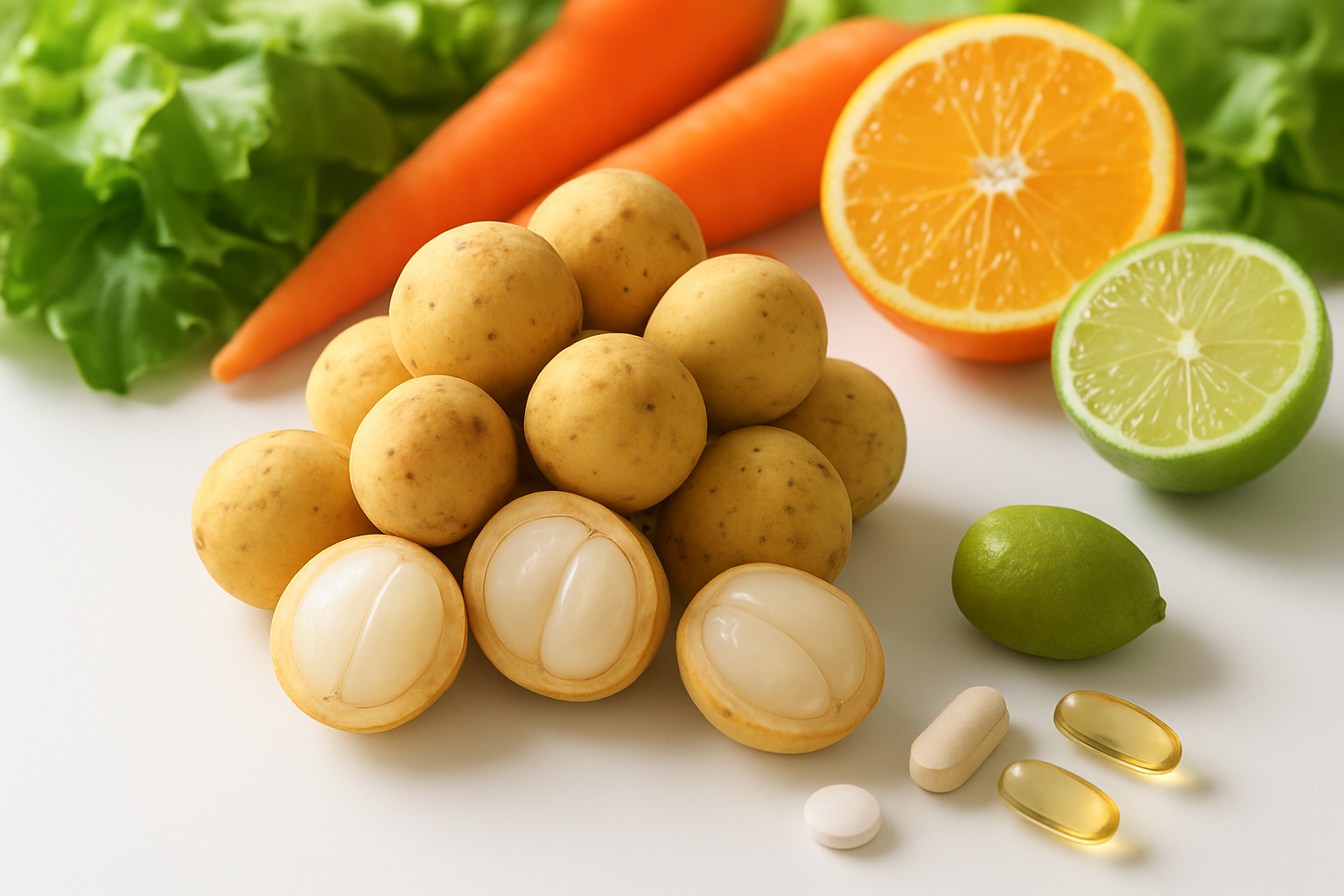
Langsat fruit packs impressive nutritional value into its small, translucent segments. Each serving delivers a healthy dose of vitamin C, providing about 20-25% of your daily requirement in just a handful of fruits. This vitamin C content makes langsat nutrition facts particularly appealing for those seeking natural immune support.
The fruit contains significant amounts of B-complex vitamins, especially riboflavin (B2) and thiamine (B1), which play crucial roles in energy metabolism and nervous system function. You'll also find decent levels of niacin, which supports cardiovascular health and brain function.
Mineral-wise, langsat brings potassium to the table - essential for heart health and blood pressure regulation. The fruit also contains phosphorus for bone health, iron for oxygen transport, and calcium for strong bones and teeth. Copper and manganese are present in smaller amounts, supporting various enzymatic processes in your body.
| Nutrient | Amount per 100g | Daily Value % |
|---|---|---|
| Vitamin C | 25-30mg | 28-33% |
| Potassium | 200-250mg | 6-7% |
| Phosphorus | 15-20mg | 2-3% |
| Iron | 0.8-1.2mg | 4-7% |
| Calcium | 15-25mg | 2-3% |
Antioxidant properties and immune system support
The antioxidant profile of langsat fruit makes it a powerful ally in fighting oxidative stress. Beyond its vitamin C content, langsat contains flavonoids and phenolic compounds that neutralize harmful free radicals in your body. These antioxidants work together to protect your cells from damage and may help reduce inflammation.
Regular consumption of tropical fruit langsat can boost your immune system's natural defenses. The combination of vitamin C, antioxidants, and other bioactive compounds creates a synergistic effect that strengthens your body's ability to ward off infections and illnesses.
Research suggests that the specific antioxidants found in langsat may have anti-aging properties, potentially helping maintain healthy skin and reducing the risk of chronic diseases. The fruit's natural compounds also support cellular repair processes, making it beneficial for overall health maintenance.
Digestive health and fiber benefits
Langsat benefits extend significantly to digestive wellness. The fruit provides both soluble and insoluble fiber, promoting healthy gut function and regular bowel movements. A serving of langsat delivers approximately 2-3 grams of dietary fiber, contributing to your daily fiber needs.
The soluble fiber in langsat helps regulate blood sugar levels by slowing down glucose absorption, making it a smart choice for those managing their blood sugar. This same fiber also supports healthy cholesterol levels by binding to cholesterol molecules and helping remove them from your system.
Insoluble fiber acts like a natural broom for your digestive tract, helping food move through your system efficiently and preventing constipation. The fruit's natural enzymes may also aid in protein digestion, reducing bloating and digestive discomfort after meals.
The prebiotic properties of langsat fiber feed beneficial gut bacteria, supporting a healthy microbiome. This bacterial balance is crucial for nutrient absorption, immune function, and even mental health through the gut-brain connection.
Flavor Profile and Culinary Applications
Taste Description and Texture Experience
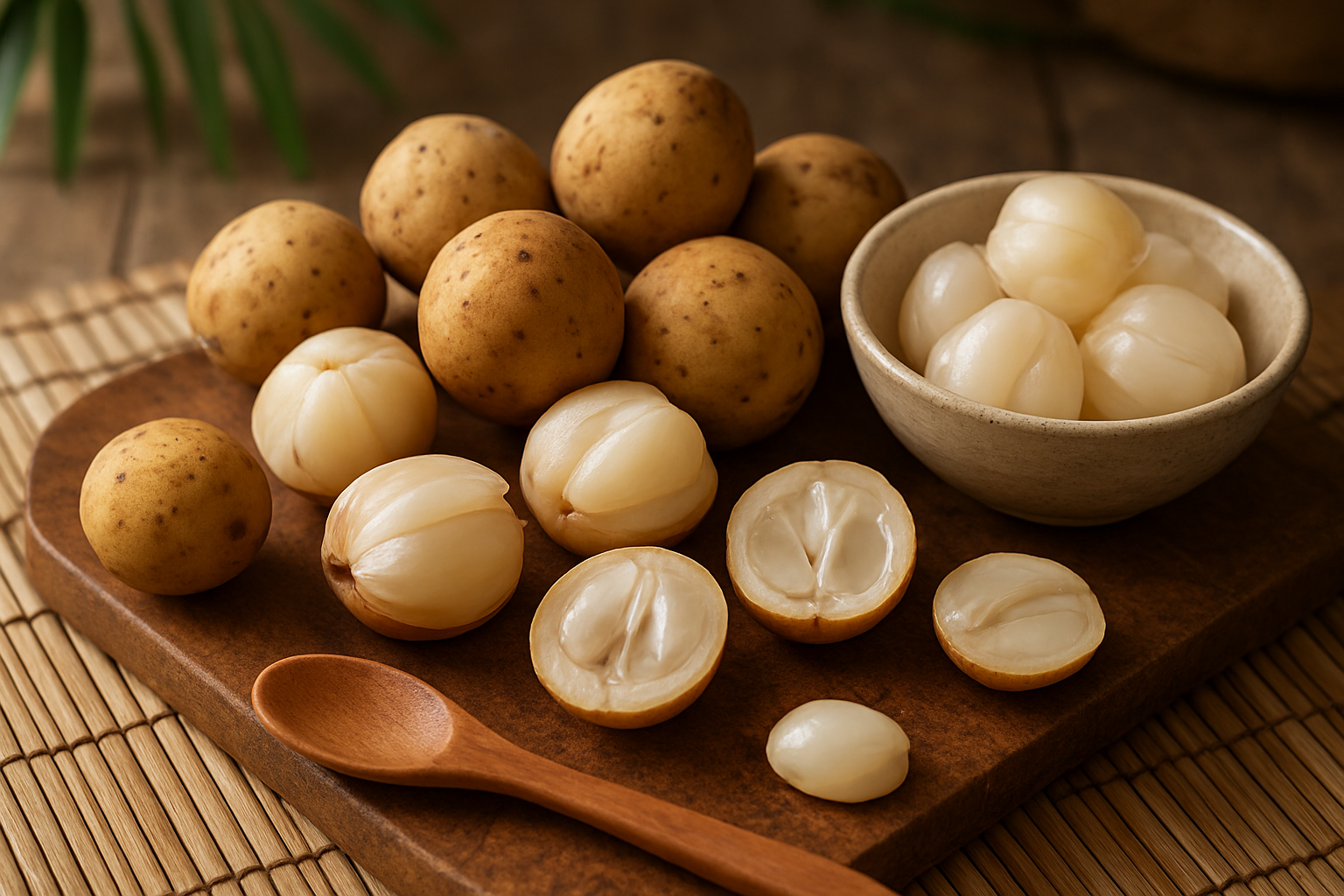
The langsat fruit taste delivers a unique tropical experience that sits somewhere between sweet grapes and lychee, with subtle citrus undertones. When you bite into fresh langsat, the translucent flesh bursts with juice, offering an initially sweet flavor that carries hints of tartness and a delicate floral note. The texture resembles peeled grapes - soft, juicy, and slightly firm, making each piece pop satisfyingly in your mouth.
What makes langsat particularly interesting is its complex flavor profile that varies depending on ripeness. Fully ripe fruits lean heavily sweet with minimal acidity, while slightly underripe ones provide a pleasant balance of sweet and tangy notes. The thin, easily removable skin protects segments that separate cleanly, similar to citrus fruits but much more delicate.
Some describe the langsat fruit taste as having subtle notes of lemon zest mixed with honey, especially in premium varieties. The seeds, which should be avoided due to their bitter compounds, are easily separated from the flesh. The overall eating experience is refreshing and light, making langsat an excellent palate cleanser or healthy snack option.
Traditional Preparation Methods
Traditional cultures across Southeast Asia have developed numerous ways to enjoy langsat beyond eating it fresh. In Malaysia and Thailand, vendors often sell langsat in clusters, encouraging customers to sample before purchasing to ensure optimal ripeness and sweetness.
One popular traditional method involves lightly salting langsat segments and serving them as a cooling snack during hot weather. This preparation enhances the natural sweetness while adding a subtle savory element that balances the fruit's acidity. Street vendors commonly offer this preparation alongside other tropical fruits.
Traditional preservation methods include making langsat into jams and jellies, though this requires careful timing since overripe fruit can become too soft. In some regions, people create fermented langsat beverages, allowing the natural sugars to develop into mildly alcoholic drinks with complex flavors.
Dried langsat represents another traditional preparation, where fruits are carefully dehydrated to concentrate their sweetness. This method creates chewy, candy-like treats that last much longer than fresh fruit and intensify the tropical flavors.
Modern Recipe Integration Ideas
Contemporary chefs have begun incorporating langsat into innovative dishes that showcase its versatility. The fruit works exceptionally well in fruit salads, where its grape-like texture contrasts beautifully with firmer fruits like apples and pears. Adding langsat to green salads provides unexpected bursts of sweetness that complement bitter greens and tangy dressings.
Langsat makes an excellent addition to smoothie bowls, contributing natural sweetness and tropical flair without overpowering other ingredients. Blend it with coconut milk, mango, and a touch of lime for an authentic Southeast Asian-inspired drink.
For dessert applications, langsat works wonderfully in sorbets and granitas, where its high water content and natural sugars create smooth, refreshing frozen treats. The fruit can also be incorporated into panna cotta, tarts, and even ice cream, providing exotic flavor notes that surprise and delight diners.
Savory applications include using langsat in salsas for grilled fish or chicken, where its sweetness balances spicy chilies and herbs. The fruit pairs particularly well with seafood dishes, adding tropical brightness to otherwise rich preparations.
Pairing Suggestions with Other Foods
Langsat's delicate flavor profile makes it an excellent companion for various ingredients across different culinary traditions. The fruit pairs naturally with other tropical fruits like rambutan, lychee, and dragon fruit, creating colorful and flavorful combinations that showcase Southeast Asian produce diversity.
For cheese pairings, langsat works surprisingly well with mild, creamy cheeses like fresh mozzarella or ricotta, where its sweetness complements the dairy's richness without competing. Stronger cheeses can overwhelm langsat's subtle flavors, so lighter options work best.
In beverages, langsat combines beautifully with coconut water, creating refreshing drinks that highlight both ingredients' tropical origins. Adding mint, basil, or lemongrass creates complex flavor layers that enhance the fruit's natural characteristics.
Protein pairings include white fish, chicken, and pork, where langsat can be used in marinades or sauces to add sweetness and acidity. The fruit's natural enzymes help tenderize proteins while contributing unique flavor dimensions.
For dessert pairings, langsat works well with vanilla, coconut, and light citrus flavors. Avoid pairing with chocolate or other strong flavors that might mask the fruit's delicate taste profile.
Growing and Cultivation Requirements
Climate and Soil Preferences
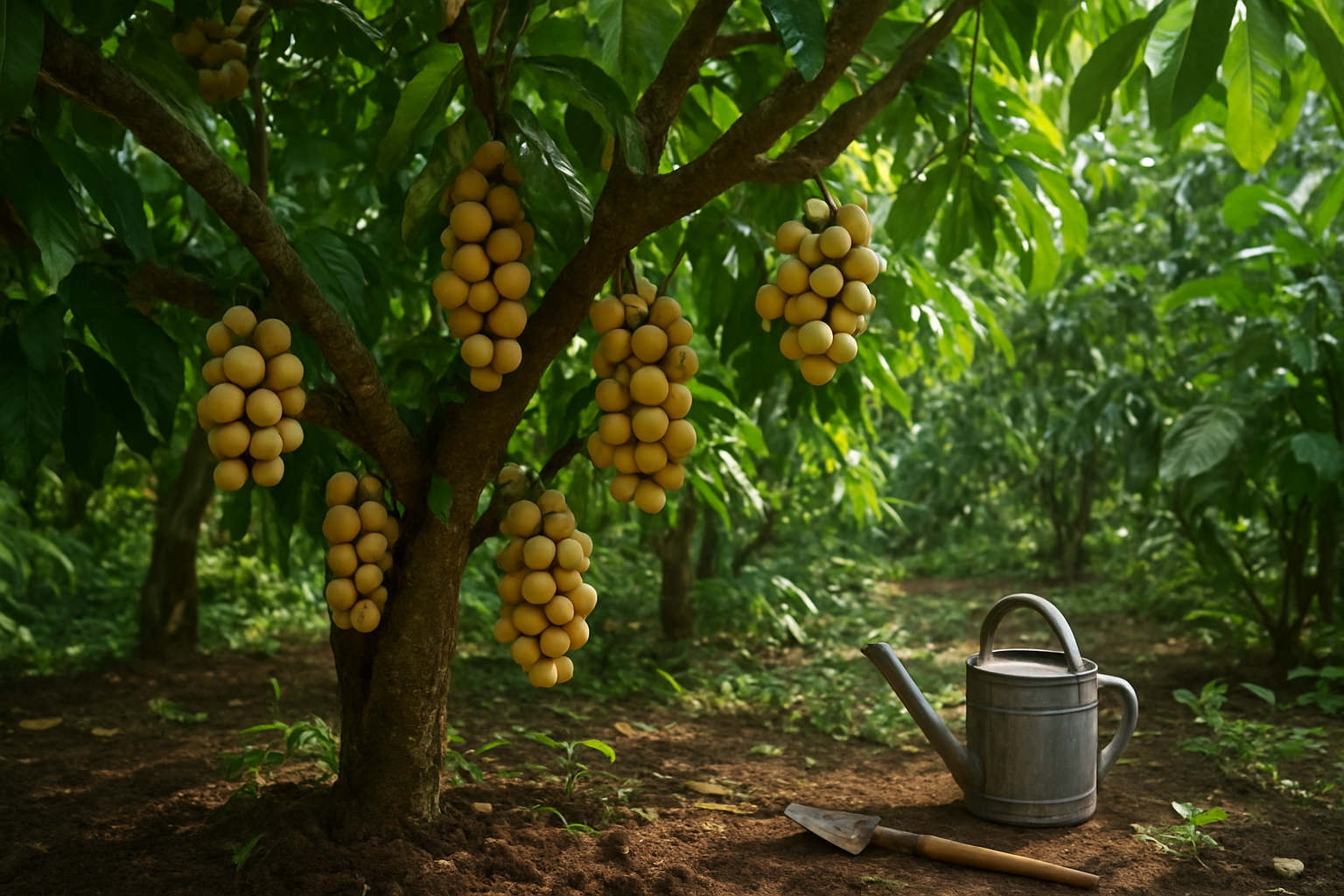
The langsat fruit tree thrives in warm, humid tropical climates with consistent temperatures between 75-85°F (24-29°C) year-round. These trees hate cold weather and can't survive temperatures below 60°F (15°C), making them unsuitable for temperate regions. High humidity levels of 70-80% create the perfect environment for healthy growth and fruit production.
Growing langsat tree requires specific soil conditions to produce quality fruit. The trees prefer well-draining, slightly acidic to neutral soil with a pH range of 6.0-7.0. Rich, loamy soil with plenty of organic matter works best, as it retains moisture while preventing waterlogged roots. Sandy clay loam mixed with compost creates an ideal growing medium.
Rainfall patterns play a crucial role in langsat cultivation. Trees need 60-80 inches of annual rainfall, distributed fairly evenly throughout the year. While they appreciate consistent moisture, langsat trees can't handle prolonged flooding or drought conditions. Areas with distinct wet and dry seasons work well, as long as supplemental irrigation is available during drier periods.
| Climate Factor | Optimal Range |
|---|---|
| Temperature | 75-85°F (24-29°C) |
| Humidity | 70-80% |
| Annual Rainfall | 60-80 inches |
| Soil pH | 6.0-7.0 |
Planting and Care Instructions
Starting your langsat journey begins with selecting healthy seedlings or grafted plants from reputable nurseries. Seeds can take 5-7 years to produce fruit, while grafted trees often bear fruit in 3-4 years. Plant young trees during the rainy season when soil moisture levels are naturally high.
Dig planting holes twice the width of the root ball and just as deep. Space trees 20-25 feet apart to allow for mature canopy spread. Mix the native soil with well-aged compost or cow manure before backfilling around the roots. Water thoroughly after planting and apply a 3-4 inch layer of organic mulch around the base, keeping it away from the trunk.
Regular watering is essential during the first two years while trees establish their root systems. Deep watering once or twice weekly works better than frequent shallow irrigation. Mature trees typically need less frequent watering, except during fruit development when consistent moisture prevents fruit drop.
Fertilize young langsat trees every 3-4 months with balanced organic fertilizer containing nitrogen, phosphorus, and potassium. Adult trees benefit from twice-yearly feeding – once at the beginning of the rainy season and again during fruit development. Organic compost, aged manure, or commercial tropical fruit fertilizers work well.
Pruning should focus on removing dead, diseased, or crossing branches. Light pruning after harvest helps maintain tree shape and improves air circulation through the canopy.
Common Growing Challenges and Solutions
Pest management ranks among the top challenges when growing langsat trees. Fruit flies pose the biggest threat, laying eggs in developing fruit and causing significant crop losses. Install pheromone traps around trees and bag individual fruit clusters with fine mesh or paper bags during development. Regular sanitation by removing fallen fruit reduces breeding sites.
Scale insects and mealybugs often attack langsat trees, weakening plants and reducing fruit quality. These pests appear as small, waxy bumps on leaves and branches. Spray affected areas with horticultural oil or insecticidal soap every 7-10 days until populations decrease. Beneficial insects like ladybugs and lacewings provide natural pest control.
Disease problems typically stem from fungal infections in humid conditions. Anthracnose causes dark spots on leaves and fruit, while powdery mildew creates white, dusty patches. Improve air circulation by proper spacing and pruning. Apply copper-based fungicides during wet periods, following label instructions carefully.
Nutrient deficiencies show up as yellowing leaves, poor fruit set, or stunted growth. Iron deficiency causes young leaves to turn yellow while veins remain green. Apply chelated iron or organic compost to correct this issue. Magnesium deficiency appears as yellowing between leaf veins on older leaves – Epsom salt applications help restore balance.
Langsat fruit trees sometimes experience irregular bearing, producing heavy crops one year and light crops the next. This usually happens due to stress from drought, over-fertilization, or pest damage. Maintain consistent care practices and avoid heavy pruning during fruit development to encourage regular production cycles.
Where to Find and How to Select Quality Langsat
Purchasing locations and availability
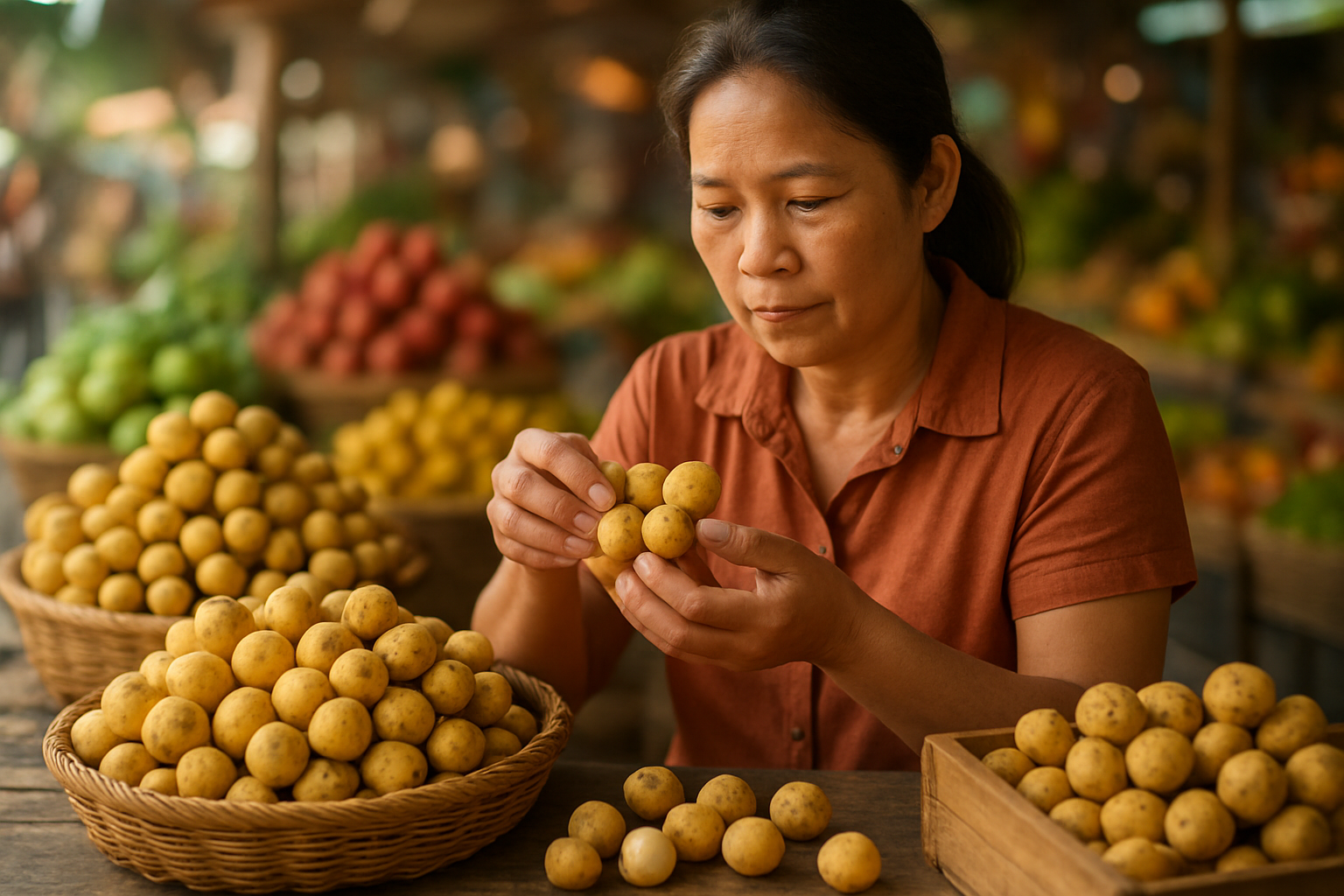
Finding langsat fruit can be challenging if you don't know where to look. Asian grocery stores remain your best bet for locating this tropical gem. Major cities with significant Southeast Asian communities often carry langsat in specialty markets, particularly those focusing on Thai, Malaysian, or Indonesian products. Vietnamese markets also stock langsat regularly, especially during peak season.
Online retailers have expanded access to exotic fruits, making where to buy langsat less of a mystery. Specialty tropical fruit companies ship fresh langsat nationwide, though expect premium pricing for the convenience. Some health food stores in urban areas occasionally stock langsat in their exotic fruit sections.
Farmers markets in areas with diverse populations sometimes feature vendors selling unique tropical fruits. Building relationships with these sellers can help you secure langsat when shipments arrive.
Visual quality indicators for selection
Selecting quality langsat fruit requires attention to several key indicators. Fresh langsat displays pale yellow to light brown skin with a slight translucency. The fruit should feel firm but give slightly under gentle pressure. Avoid specimens with dark brown spots, wrinkled skin, or any signs of mold.
Quality langsat exhibits:
-
Smooth, unblemished skin
-
Consistent coloring without dark patches
-
Fresh, sweet aroma near the stem
-
Clusters that feel heavy for their size
-
No sticky or wet areas on the surface
Overripe langsat develops dark brown coloration and becomes mushy. Underripe fruit appears very pale and feels hard throughout. The best langsat has a golden-yellow hue with slight brown undertones.
Proper storage techniques for freshness
Fresh langsat fruit requires careful handling to maintain quality. Store unripe langsat at room temperature for 2-3 days to allow natural ripening. Once ripe, refrigerate langsat in perforated plastic bags within the crisper drawer.
Refrigerated langsat maintains freshness for 5-7 days maximum. The fruit continues ripening slowly even when chilled, so consume within this window for optimal taste and texture.
Never store langsat in sealed containers without ventilation, as trapped moisture promotes rapid spoilage. Remove any damaged fruit immediately to prevent contamination of healthy specimens.
For longer storage, peel and freeze langsat segments in airtight containers. Frozen langsat works well in smoothies but loses its fresh texture when thawed.
Price considerations and seasonal variations
Langsat fruit pricing fluctuates significantly based on seasonality and location. Peak season (July through October) offers the best prices and quality. During these months, expect to pay $3-6 per pound at Asian markets.
Off-season pricing can reach $8-12 per pound due to limited supply and import costs. Online purchases typically cost 30-50% more than in-store buying due to shipping requirements and handling fees.
Regional price variations depend heavily on local demand and supply chains. West Coast cities with established Asian communities generally offer more competitive pricing than inland areas. East Coast markets may charge premium rates due to longer transportation distances.
Buying in bulk during peak season can reduce costs, but only purchase what you can consume within a week. The fruit's short shelf life makes bulk buying risky unless you plan to process or freeze portions immediately.
The langsat fruit offers a delightful combination of sweet and tangy flavors wrapped in a small, grape-like package that's packed with essential vitamins and minerals. This Southeast Asian gem brings impressive health benefits to your diet, from boosting your immune system with vitamin C to supporting digestive health with its fiber content. Its versatility in the kitchen makes it perfect for eating fresh, adding to fruit salads, or incorporating into traditional desserts and preserves.
Growing your own langsat trees requires patience and the right tropical conditions, but the reward of homegrown fruit makes the effort worthwhile. When shopping for langsat, look for fruits with smooth, unblemished skin that give slightly to gentle pressure. Don't let this exotic fruit's unfamiliar appearance stop you from trying it – once you taste its unique flavor, you'll understand why it's such a treasured fruit in its native regions.


.png)
Comments
Post a Comment