Marula - What's The Marula Fruit?

The marula fruit might not be sitting in your local grocery store, but this African superfruit packs serious nutritional punch and has fascinating cultural significance. If you're curious about exotic fruits, interested in natural health foods, or simply love discovering unique flavors from around the world, marula deserves your attention.
This golden-yellow fruit grows wild across southern and eastern Africa, where it's been treasured for thousands of years. We'll explore what makes marula fruit so special, diving into its impressive nutritional profile and health benefits. You'll also discover the traditional and modern ways people use this versatile fruit, from ancient remedies to today's skincare products.
Understanding the Marula Tree and Its Origins
.png)
Geographic Distribution Across Southern and Eastern Africa
The marula tree thrives across a vast expanse of sub-Saharan Africa, stretching from the Atlantic coast to the Indian Ocean. You'll find these remarkable trees scattered throughout South Africa, Botswana, Zimbabwe, Mozambique, Namibia, and parts of Tanzania, Kenya, and Ethiopia. The tree shows a strong preference for the savanna regions, where it creates distinctive silhouettes against the African landscape.
Southern Africa serves as the marula's primary stronghold, with South Africa hosting the largest populations. The tree naturally grows in areas receiving between 200-1500mm of annual rainfall, making it perfectly adapted to the semi-arid conditions that characterize much of the region. Interestingly, marula trees rarely venture into dense forests, preferring the open woodlands and grasslands where they can access full sunlight.
Botanical Characteristics and Growth Conditions
Marula trees belong to the Anacardiaceae family, sharing lineage with cashews and mangoes. These deciduous giants can reach heights of 15-17 meters, developing broad, spreading canopies that provide essential shade in harsh climates. The bark displays a distinctive mottled gray appearance that becomes more pronounced with age.
What makes marula trees particularly fascinating is their dioecious nature – meaning individual trees are either male or female. Male trees produce clusters of small, yellowish flowers that release pollen, while female trees bear the precious fruit. This characteristic means you need both sexes in proximity for successful fruit production.
The trees demonstrate remarkable resilience to drought conditions, thanks to their deep taproot system that can extend several meters underground. They prefer sandy, well-draining soils and can tolerate temperatures ranging from near-freezing to over 40°C. Young trees grow relatively slowly, often taking 5-7 years before bearing fruit, but mature specimens can live for centuries.
Cultural Significance in Traditional African Communities
Marula trees hold profound spiritual and cultural importance across numerous African societies. Many communities consider these trees sacred, believing they connect the living world with ancestral spirits. The Venda people of South Africa traditionally plant marula trees near homesteads to bring good fortune and protection to families.
Women typically control marula harvesting and processing rights in most traditional societies, creating an important source of economic independence. The annual marula season brings communities together for collective harvesting activities that strengthen social bonds and pass down cultural knowledge to younger generations.
Traditional medicine practitioners have used various parts of the marula tree for centuries. The bark treats stomach ailments and respiratory conditions, while the leaves serve as natural insect repellents. Many communities still rely on these time-tested remedies, viewing the marula as a complete pharmacy provided by nature.
The tree's cultural reach extends into folklore and storytelling, where marula often appears as a symbol of abundance and fertility. Some cultures perform special ceremonies to honor the first fruits of the season, showing deep respect for this generous provider.
Seasonal Fruiting Patterns and Harvesting Times
Marula trees follow a predictable annual cycle that rural communities have tracked for generations. The fruiting season typically begins between December and March in the Southern Hemisphere, coinciding with the region's summer months. Trees usually flower during the dry winter period (May-September), with female trees developing small, white blooms that eventually mature into the golden fruits.
The actual harvest window spans roughly 6-8 weeks, though this varies based on local climate conditions and tree genetics. Early varieties might start dropping fruit in late December, while late-season trees continue producing into April. Experienced harvesters can predict timing by observing subtle changes in fruit color and the behavior of local wildlife.
Fresh fruits must be collected quickly after falling, as they ferment rapidly in the African heat. Many communities organize daily collection rounds during peak season, with entire families participating in the harvest. The urgency stems from the fruit's high sugar content, which begins fermenting within 24-48 hours of falling – a characteristic that has historically provided communities with a natural alcoholic beverage.
Climate change has started affecting traditional harvesting patterns, with some regions experiencing earlier or more erratic fruiting seasons. This shift challenges communities to adapt their traditional knowledge while maintaining sustainable harvesting practices that have protected marula populations for generations.
Physical Characteristics and Identification of Marula Fruit
.png)
Size, Shape, and Color Variations Throughout Ripening Stages
Marula fruit starts its journey as small, green orbs about the size of a large grape, measuring roughly 1-2 inches in diameter. As the fruit develops, it maintains an oval to round shape, sometimes slightly flattened at the base where it attaches to the branch. The transformation from unripe to fully mature fruit brings dramatic color changes that serve as nature's ripeness indicator.
During the early stages, marula fruit displays a bright green color with a smooth, almost waxy appearance. As ripening progresses, the green gradually gives way to yellow-green hues, creating a mottled pattern across the skin. When fully ripe, the fruit takes on a golden-yellow color, sometimes with subtle orange undertones that make it particularly striking against the tree's foliage.
The size can vary considerably depending on growing conditions, with some specimens reaching up to 4 inches in diameter, though most fall within the 2-3 inch range. Climate, soil quality, and tree maturity all play roles in determining final fruit size. Larger, more established trees typically produce bigger fruit than younger specimens.
Distinctive Skin Texture and Appearance Markers
The marula's skin texture changes significantly as it ripens, providing clear visual and tactile cues for harvesting. Young fruit features smooth, firm skin that feels almost plastic-like to the touch. This protective coating helps shield the developing flesh from environmental stresses and pest damage.
As ripening advances, the skin develops a slightly rougher texture with subtle dimpling or pebbling across the surface. This textural change coincides with the color transformation and indicates the fruit is approaching maturity. The skin becomes more pliable but maintains its protective qualities.
Mature marula fruit displays several distinctive markers that experienced harvesters recognize instantly. The skin develops a slight translucent quality, allowing hints of the golden flesh beneath to show through. Small, irregular patches may appear where the skin has become particularly thin, creating a mottled appearance that's characteristic of peak ripeness.
The stem end often shows the first signs of softening, with the skin around the attachment point becoming slightly wrinkled or dimpled. This area typically changes color first, serving as an early indicator that the fruit is ready for harvest or will be soon.
Internal Flesh Composition and Seed Structure
Breaking open a ripe marula reveals flesh that's remarkably juicy and aromatic, with a consistency similar to a ripe plum or apricot. The flesh ranges from pale yellow to deep golden-orange, depending on the variety and growing conditions. This vibrant interior contains high water content, making it incredibly refreshing and explaining its popularity in traditional beverages.
The flesh surrounds a single, large seed that takes up a significant portion of the fruit's interior space. This seed, or kernel, is encased in an extremely hard shell that's notoriously difficult to crack. The shell appears light brown to tan in color and has a slightly textured surface with natural ridges and indentations.
Inside this protective shell lies the actual seed kernel, which is pale cream to white in color and has a soft, almost buttery texture when fresh. This kernel contains valuable oils and has been used traditionally for various purposes, from skincare to cooking. The oil extracted from these kernels has gained international recognition for its cosmetic applications.
The flesh-to-seed ratio varies among individual fruits, but typically the edible flesh makes up about 60-70% of the fruit's total volume. The remaining space is occupied by the seed and a small air pocket that develops as the fruit ripens. This composition makes marula particularly valuable since both the flesh and seed kernel offer distinct uses and nutritional benefits.
Nutritional Profile and Health Benefits
Vitamin C content compared to other fruits
Marula fruit packs an incredible vitamin C punch that puts many popular fruits to shame. A single 100-gram serving delivers approximately 200-300mg of vitamin C – that's roughly three to four times more than oranges and about eight times what you'd get from the same amount of apples. To put this in perspective, most adults need just 65-90mg daily, making marula an exceptional source for meeting your vitamin C requirements.
The vitamin C concentration in marula varies depending on ripeness and growing conditions, but even at its lowest levels, it consistently outperforms citrus fruits. This makes it particularly valuable in regions where traditional vitamin C sources aren't readily available year-round.
| Fruit | Vitamin C per 100g |
|---|---|
| Marula | 200-300mg |
| Orange | 53mg |
| Lemon | 53mg |
| Kiwi | 93mg |
| Apple | 4.6mg |
| Banana | 8.7mg |
Essential minerals and antioxidant properties
Beyond vitamin C, marula contains impressive levels of essential minerals that support various bodily functions. The fruit provides significant amounts of potassium, magnesium, and calcium, with potassium levels reaching 280-320mg per 100g serving. This mineral profile supports heart health, muscle function, and bone strength.
The antioxidant portfolio extends far beyond vitamin C. Marula contains:
-
Flavonoids: Catechins and epicatechins that protect cells from oxidative damage
-
Phenolic acids: Gallic acid and protocatechuic acid with anti-aging properties
-
Carotenoids: Beta-carotene and other compounds supporting eye health
-
Tannins: Natural compounds with antimicrobial properties
These antioxidants work together to neutralize free radicals, potentially reducing the risk of chronic diseases and supporting overall cellular health. The fruit's ORAC (Oxygen Radical Absorbance Capacity) value ranks among the highest for African indigenous fruits.
Protein and healthy fat composition
Marula stands out from typical fruits with its unique macronutrient profile. While most fruits contain minimal protein and fat, marula offers modest but meaningful amounts of both. The protein content ranges from 0.5-1.2g per 100g, containing essential amino acids including leucine, lysine, and methionine.
The fat composition tells an even more interesting story. Marula contains approximately 0.6-1.0g of fat per 100g, with a favorable balance of:
-
Monounsaturated fats: Primarily oleic acid, supporting heart health
-
Essential fatty acids: Small amounts of linoleic acid
-
Saturated fats: Minimal levels that don't negatively impact cholesterol
This combination of protein and healthy fats helps slow sugar absorption, making marula a more balanced fruit choice that provides sustained energy rather than quick sugar spikes.
Anti-inflammatory compounds and their effects
Research has identified several powerful anti-inflammatory compounds in marula that may offer therapeutic benefits. The fruit contains quercetin, a flavonoid known for reducing inflammatory markers in the body. Studies suggest regular consumption of quercetin-rich foods may help manage conditions like arthritis and cardiovascular disease.
Marula also provides:
-
Procyanidin compounds: These help reduce inflammation in blood vessels
-
Anthocyanins: Found in the skin, these give marula its color while fighting inflammation
-
Omega-3 fatty acids: Present in small amounts, supporting brain health and reducing systemic inflammation
Traditional healers have long used marula bark and fruit to treat inflammatory conditions, and modern research increasingly supports these applications. The anti-inflammatory effects appear strongest when marula is consumed regularly as part of a balanced diet rather than as an isolated supplement.
The synergistic effect of these compounds creates a powerful anti-inflammatory profile that may help reduce chronic disease risk while supporting immune system function and overall wellness.
Traditional and Modern Uses of Marula Fruit
Historical Consumption Methods in African Cultures
For thousands of years, African communities have treasured marula fruit as a vital food source and cultural cornerstone. The Zulu, Venda, and Tsonga peoples of southern Africa developed sophisticated methods for consuming and preserving these golden treasures. Fresh marula fruits were typically eaten raw during peak season, with families gathering under the massive trees to collect fallen fruit each morning.
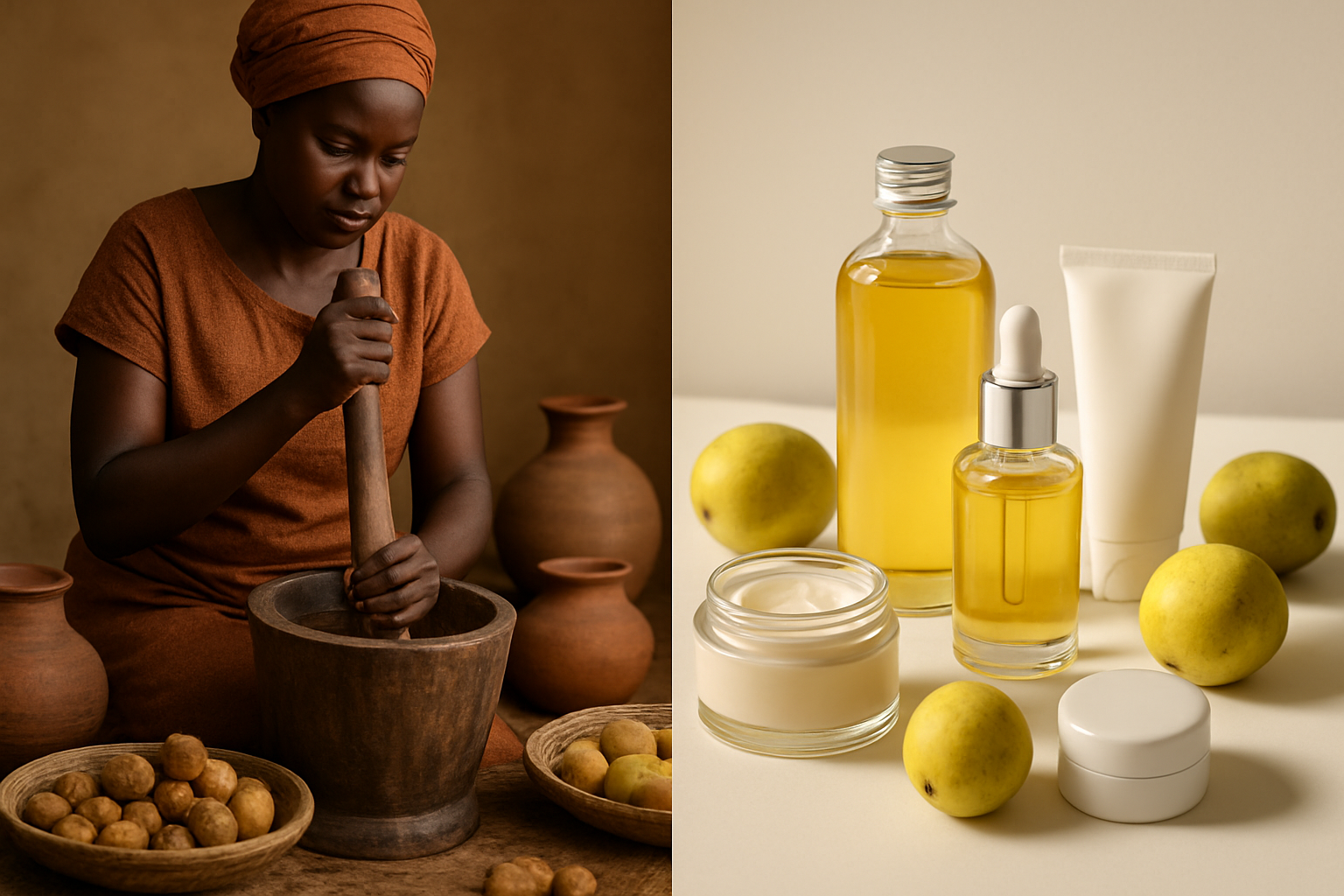
Women traditionally processed marula into various forms for year-round consumption. They would extract the kernel from inside the hard stone, which served as a protein-rich snack similar to nuts. These kernels were often ground into flour or pressed to create marula oil for cooking and medicinal purposes. The fruit flesh was dried in the sun, creating chewy, candy-like strips that could be stored for months.
Communities also prepared marula porridge by cooking the fruit pulp with grains, creating a nutritious meal that sustained families during lean seasons. Children learned to identify ripe fruits by their yellow color and sweet aroma, making marula harvesting a cherished family tradition passed down through generations.
Fermentation Processes for Traditional Beverages
Marula's natural sugars make it perfect for creating alcoholic beverages that have played central roles in African ceremonies and social gatherings for millennia. The most famous of these is marula beer, known locally as "mukumbi" or "mampoer."
Traditional fermentation begins with collecting fully ripe, fallen fruit. Women carefully select only perfect specimens, discarding any with blemishes or insect damage. The fruit is then crushed by hand or with wooden implements, releasing the sweet, aromatic juice. Wild yeasts naturally present on the fruit skin kickstart the fermentation process.
The juice ferments in large clay pots or calabash gourds for 3-7 days, depending on desired alcohol content and local climate conditions. During this time, the natural sugars convert to alcohol, creating a mildly intoxicating beverage with an alcohol content typically ranging from 3-8%. The resulting drink has a distinctive tangy-sweet flavor with fruity undertones.
Different regions have developed unique variations of this brewing process. Some communities add honey to boost fermentation, while others incorporate indigenous herbs for flavor enhancement. The timing of consumption is often ceremonial, with marula beer featuring prominently in harvest festivals, weddings, and coming-of-age celebrations.
Cosmetic and Skincare Applications
Modern science has validated what African women have known for centuries – marula oil possesses remarkable skincare properties. The kernels yield a light, fast-absorbing oil rich in antioxidants, essential fatty acids, and vitamins C and E.
Traditional beauty treatments involved crushing marula kernels to extract oil for moisturizing skin and hair. Women applied this oil to protect against harsh sun exposure and maintain healthy, supple skin even in arid climates. The oil's antimicrobial properties also made it valuable for treating minor wounds and skin irritations.
Today's cosmetic industry has embraced marula oil as a premium ingredient in high-end skincare products. Its molecular structure allows deep penetration without clogging pores, making it suitable for all skin types. The oil's stability means it doesn't go rancid quickly, while its light texture makes it ideal for facial serums, moisturizers, and hair treatments.
Many luxury brands now source marula oil directly from African cooperatives, creating sustainable income streams for rural communities while preserving traditional harvesting methods. The oil commands premium prices in international markets, with pure marula oil selling for $50-100 per ounce in specialty stores.
Commercial Food and Beverage Production
The commercial marula industry has exploded in recent decades, with products ranging from liqueurs to health supplements reaching global markets. Amarula Cream Liqueur, launched in 1989, became the most successful marula product worldwide, introducing millions to the fruit's distinctive flavor profile.
Modern processing facilities in South Africa, Botswana, and Namibia now handle thousands of tons of marula fruit annually. These facilities employ sophisticated extraction methods to maximize yield while preserving the fruit's nutritional properties. Flash pasteurization techniques maintain flavor integrity while ensuring food safety standards for export markets.
Food manufacturers incorporate marula puree into jams, jellies, and fruit leather products. The fruit's high vitamin C content and unique flavor make it popular in health drink formulations and energy bars. Several companies produce marula juice concentrate for the beverage industry, where it's blended with other tropical fruits to create exotic flavor combinations.
Restaurants and bars worldwide now feature marula-based cocktails and desserts, capitalizing on the fruit's exotic appeal and distinctive taste. The commercial success has created new economic opportunities for rural communities, with fair-trade certification ensuring sustainable harvesting practices and fair compensation for local collectors.
Harvesting, Processing, and Storage Methods
Optimal timing for fruit collection
Marula fruits reach peak ripeness between January and March in their native African habitat, coinciding with the height of summer. The best time to harvest depends on the intended use - fresh consumption requires fully ripe fruits that naturally drop from the tree, while processing often uses slightly underripe fruits for better handling and extended shelf life.
Professional harvesters look for specific visual cues: fruits transition from green to yellow-orange, develop a waxy bloom on the skin, and emit a sweet, fragrant aroma. The flesh gives slightly under gentle pressure, similar to a ripe peach. Timing becomes critical because overripe fruits ferment quickly due to natural yeasts on the skin, creating an alcoholic content that affects both flavor and storability.
Local communities have developed sophisticated timing systems based on generational knowledge. They monitor weather patterns, as drought stress can concentrate sugars and advance ripening, while excessive rainfall dilutes flavors. Many experienced collectors prefer early morning harvesting when fruits are cool and firm, reducing damage during transport.
Traditional preservation techniques
African communities have perfected marula preservation methods over centuries, primarily focusing on natural fermentation and drying techniques. The most celebrated traditional process creates marula beer, where whole fruits ferment in clay pots for 3-7 days, producing a mildly alcoholic beverage rich in probiotics and nutrients.
Sun-drying remains the most widespread preservation method. Fresh fruits are sliced and laid on woven mats or clean rocks, taking 5-10 days to reach optimal moisture content. Properly dried marula develops a chewy texture and concentrated sweetness that can last months when stored in sealed gourds or baskets.
Traditional oil extraction involves a labor-intensive process where kernels are cracked by hand using stones. Women gather in groups for this social activity, roasting the nuts over controlled fires before pressing them between heated stones to extract the precious oil. This oil, stored in animal horn containers, serves multiple purposes - cooking, skincare, and medicinal applications.
Some communities create marula paste by grinding dried fruit with the nuts, forming nutrient-dense cakes wrapped in leaves. These portable food sources sustained travelers and provided emergency nutrition during lean seasons.
Modern processing and packaging approaches
Contemporary marula processing leverages advanced technology while respecting traditional quality standards. Commercial operations use mechanical harvesters and sorting systems that grade fruits by size, ripeness, and quality parameters. Controlled atmosphere storage maintains fruit integrity during transport to processing facilities.
Modern extraction methods employ hydraulic presses and centrifugal separators to maximize oil yield from marula kernels. Cold-pressing techniques preserve delicate flavor compounds and nutritional properties that heat processing might destroy. Advanced filtration systems remove impurities while maintaining the oil's characteristic golden color and nutty aroma.
| Processing Method | Yield Rate | Quality Level | Shelf Life |
|---|---|---|---|
| Traditional Hand-pressing | 15-20% | Premium | 6-12 months |
| Cold-press Mechanical | 35-45% | High | 18-24 months |
| Heat-assisted Extraction | 50-60% | Standard | 12-18 months |
Packaging innovations include nitrogen-flushed containers that prevent oxidation, UV-protective glass bottles for premium oils, and vacuum-sealed pouches for dried fruit products. Some manufacturers combine traditional fermentation with modern quality control, creating standardized marula beverages with consistent alcohol content and extended shelf life.
Freeze-drying technology preserves fresh marula's nutritional profile while creating lightweight, shelf-stable products popular in international markets. This process maintains the fruit's original cellular structure, allowing rapid rehydration while preserving vitamin C and antioxidant compounds that traditional drying methods might degrade.
.png)
The marula fruit stands out as one of Africa's most treasured natural gifts, offering an impressive combination of flavor, nutrition, and cultural significance. From its distinctive appearance with that tough outer shell to its creamy, tangy flesh packed with vitamin C, this small fruit delivers big benefits. The high antioxidant content and essential minerals make it a powerhouse for supporting immune health and overall wellness.
What makes marula truly special is how it bridges traditional wisdom with modern applications. While African communities have relied on this fruit for generations—using everything from the flesh to the bark for food and medicine—today's world has embraced marula in skincare products, gourmet foods, and health supplements. If you come across fresh marula fruit or products containing marula oil, don't hesitate to give them a try. You'll be experiencing a piece of African heritage while treating your body to some seriously impressive nutritional benefits.


.png)
Comments
Post a Comment