Miracle Fruit - What's The Miracle Fruit?
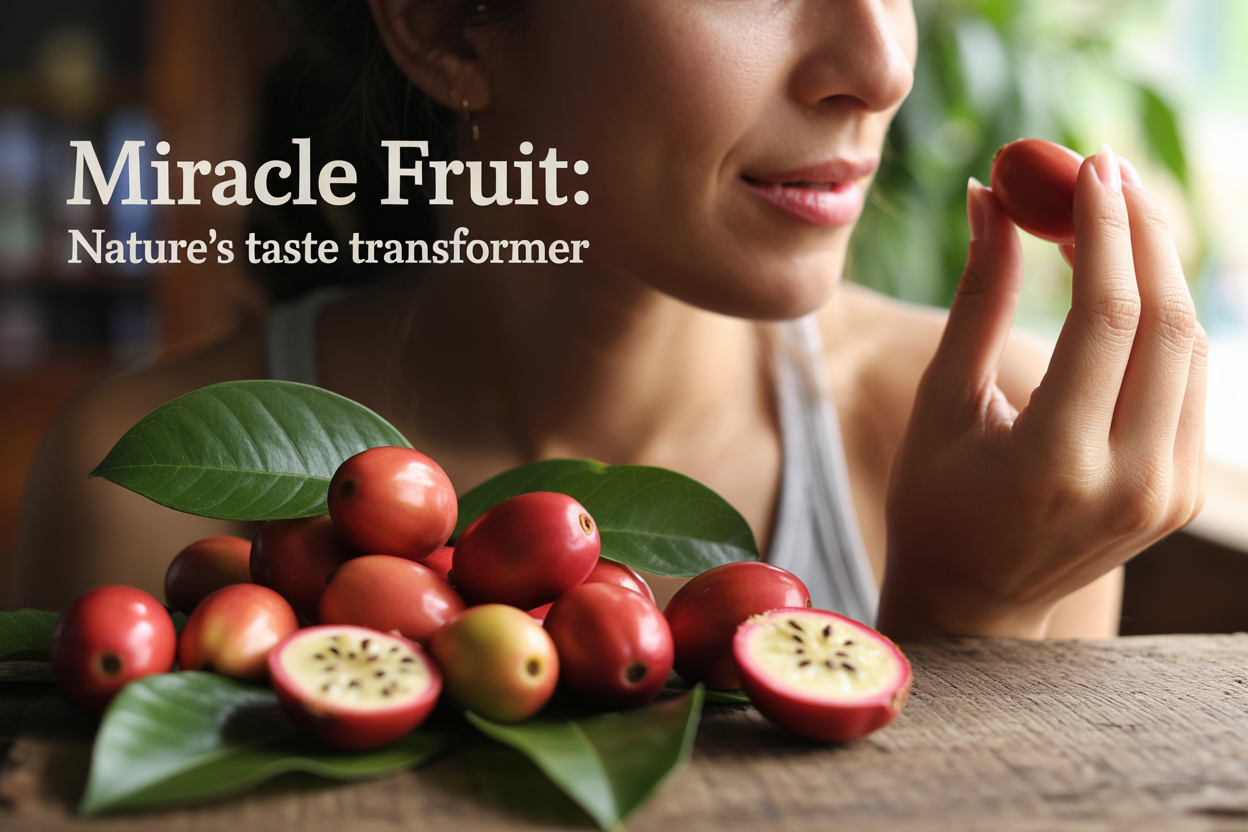
Ever bitten into a lemon and tasted candy instead? That's the wild power of miracle fruit, a small red berry that completely rewrites how your taste buds work. This tiny wonder from West Africa has food lovers, health enthusiasts, and curious eaters buzzing about its incredible ability to make sour foods taste sweet.
Miracle fruit (Synsepalum dulcificum) isn't just a party trick - it's a fascinating plant with real benefits and growing commercial potential. Whether you're dealing with dietary restrictions, looking for natural sweetness alternatives, or simply love trying unique foods, this taste changing fruit offers something remarkable.
We'll break down exactly how miracle fruit creates its mind-bending effects on your taste buds and explore the legitimate health benefits that go beyond the novelty factor. You'll also discover practical ways to try miracle berry tablets or fresh fruit yourself, plus learn about the exciting commercial uses that could reshape how we think about food and flavor.
Understanding What Miracle Fruit Actually Is
Scientific name and botanical classification
Synsepalum dulcificum stands as the official scientific name for the miracle fruit, placing it within the Sapotaceae family alongside other economically important plants like shea butter trees and chicle-producing sapodilla. This small evergreen shrub belongs to a genus containing roughly 100 species, though only this particular variety possesses the remarkable taste-modifying properties that earned it fame. The species name "dulcificum" literally translates to "sweet-making," perfectly capturing the plant's extraordinary ability to transform sour flavors into sweet sensations.
Botanists classify miracle fruit as a dicotyledonous flowering plant, sharing characteristics with other members of the Sapotaceae family including leathery leaves, milky latex, and berry-like fruits. The plant's taxonomic classification reveals its evolutionary relationships with tropical fruit trees that have adapted to similar environmental conditions across Africa and beyond.
Physical appearance and characteristics
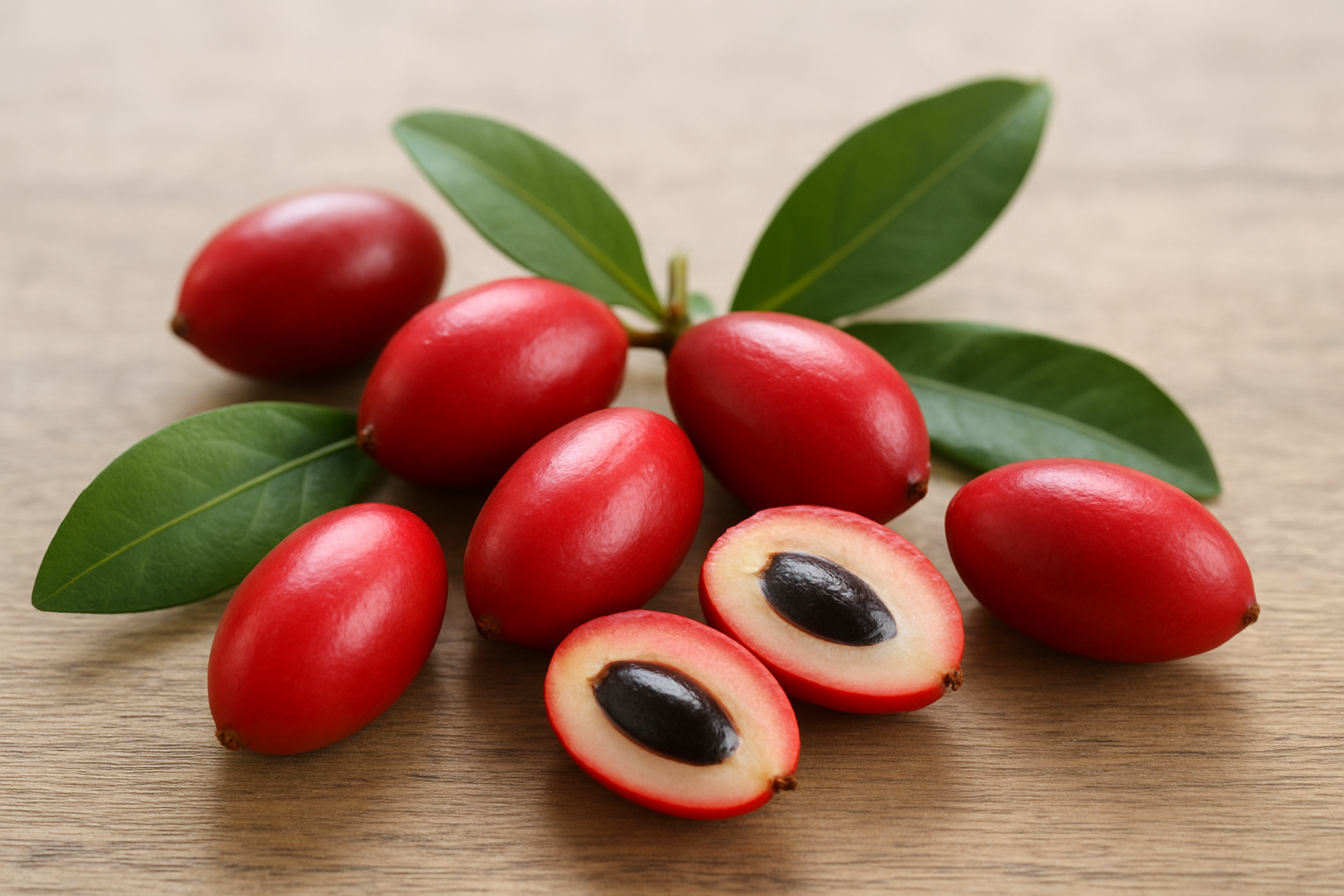
The miracle berry presents as a small, oval-shaped fruit measuring approximately 2-3 centimeters in length, resembling a miniature cranberry or coffee cherry. Its bright red exterior conceals a single large seed surrounded by minimal pulp, making the actual edible portion quite small despite the fruit's powerful effects.
Mature miracle fruit plants develop into compact evergreen shrubs reaching heights of 4-6 feet when grown outdoors in optimal conditions. The plant produces glossy, dark green leaves with prominent veining, creating an attractive ornamental appearance even when not fruiting. Small white flowers appear in clusters along the branches before developing into the characteristic red berries.
The fruit's flesh contains a unique glycoprotein called miraculin, which coats the tongue's taste buds and temporarily alters their response to acidic foods. This colorless, odorless compound represents the source of the miracle fruit's legendary properties, though the berry itself tastes mildly sweet with subtle tangy notes.
Natural habitat and growing regions
Native to the tropical rainforests of West and Central Africa, miracle fruit naturally thrives in countries including Ghana, Cameroon, Nigeria, and the Democratic Republic of Congo. Wild plants grow as understory shrubs in humid forest environments where filtered sunlight, consistent moisture, and rich organic soils create ideal growing conditions.
The plant's natural range extends across the Guinea Highlands and into equatorial regions where temperatures remain consistently warm year-round. These areas experience distinct wet and dry seasons, though humidity levels stay relatively high throughout the year due to dense forest canopy coverage.
Today, miracle fruit cultivation has expanded beyond its African origins to include tropical and subtropical regions worldwide. Commercial growers now produce the berries in parts of Florida, California, Puerto Rico, Australia, and various Asian countries where climate conditions can support the plant's specific requirements. Greenhouse cultivation allows production in temperate regions, though outdoor growing remains limited to frost-free zones with adequate humidity levels.
Historical discovery and cultural significance
West African communities have known about miracle fruit's remarkable properties for centuries, using the berries to enhance the taste of sour foods and fermented palm wine. Traditional applications included consuming the fruit before eating tart fruits or acidic foods to make them more palatable, particularly during times when sweeter alternatives weren't readily available.
European explorers first documented the miracle berry in 1725 when French cartographer Reynaud Des Marchais encountered it during his travels through West Africa. His accounts described local people using the fruit to sweeten their food and drinks, though scientific understanding of the mechanism wouldn't emerge for another two centuries.
The 1960s marked a turning point when researchers isolated miraculin and began investigating commercial applications for the taste-modifying protein. Food companies showed intense interest in developing miracle fruit as a natural sweetener alternative, particularly for diabetic products. However, regulatory challenges in the United States limited widespread commercial adoption, while other countries embraced the fruit's potential more readily.
Japanese researchers made significant contributions to miracle fruit science, leading to commercial cultivation and the development of miracle berry tablets that preserve the fruit's active compounds. This innovation helped introduce the miracle fruit plant to global markets and sparked renewed interest in its unique properties across diverse cultures and culinary traditions.
How Miracle Fruit Creates Its Taste-Changing Magic
The miraculin protein and its unique properties
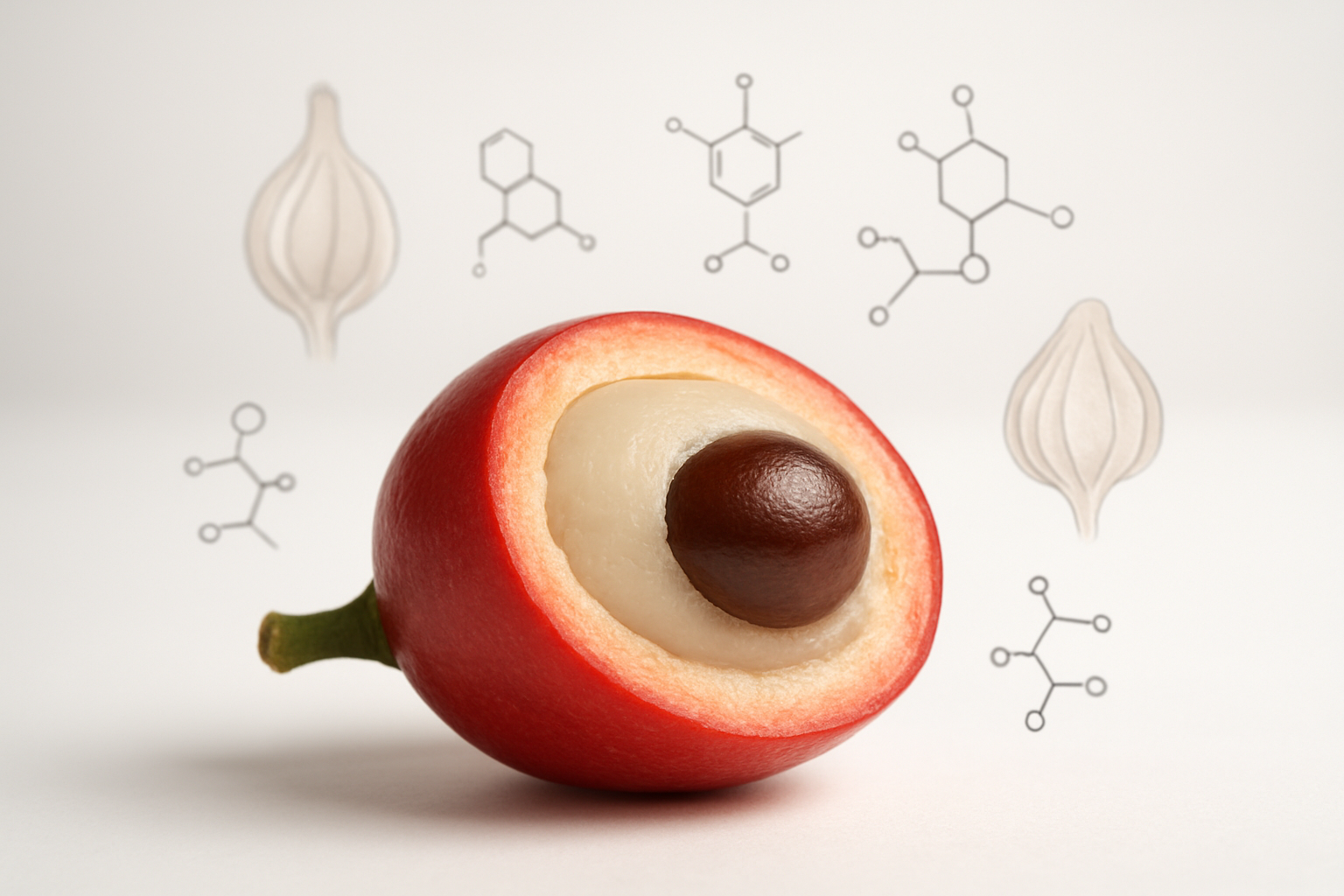
The secret behind the miracle fruit's extraordinary abilities lies in a remarkable protein called miraculin. This glycoprotein, found exclusively in the Synsepalum dulcificum berry, weighs about 24.6 kilodaltons and contains 191 amino acids. What makes miraculin so special is its ability to remain stable at different pH levels, allowing it to survive the acidic environment of your mouth and maintain its taste changing fruit properties for extended periods.
Unlike other proteins that denature quickly when exposed to acid, miraculin actually becomes more active in acidic conditions. This unique characteristic is what gives the miracle berry its legendary reputation among food enthusiasts and researchers alike.
How it binds to taste receptors on your tongue
When you consume miracle fruit, miraculin molecules attach themselves to the sweet taste receptors on your tongue called T1R2-T1R3. Under normal pH conditions (around neutral), miraculin sits quietly on these receptors without triggering any sweet sensations. The protein acts like a molecular switch that remains in the "off" position until the right conditions activate it.
The binding process is highly specific and temporary. Miraculin doesn't permanently alter your taste buds - instead, it creates a reversible coating that waits for the perfect moment to spring into action. This precision explains why miracle fruit doesn't make everything taste sweet immediately after consumption.
Duration and intensity of the flavor transformation
The miracle fruit experience typically lasts between 30 minutes to 2 hours, depending on several factors including individual metabolism, saliva production, and the amount of fruit consumed. Most people experience peak effects within the first hour, with the intensity gradually diminishing as miraculin naturally washes away from the taste receptors.
Miracle berry tablets, which contain concentrated miraculin, often provide more consistent and longer-lasting effects compared to fresh fruit. The transformation intensity varies from person to person - some experience dramatic flavor changes where lemons taste like lemonade, while others notice more subtle shifts in taste perception.
Why acidic foods suddenly taste sweet
Here's where the magic happens: when you eat something acidic after consuming miracle fruit, the pH in your mouth drops significantly. This acidic environment causes miraculin to change its molecular shape, activating the sweet taste receptors it's attached to. The more acidic the food, the stronger the sweet sensation becomes.
Lemons, limes, grapefruits, and vinegar all trigger intense sweetness because they dramatically lower your mouth's pH. Even foods with mild acidity like strawberries or tomatoes can taste noticeably sweeter. This pH-dependent activation is why miracle fruit doesn't affect non-acidic foods - they simply don't provide the chemical trigger needed to flip the miraculin switch.
Scientific explanation behind the sensory illusion
The miracle fruit phenomenon represents a fascinating example of allosteric modulation - a process where one molecule changes the behavior of another through indirect binding. When miraculin encounters acid, it undergoes conformational changes that make it act like a sweet compound, essentially hijacking your brain's sweetness detection system.
This isn't just a simple taste masking effect. Brain imaging studies show that miraculin activation triggers the same neural pathways as consuming actual sugar, creating a genuine sweet taste experience rather than just suppressing sourness. The illusion is so complete that your brain processes acidic foods as if they contained natural sugars, explaining why the sweetness feels authentic rather than artificial.
Scientists continue studying how miracle fruit works to potentially develop new sugar alternatives and help people with diabetes enjoy sweet flavors safely.
Health Benefits That Make It Truly Miraculous
Natural weight management support through reduced sugar cravings
The miracle fruit offers a game-changing approach to weight management by naturally curbing sugar cravings without sacrificing taste satisfaction. When you consume miracle berry tablets or fresh Synsepalum dulcificum, the miraculin protein binds to your taste buds, making sour and tart foods taste incredibly sweet. This means you can enjoy lemon water, plain yogurt, or unsweetened cranberries as if they were loaded with sugar - but without any actual calories from sweeteners.
This taste-changing effect can last up to two hours, providing a window where healthy, low-calorie foods become genuinely enjoyable treats. Many people find this helps break the psychological dependence on processed sugary foods, as their cravings are satisfied by naturally low-calorie alternatives. The miracle fruit benefits extend beyond just temporary taste changes - regular use can help retrain your palate to appreciate less intensely sweet flavors over time.
Diabetic-friendly alternative for enjoying sweet flavors
People managing diabetes often struggle with the social and emotional aspects of avoiding sweet foods. Miracle fruit provides a revolutionary solution by allowing diabetics to experience intensely sweet flavors without any impact on blood sugar levels. Since the sweetness comes from the miraculin protein interacting with naturally occurring acids in foods rather than from actual sugars, there's zero glycemic impact.
Diabetics can transform tart berries, citrus fruits, and even plain Greek yogurt into dessert-like experiences. This opens up a world of possibilities for social dining and treats that don't require artificial sweeteners or blood sugar monitoring concerns. The psychological benefits are substantial - being able to enjoy "sweet" foods helps many diabetics feel less restricted and more satisfied with their dietary choices.
Antioxidant properties and immune system boost
The miracle fruit plant contains impressive levels of antioxidants, particularly vitamin C and various polyphenols that support immune system function. Fresh miracle berries provide these compounds directly, while the taste-changing properties encourage consumption of other antioxidant-rich foods like citrus fruits and tart berries that become palatable and enjoyable.
These antioxidants help combat free radicals in the body, potentially reducing inflammation and supporting cellular health. The vitamin C content supports collagen production, immune function, and iron absorption. When miracle fruit makes sour, vitamin-rich foods more appealing, people naturally increase their intake of nutrients that boost overall health and immune system resilience.
Potential cancer-fighting compounds
Research into Synsepalum dulcificum has identified several bioactive compounds with potential anti-cancer properties. The fruit contains flavonoids and phenolic compounds that laboratory studies suggest may help inhibit certain cancer cell growth pathways. While human clinical trials are still needed, the preliminary research shows promise for miracle fruit health effects beyond just taste modification.
The indirect cancer-fighting benefits may be equally important - by making antioxidant-rich, low-sugar foods more appealing, miracle fruit encourages dietary patterns associated with reduced cancer risk. People consume more fresh fruits, vegetables, and other plant-based foods when they taste better, naturally increasing their intake of protective phytonutrients and fiber while reducing processed sugar consumption.
Practical Ways to Experience Miracle Fruit
.png)
Fresh Berry Consumption Methods and Timing
The miracle berry delivers its most potent effects when consumed fresh from the plant. Pop a ripe berry in your mouth and gently chew it, coating your tongue thoroughly with the pulp for about 30-60 seconds before swallowing. The key is letting the miraculin protein bind completely to your taste buds.
Fresh Synsepalum dulcificum berries work best when your mouth is clean - avoid eating or drinking anything acidic for at least 30 minutes beforehand. The effects typically last 30-90 minutes, with peak transformation occurring within the first 15 minutes. For maximum impact, consume the berry on an empty stomach, as food residue can interfere with the binding process.
Timing matters significantly. Plan your miracle fruit experience when you have dedicated time to explore different flavors. The berries are most effective when completely ripe - they should be soft and deep red in color.
Freeze-Dried Tablets and Powder Alternatives
Miracle berry tablets offer convenience without sacrificing the taste-changing magic. These freeze-dried versions concentrate the miraculin protein, making them perfect for planned tasting sessions or travel. Simply dissolve one tablet on your tongue, allowing it to coat your taste buds completely.
| Form | Duration | Intensity | Best For |
|---|---|---|---|
| Fresh Berry | 30-90 min | High | Immediate use |
| Tablets | 20-60 min | Medium-High | Convenience |
| Powder | 15-45 min | Medium | Mixing drinks |
Tablets typically contain the equivalent of 1-2 fresh berries. Let them dissolve slowly rather than chewing, as this ensures better coverage across your taste receptors. Powder forms work well mixed into smoothies or sprinkled directly onto the tongue, though they're generally less potent than whole berries or tablets.
Best Foods to Try During the Taste Transformation
Once the miracle fruit takes effect, your culinary adventure begins. Lemons and limes become incredibly sweet, tasting like the most delicious lemonade you've ever had. Raw cranberries transform from mouth-puckeringly tart to candy-sweet treats.
Here's your ultimate tasting lineup:
Citrus fruits top the list - oranges become dessert-like, grapefruits taste like sweet orange juice, and even bitter lime peels become palatable. Vinegar-based items create surprising experiences: balsamic vinegar tastes like grape juice, while apple cider vinegar becomes fruity and sweet.
Sour candies and snacks provide dramatic transformations. Warheads become mild and sweet, while sour patch kids lose their bite entirely. Greek yogurt turns creamy and dessert-like without any added sugar.
Beverages offer spectacular changes too. Black coffee becomes smooth and almost chocolatey, while tonic water tastes like sweet soda. Even pickle juice transforms into something surprisingly drinkable.
Cheeses with sharp or tangy profiles become milder and more complex. Goat cheese develops sweet, creamy notes, while aged cheddar loses its sharpness.
Hosting Memorable Miracle Fruit Tasting Parties
Miracle fruit parties create unforgettable experiences that guests will talk about for months. Start by ordering enough miracle berry tablets or fresh berries for each guest - plan one berry or tablet per person, with extras for those who want to extend their experience.
Set up tasting stations with small portions of various foods. Create scorecards where guests can rate each item before and after consuming the miracle berry. Include a mix of extremely sour, bitter, and tart items alongside some surprising options.
Essential party supplies include:
-
Small cups of water for palate cleansing
-
Napkins and wet wipes
-
Small spoons and forks for sampling
-
Labels for each tasting item
-
Cameras to capture reactions
Structure the event by having everyone consume their miracle fruit simultaneously, then move through the tasting stations together. This creates shared amazement as everyone experiences the same transformations at once.
Consider themed variations like "Sour Challenge Night" focusing on the most acidic foods, or "Coffee Shop Experience" featuring different bitter beverages and their transformations. Document reactions with video - the genuine surprise and delight make for entertaining keepsakes.
Prepare guests by asking them to avoid eating 30 minutes before arrival, and warn those with food allergies to check all tasting items carefully. The social aspect of shared wonder makes miracle fruit parties uniquely memorable entertainment experiences.
Growing Your Own Miracle Fruit Plants
.png)
Optimal climate conditions and soil requirements
Miracle fruit plants thrive in warm, humid environments that mimic their native West African habitat. These tropical beauties prefer temperatures between 65-85°F year-round and can't handle frost or freezing conditions. If you live in USDA hardiness zones 10-11, you're in luck – outdoor cultivation is possible. For everyone else, container growing indoors or in a greenhouse is your best bet.
The miracle fruit plant demands excellent drainage while maintaining consistent moisture. Create a well-draining potting mix by combining equal parts peat moss, perlite, and high-quality potting soil. Add some orchid bark or coconut coir to improve aeration. The pH should range between 4.5-5.8, making these plants acid-lovers similar to blueberries and azaleas.
Humidity levels need to stay between 50-70% for optimal growth. In dry climates or heated homes, place a humidifier nearby or set the pot on a pebble tray filled with water. Direct sunlight can scorch the leaves, so provide bright, indirect light or filtered sunlight for 6-8 hours daily.
Indoor cultivation tips for container growing
Choose a pot that's at least 12 inches wide and deep, with multiple drainage holes. Terra cotta pots work exceptionally well because they allow air circulation to the roots. Start young plants in smaller containers and gradually size up as they grow – miracle berry plants don't like being over-potted.
Position your plant near a south or east-facing window where it receives bright, indirect light. During winter months, supplement with LED grow lights positioned 12-18 inches above the plant. Keep the lights on for 12-14 hours daily to maintain healthy growth.
Water when the top inch of soil feels dry to the touch, but never let the plant sit in standing water. Use distilled or rainwater when possible, as these plants are sensitive to chemicals in tap water. Feed monthly with an acidic fertilizer designed for azaleas or blueberries, diluted to half strength.
Regular pruning encourages bushier growth and better fruit production. Pinch off growing tips when the plant reaches 12 inches tall, and remove any dead or yellowing leaves promptly.
Propagation methods from seeds and cuttings
Fresh seeds from ripe miracle fruit berries offer the most reliable propagation method. Extract seeds immediately after eating the fruit and plant them within 24 hours – they lose viability quickly. Plant seeds ¼ inch deep in a humid, warm environment around 75-80°F. Germination typically occurs within 2-4 weeks with consistent moisture.
Semi-hardwood cuttings taken in spring or early summer also work well. Cut 4-6 inch pieces from healthy branches, remove lower leaves, and dip in rooting hormone. Plant in a mix of peat and perlite, then cover with a plastic bag to maintain humidity. Expect roots to develop in 6-8 weeks.
Air layering produces larger plants faster but requires more patience and skill. Make a small wound on a healthy branch, wrap with moist sphagnum moss, and cover with plastic. Roots typically form within 3-4 months.
Common challenges and troubleshooting solutions
Yellowing leaves often indicate overwatering or poor drainage. Check your soil moisture levels and adjust your watering schedule accordingly. Brown leaf tips suggest low humidity or water quality issues – switch to distilled water and increase humidity around the plant.
Spider mites love the warm, dry conditions that stressed miracle fruit plants experience. Increase humidity immediately and spray affected areas with neem oil. Scale insects may also appear on stems and leaves – remove them manually and treat with horticultural oil.
Root rot becomes a serious problem when drainage is poor or watering is excessive. If caught early, repot in fresh, well-draining soil and reduce watering frequency. Severely affected plants may need drastic pruning to save healthy portions.
Slow growth or failure to flower usually indicates inadequate light, incorrect pH, or nutrient deficiencies. Test your soil pH and adjust with sulfur if needed. Provide additional lighting and ensure regular feeding with acidic fertilizer.
Timeline from planting to first fruit harvest
Patience is key when growing miracle fruit – these plants are notoriously slow growers. Seed-grown plants typically take 3-5 years before producing their first berries. Cuttings or grafted plants may fruit slightly sooner, usually within 2-3 years under optimal conditions.
During the first year, focus on establishing strong root systems and healthy foliage. Plants may only grow 6-12 inches annually, which is completely normal. Small white flowers usually appear in year two or three, followed by tiny green berries that slowly ripen to bright red over several months.
Once established, mature plants can produce fruit multiple times per year in ideal conditions. Each berry takes 3-4 months to ripen fully, and a single plant might yield 50-100 berries annually when fully mature. The wait is definitely worth it when you finally taste that first homegrown miracle berry and experience its amazing taste-changing properties firsthand.
Commercial Applications Revolutionizing Food Industry
Natural sweetener development and market potential
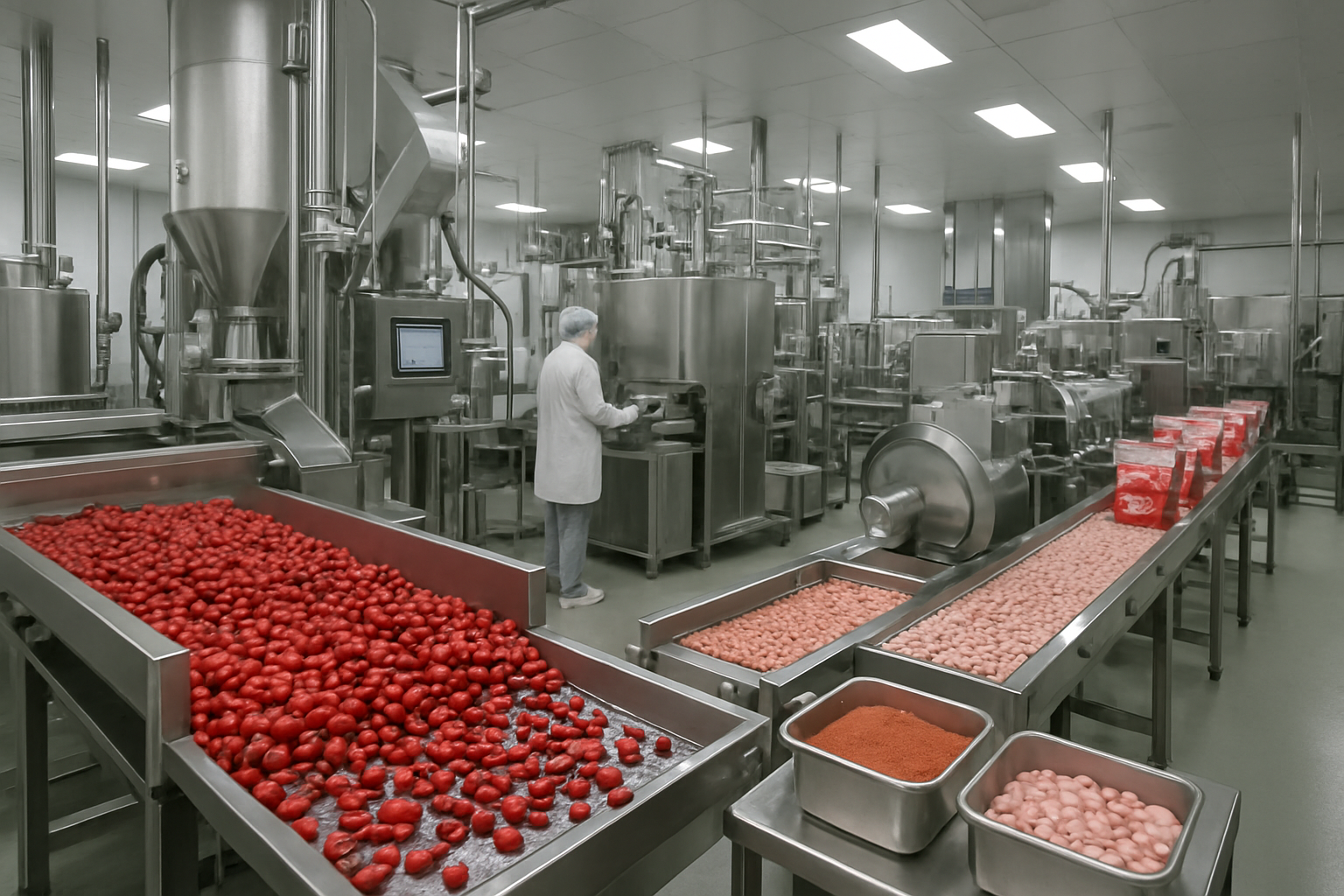
The global sweetener market is taking notice of miracle fruit's incredible potential. Major food companies are investing millions in developing miracle berry-based products that could replace artificial sweeteners and reduce sugar dependency. The market potential is staggering - with diabetes rates climbing and consumers demanding healthier alternatives, miracle fruit commercial uses are expanding rapidly.
Food scientists are working on stabilizing miraculin, the active compound in Synsepalum dulcificum, for mass production. Current miracle berry tablets offer a glimpse of what's possible, but companies are developing more sophisticated delivery methods. Powdered forms, liquid extracts, and even miraculin-infused coatings for foods are in development.
The challenge lies in cost-effectiveness and shelf stability. Fresh miracle fruit is expensive to source and transport, but breakthrough cultivation methods are driving prices down. Some companies project that miracle fruit-based sweeteners could capture 15-20% of the artificial sweetener market within the next decade.
Medical applications for chemotherapy patients
Cancer treatment centers are embracing miracle fruit as a game-changer for patients experiencing taste alterations from chemotherapy. The metallic, bitter taste that haunts many cancer patients during treatment can be dramatically improved with miracle berry tablets taken before meals.
Clinical studies show remarkable results - patients who use miracle fruit before eating report 60-80% improvement in food palatability. This isn't just about comfort; proper nutrition during cancer treatment directly impacts recovery outcomes and treatment tolerance.
Hospitals are partnering with miracle fruit suppliers to provide patients with fresh berries or tablets as part of their nutritional support programs. The miracle fruit health effects extend beyond taste modification - improved appetite leads to better nutritional intake, stronger immune systems, and enhanced quality of life during treatment.
Some oncology centers now stock miracle berry products in their cafeterias, and nutritionists are developing specialized meal plans designed to work with miraculin's taste-changing properties.
Restaurant and culinary innovation opportunities
Forward-thinking restaurants are creating entirely new dining experiences around miracle fruit's transformative abilities. "Flavor tripping" restaurants offer multi-course meals where diners consume miracle berries between courses to experience familiar foods in completely new ways.
Molecular gastronomists are incorporating miracle fruit into their arsenal, creating dishes that play with perception and expectation. Imagine biting into a lemon that tastes like candy, or enjoying a sugar-free dessert that rivals the sweetest traditional treats.
Beverage companies are experimenting with miracle fruit-enhanced drinks that transform throughout consumption. Coffee shops in major cities are offering "miracle lattes" where the drink's flavor profile shifts as you sip.
The applications stretch beyond novelty dining. Health-conscious restaurants use miracle fruit to create low-sugar dessert menus that don't compromise on taste. Diabetic-friendly establishments are building entire concepts around miracle berry's ability to make naturally tart, healthy foods taste sweet and appealing.
Food manufacturers are developing miracle fruit-coated snacks, creating products that deliver sweetness without added sugars or artificial sweeteners. The growing miracle fruit plant cultivation industry is working to meet this expanding demand from innovative culinary professionals.
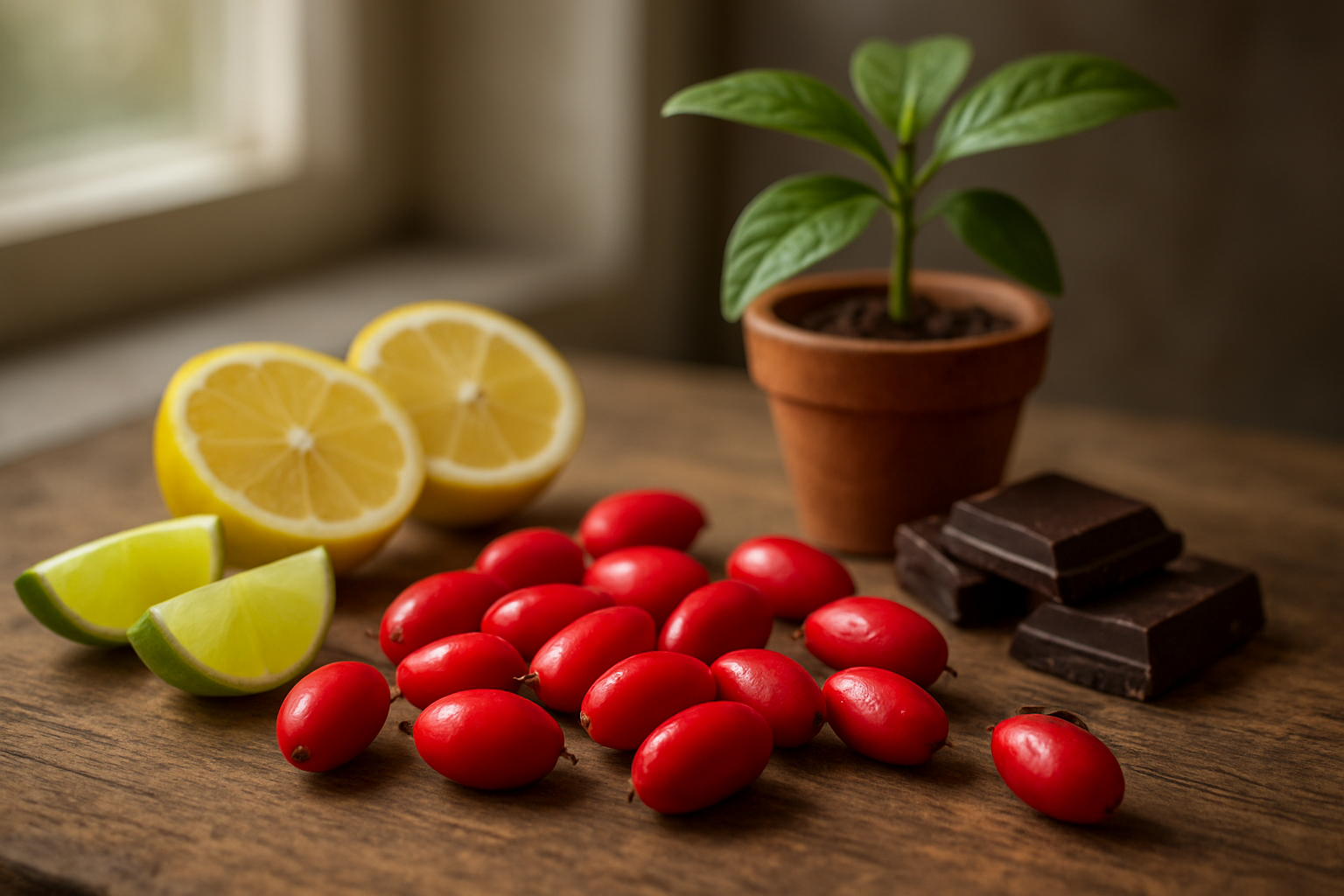
Miracle fruit delivers exactly what its name promises - a genuine marvel that transforms how we experience taste. This small berry from West Africa packs miraculin, a unique protein that tricks your taste buds into perceiving sour and bitter foods as sweet for up to two hours. Beyond its fascinating taste-altering abilities, miracle fruit offers real health benefits including antioxidants, vitamin C, and potential blood sugar management support.
Whether you're curious about growing your own plants, trying the tablets for fun taste experiments, or exploring its commercial potential in the food industry, miracle fruit opens up exciting possibilities. From helping people with taste disorders enjoy food again to creating new sugar-free products, this little berry is making big waves. Give miracle fruit a try - your taste buds will thank you for the adventure, and you might discover a natural way to enjoy healthier eating without sacrificing sweetness.


.png)
Comments
Post a Comment