Monstera Deliciosa - What's The Monstera Deliciosa (Swiss Cheese) Fruit?

The Monstera deliciosa isn't just a stunning houseplant – it actually produces an exotic Swiss cheese fruit that's surprisingly delicious and packed with nutrients. Many plant lovers and food enthusiasts don't realize their beloved Swiss cheese plant can yield edible fruit when grown in the right conditions.
This guide is perfect for curious plant parents, adventurous food lovers, and anyone wondering about the mysterious Monstera deliciosa fruit hanging from their mature plant. You'll discover what makes this tropical treat so special, from its unique pineapple-banana flavor to its impressive nutritional profile. We'll also walk you through safe consumption guidelines since eating unripe Monstera fruit can cause mouth irritation, and share practical tips for growing your own Swiss cheese plant specifically for fruit production.
Understanding the Monstera Deliciosa Plant
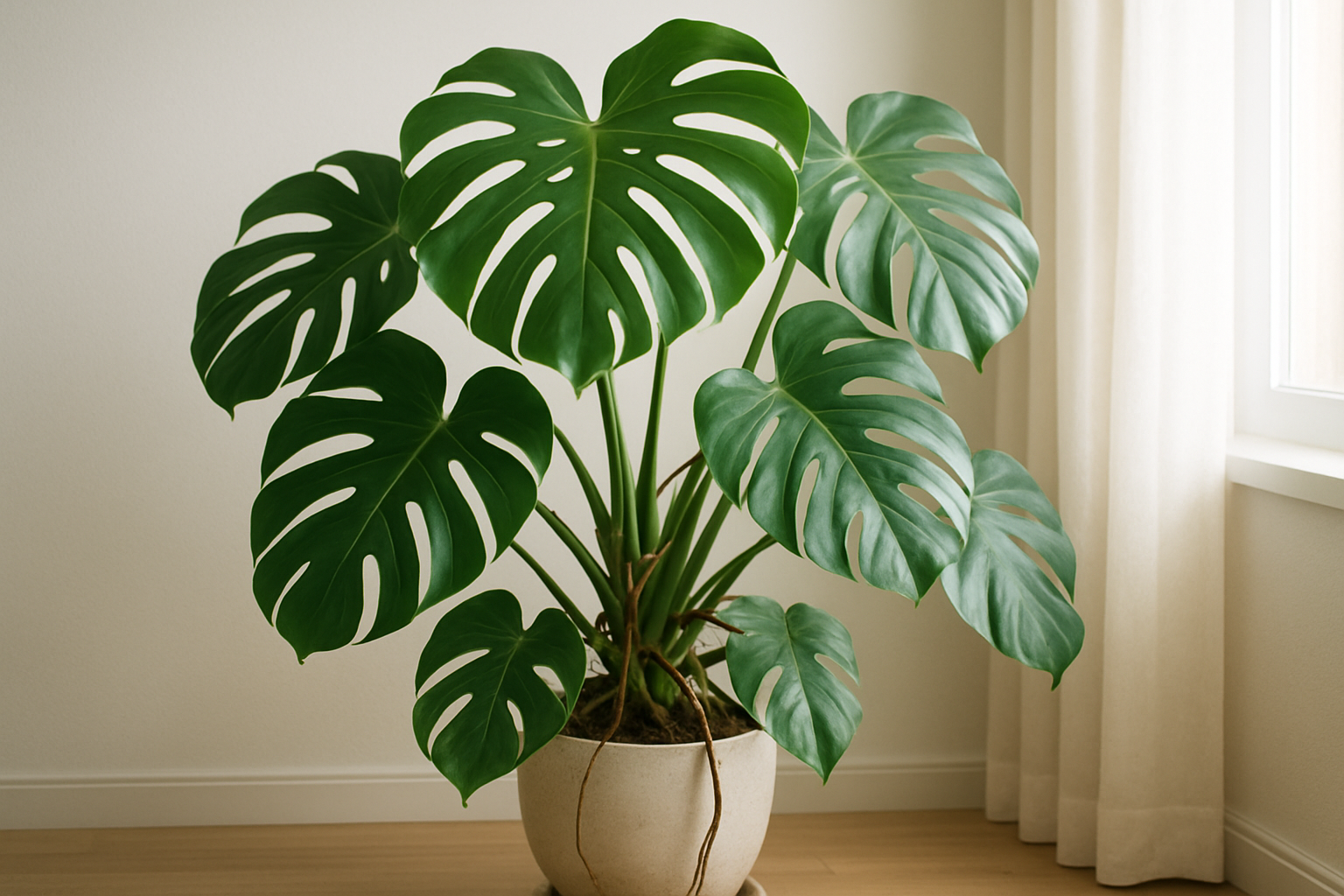
Physical characteristics and growth patterns
The Monstera deliciosa stands as one of nature's most recognizable houseplants, thanks to its signature split leaves that give it the famous "Swiss cheese" appearance. These dramatic fenestrations don't appear randomly – young plants start with heart-shaped, solid green leaves that gradually develop splits and holes as the plant matures. The larger the plant grows, the more elaborate these natural perforations become, creating an almost artistic display of botanical architecture.
This tropical climbing plant can reach impressive heights of 20-30 feet in its natural environment, though indoor specimens typically max out around 8-10 feet. The thick, glossy leaves can span up to 3 feet across when fully mature, making quite the statement piece. Aerial roots emerge from the nodes along the stem, helping the plant climb trees and other structures while also absorbing moisture from the humid air.
What many people don't realize is that the Monstera deliciosa fruit develops from these mature plants under specific conditions. The plant produces a distinctive cream-colored spadix (flower spike) surrounded by a white spathe, which eventually transforms into the edible Swiss cheese fruit. This fruiting process requires the plant to reach sexual maturity, typically taking several years of growth in optimal conditions.
The growth pattern follows a predictable climbing behavior, with the plant naturally seeking vertical support through its aerial root system. These roots aren't just for show – they're essential for the plant's ability to eventually produce the prized Monstera deliciosa fruit.
Natural habitat and origin
Native to the tropical rainforests of southern Mexico and Central America, Monstera deliciosa thrives in the warm, humid understory where filtered sunlight creates perfect growing conditions. The plant has naturally spread throughout Guatemala, Honduras, Costa Rica, and Panama, establishing itself as a dominant epiphytic species that begins life on the forest floor before climbing toward the canopy.
In these steamy jungle environments, the Swiss cheese plant experiences consistent temperatures between 65-85°F year-round, with humidity levels often exceeding 80%. The frequent rainfall and rich, well-draining soil created by decomposing organic matter provide ideal nutrition for robust growth and fruit production. Wild specimens regularly produce the coveted Swiss cheese fruit, which has been enjoyed by indigenous communities for centuries.
The plant's natural climbing behavior developed as an evolutionary response to compete for light in dense forest canopies. By attaching to trees with its aerial roots and growing upward, Monstera deliciosa positions itself to capture more sunlight while its distinctive leaf splits help the plant withstand strong tropical winds without tearing.
Understanding this natural habitat explains why indoor Monstera plants rarely fruit – they lack the specific environmental triggers, mature size, and climbing support that wild specimens enjoy. The transition from rainforest floor to living room creates challenges for anyone hoping to cultivate their own Monstera deliciosa fruit at home.
Common names and varieties
The Monstera deliciosa goes by several colorful nicknames that reflect both its appearance and its edible fruit. "Swiss cheese plant" remains the most popular common name, directly referencing those iconic leaf holes. "Split-leaf philodendron" is another frequent moniker, though botanically incorrect since Monstera belongs to a different genus than true philodendrons.
In regions where the Swiss cheese fruit is commonly consumed, locals often call it "Mexican breadfruit" or "fruit salad plant," highlighting its culinary value. Some areas refer to it as "windowleaf" due to the natural openings in mature foliage, while "ceriman" represents the Spanish name used throughout Central America.
The classic Monstera deliciosa remains the primary variety for fruit production, but several cultivars have gained popularity among collectors:
| Variety | Key Features | Fruiting Potential |
|---|---|---|
| Monstera deliciosa 'Borsigiana' | Smaller growth habit, faster climbing | Moderate with proper care |
| Monstera deliciosa 'Variegata' | Cream and green variegated leaves | Rare, requires intense care |
| Monstera deliciosa 'Thai Constellation' | Stable variegation pattern | Possible but uncommon |
The original species produces the most reliable Swiss cheese fruit under appropriate conditions. Variegated forms, while stunning, often struggle with fruit development due to reduced chlorophyll content affecting overall plant vigor. Most serious fruit growers stick with the traditional green variety for the best chances of harvesting their own Monstera deliciosa fruit.
Discovering the Swiss Cheese Fruit
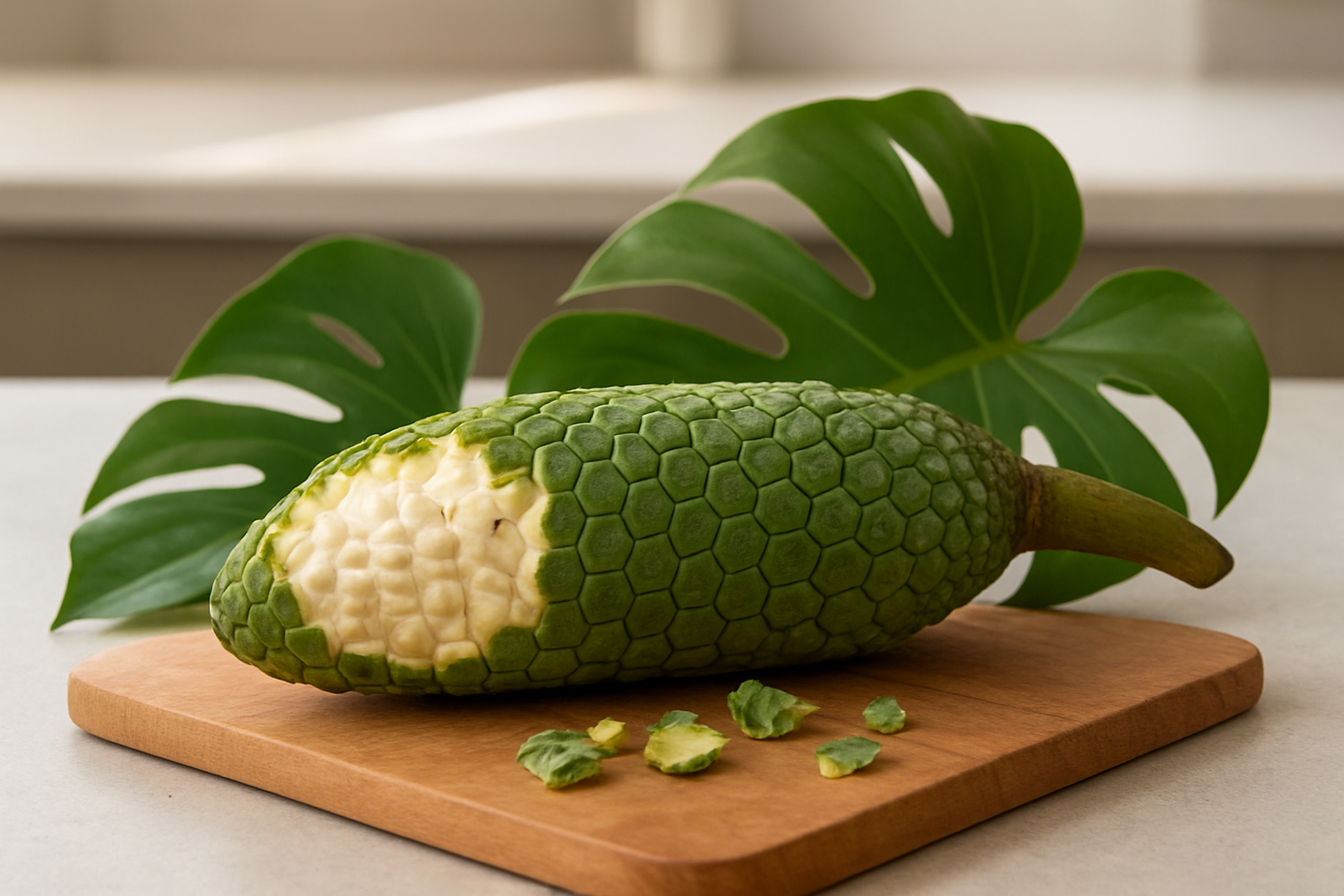
What makes the fruit unique
The Monstera deliciosa fruit stands apart from typical tropical fruits through its extraordinary segmented structure and gradual ripening pattern. Unlike most fruits that ripen uniformly, this Swiss cheese fruit develops from bottom to top in distinct hexagonal scales that fall away as each section reaches maturity. Each scale reveals a creamy, custard-like flesh beneath, creating a natural portion control system that prevents overconsumption of the calcium oxalate crystals present in unripe sections.
The fruit's most remarkable characteristic lies in its built-in safety mechanism. The scales literally cannot be removed until their corresponding flesh segment is completely ripe and safe to eat. This evolutionary adaptation protects both the plant's reproductive success and potential consumers from the mouth-numbing effects of consuming premature fruit sections.
Physical appearance and size
A mature Monstera deliciosa fruit resembles an elongated green corn cob, measuring between 8 to 12 inches in length and roughly 2 inches in diameter. The surface features tightly packed hexagonal scales arranged in a geometric pattern that mirrors the plant's signature fenestrated leaves. These scales start as a deep forest green and gradually lighten as ripening progresses.
The fruit's weight typically ranges from 1 to 2 pounds when fully developed. Fresh specimens display a firm, almost woody texture on the exterior scales, while the underlying flesh remains hidden until natural separation occurs. The base of the fruit often shows the first signs of scale loosening, appearing slightly raised or separated from the main body.
| Physical Characteristic | Description |
|---|---|
| Length | 8-12 inches |
| Diameter | 2 inches |
| Weight | 1-2 pounds |
| Scale Pattern | Hexagonal |
| Initial Color | Deep forest green |
Ripening process and timeline
The Swiss cheese fruit follows a unique bottom-to-top ripening sequence that can span several weeks to months. The process begins at the base where scales start to loosen and eventually fall away, exposing the edible flesh underneath. This sequential ripening ensures that only mature, safe-to-consume portions become accessible.
Each day, typically one to three scales will naturally detach, revealing segments of pale yellow to cream-colored flesh. The exposed flesh should be consumed within 24 hours for optimal flavor and safety. Attempting to force scales off before they're ready results in accessing unripe fruit that contains irritating calcium oxalate crystals.
The entire ripening cycle from first scale drop to complete fruit consumption usually takes 2-4 weeks, depending on environmental conditions like temperature and humidity. Warmer conditions tend to accelerate the process, while cooler temperatures slow it down.
Seasonal availability
Monstera deliciosa fruit production follows specific seasonal patterns tied to the plant's native tropical climate preferences. In their natural habitat, fruiting typically occurs during warm, wet seasons when the plant has adequate moisture and nutrients to support fruit development.
For indoor cultivated plants, fruit production remains rare and unpredictable, often requiring 5-7 years of optimal growing conditions before the first flowering occurs. Even then, successful fruit development depends on proper pollination, which rarely happens naturally indoors without manual intervention.
In commercial tropical growing regions, peak availability usually falls between late spring and early fall, with individual fruits taking 12-15 months from flower to harvestable maturity. The lengthy development period and specific growing requirements make fresh Monstera deliciosa fruit a rare and sought-after delicacy in most markets worldwide.
Nutritional Benefits and Health Properties
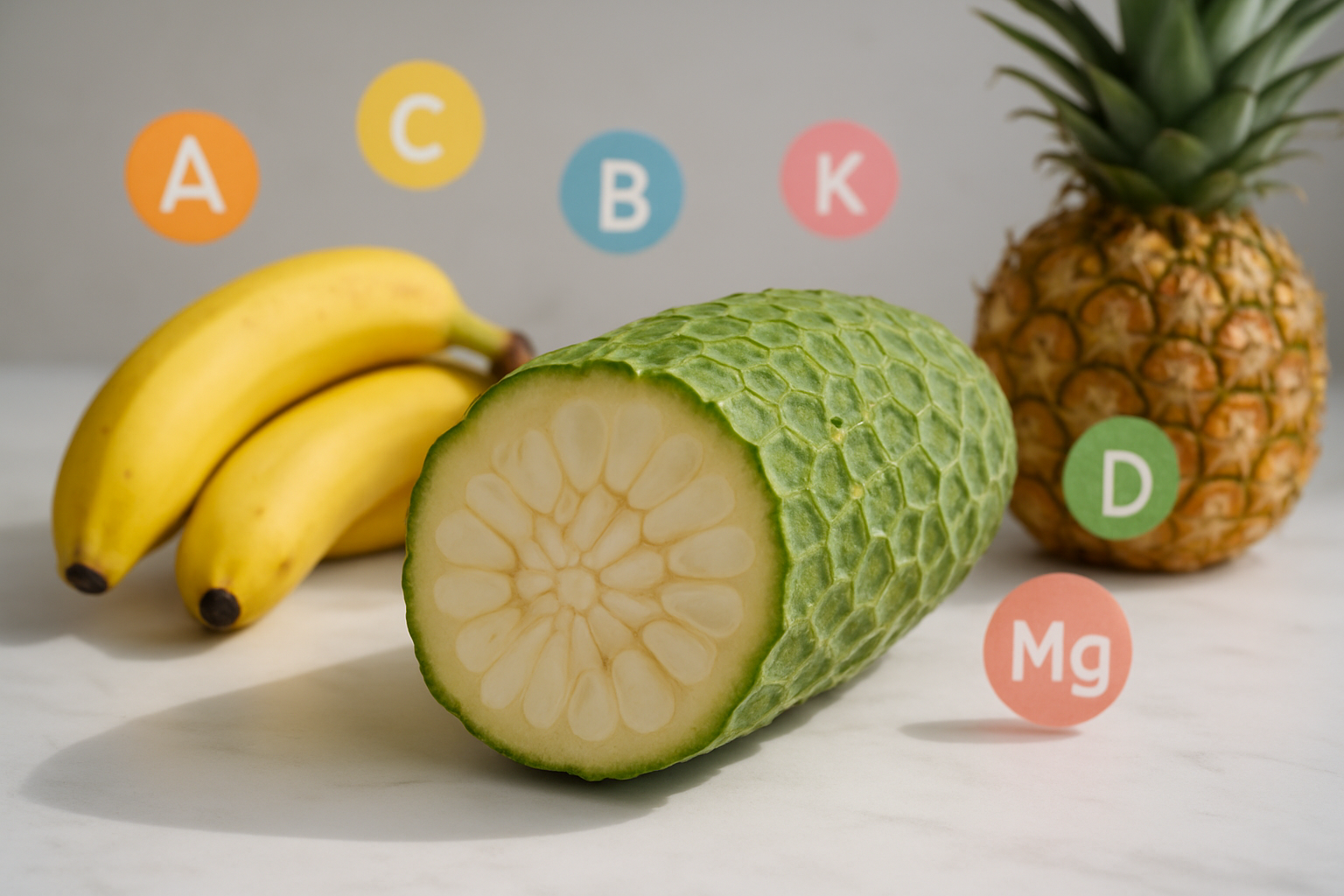
Vitamin and Mineral Content
The Monstera deliciosa fruit packs an impressive array of essential nutrients that make it a valuable addition to any diet. This tropical delicacy contains significant amounts of vitamin C, which supports immune function and collagen production. A single ripe fruit can provide up to 40% of your daily vitamin C needs, making it comparable to citrus fruits in terms of this crucial antioxidant vitamin.
Potassium stands out as another key mineral in Swiss cheese fruit, with levels that rival those found in bananas. This electrolyte plays a vital role in heart health, muscle function, and maintaining proper blood pressure. The fruit also contains meaningful amounts of vitamin B6, which supports brain development and helps the body convert food into energy.
Calcium and magnesium are present in moderate quantities, contributing to bone health and muscle function. The fruit provides small but notable amounts of folate, iron, and phosphorus, rounding out its nutritional profile. What makes Monstera deliciosa nutrition particularly interesting is the bioavailability of these nutrients - the fruit's unique cellular structure allows for efficient absorption in the digestive system.
| Nutrient | Amount per 100g | Daily Value % |
|---|---|---|
| Vitamin C | 25mg | 28% |
| Potassium | 280mg | 8% |
| Calcium | 15mg | 1.5% |
| Magnesium | 18mg | 4% |
| Vitamin B6 | 0.2mg | 12% |
Antioxidant Properties
Swiss cheese fruit contains a diverse range of antioxidant compounds that help protect cells from oxidative stress and free radical damage. The fruit's natural phenolic compounds, including flavonoids and tannins, work together to create a powerful antioxidant profile that rivals many common superfruits.
The creamy white flesh contains anthocyanins, though in smaller concentrations than deeply colored fruits. These compounds have been linked to improved cardiovascular health and may help reduce inflammation throughout the body. The fruit also contains natural enzymes that support cellular repair processes and may contribute to healthy aging.
Research suggests that the antioxidant activity in Monstera fruit remains stable even after the fruit reaches full ripeness, unlike some fruits that lose potency over time. The unique ripening process, where the fruit develops from bottom to top, allows these beneficial compounds to concentrate and develop complex interactions that enhance their effectiveness.
Regular consumption of foods rich in these antioxidants may help reduce the risk of chronic diseases and support overall wellness. The combination of vitamin C with other antioxidant compounds creates a synergistic effect that amplifies the fruit's protective properties.
Digestive Health Benefits
The Swiss cheese plant fruit offers several advantages for digestive wellness, starting with its impressive fiber content. Each serving provides both soluble and insoluble fiber, which work together to promote healthy digestion and regular bowel movements. The soluble fiber helps maintain stable blood sugar levels and can contribute to healthy cholesterol management.
Natural enzymes present in the ripe fruit aid in protein digestion and may help reduce digestive discomfort after meals. These enzymes become more active as the fruit reaches optimal ripeness, which explains why properly ripened Monstera fruit is gentler on the stomach than underripe specimens.
The fruit's high water content - approximately 85% - supports hydration and helps maintain healthy digestive function. This moisture, combined with the natural fiber, creates an ideal environment for beneficial gut bacteria to thrive. The prebiotic properties of certain compounds in the fruit may help support a balanced microbiome.
People who include Monstera deliciosa fruit in their diet often report improved digestive comfort and regularity. The fruit's natural alkalizing properties may help balance stomach acidity, making it a soothing choice for those with sensitive digestive systems. Unlike some exotic fruits that can cause digestive upset, properly ripened Swiss cheese fruit tends to be well-tolerated by most people.
Safe Consumption Guidelines
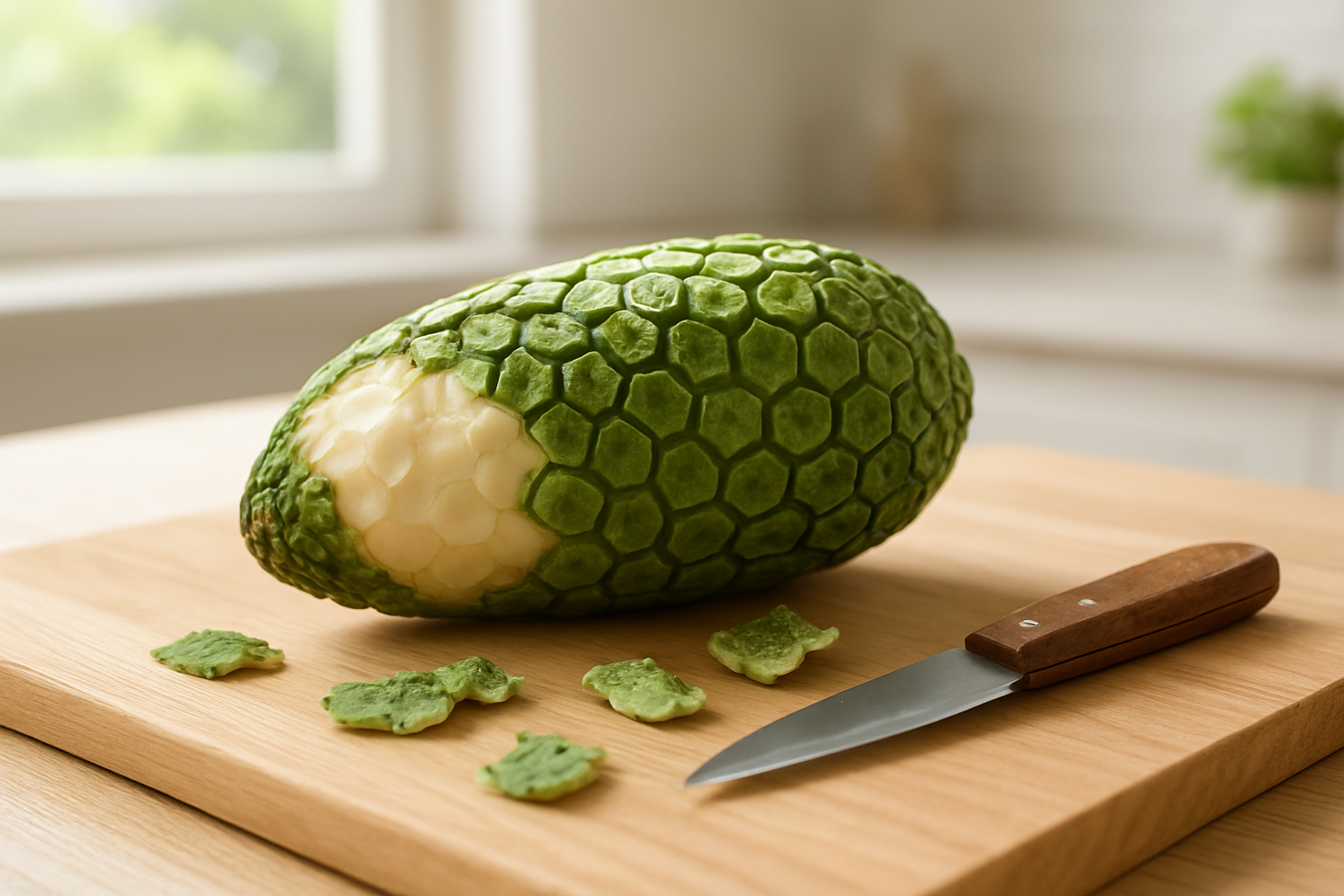
Identifying when fruit is ripe and safe to eat
Getting the timing right with Monstera deliciosa fruit is absolutely crucial for your safety. The fruit takes an incredibly long time to ripen - we're talking about 10 to 14 months from flowering to maturity. You'll know your Swiss cheese fruit is ready when the hexagonal green scales on the outside start lifting and separating naturally from the white flesh beneath.
The ripening process happens gradually from bottom to top, so you might notice the lower segments becoming ready while the top portions still need more time. Each individual segment will literally pop off when it's perfectly ripe, revealing creamy white fruit underneath. Never try to force these scales off - they'll come away easily when the fruit is truly ready.
A ripe Monstera fruit gives off a sweet, tropical aroma reminiscent of pineapple and banana. The exposed white flesh should feel slightly soft to the touch but not mushy. If there's no fragrance or the scales remain tightly attached, your fruit needs more patience.
Potential toxicity of unripe fruit
Unripe Monstera deliciosa fruit contains high levels of calcium oxalate crystals, which can cause serious discomfort and health issues. These microscopic needle-like crystals will create an intense burning sensation in your mouth, throat, and tongue if consumed. Think of it as nature's way of saying "not yet!"
The calcium oxalate crystals can cause swelling of the mouth tissues, difficulty swallowing, and prolonged irritation that might last for hours. Some people experience stomach upset, nausea, and digestive issues after consuming unripe portions. Children and pets are particularly vulnerable to these effects.
Even partially ripe fruit can contain these harmful crystals in the areas where the scales haven't naturally separated. This is why you should only eat the sections where the green covering has fallen away completely on its own.
Proper preparation methods
Once your Monstera fruit segments are properly ripe, preparation is refreshingly simple. Start by gently removing any remaining loose scales that might still be clinging to the white flesh. Rinse the exposed fruit under cool running water to remove any residual plant matter or debris.
Cut the ripe segments into bite-sized pieces, removing any dark spots or blemished areas. Some people prefer to scrape the flesh away from the core using a spoon, similar to how you might eat a soft avocado. The texture should be creamy and easily scooped.
You can eat the Monstera fruit fresh and raw - there's no need for cooking or special processing. Many people enjoy adding it to fruit salads, smoothies, or eating it plain as a tropical treat. The fruit pairs wonderfully with lime juice, which helps balance its sweetness and adds a bright flavor contrast.
Recommended serving sizes
Start small when trying Monstera deliciosa fruit for the first time. Even though the ripe fruit is safe to eat, some people might experience mild digestive sensitivity. Begin with just a few small pieces - about the equivalent of two to three tablespoons - to see how your body responds.
For regular consumption, a serving size of about half a cup (roughly 4-6 ounces) is generally considered appropriate for most adults. The fruit is quite rich and sweet, so a little goes a long way in terms of both satisfaction and nutritional impact.
Keep in mind that Monstera fruit is relatively high in natural sugars, so people managing diabetes or blood sugar levels should consume it in moderation and account for its carbohydrate content. Pregnant women should exercise extra caution and consult with their healthcare provider before trying this exotic fruit, especially since individual reactions can vary.
Taste Profile and Culinary Uses
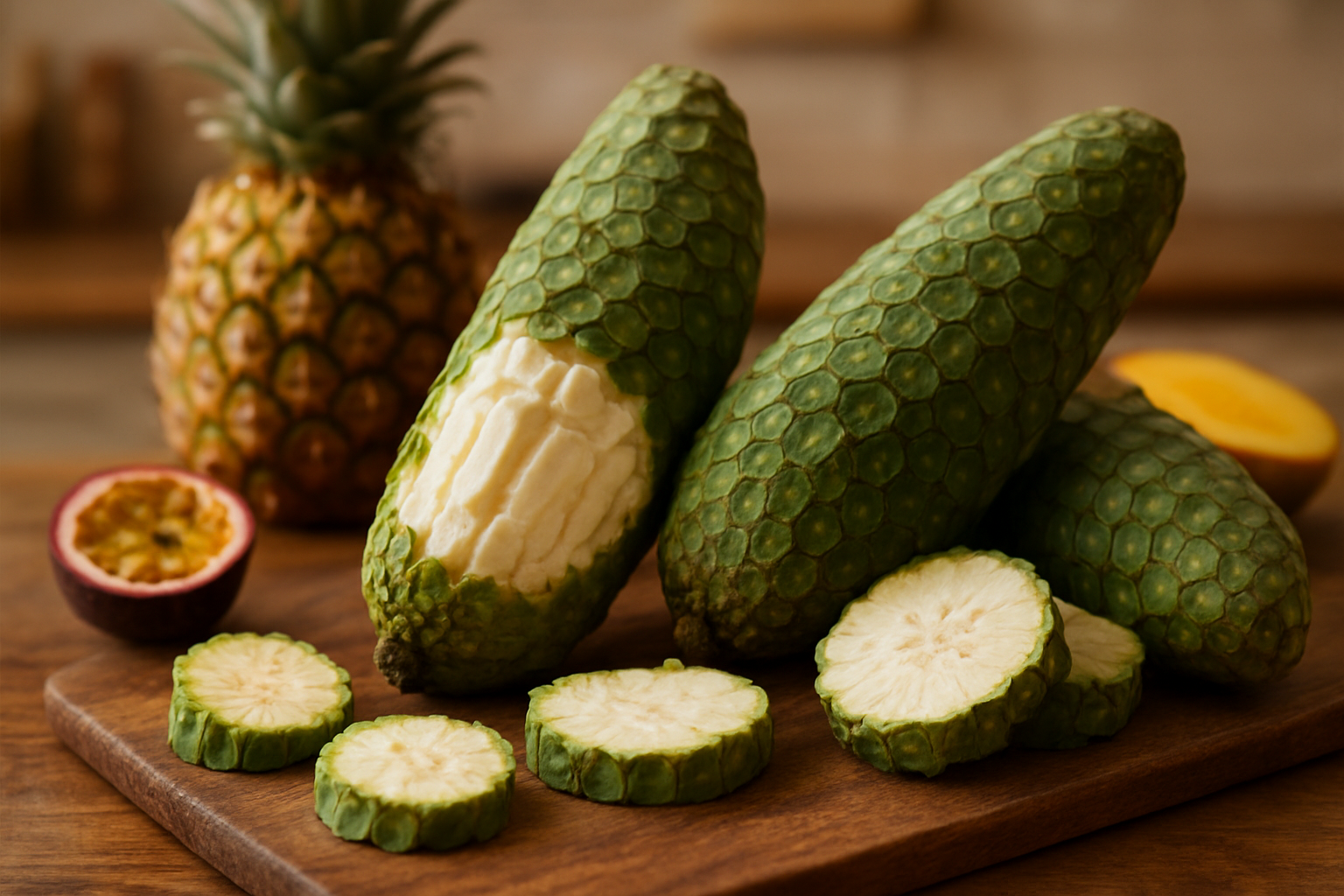
Flavor Description and Texture
The Monstera deliciosa fruit delivers a truly unique taste experience that combines the tropical sweetness of pineapple with hints of banana and mango. Many describe the flavor as a delightful fusion that changes as you chew, starting with bright pineapple notes and finishing with creamy banana undertones. The Swiss cheese fruit taste is remarkably complex, offering subtle hints of coconut and vanilla that make each bite interesting.
The texture resembles a cross between a ripe banana and fresh pineapple. When perfectly ripe, the fruit becomes soft and creamy, almost custard-like in consistency. The flesh easily separates into small, kernel-like segments that pop in your mouth, releasing bursts of sweet juice. Unripe sections remain firm and should be avoided, as they contain calcium oxalate crystals that can cause mouth irritation.
The fruit's aroma is equally captivating, filling the room with a sweet, tropical fragrance that intensifies as it ripens. This natural perfume often alerts you when the fruit reaches peak readiness for consumption.
Traditional Preparation Methods
Indigenous communities in Central and South America have enjoyed Monstera fruit for centuries, developing time-tested preparation methods. The most traditional approach involves waiting for the fruit to ripen naturally on the plant, which can take 10-12 months from flowering to harvest.
Traditional preparation starts with careful inspection of each scale segment. Ripe sections easily lift away from the core, revealing the creamy flesh underneath. Native peoples typically eat the fruit fresh, using their fingers to remove individual segments and enjoying them immediately.
In some regions, traditional cooks mash the ripe fruit into a paste and mix it with other tropical fruits to create natural desserts. This method extends the fruit's usability and creates interesting flavor combinations that highlight the Monstera's unique taste profile.
Storage traditionally involves keeping unripe fruits in cool, dry places and monitoring them daily for ripeness indicators. This patient approach ensures maximum flavor development and safe consumption.
Modern Recipe Applications
Contemporary chefs have discovered exciting ways to incorporate Swiss cheese fruit into modern cuisine. The fruit works beautifully in smoothies, where its creamy texture and complex flavor profile add depth and tropical flair. Blend ripe Monstera fruit with coconut milk, mango, and lime for a restaurant-quality tropical smoothie.
Pastry chefs prize the fruit for dessert applications, using it in:
-
Fruit tarts and pavlovas - The custard-like texture pairs perfectly with crisp meringue
-
Ice creams and sorbets - Natural sweetness reduces need for added sugars
-
Tropical fruit salads - Adds exotic appeal to standard fruit medleys
-
Cocktail garnishes - Fresh segments make stunning drink decorations
Modern preservation techniques include freezing ripe segments for year-round use. The frozen fruit maintains its flavor well and works excellently in smoothies and frozen desserts. Some innovative cooks dehydrate thin slices to create unique dried fruit snacks with concentrated tropical flavors.
The fruit also shines in breakfast applications, folded into yogurt parfaits or served alongside granola. Its natural sweetness and creamy texture make it an excellent substitute for more common tropical fruits in various recipes.
Growing Your Own Monstera for Fruit Production
.png)
Indoor vs Outdoor Cultivation Requirements
Indoor Cultivation
Growing Monstera for fruit production indoors presents unique challenges but remains possible with dedication. Your Monstera deliciosa needs bright, indirect light - think near a south-facing window with sheer curtains. Temperature should stay between 65-80°F consistently, and humidity levels need to reach 60-80% for optimal fruit development.
Space becomes critical since fruit-producing Monsteras require maturity, meaning plants that are 6-10 feet tall with large fenestrated leaves. You'll need sturdy support structures like moss poles or trellises. Indoor plants rarely fruit without supplemental support and may need hand pollination using a small brush to transfer pollen between flowers.
Outdoor Cultivation
Outdoor growing offers the best chances for Monstera fruit production. In USDA zones 10-12, these tropical plants thrive in partial shade with morning sun and afternoon protection. Natural pollinators and environmental conditions create ideal settings for fruit development.
Outdoor Monsteras climb trees or structures naturally, reaching 20-30 feet where flowering typically occurs. The consistent warmth, natural humidity, and seasonal variations encourage the plant's reproductive cycle more effectively than indoor environments.
| Growing Condition | Indoor Requirements | Outdoor Requirements |
|---|---|---|
| Light | Bright, indirect | Partial shade with morning sun |
| Temperature | 65-80°F | Consistently above 60°F |
| Humidity | 60-80% (artificial) | Natural tropical humidity |
| Space | 6-10 feet minimum | Unlimited climbing space |
| Pollination | Hand pollination needed | Natural pollinators available |
Time from Planting to Fruit Production
Patience becomes your greatest asset when growing Monstera for fruit. A plant grown from seed typically takes 5-8 years before producing its first flowers, while propagated plants from mature specimens may fruit in 3-5 years.
The journey breaks down into distinct phases:
-
Years 1-2: Juvenile growth with solid heart-shaped leaves
-
Years 3-4: Fenestrations develop, indicating approaching maturity
-
Years 5-8: First flowering occurs, usually on outdoor plants
-
Year 6+: Fruit development begins after successful pollination
Environmental factors significantly impact timing. Outdoor plants in tropical climates fruit earlier than indoor specimens. Consistent care, proper nutrition, and adequate space acceleration the process, while stress from poor conditions delays fruiting indefinitely.
Some gardeners report success with mature nursery plants that fruit within 2-3 years, but these represent exceptions rather than typical timelines. The plant must reach sufficient size and maturity before channeling energy into reproduction.
Care Tips for Fruit Development
Once your Monstera begins flowering, specific care adjustments maximize fruit development success. The inflorescence appears as a cream-colored spadix surrounded by a white spathe, similar to a peace lily but larger.
Nutrition During Fruiting
Switch to a balanced fertilizer with slightly higher phosphorus content (like 10-15-10) during flowering season. Feed monthly rather than the typical bi-monthly schedule. Calcium supplements help prevent fruit drop and ensure proper development.
Water Management
Maintain consistent soil moisture without waterlogging. Fruit development requires steady hydration, but soggy conditions cause root rot and fruit abortion. Water when the top 2 inches of soil feel dry.
Environmental Stability
Avoid moving or disturbing the plant during fruit development. Temperature fluctuations, drafts, or sudden environmental changes cause fruit drop. Maintain humidity around the developing fruit using humidity trays or misting nearby surfaces (not the fruit directly).
Support Systems
Developing fruits are heavy - mature Swiss cheese fruits can weigh 1-2 pounds. Ensure your support structure can handle the additional weight. Consider adding extra stakes or ties around fruiting branches.
The fruit takes 10-14 months to fully ripen from pollination, changing from green to yellow-green with hexagonal segments that begin separating when ready.
Harvesting Techniques
Timing harvest correctly determines whether you enjoy delicious Swiss cheese fruit or face potential toxicity from unripe fruit. Never attempt eating Monstera fruit before full ripeness - unripe fruit contains calcium oxalate crystals that cause severe mouth and throat irritation.
Ripeness Indicators
Watch for these clear signs your Monstera fruit is ready:
-
Color shifts from dark green to yellowish-green
-
Hexagonal segments begin loosening and can be gently wiggled
-
Sweet, pineapple-like fragrance becomes noticeable
-
Individual segments separate easily with gentle pressure
Harvesting Process
Cut the entire fruit stalk using clean, sharp pruning shears rather than pulling or twisting. This prevents damage to the plant and ensures you capture all segments. Wear gloves during harvest since some people experience skin irritation from the fruit's sap.
Post-Harvest Handling
Place harvested fruit in a single layer on a clean surface at room temperature. Allow segments to continue separating naturally over 24-48 hours. Only consume segments that detach freely - forcing segments apart indicates incomplete ripening.
Store separated, ripe segments in the refrigerator for up to one week. The fruit doesn't continue ripening after harvest, so patience during the growing process pays dividends in safety and flavor quality.
Some growers prefer harvesting individual segments as they ripen rather than taking the entire fruit at once, extending the harvest period over several weeks.
Purchasing and Storage Tips
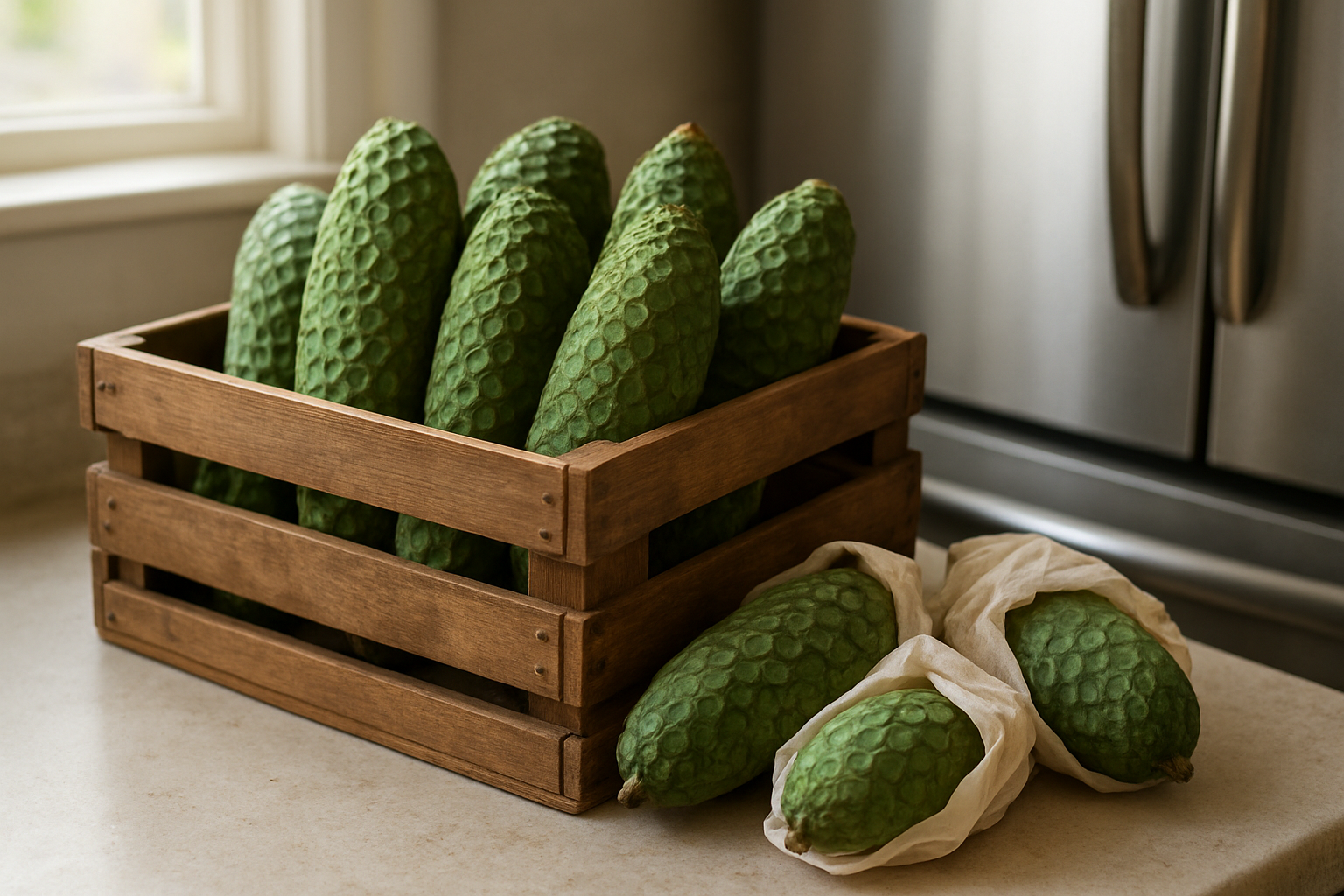
Where to buy Monstera Deliciosa fruit
Finding Monstera deliciosa fruit can be quite the treasure hunt, as this exotic delicacy isn't commonly available in regular grocery stores. Your best bet starts with specialty tropical fruit vendors and high-end farmers markets, where vendors who specialize in rare and exotic produce occasionally carry ripe Swiss cheese fruit. These markets often feature local growers who cultivate unique varieties, making them prime spots for discovering this unusual treat.
Online specialty fruit retailers have become increasingly popular sources for Monstera fruit edible options. Companies that focus on exotic and tropical fruits sometimes offer seasonal availability, though you'll need to plan ahead since these fruits are harvested in limited quantities. Botanical gardens with tropical conservatories occasionally sell fruit from their mature plants, especially during harvest season.
Local plant enthusiast groups and social media communities dedicated to rare houseplants can connect you with fellow growers who might have fruiting plants. Many Monstera collectors are happy to share or sell their harvest when available. Specialty nurseries that focus on tropical plants sometimes know growers or can connect you with sources for fresh fruit.
Import specialty stores in areas with large communities from tropical regions may occasionally stock frozen or preserved versions, though fresh fruit remains the premium choice for experiencing the true flavor profile.
Selecting quality fruit
Choosing the perfect Swiss cheese fruit requires understanding the unique ripening characteristics of Monstera deliciosa. Unlike typical fruits, this exotic delicacy doesn't follow conventional ripening patterns, making selection both an art and a science.
Look for fruits that show clear segmentation along their surface - these natural divisions indicate the fruit's readiness. Each segment should yield slightly to gentle pressure while maintaining structural integrity. The hexagonal scales covering the fruit will begin to lift and separate when the fruit reaches optimal ripeness, revealing the creamy flesh beneath.
Color plays a crucial role in selection. Ripe Monstera deliciosa fruit displays a yellowish-green hue with scales that appear to be pulling away from the flesh. Avoid fruits with dark spots, soft mushy areas, or signs of mold, as these indicate overripening or damage. The fruit should emit a sweet, tropical fragrance reminiscent of pineapple and banana combined.
Size matters less than ripeness indicators. A smaller, properly ripened fruit will provide better flavor and texture than a larger, underripe specimen. The fruit should feel substantial for its size, indicating good moisture content and proper development.
Check for any signs of pest damage or irregular growth patterns. Quality fruit maintains consistent segmentation and shows no evidence of insect boring or fungal infections.
Proper storage methods
Storing Monstera deliciosa fruit properly extends its brief window of peak ripeness and ensures safe consumption. This delicate fruit requires specific handling techniques that differ significantly from typical tropical fruits.
Fresh, ripe fruit should be consumed immediately for the best experience. If you need short-term storage, keep the fruit at room temperature for no more than 1-2 days. The fruit continues ripening after harvest, so monitor it closely for changes in texture and aroma.
Refrigeration can slow the ripening process slightly, but only use this method for fruit that's nearly ripe. Store in the main compartment of your refrigerator, wrapped loosely in paper towels to absorb excess moisture. Plastic bags trap humidity and can accelerate spoilage, so avoid them entirely.
For longer preservation, separate the individual segments and freeze them in airtight containers. Frozen segments maintain their nutritional value but lose some textural quality. This method works well for smoothies or cooked preparations where texture changes are less noticeable.
Never store underripe fruit in the refrigerator, as cold temperatures halt the natural ripening process and can prevent the fruit from developing its characteristic flavor profile. Keep underripe specimens at room temperature until the scales begin separating naturally.
Clean storage areas thoroughly before placing the fruit, as Monstera fruit can be susceptible to cross-contamination from other produce.
.png)
The Monstera Deliciosa offers so much more than its stunning foliage - its unique Swiss cheese fruit brings both exotic flavor and impressive nutritional benefits to the table. From its sweet pineapple-banana taste to its vitamin C and potassium content, this tropical treat deserves a spot on your culinary radar. Just remember to wait for full ripeness before eating, as unripe fruit can cause mouth irritation.
Growing your own Monstera takes patience, but the reward of harvesting homegrown fruit makes it worthwhile. If you're not ready to wait years for your plant to mature, seek out specialty tropical fruit vendors or ethnic markets where ripe Monstera fruit occasionally appears. Whether you're a houseplant enthusiast looking to expand your collection or a foodie eager to try something new, the Swiss cheese fruit brings an exciting tropical adventure right to your home.


.png)
Comments
Post a Comment