Nashi Pears - What Are Nashi Pears?
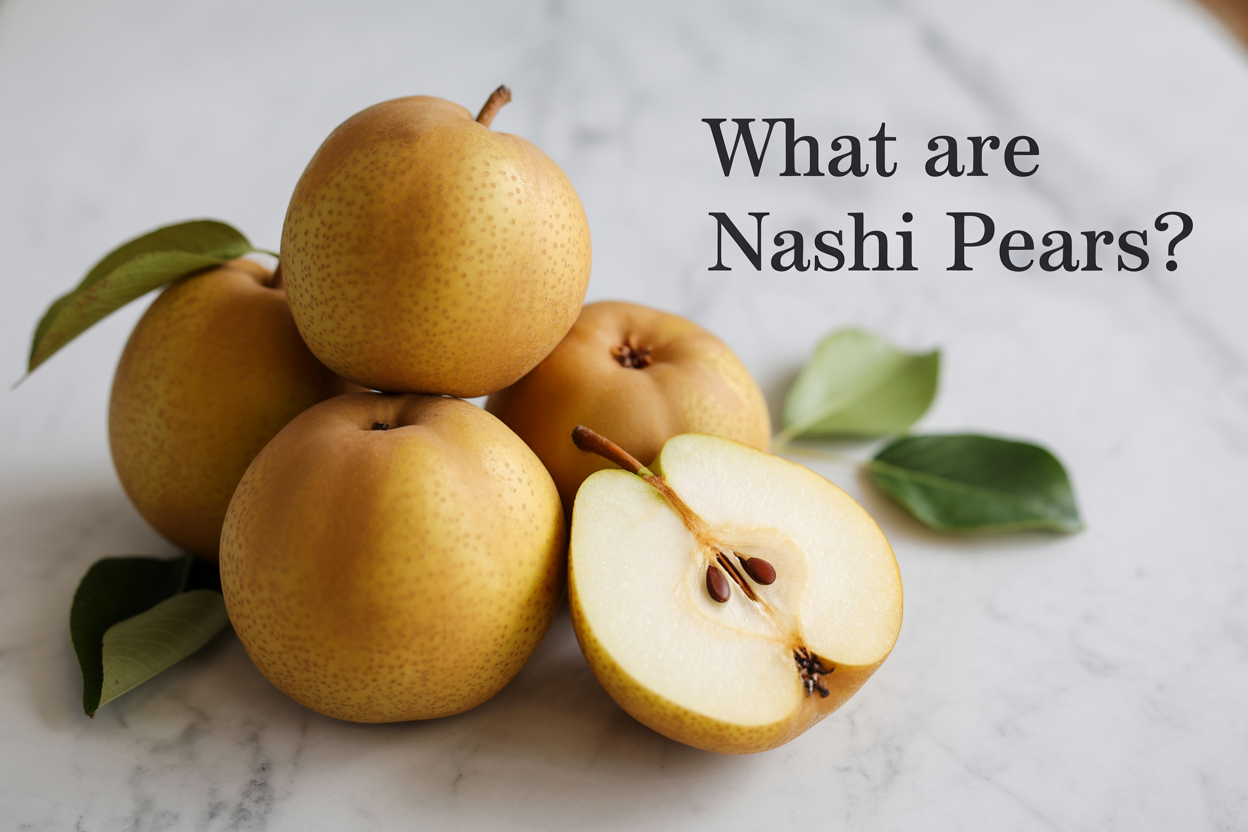
Nashi pears might look unfamiliar in the produce aisle, but these crisp Asian pears are worth getting to know. Also called apple pears or sand pears, nashi pears offer a unique eating experience that's different from regular pears - they're crunchy like apples but sweet and juicy like their pear cousins.
This guide is perfect for curious food lovers, home gardeners, and anyone who's spotted these round, golden fruits at the market and wondered what they taste like. We'll explore what makes nashi pears special, including their impressive nutritional profile and distinctive crispy texture. You'll also learn about their growing seasons and discover simple ways to enjoy them in your kitchen, from eating them fresh to incorporating them into your favorite recipes.
Understanding the Basics of Nashi Pears
Origin and Botanical Classification of Asian Pears
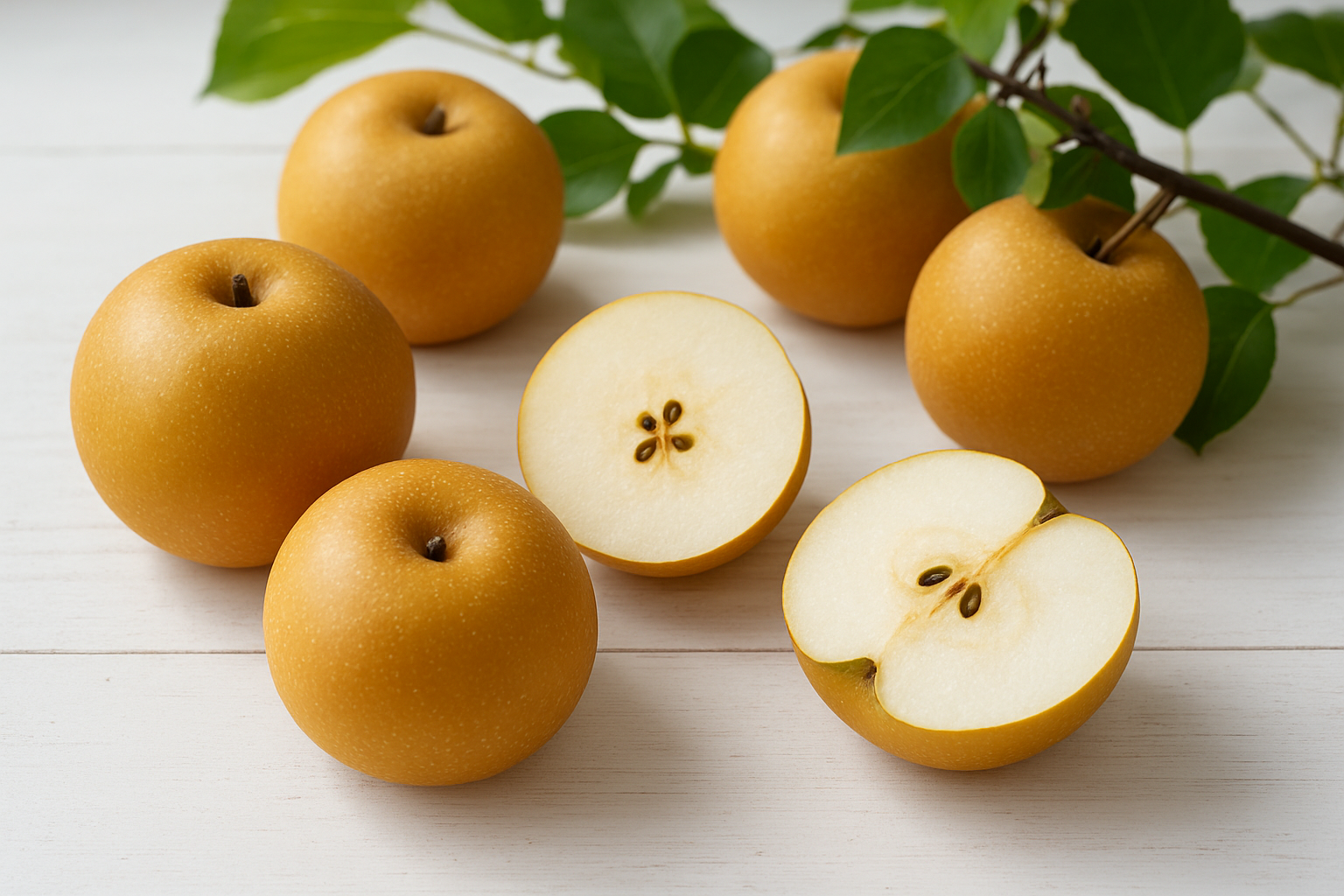
Nashi pears belong to the species Pyrus pyrifolia, which originated in East Asia thousands of years ago. These fruits have been cultivated in China, Japan, and Korea for over 3,000 years, making them one of the oldest domesticated fruits in the region. The word "nashi" comes from Japanese, literally meaning "pear," though these fruits are quite different from what most Western consumers expect from a pear.
Botanically, Asian pears fall under the Rosaceae family, the same family that includes apples, cherries, and traditional European pears. However, they represent a distinct evolutionary branch that developed unique characteristics adapted to Asian climates and growing conditions. Modern commercial varieties we see today are often hybrids developed through centuries of selective breeding and cultivation.
Physical Appearance and Unique Characteristics
What are nashi pears most recognizable for? Their distinctive round shape sets them apart immediately. Unlike the familiar teardrop silhouette of European pears, nashi pears are nearly spherical, resembling large apples more than traditional pears. Their skin ranges from golden yellow to russet brown, often featuring a slightly rough, speckled texture that feels sandy to the touch.
The flesh inside reveals their most remarkable quality - a crisp, juicy texture that combines the best elements of apples and pears. When you bite into a ripe nashi pear, it delivers an immediate burst of sweet juice while maintaining a satisfying crunch. The flesh is typically white to cream-colored, with a fine-grained texture that doesn't become mealy or soft like European pears when ripe.
Size-wise, most nashi pears measure 2-4 inches in diameter and weigh between 6-12 ounces. Their skin, while edible, is thicker than apple skin but thinner than most European pear varieties. The core structure mirrors that of traditional pears, with a central seed cavity surrounded by the edible flesh.
Common Names and Regional Variations
These versatile fruits go by many names across different regions and cultures. Asian pears serves as the most common umbrella term in North America and Europe, while "nashi pears" specifically references the Japanese varieties. In Korea, they're called "bae," and Chinese speakers refer to them as "li."
Commercial varieties include popular cultivars like Hosui, Shinseiki, Chojuro, and Nijisseiki (Twentieth Century). Each variety brings subtle differences in sweetness, texture, and appearance. Hosui pears tend to be larger with golden-brown skin, while Shinseiki varieties are typically yellow-green with exceptionally crisp flesh.
Regional growing practices have also created local variations. California-grown Asian pears often have different flavor profiles compared to those cultivated in their native Asian regions due to soil composition, climate variations, and harvesting practices.
How They Differ from Traditional European Pears
The differences between nashi pears and European pears (Pyrus communis) extend far beyond appearance. European pears like Bartlett, Anjou, and Bosc are harvested while still hard and ripen from the inside out, developing their characteristic soft, buttery texture only after proper ripening conditions.
Nashi pears, conversely, ripen on the tree and are ready to eat immediately after harvest. They maintain their firm, crisp texture throughout their eating period and never develop the soft, yielding flesh associated with European varieties. This means you can bite into a nashi pear right off the shelf without waiting for it to ripen.
| Characteristic | Nashi Pears | European Pears |
|---|---|---|
| Shape | Round, apple-like | Teardrop, elongated |
| Texture | Always crisp | Soft when ripe |
| Ripening | On the tree | After harvest |
| Storage | Refrigerate immediately | Ripen at room temperature first |
| Eating timing | Ready when purchased | Must wait for ripening |
The storage requirements also differ significantly. While European pears need room temperature ripening followed by refrigeration, nashi pears should go straight into the refrigerator and can maintain their quality for several weeks when stored properly.
Nutritional Benefits and Health Value
Essential vitamins and minerals content
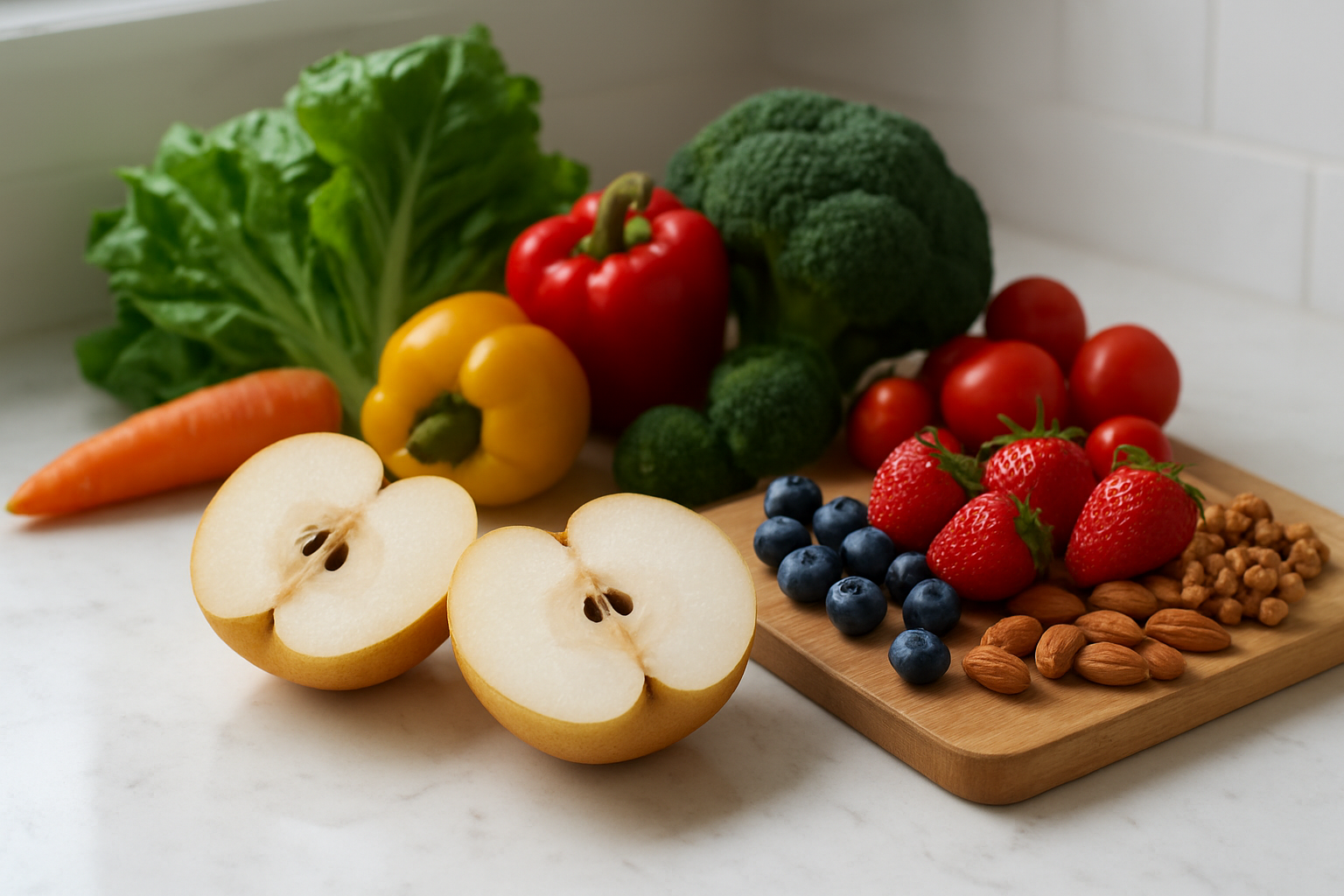
Nashi pears pack an impressive nutritional punch that makes them a smart addition to any healthy diet. These Asian pears deliver a solid dose of vitamin C, providing about 10% of your daily needs in a single medium fruit. This vitamin plays a crucial role in collagen production, wound healing, and maintaining healthy skin.
The mineral profile of nashi pears is equally noteworthy. They contain potassium, which helps regulate blood pressure and supports proper muscle function. You'll also find copper, manganese, and small amounts of vitamin K. The copper content aids in iron absorption and supports nervous system health, while manganese contributes to bone formation and metabolism regulation.
What sets nashi pears apart from many other fruits is their balanced vitamin and mineral composition without excessive sugar content, making them an excellent choice for sustained energy.
Fiber content and digestive health benefits
Each nashi pear contains approximately 4-6 grams of dietary fiber, which represents about 15-20% of the recommended daily intake. This fiber comes in both soluble and insoluble forms, creating a perfect storm for digestive wellness.
The soluble fiber helps slow down digestion, promoting better blood sugar control and creating a feeling of fullness that lasts longer. Meanwhile, the insoluble fiber adds bulk to stool and promotes regular bowel movements, reducing the risk of constipation and supporting overall colon health.
Regular consumption of nashi pears can contribute to a healthier gut microbiome. The prebiotic properties of the fiber feed beneficial bacteria in your intestines, promoting better digestion and potentially boosting immune function through the gut-brain connection.
Low calorie count for weight management
Nashi pears offer exceptional value for weight-conscious individuals, containing only 50-60 calories per medium fruit. This low calorie density, combined with high water content (about 85%), makes them incredibly satisfying without contributing significantly to daily caloric intake.
The natural sweetness of nashi pears can help curb sugar cravings while providing essential nutrients that processed snacks lack. Their crisp texture requires more chewing, which naturally slows eating pace and can enhance feelings of satiety.
For those following portion-controlled diets, nashi pears serve as an ideal snack or dessert substitute. The combination of fiber, water, and natural sugars provides sustained energy without the blood sugar spikes associated with refined sugary treats.
Antioxidant properties and immune system support
Nashi pears contain a variety of antioxidants that help combat free radical damage in the body. These include flavonoids, phenolic acids, and vitamin C, which work together to reduce oxidative stress and inflammation.
The antioxidant profile of nashi pears includes quercetin and catechins, compounds known for their anti-inflammatory properties. These antioxidants may help reduce the risk of chronic diseases and support cardiovascular health by protecting blood vessels from oxidative damage.
The immune-boosting properties of nashi pears stem from their vitamin C content and antioxidant compounds working synergistically. Regular consumption may help strengthen your body's natural defense mechanisms, potentially reducing the duration and severity of common illnesses. The fruit's natural compounds also support cellular repair processes, contributing to overall health maintenance and longevity.
Taste Profile and Texture Experience
Sweet and Refreshing Flavor Characteristics
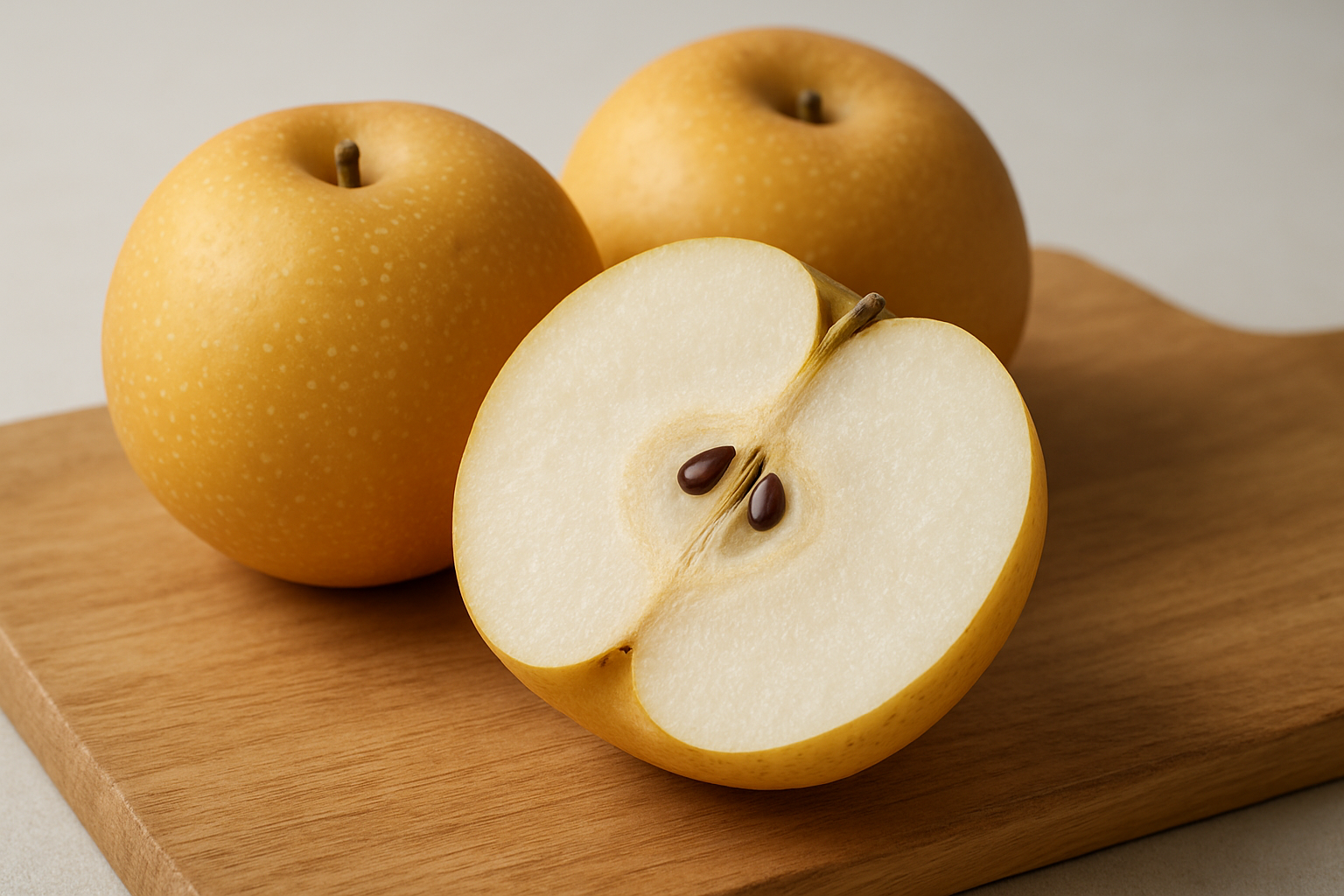
Nashi pears deliver a uniquely sweet taste that's much milder than traditional European pears. The flavor profile combines gentle sweetness with subtle floral notes, creating a refreshing experience that's never overwhelming. Unlike regular pears that can be intensely sweet or sometimes gritty, nashi pear taste offers consistency in every bite.
The sweetness level varies by variety, with some cultivars like Nijisseiki offering delicate, almost neutral sweetness, while others like Kosui provide more pronounced sugar content. What makes asian pears special is their clean finish - there's no cloying aftertaste that sometimes accompanies very sweet fruits.
Crispy Texture That Sets Them Apart
The most distinctive feature of nashi pears is their incredibly crisp texture. When you bite into one, you'll hear an audible crunch similar to a fresh apple. This firmness remains consistent from the skin to the core, unlike traditional pears that soften as they ripen.
The cell structure of asian pears contains high water content with rigid cell walls, creating this signature snap. Even when fully ripe, nashi pears maintain their crispness, making them perfect for people who prefer firm fruit textures over soft, yielding ones.
Juice Content and Eating Experience
Nashi pears are exceptionally juicy, often surprising first-time eaters with their water content. Each bite releases a burst of refreshing juice that's clean and thirst-quenching. The high moisture content makes them perfect summer snacks and natural hydrators.
The eating experience is remarkably satisfying - the combination of crunch and juice creates a refreshing sensation that's both filling and light. Many people describe eating nashi pears as drinking crisp water while enjoying fruit, making them ideal for hot weather or post-workout snacks.
How Ripeness Affects Taste and Texture
Unlike traditional pears, nashi pears don't soften significantly as they ripen. Instead, ripeness affects their sweetness intensity and juice content. Unripe nashi pears taste more neutral with slightly astringent notes, while fully ripe ones develop their characteristic sweet flavor profile.
The texture remains consistently crisp throughout the ripening process, though very ripe fruits may lose some of their initial firmness. Peak ripeness brings out the best nashi pear taste - maximum sweetness balanced with refreshing qualities and optimal juice content.
Growing Conditions and Seasonal Availability
Climate Requirements for Optimal Growth
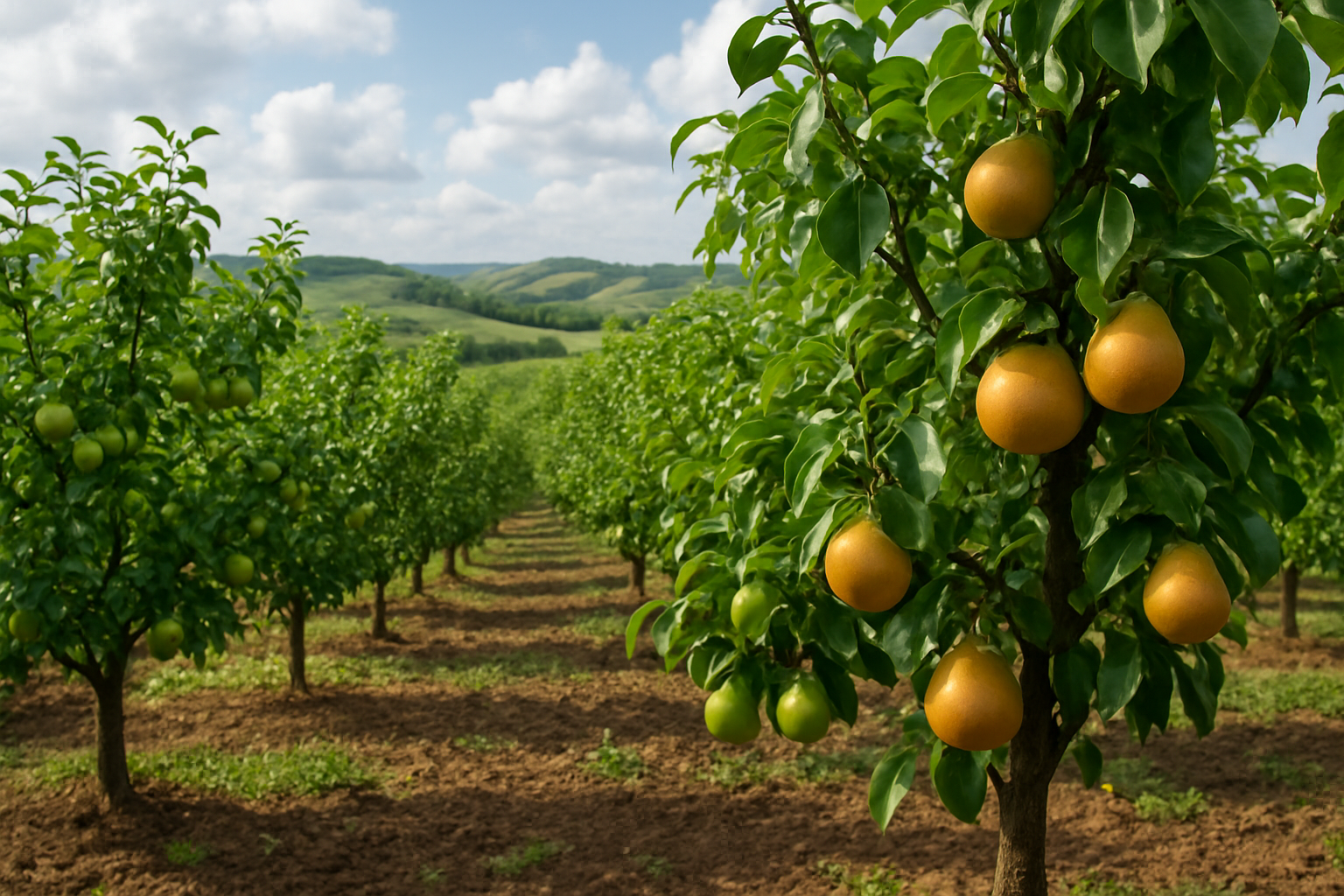
Growing nashi pears successfully requires specific climate conditions that mirror their native Asian environments. These fruit trees thrive in temperate regions with moderate to warm summers and cool winters that provide the essential chilling hours needed for proper flowering and fruit development.
Nashi pear trees need approximately 400-1,200 chilling hours below 45°F during winter dormancy, depending on the specific variety. The ideal growing temperature ranges between 60-75°F during the growing season. While these trees can tolerate some humidity, they perform best in areas with good air circulation to prevent fungal diseases.
Adequate rainfall or irrigation is crucial, with trees requiring about 25-35 inches of water annually. Well-draining soil prevents root rot, while the trees prefer slightly acidic to neutral pH levels between 6.0-7.0. Protection from strong winds helps prevent branch damage and reduces stress on developing fruit.
Harvesting Seasons and Peak Availability
The nashi pear season varies significantly based on variety and growing location. Early-season varieties typically ripen from late July through August, while mid-season types are ready for harvest in September. Late-season nashi pears reach maturity from October through early November.
Unlike European pears, nashi pears ripen on the tree and are harvested when fully mature. This timing creates distinct availability windows throughout the late summer and fall months. Peak freshness occurs immediately after harvest, making timing crucial for both commercial growers and home gardeners.
Different varieties extend the overall nashi pear season, allowing consumers to enjoy these crisp Asian pears for several months. Early varieties like Ichiban-nashi kick off the season, followed by popular mid-season types such as Nijisseiki and Hosui, with late varieties like Niitaka closing out the harvest period.
Major Growing Regions Worldwide
Asian countries dominate global nashi pear production, with China leading as the world's largest producer. Japan follows closely, cultivating premium varieties that command high prices in international markets. South Korea also contributes significantly to worldwide production.
The United States has established successful nashi pear cultivation in California's Central Valley, Oregon's Hood River Valley, and parts of Washington state. These regions provide the climate conditions that allow growing nashi pears commercially on a smaller but quality-focused scale.
Australia and New Zealand have developed thriving nashi pear industries, particularly in regions with Mediterranean-like climates. European countries including France, Italy, and Spain have begun experimenting with nashi pear cultivation, though production remains relatively limited compared to traditional pear varieties.
| Region | Primary Varieties | Harvest Season |
|---|---|---|
| China | Ya Li, Dangshan Su | August-October |
| Japan | Nijisseiki, Kosui | August-November |
| California | 20th Century, Hosui | August-September |
| Australia | Nijisseiki, Shinsui | February-April |
Storage Requirements for Maximum Freshness
Proper storage significantly extends the shelf life and maintains the crisp texture that makes nashi pears so appealing. These fruits store best at temperatures between 32-35°F with humidity levels around 90-95%. Under optimal conditions, nashi pears can maintain quality for 3-4 months.
Home storage works well in refrigerator crisper drawers, where nashi pears typically stay fresh for 2-3 weeks. Unlike many fruits, these Asian pears don't continue ripening after harvest, so proper handling during storage preserves their signature crunch and sweetness.
Commercial storage facilities use controlled atmosphere storage, reducing oxygen levels and increasing carbon dioxide to slow respiration and extend storage life. This method allows year-round availability of nashi pears even outside their natural harvest seasons.
Avoid storing nashi pears near ethylene-producing fruits like apples or bananas, which can cause premature deterioration. Individual wrapping in tissue paper or storing in perforated plastic bags helps maintain moisture while preventing condensation buildup that could lead to decay.
Culinary Uses and Preparation Methods
Best ways to eat nashi pears fresh
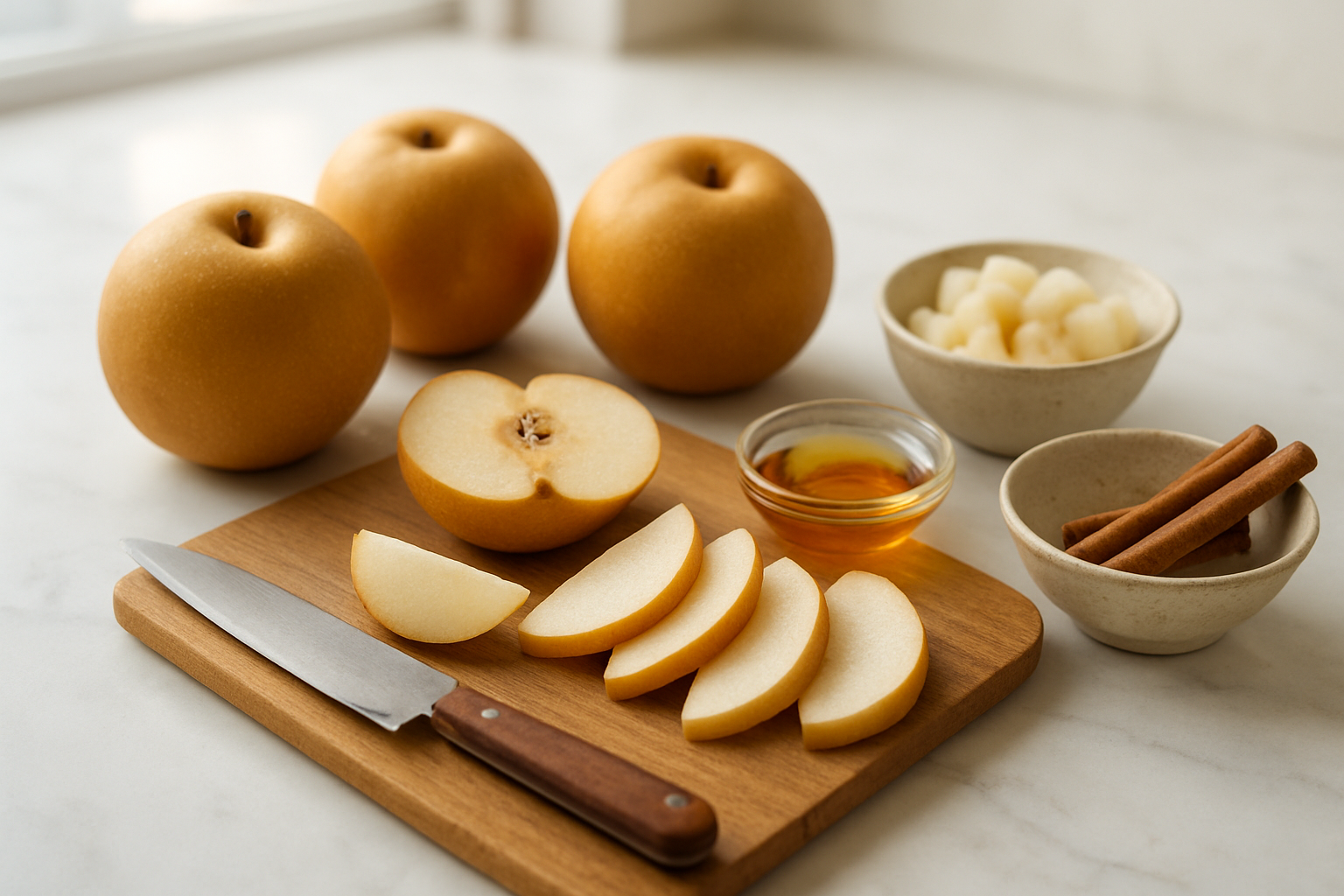
Nashi pears shine brightest when eaten fresh and raw. The easiest way to enjoy these nashi pears is to simply bite into them like an apple – no peeling required since their thin skin is completely edible and adds a subtle texture contrast. The crisp, juicy flesh delivers that signature refreshing crunch that makes asian pears so distinctive.
For a more refined approach, slice nashi pears into wedges and arrange them on a platter. Their beautiful round shape and golden-brown skin make them visually appealing for entertaining. Many people prefer to core and slice them into rings, which creates elegant presentation for fruit salads or cheese boards.
The key to enjoying fresh nashi pears is eating them at the right temperature – they taste best when served chilled. Keep them in the refrigerator and remove them about 15 minutes before serving to achieve the perfect balance of coolness and flavor release.
Cooking and baking applications
While nashi pears are phenomenal fresh, they also work wonderfully in cooked preparations. Their firm texture holds up exceptionally well to heat, making them perfect for baking applications where regular pears might become mushy.
Try incorporating diced nashi pears into muffins, quick breads, or coffee cakes. They maintain their shape and add delightful pockets of sweetness and crunch. For nashi pear recipes, consider making an upside-down cake where the pears' natural sugars caramelize beautifully.
Grilling brings out their natural sweetness – simply halve the pears, brush with a touch of honey or maple syrup, and grill for 3-4 minutes per side. This creates a fantastic dessert or side dish that pairs wonderfully with pork or chicken.
Poaching nashi pears in wine, spices, and a touch of sugar creates an elegant dessert that showcases their ability to absorb flavors while maintaining structural integrity.
Pairing suggestions with other foods
Nashi pears play well with both sweet and savory flavors. Their crisp texture and mild sweetness make them natural companions for sharp, aged cheeses like blue cheese, aged cheddar, or goat cheese. The contrast creates a perfect balance on any cheese board.
In salads, they pair beautifully with peppery greens like arugula, adding sweetness that balances bitter flavors. Combine them with toasted walnuts, dried cranberries, and a light vinaigrette for a restaurant-quality salad.
For meat pairings, nashi pears complement pork particularly well. Their sweetness enhances the richness of pork chops, tenderloin, or even bacon. They also work nicely with poultry, especially when roasted together with chicken thighs and root vegetables.
Spice-wise, they love warm flavors like cinnamon, ginger, cardamom, and vanilla. These combinations work especially well in both fresh preparations and cooked dishes.
Preservation techniques and storage tips
Proper storage ensures you get the most from your nashi pears. Unlike regular pears, they don't continue ripening after harvest, so what you buy is what you get in terms of sweetness and texture. Store ripe nashi pears in the refrigerator where they'll stay fresh for up to two weeks.
Keep them in the crisper drawer, preferably in a perforated plastic bag to maintain humidity while allowing airflow. Avoid storing them near strong-smelling foods since they can absorb odors.
For longer preservation, nashi pears can be canned in light syrup, though this changes their signature crisp texture. They also freeze reasonably well when sliced – blanch the slices briefly in lemon water to prevent browning, then freeze on a tray before transferring to freezer bags.
If you notice soft spots developing, use those pears first in cooked applications where texture is less critical. The nashi pear season typically runs from late summer through fall, so stock up during peak availability for the best quality and prices.
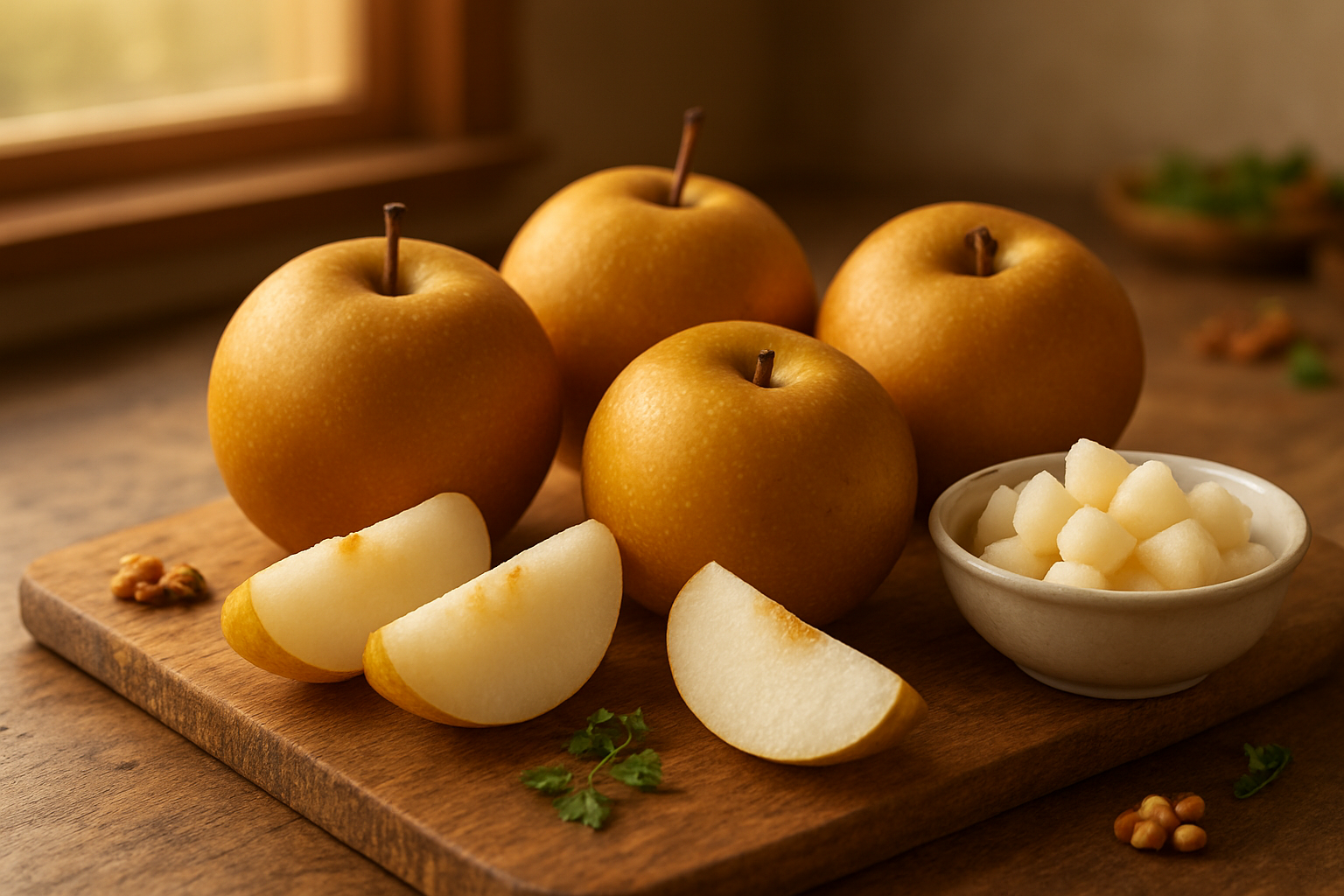
Nashi pears bring together the best of both apples and pears, creating a unique fruit that's packed with vitamins, minerals, and fiber while delivering that satisfying crunch we all love. These Asian gems offer a refreshing sweetness that works beautifully in everything from fresh salads to cooked dishes, and their crisp texture holds up well whether you're eating them raw or incorporating them into your favorite recipes.
Ready to expand your fruit horizons? Look for nashi pears at your local grocery store or Asian market during their peak season from late summer through fall. Start simple by enjoying them fresh, then experiment with adding them to stir-fries, desserts, or even savory dishes. Once you experience that perfect balance of apple crispness and pear sweetness, you'll understand why nashi pears have earned such a devoted following around the world.


.png)
Comments
Post a Comment