Pulasan - What's The Pulasan fruit?

The pulasan fruit might look familiar if you've seen a rambutan before, but this exotic tropical fruit has its own unique story to tell. For curious food lovers, travelers seeking new flavors, and health-conscious eaters wanting to expand their fruit horizons, understanding what is pulasan opens the door to discovering one of Southeast Asia's hidden gems.
This spiky, red-skinned fruit offers a sweet surprise inside that's both similar to and distinctly different from its more famous cousin. We'll dive into the pulasan vs rambutan debate to help you spot the differences, explore the impressive pulasan health benefits and nutrition facts that make this tropical fruit worth seeking out, and share practical tips on how to eat pulasan so you can enjoy it like a pro.
Whether you're planning a trip to Southeast Asia or spotted these intriguing fruits at your local Asian market, this tropical fruit guide will give you everything you need to know about pulasan taste, preparation, and why this exotic fruit deserves a spot on your must-try list.
Discover the Exotic Pulasan Fruit and Its Unique Characteristics
Learn About Pulasan's Scientific Classification and Family Origins
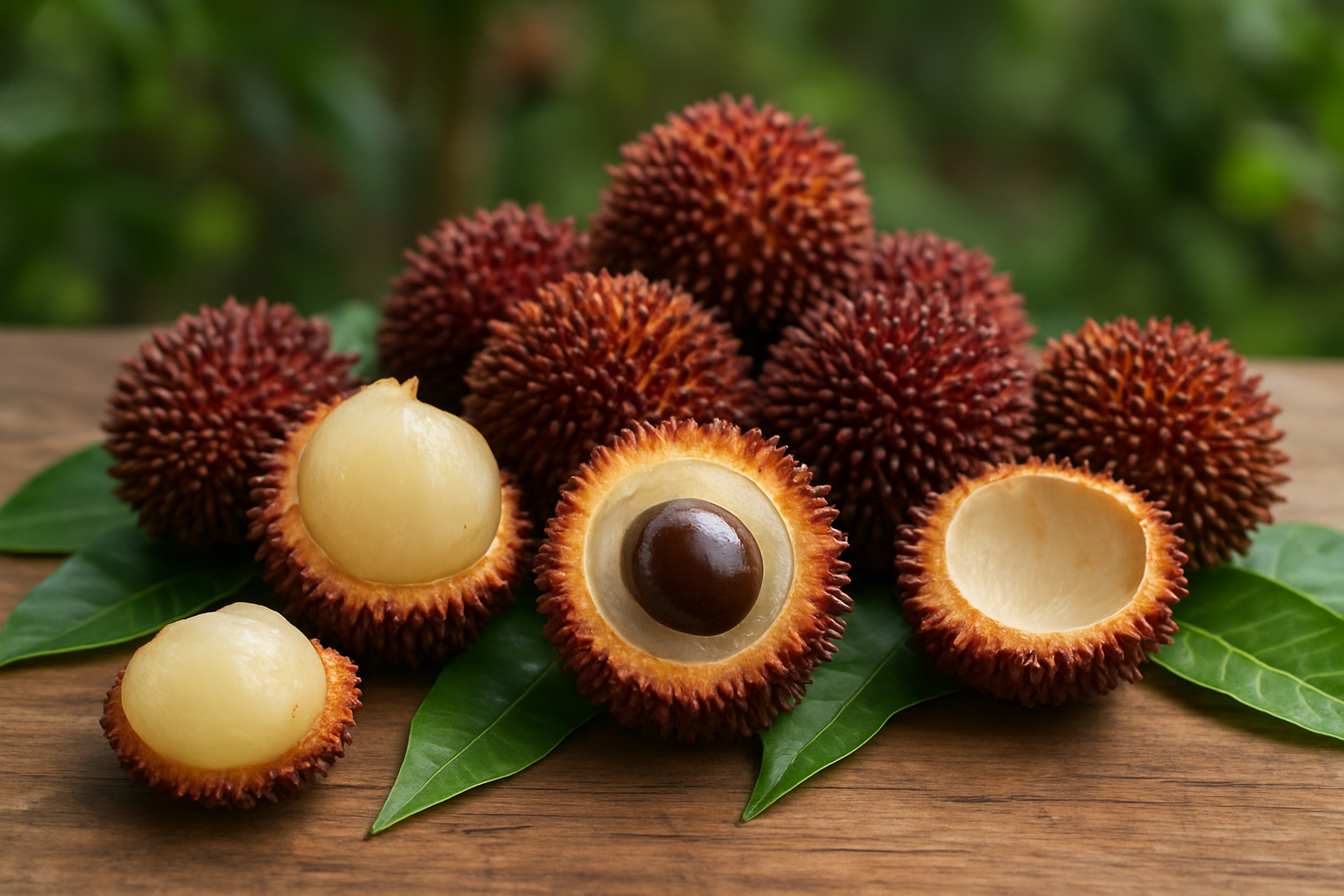
The pulasan fruit belongs to the Sapindaceae family, sharing its botanical heritage with other beloved tropical fruits like rambutan, lychee, and longan. Scientifically known as Nephelium mutabile, this exotic tropical fruit represents one of nature's most fascinating creations within the soapberry family tree.
Native to Southeast Asia, pulasan has been cultivating relationships with local communities for centuries. The fruit's name comes from the Malay word "pulas," which means "to twist" - a reference to the unique way you open the fruit by twisting it apart rather than peeling like its cousin, the rambutan. This distinctive opening method immediately sets pulasan apart from other tropical fruits in the same family.
What makes pulasan particularly interesting is its close genetic relationship to rambutan. Many people wonder about pulasan vs rambutan differences, and the family connection explains why these fruits share similar appearances yet maintain distinct characteristics. Both fruits evolved from common ancestors but developed unique traits that make each special in its own right.
The Sapindaceae family tree includes over 140 genera and roughly 1,400 species worldwide. Within this diverse family, pulasan stands out as one of the lesser-known gems, primarily because it doesn't travel well and remains mainly within its native growing regions. This limited distribution has kept pulasan as something of a hidden treasure in the tropical fruit world.
Identify Key Physical Features That Set Pulasan Apart
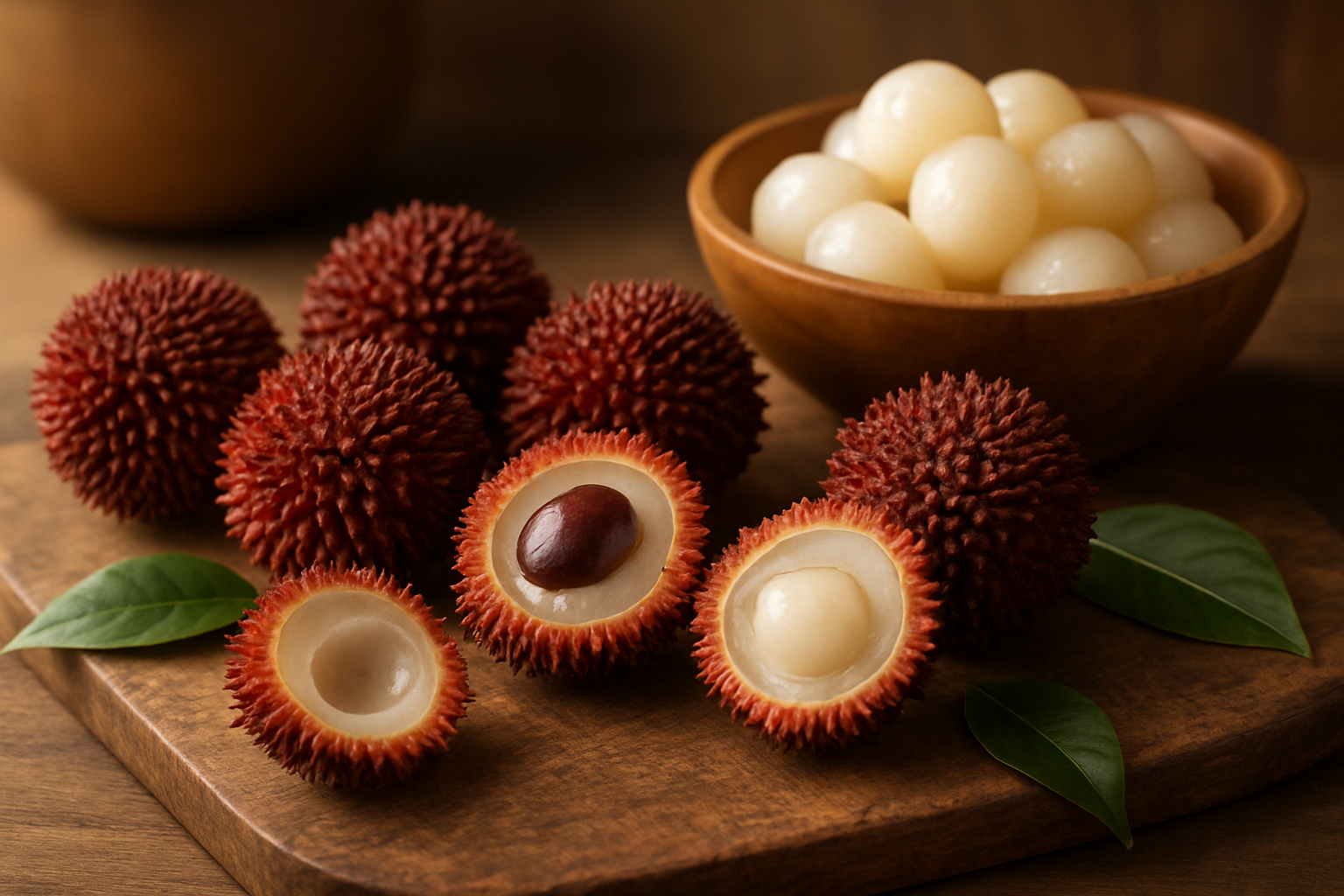
Pulasan fruits display remarkable visual characteristics that make them instantly recognizable once you know what to look for. The fruit typically measures 3-5 centimeters in diameter, sporting a round to oval shape covered in soft, pliable spines that feel almost rubbery to the touch.
The most striking feature is the fruit's vibrant red exterior, though some varieties can appear yellow or orange when fully ripe. Unlike rambutan's hair-like spines, pulasan's exterior projections are thicker, shorter, and more substantial. These spines aren't sharp at all - you can handle the fruit comfortably without any protective gloves.
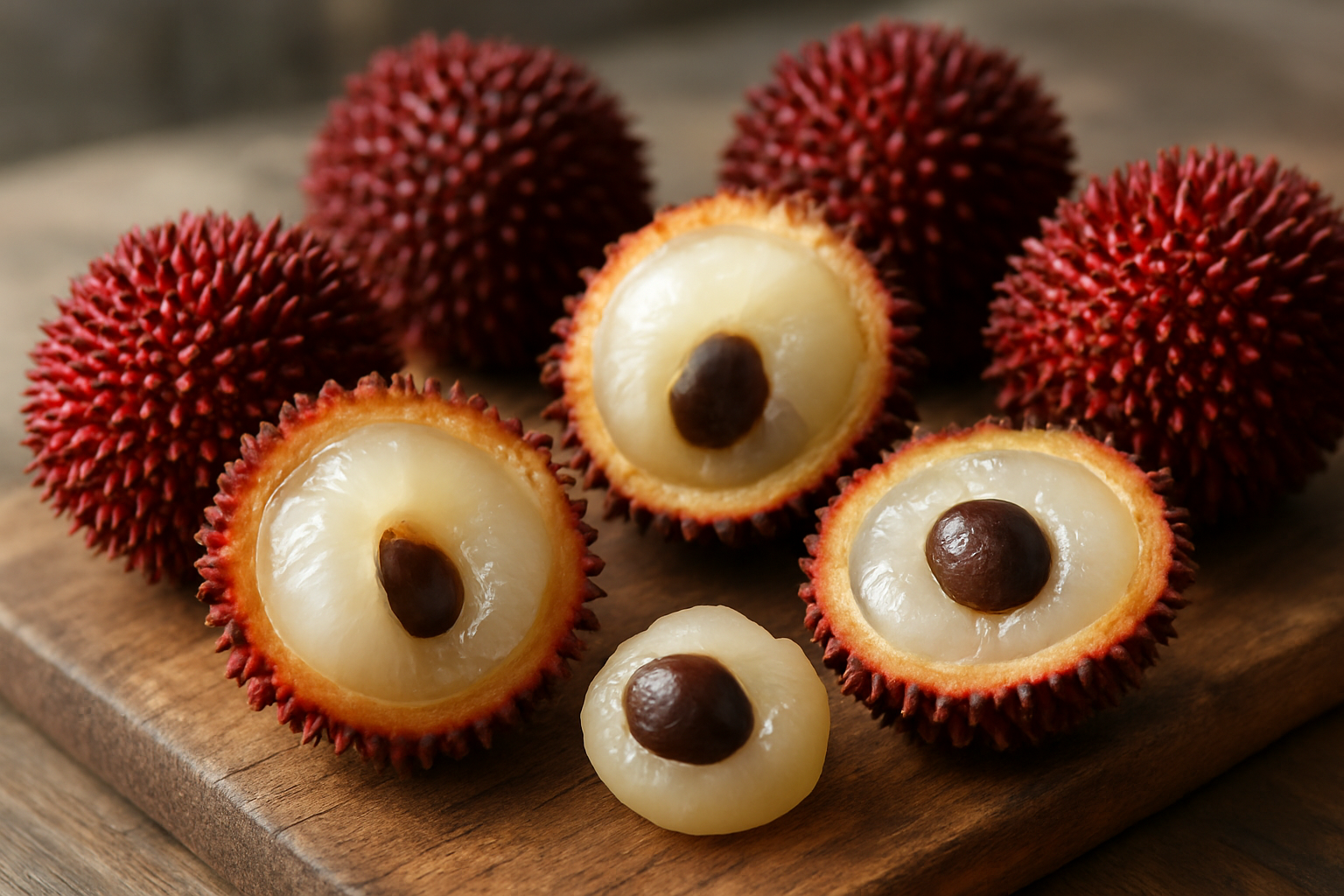
When you twist open a pulasan, you'll discover the translucent white flesh inside that looks remarkably similar to a peeled grape. The flesh has a slightly firmer texture than rambutan, offering a satisfying bite that releases sweet, floral juices. Each fruit contains a single large seed at the center, which is typically brown and smooth.
The fruit's skin peels away easily once twisted, revealing the pristine white interior. Fresh pulasan should feel heavy for its size, indicating good juice content. The spines should be vibrant in color and not dried out or browning, which would suggest the fruit is past its prime.
Size-wise, pulasan tends to be slightly larger than rambutan on average, making it easier to handle and eat. The fruit grows in clusters on trees, creating beautiful displays of red orbs hanging from branches like natural Christmas decorations.
Understand the Fruit's Natural Growing Regions and Climate Requirements
Pulasan thrives in the humid, tropical climates of Southeast Asia, with Malaysia, Thailand, Indonesia, and the Philippines serving as its primary growing regions. These areas provide the perfect combination of consistent warmth, high humidity, and regular rainfall that pulasan trees absolutely need to flourish.
The fruit demands very specific climate conditions that explain why you won't find fresh pulasan in most grocery stores outside Southeast Asia. Temperatures need to stay consistently between 75-85°F (24-29°C) year-round, with humidity levels above 80%. The trees also require well-distributed rainfall throughout the year, typically needing 60-80 inches annually.
Pulasan trees are quite particular about their soil requirements too. They prefer well-draining, slightly acidic soil with plenty of organic matter. The trees don't tolerate drought conditions well, which is why commercial cultivation remains limited to regions with reliable water sources and consistent tropical weather patterns.
Growing regions typically experience minimal temperature fluctuations, as pulasan trees are sensitive to sudden weather changes. This sensitivity to climate variations explains why attempts to cultivate pulasan in other tropical regions have met with limited success compared to its native Southeast Asian habitat.
The fruit's growing season varies slightly by region, but generally peaks during the warmer, wetter months. In Malaysia, peak season usually runs from June through August, while other regions may see slightly different timing based on local weather patterns. This seasonal availability adds to pulasan's exotic appeal and explains why it remains a special treat even in its native regions.
Experience the Distinctive Taste and Texture of Fresh Pulasan
Savor the Sweet and Tangy Flavor Profile
Biting into fresh pulasan fruit delivers an explosion of sweetness that immediately captivates your taste buds. The pulasan taste flavor combines honeyed sweetness with subtle tangy notes, creating a perfectly balanced tropical experience. Unlike overpowering sugary fruits, pulasan offers a refined sweetness that builds gradually, leaving a pleasant, lingering finish on your palate.
The fruit's flavor complexity reveals itself in layers - the initial sweet burst gives way to delicate floral undertones and a mild tartness that prevents the sweetness from becoming cloying. This sophisticated flavor profile makes pulasan fruit incredibly refreshing, especially when eaten chilled. Many describe the taste as having hints of lychee's sweetness combined with grape-like freshness, making it an instant favorite among exotic tropical fruits enthusiasts.
What makes pulasan particularly appealing is its clean, pure taste without any bitter or astringent aftertastes that some tropical fruits possess. The natural sugars present in the flesh create a satisfying sweetness that doesn't overwhelm, making it perfect for both casual snacking and elegant dessert presentations.
Enjoy the Juicy, Translucent Flesh Texture
The texture of pulasan fruit is truly remarkable - each bite releases a burst of clear, refreshing juice that coats your mouth with tropical goodness. The translucent white flesh has a tender, succulent quality that's both firm enough to provide satisfying chewiness and soft enough to melt pleasantly as you eat.
When you peel away the spiky red exterior, you'll discover segments of glossy, almost glass-like flesh that glistens with natural moisture. The texture strikes a perfect balance between the firmness of a grape and the juiciness of a perfectly ripe pear. Each piece of flesh separates easily from the central seed, making it simple to enjoy without any messy complications.
The high water content in pulasan creates an incredibly refreshing eating experience, especially welcome in hot climates where these tropical fruit guide favorites naturally thrive. The flesh doesn't become mushy or fibrous like some tropical fruits can, maintaining its pleasant bite-through quality even when fully ripe.
Compare Pulasan's Taste to Similar Tropical Fruits
Understanding pulasan vs rambutan differences helps highlight what makes pulasan special among tropical fruits. While rambutan offers similar sweetness, pulasan typically tastes cleaner and less musky, with a more pronounced tartness that adds complexity. Rambutan's flesh tends to be slightly more translucent, but pulasan provides better juice content and a more refreshing finish.
| Fruit | Sweetness Level | Tartness | Texture | Juiciness |
|---|---|---|---|---|
| Pulasan | High | Moderate | Firm, tender | Very juicy |
| Rambutan | High | Low | Translucent, soft | Moderately juicy |
| Lychee | High | Low | Firm, crisp | Juicy |
| Longan | Medium-high | Very low | Soft, tender | Less juicy |
Compared to lychee, another popular tropical relative, pulasan offers similar sweetness but with added tartness that makes it more complex and refreshing. Lychee tends to be more perfumed and floral, while pulasan presents a cleaner, more straightforward fruit flavor that appeals to broader palates.
Longan, the smallest of these related fruits, provides milder sweetness and less juice than pulasan, making pulasan the more satisfying choice for those seeking a truly refreshing tropical fruit experience.
Unlock the Impressive Nutritional Benefits of Pulasan Consumption
Boost Your Vitamin C Intake for Enhanced Immunity
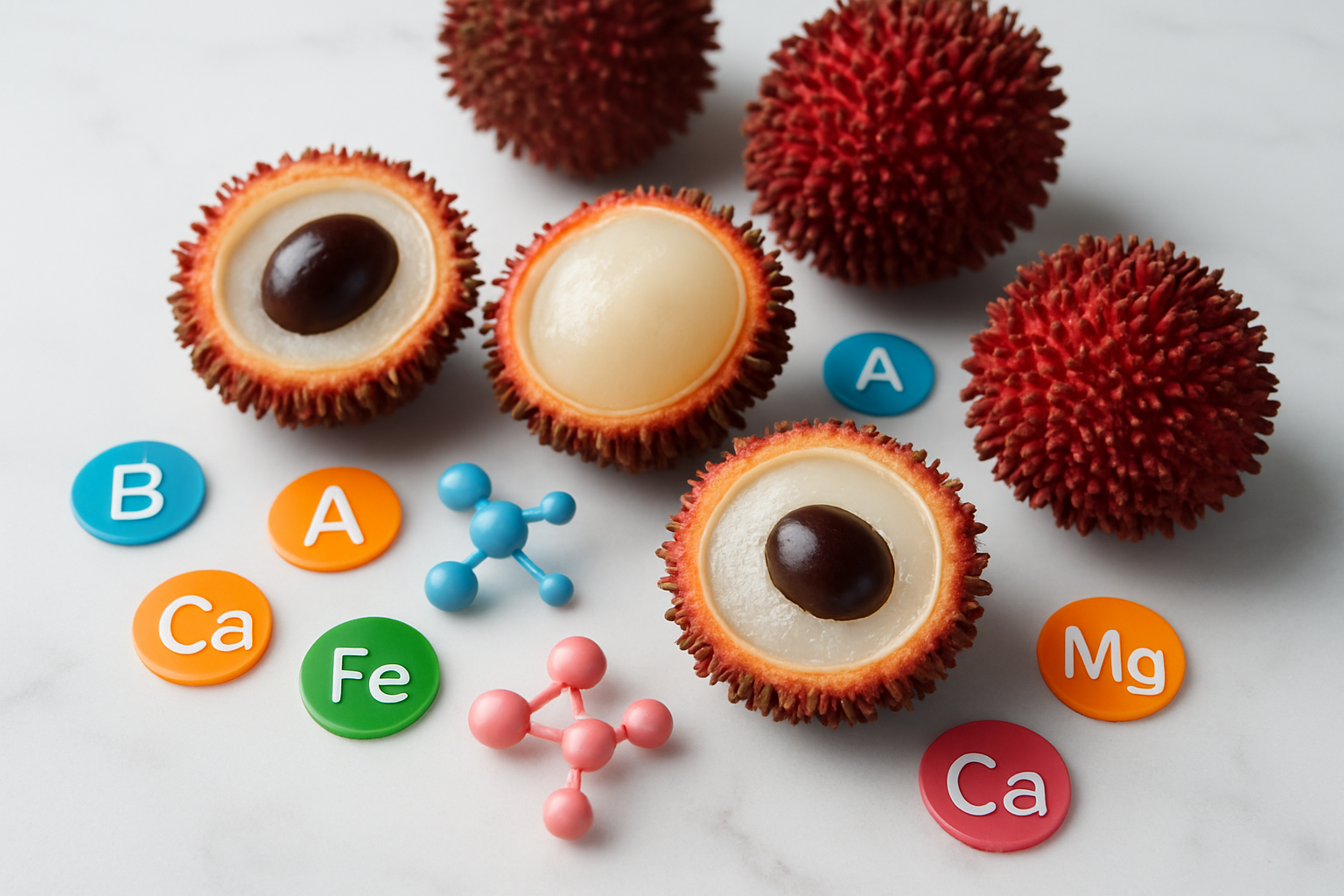
Pulasan fruit delivers an impressive vitamin C punch that puts many common fruits to shame. A single serving provides approximately 40-50mg of vitamin C, covering nearly half of your daily recommended intake. This powerful antioxidant vitamin strengthens your immune system by supporting white blood cell production and function. Regular consumption of pulasan fruit can help your body fight off seasonal illnesses and recover faster from infections.
The vitamin C in pulasan also plays a crucial role in collagen synthesis, promoting healthy skin, joints, and blood vessels. Unlike synthetic vitamin C supplements, the natural form found in pulasan comes packaged with complementary nutrients that enhance absorption and bioavailability.
Support Digestive Health with Natural Fiber Content
Each pulasan contains about 2-3 grams of dietary fiber, making it an excellent choice for maintaining digestive wellness. The combination of soluble and insoluble fiber promotes regular bowel movements while feeding beneficial gut bacteria. This natural fiber content helps prevent constipation and supports overall gut health.
The fiber in pulasan also contributes to better blood sugar control by slowing glucose absorption. This makes it a smart snack choice for people managing their blood sugar levels or looking to maintain steady energy throughout the day.
Gain Essential Minerals for Overall Wellness
Pulasan provides a rich mineral profile that supports various bodily functions:
-
Iron: Supports oxygen transport and prevents anemia
-
Calcium: Strengthens bones and teeth
-
Phosphorus: Essential for bone health and energy metabolism
-
Potassium: Regulates blood pressure and heart function
-
Magnesium: Supports muscle function and nerve health
These minerals work together to maintain proper cellular function, bone density, and cardiovascular health. The natural balance of minerals in pulasan makes them easily absorbed by your body.
Access Powerful Antioxidants for Cellular Protection
Beyond vitamin C, pulasan fruit contains various flavonoids and phenolic compounds that protect cells from oxidative stress. These antioxidants help neutralize free radicals that can damage DNA and accelerate aging processes. The deep red color of ripe pulasan indicates high anthocyanin content, which supports heart health and cognitive function.
Regular consumption of pulasan and other antioxidant-rich tropical fruits may help reduce inflammation markers and lower the risk of chronic diseases. The combination of different antioxidant types in pulasan provides comprehensive cellular protection that single-nutrient supplements cannot match.
Master the Art of Selecting and Preparing Pulasan Fruit
Choose Perfectly Ripe Pulasan at the Market
When shopping for pulasan fruit, look for specimens with bright red or deep burgundy skin that feels firm yet slightly yielding to gentle pressure. The spiky exterior should appear fresh and vibrant, not dried out or blackened. Avoid fruits with soft spots, cracks, or areas where the spines have turned brown, as these indicate overripeness or damage.
Fresh pulasan should feel heavy for its size, suggesting juicy flesh inside. The spines should be intact and not easily broken off when handled. If you notice a sweet, fruity aroma when holding the fruit close to your nose, that's a good sign of ripeness. However, an overly strong or fermented smell means the fruit has passed its peak.
Unlike some tropical fruits that continue ripening after harvest, pulasan fruit stops developing once picked. This means you need to select ripe ones at the market rather than waiting for them to ripen at home.
Store Your Fruit Properly for Maximum Freshness
Pulasan fruit stays fresh for about 3-5 days when stored properly at room temperature. For longer storage, place them in the refrigerator where they can last up to a week. Keep the fruits in a perforated plastic bag or loosely wrapped to maintain humidity while allowing air circulation.
Never store pulasan in airtight containers, as this can cause moisture buildup and accelerate spoilage. Room temperature storage works best if you plan to eat them within a couple of days, as refrigeration can sometimes affect the texture of the flesh.
Check your stored fruits daily and remove any that show signs of deterioration to prevent them from affecting the others. The fruit's quality declines rapidly once the skin starts to darken or develop soft spots.
Learn Safe and Easy Peeling Techniques
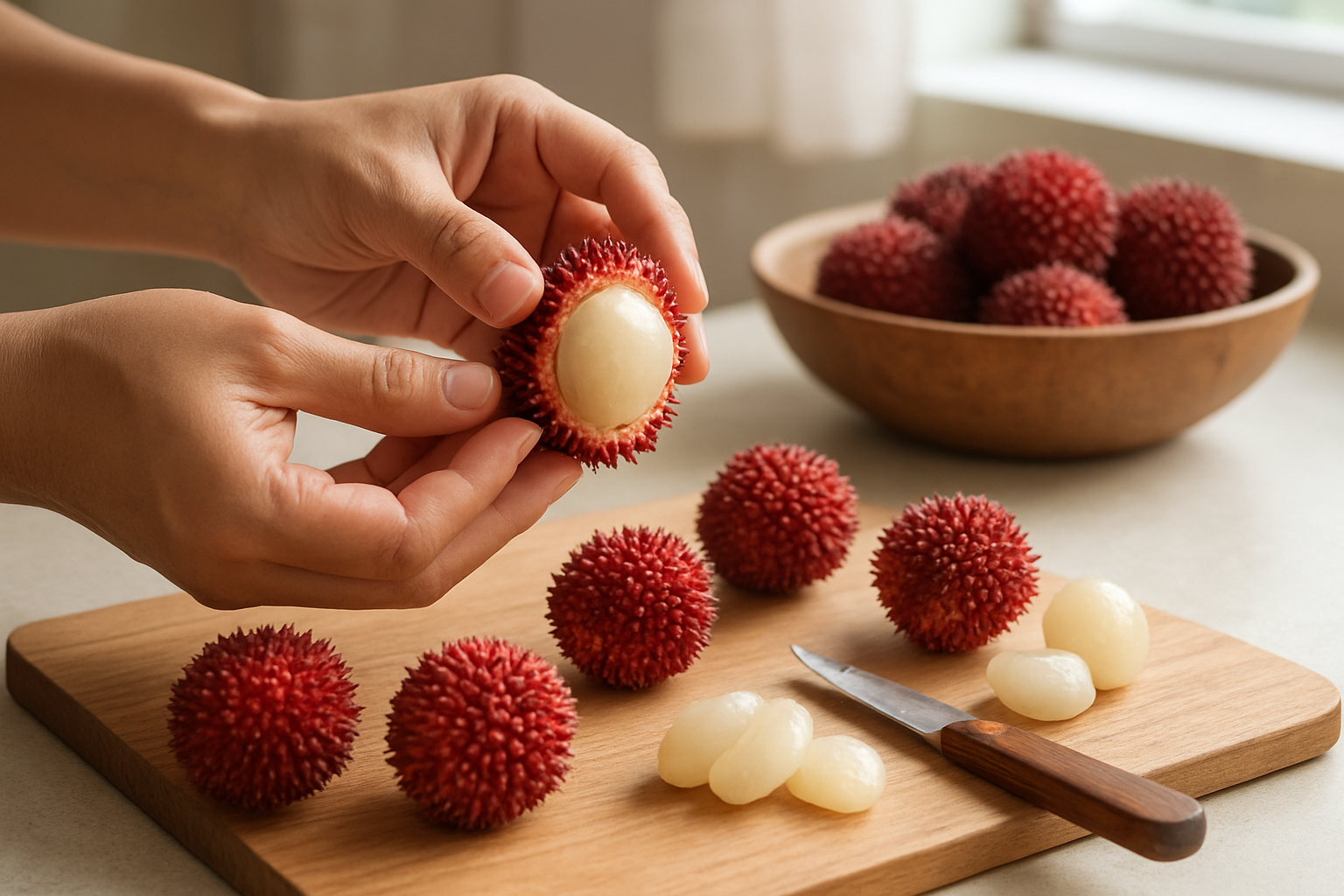
Opening pulasan fruit requires a gentle approach due to its spiky exterior. Start by washing the fruit under cool running water to remove any dirt or residue from the spines. Pat dry with a clean towel.
Hold the fruit firmly in your non-dominant hand, positioning your fingers between the spines to avoid getting pricked. Using your thumbnail or a small paring knife, make a shallow cut along the equator of the fruit, being careful not to pierce the flesh inside.
Twist the two halves gently in opposite directions, similar to opening an avocado. The shell should separate easily, revealing the translucent white flesh inside. If the fruit resists opening, it might not be fully ripe.
Some people prefer using kitchen shears to cut a small opening, then peeling away sections of the shell. This method gives you more control and reduces the risk of damaging the delicate flesh.
Remove Seeds Efficiently for Better Eating Experience
Each pulasan fruit contains a large, brown seed that's easily separated from the flesh. The seed typically comes away cleanly when you gently squeeze the fruit or use your fingers to separate it from the translucent flesh.
Unlike rambutan seeds which can sometimes stick to the flesh, pulasan seeds usually detach more readily. Simply hold the peeled fruit and gently push the seed out from one end, or carefully bite around it if eating directly.
For serving purposes, you can remove all seeds beforehand by gently pressing each piece of fruit and extracting the seed. This makes eating more enjoyable, especially for children or when serving guests. Keep the extracted flesh in a covered bowl in the refrigerator if not eating immediately.
Save a few seeds if you're interested in trying to grow your own pulasan tree, though keep in mind they require tropical growing conditions to thrive.
Explore Creative Culinary Uses and Serving Ideas
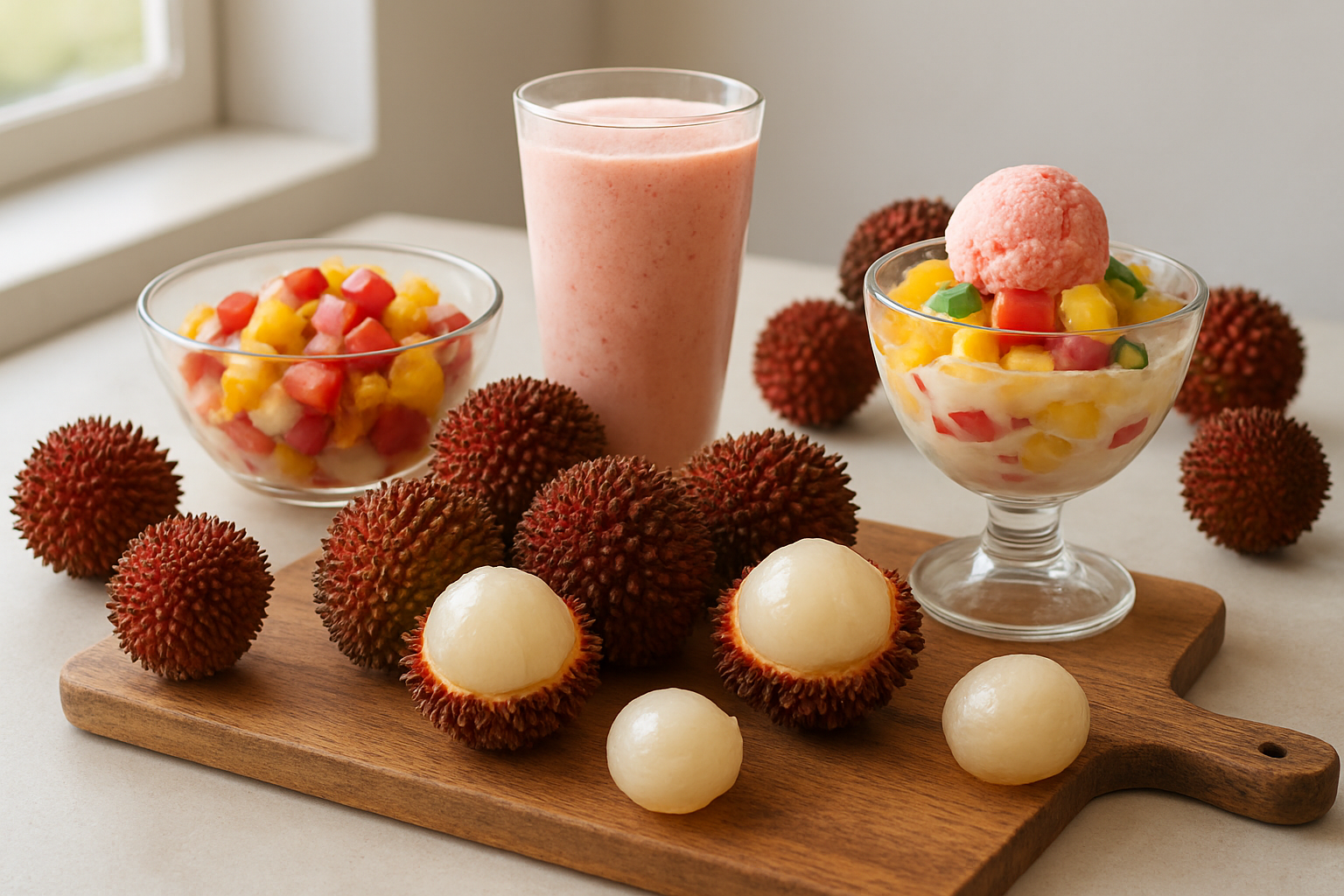
Create Refreshing Pulasan-Based Beverages and Smoothies
The sweet, floral notes of pulasan fruit make it perfect for tropical beverages. Start with a simple pulasan juice by blending the fresh flesh with ice and a splash of lime juice. The natural sweetness means you won't need additional sugar, making it a healthier alternative to processed fruit drinks.
For smoothies, combine pulasan with coconut milk, mango, and a handful of spinach for a nutrient-packed green smoothie that doesn't taste green at all. The pulasan fruit pairs beautifully with other tropical fruits like passion fruit, pineapple, and papaya. Try blending pulasan with frozen banana and coconut water for a creamy, naturally sweet post-workout drink.
Bubble tea enthusiasts can create unique pulasan bubble tea by making a concentrated pulasan syrup. Blend the fruit with simple syrup, strain out any fibrous bits, and mix with black tea and tapioca pearls. The result is an exotic twist on the classic drink that showcases this tropical fruit's distinctive flavor profile.
Incorporate Fresh Pulasan into Tropical Fruit Salads
Fresh pulasan adds incredible texture and sweetness to fruit salads. Its translucent, jelly-like flesh provides a delightful contrast to firmer fruits like pineapple and apple. Create a tropical fruit salad by combining pulasan segments with dragon fruit, kiwi, and mango chunks.
The key to a great pulasan fruit salad is balancing flavors and textures. Mix the sweet pulasan with tart fruits like green grapes or slightly underripe pineapple. Add a dressing made from lime juice, honey, and fresh mint to enhance the natural flavors without overpowering the delicate taste of pulasan vs rambutan - pulasan's milder, less acidic profile makes it ideal for salads where you want subtle sweetness.
Consider adding toasted coconut flakes or chopped macadamia nuts for crunch. The pulasan's soft texture absorbs the dressing beautifully, making each bite burst with coordinated flavors. Chill the salad for at least 30 minutes before serving to allow the flavors to meld together.
Design Elegant Desserts Featuring This Exotic Fruit
Pulasan's delicate flavor and unique appearance make it stunning in elegant desserts. Create panna cotta infused with pureed pulasan - the fruit's natural sweetness complements the creamy custard perfectly. Strain the puree to remove any fibrous elements, leaving only the smooth, floral essence.
For a show-stopping dessert, try pulasan and coconut trifle. Layer coconut sponge cake with whipped cream mixed with pulasan puree and fresh fruit segments. The translucent quality of the pulasan fruit creates beautiful visual layers that look as good as they taste.
Frozen desserts work wonderfully with this exotic tropical fruit. Make pulasan sorbet by combining the fruit puree with simple syrup and freezing in an ice cream maker. The natural texture creates a smooth, refreshing dessert that's perfect for hot summer days.
Consider pulasan as a garnish for chocolate desserts - the fruit's mild sweetness balances rich chocolate flavors without competing. Dip fresh pulasan segments in dark chocolate for an elegant petit four, or use them to top chocolate tarts for a tropical twist on classic desserts.
Pulasan stands out as one of nature's most intriguing hidden gems, offering a perfect blend of sweet and tangy flavors wrapped in a spiky, colorful exterior. This remarkable fruit brings impressive nutritional value to your table, packed with vitamin C, antioxidants, and essential minerals that support your overall health. Learning how to pick the ripest fruit and prepare it properly opens up a world of culinary possibilities, from enjoying it fresh as a snack to incorporating it into smoothies, desserts, and exotic fruit salads.
Ready to expand your fruit horizons? Next time you spot pulasan at an Asian market or specialty grocery store, don't hesitate to give it a try. Start with one or two fruits to get familiar with the unique taste and texture, then experiment with different ways to enjoy this tropical treasure. Your taste buds will thank you for introducing them to this delicious and nutritious fruit that's sure to become a new favorite.


.png)
Comments
Post a Comment