Rose Apple - What's The Rose Apple Fruit?
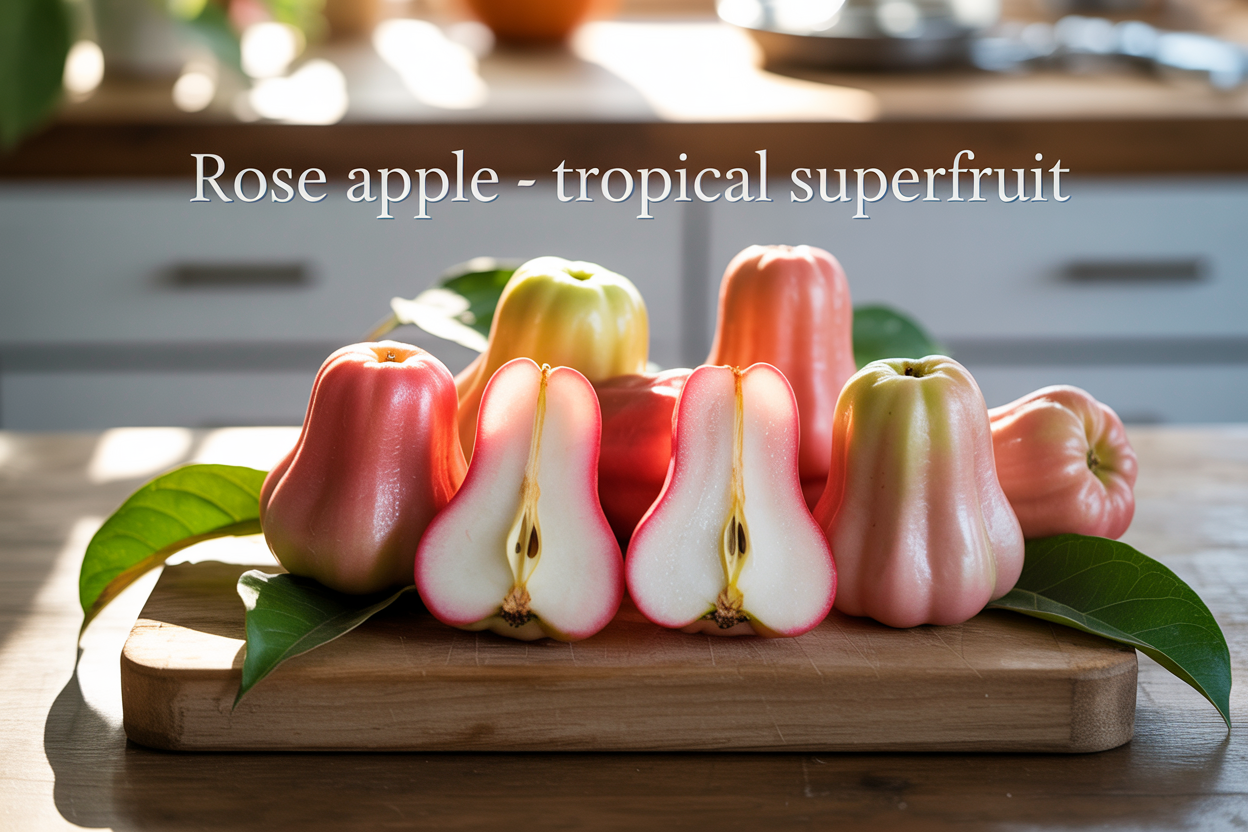
The rose apple fruit might sound familiar, but this tropical gem isn't your typical backyard apple. If you're curious about exotic fruits or looking to expand your culinary horizons, you've stumbled upon something special.
This comprehensive guide is perfect for adventurous food lovers, health-conscious individuals, and anyone who's ever wondered "what is rose apple" after spotting these bell-shaped beauties at an international market or specialty grocery store.
We'll dive deep into the rose apple's unique characteristics and origins, revealing why this Syzygium jambos stands apart from other tropical fruits. You'll discover the impressive rose apple benefits and nutrition profile that make it a powerhouse addition to any diet. Finally, we'll cover everything from rose apple taste and texture to practical tips on rose apple selection, rose apple storage, and how to eat rose apple in various rose apple recipes that will transform your kitchen adventures.
Ready to meet your new favorite tropical fruit? Let's explore what makes the rose apple so extraordinary.
Discover the Rose Apple's Unique Identity
Origins and botanical classification of this tropical treasure
The rose apple fruit belongs to the Myrtaceae family and carries the scientific name Syzygium jambos. This tropical gem originated in Southeast Asia, specifically the Malay Peninsula and surrounding regions. Over centuries, traders and explorers spread this delicious fruit across tropical zones worldwide, where it now thrives in countries like India, Sri Lanka, the Philippines, Thailand, and parts of Central and South America.
What makes the rose apple particularly interesting is its close relationship to other beloved tropical fruits. It shares the same family tree as guava, eucalyptus, and cloves, which explains some of its aromatic qualities. The tree itself is an evergreen that can reach impressive heights of 40 feet, producing glossy, lance-shaped leaves that release a pleasant fragrance when crushed.
The botanical classification places rose apple in a diverse genus containing over 1,200 species. Different varieties exist within the species, each adapted to specific regional climates and soil conditions. These variations have developed unique characteristics while maintaining the fruit's core identity.
Physical appearance that sets it apart from regular apples
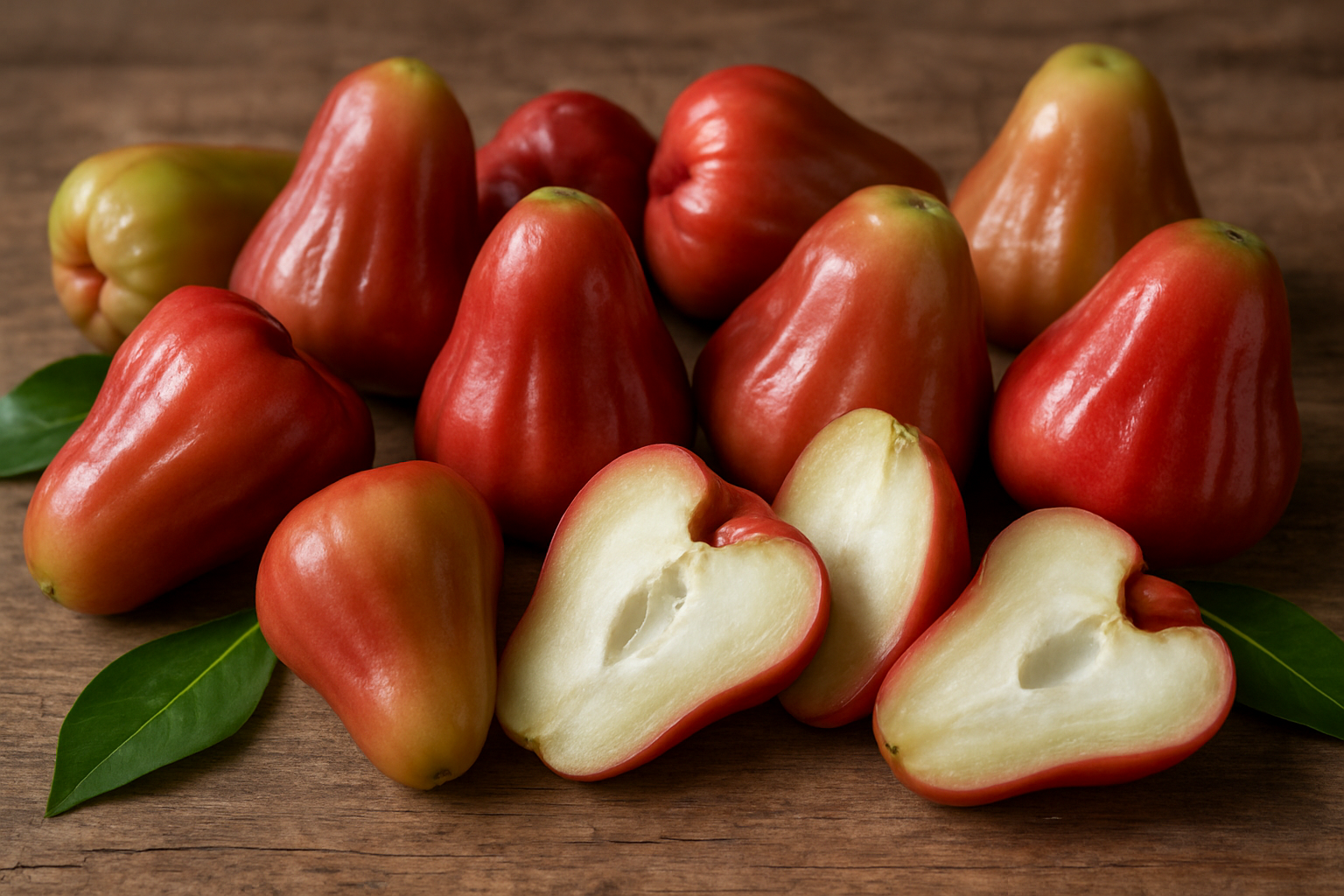
Despite its name, the rose apple fruit looks nothing like the familiar red or green apples we know. The rose apple showcases a distinctive bell or pear shape, typically measuring 2-4 inches in length. Its skin displays a waxy, smooth texture with colors ranging from pale green to creamy white, sometimes developing a subtle pink blush when fully ripe.
The most striking feature is the fruit's translucent, almost crystalline flesh that appears almost glass-like when cut open. Unlike regular apples with their dense, crisp texture, rose apples have a light, airy quality with high water content. The flesh surrounds a hollow center cavity, creating an interesting architectural structure that's unique among tropical fruits.
| Feature | Rose Apple | Regular Apple |
|---|---|---|
| Shape | Bell/pear-shaped | Round |
| Size | 2-4 inches long | 3-4 inches diameter |
| Skin texture | Waxy, smooth | Matte, sometimes waxy |
| Flesh | Translucent, hollow center | Dense, solid |
| Color | Pale green to white/pink | Red, green, yellow |
The rose apple's crown remains intact at the bottom, featuring four prominent sepals that create a decorative star pattern. This botanical feature adds to its visual appeal and helps distinguish it from other tropical fruits.
Common names and regional variations worldwide
The rose apple goes by numerous names across different cultures and regions, reflecting its widespread cultivation and local adaptations. In English-speaking countries, people call it rose apple, water apple, or bell fruit. The name "rose apple" comes from its subtle rose-like fragrance, particularly noticeable in the leaves and bark.
Regional names reveal fascinating cultural connections to this fruit. In Malaysia and Indonesia, locals know it as "jambu air" or "jambu mawar." Thai people call it "chom-phu," while in the Philippines, it's "macopa" or "tampoy." Indian regions have their own names - "gulab jamun" in some areas (not to be confused with the dessert), "pannerale" in Kannada, and "naval pazham" in Tamil.
Each region has developed slightly different varieties adapted to local growing conditions. The Malayan variety tends to be larger and more fragrant, while Philippine types often display more pronounced pink coloring. Indian cultivars have adapted to monsoon patterns, developing resistance to excess moisture.
Some regions have created unique cultivated varieties through selective breeding. The "Malabar plum" variety found in coastal India produces larger fruits with enhanced sweetness. Caribbean varieties, introduced during colonial times, have adapted to island climates and often show different ripening patterns compared to their Asian cousins.
These regional variations demonstrate the rose apple's remarkable adaptability and the creative ways different cultures have embraced and improved upon this tropical treasure.
Unlock the Nutritional Powerhouse Benefits
Essential vitamins and minerals for optimal health
Rose apple fruit delivers an impressive array of essential nutrients that your body craves for peak performance. This tropical gem packs a significant amount of vitamin C, providing nearly 30% of your daily requirement in just one serving. The vitamin C content in rose apple benefits your immune system while supporting collagen production for healthy skin and joints.
The fruit also contains meaningful amounts of vitamin A, which plays a crucial role in maintaining sharp vision and supporting cellular growth. B-complex vitamins, including thiamine and riboflavin, help convert food into energy and keep your nervous system functioning smoothly.
When it comes to minerals, rose apple nutrition shines with its calcium content, supporting strong bones and teeth. The fruit provides potassium, an electrolyte that helps regulate blood pressure and supports proper muscle function. Iron content in rose apples helps prevent anemia and supports oxygen transport throughout your body.
| Nutrient | Amount per 100g | Daily Value % |
|---|---|---|
| Vitamin C | 22mg | 24% |
| Calcium | 29mg | 3% |
| Potassium | 123mg | 3% |
| Iron | 0.07mg | 0.4% |
Low-calorie content perfect for weight management
If you're watching your waistline, rose apple fruit becomes your perfect snacking companion. With only about 25 calories per 100 grams, this refreshing fruit lets you satisfy sweet cravings without derailing your weight management goals.
The low-calorie nature of rose apple benefits dieters by providing volume and satisfaction without excessive energy intake. Unlike processed snacks that pack hundreds of calories into small portions, rose apples offer substantial eating satisfaction while keeping calorie counts minimal.
Water makes up roughly 93% of the fruit's composition, which means you get hydration along with nutrients. This high water content creates a feeling of fullness that naturally helps control portion sizes during meals. The natural sugars in rose apples provide quick energy without the crash associated with refined sugars.
Smart snackers often replace higher-calorie options with rose apples to create sustainable eating habits. The fruit's naturally sweet taste curbs dessert cravings while contributing virtually no impact on daily caloric intake.
Antioxidant properties that fight free radicals
Rose apple nutrition includes powerful antioxidant compounds that wage war against harmful free radicals in your body. These unstable molecules damage cells and contribute to premature aging, chronic diseases, and weakened immune function.
The fruit contains phenolic compounds, including flavonoids and tannins, which neutralize free radicals before they cause cellular damage. These antioxidants work particularly well in protecting cardiovascular health by preventing the oxidation of LDL cholesterol, a key factor in heart disease development.
Anthocyanins, responsible for the fruit's subtle pink coloring, provide additional antioxidant protection. Research shows these compounds support brain health and may help maintain cognitive function as you age. The vitamin C content doubles as an antioxidant, protecting your skin from UV damage and environmental pollutants.
Regular consumption of antioxidant-rich foods like rose apples helps reduce inflammation throughout your body. This anti-inflammatory effect supports joint health, reduces the risk of chronic diseases, and promotes faster recovery from physical stress.
Fiber content supporting digestive wellness
The fiber content in rose apple fruit promotes healthy digestion and supports your gut microbiome. Each serving provides both soluble and insoluble fiber, creating a dual approach to digestive health that keeps everything moving smoothly.
Soluble fiber in rose apples helps regulate blood sugar levels by slowing the absorption of sugars into your bloodstream. This prevents dangerous spikes and crashes that can lead to energy fluctuations and increased hunger. The same fiber also helps lower cholesterol levels by binding to cholesterol particles and removing them from your system.
Insoluble fiber adds bulk to your stool and promotes regular bowel movements, preventing constipation and supporting overall colon health. This type of fiber also feeds beneficial bacteria in your gut, promoting a healthy microbiome that supports immune function and nutrient absorption.
The gentle fiber content makes rose apples easy to digest, unlike some high-fiber foods that can cause digestive discomfort. This makes them an excellent choice for people with sensitive stomachs who still want to increase their fiber intake for better health.
Experience the Distinctive Taste and Texture
Sweet and refreshing flavor profile explained
The rose apple taste delivers a delightfully mild sweetness that distinguishes it from more intensely flavored tropical fruits. Unlike mangoes or pineapples that pack bold, assertive flavors, rose apple fruit offers a subtle, clean sweetness reminiscent of fresh rainwater with hints of apple and pear. The flavor profile sits somewhere between a crisp apple and a mild lychee, creating a refreshing experience that won't overwhelm your palate.
What makes rose apple particularly appealing is its balanced sugar content - sweet enough to satisfy without being cloying. The natural sugars develop gradually as you bite through the flesh, creating layers of gentle sweetness that build with each chew. Many describe the initial taste as neutral, almost bland, but this subtle beginning gives way to a pleasant, lingering sweetness that refreshes rather than saturates.
The fruit's mildness makes it incredibly versatile for different palates. Children often gravitate toward rose apple because it's not tart or acidic like citrus fruits, while adults appreciate its clean, uncomplicated flavor that serves as a perfect palate cleanser between courses or as a light snack.
Crisp, watery texture that surprises first-time tasters
The texture of rose apple fruit catches most people off guard on their first bite. Imagine biting into a perfectly ripe Asian pear crossed with a water chestnut - that's the closest comparison to rose apple's unique mouthfeel. The flesh delivers an incredibly satisfying crunch that releases a burst of refreshing juice, similar to biting into fresh cucumber or crisp iceberg lettuce.
This watery consistency comes from the fruit's high water content, typically around 90%, making each bite incredibly hydrating. The flesh doesn't have the dense, meaty texture of apples or the creamy consistency of tropical fruits like bananas. Instead, it offers a light, airy crispness that practically dissolves on your tongue while still providing that satisfying crunch.
The skin adds another textural element - thin, delicate, and completely edible, it provides a slight contrast to the juicy interior without any unpleasant chewiness. First-time tasters often comment on how the texture feels almost effervescent, as if the fruit contains tiny bubbles of juice waiting to burst.
| Texture Comparison | Rose Apple | Similar Fruits |
|---|---|---|
| Crispness Level | Very High | Water Chestnut, Asian Pear |
| Water Content | ~90% | Watermelon, Cucumber |
| Flesh Density | Light & Airy | Lychee, Grape |
Aromatic qualities that enhance the eating experience
The aromatic profile of what is rose apple becomes apparent before you even take your first bite. True to its name, rose apple releases a delicate floral fragrance reminiscent of rose petals mixed with fresh green apple scents. This subtle perfume isn't overpowering like durian or intensely tropical like passion fruit - instead, it whispers rather than shouts.
When you slice open a ripe rose apple, the aroma intensifies slightly, releasing notes that combine floral sweetness with crisp, clean scents. The fragrance has an almost cooling quality, similar to the smell of fresh rain on flowers or the gentle scent that rises from a well-tended garden after watering.
The aromatic experience continues as you eat, with the fragrance complementing the mild flavor perfectly. Your nose picks up these delicate rose-like notes while your taste buds register the gentle sweetness, creating a harmonious sensory experience. Many people find that the aroma actually enhances their perception of the fruit's flavor, making it taste sweeter and more complex than it might otherwise.
The scent also serves as an indicator of ripeness - fully mature rose apples emit a stronger, more pronounced floral aroma, while underripe fruits have little to no fragrance. This natural quality control system helps you select the best fruits for optimal rose apple taste and eating pleasure.
Master the Art of Selection and Storage
Visual cues for choosing perfectly ripe rose apples
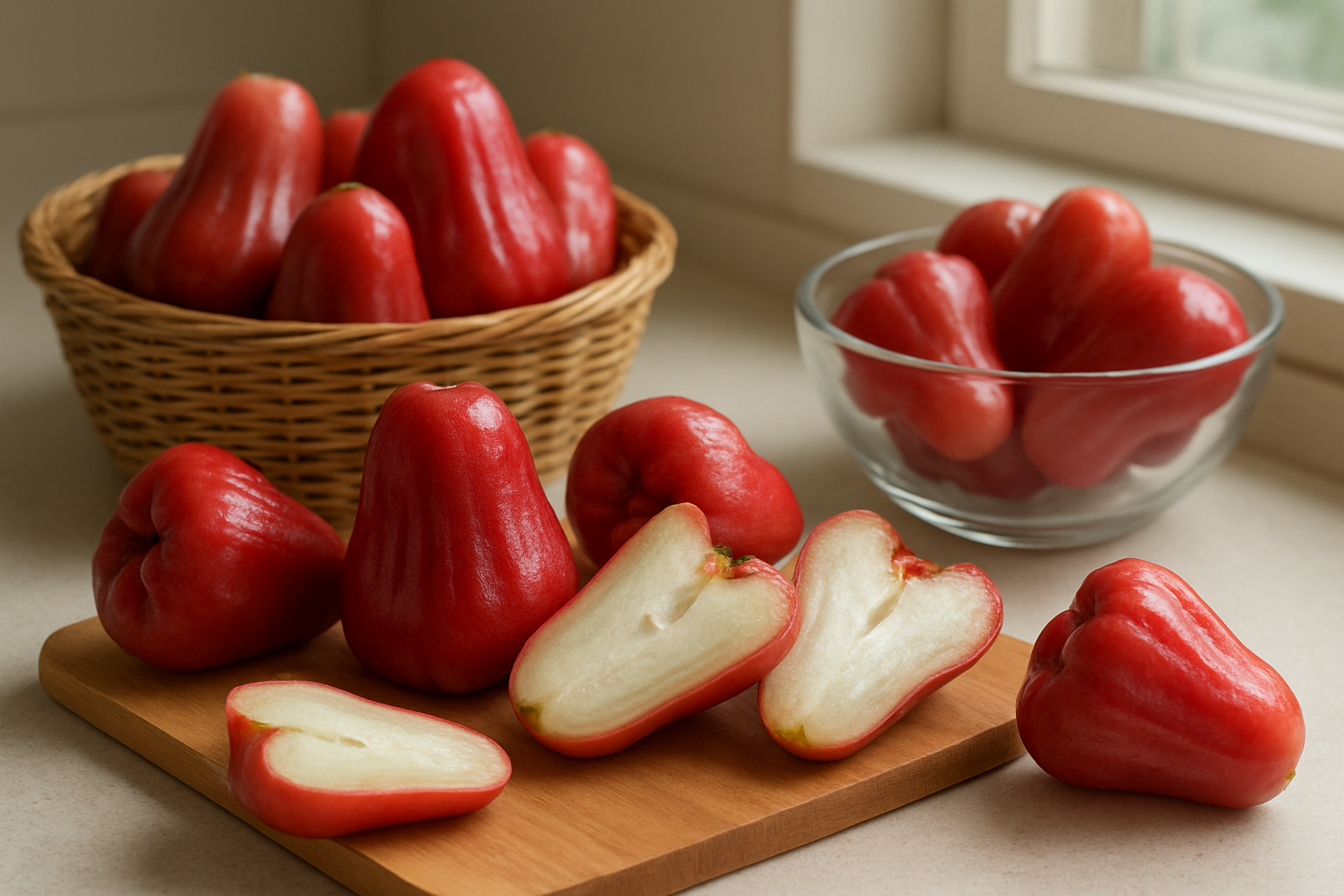
The secret to enjoying rose apple fruit lies in selecting specimens at their peak ripeness. Look for fruits with vibrant, uniform coloring - whether pale green, pink, or deep red depending on the variety. The skin should appear smooth and glossy, free from dark spots or blemishes that signal overripeness.
A perfectly ripe rose apple yields slightly to gentle pressure, similar to a ripe pear. Avoid fruits that feel rock-hard or overly soft and mushy. The stem end should smell fresh and fragrant - a strong, sweet aroma indicates optimal ripeness. If you notice any fermented or off-putting odors, pass on that fruit.
Size matters too. Choose medium to large rose apples that feel heavy for their size, indicating good water content and freshness. The skin should be taut without wrinkles or shriveling, which suggests the fruit has begun to dehydrate.
Proper storage techniques to maximize freshness
Rose apple storage requires careful attention to maintain their delicate nature. Store unripe fruits at room temperature for 2-3 days to allow natural ripening. Once ripe, immediately transfer them to the refrigerator's crisper drawer.
For optimal rose apple storage, wrap each fruit individually in paper towels to absorb excess moisture and prevent bruising. Place wrapped fruits in a perforated plastic bag to maintain humidity while allowing air circulation. Keep them away from ethylene-producing fruits like apples and bananas, which accelerate ripening and spoilage.
Never store rose apples in airtight containers, as trapped moisture leads to rapid deterioration. The ideal storage temperature ranges between 32-40°F (0-4°C) with relative humidity around 85-90%.
Shelf life expectations for optimal consumption
Fresh rose apples have a relatively short shelf life compared to other fruits. At room temperature, ripe fruits remain good for only 2-3 days before quality declines. Under proper refrigeration conditions, you can extend their freshness to 5-7 days maximum.
The key is consuming them as quickly as possible after reaching peak ripeness. Unlike some fruits that improve with storage, rose apples are best enjoyed immediately when ripe. Their high water content makes them particularly susceptible to rapid quality loss.
Plan your rose apple purchases accordingly - buy only what you'll consume within a week. If you find yourself with excess fruit, consider incorporating them into cooked preparations where texture changes are less noticeable.
Signs of spoilage to avoid
Recognizing spoilage signs helps prevent consuming deteriorated fruit and potential foodborne illness. Watch for soft, dark brown or black spots on the skin - these indicate bacterial or fungal growth. Any wrinkling or shriveling suggests dehydration and quality loss.
Discard rose apples with an alcoholic, fermented smell or any off-putting odors. The flesh should remain crisp and white; any browning or mushiness indicates spoilage. Mold growth appears as fuzzy patches, usually starting where the fruit was damaged.
Trust your senses - if a rose apple looks, smells, or feels wrong, don't risk eating it. Spoiled fruit can cause digestive upset and other health issues. When in doubt, choose fresh specimens that meet all quality indicators for the best rose apple experience.
Explore Culinary Applications and Preparation Methods
Simple ways to enjoy rose apples fresh
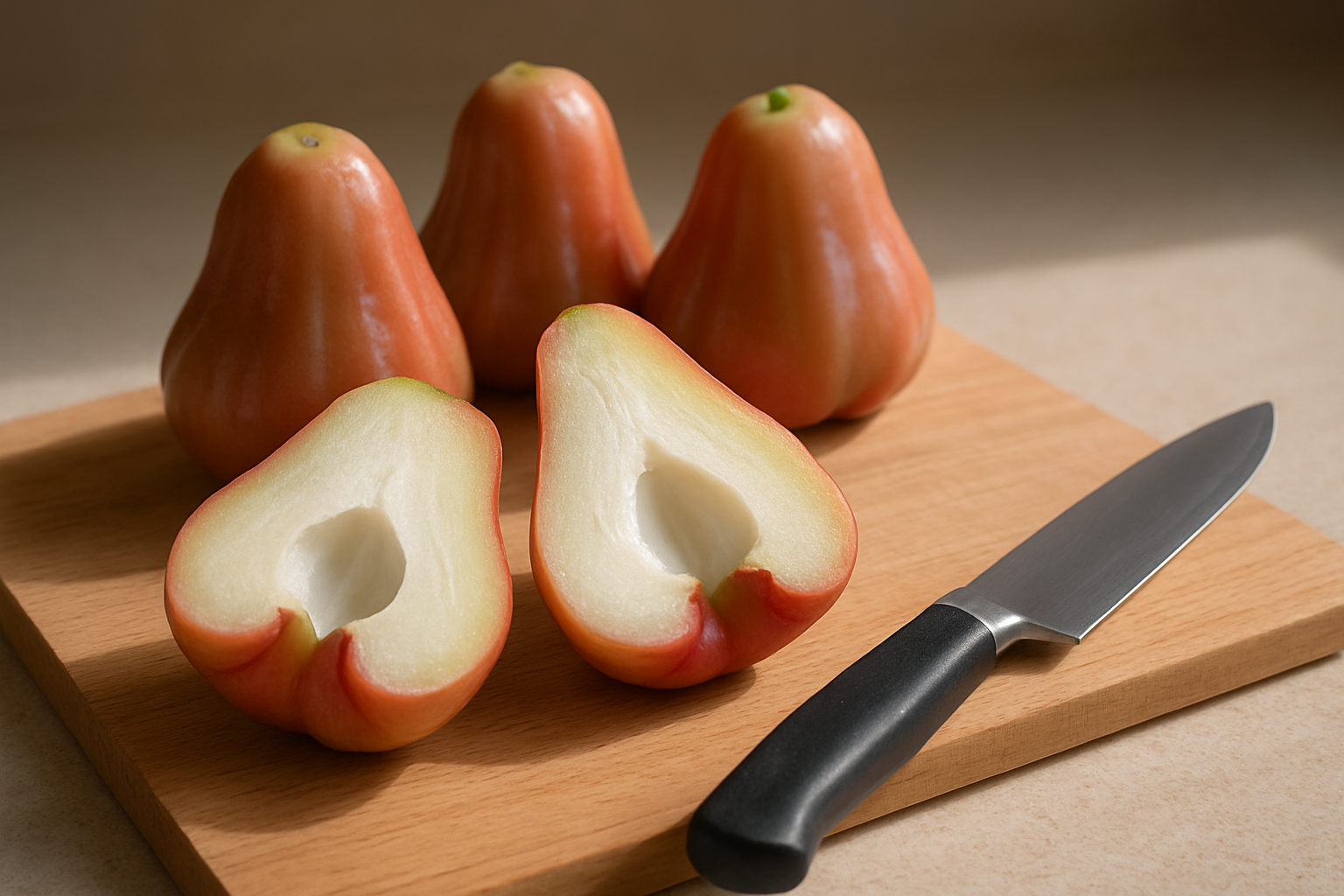
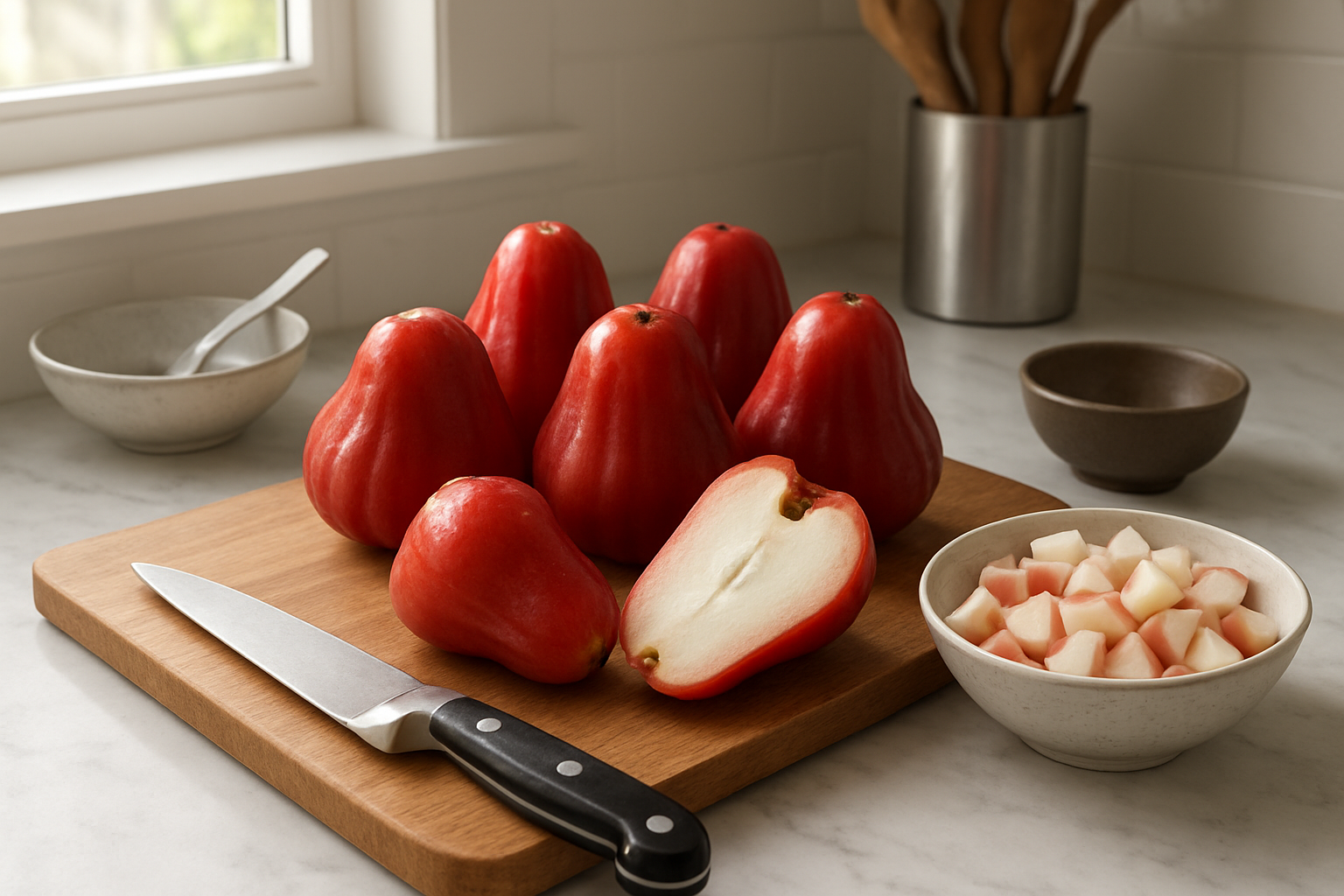
Rose apples shine brightest when eaten fresh, and the preparation couldn't be easier. Start by giving the fruit a gentle rinse under cool water to remove any surface dust. The entire fruit is edible, including the thin, waxy skin, so there's no need for peeling. Simply bite into it like you would an apple, or slice it into wedges for a more refined presentation.
Many people prefer to remove the small seeds from the center cavity before eating, though they're not harmful if accidentally consumed. Cut the rose apple fruit lengthwise and scoop out the seeds with a small spoon. The crisp, juicy flesh pairs beautifully with a sprinkle of salt and chili powder - a popular combination in Southeast Asian countries that brings out the fruit's subtle sweetness.
For a refreshing twist, chill rose apples in the refrigerator for a few hours before serving. The cold temperature enhances their crisp texture and makes them incredibly refreshing on hot days. Try slicing them thin and adding to fruit salads, or cube them for a tropical addition to yogurt parfaits.
Traditional cooking methods from native regions
In Southeast Asia and tropical regions where syzygium jambos grows naturally, traditional rose apple recipes have been passed down through generations. Thai cuisine features som tam-style salads where julienned rose apples are mixed with lime juice, fish sauce, palm sugar, and crushed chilies, creating a perfect balance of sweet, sour, and spicy flavors.
Malaysian and Indonesian cooks often incorporate rose apples into rujak - a traditional fruit salad that combines various fresh fruits with a tangy dressing made from palm sugar, tamarind, and chili paste. The rose apple's mild flavor absorbs these bold seasonings beautifully while maintaining its satisfying crunch.
In the Philippines, rose apples are frequently used in traditional preserves called minatamis. The fruit is simmered slowly with brown sugar and pandan leaves, creating a sweet, fragrant dessert that can be stored for weeks. This method transforms the delicate rose apple taste into something richer and more concentrated.
Some Caribbean traditions involve pickling young rose apples with scotch bonnet peppers and spices, creating a condiment that accompanies grilled meats and rice dishes. The fruit's natural pectin content makes it excellent for jams and jellies when combined with citrus juices.
Modern recipe adaptations for creative dishes
Contemporary chefs have embraced rose apples for their versatility and unique texture. The fruit works exceptionally well in smoothies and juices, where its mild sweetness complements stronger flavors like mango, pineapple, or passion fruit. Blend fresh rose apples with coconut milk and a touch of lime for a refreshing tropical drink.
How to eat rose apple in modern preparations includes incorporating them into savory dishes. Their crisp texture makes them perfect for slaws and grain salads. Try dicing them into quinoa salads with herbs and nuts, or use them as a fresh element in fish tacos alongside avocado and cilantro.
Rose apples also excel in dessert applications. Their low sugar content and high water content make them ideal for sorbets and granitas. Poach them gently in white wine with vanilla and star anise for an elegant dessert, or incorporate them into fruit tarts where their subtle flavor won't overpower other ingredients.
Grilling rose apples brings out unexpected flavors - the heat caramelizes their natural sugars while maintaining their signature crunch. Brush halved rose apples with honey and grill for 3-4 minutes per side, then serve with vanilla ice cream or alongside grilled pork or chicken.
For those interested in fermentation, rose apples can be transformed into refreshing kombuchas or even light wines, though their low sugar content requires additional sugars for proper fermentation.
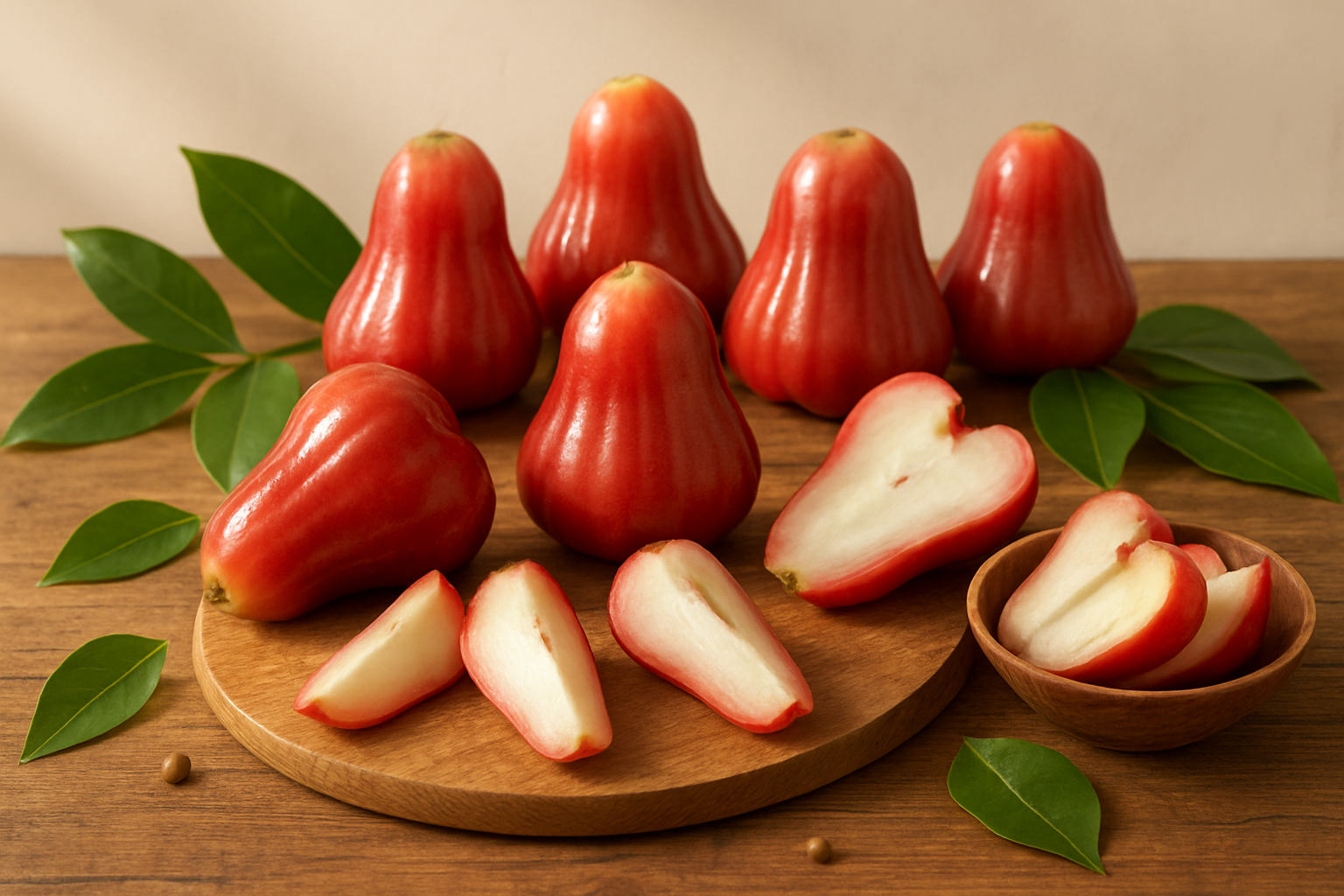
Rose apples offer a refreshing twist on tropical fruit experiences, combining subtle sweetness with a crisp, watery texture that sets them apart from their namesake. These bell-shaped gems pack impressive nutritional benefits while being surprisingly low in calories, making them a smart choice for anyone wanting to add variety to their diet. Their mild flavor and satisfying crunch make them perfect for both simple snacking and creative cooking adventures.
Ready to give rose apples a try? Look for fruits with bright, unblemished skin and a fresh aroma at your local Asian market or specialty grocery store. Keep them in the refrigerator for the best texture and flavor, and don't be afraid to experiment – whether you slice them into salads, blend them into smoothies, or enjoy them straight from your hand, these unique fruits are sure to become a delightful addition to your fruit rotation.


.png)
Comments
Post a Comment