Rowanberries - What Are Rowanberries?
.png)
Rowanberries - What Are Rowanberries?
Rowanberries are the bright orange-red fruits that grow on rowan trees, also known as mountain ash. These small, tart berries have been used for centuries in traditional cooking and folk medicine across Europe and North America.
This guide is perfect for foragers, home cooks, and anyone curious about these distinctive berries they've spotted in parks or woodlands. You'll learn how to properly identify rowanberries and distinguish them from potentially harmful look-alikes. We'll also explore their impressive nutritional profile and the many ways you can safely prepare and enjoy these versatile fruits in your kitchen.
From rowan berries identification tips to rowanberry recipes and essential safety guidelines, you'll get everything needed to confidently forage, cook with, and benefit from these remarkable wild fruits.
Identifying Rowanberries and Their Botanical Background
Scientific classification and family origins
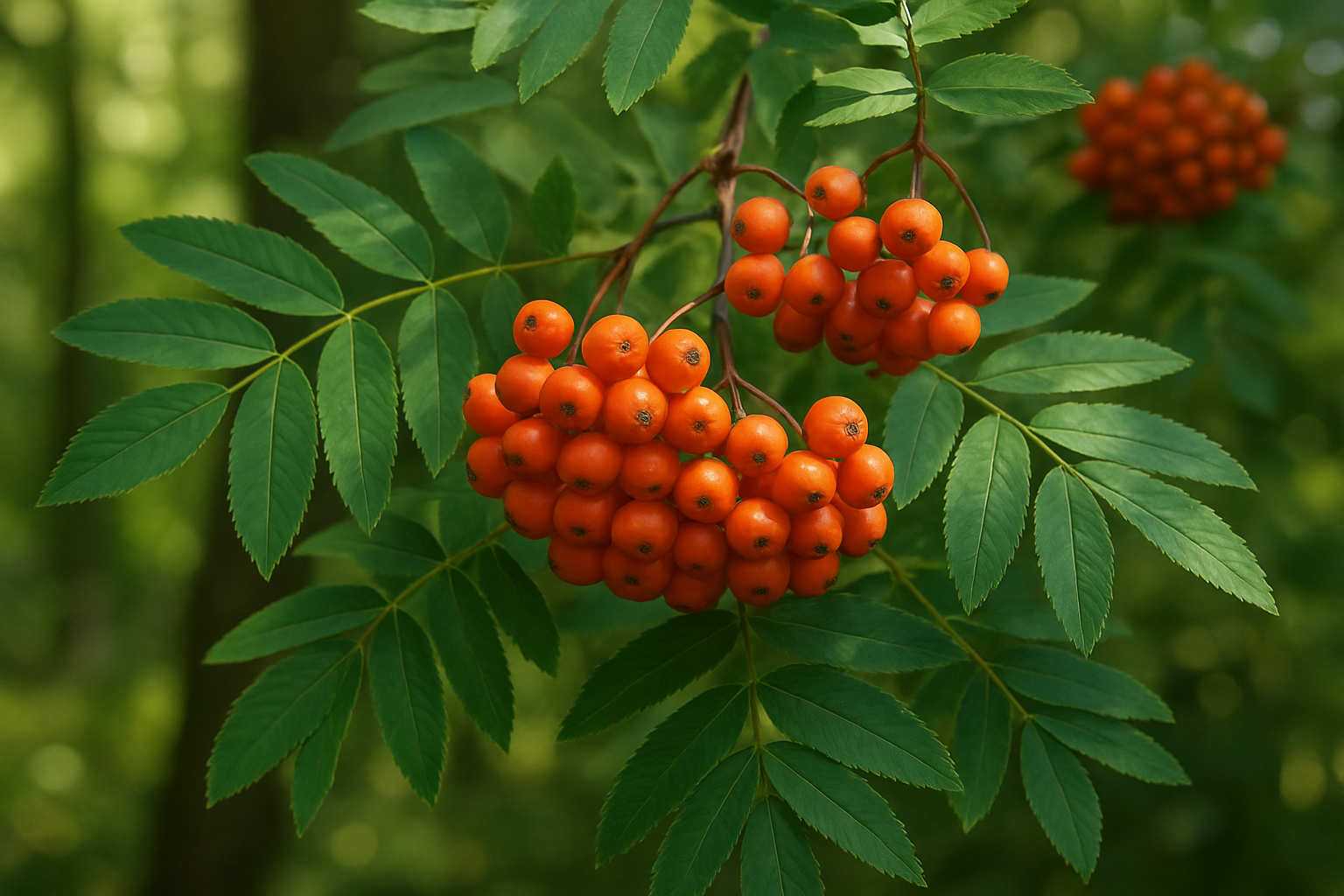
Rowanberries come from trees belonging to the genus Sorbus, which sits within the rose family (Rosaceae). The most common species is Sorbus aucuparia, though several other species produce similar berries. These trees share botanical relatives with apples, pears, and cherries, which explains some of their structural similarities.
The scientific classification breaks down as follows: Kingdom Plantae, Family Rosaceae, Subfamily Maloideae, and Genus Sorbus. Over 100 species exist within this genus, with many producing edible berries. The name "Sorbus" derives from Latin, meaning "to absorb," likely referring to the astringent properties of the fruit.
Physical characteristics that distinguish rowanberries
Rowanberries are small, round fruits measuring approximately 6-9mm in diameter. The most recognizable variety displays a brilliant orange-red color when ripe, though some species produce pink, yellow, or even white berries. They grow in dense, flat-topped clusters called corymbs, containing anywhere from 80 to 200 individual berries.
Each berry contains 2-8 small, brown seeds surrounded by firm flesh. The berries have a distinctive five-pointed crown (calyx) at the bottom, a remnant from the flower. When fresh, rowanberries feel firm and slightly waxy to the touch.
The trees themselves grow 15-50 feet tall with compound leaves featuring 9-15 serrated leaflets arranged in pairs along the stem. White, fragrant flowers appear in late spring before developing into the characteristic berry clusters by late summer.
Common names and regional variations
Rowanberries go by numerous names across different regions. "Mountain ash berries" is perhaps the most common alternative, despite these trees not being true ash trees. In Scotland and Ireland, they're often called "rowan berries" or simply "rowans."
Other regional names include:
-
Witch wiggin tree (Northern England)
-
Wicken tree (Scotland)
-
Quick beam (Various regions)
-
Service tree (Some European areas)
-
Dogberry (Historical usage)
Different species also carry specific names like European mountain ash (Sorbus aucuparia), American mountain ash (Sorbus americana), and showy mountain ash (Sorbus decora).
Natural habitat and growing conditions
Rowanberries thrive in mountainous and northern regions across Europe, Asia, and North America. They're incredibly hardy trees, tolerating harsh weather conditions, poor soils, and elevations up to 3,000 feet. You'll find them growing wild in moorlands, mountain slopes, woodland edges, and rocky areas.
These trees prefer acidic to neutral soils with good drainage but can adapt to various soil types. They handle cold temperatures exceptionally well, surviving in USDA hardiness zones 3-7. Rowanberries need full sun to partial shade for optimal growth and fruit production.
Wild populations often establish themselves in areas where birds have deposited seeds, as the berries are a crucial food source for many bird species. The trees also grow well in urban environments, making them popular choices for parks and city landscaping where their attractive berries and fall foliage provide seasonal interest.
Nutritional Profile and Health Benefits

Essential vitamins and minerals content
Rowanberries pack an impressive nutritional punch that often surprises people discovering these small, vibrant fruits. A 100-gram serving delivers substantial amounts of vitamin C, often containing 100-200mg, which exceeds the daily requirement for most adults. This vitamin C content rivals that of citrus fruits, making rowanberries an excellent choice for boosting your immune defenses.
The mineral profile includes notable amounts of potassium, which supports proper muscle and nerve function, and manganese, essential for bone development and metabolism. You'll also find decent levels of magnesium, iron, and calcium. The berries contain folate, a B-vitamin important for DNA synthesis and red blood cell formation.
| Nutrient | Amount per 100g | % Daily Value |
|---|---|---|
| Vitamin C | 100-200mg | 111-222% |
| Potassium | 250-300mg | 7-8% |
| Manganese | 0.8-1.2mg | 35-52% |
| Folate | 15-25mcg | 4-6% |
The berries also contain carotenoids, including beta-carotene, which your body converts to vitamin A for eye health and immune function.
Antioxidant properties and immune system support
Rowanberry health benefits stem largely from their exceptional antioxidant content. These compounds work like tiny shields, protecting your cells from damage caused by free radicals. The deep orange-red color comes from powerful antioxidants called anthocyanins and carotenoids.
Research shows rowanberries contain quercetin, a flavonoid with strong anti-inflammatory properties. This compound helps reduce oxidative stress throughout your body, potentially slowing cellular aging. The high concentration of phenolic compounds adds another layer of antioxidant protection.
Your immune system gets a significant boost from rowanberry nutrition facts, particularly the combination of vitamin C and antioxidants. This partnership helps your body produce more white blood cells while protecting existing immune cells from damage. Regular consumption may help you recover faster from minor illnesses and maintain better overall health.
The berries also contain compounds that support your body's natural detoxification processes, helping clear harmful substances more efficiently.
Digestive health benefits
Mountain ash berries have traditionally been used to support digestive wellness, and modern understanding reveals why they're so effective. The high fiber content promotes healthy bowel movements and feeds beneficial gut bacteria. This prebiotic effect helps maintain a balanced microbiome.
Rowanberries contain natural compounds that may help regulate stomach acid production and soothe digestive irritation. Some people find them helpful for occasional indigestion or mild stomach upset when prepared properly.
The pectin in these berries acts as a gentle bulk-forming agent, helping maintain regularity without causing cramping. This natural fiber also slows sugar absorption, preventing rapid blood glucose spikes after meals.
Traditional herbalists have long valued rowanberries for their mild astringent properties, which may help tone digestive tissues and reduce inflammation in the gut lining.
Potential cardiovascular advantages
Early research suggests rowanberries might offer heart-healthy benefits through several mechanisms. The potassium content supports healthy blood pressure by helping balance sodium levels in your body. When your electrolyte balance improves, your cardiovascular system works more efficiently.
The antioxidants in rowanberries may help protect your blood vessels from oxidative damage, which contributes to arterial aging and stiffness. Quercetin specifically shows promise for supporting healthy circulation and reducing inflammation in blood vessel walls.
Some studies indicate that compounds in mountain ash berries might help maintain healthy cholesterol levels by reducing the oxidation of LDL cholesterol. This oxidation process contributes to arterial plaque formation, so preventing it could support long-term heart health.
The fiber content also plays a role in cardiovascular wellness by helping remove excess cholesterol from your digestive system before your body can absorb it. While more research is needed, these initial findings suggest rowanberries could be a valuable addition to a heart-healthy diet.
Culinary Uses and Preparation Methods
Traditional cooking applications across cultures
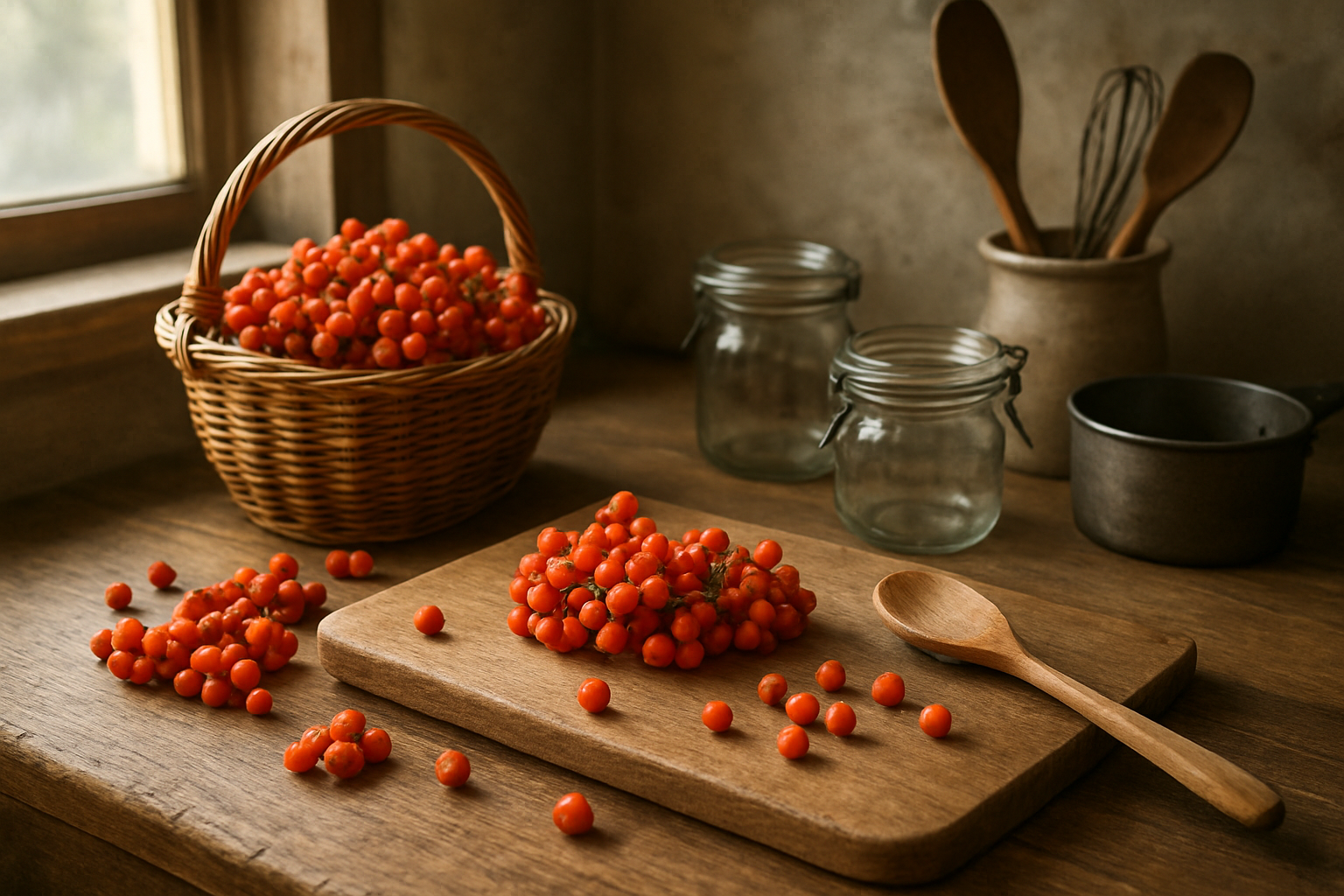
Rowanberries have been a staple in European and Northern Asian cuisines for centuries, where home cooks learned to transform these tart berries into delicious preserves and accompaniments. Scottish Highland communities traditionally paired rowanberry jelly with venison and lamb, creating a sweet-tart balance that enhanced rich game meats. The berries' natural pectin content made them perfect for jam-making without added thickeners.
Scandinavian countries embraced rowanberries in both sweet and savory applications. Norwegian kitchens commonly featured rowanberry sauce alongside roasted pork, while Swedish bakers incorporated the berries into traditional fruit soups and desserts. Finnish cuisine celebrated these mountain ash berries in liqueurs and schnapps, where the fruit's astringent qualities mellowed beautifully through fermentation.
Eastern European traditions showcase rowanberries in hearty stews and meat dishes, where cooks understood that the berries' bitter compounds needed proper cooking to become palatable. Russian households prepared rowanberry preserves as winter vitamin sources, recognizing their nutritional value long before modern science confirmed their benefits.
Proper harvesting and preparation techniques
Timing matters when foraging rowanberries. Wait until after the first frost, which naturally reduces their bitter compounds and makes them more palatable. The berries should display deep orange-red coloration and feel firm to the touch. Harvest whole clusters rather than individual berries to save time and avoid damaging the tree.
Before cooking, remove berries from stems and wash thoroughly. Raw rowanberries contain bitter tannins and trace amounts of parasorbic acid, so proper preparation involves cooking or freezing to break down these compounds. A simple blanching process works well - drop cleaned berries into boiling water for 2-3 minutes, then strain.
For those planning to use rowanberries in recipes, freezing the fresh berries overnight naturally reduces bitterness and mimics the frost effect. This technique makes them suitable for immediate cooking without waiting for seasonal frost conditions.
Always cook rowanberries before eating. Raw consumption can cause stomach upset due to their natural compounds. Proper cooking transforms these potentially irritating substances into harmless derivatives while preserving the berries' nutritional benefits.
Popular recipes and modern adaptations
Rowanberry jelly remains the most popular preparation method, combining equal parts berries and sugar with lemon juice for natural pectin activation. Modern home cooks often add apple pieces to boost pectin content and balance the tartness. This versatile preserve pairs excellently with cheese boards and roasted meats.
Contemporary chefs have discovered rowanberries' potential in craft cocktails and artisanal spirits. Small-batch distilleries create unique rowanberry brandies and flavored vodkas, while mixologists incorporate rowanberry syrups into seasonal cocktail menus. The berries' complex flavor profile adds sophistication to autumn-themed drinks.
Baking applications include rowanberry muffins, where the cooked berries add bursts of tangy sweetness similar to cranberries. Some bakers substitute rowanberries for other tart fruits in scone recipes, creating unique breakfast treats with distinctive flavor profiles.
Modern preservation techniques extend beyond traditional jams. Food enthusiasts create rowanberry vinegars for salad dressings and marinades, while others dehydrate the cooked berries for trail mixes and granola additions. These adaptations make how to eat rowanberries more accessible to contemporary palates while honoring traditional preparation wisdom.
Safety Considerations and Potential Risks
Raw consumption warnings and toxicity levels
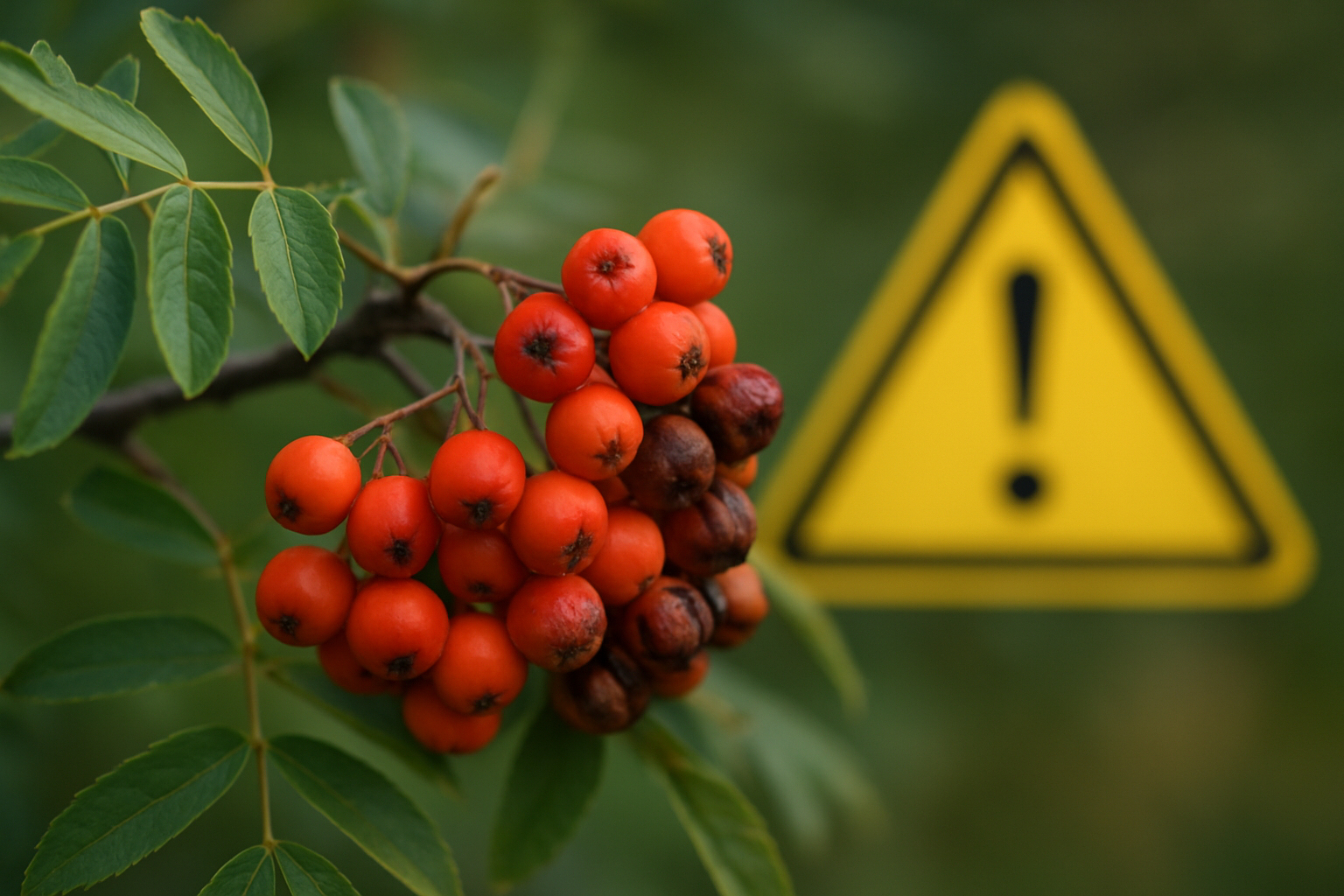
Rowanberries contain parasorbic acid, a compound that makes them bitter and potentially harmful when eaten raw. This natural defense mechanism protects the berries from being consumed before their seeds are fully mature. Fresh, unprocessed rowanberries can cause stomach upset, nausea, and digestive discomfort in most people.
The toxicity level isn't life-threatening for healthy adults in small quantities, but the bitter taste and astringent properties make raw consumption extremely unpleasant. Children and individuals with sensitive digestive systems may experience more severe reactions, including vomiting and diarrhea.
The parasorbic acid content varies between different rowan species and even individual trees. Mountain ash berries from some varieties contain higher concentrations than others, making identification of the specific species important for safety.
Proper processing methods for safe consumption
Heat treatment transforms parasorbic acid into harmless sorbic acid, making rowanberries safe and palatable. Cooking, whether through boiling, baking, or steaming, effectively neutralizes the problematic compounds while preserving the berries' nutritional benefits.
The most reliable processing methods include:
-
Boiling: Cook berries for at least 10-15 minutes in water
-
Roasting: Bake at 350°F for 20-30 minutes until softened
-
Steaming: Steam for 15-20 minutes until tender
-
Freezing: Some foragers believe freezing reduces bitterness, though cooking remains essential
Traditional preservation methods like making jams, jellies, and preserves naturally involve sufficient heat treatment. The added sugars and acids in these preparations also help mask any remaining astringency while creating delicious products.
Groups who should avoid rowanberries
Pregnant and breastfeeding women should avoid rowanberries due to limited research on their safety during these periods. The compounds in rowan berries could potentially affect pregnancy or pass through breast milk to infants.
Individuals with kidney stones or a history of kidney problems should exercise caution, as rowanberries contain oxalates that could contribute to stone formation. People taking blood-thinning medications should consult healthcare providers before consuming rowanberry products, as the berries may have mild anticoagulant properties.
Children under five years old should avoid rowanberries entirely, as their developing digestive systems are more sensitive to the natural compounds present even after proper processing.
Those with known allergies to related fruits in the Rosaceae family, such as apples, pears, or other stone fruits, should approach rowanberries cautiously and consider allergy testing before consumption.
Signs of adverse reactions
Digestive symptoms are the most common adverse reactions to rowanberry consumption. These include stomach cramping, nausea, vomiting, and diarrhea, typically occurring within 30 minutes to two hours after eating improperly processed berries.
Allergic reactions may present as skin rashes, hives, or itching around the mouth and throat. More severe allergic responses could include difficulty breathing, swelling of the face or throat, and rapid pulse - these symptoms require immediate medical attention.
Watch for signs of oxalate sensitivity, including kidney pain, changes in urination patterns, or the development of kidney stones in susceptible individuals. Some people report headaches or dizziness after consuming large quantities of rowanberry products.
If any concerning symptoms develop after eating rowanberries, discontinue use immediately and seek medical advice. Most mild digestive upset resolves within 24 hours, but persistent or severe symptoms warrant professional evaluation.
Cultivation and Foraging Guidelines
Growing rowan trees in home gardens
Growing rowan trees in your backyard gives you a reliable source of fresh rowanberries while adding stunning seasonal beauty to your landscape. These hardy trees thrive in USDA zones 3-7 and prefer well-draining soil with a slightly acidic to neutral pH between 5.5-7.0. Mountain ash berries, as they're also known, grow best in full sun to partial shade locations.
When selecting a planting site, choose an area with good air circulation to prevent fungal diseases. Rowan trees typically reach 20-40 feet in height, so plan for adequate spacing from buildings and other trees. Plant young trees in spring or fall, digging holes twice as wide as the root ball but no deeper than the container.
Water newly planted trees regularly during their first year, then reduce frequency as they establish. These trees are relatively low-maintenance once mature, requiring minimal fertilization. An annual application of balanced fertilizer in early spring supports healthy growth and berry production.
Rowan trees begin producing berries around 4-8 years of age. Regular pruning in late winter helps maintain shape and removes dead or crossing branches. Watch for common pests like aphids and borers, though rowan trees are generally quite resilient.
Sustainable foraging practices and identification tips
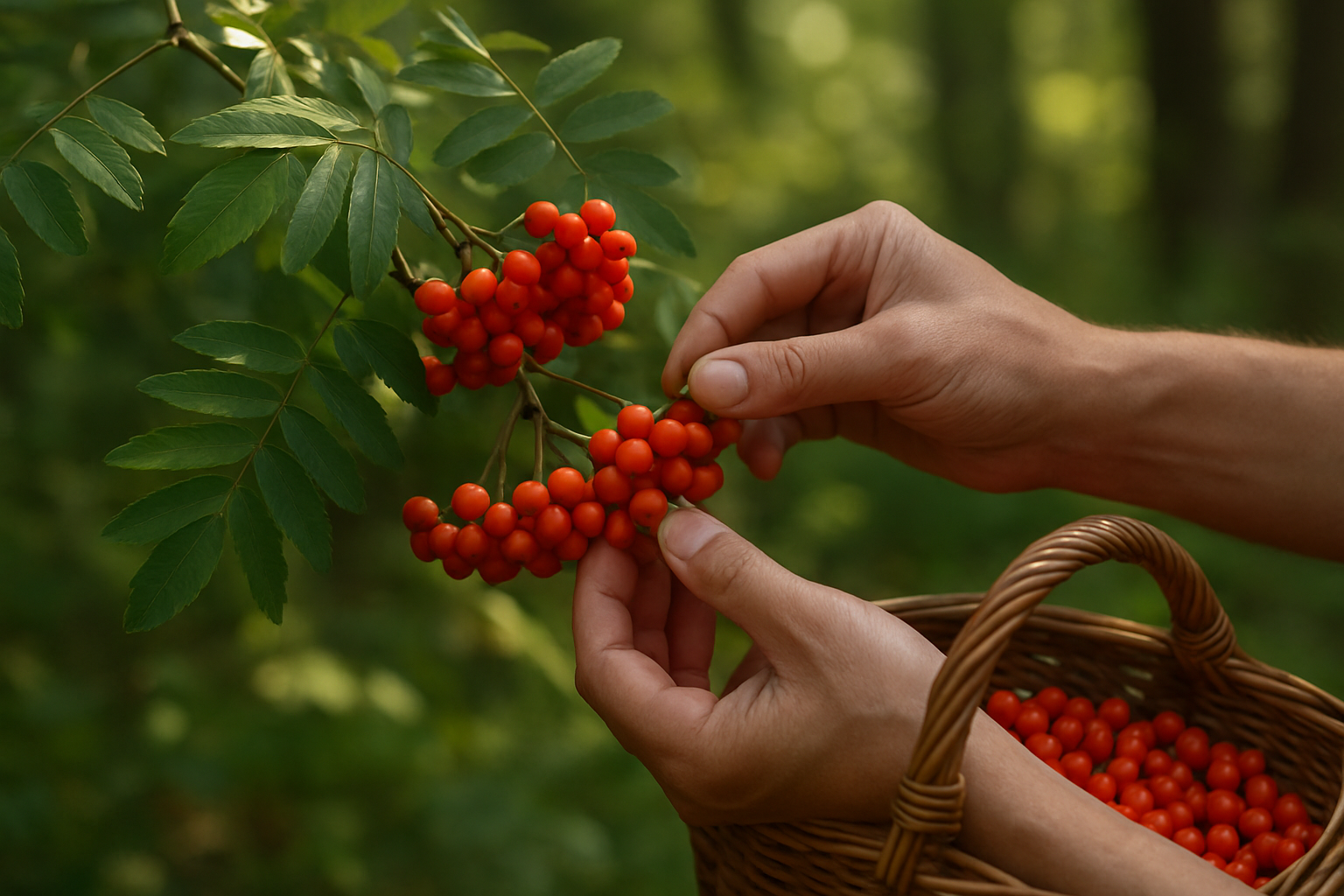
Successful rowanberry foraging starts with proper identification and responsible harvesting practices. Rowan berries grow in dense, flat-topped clusters called corymbs, typically containing 80-100 small, round berries. These bright orange-red fruits appear on mountain ash trees (Sorbus species) from late summer through early fall.
Key identification features include compound leaves with 9-15 serrated leaflets arranged in pairs along the stem, plus one terminal leaflet. The bark appears smooth and gray on younger trees, developing shallow ridges with age. White, five-petaled flowers bloom in spring before developing into berry clusters.
Before foraging, always obtain permission from landowners and check local regulations. Many parks and nature preserves prohibit plant collection. Practice the "one-third rule" – never harvest more than one-third of available berries from any single tree. This ensures wildlife has adequate food sources and allows trees to regenerate.
Avoid trees near roads, industrial areas, or places where pesticides might be used. Look for healthy trees with vibrant foliage and plump, unblemished berries. Bring pruning shears rather than breaking branches, which can damage trees. Leave smaller trees untouched to allow them time to mature and establish strong root systems.
Best harvesting times and storage methods
Peak rowanberry harvesting time occurs from late August through October, depending on your location and local climate conditions. The best indicator of ripeness is color – ripe berries display bright orange-red hues and feel firm to the touch. Wait until after the first light frost for optimal flavor, as cold temperatures help reduce the berries' natural bitterness.
Early morning harvesting provides the best results when berries are cool and firm. Avoid collecting during or immediately after rain, as wet berries spoil more quickly. Cut entire clusters rather than picking individual berries, which saves time and reduces damage to the tree.
Fresh rowanberries last 3-5 days in the refrigerator when stored in perforated bags or shallow containers. For longer storage, freezing works excellently – simply wash, dry, and freeze whole clusters in freezer bags for up to 12 months. Frozen berries work perfectly for jams, jellies, and cooked preparations.
Dehydrating offers another preservation method. Remove berries from stems, wash thoroughly, and dry at 135°F for 8-12 hours until leathery. Properly dried rowanberries keep for 6-12 months in airtight containers. Some foragers prefer processing berries immediately into preserves, as fresh berries provide the best flavor and texture for cooking applications.
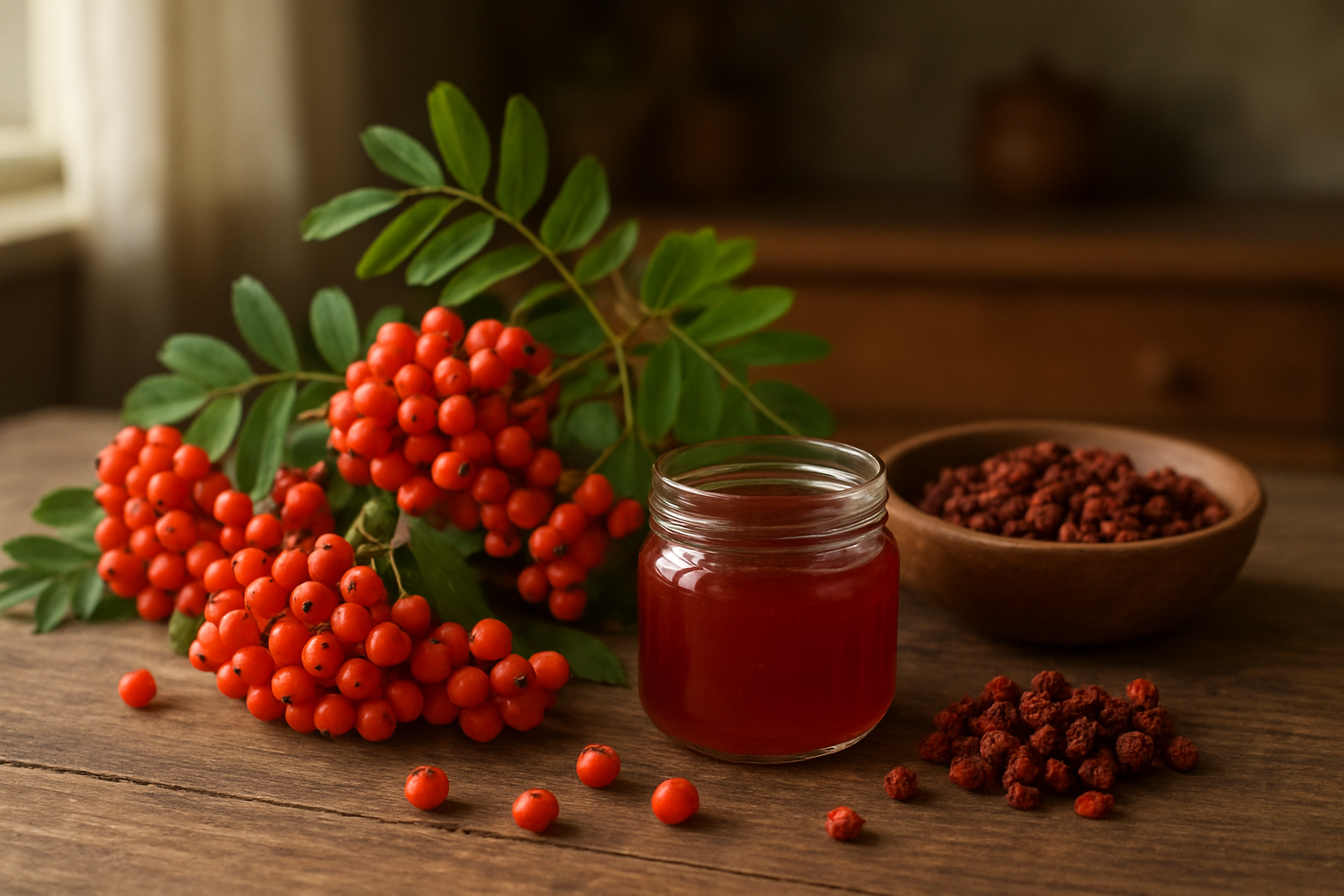
Rowanberries pack quite a punch when it comes to nutrition and versatility. These bright orange-red berries offer impressive amounts of vitamin C, antioxidants, and fiber while adding unique tart flavors to jams, jellies, and traditional recipes. Their distinctive clusters and serrated leaves make them relatively easy to spot, but proper identification remains crucial since raw berries can cause digestive upset and should always be cooked before eating.
If you're thinking about growing rowan trees in your garden or trying your hand at foraging, start by learning to identify them correctly and understanding local regulations. The trees are generally low-maintenance and can thrive in various climates, making them a great addition to edible landscapes. Just remember to always cook the berries thoroughly and start with small amounts to see how your body reacts. With proper preparation, rowanberries can become a delicious and nutritious addition to your seasonal cooking repertoire.


.png)
Comments
Post a Comment