Uchuva - What's the Uchuva (Goldenberry) Fruit?
.png)
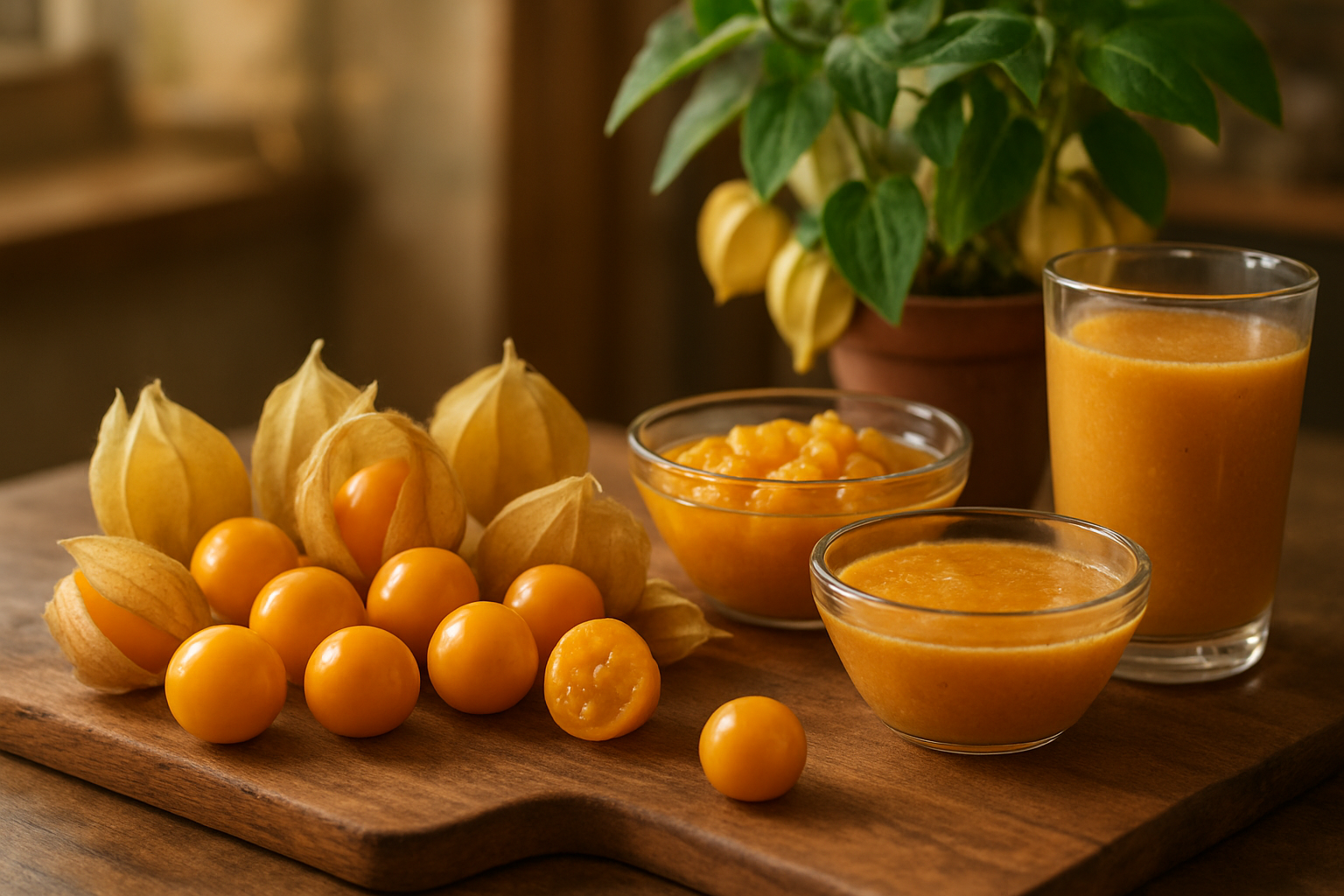
Ever heard of uchuva fruit? This small, golden treasure wrapped in a papery husk goes by many names – goldenberry, cape gooseberry, or its scientific name physalis peruviana. If you're curious about exotic fruits, health-conscious about adding superfoods to your diet, or passionate about home gardening, uchuva might just become your new favorite discovery.
This tangy-sweet fruit packs a serious nutritional punch and offers amazing versatility in the kitchen. We'll explore the impressive uchuva health benefits that make nutritionists rave about this little powerhouse, plus share practical tips for selecting the best golden berries and keeping them fresh longer. You'll also discover how easy it can be to grow your own uchuva plants at home, giving you a steady supply of these delicious fruits right from your garden.
Discover the Golden Treasure of Uchuva Fruit
Uncover the exotic origins of this Peruvian superfruit
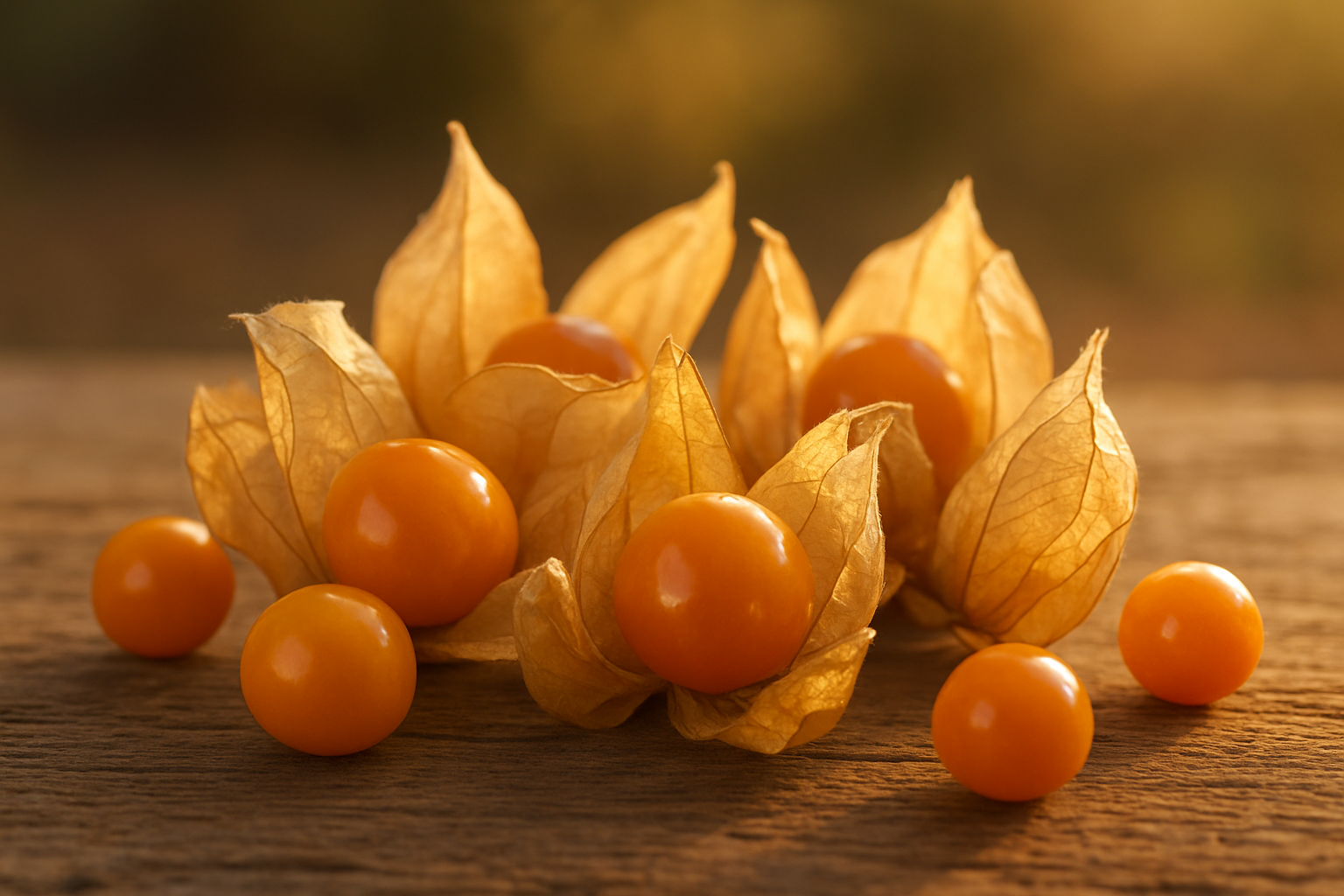
The uchuva fruit, also known as goldenberry or physalis peruviana, traces its roots back to the ancient civilizations of South America. This remarkable fruit originated in the high Andes mountains of Peru and Colombia, where indigenous peoples have cherished it for thousands of years. The name "uchuva" comes from the Quechua word meaning "little lantern," a perfect description for how these golden orbs look wrapped in their papery husks.
Spanish conquistadors discovered this treasure during their explorations in the 16th century and eventually spread it throughout their empire. From South America, the cape gooseberry (another common name) traveled to South Africa's Cape of Good Hope, where it earned its "cape" designation. Today, uchuva grows in temperate climates worldwide, from New Zealand to Kenya, though Peru remains the largest commercial producer.
The fruit belongs to the nightshade family, making it a cousin to tomatoes and tomatillos. What sets uchuva apart is its incredible adaptability - it thrives at altitudes ranging from sea level to over 9,000 feet. This hardy nature, combined with its exceptional nutritional profile, has made it increasingly popular in international markets as consumers seek out exotic superfruits with authentic origins and remarkable health benefits.
Learn why uchuva is nature's perfect golden package
Nature designed the uchuva fruit as a masterpiece of nutritional engineering wrapped in an attractive golden sphere. Each berry contains an impressive concentration of vitamins, minerals, and antioxidants that rival many well-known superfruits. The vibrant orange-yellow color signals high levels of beta-carotene, which your body converts to vitamin A for healthy vision and immune function.
What makes uchuva truly special is its balanced nutritional profile. These small powerhouses pack significant amounts of vitamin C - even more than oranges per serving. They're loaded with vitamin K for bone health, B-vitamins for energy metabolism, and essential minerals like phosphorus and iron. The golden berry nutrition extends beyond vitamins to include powerful antioxidants such as withanolides, which have anti-inflammatory properties.
The fruit's natural packaging protects these nutrients remarkably well. Unlike many berries that lose nutritional value quickly after harvest, uchuva maintains its potency for weeks when stored properly in its husk. This natural preservation system means you get maximum uchuva health benefits whether you eat them fresh, dried, or processed into jams and sauces.
Each berry weighs just 4-5 grams but delivers a concentrated dose of nutrition that supports everything from immune function to skin health, making it truly nature's perfect golden package.
Explore the unique papery husk that protects this nutritional gem
The most distinctive feature of the physalis peruviana isn't the fruit itself but the delicate, papery husk that encases each golden berry. This lantern-like covering, called a calyx, forms naturally as the flower develops and serves as nature's own protective packaging system. The husk starts green and gradually turns tan or beige as the fruit ripens inside, creating an elegant natural wrapper that's both functional and beautiful.
This papery shell serves multiple crucial purposes. First, it acts as a barrier against pests and diseases, reducing the need for chemical treatments during cultivation. The husk also regulates moisture levels, preventing the fruit from drying out while allowing proper air circulation. This natural ventilation system helps prevent mold and extends shelf life significantly compared to other soft fruits.
The protective qualities of the husk make uchuva ideal for organic farming and sustainable agriculture. When left intact, the husk allows the fruit to ripen gradually and maintain its nutritional integrity. You can actually hear the berry rattling inside when it's fully ripe - a natural indicator that tells you when it's ready to eat.
Removing the husk reveals the glossy, amber-colored fruit inside, but many people enjoy eating uchuva with the husk partially peeled back, using it as a natural handle. The contrast between the rustic, papery exterior and the jewel-like fruit inside makes uchuva as visually appealing as it is nutritious.
Unlock the Incredible Health Benefits of Goldenberries
Boost your immune system with vitamin C powerhouse properties
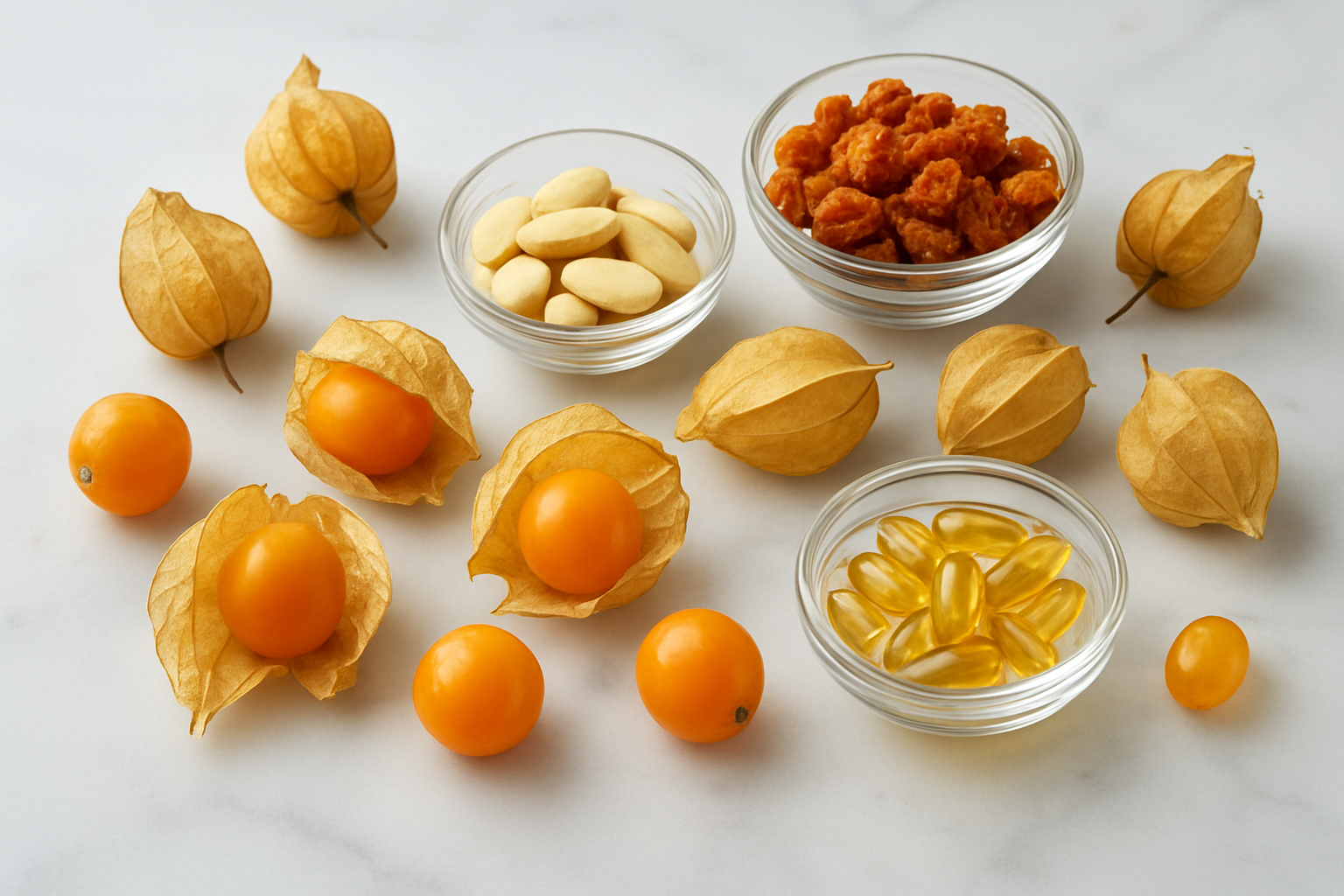
Goldenberries pack an impressive vitamin C punch that puts many citrus fruits to shame. A single serving of uchuva fruit delivers nearly 20% of your daily vitamin C needs, making it a stellar choice for keeping your immune system running strong. This essential nutrient acts as your body's natural defense mechanism, helping white blood cells function properly and speeding up recovery when you're feeling under the weather.
What makes goldenberry vitamin C special is how well your body absorbs it compared to synthetic supplements. The natural compounds in physalis peruviana work together to maximize absorption, giving you more bang for your nutritional buck. Regular consumption of these golden gems can help reduce the duration of common colds and keep seasonal illnesses at bay.
Protect your vision with antioxidant-rich carotenoids
Your eyes will thank you for adding uchuva fruit to your diet. These bright orange berries contain powerful carotenoids like beta-carotene, lutein, and zeaxanthin - compounds that specifically target eye health. These antioxidants accumulate in your retina, creating a natural shield against harmful blue light and oxidative damage.
Research shows that people who regularly consume carotenoid-rich foods like goldenberries have lower rates of age-related macular degeneration and cataracts. The beta-carotene converts to vitamin A in your body, which is crucial for maintaining healthy vision, especially in low-light conditions. Just a handful of cape gooseberries daily can contribute significantly to your eye protection routine.
Support heart health through natural anti-inflammatory compounds
Goldenberries contain unique compounds called withanolides that work as natural anti-inflammatory agents in your cardiovascular system. These bioactive substances help reduce inflammation in blood vessels, potentially lowering your risk of heart disease and stroke. The potassium content in uchuva fruit also supports healthy blood pressure levels by helping your body balance sodium.
The fiber and antioxidants in physalis peruviana work together to support healthy cholesterol levels. Regular consumption may help reduce LDL (bad) cholesterol while maintaining or even boosting HDL (good) cholesterol. This dual action creates a protective effect for your entire cardiovascular system.
Enhance digestion with fiber-packed goodness
Each serving of goldenberries provides about 4 grams of dietary fiber, making them excellent for digestive health. This fiber content helps maintain regular bowel movements and feeds beneficial gut bacteria that keep your digestive system balanced. The natural enzymes present in uchuva fruit also aid in breaking down proteins and fats more efficiently.
The pectin fiber found in cape gooseberries acts as a prebiotic, encouraging the growth of healthy bacteria in your gut microbiome. This improved bacterial balance can enhance nutrient absorption, boost immune function, and even influence mood through the gut-brain connection.
Master the Art of Selecting and Storing Fresh Uchuva
Identify Perfectly Ripe Goldenberries for Maximum Flavor
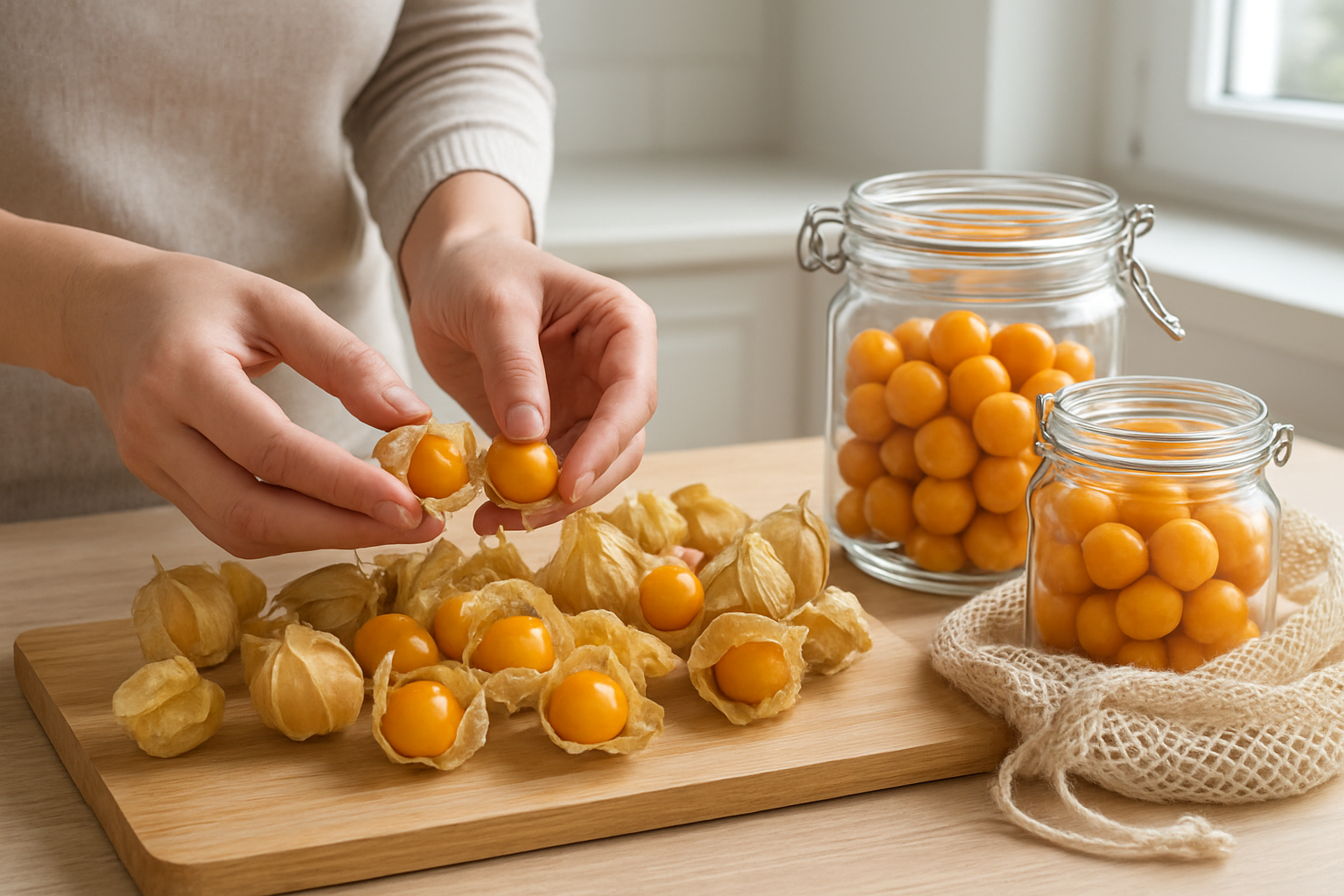
Picking the perfect uchuva fruit starts with understanding what to look for. Ripe goldenberries should feel firm yet slightly yielding when gently pressed, similar to a ripe grape. The papery husk, called a calyx, transforms from bright green to a pale beige or light brown color when the fruit reaches peak ripeness.
Look for goldenberries with vibrant orange-yellow skin that appears translucent and glossy. Avoid fruits that look dull, wrinkled, or have dark spots, as these indicate overripeness. The husk should be dry and crispy, easily peeling back to reveal the golden orb inside. Fresh uchuva fruit emits a sweet, tropical aroma when ripe – if you can't detect any scent, the berries likely need more time to develop their full flavor profile.
Size matters too. Premium goldenberries measure about the size of a cherry tomato, roughly ½ to ¾ inch in diameter. Smaller fruits often lack the concentrated sweetness that makes physalis peruviana so special. When shopping, gently shake the container – ripe berries should move freely within their husks rather than sticking together.
Extend Shelf Life with Proper Storage Techniques
Proper storage can double or even triple the lifespan of your goldenberry harvest. Keep uchuva fruit in their natural husks until ready to eat – this papery covering acts as nature's perfect packaging, protecting the delicate fruit from moisture loss and contamination.
Store unhusked goldenberries in a breathable container or paper bag in your refrigerator's crisper drawer. Plastic bags trap moisture and accelerate spoilage, so avoid them completely. At refrigerator temperatures (32-40°F), properly stored cape gooseberry can maintain quality for 2-3 weeks.
For room temperature storage, place goldenberries in a shallow basket or tray, ensuring good air circulation around each fruit. They'll stay fresh for 5-7 days this way, perfect for gradual ripening if you bought slightly underripe berries.
| Storage Method | Temperature | Expected Shelf Life | Best For |
|---|---|---|---|
| Refrigerated (in husk) | 32-40°F | 2-3 weeks | Long-term storage |
| Room temperature | 65-75°F | 5-7 days | Ripening process |
| Frozen (husked) | 0°F | 6-8 months | Smoothies, cooking |
Once husked, consume goldenberries within 2-3 days for optimal taste and texture. Store husked berries in the refrigerator in a covered container lined with paper towels to absorb excess moisture.
Recognize Signs of Spoilage to Avoid Waste
Knowing when goldenberries have passed their prime saves money and prevents disappointment. Fresh physalis peruviana should never feel mushy or leak juice. If the husk appears slimy, black, or develops fuzzy mold, discard the entire berry immediately.
Watch for these warning signs:
-
Soft spots or wrinkled skin indicate the fruit is becoming overripe
-
Darkening from golden-orange to brown suggests deterioration
-
Sour or fermented smell replaces the natural sweet aroma
-
Sticky or wet husks signal moisture problems leading to decay
-
White or green fuzzy growth anywhere on the fruit or husk means mold contamination
Color changes happen gradually, so check your stored uchuva fruit every few days. Berries showing early signs of softening can still be used in cooked applications like jams or baked goods, where texture matters less than flavor. However, any fruit showing mold or producing off-odors should go straight to the compost bin.
Remember that goldenberries naturally have a slightly tart undertone, so don't mistake this characteristic tang for spoilage. Trust your nose – fresh cape gooseberry smells sweet and fruity, while spoiled fruit develops an unmistakable sour or alcoholic odor.
Transform Your Kitchen with Delicious Uchuva Recipes
Create refreshing smoothies and juices bursting with tropical flavor
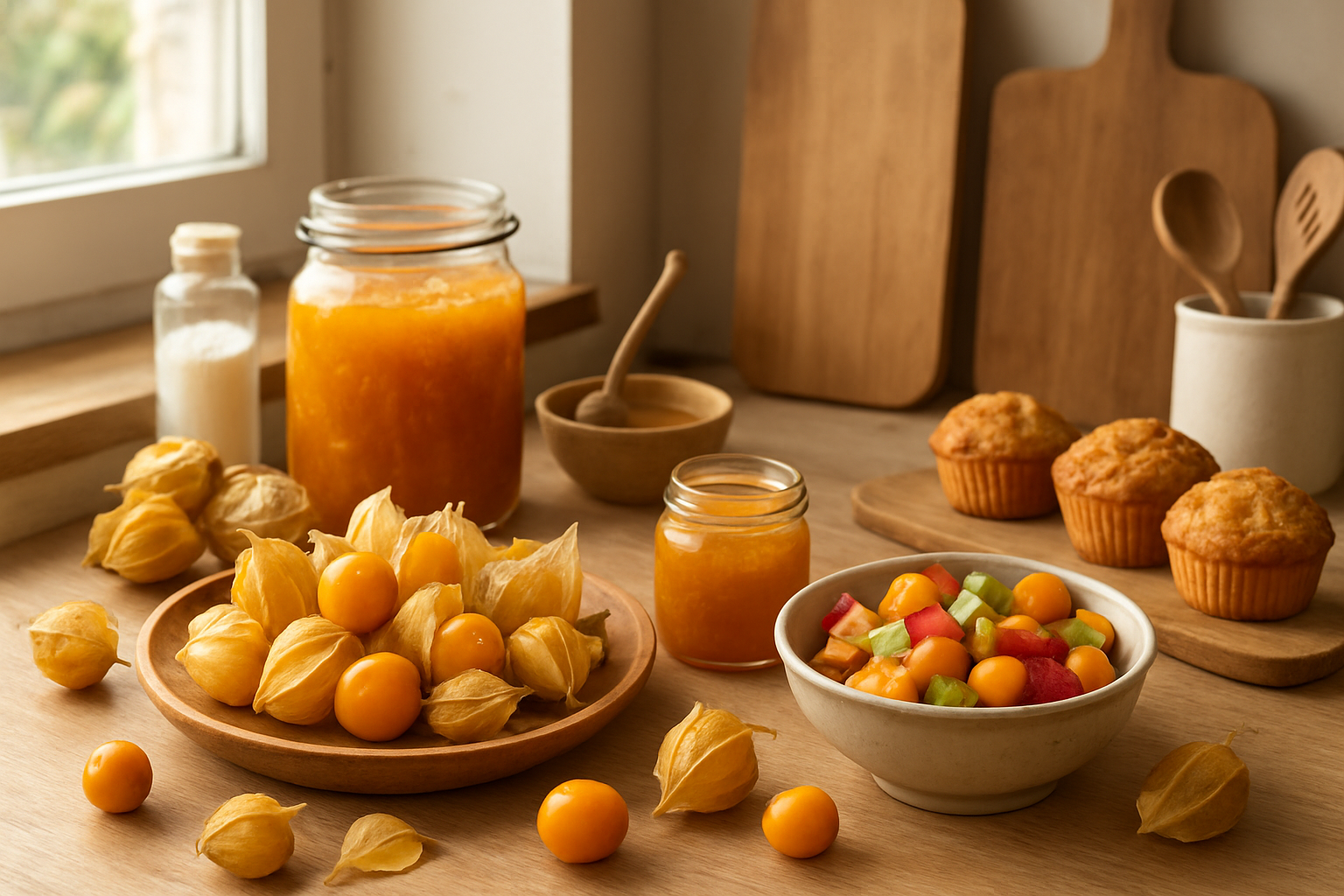
Uchuva fruit transforms ordinary smoothies into exotic tropical experiences. The sweet-tart flavor profile of goldenberry creates the perfect balance in breakfast blends and afternoon refreshers. Start with a basic uchuva smoothie by combining one cup of fresh physalis peruviana with a banana, coconut milk, and a touch of honey. The natural acidity cuts through rich ingredients while adding complex fruit notes.
For juice enthusiasts, fresh cape gooseberry pairs beautifully with pineapple and passion fruit. The bright orange color creates visually stunning drinks perfect for entertaining. Try blending uchuva with mango and lime juice for a vitamin C powerhouse that rivals any commercial health drink. Green smoothie lovers can incorporate these golden gems with spinach, cucumber, and apple - the fruit's sweetness masks any vegetal flavors while boosting nutritional content.
| Smoothie Combination | Flavor Profile | Best Time to Enjoy |
|---|---|---|
| Uchuva + Banana + Coconut | Creamy tropical | Morning energy boost |
| Uchuva + Pineapple + Ginger | Zesty refreshing | Post-workout recovery |
| Uchuva + Mango + Lime | Sweet-tart tropical | Afternoon pick-me-up |
Craft elegant desserts that impress dinner guests
Goldenberry elevates desserts from simple to sophisticated with minimal effort. The fruit's natural pectin content makes it ideal for creating glossy glazes and elegant toppings. Fresh uchuva works beautifully as a garnish for cheesecakes, tarts, and pavlovas - their papery husks add rustic charm while protecting the delicate fruit.
Create show-stopping uchuva panna cotta by incorporating pureed fruit into the cream base. The result is a silky dessert with subtle floral notes and beautiful golden color. For chocolate lovers, dark chocolate mousse topped with fresh goldenberries creates perfect flavor balance - the fruit's acidity cuts through rich cocoa while adding textural interest.
Uchuva recipes for dessert include:
-
Goldenberry upside-down cake with caramelized fruit
-
White chocolate and uchuva truffle combinations
-
Vanilla bean ice cream studded with fresh berries
-
Rustic galettes featuring seasonal uchuva and vanilla cream
Add exotic flair to salads and savory dishes
The versatility of uchuva fruit extends far beyond sweet applications. These golden orbs add unexpected bursts of flavor to savory dishes, creating memorable dining experiences. Fresh goldenberries work exceptionally well in grain salads, providing sweet-tart contrast to nutty quinoa or bulgur wheat.
Roasted vegetables benefit from uchuva's natural sweetness. Toss halved physalis peruviana with butternut squash, red onions, and fresh thyme before roasting. The fruit caramelizes beautifully, creating a complex side dish that pairs perfectly with roasted meats or hearty vegetarian mains.
For sophisticated salads, combine fresh cape gooseberry with arugula, goat cheese, and toasted walnuts. The fruit's acidity brightens peppery greens while complementing creamy cheese. Chicken and turkey dishes gain exotic appeal when finished with a uchuva salsa featuring diced fruit, red onion, cilantro, and lime juice.
Preserve seasonal abundance through jams and preserves
When uchuva season peaks, preserving ensures year-round enjoyment of these golden treasures. Goldenberry jam captures the fruit's essence while extending shelf life significantly. The natural pectin content means less added thickener, resulting in bright, fresh-tasting preserves that showcase the fruit's unique flavor profile.
Basic uchuva jam requires equal parts fruit and sugar, plus lemon juice for acidity balance. Cook slowly to prevent scorching, stirring frequently until the mixture reaches proper gel point. The finished product has beautiful amber color with whole fruit pieces creating appealing texture.
Uchuva recipes for preservation include:
-
Spiced goldenberry chutney with ginger and cardamom
-
Uchuva and apple butter for autumn flavors
-
Pickled goldenberries as cocktail garnishes
-
Dehydrated uchuva chips for healthy snacking
Advanced preserving techniques involve creating uchuva fruit leather, which concentrates flavors while creating portable snacks. Blend fresh fruit with a touch of honey, spread thinly on dehydrator trays, and process until leathery but pliable. The result is intensely flavored strips perfect for lunch boxes or hiking adventures.
Grow Your Own Uchuva Plants for Year-Round Harvest
.png)
Choose the ideal growing conditions for thriving plants
Physalis peruviana thrives in warm, temperate climates with temperatures ranging between 60-75°F (15-24°C). The uchuva plant performs best in areas with plenty of sunlight – aim for at least 6-8 hours of direct sunlight daily. Well-draining soil is absolutely essential since waterlogged conditions can quickly kill your plants. A slightly acidic to neutral pH between 6.0-7.0 creates the perfect environment for healthy root development.
Wind protection is crucial for goldenberry cultivation since these plants can grow quite tall and become top-heavy when loaded with fruit. Choose a location sheltered from strong winds or install windbreaks around your growing area. If you're planning indoor cultivation, provide bright artificial lighting and maintain consistent temperature control.
| Growing Factor | Optimal Range | Notes |
|---|---|---|
| Temperature | 60-75°F (15-24°C) | Protect from frost |
| Sunlight | 6-8 hours daily | Full sun preferred |
| Soil pH | 6.0-7.0 | Slightly acidic to neutral |
| Drainage | Well-draining | Avoid waterlogged soil |
Master planting techniques for maximum fruit production
Start uchuva seeds indoors 6-8 weeks before your last expected frost date. Sow seeds in seed-starting mix about ¼ inch deep and maintain soil temperature around 70°F for optimal germination, which typically takes 10-14 days. Once seedlings develop their second set of true leaves, transplant them into individual 4-inch pots.
Space your goldenberry plants 3-4 feet apart when transplanting outdoors. Dig holes twice the width of the root ball and mix compost or well-aged manure into the planting area. Plant seedlings at the same depth they were growing in their containers to prevent stem rot.
Cape gooseberry plants benefit from staking or caging early in their growth since they can reach 3-6 feet in height. Install supports when transplanting to avoid disturbing roots later. Mulch around plants with organic material to retain moisture and suppress weeds.
Implement proper care and maintenance for healthy growth
Water your uchuva plant consistently but avoid overwatering. Deep, weekly watering sessions work better than frequent shallow watering. Check soil moisture by inserting your finger 2 inches deep – water when the soil feels dry at this depth.
Feed plants every 3-4 weeks with balanced fertilizer during the growing season. Organic options like fish emulsion or compost tea work exceptionally well for how to grow uchuva successfully. Reduce fertilizing frequency as harvest season approaches to encourage fruit development rather than excessive foliage growth.
Pruning helps maintain plant structure and improves air circulation. Remove suckers that grow from the base and pinch growing tips when plants reach desired height. Watch for common pests like aphids and whiteflies, treating them with insecticidal soap or neem oil when necessary.
Uchuva plant care includes regular harvesting once fruits drop naturally from the plant or the papery husks turn brown and dry. Regular picking encourages continued fruit production throughout the season.
Uchuva truly deserves its reputation as a golden treasure in the fruit world. From its impressive nutritional profile packed with vitamins, antioxidants, and minerals to its versatility in both sweet and savory dishes, this little fruit packs a big punch. You've learned how to pick the perfect goldenberries, store them properly to maintain freshness, and even grow your own plants for a continuous supply of this superfruit.
Ready to add some golden magic to your daily routine? Start by picking up some fresh uchuva at your local market or specialty store and try them in a smoothie, salad, or homemade jam. If you're feeling adventurous, consider planting your own uchuva garden – you'll be amazed at how rewarding it is to harvest your own golden treasures. Your taste buds and your body will thank you for discovering this amazing fruit.


.png)
Comments
Post a Comment