Wampi - What's The Wampi Fruit?
.png)
The Wampi fruit might not be sitting in your local grocery store, but this golden gem from Asia deserves a spot on every fruit lover's radar. Also known by its scientific name Clausena lansium, this tropical fruit packs a sweet-tart punch that's winning over adventurous eaters worldwide.
This guide is perfect for curious foodies, home gardeners interested in exotic plants, and anyone wanting to expand their fruit horizons beyond the usual suspects.
We'll dive into what makes Wampi so special, covering its impressive nutritional profile and health benefits that might surprise you. You'll also learn practical tips for growing Wampi trees in your own backyard and discover the best ways to eat and enjoy this unique Asian fruit once you get your hands on some.
Discover the Exotic Wampi Fruit and Its Unique Characteristics
Learn About Wampi's Botanical Origins and Scientific Classification
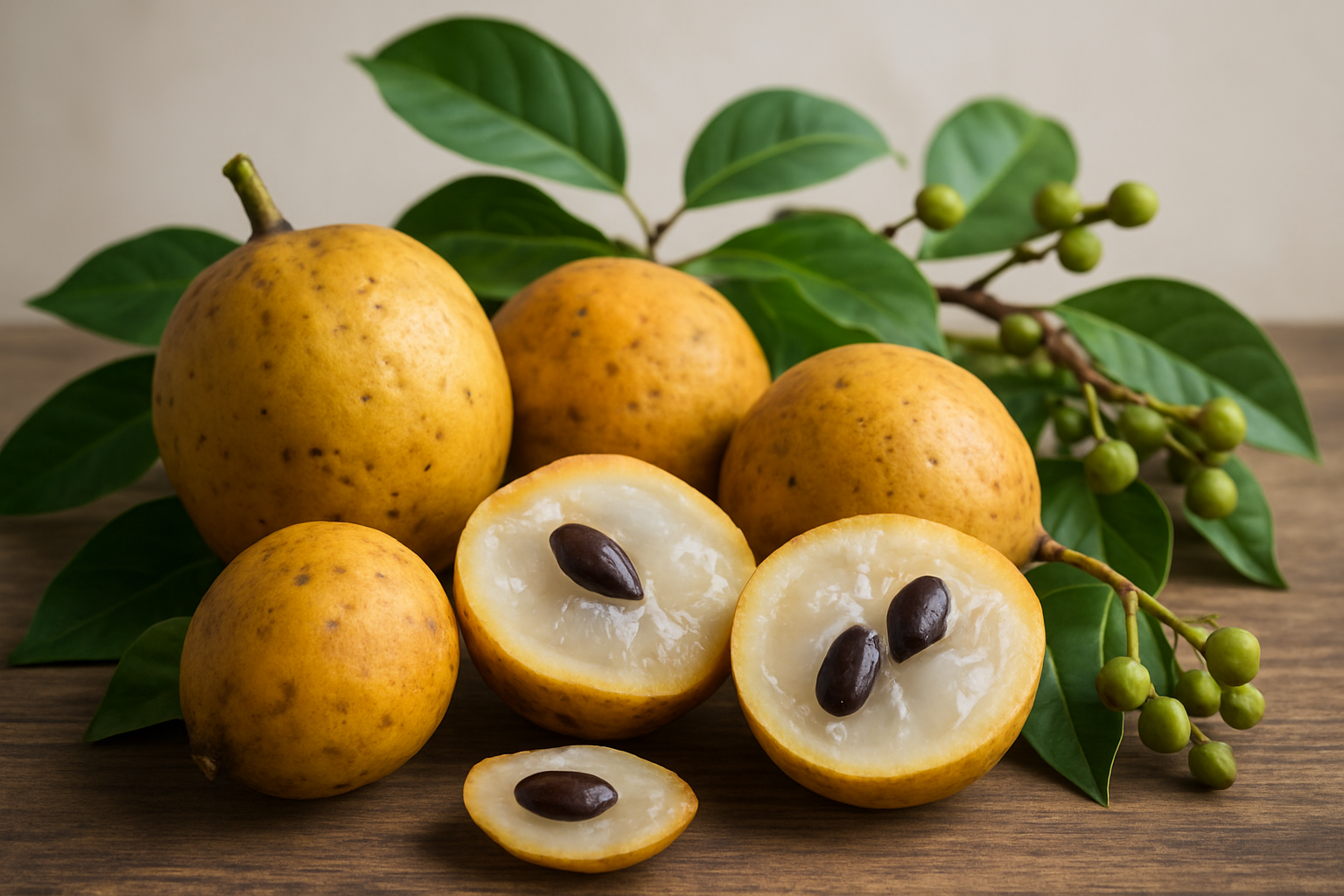
The wampi fruit belongs to the Rutaceae family, sharing its botanical lineage with citrus fruits like oranges and lemons. Scientifically known as Clausena lansium, this tropical fruit originated in the mountainous regions of southern China and Southeast Asia. Ancient Chinese texts dating back thousands of years mention the cultivation and consumption of this remarkable fruit, highlighting its long history as a cherished Asian fruit.
The genus Clausena encompasses over 20 species, but Clausena lansium stands out as the most commercially valuable and widely cultivated. Chinese botanists first documented its scientific classification in the early 18th century, though local communities had been growing wampi trees for centuries before formal scientific recognition. The fruit's natural habitat spans from Guangdong Province in China down through Vietnam, Thailand, and into parts of Malaysia.
Wild wampi varieties still grow naturally in dense forest understories, where they benefit from dappled sunlight and rich, well-draining soil. These native populations serve as genetic reservoirs for cultivated varieties, which have been selectively bred for improved fruit size, flavor, and yield. The botanical relationship to citrus fruits explains many of wampi's characteristics, including its aromatic qualities and certain flavor compounds that create its distinctive taste profile.
Understand What Makes Wampi Different from Other Tropical Fruits
Wampi fruit sets itself apart from other exotic fruits through its unique grape-like clustering and translucent flesh. Unlike mangoes or papayas that grow individually, wampi develops in tight bunches similar to grapes, with each cluster containing 15-30 individual fruits. This clustering pattern makes harvesting efficient and creates an impressive visual display when the fruits ripen to their golden-yellow color.
The flavor profile distinguishes wampi from typical tropical fruits. While many Asian fruits lean toward extreme sweetness, wampi offers a complex balance of sweet, tart, and slightly bitter notes. The initial taste resembles a cross between longan and lychee, but wampi adds its own signature tartness that prevents flavor fatigue. Some describe hints of grapefruit in the finish, which makes sense given its citrus family connection.
| Feature | Wampi | Longan | Lychee | Rambutan |
|---|---|---|---|---|
| Growth Pattern | Grape-like clusters | Individual fruits | Individual fruits | Individual fruits |
| Skin Texture | Smooth, thin | Smooth, firm | Rough, bumpy | Hairy, spiky |
| Flesh Color | Translucent white | Translucent white | White/pink | White |
| Seed Size | Large, prominent | Medium | Medium | Medium |
| Flavor Profile | Sweet-tart complex | Sweet, mild | Sweet, floral | Sweet, mild |
The seed structure also makes wampi unique among tropical fruits. Each fruit contains one to three relatively large seeds that occupy a significant portion of the fruit's interior. These seeds have a bitter taste and are typically discarded, though traditional Chinese medicine practitioners have used them for various purposes.
Explore the Physical Appearance and Size of Wampi Fruits
Wampi fruits are small, typically measuring 1 to 1.5 inches in diameter, making them perfect for snacking. The oval to round shape varies slightly depending on the variety, with some cultivars producing more elongated fruits while others remain perfectly spherical. The thin, smooth skin transitions from green to bright yellow-orange as the fruit reaches full ripeness, creating an attractive golden appearance that signals peak flavor development.
The skin itself is remarkably thin and delicate compared to other tropical fruits. You can easily pierce it with a fingernail, and the entire skin peels away in segments similar to citrus fruits. This thin skin makes wampi fruits fragile during transport but allows for easy consumption since the entire fruit can be eaten once the seeds are removed.
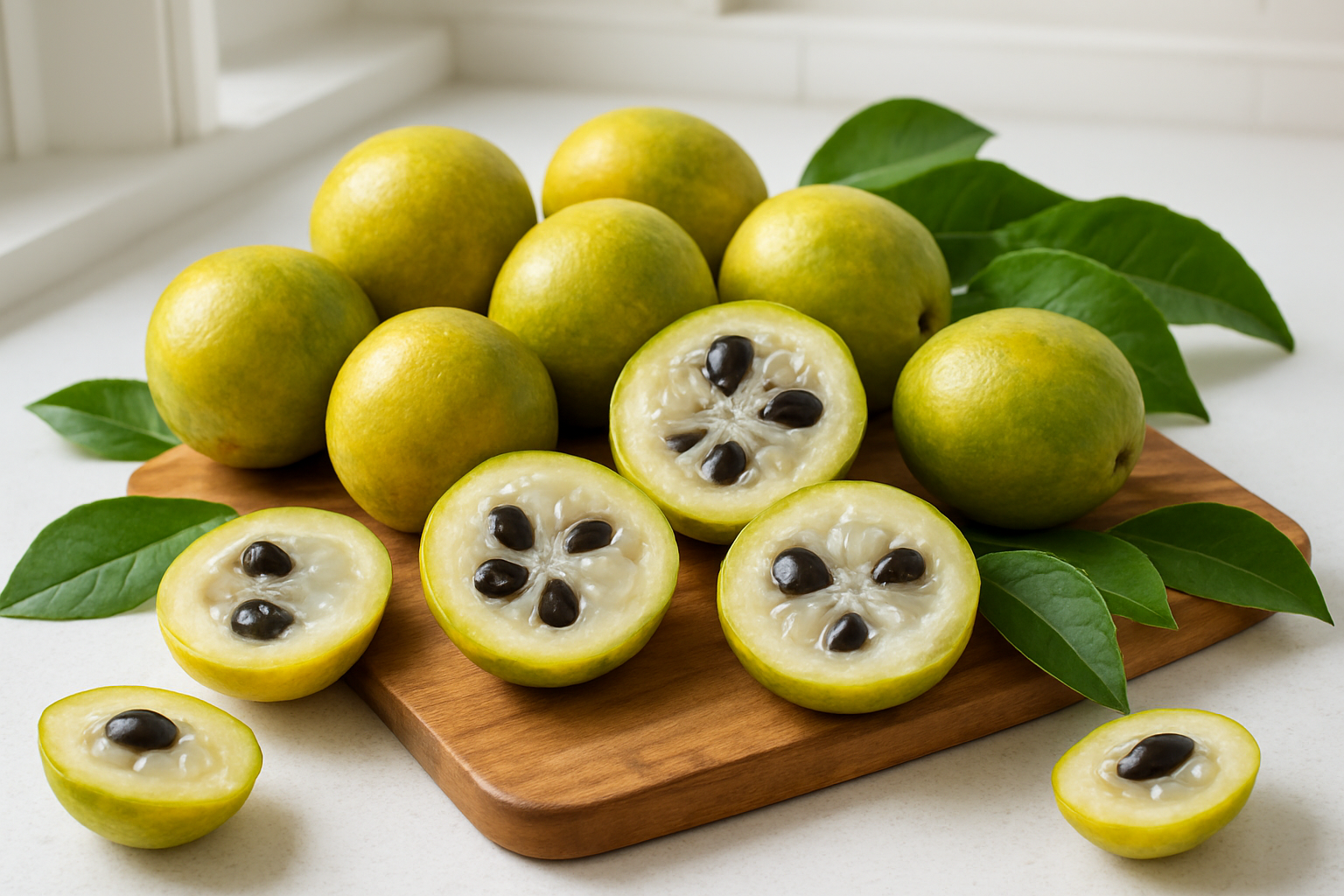
Inside, the translucent flesh appears almost glass-like, with a consistency somewhere between a grape and a lychee. The flesh clings moderately to the large central seed, though it separates cleanly when the fruit is properly ripe. Unripe wampi exhibits a more opaque, whitish flesh that becomes increasingly translucent as sugars develop and the fruit matures.
The clustering arrangement creates bunches that can weigh anywhere from 8 ounces to over 2 pounds, depending on the tree's age and growing conditions. Individual clusters typically contain 20-40 fruits, though exceptional specimens might produce clusters with 60 or more individual fruits. The stems connecting each fruit to the main cluster are surprisingly strong, allowing the entire bunch to be harvested and transported as a single unit.
When fully ripe, wampi fruits emit a subtle, sweet fragrance with hints of citrus and honey. This aromatic quality intensifies when the skin is broken, releasing volatile compounds that make the eating experience even more appealing.
Unlock the Impressive Nutritional Benefits of Wampi
Boost Your Immune System with High Vitamin C Content
Wampi fruit packs a serious vitamin C punch that rivals many well-known citrus fruits. A single serving of fresh wampi delivers approximately 40-60 milligrams of vitamin C, which covers about 50-70% of your daily recommended intake. This impressive vitamin C content makes wampi an excellent natural defense against seasonal illnesses and infections.
Your immune system relies heavily on vitamin C to produce white blood cells and antibodies that fight off harmful pathogens. Regular consumption of Wampi fruit can help strengthen your body's natural defenses while supporting collagen production for healthy skin and wound healing. The bioavailable form of vitamin C in fresh wampi gets absorbed more efficiently than synthetic supplements.
Support Digestive Health with Natural Fiber and Enzymes
The digestive benefits of Wampi nutrition extend far beyond basic fiber content. Each fruit contains both soluble and insoluble fiber that promotes healthy gut bacteria growth and regular bowel movements. The natural enzymes present in wampi help break down proteins and carbohydrates more effectively.
These tropical fruits contain digestive enzymes similar to those found in papaya and pineapple, which can reduce bloating and improve nutrient absorption. The pectin content in wampi also acts as a prebiotic, feeding beneficial bacteria in your digestive tract and supporting overall gut health.
Gain Essential Minerals for Optimal Body Function
Wampi fruit provides a concentrated source of essential minerals that many people lack in their daily diet. The mineral profile includes significant amounts of potassium, magnesium, iron, and calcium.
| Mineral | Amount per 100g | Key Benefits |
|---|---|---|
| Potassium | 180-220mg | Heart health, blood pressure regulation |
| Magnesium | 15-20mg | Muscle function, energy metabolism |
| Iron | 0.8-1.2mg | Oxygen transport, prevents anemia |
| Calcium | 25-35mg | Bone strength, muscle contractions |
Potassium helps regulate blood pressure and supports proper heart function, while magnesium plays a crucial role in over 300 enzymatic reactions throughout your body. The iron content in Asian fruits like wampi becomes especially valuable for people following plant-based diets.
Experience Antioxidant Protection Against Free Radicals
The antioxidant profile of exotic fruits like wampi sets them apart from common fruits. Wampi contains flavonoids, phenolic compounds, and carotenoids that work together to neutralize harmful free radicals in your body. These compounds give wampi its distinctive color and provide powerful cellular protection.
Research shows that the antioxidant activity in Clausena lansium can help reduce oxidative stress linked to premature aging and chronic diseases. The combination of vitamin C, vitamin E, and plant compounds creates a synergistic effect that enhances the overall antioxidant benefits. Regular consumption of wampi and other tropical fruits may help protect against cardiovascular disease, certain cancers, and age-related cognitive decline.
The anthocyanins responsible for wampi's slight purple tint have anti-inflammatory properties that can help reduce inflammation markers in your bloodstream, supporting long-term health and vitality.
Master the Art of Growing and Harvesting Wampi Trees
.png)
Choose the Perfect Climate and Soil Conditions for Growth
Wampi trees thrive in subtropical and tropical climates, making them perfect for USDA hardiness zones 9-11. These resilient trees prefer temperatures between 65-85°F (18-29°C) and can handle brief dips to around 32°F (0°C) once mature. If you live in cooler regions, container growing allows you to bring your wampi tree indoors during winter months.
High humidity levels between 50-70% create ideal growing conditions for wampi fruit development. The trees need consistent moisture but also require good air circulation to prevent fungal issues. Coastal areas often provide the perfect balance of humidity and airflow that these Asian fruits crave.
Well-draining soil is absolutely crucial for healthy wampi trees. They perform best in slightly acidic to neutral soil with a pH between 5.5-7.0. Sandy loam or loamy soil types work wonderfully, but the key is ensuring water doesn't pool around the roots. Poor drainage leads to root rot, which can quickly kill your tree.
Optimal Soil Composition:
| Soil Type | pH Range | Drainage | Organic Matter |
|---|---|---|---|
| Sandy Loam | 5.5-7.0 | Excellent | 2-4% |
| Loamy Soil | 6.0-7.0 | Good | 3-5% |
| Clay Loam | 6.0-6.8 | Fair to Good | 2-3% |
Plant and Care for Your Wampi Tree Successfully
Growing wampi trees starts with selecting healthy nursery stock or germinating fresh seeds from ripe fruits. Seeds lose viability quickly, so plant them within a few days of extraction. Soak seeds for 24 hours before planting in seed-starting mix about 1 inch deep.
Choose a planting location with full sun to partial shade - about 6-8 hours of direct sunlight daily. Space trees at least 15-20 feet apart since mature wampi trees can reach 20-30 feet in height and width. Dig a hole twice as wide as the root ball but only as deep, ensuring the root flare sits at ground level.
Young trees need regular watering - about 1-2 inches per week during the growing season. Water deeply but less frequently to encourage deep root growth. Mature trees become more drought tolerant but still benefit from consistent moisture during fruit development.
Essential Care Timeline:
-
Spring: Apply balanced fertilizer (10-10-10) and organic compost
-
Summer: Deep watering twice weekly, prune suckers and dead branches
-
Fall: Reduce watering frequency, prepare for dormancy
-
Winter: Minimal watering, protect from frost if needed
Pruning helps maintain tree shape and improves air circulation. Remove dead, damaged, or crossing branches during late winter before new growth begins. Light pruning after harvest prevents the tree from becoming too dense.
Recognize When Wampi Fruits Are Ready for Harvest
Wampi fruits typically ripen 4-5 months after flowering, usually between late summer and early fall depending on your location. The fruits develop in clusters and change from green to golden-yellow or brownish-yellow when ready to pick.
Ripe wampi fruits feel slightly soft when gently squeezed, similar to a ripe grape. The skin develops a translucent quality, and you can often see the dark seeds through the flesh. Unripe fruits remain firm and opaque green, while overripe ones become mushy and may start to shrivel.
The best indicator of ripeness is taste - ripe wampi fruits offer a sweet-tart flavor with aromatic notes. Sample fruits from different parts of the tree since they don't all ripen simultaneously. Harvest by gently twisting and pulling individual fruits or cutting entire clusters with pruning shears.
Harvest Timing Checklist:
-
Color changes from green to golden-yellow
-
Fruits yield slightly to gentle pressure
-
Sweet fragrance becomes noticeable
-
Skin appears somewhat translucent
-
Easy removal from branches without force
Store harvested wampi fruits in the refrigerator for up to two weeks or enjoy them fresh immediately after picking. The fruits don't continue ripening once removed from the tree, so timing your harvest correctly ensures the best flavor and texture.
Enjoy Delicious Ways to Eat and Prepare Wampi
Savor Fresh Wampi as a Healthy Snack
Fresh Wampi fruit makes an excellent grab-and-go snack that's both nutritious and satisfying. The small, grape-sized fruits come with thin, edible skin that you can eat whole, though many people prefer to remove it for a sweeter taste. Simply pop the fruit in your mouth and enjoy the burst of citrusy-sweet flavor, but remember to spit out the seeds as they have a bitter taste.
The best way to enjoy fresh Wampi is to choose fully ripe fruits that yield slightly to gentle pressure. Ripe Wampi fruits have a golden-yellow color and give off a pleasant, fragrant aroma. You can store them in your refrigerator for up to a week, making them perfect for meal prep or quick energy boosts throughout the day.
For kids and adults alike, Wampi fruit serves as a healthier alternative to processed snacks. Pack them in lunch boxes or keep them at your desk for an afternoon pick-me-up that provides natural sugars and essential vitamins without any artificial additives.
Create Refreshing Beverages and Smoothies
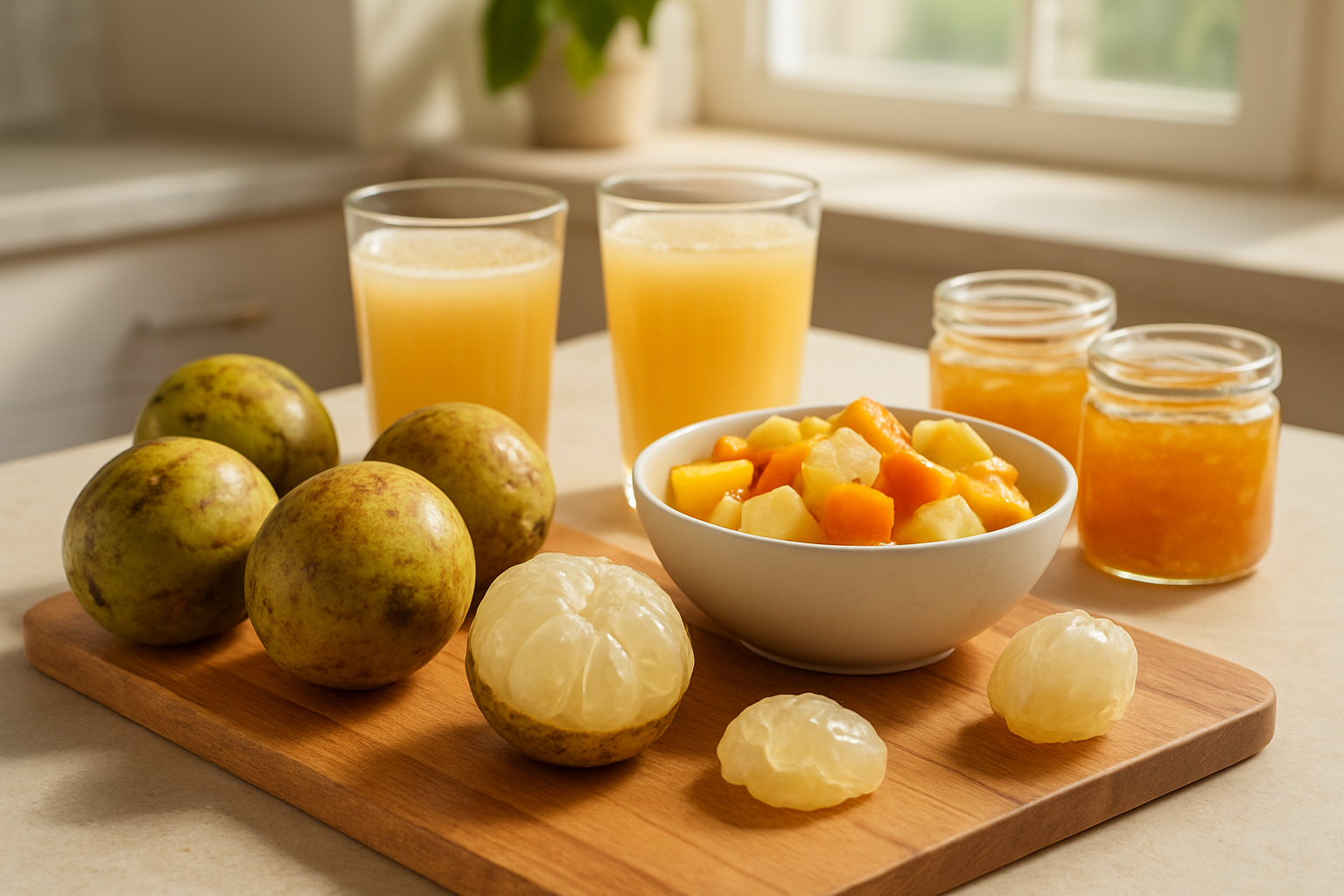
Wampi fruit transforms into incredibly refreshing drinks that capture the essence of tropical fruits. To make fresh Wampi juice, blend the peeled fruits with a small amount of water, then strain the mixture to remove seeds and pulp. The resulting juice has a delightful sweet-tart flavor that's perfect on its own or mixed with other tropical fruits.
For smoothie enthusiasts, Wampi pairs beautifully with banana, mango, and coconut milk. Try this simple recipe: blend 1 cup of peeled Wampi fruit with half a frozen banana, ½ cup coconut milk, and a handful of ice. The natural citrus notes in Wampi brighten the entire drink and add complexity to typical fruit smoothies.
You can also create sparkling Wampi drinks by mixing the fresh juice with soda water and a touch of honey. This combination makes an excellent non-alcoholic cocktail that's perfect for summer gatherings or as a healthy alternative to sugary sodas.
Make Traditional Preserves and Jams
Wampi fruit's natural pectin content makes it ideal for creating homemade preserves and jams. Traditional Asian households often make Wampi preserves by slowly cooking the fruits with sugar until they reach a jam-like consistency. The process concentrates the fruit's natural flavors while creating a spread that lasts for months when properly stored.
To make Wampi jam, combine equal parts peeled Wampi fruit and sugar in a heavy-bottomed pot. Cook over medium heat, stirring frequently, until the mixture thickens and coats the back of a spoon. The natural tartness of the fruit balances perfectly with the added sweetness, creating a preserve that's not overly sweet.
These homemade preserves work wonderfully on toast, mixed into yogurt, or used as a filling for pastries and cakes. The unique flavor of Wampi adds an exotic twist to traditional breakfast spreads and makes thoughtful homemade gifts for friends and family.
Incorporate Wampi into Desserts and Sweet Treats
Wampi fruit brings a delightful citrusy note to various desserts and sweet treats. Pastry chefs often use the fruit in tarts, where its natural acidity cuts through rich, creamy fillings. The small size of Wampi fruits makes them perfect for garnishing cakes and pastries without overpowering other flavors.
Ice cream and sorbet makers love working with Wampi because the fruit's natural tartness prevents the frozen desserts from becoming too sweet. Wampi sorbet offers a refreshing palate cleanser between courses or a light finish to heavy meals. Simply blend the fruit with simple syrup and freeze using your preferred method.
For chocolate lovers, Wampi pairs surprisingly well with dark chocolate. The fruit's citrus notes complement the bitter-sweet flavors of quality dark chocolate, creating sophisticated flavor combinations in truffles, mousses, and chocolate tarts.
Use Wampi in Savory Dishes and Sauces
While many people think of Wampi fruit primarily as a sweet ingredient, it actually works beautifully in savory applications. The fruit's natural acidity makes it an excellent addition to marinades for grilled meats and seafood. The enzymes in Wampi help tenderize proteins while adding a subtle tropical flavor that's not overwhelming.
Asian cuisine often incorporates Wampi into dipping sauces and condiments. A simple Wampi sauce combines crushed fresh fruits with fish sauce, chilies, and herbs, creating a complex condiment that pairs perfectly with grilled fish or chicken. The fruit's tartness balances the salty and spicy elements beautifully.
Salad dressings benefit from Wampi's natural acidity as well. Blend fresh Wampi fruit with olive oil, a touch of honey, and herbs to create a vinaigrette that brightens green salads and grain bowls. The unique flavor profile sets your dishes apart from typical citrus-based dressings while providing the same acidic balance that makes salads more interesting and flavorful.
Find and Purchase Quality Wampi Fruits

Locate Specialty Asian Markets and Fruit Vendors
Wampi fruit can be tricky to find in regular grocery stores, so your best bet is heading to specialty Asian markets and ethnic food stores. Chinese supermarkets often carry fresh Wampi during peak season, typically from late spring through early summer. Vietnamese and Thai markets may also stock this exotic fruit, though availability varies by location and season.
Online specialty fruit vendors have become increasingly popular for sourcing rare tropical fruits like Wampi. Many reputable sellers ship fresh Wampi directly to your door, though prices tend to be higher than in-person shopping. Check reviews and shipping policies before ordering, as these delicate fruits need careful handling during transport.
Local farmers' markets in areas with diverse populations sometimes feature vendors selling Asian fruits. Building relationships with these sellers can help you secure advance notice when Wampi arrives. Some specialty fruit vendors take pre-orders for seasonal items, which guarantees you'll get first pick of the freshest batch.
Agricultural universities with tropical fruit programs occasionally sell excess harvest to the public. Contact nearby institutions to inquire about their fruit sales programs, as they often grow high-quality specimens.
Select the Best Quality Wampi for Maximum Flavor
Quality Wampi fruit should feel firm but yield slightly to gentle pressure, similar to a ripe grape. The skin typically ranges from yellowish-green to golden yellow when fully ripe, with a smooth, unblemished surface. Avoid fruits with dark spots, wrinkled skin, or soft patches, as these indicate overripeness or damage.
Fresh Wampi gives off a subtle, sweet fragrance when ripe. If the fruit smells fermented or overly strong, it's past its prime. The best Wampi feels heavy for its size, indicating good juice content and proper development.
| Quality Indicator | Good Quality | Poor Quality |
|---|---|---|
| Skin Color | Golden yellow to yellow-green | Brown spots, dull appearance |
| Texture | Firm with slight give | Mushy or rock-hard |
| Aroma | Mild, sweet fragrance | Fermented or no smell |
| Weight | Heavy for size | Light, hollow feeling |
Check the stem end for freshness - it should appear recently picked rather than dried and withered. Clusters of Wampi on the branch often indicate better quality than individual fruits sold loose.
Store Wampi Properly to Maintain Freshness
Fresh Wampi fruit stays at peak quality for about one week when stored correctly. Keep ripe Wampi in the refrigerator's crisper drawer, wrapped loosely in paper towels to absorb excess moisture. Avoid plastic bags, which trap humidity and accelerate spoilage.
Room temperature storage works for 2-3 days if you plan to eat the fruit quickly. Place Wampi in a single layer on a plate or shallow bowl, turning them daily to ensure even ripening. Direct sunlight speeds up the ripening process but can also cause uneven development.
For longer storage, Wampi can be frozen whole or after removing the seeds. Frozen fruit works well for smoothies and cooking applications, though the texture changes significantly. Flash-freeze individual fruits on a baking sheet before transferring to freezer bags for easier portioning.
Slightly underripe Wampi continues ripening after harvest, so buy a mix of ripeness levels if you want fruit ready to eat over several days. Store different ripeness stages separately to prevent over-mature fruits from accelerating ripening in others nearby.
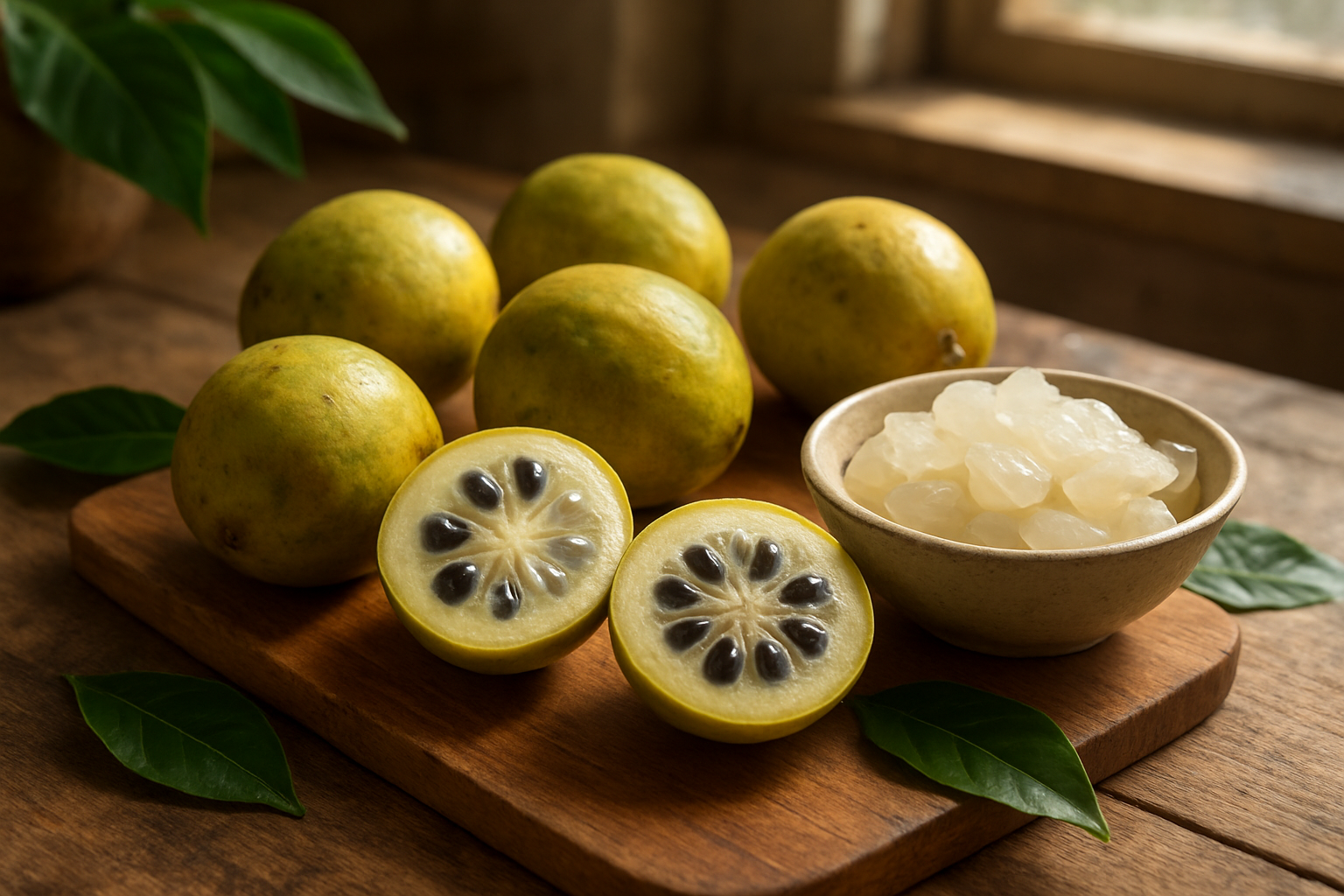
The wampi fruit truly deserves a spot on your radar as an exciting addition to your fruit repertoire. From its impressive vitamin C content and antioxidant properties to its unique sweet-tart flavor profile, this exotic gem offers both nutritional value and culinary adventure. Growing your own wampi tree can be incredibly rewarding, especially if you live in a warm climate where these trees thrive naturally.
Don't let the wampi's unfamiliarity stop you from exploring this delicious fruit. Start by seeking out fresh wampi at Asian markets or specialty fruit vendors, and experiment with eating them fresh or incorporating them into jams and desserts. If you're feeling ambitious, consider planting your own wampi tree – with proper care and patience, you'll have your own homegrown tropical treats to enjoy. The wampi's growing popularity means now is the perfect time to discover what makes this little yellow fruit so special.


.png)
Comments
Post a Comment