Yumberry - What's The Yumberry (Chinese Bayberry)?
.png)
Discovering the Yumberry: Your Guide to China's Sweet-Tart Treasure
The yumberry might sound like a made-up fruit, but this ruby-red gem has been delighting taste buds across Asia for over 2,000 years. Also known as Chinese bayberry, this antioxidant-packed fruit offers a unique sweet-tart flavor that's creating buzz among health-conscious food lovers and home gardeners.
This guide is perfect for curious food enthusiasts, health seekers, and gardening hobbyists who want to learn about this exotic fruit. We'll explore the yumberry's fascinating botanical background and what makes it special, dive into its impressive nutritional profile and health benefits, and share practical tips for finding fresh yumberry fruit and even growing your own yumberry tree at home.
Get ready to discover why this ancient Chinese treasure is becoming the next superfruit sensation.
Understanding Yumberry's Botanical Origins and Characteristics
Scientific classification and native growing regions in China
Yumberry belongs to the Morella rubra species, formerly classified under Myrica rubra, and sits within the Myricaceae family. This ancient fruit tree has deep roots in Chinese culture, thriving naturally across subtropical regions of southern and central China for over 2,000 years. The primary growing regions span Zhejiang, Jiangsu, Fujian, Guangdong, and Hunan provinces, where the humid subtropical climate creates perfect conditions for these remarkable trees.
Wild Chinese bayberry populations originally flourished in mountainous areas between 100 and 1,500 meters above sea level. Today, commercial cultivation extends throughout regions with similar climatic conditions, including parts of Japan, Korea, and Taiwan. The species demonstrates remarkable adaptability to acidic soils and can tolerate both drought conditions and heavy rainfall periods.
Physical appearance and distinguishing features of the fruit
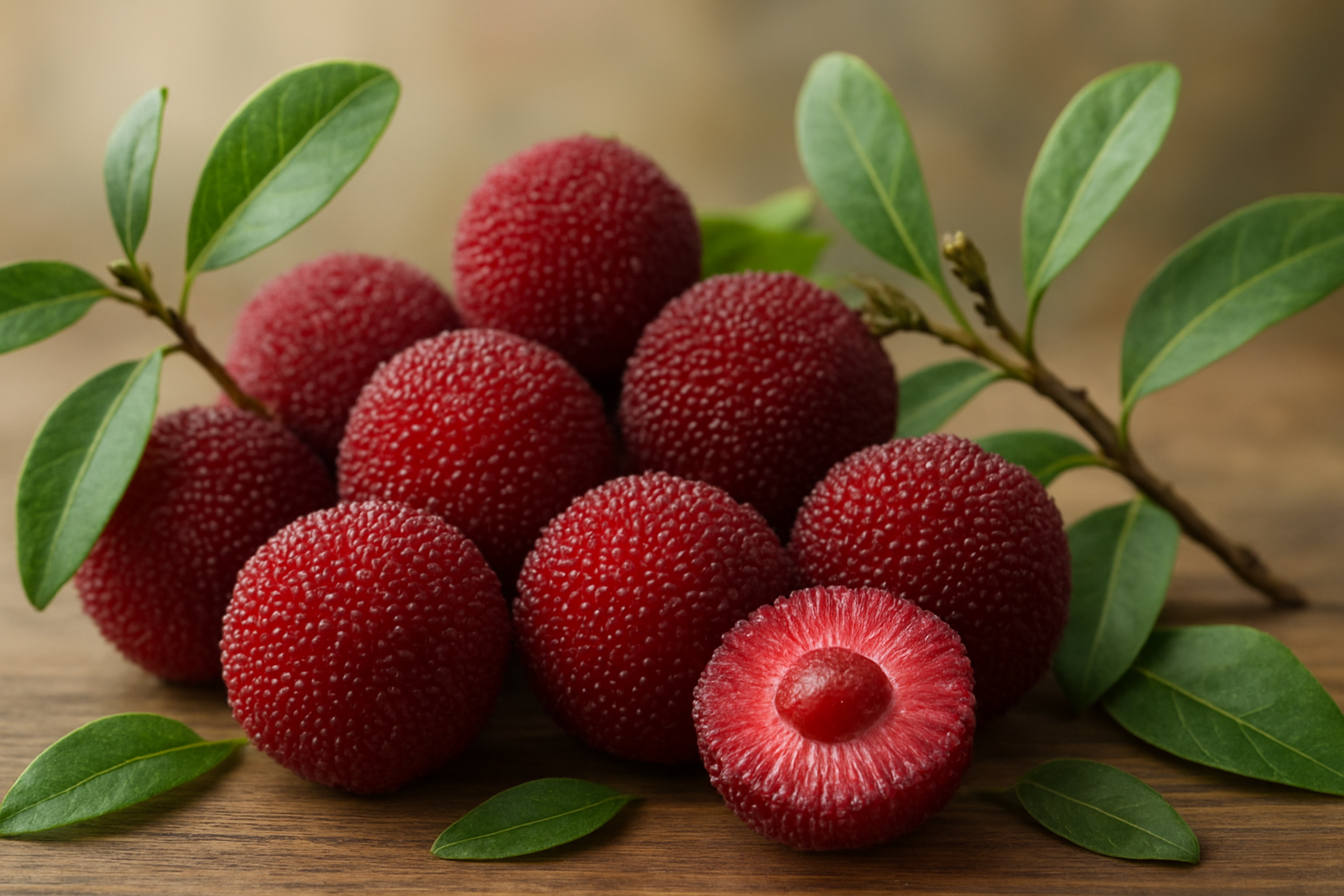
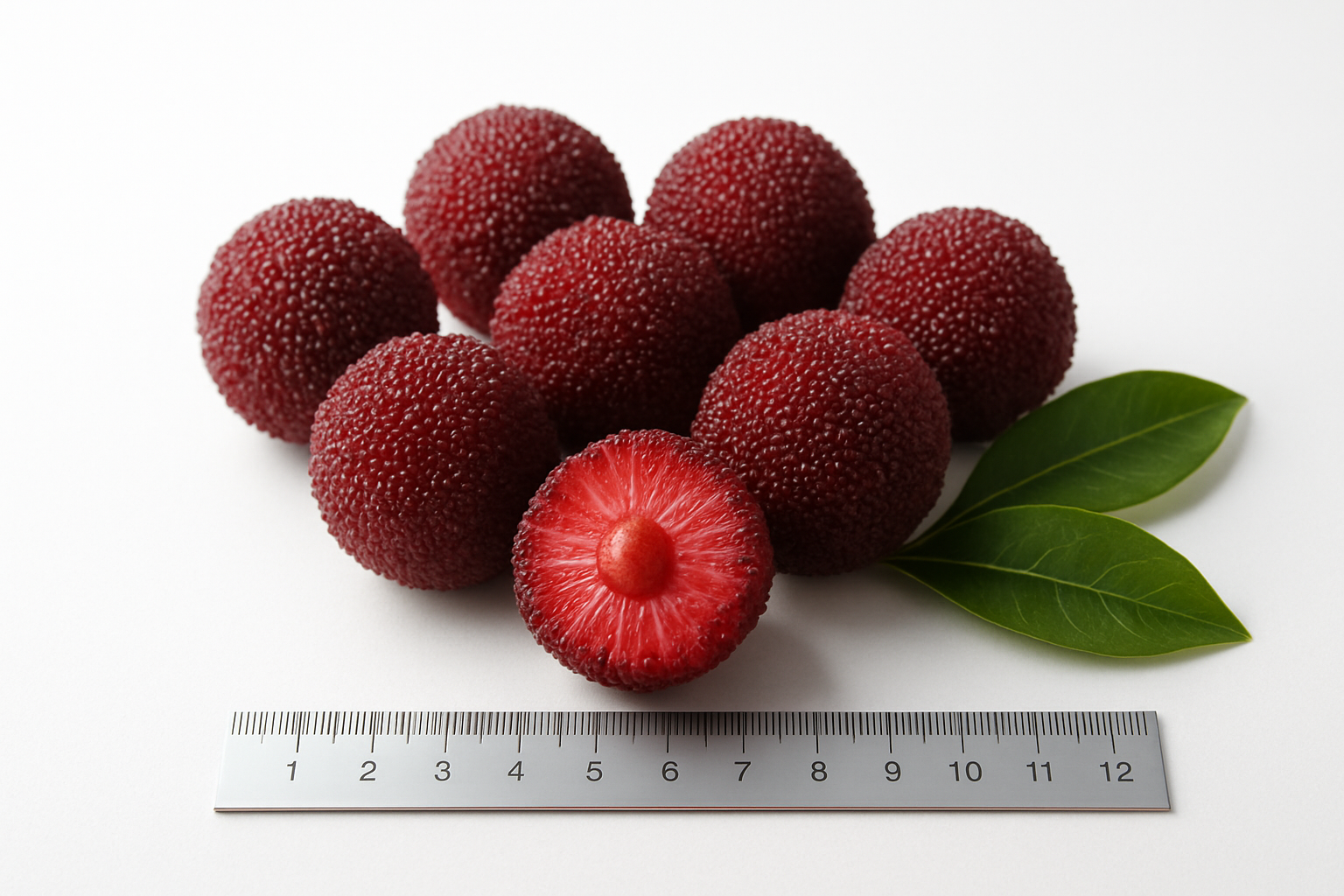
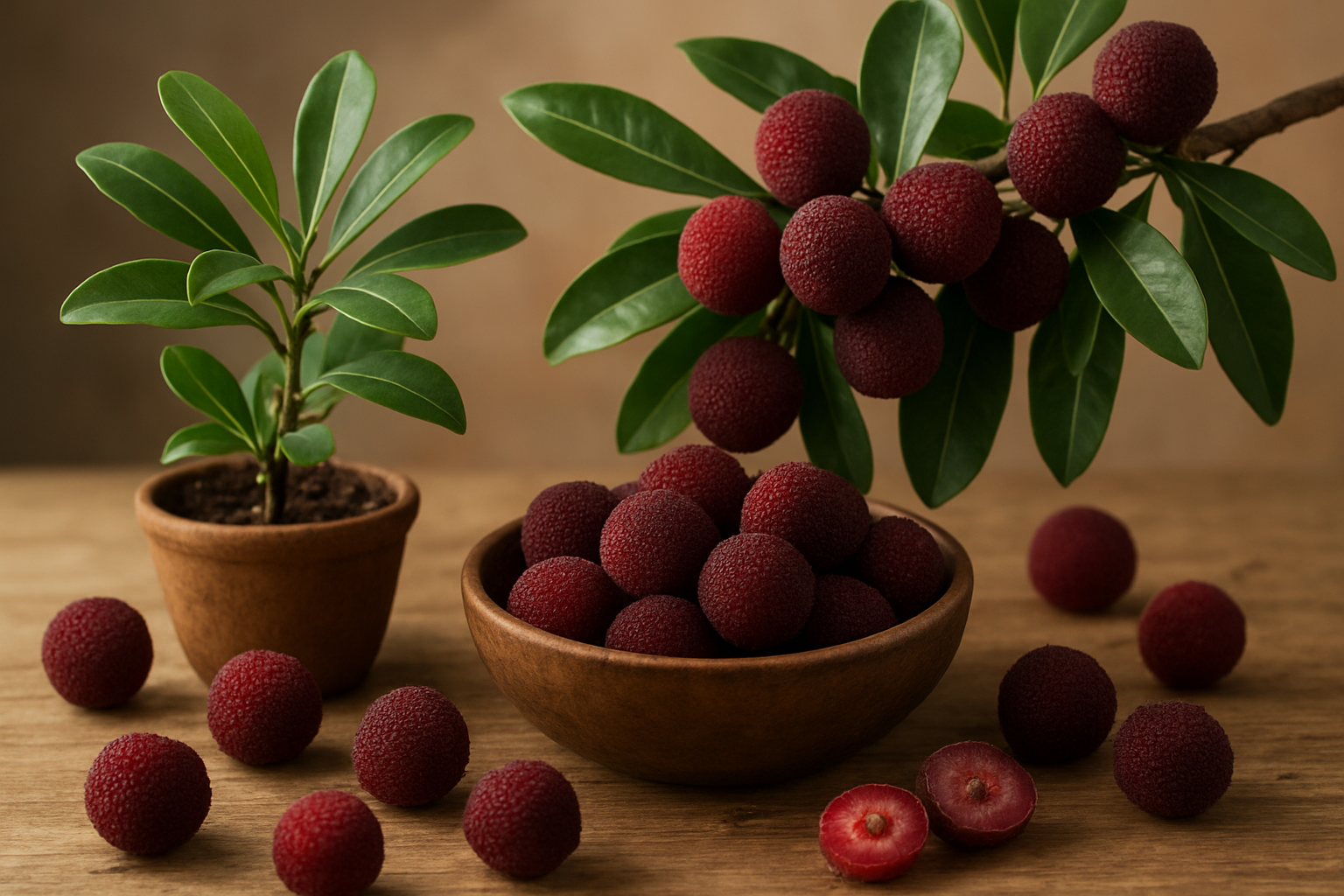
Yumberry fruit presents a distinctive appearance that sets it apart from conventional berries. Each fruit measures roughly 1-2 centimeters in diameter with a deep crimson to dark purple exterior covered in small, soft bumps that create a textured, almost warty surface. This unique skin texture gives the fruit its characteristic appearance and helps distinguish authentic yumberries from similar-looking fruits.
The flesh ranges from bright red to deep burgundy, containing a single large pit at the center. When ripe, the fruit yields slightly to gentle pressure while maintaining its structural integrity. Fresh yumberries exhibit a glossy sheen when properly ripened, and their bumpy exterior becomes more pronounced as the fruit reaches peak maturity.
Key identifying features include:
-
Round to slightly oval shape
-
Bumpy, textured skin surface
-
Deep red to purple coloration
-
Single central seed
-
Juicy, soft flesh when ripe
Seasonal growing patterns and harvesting times
Yumberry trees follow predictable seasonal cycles that align with their native subtropical climate. Flowering typically occurs in early spring (March-April), producing small, inconspicuous clusters that develop over the following months. The trees are dioecious, meaning individual plants produce either male or female flowers, requiring both sexes for fruit production.
Fruit development spans approximately 60-70 days from flowering to harvest readiness. Peak harvesting season runs from late June through early July in most growing regions, though timing varies slightly based on local climate conditions and specific cultivars. This relatively short harvest window makes fresh yumberries a seasonal delicacy.
The trees demonstrate remarkable longevity, with mature specimens continuing productive fruiting for decades. Young trees typically begin bearing fruit within 4-6 years of planting, reaching full production capacity around 8-10 years of age.
Relationship to other berry varieties and plant families
Despite its common name, yumberry shares no botanical relationship with traditional berries like strawberries, blueberries, or raspberries. Instead, it belongs to the Myricaceae family, making it more closely related to bayberries and wax myrtles found in North America and Europe. This family connection explains why Chinese bayberry sometimes appears under alternative names like "red bayberry" or "Chinese strawberry tree."
The Myricaceae family characteristics include nitrogen-fixing root nodules, waxy leaf surfaces, and the production of aromatic compounds. These shared traits help explain yumberry's distinctive flavor profile and growing requirements. Unlike true berries that develop from flower ovaries, yumberries are technically drupes - fruits with a fleshy exterior surrounding a hard seed, similar to peaches or plums.
This botanical classification impacts cultivation practices, storage requirements, and nutritional composition, making yumberry trees unique among commonly consumed fruits and requiring specialized knowledge for successful growing and handling.
Nutritional Profile and Health Benefits of Yumberry
Essential vitamins and mineral content breakdown
Yumberry fruit packs an impressive nutritional punch that rivals many well-known superfruits. These small, crimson berries contain substantial amounts of vitamin C, delivering approximately 90-150mg per 100 grams – that's more than most oranges provide. The vitamin C content makes yumberry an excellent choice for supporting collagen synthesis and maintaining healthy skin.
The mineral profile includes significant potassium levels (around 149mg per 100g), which helps regulate blood pressure and supports proper muscle function. Chinese bayberry also provides meaningful amounts of calcium, magnesium, and iron. The iron content is particularly noteworthy for vegetarians and vegans looking to boost their intake of this essential mineral.
B-complex vitamins are present in moderate amounts, including folate, which plays a crucial role in DNA synthesis and red blood cell formation. The fruit also contains small but beneficial amounts of vitamin A precursors, contributing to eye health and immune function.
| Nutrient | Amount per 100g | Daily Value % |
|---|---|---|
| Vitamin C | 90-150mg | 100-167% |
| Potassium | 149mg | 4% |
| Calcium | 14mg | 1.4% |
| Iron | 1mg | 5.5% |
| Fiber | 0.9g | 3.6% |
Antioxidant properties and anti-inflammatory compounds
Yumberry health benefits stem largely from its rich antioxidant profile. The fruit contains high levels of anthocyanins, the same compounds that give blueberries and cherries their deep colors. These powerful antioxidants help neutralize free radicals that can damage cells and contribute to aging and disease.
Proanthocyanidins are another key group of antioxidants found in Chinese bayberry nutrition. These compounds are known for their ability to support vascular health and may help protect against oxidative stress. The fruit also contains flavonoids like quercetin and catechins, which have been studied for their anti-inflammatory properties.
Research suggests that the antioxidant capacity of yumberry ranks among the highest of common fruits. The ORAC (Oxygen Radical Absorbance Capacity) value indicates strong free radical scavenging ability, making these berries valuable for combating cellular damage.
The anti-inflammatory compounds work synergistically to help reduce chronic inflammation throughout the body. This is particularly important given that chronic inflammation is linked to numerous health conditions, from heart disease to certain cancers.
Potential immune system boosting effects
The high vitamin C content in yumberry fruit makes it a natural immune system supporter. Vitamin C enhances white blood cell function and helps the body produce antibodies that fight off infections. Regular consumption may help reduce the duration and severity of common colds.
Beyond vitamin C, the antioxidants in Chinese bayberry work to strengthen immune defenses by protecting immune cells from oxidative damage. The anthocyanins and other phytochemicals help maintain the integrity of immune system components, allowing them to function more effectively.
Preliminary studies suggest that compounds in yumberry may have antimicrobial properties, potentially helping the body fight off harmful bacteria and viruses. The fruit's natural acids create an environment that's less favorable for pathogen growth.
The combination of vitamins, minerals, and antioxidants creates a comprehensive immune-supporting package. Regular consumption as part of a balanced diet may contribute to overall immune resilience and better resistance to seasonal illnesses.
Cardiovascular and digestive health advantages
Chinese bayberry fruit benefits extend to heart health through multiple mechanisms. The potassium content helps regulate blood pressure by counteracting sodium's effects. The antioxidants, particularly anthocyanins, may help improve blood vessel function and reduce the risk of arterial damage.
Studies indicate that regular consumption of anthocyanin-rich fruits like yumberry may help lower bad cholesterol levels while supporting good cholesterol. The anti-inflammatory compounds also contribute to cardiovascular wellness by reducing inflammation in blood vessels.
For digestive health, yumberry provides dietary fiber that supports healthy gut bacteria and promotes regular bowel movements. The natural acids in the fruit may aid in digestion and help maintain proper stomach pH levels.
The fruit's astringent properties, due to tannins present in the skin, have traditionally been used to address digestive issues. These compounds may help tighten and tone digestive tissues, potentially providing relief from minor stomach discomfort.
The prebiotic effects of certain compounds in yumberry may encourage the growth of beneficial gut bacteria, contributing to overall digestive wellness and potentially supporting immune function through the gut-immune connection.
Culinary Uses and Flavor Profile of Chinese Bayberry
Unique taste characteristics and texture description
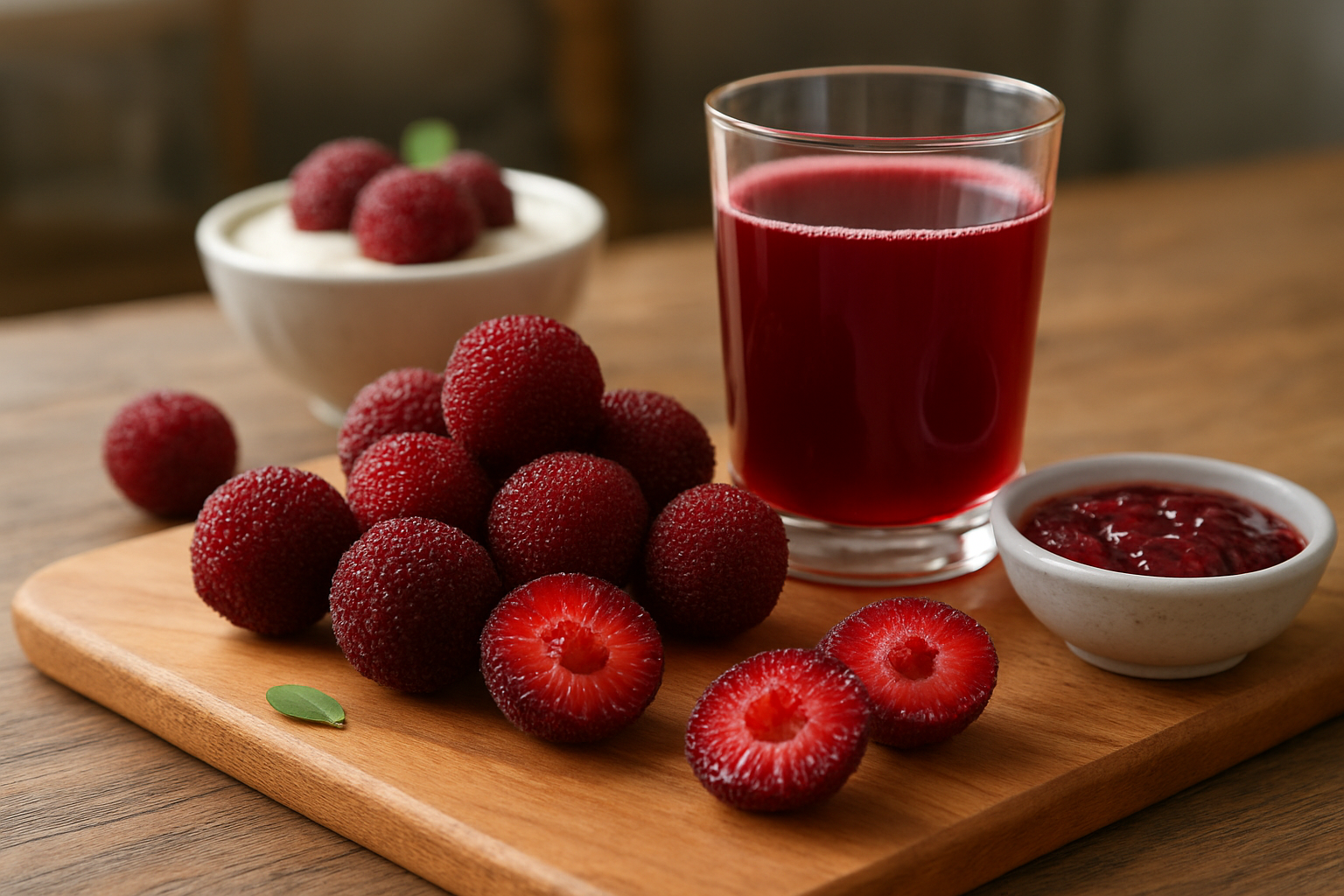
Yumberry delivers a complex flavor profile that's both familiar and exotic. The fruit combines the tartness of cranberries with the sweetness of cherries, creating a balanced taste that's neither too sour nor overly sweet. When perfectly ripe, Chinese bayberry offers subtle floral notes that add sophistication to its berry-forward character.
The texture varies depending on ripeness. Fresh yumberry has a unique bumpy, almost warty exterior that gives way to juicy, tender flesh inside. Unlike smooth-skinned berries, the textured surface holds flavoring and seasonings exceptionally well. The fruit contains a small pit at the center, similar to a cherry, which should be removed before eating.
Raw yumberry taste tends to be more astringent when underripe, gradually developing sweetness as it matures. The juice is remarkably flavorful and stains easily, making it perfect for beverages and natural food coloring applications.
Traditional Chinese cooking applications and recipes
Chinese culinary traditions have embraced yumberry for over 2,000 years, incorporating the fruit into both sweet and savory preparations. Traditional Chinese medicine values yumberry for digestive benefits, often serving it fresh after heavy meals.
Classic applications include:
-
Preserved yumberry: Salt-cured or sugar-preserved versions that intensify flavors
-
Yumberry wine: A popular fermented beverage with cultural significance
-
Traditional soups: Added to cooling summer soups for balance
-
Candied preparations: Dried and sweetened for long-term storage
-
Medicinal teas: Brewed with other herbs for wellness purposes
Regional Chinese cuisines feature yumberry in rice dishes, where the fruit's acidity complements rich ingredients. Guangdong province particularly celebrates fresh yumberry season with festivals and special market displays.
Modern Western culinary adaptations and preparations
Western chefs have embraced yumberry's versatility, creating innovative applications that highlight its unique characteristics. The fruit works exceptionally well in both sweet and savory modern dishes.
Popular Western preparations include:
| Application | Description | Best Use |
|---|---|---|
| Cocktails | Muddled or juiced for drinks | Summer beverages |
| Desserts | Tarts, sorbets, ice creams | Fine dining |
| Sauces | Reductions for meats | Gourmet entrees |
| Jams | Artisanal preserves | Breakfast spreads |
Contemporary restaurants feature yumberry in fusion cuisine, pairing it with goat cheese, arugula, and nuts in salads. The fruit's natural acidity makes it excellent for vinaigrettes and marinades. Pastry chefs appreciate how yumberry holds its shape when cooked, making it ideal for galettes and upside-down cakes.
Mixologists have discovered that yumberry fruit creates stunning cocktails with its deep red color and complex flavor, often substituting it for more common berries in classic recipes.
Availability and Selection Tips for Fresh Yumberry
Where to Find Yumberry in International Markets
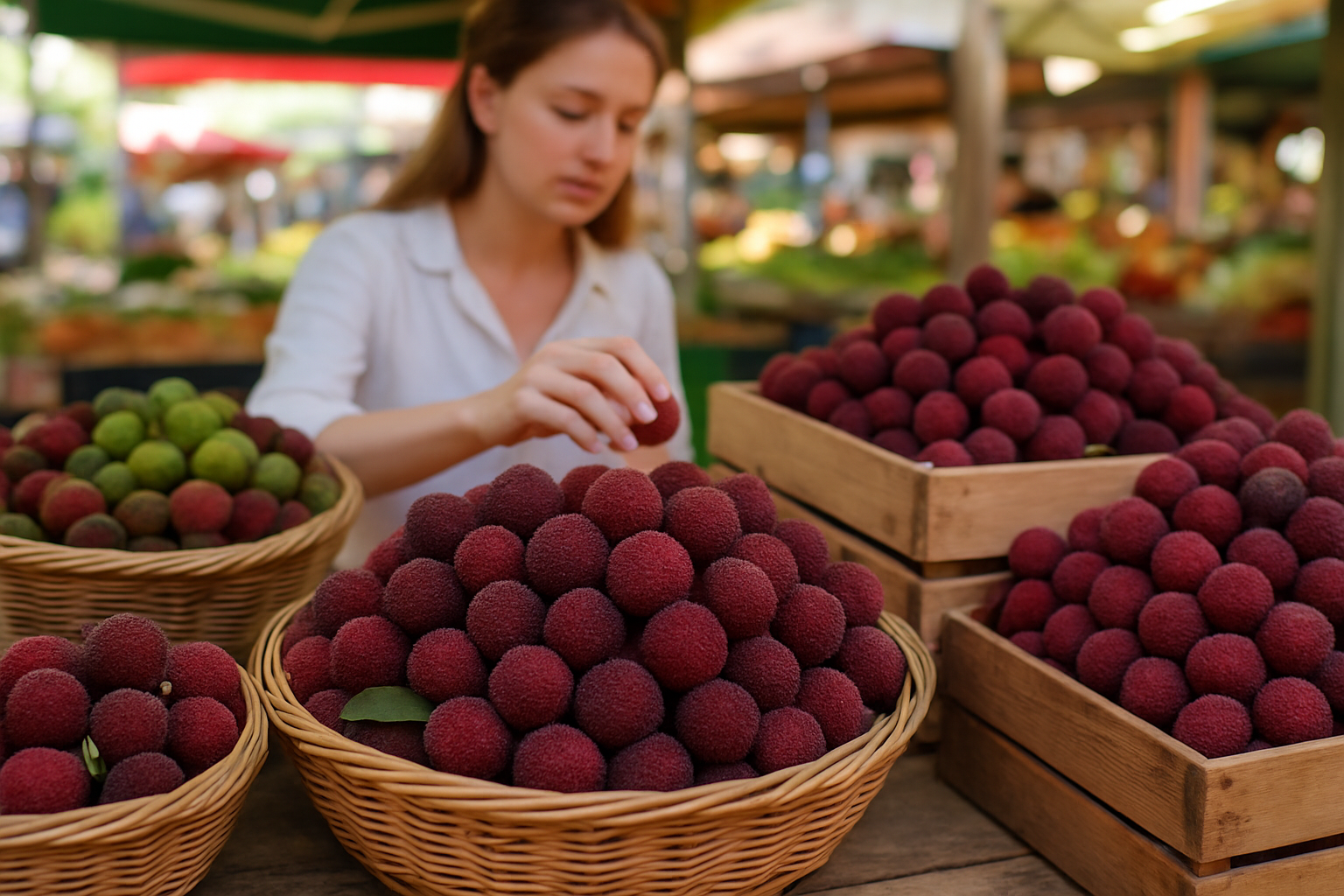
Finding fresh yumberry fruit outside of China can be challenging, but several options exist for determined fruit enthusiasts. Asian specialty markets and Chinese grocery stores represent your best bet for locating fresh Chinese bayberry. These establishments often import seasonal fruit directly from Asian suppliers, particularly during peak harvest months.
Large international supermarket chains like H Mart, 99 Ranch Market, and T&T Supermarket frequently stock yumberry during summer months. Online specialty fruit retailers have also begun offering fresh yumberry, though shipping costs can be substantial due to the fruit's delicate nature and perishability.
Farmers markets in areas with significant Asian populations sometimes feature vendors selling imported yumberry. Chinatowns in major metropolitan areas often have fruit vendors who specialize in hard-to-find Asian varieties, including Chinese bayberry fruit.
For those near university towns with international student populations, campus-area Asian markets may carry yumberry seasonally. Some high-end gourmet stores and specialty food boutiques have started stocking exotic Asian fruits, including yumberry, though availability remains sporadic.
Identifying Ripe and Quality Fruit Selection Criteria
Selecting quality yumberry fruit requires attention to several key indicators. Ripe yumberry displays a deep red to dark purple color, with the surface appearing almost burgundy when perfectly mature. The fruit should yield slightly to gentle pressure without feeling mushy or overly soft.
Fresh, quality yumberry has a glossy, unblemished skin free from dark spots, wrinkles, or soft patches. The characteristic bumpy texture should feel firm and intact. Avoid fruit with brown spots, which indicate overripeness or potential spoilage.
Size consistency matters when selecting yumberry - choose fruits of similar diameter, typically ranging from 0.5 to 1 inch across. Smaller fruits often concentrate flavors better, while larger ones may lack intensity.
The stem area should appear fresh and green rather than brown or dried out. Quality yumberry emits a subtle, sweet fragrance when ripe. Strong fermented or alcoholic odors signal overripeness and should be avoided.
| Quality Indicator | Good Fruit | Avoid |
|---|---|---|
| Color | Deep red to purple | Pale red, brown spots |
| Texture | Firm, slightly yielding | Mushy or rock hard |
| Skin | Glossy, unblemished | Wrinkled, spotted |
| Aroma | Subtle sweetness | Strong fermented smell |
Proper Storage Methods for Maximum Freshness
Yumberry requires careful handling to maintain peak freshness due to its delicate nature. Fresh yumberry keeps best when stored unwashed in the refrigerator's crisper drawer, where it maintains quality for 3-5 days maximum.
Place yumberry in a single layer within a shallow container lined with paper towels to absorb excess moisture. Avoid plastic bags, which trap humidity and accelerate spoilage. Instead, use breathable containers or perforated plastic bags that allow air circulation.
Never wash yumberry until immediately before consumption, as excess moisture promotes rapid deterioration. The fruit's natural waxy coating provides protection against moisture loss and bacterial growth.
For longer storage, freezing works well for culinary applications. Wash and dry yumberry thoroughly, then freeze in single layers on baking sheets before transferring to freezer bags. Frozen yumberry maintains quality for up to six months but loses its fresh texture.
Room temperature storage works only for same-day consumption, as yumberry deteriorates rapidly in warm conditions. Check stored fruit daily and remove any showing signs of spoilage to prevent spread to healthy fruits.
Seasonal Availability and Peak Purchasing Times
Chinese bayberry follows a distinct seasonal pattern that dictates availability in international markets. Peak harvest occurs during late spring and early summer, typically May through July, depending on the specific growing region and variety.
The freshest yumberry fruit appears in North American markets during June and July, coinciding with the main harvest season in southern China. This window represents optimal purchasing time for the highest quality fruit at the most reasonable prices.
Early season fruit (May) often commands premium prices but may lack full flavor development. Mid-season purchases (June-early July) offer the best balance of quality, flavor, and value. Late season availability extends into August but quality may vary significantly.
Weather patterns significantly impact yumberry availability and pricing. Favorable growing conditions in China result in abundant supply and lower prices, while adverse weather creates scarcity and price spikes.
Pre-ordering from specialty retailers often ensures access to the best quality fruit, as premium grades sell quickly during peak season. Many Asian markets accept advance orders for specific quantities during harvest season, guaranteeing availability for customers seeking fresh yumberry.
Growing Yumberry Plants in Home Gardens
.png)
Climate Requirements and Suitable Growing Zones
The yumberry tree thrives in temperate to subtropical climates with distinct seasonal changes. These hardy plants prefer USDA zones 8-10, where winter temperatures rarely drop below 10°F (-12°C). Native to southern China's mountainous regions, yumberry trees need a cold winter period for proper fruit development, making them ideal for areas with cool winters and warm summers.
The trees perform best in locations with annual rainfall between 40-60 inches, though they can adapt to slightly drier conditions once established. Humidity levels between 60-80% create optimal growing conditions, similar to their natural habitat. Coastal regions often provide the perfect balance of moisture and moderate temperatures that yumberry trees crave.
Wind protection plays a crucial role in successful cultivation. Strong winds can damage the delicate branches and reduce fruit production. Plant your yumberry tree in a sheltered location or create windbreaks using other plants or structures.
Soil Preparation and Planting Guidelines
Proper soil preparation sets the foundation for healthy yumberry tree growth. These plants demand well-draining, slightly acidic soil with a pH between 5.5-6.5. Heavy clay soils require amendment with organic matter like compost or aged manure to improve drainage and prevent root rot.
Choose a planting site with morning sun and afternoon shade, especially in hotter climates. Full sun locations work well in cooler regions, but some protection from intense afternoon heat benefits the trees in warmer zones.
Dig a hole twice as wide as the root ball but no deeper than the container height. The root flare should sit at ground level to prevent trunk rot. Backfill with native soil mixed with 30% compost or well-rotted organic matter.
Space multiple trees 15-20 feet apart to allow for mature canopy spread. Cross-pollination between different varieties increases fruit yield, so consider planting at least two different cultivars for better production.
Watering and Maintenance Care Instructions
Young yumberry trees need consistent moisture during their first two growing seasons. Water deeply once or twice weekly, providing about 1 inch of water each time. Mature trees become more drought-tolerant but still benefit from regular watering during dry spells and fruit development periods.
Apply a 3-4 inch layer of organic mulch around the tree base, keeping it 6 inches away from the trunk. This helps retain soil moisture, regulate temperature, and suppress weeds that compete for nutrients.
Pruning should occur during late winter when the tree remains dormant. Remove dead, diseased, or crossing branches to maintain good air circulation. Light pruning helps shape the tree and encourages new growth that produces the best fruit.
Feed your yumberry tree with balanced organic fertilizer in early spring before new growth begins. A second application in early summer supports fruit development. Avoid high-nitrogen fertilizers late in the season as they can reduce cold hardiness.
Watch for common pests like scale insects and aphids, which can be managed with horticultural oil or insecticidal soap. Good air circulation and proper spacing help prevent fungal diseases that occasionally affect these otherwise resilient trees.
The yumberry stands out as a unique fruit that brings both nutritional value and delicious flavor to your table. With its impressive vitamin C content, antioxidant properties, and natural sweetness, this Chinese bayberry offers a refreshing alternative to common fruits. You can enjoy it fresh, dried, or processed into juices and jams, making it a versatile addition to your diet.
Finding fresh yumberries might take some effort since they're not widely available in most grocery stores, but specialty Asian markets and online retailers can be good sources. If you're interested in growing your own, these plants can thrive in the right climate conditions with proper care. Give yumberry a try when you spot it – this little red fruit might just become your new favorite healthy snack.


.png)
Comments
Post a Comment