Bell Peppers - What are Bell Peppers?
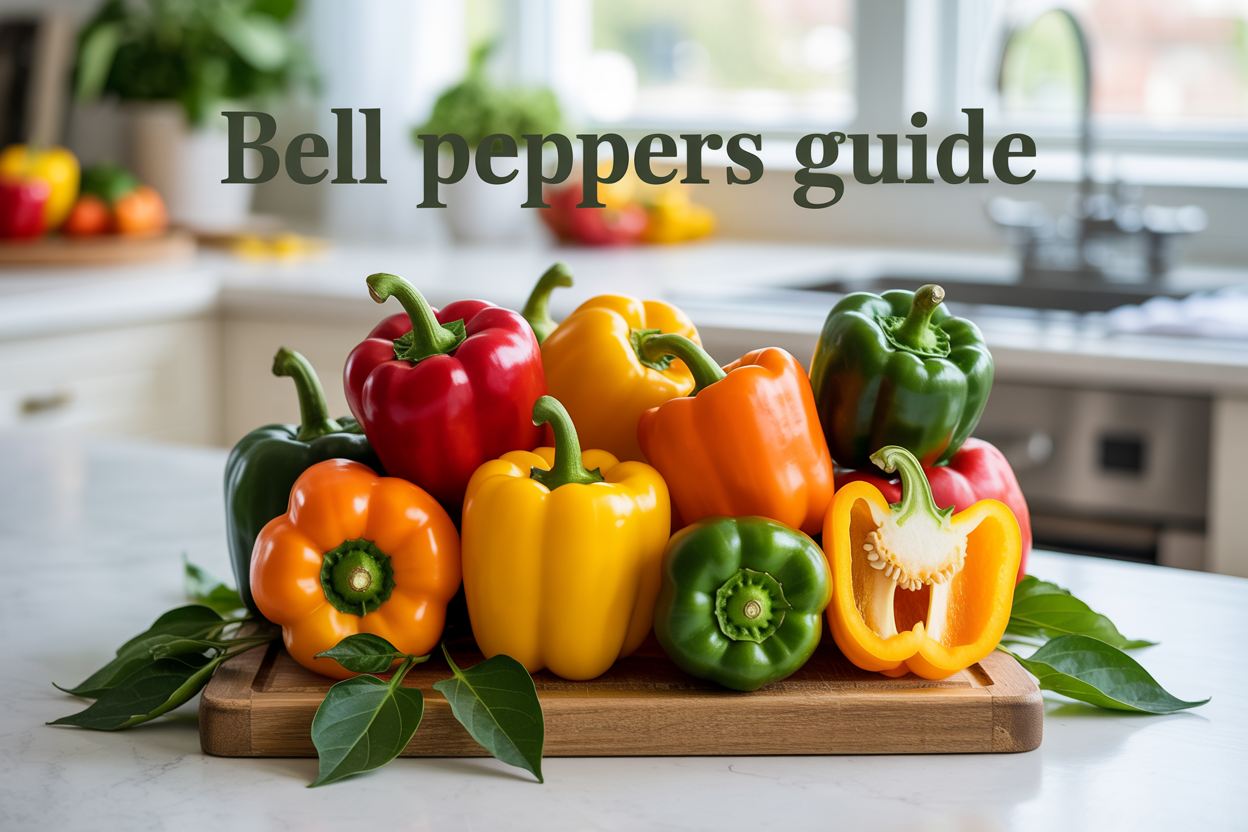
Bell peppers are colorful, crunchy vegetables that belong to the nightshade family and pack a surprising nutritional punch. If you're a home cook, gardener, or health-conscious eater wondering what are bell peppers and why they deserve a spot in your kitchen, you've come to the right place.
This guide is perfect for anyone curious about these vibrant veggies - from beginners who want to understand the basics to experienced cooks looking to expand their bell pepper knowledge.
We'll explore the impressive bell pepper nutrition and health benefits that make these vegetables a smart addition to your diet. You'll also discover the different types of bell peppers and what those various bell pepper colors actually mean for taste and nutrition. Finally, we'll dive into practical tips for growing bell peppers in your own garden and share versatile bell pepper recipes and cooking methods to help you make the most of these delicious vegetables.
Understanding Bell Peppers as a Vegetable
Botanical classification and plant family origins
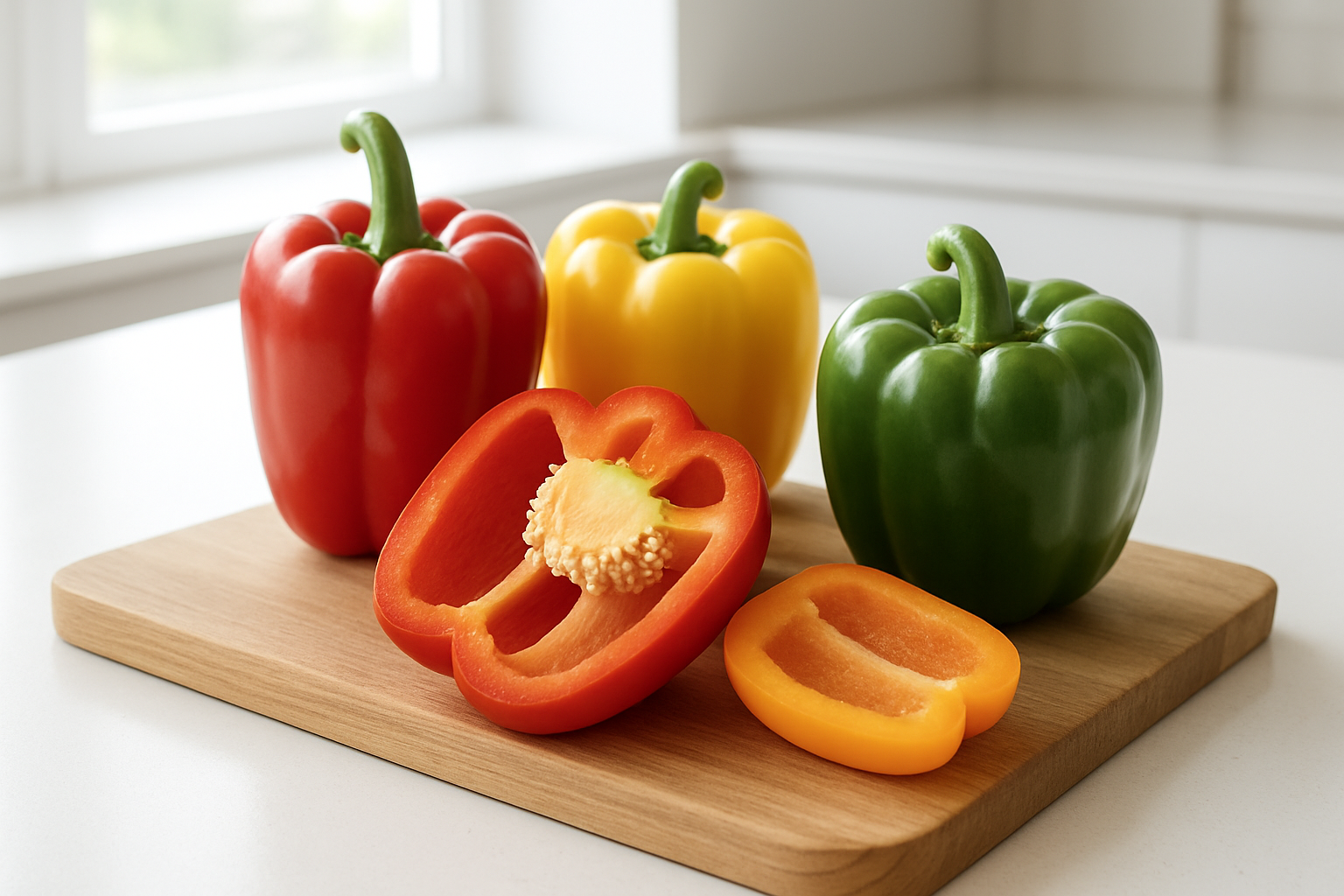
Bell peppers belong to the species Capsicum annuum and are proud members of the Solanaceae family, commonly known as the nightshade family. This puts them in the same botanical neighborhood as tomatoes, potatoes, and eggplants. What are bell peppers exactly in scientific terms? They're actually fruits, not vegetables, though we treat them as vegetables in our kitchens.
The origins of bell peppers trace back to Central and South America, where indigenous peoples cultivated them thousands of years ago. Spanish explorers brought these colorful gems to Europe in the 15th century, and from there, they spread across the globe. The name "bell pepper" comes from their distinctive bell-like shape, though they're also called sweet peppers or capsicums in different parts of the world.
Physical characteristics that define bell peppers
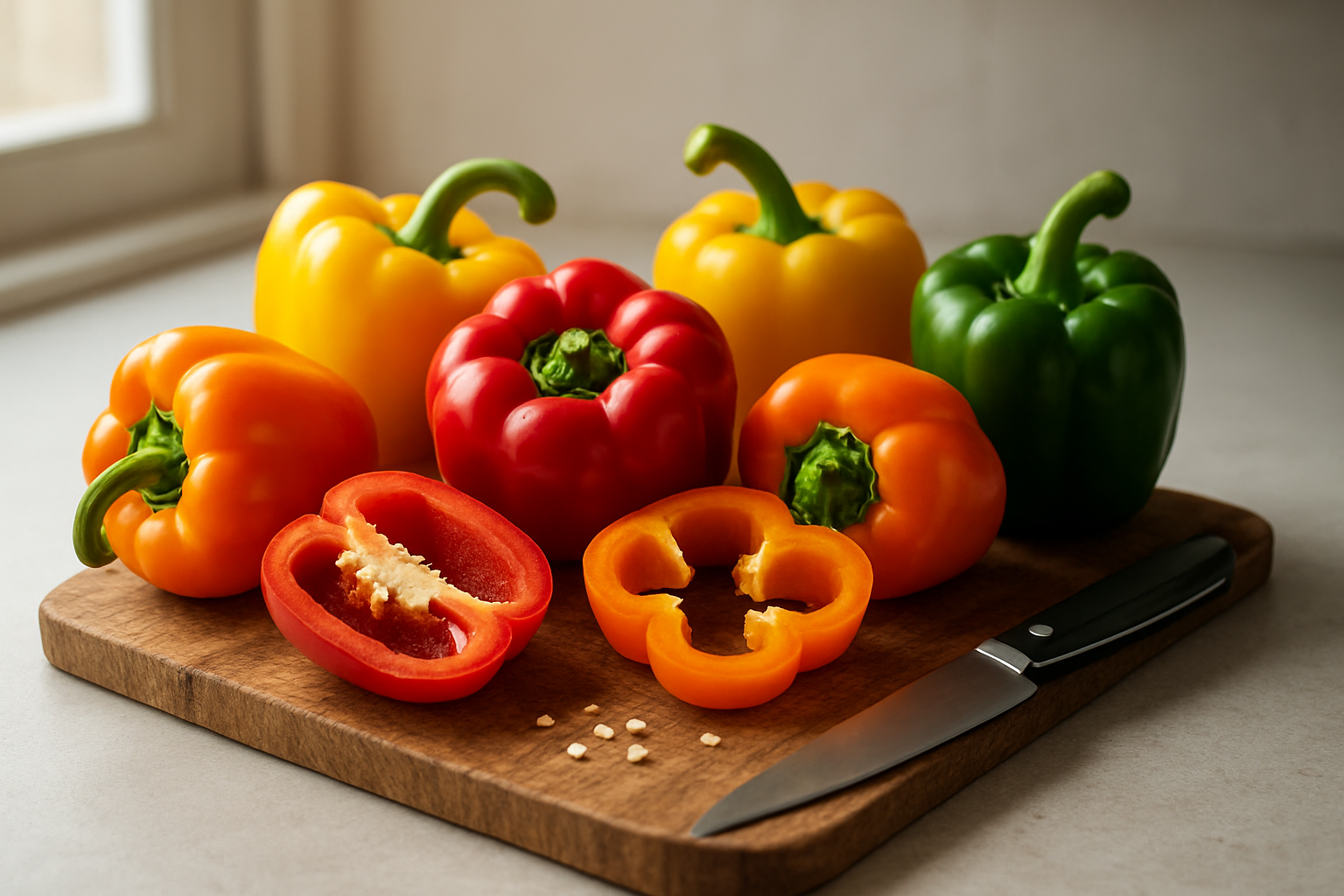
Bell peppers have several distinctive features that set them apart in the pepper world. Their most recognizable trait is their blocky, bell-shaped form with three to four lobes and a hollow interior filled with white, spongy tissue called placenta. The thick, crisp walls typically measure 3-6 millimeters thick, giving them their satisfying crunch.
These peppers grow on compact, bushy plants that reach 1-3 feet in height. The glossy, smooth skin comes in various colors including green, red, yellow, orange, purple, and even chocolate brown. Size-wise, bell peppers usually measure 2-5 inches in length and width, making them perfect for stuffing or slicing.
The flesh is sweet and mild, containing numerous flat, cream-colored seeds attached to the central core. Unlike their spicy cousins, bell peppers contain zero capsaicin, the compound responsible for heat in hot peppers.
Key differences from other pepper varieties
The most obvious difference between bell peppers and other pepper varieties is the complete absence of heat. While jalapeños, serranos, and habaneros pack serious spice, bell peppers register zero on the Scoville scale, making them perfect for people who want pepper flavor without the burn.
Shape plays a huge role in identification too. While hot peppers tend to be elongated, pointed, or curved, bell peppers maintain their characteristic blocky, wide profile. The wall thickness also differs significantly - bell peppers have much thicker flesh compared to the thin walls of most hot pepper varieties.
Key Differences at a Glance:
| Feature | Bell Peppers | Hot Peppers |
|---|---|---|
| Heat Level | 0 Scoville units | 100-3,000,000+ Scoville units |
| Wall Thickness | 3-6mm thick | 1-2mm thick |
| Shape | Blocky, bell-shaped | Elongated, pointed, curved |
| Primary Use | Fresh eating, cooking | Seasoning, hot sauces |
| Seed Arrangement | Central cluster | Throughout interior |
Bell pepper colors also tell a story about ripeness. Green bell peppers are simply unripe versions that will eventually turn red, yellow, or orange if left on the plant longer. This extended growing time makes colored bell peppers more expensive than green ones at the grocery store.
Nutritional Benefits of Bell Peppers
Essential vitamins and mineral content
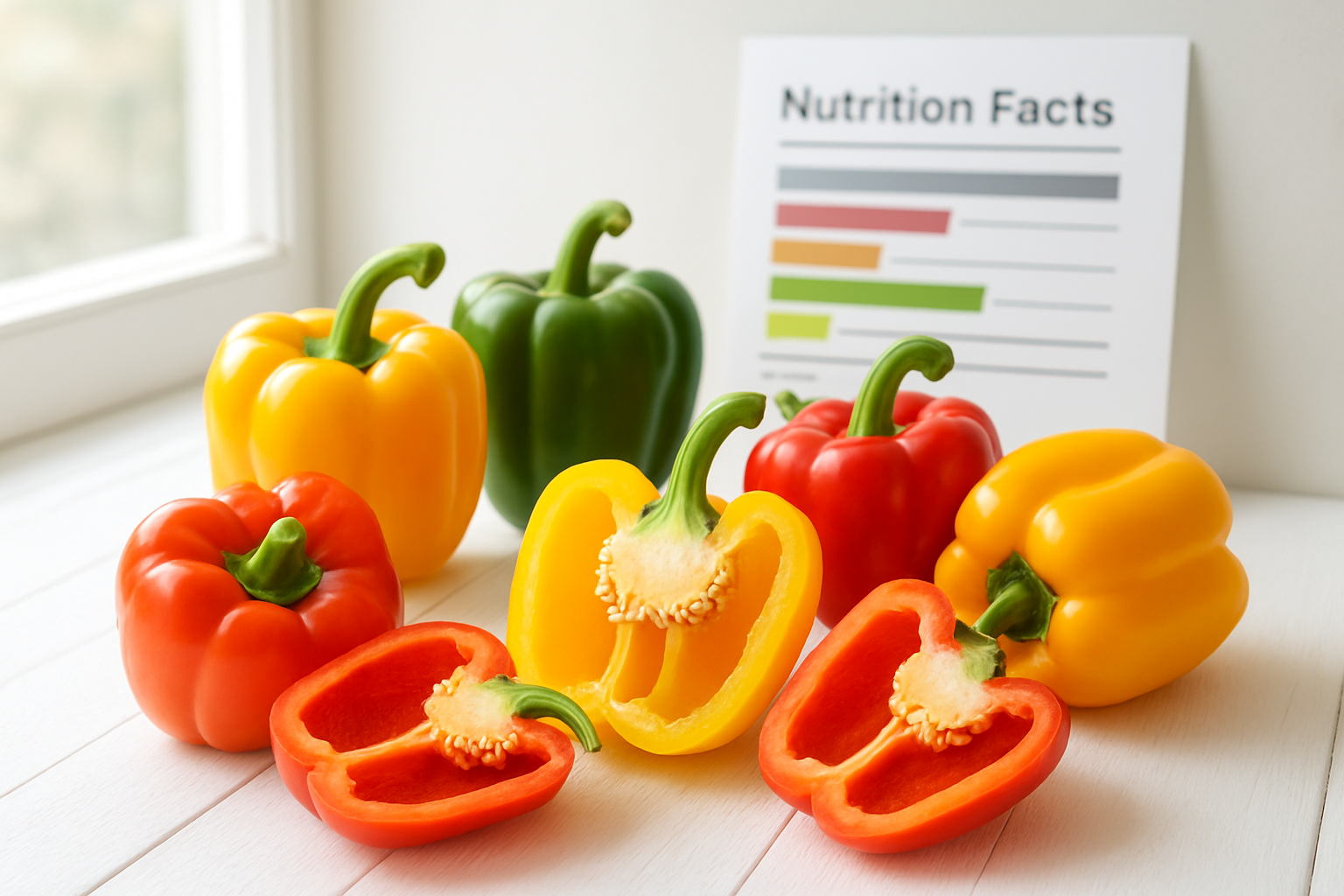
Bell peppers pack an impressive nutritional punch that makes them stand out among vegetables. A single medium red bell pepper contains more vitamin C than most citrus fruits - about 190% of your daily recommended intake. This makes bell peppers one of the richest sources of vitamin C you can find in the produce section.
Beyond vitamin C, bell peppers deliver substantial amounts of vitamin A, particularly in their colorful varieties. Red bell peppers contain nearly 11 times more beta-carotene than green ones, which your body converts to vitamin A for healthy vision and immune function. You'll also find good amounts of vitamin K for bone health, vitamin E for skin protection, and several B vitamins including folate and B6.
The mineral content includes potassium for heart health and blood pressure regulation, plus smaller amounts of magnesium, phosphorus, and iron. What makes bell pepper nutrition especially appealing is how these nutrients work together to support multiple body systems simultaneously.
Antioxidant properties for better health
The vibrant colors of bell peppers signal their rich antioxidant content. These compounds fight free radicals in your body, potentially reducing inflammation and lowering disease risk. Red bell peppers contain the highest levels of antioxidants, followed by yellow and orange varieties.
Key antioxidants include:
-
Capsanthin: Gives red peppers their color and may support heart health
-
Quercetin: A flavonoid with anti-inflammatory properties
-
Luteolin: May help protect against age-related cognitive decline
-
Beta-carotene: Converts to vitamin A and supports eye health
Research suggests that eating antioxidant-rich foods like bell peppers regularly may help protect against chronic conditions including heart disease, certain cancers, and age-related macular degeneration.
Low-calorie advantages for weight management
Bell peppers shine as a weight-management friendly food. One medium bell pepper contains only about 25-30 calories while providing substantial volume and crunch to meals. This high water content (about 92%) helps you feel full without adding significant calories to your daily intake.
Their natural sweetness, especially in red and yellow varieties, can satisfy cravings for sugary snacks without deriving calories from added sugars. The satisfying crunch factor means you'll chew more, which can help trigger feelings of fullness and slow down eating pace.
| Bell Pepper Color | Calories per medium pepper | Water Content |
|---|---|---|
| Green | 24 calories | 93% |
| Red | 31 calories | 92% |
| Yellow | 27 calories | 92% |
Fiber content supporting digestive wellness
Each medium bell pepper provides about 2.5-3 grams of dietary fiber, contributing meaningfully to your daily fiber goals. This soluble and insoluble fiber combination supports healthy digestion by promoting regular bowel movements and feeding beneficial gut bacteria.
The fiber in bell peppers also helps slow sugar absorption, preventing blood sugar spikes after meals. This makes them an excellent choice for people managing diabetes or anyone looking to maintain steady energy levels throughout the day.
Regular fiber intake from foods like bell peppers may also help lower cholesterol levels and reduce the risk of heart disease. The prebiotic properties of bell pepper fiber nourish your gut microbiome, supporting overall immune function and potentially improving mood through the gut-brain connection.
Different Types and Colors of Bell Peppers
Green bell peppers and their crisp flavor profile
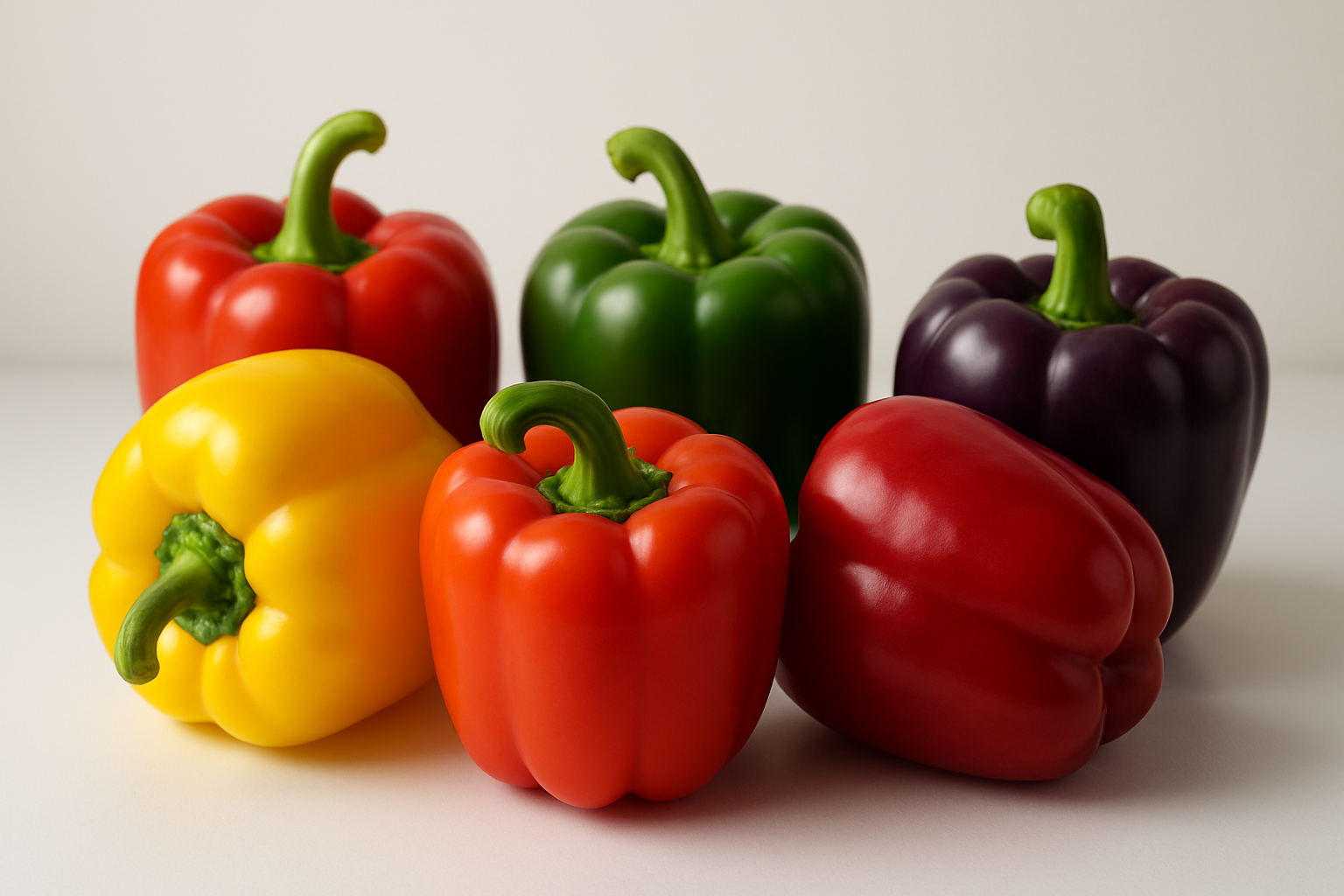
Green bell peppers are actually the unripe version of what eventually becomes red, yellow, or orange bell peppers. This early harvest gives them their distinctive crisp texture and slightly bitter, grassy flavor that many people love. The taste is more vegetal and sharp compared to their colorful counterparts, making green bell peppers perfect for dishes where you want that extra bite.
These peppers pack a serious crunch that holds up beautifully in cooking. Whether you're stir-frying, stuffing, or adding them raw to salads, green bell peppers maintain their firm texture longer than ripe peppers. Their robust flavor pairs wonderfully with strong seasonings like garlic, onions, and bold spices.
Green bell peppers are also the most budget-friendly option since they're harvested earlier in the growing cycle. You'll find them year-round in most grocery stores, making them a reliable kitchen staple for everything from fajitas to pizza toppings.
Red bell peppers offering maximum sweetness
Red bell peppers represent the fully mature stage of the pepper's development, and this extra time on the plant makes all the difference in flavor. These peppers have converted their natural starches into sugars, creating a sweet, almost fruity taste that's completely different from their green siblings.
The sweetness in red bell peppers is so pronounced that many people eat them raw like candy. They're incredibly versatile in both raw and cooked applications. When roasted, red bell peppers develop an even deeper, caramelized sweetness with smoky undertones that can transform simple dishes into something special.
Nutritionally, red bell peppers are powerhouses. They contain significantly more vitamin C than green peppers - sometimes three times as much. They're also loaded with beta-carotene, which gives them their vibrant red color and provides excellent antioxidant benefits.
Yellow and orange varieties for vibrant dishes
Yellow and orange bell peppers fall somewhere between green and red in terms of ripeness and flavor. These varieties offer a perfect middle ground - sweeter than green peppers but with a slightly different flavor profile than reds. Yellow peppers tend to have a mild, fruity sweetness with subtle tangy notes, while orange peppers often taste similar to reds but with their own unique character.
These colorful peppers are absolute game-changers for visual appeal in cooking. They bring sunshine to any dish and work particularly well in Mediterranean cuisine, summer salads, and rainbow vegetable medleys. Their bright colors don't fade much during cooking, so they maintain that gorgeous appearance even after being sautéed or roasted.
The nutritional profile of yellow and orange bell peppers is impressive too. Like red peppers, they're high in vitamin C and contain good amounts of folate, vitamin A, and potassium. Their vibrant colors indicate high levels of different carotenoids, which are beneficial plant compounds with antioxidant properties.
Growing and Harvesting Bell Peppers
Optimal growing conditions for maximum yield
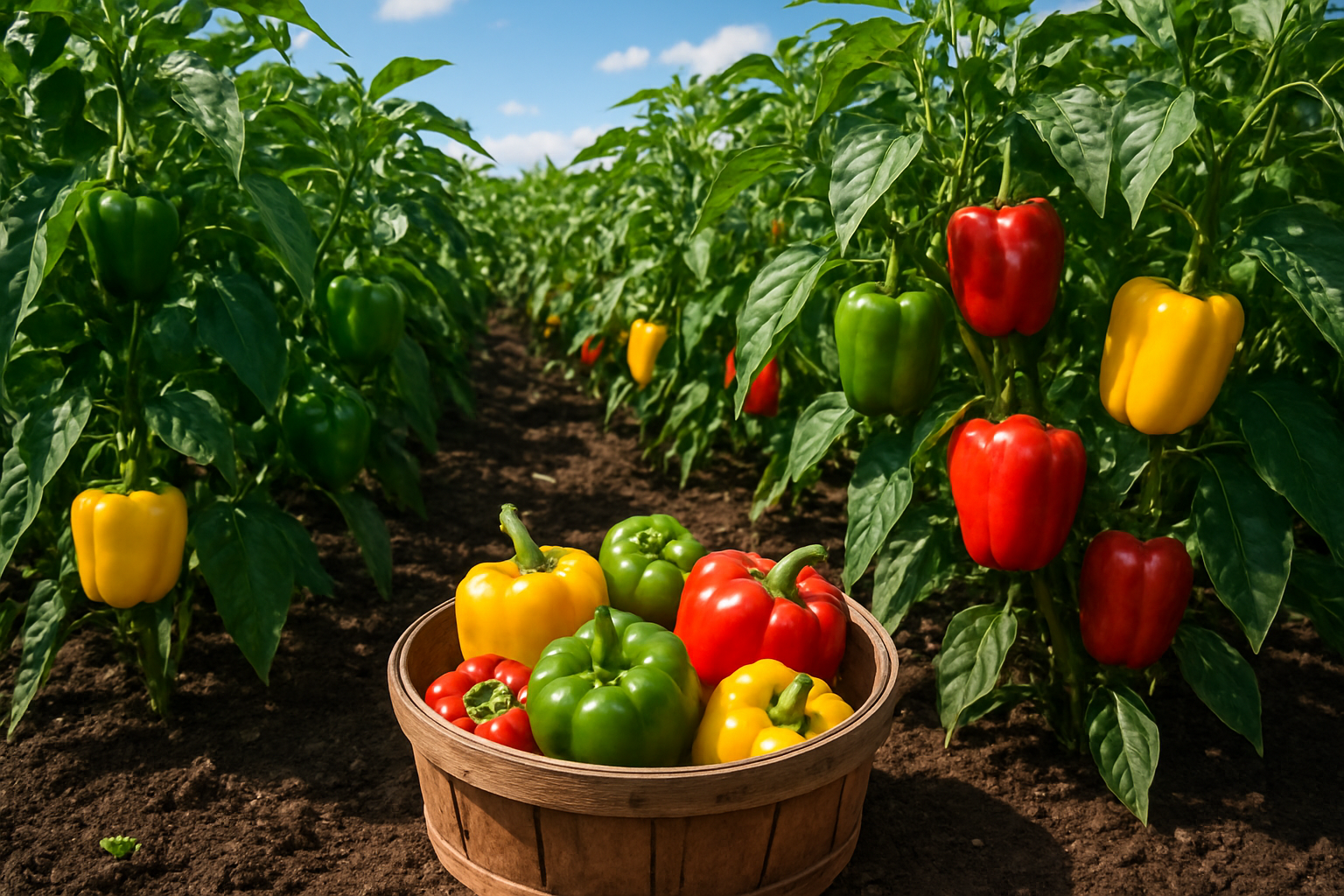
Growing bell peppers successfully requires attention to several key environmental factors. These warm-season crops thrive in temperatures between 70-80°F during the day and prefer nighttime temperatures that don't drop below 60°F. Bell peppers need well-draining soil with a pH between 6.0-6.8, enriched with organic matter like compost or aged manure.
Sunlight plays a crucial role in pepper development. Your plants need at least 6-8 hours of direct sunlight daily to produce vibrant, healthy bell peppers. In areas with intense summer heat, some afternoon shade can prevent heat stress and blossom drop.
Consistent moisture is essential, but avoid waterlogged conditions. Aim for about 1-2 inches of water per week, either through rainfall or irrigation. Mulching around plants helps retain soil moisture and suppress weeds while keeping roots cool.
Space your pepper plants 18-24 inches apart to allow proper air circulation, which helps prevent disease. Consider using raised beds or containers if your garden soil has drainage issues.
Seasonal planting guidelines for success
Timing is everything when growing bell peppers. Start seeds indoors 8-10 weeks before your last expected frost date. Bell pepper seeds germinate best in warm soil (75-85°F), so use a heat mat if needed.
Transplant seedlings outdoors only after soil temperatures consistently reach 60°F and all danger of frost has passed. In most regions, this means late spring or early summer planting. Cold soil will stunt growth and delay fruit production.
For fall harvests in warmer climates, plant your second crop 12-14 weeks before the first expected frost. This gives plants enough time to establish and produce mature bell peppers before cold weather arrives.
In colder regions, consider using row covers or cold frames to extend the growing season. These protection methods can add 2-4 weeks to either end of your growing season.
Harvesting techniques for peak flavor
Bell peppers can be harvested at any stage, but timing affects both flavor and nutritional content. Green bell peppers are simply unripe versions of their colored counterparts - they're perfectly edible but have a more bitter, grassy flavor.
For sweeter, more nutritious red bell peppers, leave fruits on the plant until they fully ripen and change color. This process typically takes 70-80 days from transplanting for most varieties. Yellow, orange, and purple varieties follow similar timelines.
When harvesting, use clean, sharp garden shears or a knife to cut the stem about 1/4 inch above the pepper. Pulling peppers by hand can damage the plant and reduce future yields. Harvest regularly to encourage continued production throughout the season.
Pick bell peppers when they're firm and glossy. Wrinkled or soft spots indicate overripeness or damage. Store fresh-picked peppers in the refrigerator for up to two weeks.
Common challenges and pest management solutions
Several pests and diseases commonly affect bell pepper plants. Aphids, spider mites, and hornworms are frequent visitors that can damage leaves and fruits. Regular inspection helps catch problems early.
Natural pest control methods work well for bell peppers. Companion planting with basil, marigolds, or nasturtiums can deter harmful insects. Beneficial insects like ladybugs and lacewings help control aphid populations naturally.
Blossom end rot appears as dark, sunken spots on pepper bottoms and results from calcium deficiency, often caused by inconsistent watering. Maintain steady soil moisture and avoid disturbing roots when cultivating around plants.
Bacterial spot and anthracnose are fungal diseases that thrive in humid conditions. Improve air circulation, avoid overhead watering, and remove affected plant material promptly. Crop rotation prevents soil-borne diseases from building up over time.
Cutworms can sever young transplants at soil level. Place cardboard collars around newly planted seedlings to protect stems. Diatomaceous earth sprinkled around plants also deters crawling pests without harmful chemicals.
Monitor plants weekly during the growing season. Early detection and intervention prevent minor issues from becoming major problems that could affect your bell pepper harvest.
Culinary Uses and Cooking Methods
Raw preparation ideas for fresh consumption
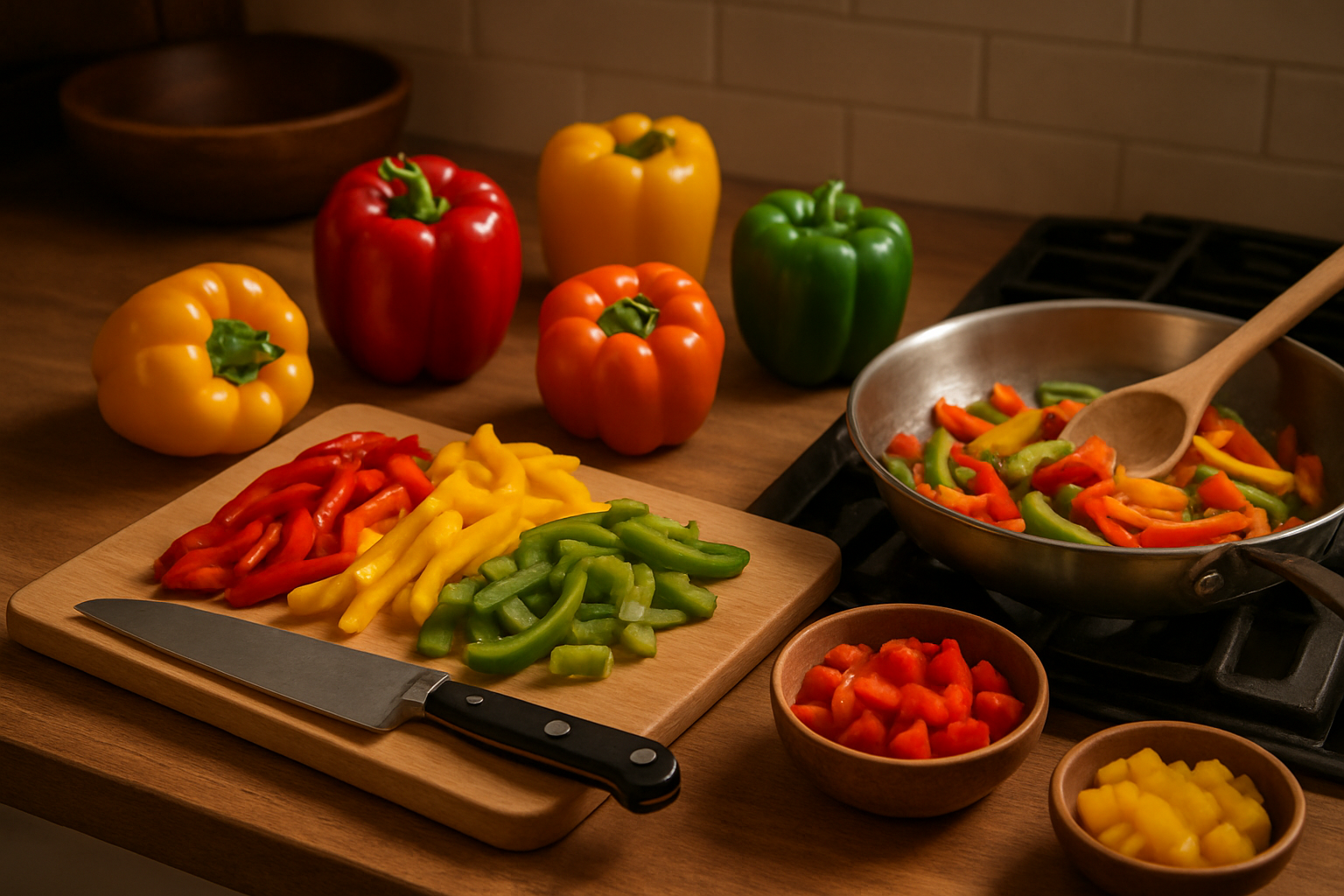
Bell peppers shine brightest when eaten fresh, delivering maximum crunch and vibrant flavor. Slice them into colorful strips for veggie trays, dice them into fresh salsas, or julienne them for salads. The sweet, crisp texture makes them perfect for stuffing with cream cheese or hummus for quick appetizers. Rainbow pepper strips work beautifully in grain bowls, wraps, and sandwiches, adding both nutrition and visual appeal.
For maximum freshness, rinse bell peppers under cold water and pat dry before cutting. Remove the stem, seeds, and white membrane to reduce any bitter notes. Red bell peppers offer the sweetest flavor for raw consumption, while green varieties provide a slightly more assertive taste that pairs well with robust dressings and marinades.
Roasting techniques to enhance natural sweetness
Roasting transforms bell peppers into smoky, sweet delicacies that elevate any dish. Place whole peppers directly over an open flame, turning frequently until the skin chars and blisteres evenly. Alternatively, roast them in a 450°F oven for 20-25 minutes, turning once halfway through.
After roasting, immediately place peppers in a sealed bag or covered bowl for 10-15 minutes. This steaming process loosens the charred skin for easy removal. Peel away the blackened skin, remove seeds, and slice as desired. Roasted bell peppers develop concentrated sweetness and can be stored in olive oil in the refrigerator for up to a week.
Stuffing methods for hearty meal preparation
Stuffed bell peppers create satisfying, complete meals in their own edible containers. Choose large, uniform peppers with flat bottoms that stand upright. Cut the tops off and remove all seeds and membranes, creating hollow shells ready for filling.
Popular stuffing combinations include:
-
Classic meat and rice: Ground beef or turkey mixed with cooked rice, onions, and seasonings
-
Mediterranean style: Quinoa, feta cheese, olives, and fresh herbs
-
Vegetarian: Black beans, corn, diced tomatoes, and cheese
-
Italian-inspired: Italian sausage, breadcrumbs, and marinara sauce
Blanch pepper shells in boiling water for 3-4 minutes before stuffing to ensure tender results. Bake stuffed peppers at 375°F for 30-40 minutes until peppers are tender and filling is heated through.
Preservation and storage tips for extended freshness
Fresh bell peppers stay crisp for 1-2 weeks when stored properly in the refrigerator's crisper drawer. Keep them in perforated plastic bags to maintain humidity while allowing air circulation. Avoid washing before storage, as excess moisture accelerates decay.
For longer preservation, bell peppers freeze exceptionally well. Wash, remove seeds, and cut into desired shapes. Blanch in boiling water for 2-3 minutes, then immediately transfer to ice water. Drain thoroughly and freeze in airtight containers for up to 8 months. Frozen peppers work best in cooked dishes rather than raw applications.
Dehydrating creates concentrated pepper flakes perfect for seasoning. Slice peppers thinly and dehydrate at 125°F for 8-12 hours until completely dry and crispy.
Popular recipes featuring bell peppers as main ingredients
Bell pepper recipes showcase their versatility across cuisines. Ratatouille celebrates peppers alongside eggplant, zucchini, and tomatoes in this French vegetable stew. The peppers add sweetness and structure to balance the other vegetables.
Fajitas rely heavily on sautéed bell peppers for their signature flavor and texture. Strip-cut peppers cook quickly with onions, developing caramelized edges that complement seasoned meats or plant-based proteins.
Pepper and egg sandwiches represent Italian-American comfort food at its finest. Slowly cooked bell peppers become silky and sweet, pairing perfectly with scrambled eggs on crusty bread.
Hungarian goulash features bell peppers as a key ingredient, where they contribute both flavor and authentic cultural significance to this hearty stew.
Asian stir-fries showcase bell peppers' ability to maintain texture under high heat while absorbing surrounding flavors from soy sauce, garlic, and ginger.
Bell peppers bring so much to the table - they're packed with vitamin C, antioxidants, and fiber while being incredibly versatile in the kitchen. From sweet red and yellow varieties to the slightly bitter green ones, each color offers its own unique flavor profile and nutritional benefits. Whether you're growing them in your backyard garden or picking them up fresh from the store, these colorful vegetables can transform any dish.
Next time you're planning a meal, think about how bell peppers can add both nutrition and flavor to your plate. Try roasting them for a smoky sweetness, tossing them raw into salads for extra crunch, or stuffing them with your favorite filling for a complete meal. With their mild taste and satisfying texture, bell peppers are an easy way to boost the health value of your cooking while keeping things delicious and colorful.


.png)
Comments
Post a Comment