Bilimbi - What's The Bilimbi Fruit?
.png)
Ever spotted a small, cucumber-shaped fruit hanging from a tree and wondered what it is? Meet the bilimbi fruit – a tangy tropical gem that's been flying under the radar for too long. Also known as cucumber tree fruit, this unique produce from the Averrhoa bilimbi tree packs a serious sour punch and offers surprising health benefits.
This guide is perfect for curious food lovers, home gardeners interested in exotic plants, and anyone wanting to expand their culinary horizons with something truly different. We'll explore what makes bilimbi special, from its distinctive taste that can make your mouth pucker to its impressive nutritional profile. You'll also discover practical growing tips for cultivating your own bilimbi tree and creative ways to use this versatile fruit in your kitchen.
Ready to dive into the world of this fascinating tropical fruit? Let's uncover why bilimbi deserves a spot in your garden and on your plate.
Discover the Unique Characteristics of Bilimbi Fruit
Identify Bilimbi's Distinctive Cucumber-Like Appearance
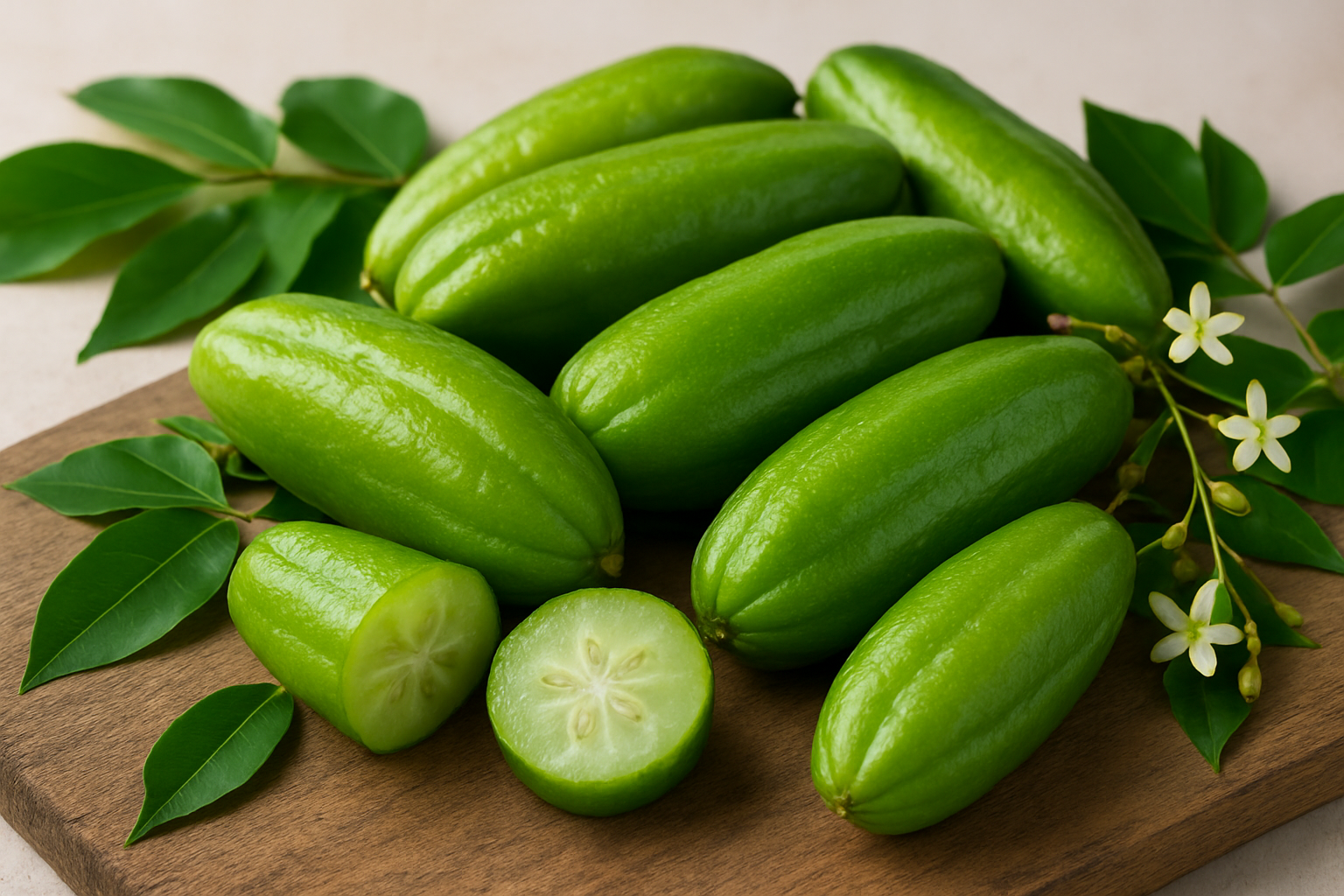
The bilimbi fruit stands out with its unmistakable cucumber-like shape that often surprises first-time observers. This elongated fruit typically measures 2 to 4 inches in length and features a distinctive ribbed surface with 5 to 7 prominent ridges running from top to bottom. The bilimbi's pale green to yellowish-green skin creates an almost translucent appearance when fully ripe, making it easy to spot hanging in clusters from the branches of the cucumber tree fruit.
What makes bilimbi fruit particularly interesting is how it dangles directly from the trunk and main branches rather than growing on smaller twigs like most fruits. This unusual growth pattern, called cauliflory, gives the bilimbi tree a unique appearance that gardeners and fruit enthusiasts find fascinating.
Understand the Scientific Classification and Plant Family
Bilimbi belongs to the wood sorrel family (Oxalidaceae) and carries the scientific name Averrhoa bilimbi. This classification places it as a close relative to the star fruit (Averrhoa carambola), sharing similar acidic properties and tropical growing requirements. The bilimbi tree represents one of only two species in the Averrhoa genus, making it a relatively rare member of this botanical family.
The plant's taxonomic classification reveals its relationship to other oxalic acid-producing plants, which explains the fruit's characteristically sour taste and preservative qualities that make it valuable in traditional cooking methods across Southeast Asia and other tropical regions.
Learn About the Fruit's Size and Color Variations
Bilimbi fruit dimensions can vary significantly depending on growing conditions and variety. Most fruits range from 1.5 to 4 inches in length with a diameter of approximately 0.5 to 1 inch. The color spectrum includes several stages of ripeness:
-
Young fruits: Bright green with firm texture
-
Mature fruits: Pale green to light yellow
-
Overripe fruits: Golden yellow with softer skin
Some regional varieties display slight variations in size, with certain cultivars producing consistently larger or smaller fruits. The weight typically ranges from 10 to 30 grams per fruit, making them lightweight compared to other tropical fruits of similar dimensions.
Explore the Texture and Internal Structure
The bilimbi's internal structure reveals a soft, juicy flesh that surrounds a central cavity containing 6 to 10 flat, brown seeds. The flesh has a crisp texture when young, similar to a green grape, but becomes increasingly soft and pulpy as the fruit ripens. The skin remains relatively thin throughout all stages of development, making it entirely edible without peeling.
Cross-sections of the fruit show the characteristic star-like pattern created by the ridged exterior, with the flesh displaying a translucent, almost jelly-like quality. The high water content (approximately 90%) contributes to the fruit's refreshing quality, while the significant concentration of organic acids gives it the sharp, tangy flavor that makes bilimbi fruit so distinctive in culinary applications.
Uncover the Geographic Origins and Growing Regions

Trace Bilimbi's Southeast Asian Native Habitat
The bilimbi fruit, scientifically known as Averrhoa bilimbi, calls Southeast Asia home. This tropical gem originated in the lush forests and humid lowlands of Malaysia and Indonesia, where wild bilimbi trees still thrive today. Archaeological evidence suggests that local communities have been harvesting and cultivating this cucumber tree fruit for over a thousand years.
The natural habitat of bilimbi spans across the Indonesian archipelago, the Malay Peninsula, and extends into parts of Myanmar and Thailand. These regions provide the perfect conditions that the bilimbi tree craves - consistent warmth, high humidity, and well-draining tropical soils. Wild bilimbi trees can still be found growing alongside riverbanks and in the understory of tropical rainforests, where they benefit from filtered sunlight and protection from strong winds.
Traditional knowledge passed down through generations reveals that indigenous peoples of these regions valued the bilimbi not just as food, but as medicine. They recognized the tree's ability to produce fruit year-round, making it a reliable source of vitamin C and other nutrients when other fruits were scarce.
Discover Current Cultivation Areas Worldwide
Today's bilimbi cultivation has spread far beyond its Southeast Asian roots. The fruit now grows successfully across tropical and subtropical regions worldwide, thanks to early traders and botanical explorers who carried seeds to new lands.
Major Growing Regions:
-
Caribbean Islands: Jamaica, Trinidad, and Barbados have embraced bilimbi cultivation
-
South America: Brazil, Guyana, and Suriname grow bilimbi commercially
-
Indian Subcontinent: Southern India and Sri Lanka produce substantial crops
-
Pacific Islands: Hawaii, Philippines, and Fiji cultivate bilimbi trees
-
Central America: Costa Rica and Panama have established growing regions
-
Africa: Parts of Nigeria and Ghana grow bilimbi for local markets
| Region | Primary Use | Growing Season |
|---|---|---|
| Caribbean | Culinary/Traditional medicine | Year-round |
| South America | Commercial export | Peak: Dec-April |
| Indian Subcontinent | Ayurvedic medicine/Food | Year-round |
| Pacific Islands | Local consumption | Year-round |
The bilimbi tree adapts remarkably well to different tropical environments, though it performs best in areas that mirror its original Southeast Asian conditions. Many countries now consider bilimbi a naturalized species rather than an exotic import.
Learn About Climate Requirements for Optimal Growth
Growing healthy bilimbi trees requires understanding their specific climate preferences. These trees are surprisingly picky about their environment, and meeting their needs makes the difference between a thriving tree and a struggling one.
Temperature Requirements:
Bilimbi trees flourish in temperatures between 75-85°F (24-29°C) year-round. They can tolerate brief temperature drops to 60°F (15°C) but show stress below this threshold. Frost completely devastates bilimbi trees, making them unsuitable for temperate climates.
Humidity and Rainfall:
High humidity levels of 70-85% create ideal conditions for bilimbi cultivation. The trees prefer consistent moisture with annual rainfall between 60-100 inches. However, they need good drainage and cannot survive in waterlogged conditions.
Sunlight Preferences:
While bilimbi trees can tolerate full sun, they actually prefer partial shade, especially during the hottest parts of the day. In their native habitat, they grow beneath the forest canopy, receiving filtered sunlight throughout the day.
Soil Conditions:
Well-draining, slightly acidic soil with pH levels between 5.5-6.5 works best. Rich, loamy soil with good organic content supports healthy growth and fruit production. Sandy soils drain too quickly, while clay soils retain too much water.
Wind Protection:
Strong winds damage bilimbi trees and reduce fruit production. Growers in windy areas often plant windbreaks or position trees in naturally sheltered locations to protect their investment.
Experience the Distinctive Taste Profile and Culinary Uses
Understand Bilimbi's Intensely Sour Flavor Characteristics
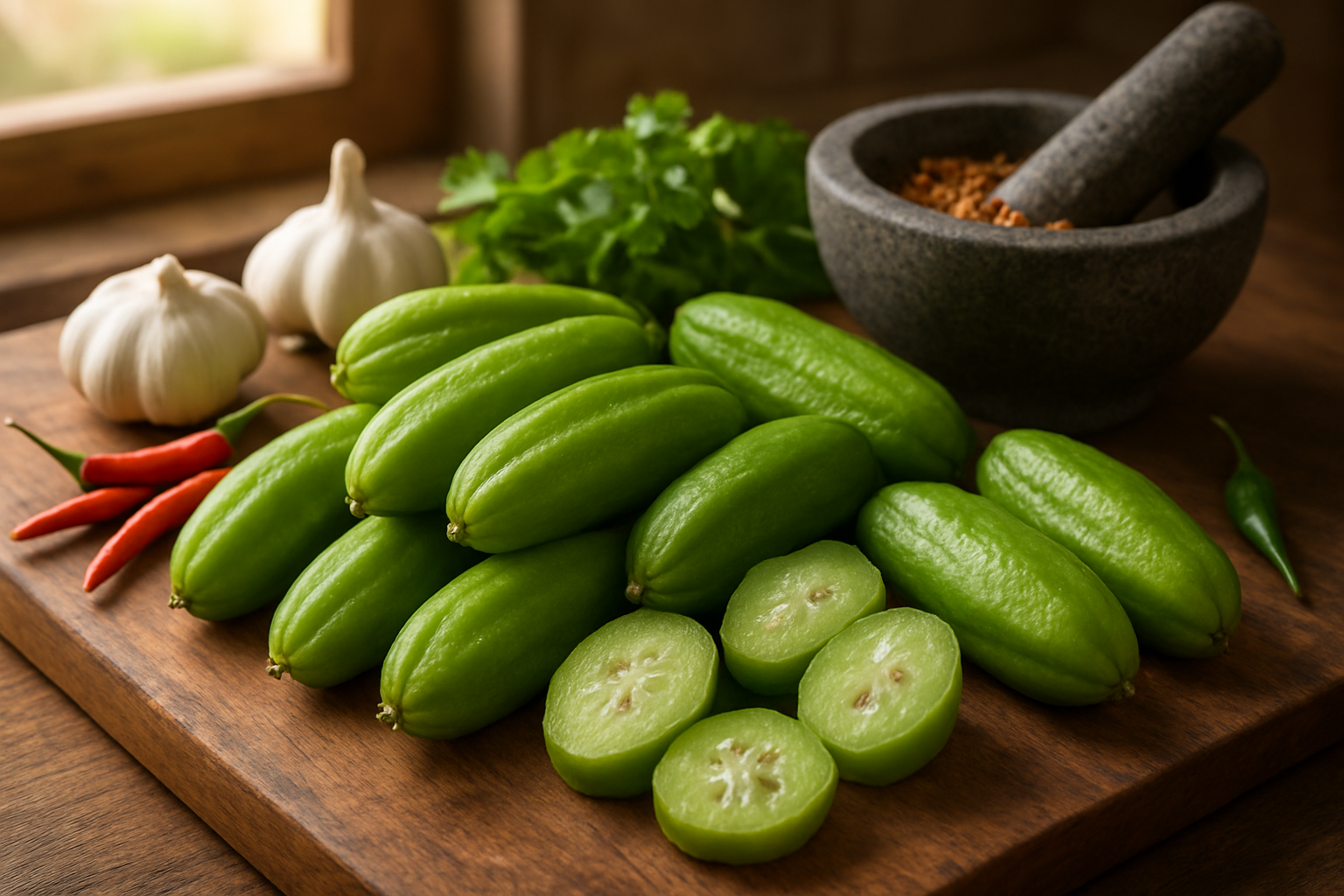
The bilimbi fruit delivers one of nature's most powerful sour punches. When you bite into fresh bilimbi, your mouth immediately puckers from the intense tartness that's sharper than most lemons. This raw bilimbi taste comes from high levels of oxalic acid and citric acid, creating a sourness so potent that most people find it impossible to eat straight from the cucumber tree fruit.
The flavor profile changes dramatically based on ripeness. Young green bilimbis pack the most acidic punch, while slightly yellower fruits develop subtle hints of sweetness beneath their sour exterior. The texture remains crisp and watery, similar to a cucumber, but with none of the mild flavor you'd expect.
This extreme sourness isn't a flaw – it's exactly what makes bilimbi fruit so valuable in cooking. The acidity level rivals that of vinegar, making it a natural food preservative and flavor enhancer that transforms ordinary dishes into something extraordinary.
Explore Traditional Cooking Methods and Preparations
Traditional cooks across Southeast Asia and India have mastered the art of harnessing bilimbi's sourness through various preparation methods. The most common approach involves slicing the fruit thinly and adding it directly to curries, where it acts as both a souring agent and vegetable.
In Malaysian and Indonesian kitchens, cooks often pound fresh bilimbi with chilies and shallots to create powerful flavor pastes. This method releases the fruit's juices while breaking down the tough skin, creating a concentrated sour base for sambals and marinades.
Indian cuisine features bilimbi in pickle preparations, where the fruit is combined with mustard oil, turmeric, and spices to create tangy condiments that last for months. The natural acidity helps preserve other ingredients while developing complex fermented flavors over time.
Another popular method involves blanching bilimbi briefly in boiling water to reduce some of the harsh acidity before adding it to gentler dishes like soups and vegetable stir-fries.
Discover Popular Dishes Featuring Bilimbi
Bilimbi recipes span across multiple cuisines, each showcasing the fruit's unique properties in different ways. In South Indian cooking, bilimbi curry stands out as a beloved dish where the fruit is simmered with coconut, curry leaves, and spices to create a tangy side dish that perfectly complements rice.
Malaysian fish curry often features bilimbi as a key ingredient, where the fruit's acidity helps cut through rich coconut milk while adding depth to the gravy. The bilimbi slices hold their shape during cooking, providing bursts of sourness in each bite.
Thai som tam sometimes includes julienned bilimbi mixed with green papaya, creating an extra layer of tartness in the already sour salad. The fruit's crisp texture adds interesting contrast to the soft papaya strands.
Indonesian rujak, a traditional fruit salad, commonly features young bilimbi mixed with palm sugar, chili, and salt. This combination balances the fruit's extreme sourness with sweetness and heat, creating a complex flavor profile that's both refreshing and addictive.
Learn About Preservation Techniques and Storage
Fresh bilimbi fruit has a relatively short shelf life, typically lasting only 3-4 days at room temperature before becoming overripe. Proper storage involves keeping the fruits in the refrigerator, where they can maintain their quality for up to two weeks.
Pickling represents the most traditional preservation method for bilimbi. The fruit's natural acidity creates an ideal environment for safe preservation when combined with salt and spices. These pickles can last for several months when stored properly in airtight containers.
Dehydrating bilimbi creates concentrated sour pieces that work excellently as souring agents in dry spice mixes. The dried fruit powder can be stored for up to a year and provides intense flavor in small quantities.
Freezing works well for bilimbi intended for cooking purposes. While the texture becomes softer after thawing, frozen bilimbi retains its tartness and works perfectly in curries and stews. The fruit can be frozen whole or sliced, depending on intended use.
Some cooks prepare bilimbi paste by grinding the fruit with minimal salt, then storing it in small portions in the freezer. This method provides convenient access to bilimbi flavor year-round, especially in regions where the Averrhoa bilimbi tree doesn't grow naturally.
Unlock the Nutritional Benefits and Health Properties
Analyze Essential Vitamins and Mineral Content
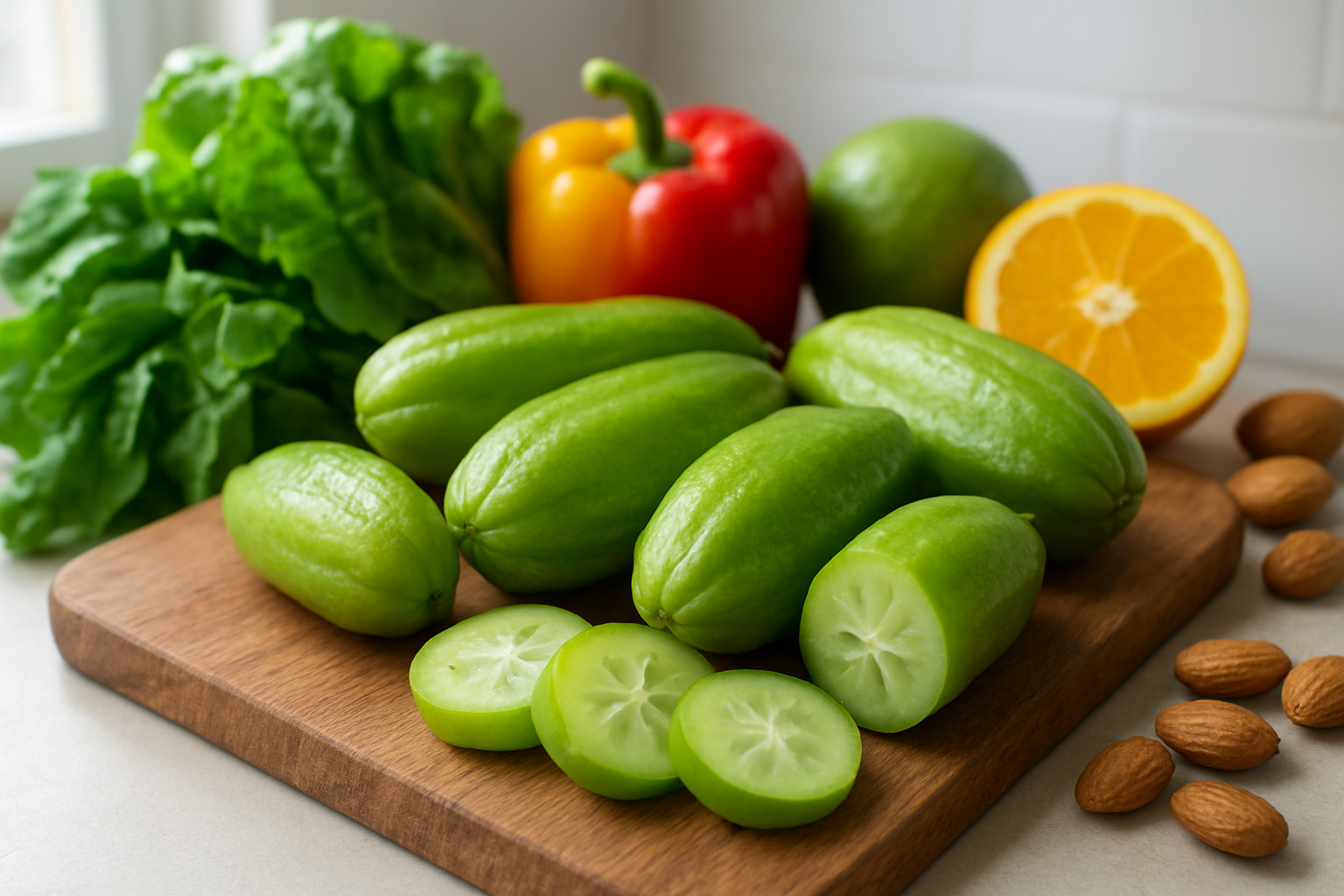
Bilimbi fruit packs a surprising nutritional punch in its small, cucumber-shaped package. This tropical gem delivers substantial amounts of vitamin C, with 100 grams providing approximately 34 milligrams – that's about 38% of your daily recommended intake. The high vitamin C content makes bilimbi fruit an excellent immune system booster and collagen supporter.
The mineral profile of bilimbi is equally impressive. These tangy fruits contain significant levels of potassium, which plays a crucial role in heart health and blood pressure regulation. Iron content helps combat anemia and supports healthy blood circulation, while calcium contributes to bone strength and dental health.
Bilimbi also provides smaller amounts of phosphorus, magnesium, and zinc. The fruit contains B-complex vitamins, including thiamine and riboflavin, which support energy metabolism and nervous system function.
| Nutrient | Amount per 100g | Daily Value % |
|---|---|---|
| Vitamin C | 34 mg | 38% |
| Potassium | 150 mg | 4% |
| Iron | 1.2 mg | 7% |
| Calcium | 20 mg | 2% |
| Fiber | 2.3 g | 9% |
Discover Antioxidant Properties and Health Benefits
The sour taste of bilimbi comes from natural organic acids, particularly oxalic acid and citric acid, which contribute to the fruit's powerful antioxidant properties. These compounds help neutralize harmful free radicals in your body, potentially reducing the risk of chronic diseases and slowing down cellular aging.
Research suggests that bilimbi health benefits extend beyond basic nutrition. The fruit contains flavonoids and phenolic compounds that demonstrate anti-inflammatory properties. These natural compounds may help reduce inflammation markers in the body, supporting overall health and wellness.
The antimicrobial properties of bilimbi have caught scientific attention. Studies indicate that extracts from the fruit show promising antibacterial activity against common pathogens. The natural acids in bilimbi create an environment hostile to harmful bacteria while supporting beneficial gut microbes.
Blood sugar management represents another potential benefit. Some traditional medicine practitioners believe that bilimbi consumption may help regulate glucose levels, though more scientific research is needed to confirm these effects definitively.
Learn About Traditional Medicinal Uses
Throughout Southeast Asia and tropical regions where the bilimbi tree grows naturally, local communities have used various parts of this plant for centuries. Traditional healers often recommend bilimbi fruit juice for treating coughs and respiratory issues, believing the vitamin C content and natural acids help clear congestion.
In Malaysian and Indonesian folk medicine, bilimbi leaves are crushed and applied topically to treat skin conditions like acne, boils, and minor wounds. The antimicrobial properties mentioned earlier likely contribute to these traditional applications.
Some cultures use bilimbi as a natural remedy for digestive complaints. The acidic nature of the fruit is thought to stimulate digestive juices and improve appetite. Traditional practitioners also recommend bilimbi for treating urinary tract issues, though scientific validation of these uses remains limited.
Filipino traditional medicine incorporates bilimbi in treatments for diabetes management. Practitioners prepare teas from the leaves or consume the fruit regularly, believing it helps maintain healthy blood sugar levels.
Understand Potential Dietary Considerations
While bilimbi offers numerous health benefits, certain individuals should exercise caution when consuming this fruit. The high oxalic acid content poses the most significant concern, particularly for people with kidney stones or a history of kidney problems. Oxalates can contribute to kidney stone formation in susceptible individuals.
People taking blood-thinning medications should consult healthcare providers before regularly consuming bilimbi, as the vitamin C content might interact with certain medications. The fruit's natural acidity can also trigger symptoms in individuals with acid reflux or sensitive stomachs.
Diabetic individuals interested in bilimbi's potential blood sugar benefits should monitor their glucose levels carefully and work with healthcare professionals. While traditional uses suggest benefits, individual responses can vary significantly.
The sour nature of bilimbi means it's rarely consumed in large quantities, which naturally limits potential adverse effects. Most people incorporate it into cooking or prepare it with sweeteners, making it more palatable and digestible.
Pregnant and breastfeeding women should consume bilimbi in moderation, as with any acidic fruit, to avoid potential digestive discomfort.
Master the Art of Growing and Harvesting Bilimbi
.png)
Learn Optimal Planting Conditions and Soil Requirements
Growing a healthy bilimbi tree starts with choosing the right location and preparing the soil properly. The bilimbi tree thrives in tropical and subtropical climates where temperatures stay between 68-86°F year-round. This cucumber tree fruit needs protection from strong winds and frost, so pick a sheltered spot in your garden.
The soil should be well-draining with a pH between 5.5 and 6.5. Sandy loam or clay loam soils work best for bilimbi cultivation. Before planting, mix in plenty of organic compost or aged manure to improve soil structure and fertility. The planting hole should be twice as wide as the root ball and just as deep.
Plant your bilimbi tree in an area that receives partial shade to full sun. While the tree can handle some shade, it produces more fruit when it gets at least 6 hours of direct sunlight daily. Space multiple trees at least 15-20 feet apart to allow proper air circulation and room for growth.
| Soil Type | pH Level | Drainage | Organic Matter |
|---|---|---|---|
| Sandy Loam | 5.5-6.5 | Excellent | High |
| Clay Loam | 5.5-6.5 | Good | Medium to High |
| Heavy Clay | Not Recommended | Poor | Variable |
Understand Watering and Fertilization Needs
Proper watering keeps your bilimbi tree healthy and productive. Young trees need consistent moisture but never waterlogged conditions. Water deeply once or twice a week during dry periods, allowing the soil to dry slightly between waterings. Mature bilimbi trees are more drought-tolerant but still benefit from regular watering during flowering and fruiting seasons.
The best watering method involves soaking the root zone slowly and deeply rather than frequent shallow watering. This encourages deep root development and makes the tree more resilient during dry spells. Mulching around the base helps retain moisture and regulate soil temperature.
Fertilization plays a key role in bilimbi tree health and fruit production. Feed your tree with a balanced fertilizer (10-10-10 or 8-8-8) every three months during the growing season. Organic options like composted chicken manure or fish emulsion work wonderfully too.
During flowering and fruiting periods, boost phosphorus and potassium levels to support fruit development. Apply fertilizer in a circle around the tree, staying about 2 feet away from the trunk to avoid root burn. Water thoroughly after fertilizing to help nutrients reach the root system.
Discover Harvesting Techniques and Timing
Knowing when and how to harvest bilimbi fruit makes all the difference in taste and quality. Bilimbi fruits are ready to pick when they're bright green and firm to the touch. The fruits typically ripen 60-90 days after flowering, depending on growing conditions and variety.
Harvest bilimbi fruits while they're still green and crisp. Unlike many fruits, bilimbi doesn't improve after picking, so timing is everything. The fruits should feel solid and have a glossy appearance. Avoid picking fruits that show yellow coloring, as they've passed their prime and will be overly sour.
Use clean, sharp pruning shears or a knife to cut the fruit from the tree. Bilimbi fruits grow directly from the trunk and main branches, making harvesting relatively easy. Handle the fruits gently to avoid bruising, and place them in shallow containers to prevent crushing.
Fresh bilimbi fruit keeps for about a week in the refrigerator. For longer storage, you can freeze whole fruits or process them into pickles, jams, or dried slices. Regular harvesting encourages the tree to produce more fruit throughout the growing season.
Explore Common Pests and Disease Management
Keeping your bilimbi tree healthy means staying alert for potential problems. The most common pests include fruit flies, aphids, and scale insects. Fruit flies can be particularly troublesome as they lay eggs in developing fruits, causing them to rot from the inside.
Set up fruit fly traps using yellow sticky cards or homemade traps with apple cider vinegar. For aphids and scale insects, spray affected areas with horticultural oil or insecticidal soap. Neem oil works as both a pesticide and fungicide, making it an excellent organic choice for bilimbi tree care.
Fungal diseases like anthracnose and powdery mildew can affect bilimbi trees, especially in humid conditions. Good air circulation around the tree helps prevent these issues. Remove any diseased leaves or fruits immediately to prevent spread.
Root rot can occur in poorly drained soils or with overwatering. Signs include yellowing leaves, wilting, and stunted growth. Improve drainage and reduce watering frequency if you suspect root problems. Copper-based fungicides can help treat fungal infections, but prevention through proper cultural practices works best.
Regular pruning removes dead or diseased branches and improves air flow through the canopy. Clean your pruning tools between cuts to avoid spreading diseases from one part of the tree to another.
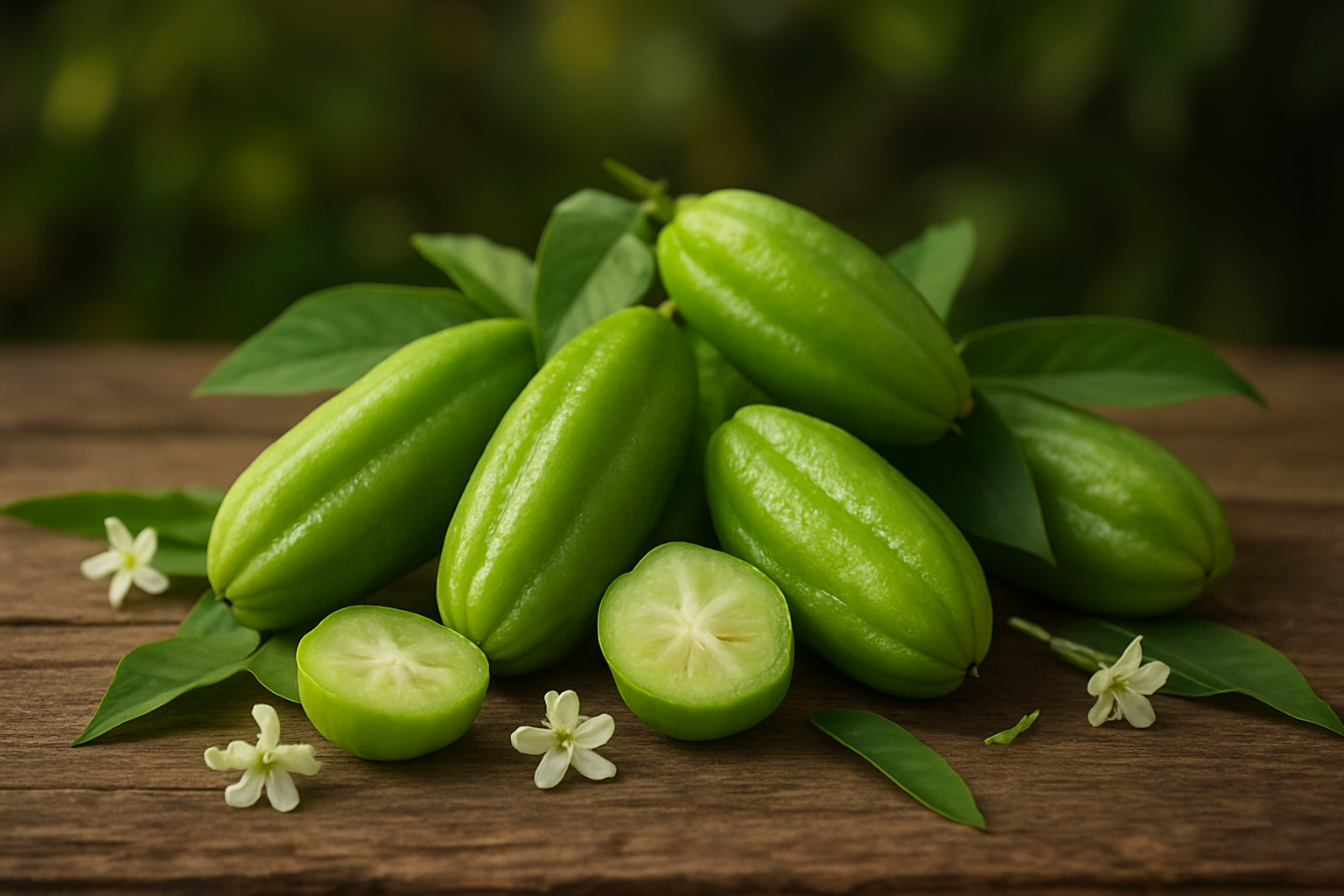
The bilimbi fruit stands out as a truly fascinating addition to any fruit lover's repertoire. From its origins in Southeast Asia to its growing popularity in tropical gardens worldwide, this cucumber-shaped gem offers a perfect blend of tangy flavor and impressive health benefits. Its high vitamin C content, natural antioxidants, and traditional medicinal properties make it more than just another exotic fruit to try.
Growing your own bilimbi trees can be incredibly rewarding, especially if you live in a warm climate or have access to greenhouse space. The fruit's versatility in cooking – from pickles and preserves to soups and curries – means you'll never run out of creative ways to use your harvest. Start exploring local Asian markets or specialty fruit suppliers to get your first taste of bilimbi, and consider adding this unique tree to your garden for a lifetime of tangy, nutritious fruit.


.png)
Comments
Post a Comment