Blackthorn - What's The Blackthorn Berry?
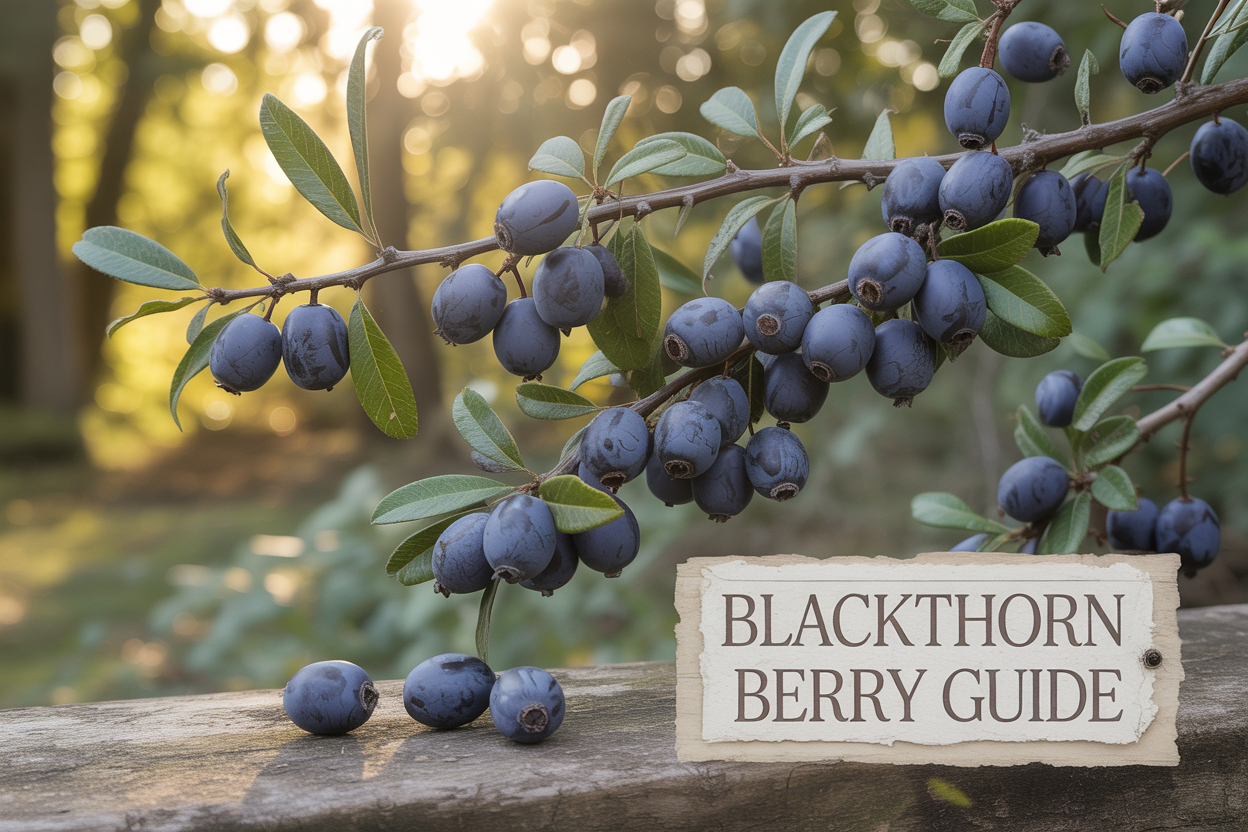
The blackthorn berry, also called sloe berry, comes from the thorny Prunus spinosa shrub that dots hedgerows and wild spaces across Europe and parts of North America. These small, dark purple fruits pack a tart punch and have been prized for centuries by foragers, home cooks, and herbalists alike.
This guide is perfect for curious foragers, home brewers interested in making sloe gin, and anyone wanting to learn about wild edible plants. You'll discover how to properly identify the blackthorn plant in the wild, master safe harvesting techniques that won't leave you covered in thorns, and explore traditional sloe berry recipes that transform these astringent fruits into delicious preserves, wines, and liqueurs.
We'll also dive into the impressive health benefits that have made blackthorn a staple in folk medicine for generations, plus share practical tips for blackthorn foraging that will help you make the most of your next countryside adventure.
Understanding the Blackthorn Plant and Its Origins
Botanical Characteristics and Natural Habitat
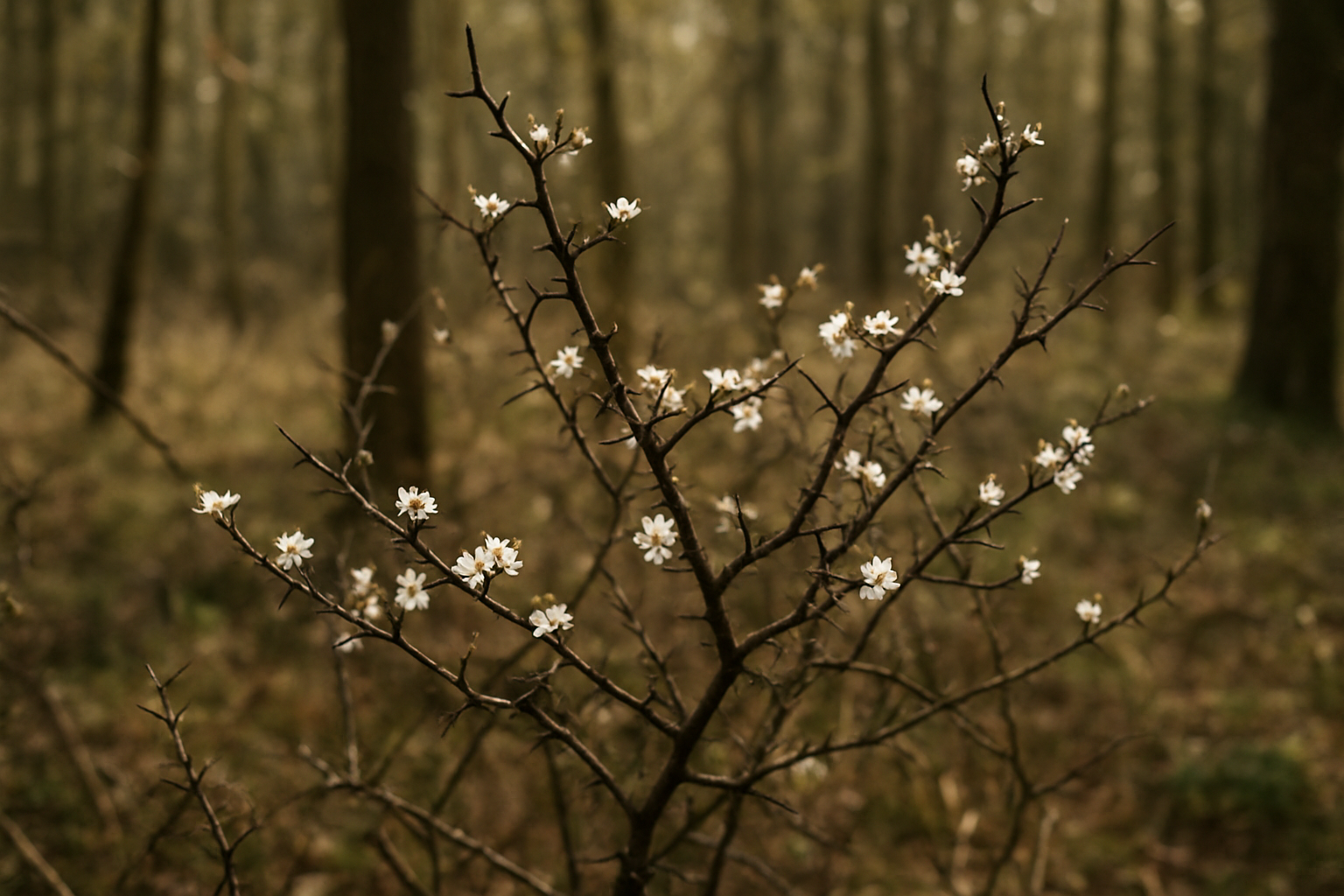
The blackthorn plant (Prunus spinosa) stands as one of nature's most resilient shrubs, easily recognized by its dense network of dark, thorny branches that create nearly impenetrable thickets. This deciduous shrub typically grows between 3-15 feet tall, forming dense colonies through underground root systems called suckers. The bark appears dark and almost black on older branches, giving the plant its distinctive name.
What makes blackthorn identification straightforward are its signature features: sharp, straight thorns that emerge directly from the branches, small oval leaves with serrated edges, and clusters of small white flowers that appear before the leaves in early spring. The thorns aren't just decorative - they're formidable defenses that can easily pierce clothing and skin, making this plant both respected and feared by foragers.
Blackthorn plant thrives in various habitats including hedgerows, woodland edges, scrubland, and hillsides. It prefers well-drained soils but adapts to different conditions, from chalk downs to clay soils. The plant often forms the backbone of ancient hedgerows, creating wildlife corridors that support numerous bird species and small mammals.
These hardy shrubs can tolerate harsh weather conditions, including strong winds, drought, and freezing temperatures. Their dense growth habit makes them excellent natural windbreaks and boundary markers, which explains their historical use in field boundaries across the countryside.
Geographic Distribution Across Europe and Asia
Blackthorn berry producing plants spread across a vast geographic range, primarily throughout Europe and extending into western Asia. The species shows remarkable adaptability, thriving from the British Isles and Scandinavia in the north down to the Mediterranean regions in the south.
In Western Europe, blackthorn dominates hedgerows from Ireland to Portugal, with particularly dense populations in the UK where it's considered a native species. The plant flourishes in France's countryside, Germany's woodland edges, and throughout the Low Countries, where it's been cultivated and naturalized for centuries.
Eastern European countries including Poland, Czech Republic, and Hungary host significant blackthorn populations, often found in traditional agricultural landscapes. The species extends eastward into the Caucasus region and parts of Turkey, where it grows in mountainous areas up to considerable elevations.
| Region | Climate Preference | Typical Habitat |
|---|---|---|
| Northern Europe | Cool, moist conditions | Hedgerows, forest margins |
| Mediterranean | Dry summers, mild winters | Hillsides, scrubland |
| Eastern Europe | Continental climate | Agricultural boundaries |
| Western Asia | Mountain valleys | Rocky slopes, woodland edges |
The plant has also been introduced to North America, Australia, and New Zealand, though it's sometimes considered invasive in these regions due to its aggressive spreading nature.
Historical Significance in Folklore and Traditional Medicine
Blackthorn carries deep cultural significance across European societies, woven into folklore, mythology, and traditional healing practices for thousands of years. Ancient Celtic cultures viewed blackthorn as a powerful protective plant, often planting it around homes and sacred sites to ward off evil spirits and negative energy.
The timing of blackthorn's flowering - typically around Easter - earned it the name "winter's backbone" in some regions, as its white blossoms often appeared against snow-covered landscapes. This created a striking visual that inspired countless folk tales about the battle between winter and spring.
Traditional medicine practitioners have long valued blackthorn medicinal uses, particularly the astringent properties of both the bark and berries. Herbalists used blackthorn preparations to treat digestive issues, mouth sores, and skin conditions. The flowers were steeped into teas for their supposed calming effects, while the bark provided tannins for treating diarrhea and inflammation.
In rural communities, blackthorn wood was prized for making walking sticks, tool handles, and even magical wands. The Irish shillelagh, a traditional walking stick and weapon, was often crafted from blackthorn wood due to its incredible hardness and durability.
Many European cultures associated blackthorn with protection and boundaries - both physical and spiritual. Farmers planted blackthorn hedges not just for practical livestock containment, but believing they provided mystical protection for their property and families.
Seasonal Growth Patterns and Flowering Cycles
Blackthorn plant follows a predictable yet fascinating seasonal rhythm that directly impacts when sloe berries become available for foraging. Understanding these patterns proves essential for anyone interested in blackthorn foraging or simply appreciating this remarkable shrub.
Spring arrives dramatically for blackthorn, typically between March and April, when masses of small white flowers burst from bare branches before any leaves appear. This early flowering strategy allows the plant to maximize pollination opportunities when fewer competing plants are in bloom. The flowers appear in dense clusters along the thorny branches, creating spectacular displays that can be seen from considerable distances.
After pollination, small green fruits begin developing while the leaves finally emerge. Throughout summer, these developing sloe berry fruits remain hard and extremely bitter due to high tannin content. The leaves provide the plant's photosynthetic engine during the growing season, supporting fruit development and energy storage for the next year's growth.
Autumn transformation begins in late August and continues through October, when the berries gradually develop their characteristic deep purple-blue color and waxy bloom. The first frost traditionally signals peak ripeness, though many foragers now harvest earlier and freeze the berries to replicate frost's effect on breaking down tannins.
Winter sees the plant entering dormancy, with berries often persisting on branches well into the new year, providing crucial food sources for wildlife during harsh months. This seasonal reliability has made blackthorn a cornerstone species in traditional agricultural and natural ecosystems.
Identifying Blackthorn Berries and Their Unique Properties
Physical appearance and size characteristics
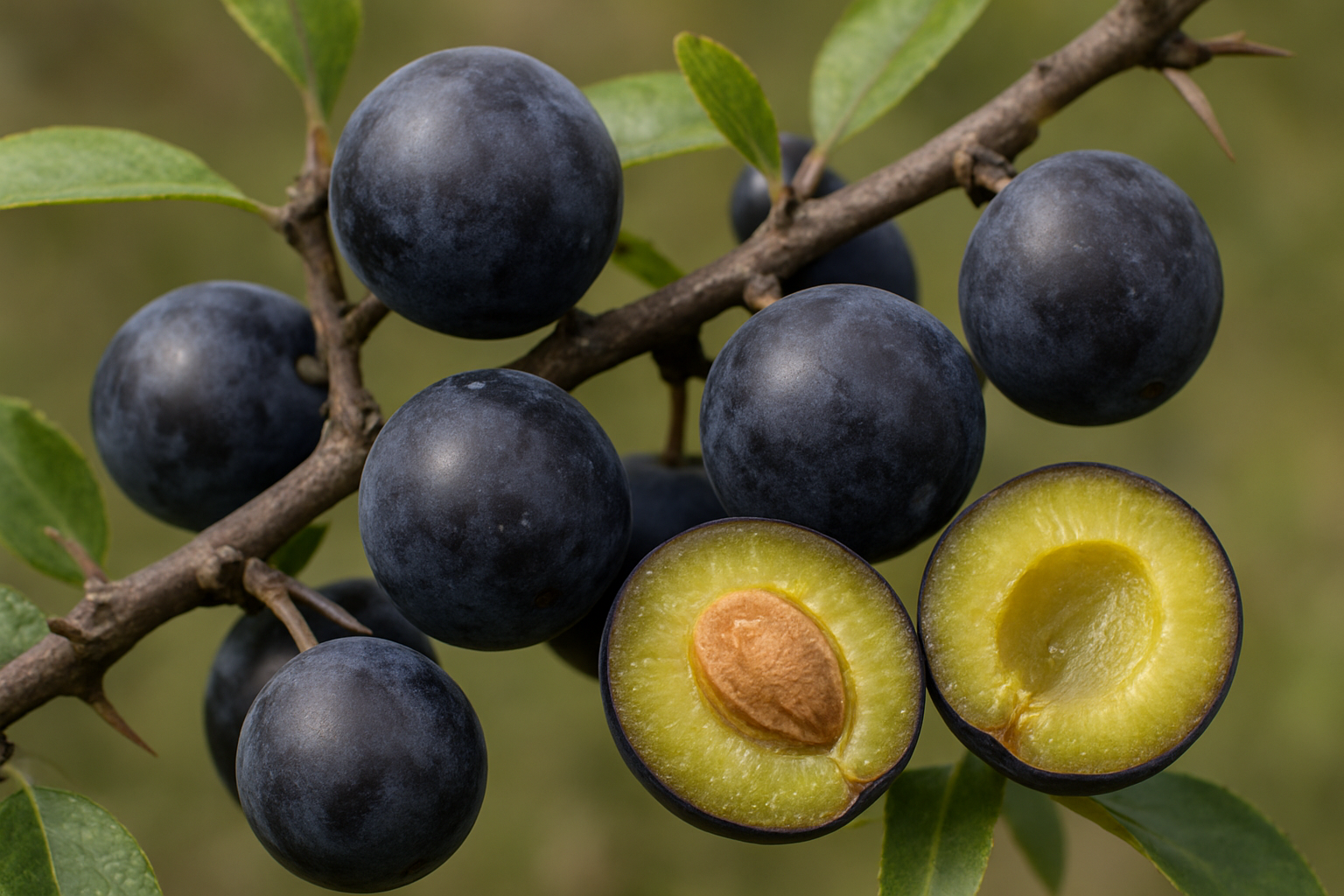
Blackthorn berries, also known as sloe berries, are small, round fruits that measure approximately 1-1.5 cm in diameter. These deep purple-black berries have a distinctive blue-white waxy bloom coating their surface, giving them a dusty appearance that easily rubs off when handled. The berries grow directly from the thorny branches of the Prunus spinosa plant, often appearing in dense clusters along the spiny stems.
Each sloe berry contains a single hard stone pit, similar to a cherry but much smaller. The skin is relatively thick and tough, protecting the flesh inside. When you examine fresh blackthorn berries up close, you'll notice they're perfectly spherical with a small indentation where they attach to the stem. The waxy bloom serves as natural protection against moisture loss and pests.
Blackthorn identification becomes easier when you know that these berries typically hang from extremely thorny, dark-barked branches. The thorns are sharp, straight, and can grow up to 4 cm long, making harvesting a challenging task that requires proper protection.
Taste profile and ripening timeline
Raw blackthorn berries deliver an intensely astringent, mouth-puckering experience that's almost unbearable to eat fresh. The high tannin content creates a dry, bitter sensation that makes your mouth feel like it's turning inside out. This extreme astringency is what makes sloe berries perfect for sloe gin berries and other alcoholic infusions.
The ripening process begins in late summer, with berries developing their characteristic dark color by September. However, the best time for blackthorn foraging comes after the first frost, typically in October or November. Frost helps break down some of the harsh tannins and concentrates the fruit's natural sugars, making them slightly more palatable and better for processing.
Even when fully ripe and frost-kissed, sloe berries maintain their sharp, tart flavor with subtle hints of almond from the pit. This unique taste profile makes them unsuitable for eating fresh but exceptional for creating preserves, wines, and liqueurs where their intense flavor can be balanced with sugar and alcohol.
Nutritional composition and health benefits
Blackthorn berries pack impressive nutritional value despite their small size. These berries contain high levels of vitamin C, often exceeding the vitamin C content found in oranges. They're also rich in antioxidants, particularly anthocyanins responsible for their deep purple color, which help combat oxidative stress in the body.
The berries provide essential minerals including potassium, calcium, and iron, along with dietary fiber that supports digestive health. Their tannin content, while making them unpalatable raw, offers anti-inflammatory properties when processed into teas or tinctures.
Traditional blackthorn medicinal uses have recognized these berries for their astringent properties, making them useful for treating digestive issues and mouth ailments. The high antioxidant content supports immune system function and may help reduce inflammation throughout the body.
| Nutrient | Content per 100g |
|---|---|
| Vitamin C | 15-20mg |
| Fiber | 3-4g |
| Antioxidants | High levels |
| Tannins | Significant amounts |
When preparing sloe berry recipes, you retain most of these beneficial compounds, making homemade sloe gin and preserves not just delicious but potentially health-supporting additions to your pantry.
Harvesting Blackthorn Berries Safely and Effectively
Optimal timing for berry collection
The key to successful blackthorn foraging lies in patience. Sloe berries reach their peak ripeness after the first frost, typically between October and November in most regions. The frost breaks down the cell walls, reducing the berries' intense astringency and making them more palatable for culinary use.
Before frost arrives, blackthorn berries remain incredibly sour and bitter, containing high levels of tannins that create an unpleasant dry sensation in the mouth. Early harvesting might seem tempting when you spot those deep purple-blue berries in late September, but waiting pays off significantly in terms of flavor quality.
You can simulate frost by freezing freshly picked berries for 24 hours, though naturally frosted berries often develop superior flavor complexity. The berries should feel slightly soft when pressed and display a deep blue-black color with a powdery bloom on their surface.
Protective equipment needed for thorny branches
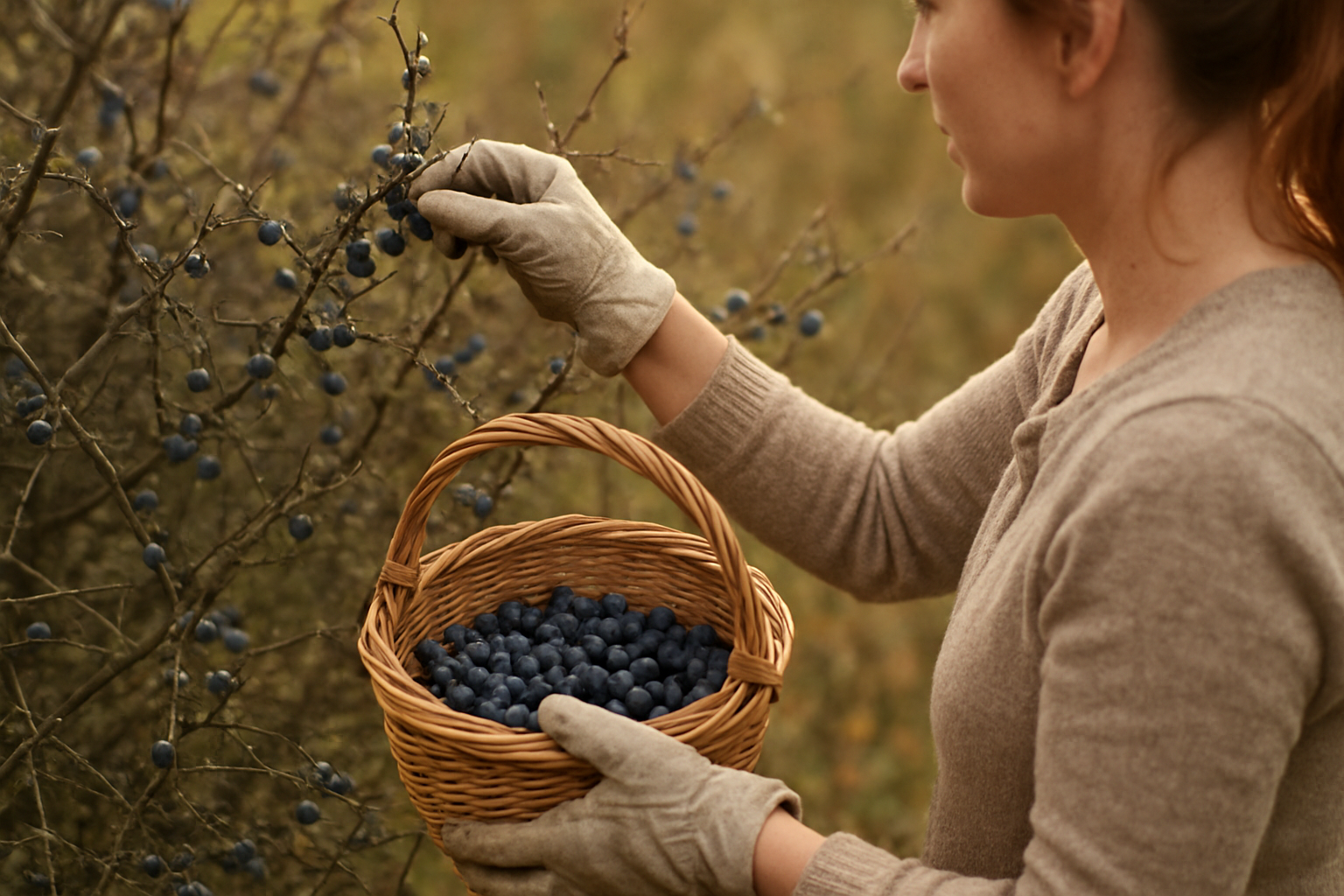
Blackthorn plants earn their name from their formidable thorns - sharp, woody spikes that can penetrate most clothing and cause nasty puncture wounds. These thorns often harbor bacteria, making infections a real concern for unprepared foragers.
Essential protective gear includes:
-
Heavy-duty gardening gloves: Leather or puncture-resistant gloves provide the best protection
-
Long-sleeved shirts and pants: Thick materials like denim or canvas work well
-
Eye protection: Safety glasses prevent thorns from scratching your face during close inspection
-
Sturdy boots: Protect your feet from thorns that may have fallen to the ground
Keep a first aid kit handy, as even experienced foragers occasionally get scratched. Clean any puncture wounds immediately and monitor for signs of infection over the following days.
Sustainable harvesting practices
Responsible blackthorn foraging ensures these valuable plants continue thriving for future generations. Never strip a bush completely - take only what you need and leave at least two-thirds of the berries for wildlife and plant reproduction.
Focus on larger, established bushes rather than young plants, which need their energy for growth. Rotate your harvesting locations annually to prevent over-exploitation of any single area. Always obtain permission before foraging on private land, and respect protected areas where harvesting may be prohibited.
Wildlife depends heavily on sloe berries during winter months. Birds, small mammals, and insects rely on these nutrient-rich fruits when other food sources become scarce. Your restraint helps maintain the ecosystem balance while still providing plenty of berries for your culinary adventures.
Storage methods to preserve freshness
Fresh sloe berries stay viable for only a few days at room temperature before beginning to deteriorate. Refrigeration extends their life to about one week, but proper freezing offers the best long-term storage solution.
Freezing method: Wash berries gently, remove stems and damaged fruit, then spread on baking sheets for flash freezing. Once solid, transfer to airtight containers or freezer bags. Properly frozen blackthorn berries maintain quality for up to one year.
Dehydration: A food dehydrator or low oven temperature (140°F) can preserve berries for months. Dried sloe berries work excellently in teas and medicinal preparations.
For immediate use in sloe gin or jams, fresh berries work best. Clean them thoroughly but avoid excessive washing, which can remove the natural yeast bloom that some traditional recipes rely upon for fermentation processes.
Culinary Uses and Traditional Recipes
Making Sloe Gin and Other Alcoholic Beverages
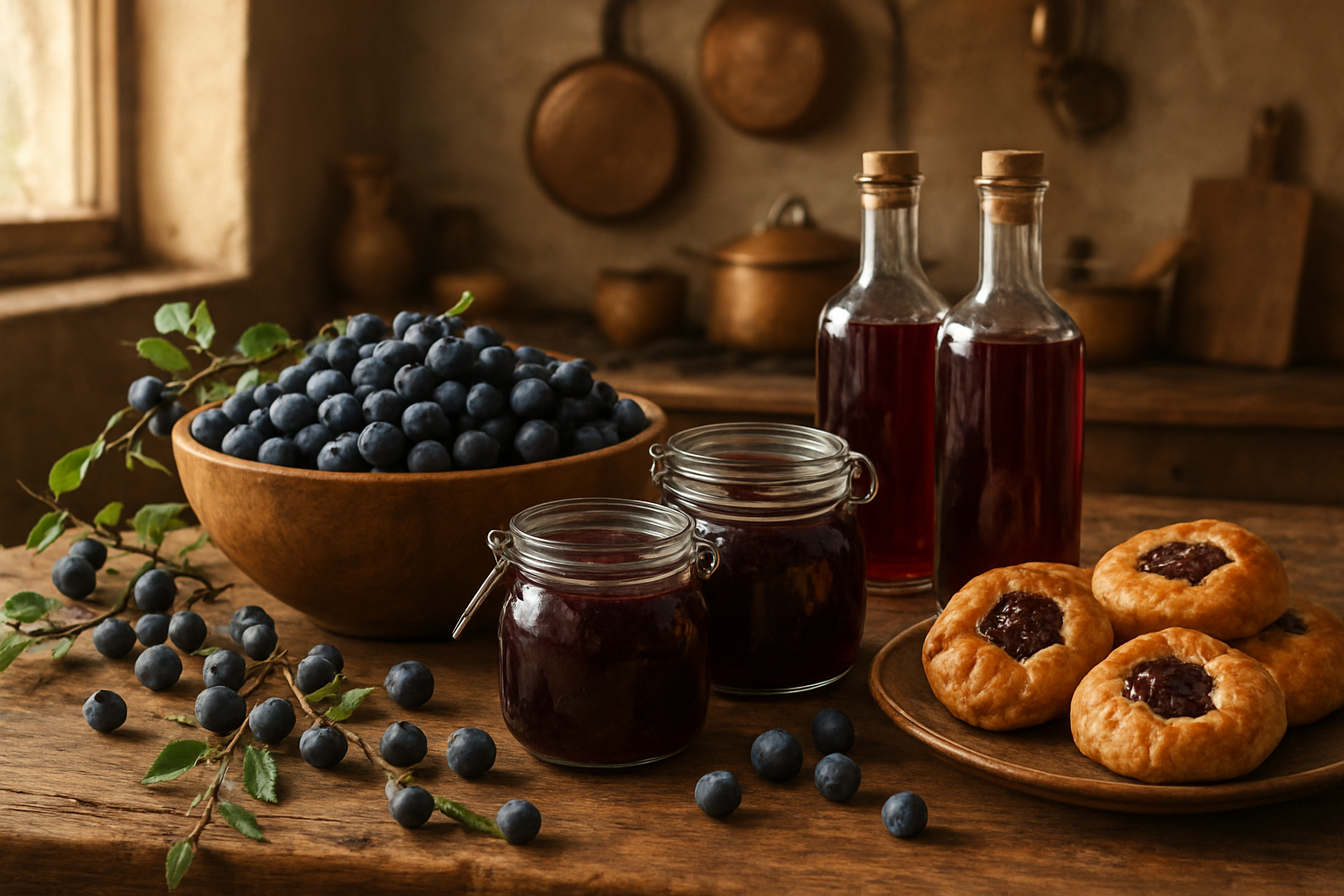
The blackthorn berry shines brightest when transformed into sloe gin, Britain's most beloved country liqueur. These dark purple gems need a good frost before harvesting, which breaks down their tough skins and reduces their intense tartness. Pick your sloe berries after the first hard frost, typically between October and December.
Creating sloe gin requires patience and the right proportions. Fill a sterilized jar with sloe berries, pricking each one with a thorn from the blackthorn plant itself - a traditional touch that adds authenticity. Add sugar (about 100g per 500g of berries) and pour over good-quality gin, ensuring the berries are completely covered. The mixture needs at least three months to mature, though many swear by leaving it for a full year.
Beyond sloe gin, these versatile sloe berries create excellent vodka, whiskey, and brandy infusions. Each spirit brings out different flavor notes - vodka produces a cleaner taste, while whiskey adds warmth and complexity. Some adventurous makers craft sloe wine, fermenting the berries with added sugar and yeast for a rich, port-like beverage.
For a non-alcoholic alternative, sloe cordial captures the berries' unique flavor. Simmer the berries with sugar and water, strain, and bottle for a concentrated syrup perfect for mixing with sparkling water.
Jams, Jellies, and Preserves Preparation
Sloe berry recipes for preserves require understanding these fruits' high pectin content, which makes them ideal for setting naturally. The berries' intense tartness pairs beautifully with apples or pears, creating balanced preserves that capture autumn's essence.
Traditional sloe jelly starts with cooking whole berries until they burst and release their juices. Strain through cheesecloth overnight - don't squeeze the bag if you want crystal-clear jelly. The pectin-rich juice sets easily with minimal added sugar, typically a 3:2 ratio of juice to sugar.
Mixed fruit preserves showcase sloe berries' versatility. Combine them with blackberries, apples, or elderberries for complex flavors. The sloes add structure and tartness that prevents overly sweet preserves. Add lemon juice and zest to brighten the flavor profile.
Blackthorn berry preserve-making tips include removing stones after cooking (they impart bitter almond notes if left too long), testing for set using the cold plate method, and storing in sterilized jars with proper sealing techniques for long-term preservation.
Baking Applications and Dessert Recipes
Sloe berries transform ordinary baked goods into sophisticated desserts. Their tartness cuts through rich pastries and complements sweet doughs beautifully. Remove stones before baking, as they can crack teeth and add unwanted bitterness.
Sloe berry muffins and scones work wonderfully, with the berries adding bursts of intense flavor. Mix them into traditional crumble toppings for apple or pear desserts, where their tartness provides excellent contrast. The berries hold their shape well during baking, making them perfect for upside-down cakes and tarts.
For elegant desserts, poach sloe berries in red wine with cinnamon and star anise. This creates a sophisticated compote for serving with panna cotta or vanilla ice cream. The berries' natural pectin helps thicken the poaching liquid into a glossy syrup.
Sloe berry sorbet captures their pure flavor - simply cook with minimal sugar, strain to remove skins and stones, then churn in an ice cream maker. The result is intensely flavored and refreshing.
Savory Dishes and Sauce Preparations
Sloe berries excel in savory applications, particularly game dishes where their tartness complements rich meats. Traditional British cuisine pairs sloe sauce with venison, duck, and lamb - the berries' astringency cuts through fatty meats beautifully.
Create sloe berry gastrique by caramelizing sugar, then deglazing with vinegar and adding cooked sloe berries. This sweet-and-sour sauce works magnificently with roasted meats and aged cheeses. The sauce keeps well refrigerated and improves with time.
For chutneys and relishes, combine sloe berries with onions, ginger, and warming spices. The berries' natural tartness reduces the need for excessive vinegar, creating more balanced condiments. These work particularly well with cold meats and strong cheeses.
Modern chefs incorporate sloe berries into glazes for roasted vegetables, reduction sauces for steaks, and even salad dressings where their tartness provides complexity. Their deep color creates visually striking presentations that impress dinner guests.
Health Benefits and Medicinal Applications
Antioxidant properties and immune system support
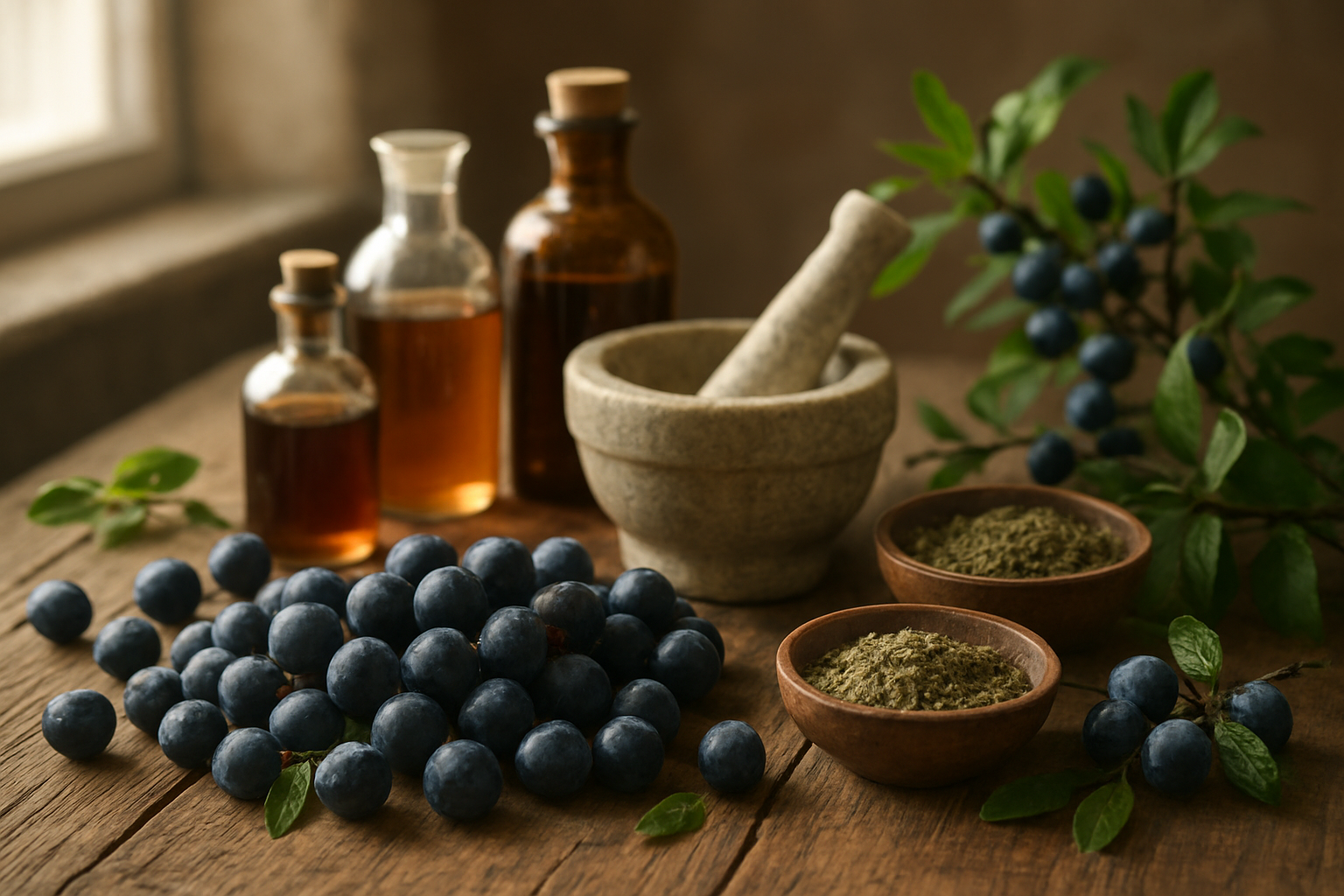
Blackthorn berries pack a serious punch when it comes to antioxidants. These small dark fruits contain high levels of anthocyanins, the same compounds that give blueberries their superfood status. The deep purple-black color of sloe berries signals their rich antioxidant content, which helps your body fight off free radicals that can damage cells and contribute to aging.
The vitamin C content in blackthorn berries is particularly impressive, often exceeding that of many citrus fruits. This makes sloe berries excellent for supporting immune system function, especially during cold and flu season. Regular consumption can help boost your body's natural defenses and may reduce the severity and duration of common illnesses.
Research shows that the antioxidant compounds in Prunus spinosa berries work synergistically to provide enhanced protection against oxidative stress. The combination of vitamin C, anthocyanins, and other flavonoids creates a powerful shield against cellular damage while supporting overall immune health.
Digestive health and anti-inflammatory effects
The astringent properties of blackthorn berries make them particularly beneficial for digestive health. The tannins present in sloe berries help tighten and tone the digestive tract, which can be helpful for those dealing with loose stools or minor digestive upset. Traditional herbalists have long recognized these properties and used blackthorn preparations to address various gastrointestinal concerns.
Blackthorn berries contain natural anti-inflammatory compounds that may help reduce inflammation throughout the body. This can be particularly beneficial for people dealing with chronic inflammatory conditions or those looking to support their overall health through dietary choices. The berries' ability to reduce inflammation extends beyond just digestive health and may contribute to improved joint comfort and general well-being.
The fiber content in these berries also supports healthy digestion by promoting regular bowel movements and feeding beneficial gut bacteria. This prebiotic effect helps maintain a balanced intestinal environment, which is crucial for overall digestive health and immune function.
Traditional remedies for common ailments
Folk medicine traditions across Europe have used blackthorn for centuries to address various health concerns. The berries were commonly prepared as syrups, tinctures, or teas to treat everything from sore throats to stomach troubles. Many of these traditional uses align with modern understanding of the plant's medicinal properties.
Blackthorn flower preparations were traditionally used for their gentle laxative and diuretic properties, while the berries themselves were valued for their astringent qualities. Historical records show that blackthorn remedies were particularly popular for treating mouth sores, gum problems, and digestive complaints.
| Traditional Use | Preparation Method | Modern Understanding |
|---|---|---|
| Sore throat | Berry syrup or gargle | Anti-inflammatory and astringent properties |
| Digestive upset | Berry tea or tincture | Tannins help tone digestive tract |
| Mouth sores | Flower or berry wash | Antimicrobial and healing compounds |
| General tonic | Berry wine or elixir | High antioxidant and vitamin content |
Modern herbalists continue to recommend blackthorn preparations for similar purposes, though they often combine traditional knowledge with contemporary understanding of the plant's active compounds. The antimicrobial properties of sloe berries make them useful for addressing minor infections, while their nutritional profile supports overall health and vitality.
The blackthorn berry offers a fascinating mix of culinary tradition and natural health benefits that many people overlook. From its distinctive tart flavor that transforms into delicious jams and gin to its impressive array of vitamins and antioxidants, these small dark fruits pack quite a punch. Learning to identify and safely harvest sloes opens up a world of traditional recipes that have been passed down through generations, while also giving you access to their proven medicinal properties.
Next time you spot those thorny bushes loaded with dark berries, don't walk by without taking a closer look. Start small with a simple sloe gin recipe or try making jam to get familiar with their unique taste. Your taste buds and your health will thank you for discovering this remarkable wild fruit that's been hiding in plain sight.


Comments
Post a Comment