Cacao - What's The Cacao Fruit?
.png)
Most people know chocolate comes from cacao beans, but the cacao fruit itself remains a mystery to many curious food lovers, health enthusiasts, and aspiring chocolatiers who want to understand their favorite treat from the ground up.
The cacao pod houses much more than just the beans that become chocolate. This tropical treasure contains nutrient-rich pulp, offers surprising health benefits, and plays a starring role in traditional cuisines across cacao-growing regions. Yet few people outside these areas have ever seen a whole cacao fruit, let alone tasted its sweet, tangy flesh.
We'll explore where this remarkable fruit comes from and how the mighty Theobroma cacao tree produces these football-shaped pods. You'll discover what's actually inside each colorful pod and learn about the careful cacao harvesting techniques that farmers use to turn fresh fruit into the chocolate we love. Finally, we'll uncover creative ways people use every part of the cacao fruit in cooking and beverages that go far beyond your typical chocolate bar.
Understanding the Cacao Fruit Origins
.png)
Ancient Mesoamerican cultivation and discovery
The story of cacao fruit begins over 4,000 years ago in the Amazon basin, where the wild ancestors of Theobroma cacao first flourished. The ancient Olmecs were likely the first to discover the potential of what is cacao fruit, transforming it from a wild jungle plant into something sacred. They recognized that inside each cacao pod lay seeds that could be processed into a bitter, energizing drink.
The Maya civilization elevated cacao to divine status around 600 CE, believing the cacao fruit was a gift from their gods. They developed sophisticated cultivation techniques, creating the first organized cacao plantations in the Yucatan Peninsula. Mayan farmers learned to carefully tend cacao trees, understanding that these plants needed specific conditions to produce quality cacao beans.
When the Aztecs inherited this knowledge, they took cacao cultivation even further. They established extensive trade networks to transport cacao pods across their empire, and the beans became so valuable they served as currency. The Aztec emperor Montezuma reportedly consumed dozens of cups of chocolate daily, recognizing the cacao fruit benefits long before modern science understood its nutritional value.
Spanish conquistadors first encountered cacao in 1519, initially dismissing the bitter drink. However, they soon realized the economic potential of cacao bean origins and began establishing plantations throughout their New World colonies.
Geographic regions where cacao naturally thrives
Cacao fruit grows exclusively within a narrow band around the Earth's equator, roughly 20 degrees north and south of the equatorial line. This region, known as the "cacao belt," provides the warm, humid conditions that Theobroma cacao demands for optimal growth.
The Amazon rainforest remains the genetic heart of cacao diversity, housing hundreds of wild cacao varieties. Modern Ecuador, Peru, and Brazil still contain the most genetically diverse cacao populations, with some trees producing unique cacao pods that differ significantly from commercial varieties.
West Africa dominates global cacao production today, with the Ivory Coast and Ghana producing over 60% of the world's supply. The climate in these regions mimics the original South American growing conditions, with consistent temperatures between 65-90°F and abundant rainfall.
| Region | Climate Requirements | Notable Varieties |
|---|---|---|
| Amazon Basin | High humidity, 80+ inches rainfall | Nacional, Trinitario ancestors |
| West Africa | Tropical, 2 dry seasons | Forastero, hybrid varieties |
| Southeast Asia | Monsoon patterns, volcanic soil | Trinitario, fine flavor beans |
| Caribbean | Island climate, hurricane risk | Ancient Criollo varieties |
Central America and the Caribbean maintain some of the world's finest cacao varieties, particularly the rare Criollo types that produce exceptionally flavorful cacao beans. These regions benefit from volcanic soils that add unique mineral profiles to the developing cacao fruit.
Evolution from wild plant to cultivated crop
Wild cacao trees in their natural habitat can grow over 50 feet tall, with cacao pods sprouting directly from the trunk and main branches. These wild varieties produced smaller pods with fewer beans, but ancient cultivators recognized the potential for improvement through selective breeding.
Early farmers noticed that certain trees produced larger cacao pods or beans with better flavor profiles. Over centuries, they carefully selected seeds from the best-performing trees, gradually creating distinct cacao varieties. This process transformed the scattered wild cacao into organized groves where trees were pruned to manageable heights and spaced for optimal production.
The development of cacao processing methods paralleled cultivation improvements. Indigenous peoples discovered that ferenting the beans inside the cacao pod created better flavors, while proper drying techniques prevented spoilage. These early processing innovations laid the foundation for modern cacao harvesting and processing methods.
Colonial expansion spread cacao cultivation globally, with each new region developing unique growing techniques adapted to local conditions. Dutch colonists in Indonesia, Spanish settlers in the Philippines, and French planters in Madagascar all contributed to the evolution of cacao from wild jungle plant to organized agricultural crop.
Modern cultivation continues this evolutionary process, with scientists working to develop disease-resistant varieties while preserving the genetic diversity that makes each cacao fruit unique. Today's cacao farmers blend ancient wisdom with contemporary agricultural science, ensuring that future generations can enjoy the remarkable cacao fruit benefits discovered thousands of years ago.
Physical Characteristics of the Cacao Fruit
.png)
Size, Shape, and External Appearance Details
The cacao fruit, also known as a cacao pod, presents an impressive sight when hanging from the branches of the Theobroma cacao tree. These elongated, football-shaped pods typically measure between 6 to 12 inches in length and 3 to 5 inches in width, though size can vary significantly depending on the variety and growing conditions. The pods display a distinctive ridged surface with deep grooves running longitudinally from tip to base, creating a sculptural appearance that's both functional and beautiful.
What makes cacao pods particularly striking is their robust, leathery exterior that feels surprisingly tough to the touch. The surface texture resembles a cross between a ridged melon and a deeply grooved gourd, with pronounced vertical lines that help distinguish mature pods from younger ones. Most pods weigh anywhere from 14 to 20 ounces when fully developed, making them substantial fruits that require both hands to hold comfortably.
Vibrant Color Variations Throughout Ripening Stages
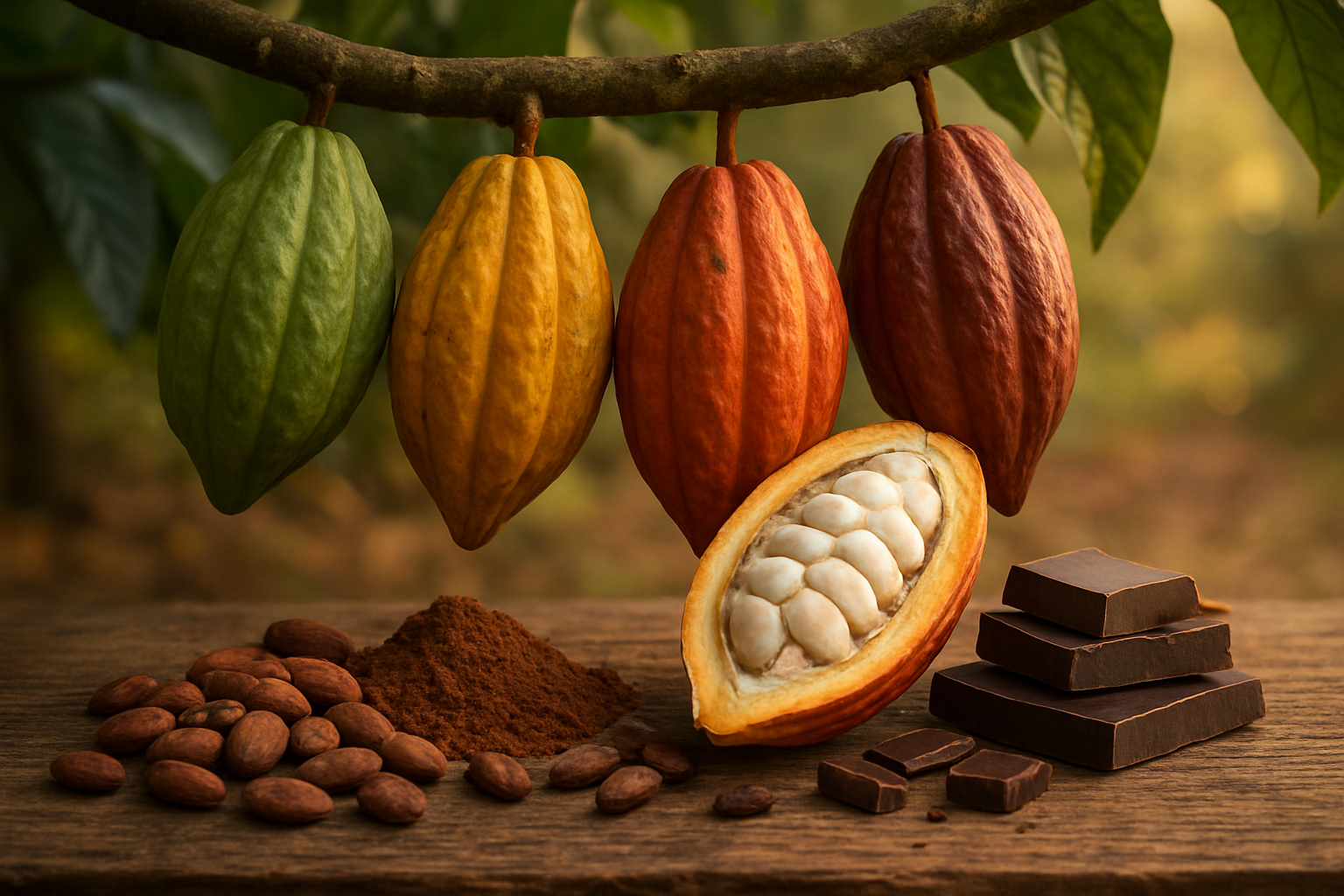
The cacao fruit undergoes a remarkable color transformation as it matures, serving as nature's ripeness indicator for farmers. Young pods typically start with a pale green or light yellow-green hue, gradually shifting through various stages of development. As the pod approaches maturity, dramatic color changes occur depending on the specific cacao variety.
Red-podded varieties transition from green to deep crimson or burgundy, while yellow varieties develop rich golden or orange tones. Some pods even display purple or maroon coloration. The color intensity deepens progressively, with fully ripe pods exhibiting vibrant, saturated hues that practically glow against the tree's dark bark. This color progression usually takes 5 to 6 months from flower to harvest-ready fruit.
Unique Pod Structure and Protective Outer Shell
The cacao pod features a remarkably engineered protective shell that averages 8 to 15 millimeters in thickness. This tough exterior serves as nature's safe, protecting the precious seeds inside from insects, weather, and physical damage. The shell consists of multiple layers, with the outermost being particularly resilient and slightly waxy to repel moisture.
Beneath the colorful outer skin lies a fibrous, somewhat spongy layer that provides additional cushioning for the seeds. The pod's structure includes natural weak points where it will eventually split during processing, making it easier for farmers to crack open without damaging the contents. The entire shell system works like a biological treasure chest, keeping the valuable cacao seeds fresh and protected until harvest time.
Internal Seed Arrangement and White Pulp Composition
Inside each cacao pod, you'll find 20 to 50 seeds (commonly called cacao beans) arranged in five distinct rows along the pod's length. These seeds are nestled within a white, sweet-tart pulp called mucilage that serves multiple purposes in the cacao ecosystem. The pulp has a texture similar to lychee fruit and tastes like a tropical blend of citrus and exotic fruit flavors.
The seeds themselves are almond-shaped and typically purple or white, depending on the variety. Each seed measures about 1 to 1.5 inches long and is completely surrounded by the protective pulp, which contains natural sugars that kickstart the fermentation process essential for developing chocolate flavors. The entire internal structure is designed for seed dispersal in nature, though humans have taken over this process for commercial cacao production.
Nutritional Benefits Hidden Inside Cacao Pods
Essential vitamins and minerals for optimal health
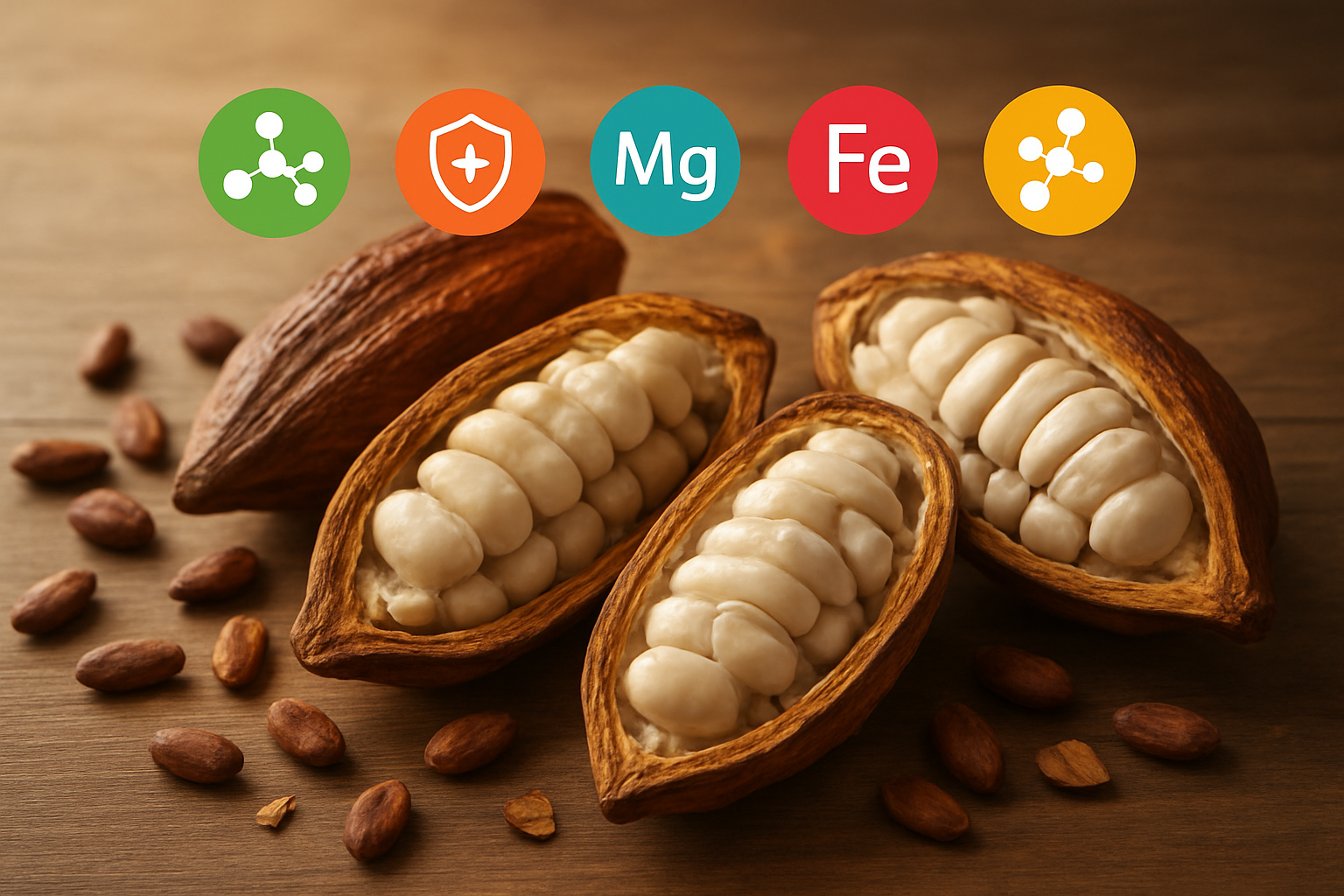
The cacao fruit packs an impressive nutritional punch that goes far beyond what most people expect. Raw cacao beans contain significant amounts of magnesium, which supports muscle function and helps regulate blood pressure. Just one ounce provides about 64mg of this essential mineral - that's roughly 16% of your daily needs.
Iron is another standout nutrient found in cacao fruit, making it particularly valuable for people following plant-based diets. The beans deliver about 3.9mg of iron per ounce, helping prevent fatigue and supporting healthy red blood cell production. You'll also find decent amounts of copper, manganese, and phosphorus tucked inside those pods.
B-vitamins play a supporting role too, with thiamine, riboflavin, and niacin all present in meaningful quantities. These nutrients help convert food into energy and keep your nervous system running smoothly. The cacao fruit benefits extend to providing potassium as well, which works alongside magnesium to support heart health.
Powerful antioxidants that fight free radicals
Cacao pods contain some of nature's most potent antioxidant compounds, particularly flavonoids called flavanols. These compounds give raw cacao an ORAC (Oxygen Radical Absorbance Capacity) score that rivals or exceeds many so-called "superfruits" like goji berries and blueberries.
Epicatechin and catechin are the primary flavanols responsible for cacao's antioxidant power. These compounds help neutralize harmful free radicals that can damage cells and contribute to aging and disease. Research shows that these antioxidants may support cardiovascular health by improving blood flow and reducing inflammation.
The concentration of antioxidants varies depending on processing methods, with raw cacao maintaining higher levels than heavily processed chocolate products. The cacao fruit nutrition profile also includes proanthocyanidins, the same compounds found in red wine and grape seeds that have been linked to various health benefits.
Natural compounds that boost mood and energy
Perhaps most fascinating are the natural mood-enhancing compounds found within cacao pods. Phenylethylamine (PEA) occurs naturally in cacao beans and is often called the "love chemical" because your brain releases it when you fall in love. This compound can create feelings of excitement and well-being.
Anandamide, sometimes referred to as the "bliss molecule," is another compound present in cacao. This neurotransmitter binds to the same receptors as THC but produces mild feelings of happiness and relaxation without any psychoactive effects. The cacao fruit also contains small amounts of caffeine and theobromine, which provide gentle, sustained energy without the jitters often associated with coffee.
Tryptophan, an amino acid precursor to serotonin, rounds out cacao's mood-supporting arsenal. This compound helps regulate sleep cycles and promotes feelings of calm and contentment. Unlike synthetic supplements, these natural compounds work synergistically with the vitamins and minerals also present in the cacao pod, creating a balanced nutritional package that supports both physical and mental well-being.
Harvesting and Processing Methods for Maximum Quality
Optimal Timing for Peak Fruit Maturation
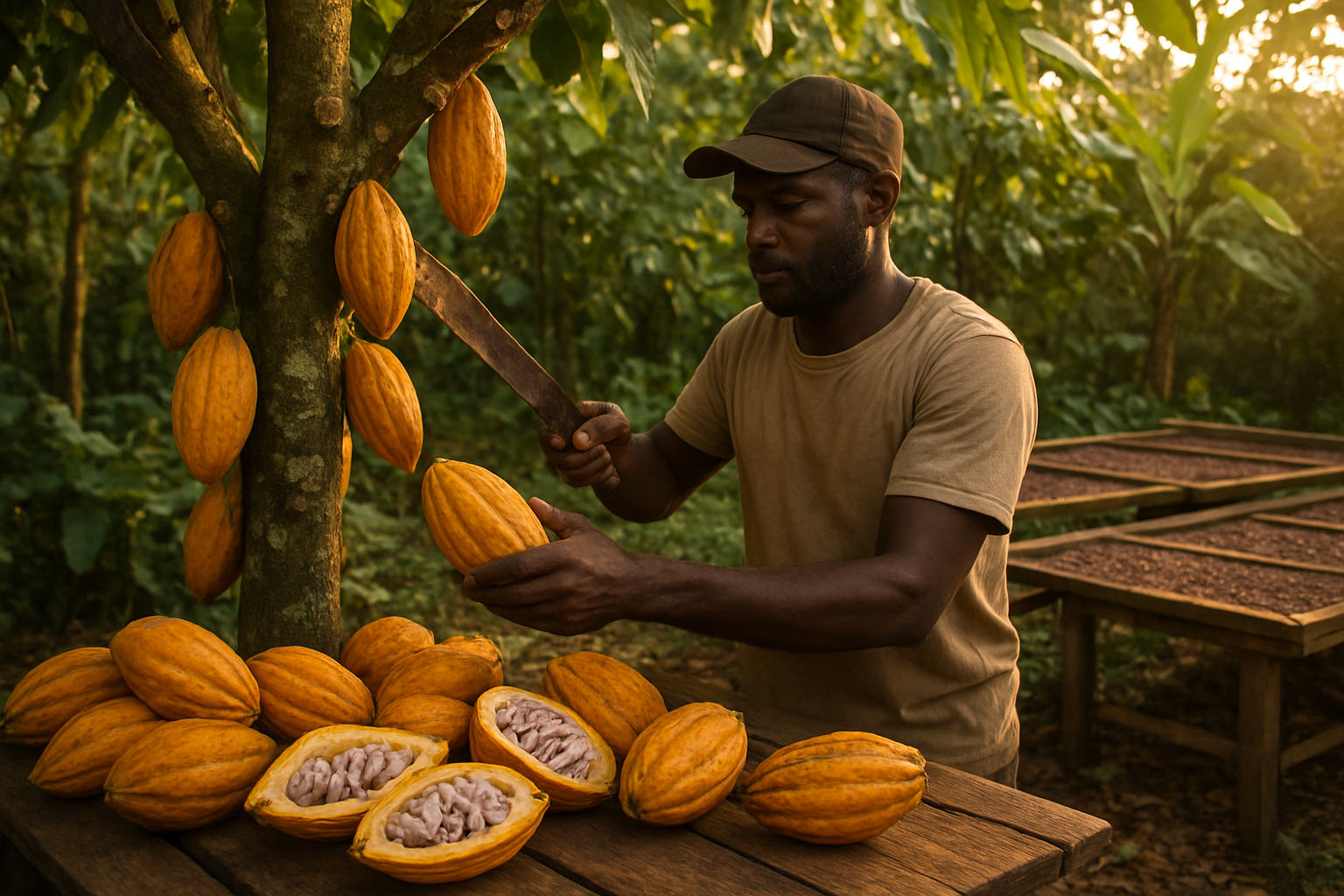
Timing is everything when it comes to cacao harvesting. The cacao fruit reaches peak maturation after 5-6 months of development, but determining the perfect moment requires careful observation. Mature cacao pods display distinct color changes – from green to yellow, orange, red, or purple depending on the variety. The pod should sound hollow when tapped gently, and the ridges become more pronounced as the fruit ripens.
Experienced farmers check for slight softening of the pod walls while ensuring they haven't started to crack or show signs of over-ripeness. Harvesting too early results in beans with poor flavor development, while waiting too long can lead to germination inside the pod or fungal contamination. The best practice involves checking plantations every 10-14 days during harvest season.
Traditional Hand-Picking Techniques Preserve Integrity
Hand-picking remains the gold standard for cacao harvesting, protecting both the delicate fruit and the tree. Skilled harvesters use machetes or specialized harvesting tools to cut pods from the trunk and branches without damaging the bark or flower cushions where future pods will develop.
The technique involves making clean cuts close to the tree, leaving small stumps that eventually dry and fall off naturally. This method prevents wounds that could invite disease. Harvesters work systematically, collecting pods in baskets and handling them gently to prevent bruising that could affect fermentation quality.
Tree health depends on proper harvesting techniques. Rough handling or pulling pods can damage the cambium layer, creating entry points for black pod disease and other pathogens that threaten cacao plantations worldwide.
Fermentation Process That Develops Complex Flavors
The fermentation of cacao beans transforms bitter, astringent seeds into the foundation of chocolate flavor. This crucial process begins immediately after pod opening, when beans are placed in wooden boxes, banana leaves, or specialized fermentation chambers.
During the first 2-3 days, yeasts break down the pulp surrounding each bean, creating alcohol and generating heat that reaches 45-50°C. The beans require regular turning to ensure even fermentation and prevent mold growth. As yeast activity declines, bacteria take over, producing acetic acid that penetrates the beans and triggers enzymatic reactions.
These biochemical changes develop the precursors to chocolate flavor compounds. Proteins break down into amino acids, while tannins are reduced, decreasing bitterness. The entire fermentation process typically lasts 5-7 days, during which the beans change from purple to brown and develop their characteristic aroma.
Drying Methods That Maintain Nutritional Value
Proper drying reduces bean moisture content from 60% to 6-8%, preventing mold growth while preserving nutritional compounds and flavor development. Sun drying remains the preferred method, with beans spread on raised platforms or patios for 5-7 days.
Beans need regular turning every few hours to ensure uniform drying and prevent case hardening, where the outer shell dries too quickly, trapping moisture inside. During rainy periods, moveable covers or greenhouse-style structures protect the beans while maintaining airflow.
Solar dryers and mechanical drying systems offer alternatives in challenging climates. These controlled environments maintain optimal temperatures around 60°C, preventing overheating that can destroy delicate flavor compounds and antioxidants naturally present in cacao beans.
Modern Innovations Improving Efficiency and Quality
Contemporary cacao processing incorporates technology while respecting traditional principles. Controlled fermentation chambers with temperature and humidity monitoring ensure consistent results regardless of weather conditions. These systems allow processors to fine-tune fermentation profiles for specific flavor outcomes.
Advanced drying systems use solar collectors and thermal mass to maintain steady temperatures, while moisture sensors automatically adjust airflow. Some facilities employ infrared technology to monitor internal bean temperature and moisture distribution in real-time.
Quality assessment tools include near-infrared spectroscopy for rapid analysis of bean composition, and electronic noses that can detect off-flavors early in the process. GPS tracking systems help farmers optimize harvest timing across different plantation areas, while mobile apps connect smallholder farmers with processing cooperatives and quality buyers.
Culinary Applications Beyond Traditional Chocolate
Fresh pulp uses in beverages and desserts
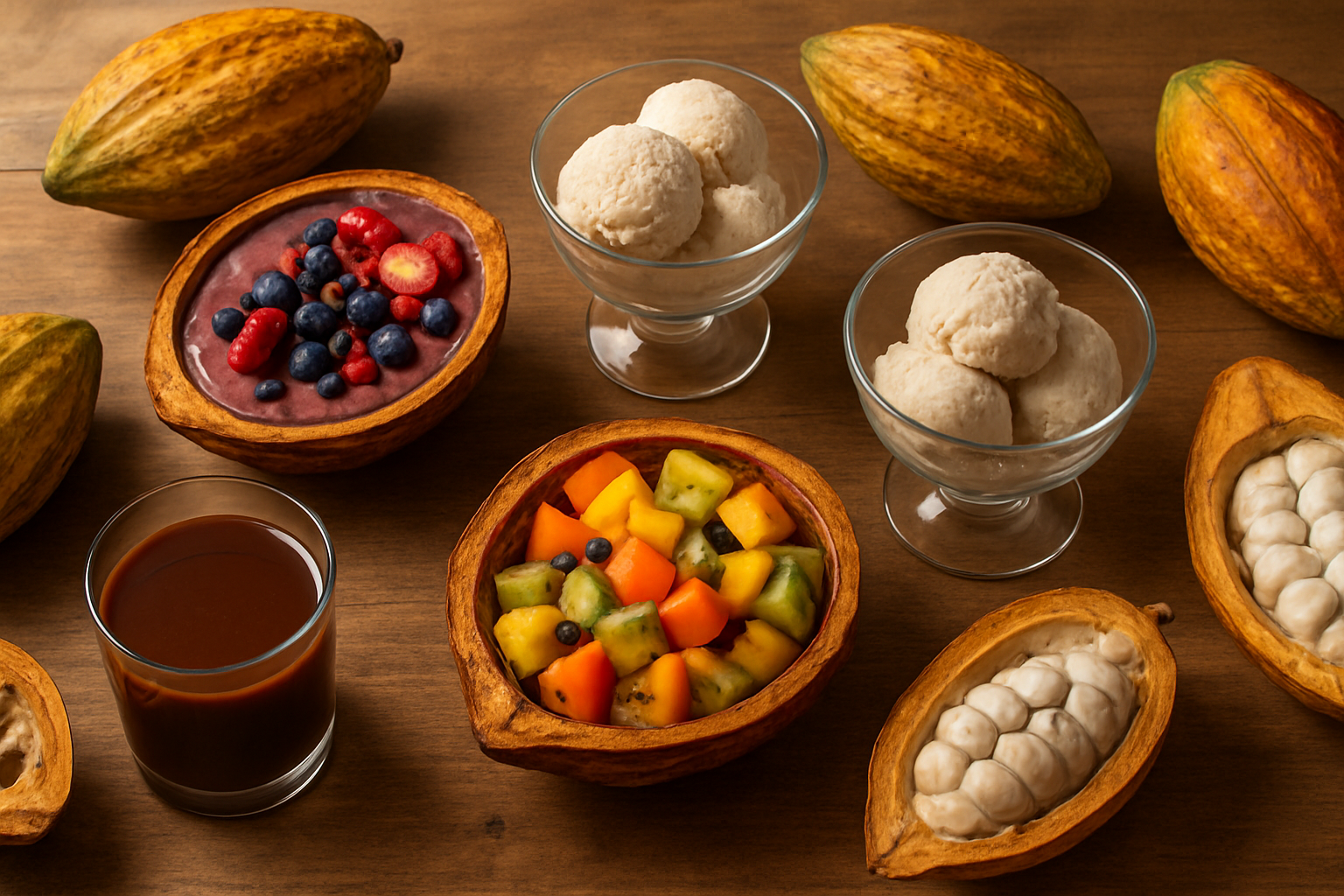
The white, tangy pulp surrounding cacao beans offers a treasure trove of culinary possibilities. This tropical delicacy tastes like a cross between lychee and passion fruit, with bright acidity and natural sweetness that makes it perfect for refreshing beverages. In South America, locals have enjoyed cacao pulp juice for centuries, often fermenting it into alcoholic drinks or blending it fresh with water and ice.
Modern mixologists are discovering the pulp's potential in craft cocktails, where its unique flavor profile adds complexity to tropical drinks. The pulp works beautifully in smoothies, providing natural sweetness while delivering vitamin C and antioxidants. Ice cream makers are incorporating cacao pulp into sorbets and gelatos, creating desserts that showcase the fruit's natural tartness.
Pastry chefs experiment with cacao pulp in mousses, panna cottas, and fruit tarts. The pulp's natural pectin content makes it excellent for jams and preserves, offering a sophisticated alternative to traditional fruit spreads. When dried and powdered, cacao pulp becomes a versatile ingredient for dusting desserts or flavoring baked goods.
Creative cooking applications for home chefs
Home cooks can transform their kitchens into experimental labs using cacao fruit components. The pods themselves serve as natural serving vessels for tropical fruit salads or dessert presentations. Roasted cacao beans, different from processed chocolate, offer a bitter, complex flavor that enhances savory dishes like mole sauces or meat rubs.
Cacao pulp vinegar, made through natural fermentation, adds acidity to salad dressings and marinades. The pulp's natural enzymes make it an excellent meat tenderizer for tropical-inspired dishes. Creative chefs blend fresh pulp into salsa verde or chutney, pairing beautifully with grilled fish or roasted vegetables.
The fibrous cacao pod husks, when properly prepared, can be ground into flour alternatives or used as natural food wrapping for steaming dishes. Home fermentation enthusiasts use cacao pulp to create probiotic beverages similar to kombucha, combining health benefits with unique flavors.
Commercial food industry innovations
Food manufacturers are recognizing cacao fruit's untapped potential beyond chocolate production. Beverage companies now produce cacao pulp juices, energy drinks, and functional beverages that highlight the fruit's natural caffeine and antioxidant content. These products appeal to health-conscious consumers seeking alternatives to traditional sports drinks.
The cosmetics industry has embraced cacao pulp extracts for skincare products, utilizing its high antioxidant content and natural acids for anti-aging formulations. Food processors are developing cacao pulp powder as a natural flavoring agent, offering manufacturers an exotic ingredient for premium products.
Alcohol producers create cacao pulp wines and spirits, tapping into the craft beverage market's demand for unique ingredients. The pulp's natural sugars ferment easily, producing complex flavors that rival traditional fruit wines. These innovations are creating new revenue streams for cacao farmers while diversifying the market beyond chocolate.
Sustainable practices reducing waste
Traditional chocolate production discards roughly 70% of the cacao fruit, representing massive waste in an industry processing millions of tons annually. Progressive companies now view this "waste" as valuable raw material, transforming environmental challenges into economic opportunities.
Zero-waste cacao processing facilities capture pulp for juice production, compost pod husks for organic fertilizer, and utilize every component of the theobroma cacao fruit. This approach reduces environmental impact while creating additional income streams for farmers. The fibrous pod material serves as natural packaging material or biodegradable containers for food service.
Community-based processing centers in cacao-growing regions are establishing local value chains, where farmers process their entire harvest rather than selling only beans. This model keeps more profits in farming communities while reducing transportation costs and carbon footprints.
Innovation in cacao fruit utilization supports sustainable agriculture by making farming more profitable. When farmers can monetize the entire fruit rather than just 30% of it, they're incentivized to maintain healthy cacao forests rather than convert land to other crops. This preservation benefits biodiversity while meeting growing global demand for sustainable food products.
The cacao fruit offers so much more than most people realize. From its tropical origins to the nutrient-rich pods that house those precious beans, this remarkable fruit has been nourishing communities for centuries. The vitamins, minerals, and antioxidants packed inside each pod make it a true superfood, while the careful harvesting and processing methods ensure we get the best quality from every harvest.
Don't limit yourself to thinking of cacao only as chocolate. The entire fruit opens up a world of culinary possibilities - from refreshing beverages made with the pulp to creative desserts that showcase different parts of the pod. Next time you enjoy chocolate, take a moment to appreciate the amazing journey from fruit to finished product. Try exploring cacao products beyond regular chocolate bars, and discover the full potential of this incredible fruit that has been delighting taste buds and supporting health for generations.


.png)
Comments
Post a Comment