Camu Camu - What's the Camu Camu Fruit?
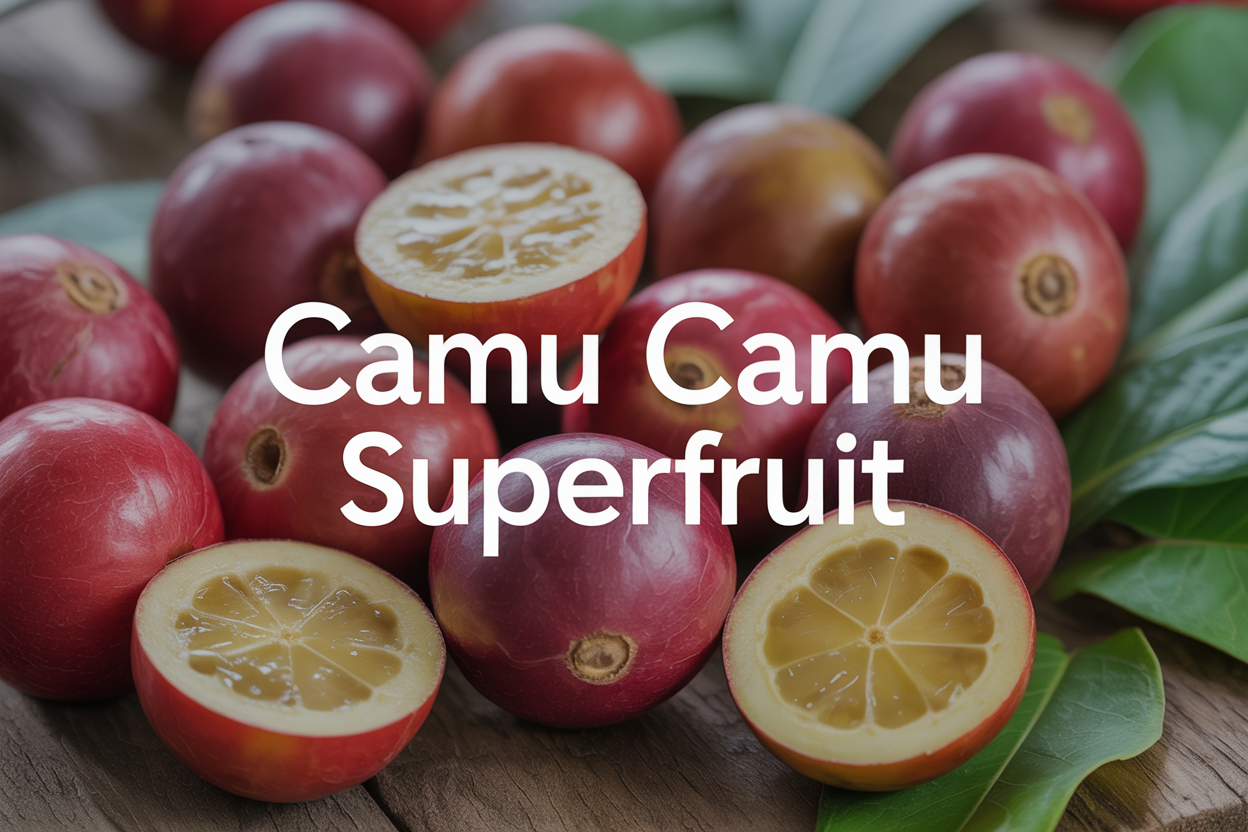
Ever heard of camu camu fruit? This small, cherry-like berry from the Amazon rainforest is making waves in the health world, and for good reason. What is camu camu exactly? It's a potent amazonian superfruit that packs more vitamin C than any other known food source on Earth.
This guide is perfect for health enthusiasts, wellness seekers, and anyone curious about adding powerful superfoods to their routine. You'll discover why nutritionists are calling camu camu a game-changer and how this tiny fruit delivers massive health benefits.
We'll explore the impressive camu camu nutritional value that makes it stand out from other fruits, dive into the specific health benefits that earn it superfruit status, and share practical ways to add camu camu to your daily meals and smoothies.
Understanding the Camu Camu Fruit and Its Origins
Natural Habitat and Growing Regions of the Amazon Rainforest
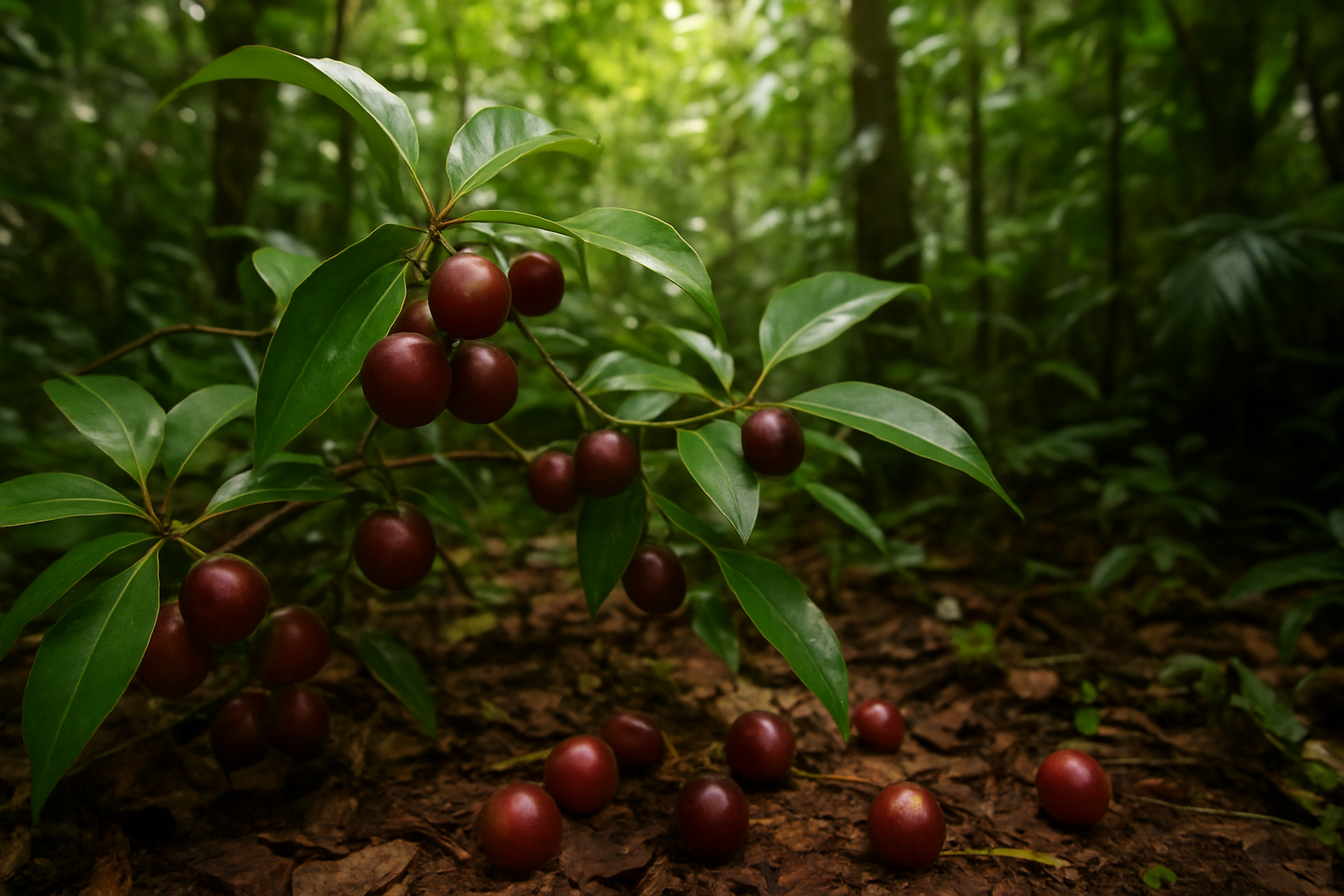
The camu camu fruit thrives exclusively in the flooded forests and riverbanks of the Amazon Basin, stretching across Peru, Brazil, Colombia, and Venezuela. This amazonian superfruit grows wild along the muddy shores of rivers and lakes, where seasonal flooding creates the perfect environment for these resilient shrubs to flourish.
Unlike many commercial fruits that require cultivation, camu camu remains largely wild-harvested from its natural habitat. The trees love the nutrient-rich, waterlogged soils found in várzea (floodplain) forests, where they can withstand months of complete submersion during the rainy season. Peru produces the majority of the world's camu camu supply, particularly in the Loreto region, where vast networks of tributaries provide ideal growing conditions.
These hardy plants have adapted perfectly to the Amazon's extreme seasonal variations. During dry season, the trees root in exposed riverbank soil, while flood season brings water levels that can rise 30-40 feet, completely submerging the lower portions of the plants for months at a time.
Physical Characteristics and Appearance of the Small Cherry-Like Fruit
What is camu camu in terms of appearance? Picture a small, round fruit roughly the size of a large grape or small cherry, typically measuring 1-3 centimeters in diameter. The skin starts green when unripe, gradually transitioning through shades of red, orange, and finally deep purple-red when fully mature.
The fruit's exterior has a smooth, glossy finish that's slightly waxy to the touch. Beneath the thin skin lies pale yellow to pinkish flesh that's notably tart and astringent - so intensely sour that it's rarely eaten fresh. The flesh surrounds 2-4 large seeds that take up a significant portion of the fruit's interior space.
Fresh camu camu has an almost translucent quality to its flesh, similar to a grape, and contains abundant juice despite its small size. The raw fruit's flavor profile is extremely acidic with minimal sweetness, which explains why traditional consumption methods involve processing rather than eating whole fruits.
| Characteristic | Description |
|---|---|
| Size | 1-3 cm diameter |
| Shape | Round to slightly oval |
| Skin Color | Green → Red → Purple-red |
| Flesh Color | Pale yellow to pinkish |
| Texture | Smooth, glossy exterior |
| Seeds | 2-4 large seeds per fruit |
Seasonal Availability and Harvesting Methods
Camu camu follows the Amazon's distinct wet and dry seasons, with harvest time typically occurring from December through April during the peak rainy season. This timing might seem counterintuitive, but the flooding actually makes harvesting easier by allowing canoe access to previously unreachable trees.
Traditional harvesting involves indigenous communities paddling wooden canoes through flooded forests, carefully hand-picking ripe fruits from partially submerged branches. Harvesters must be skilled at identifying the perfect ripeness stage - too early and the vitamin C content is lower, too late and the fruits begin to ferment and fall.
The harvesting process is labor-intensive and requires intimate knowledge of the forest. A single tree might yield 20-30 pounds of fruit during peak season, but accessing these trees often means navigating through dense, flooded vegetation. Harvesters typically work in family groups, with knowledge passed down through generations about which trees produce the best fruit and optimal timing for collection.
Modern commercial operations have introduced some mechanization, but the majority of camu camu harvesting still relies on traditional canoe-based methods that respect the delicate rainforest ecosystem.
Traditional Uses by Indigenous Amazonian Communities
Long before the world discovered the camu camu superfruit, indigenous Amazonian peoples had been incorporating this remarkable fruit into their daily lives for centuries. The Shipibo, Cocama, and other native communities traditionally used camu camu as both food and medicine, recognizing its powerful health-supporting properties.
Traditional preparation methods focused on making the intensely sour fruit more palatable. Communities would mash the fruits to create a thick paste, mix them with other foods, or ferment them into mildly alcoholic beverages. The pulp was often combined with fish or game to add a tangy flavor while providing essential nutrients during long hunting expeditions.
Beyond nutrition, traditional healers valued camu camu for its medicinal applications. They used the fruit to support immune function during seasonal illness, aid digestion, and maintain energy levels during physically demanding activities like long river journeys. The bark and leaves of camu camu trees also found uses in traditional medicine preparations.
Indigenous knowledge keepers understood that consuming camu camu regularly helped maintain vitality and ward off certain ailments, though they wouldn't have known about its record-breaking camu camu vitamin c content using modern scientific terms. Their traditional wisdom about this fruit's health benefits has since been validated by contemporary nutritional research, highlighting the sophisticated understanding these communities developed through generations of observation and use.
Nutritional Powerhouse Benefits of Camu Camu
Exceptional vitamin C content compared to other fruits
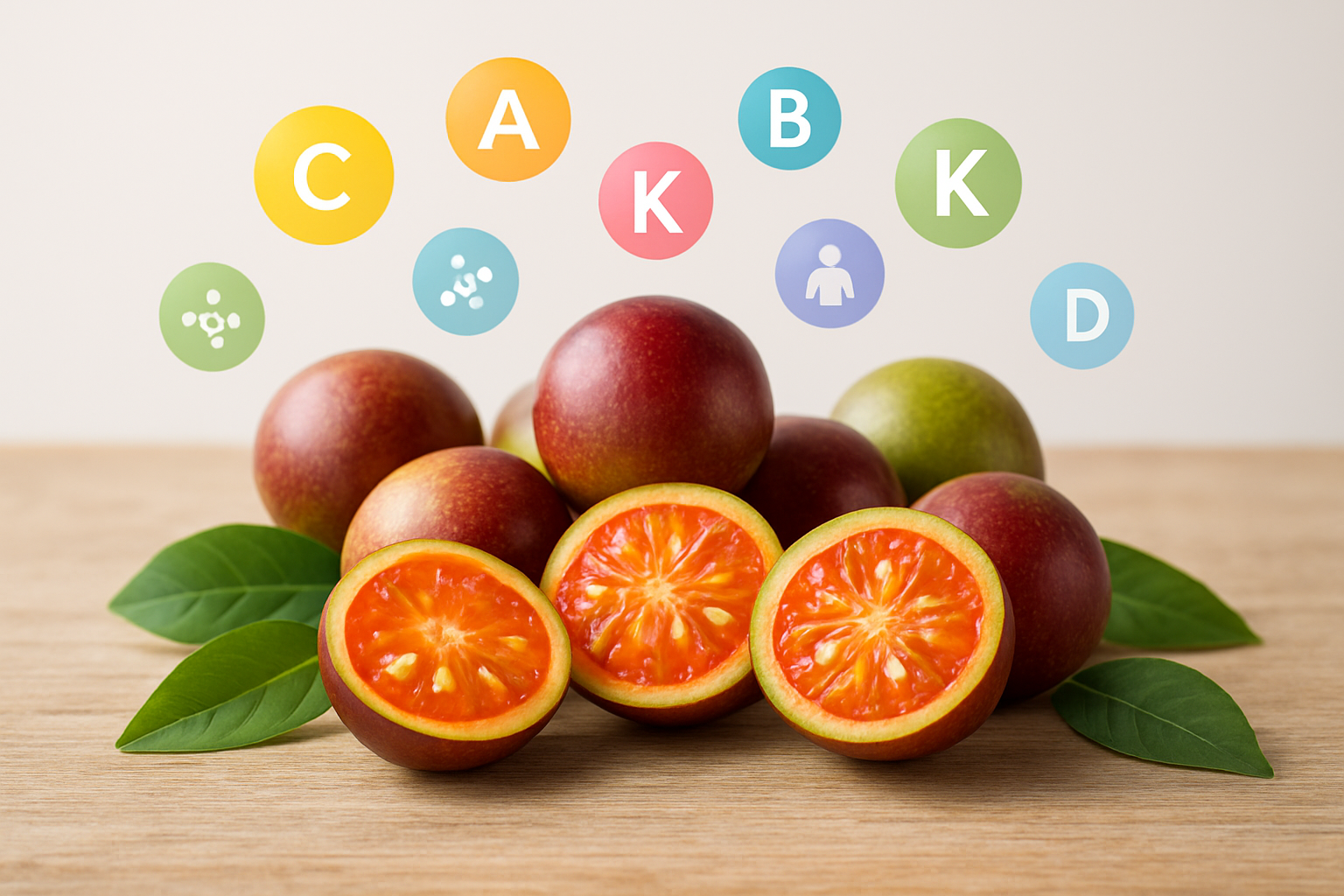
The camu camu fruit stands as nature's most concentrated source of vitamin C, delivering an astounding 2,000 to 3,000 milligrams per 100 grams of fresh fruit. To put this in perspective, oranges contain roughly 53 milligrams per 100 grams, making camu camu approximately 60 times more potent than the citrus fruit we typically associate with vitamin C.
This Amazonian superfruit contains between 30 to 50 times more vitamin C than acerola cherries and up to 100 times more than lemons. Even when compared to other vitamin C powerhouses like kiwi fruit (92 mg per 100g) or strawberries (59 mg per 100g), the camu camu nutritional value remains unmatched.
| Fruit | Vitamin C Content (mg per 100g) |
|---|---|
| Camu Camu | 2,000-3,000 |
| Acerola Cherry | 1,700 |
| Rose Hip | 426 |
| Guava | 228 |
| Kiwi | 92 |
| Orange | 53 |
A single teaspoon of camu camu powder provides more than 1,180% of your daily vitamin C needs, making it an incredibly efficient way to boost your immune system and support collagen production.
Antioxidant properties and free radical protection
Beyond its impressive vitamin C profile, the camu camu fruit delivers a complex array of antioxidants that work synergistically to combat oxidative stress. These powerful compounds include anthocyanins, flavonoids, and phenolic acids that give the fruit its natural ability to neutralize harmful free radicals.
The fruit's ORAC (Oxygen Radical Absorbance Capacity) value measures significantly higher than many well-known antioxidant-rich foods. This measurement indicates how effectively the fruit can absorb and neutralize free radicals that contribute to cellular aging and various health issues.
Key antioxidant compounds found in camu camu include:
-
Anthocyanins: Responsible for the fruit's reddish-purple skin and powerful anti-inflammatory properties
-
Ellagic acid: A phenolic compound known for its protective effects against cellular damage
-
Gallic acid: Supports cardiovascular health and helps protect against oxidative stress
-
Catechins: Similar to those found in green tea, these compounds support metabolic health
The synergistic effect of these antioxidants creates a protective shield against environmental toxins, UV radiation, and the natural aging process. Regular consumption of camu camu benefits your body's defense system by maintaining optimal cellular function and reducing inflammation markers.
Essential amino acids and mineral composition
While vitamin C gets most of the attention, the camu camu superfruit also provides a well-rounded nutritional profile that includes essential amino acids and vital minerals. The fruit contains all essential amino acids your body cannot produce on its own, making it a complete protein source despite its small size.
The amino acid profile includes:
-
Serine: Supports immune function and helps with protein synthesis
-
Valine: Essential for muscle metabolism and tissue repair
-
Leucine: Critical for protein synthesis and muscle recovery
-
Threonine: Important for collagen and elastin production
Mineral-wise, camu camu delivers impressive amounts of:
-
Potassium: Supports heart health and helps regulate blood pressure
-
Iron: Essential for oxygen transport and energy production
-
Calcium: Vital for bone health and muscle function
-
Phosphorus: Works with calcium to maintain strong bones and teeth
-
Magnesium: Supports over 300 enzymatic reactions in the body
The fruit also contains beta-carotene, which your body converts to vitamin A for eye health and immune function. This combination of nutrients makes camu camu benefits extend far beyond just vitamin C supplementation, offering comprehensive nutritional support for optimal health and vitality.
Health Benefits That Make Camu Camu a Superfruit
Immune System Strengthening and Disease Prevention
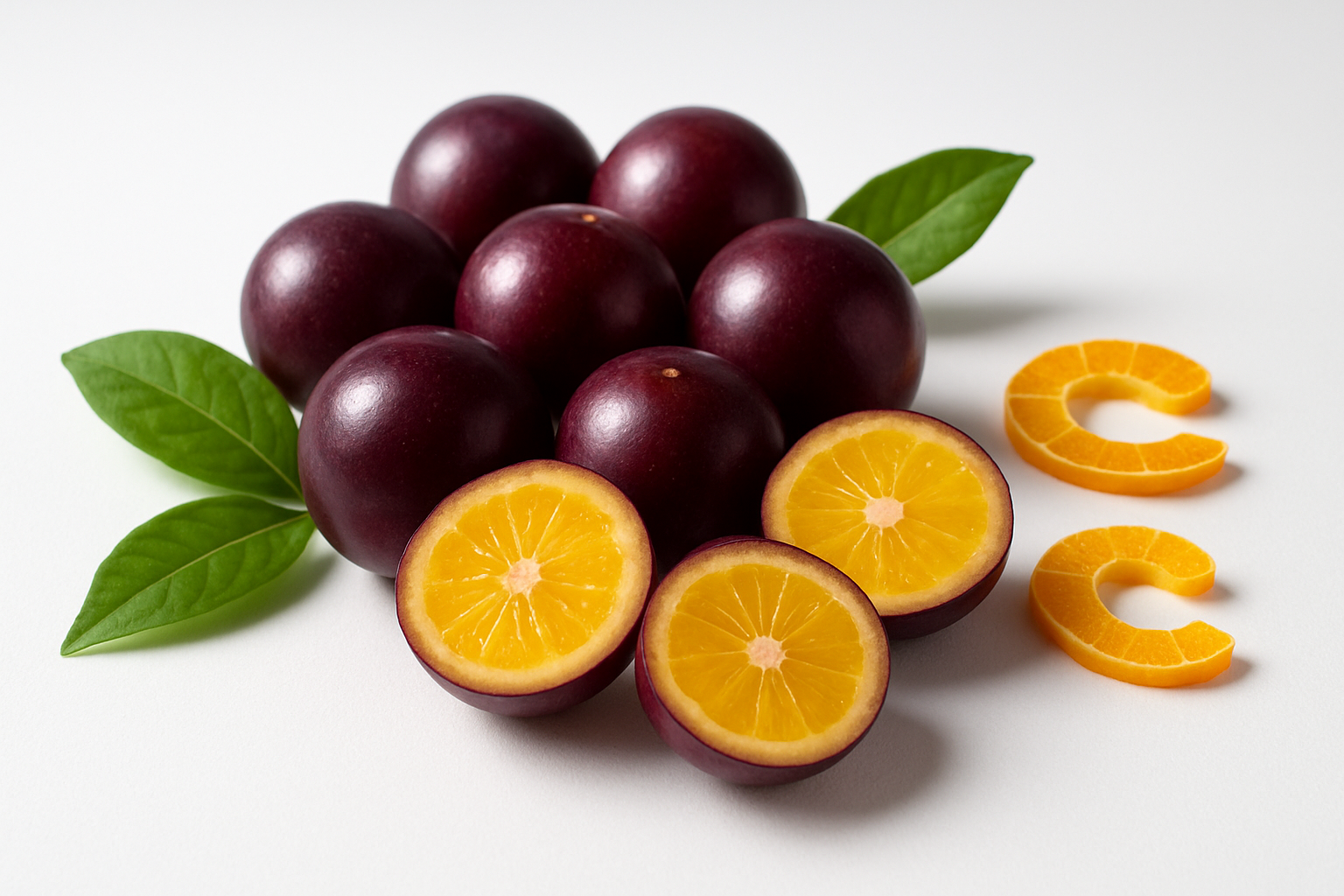
The camu camu fruit stands out as nature's ultimate immune booster, packing an incredible punch when it comes to vitamin C content. This amazonian superfruit contains 30 to 50 times more vitamin C than oranges, making it a powerhouse for immune system support. Your body uses this vitamin C to produce white blood cells, which act as your first line of defense against infections and diseases.
Regular consumption of camu camu helps your immune system stay vigilant against common colds, flu, and other viral infections. The antioxidants in this superfruit work around the clock to neutralize free radicals that can weaken your immune response. Many people who include camu camu in their daily routine report getting sick less frequently and recovering faster when they do fall ill.
Anti-Inflammatory Effects for Joint and Muscle Health
Camu camu health benefits extend far beyond immune support, offering remarkable anti-inflammatory properties that can transform how your joints and muscles feel. The fruit contains potent compounds like anthocyanins and ellagic acid that actively reduce inflammation throughout your body.
Athletes and active individuals often turn to camu camu to help manage exercise-induced inflammation and muscle soreness. The natural anti-inflammatory compounds work to reduce swelling in joints, potentially easing discomfort from conditions like arthritis. Unlike synthetic anti-inflammatory medications, camu camu provides these benefits without harsh side effects on your digestive system.
Skin Health Improvement and Anti-Aging Properties
Your skin receives incredible benefits from the camu camu nutritional value, particularly its high vitamin C and antioxidant content. Vitamin C plays a crucial role in collagen synthesis, the protein responsible for keeping your skin firm, elastic, and youthful-looking. Regular consumption can help reduce the appearance of fine lines, wrinkles, and age spots.
The antioxidants in camu camu protect your skin cells from damage caused by UV rays, pollution, and other environmental stressors. Many people notice their skin becomes more radiant and even-toned after incorporating this superfruit into their routine. The anti-inflammatory properties also help calm skin conditions like acne and eczema.
Energy Boosting and Mood Enhancement Benefits
Camu camu benefits include natural energy enhancement without the crash associated with caffeine or sugar. The fruit's rich nutrient profile supports your body's energy production at the cellular level, helping you feel more alert and focused throughout the day.
The vitamin C in camu camu helps your body absorb iron more efficiently, preventing fatigue caused by iron deficiency. Additionally, the fruit contains compounds that may help balance neurotransmitters, potentially improving mood and reducing stress levels. Many users report feeling more mentally clear and emotionally balanced when they regularly consume camu camu.
Cardiovascular Health Support and Blood Pressure Regulation
This camu camu superfruit offers impressive cardiovascular benefits that can help protect your heart and circulatory system. The potent antioxidants help prevent the oxidation of LDL cholesterol, reducing the risk of plaque buildup in your arteries. The anti-inflammatory properties also help keep blood vessels healthy and flexible.
Studies suggest that regular consumption of camu camu may help regulate blood pressure naturally. The fruit's potassium content works alongside other nutrients to support healthy circulation and reduce strain on your cardiovascular system. The combination of antioxidants, anti-inflammatory compounds, and essential nutrients makes camu camu an excellent choice for long-term heart health.
Ways to Incorporate Camu Camu Into Your Daily Diet
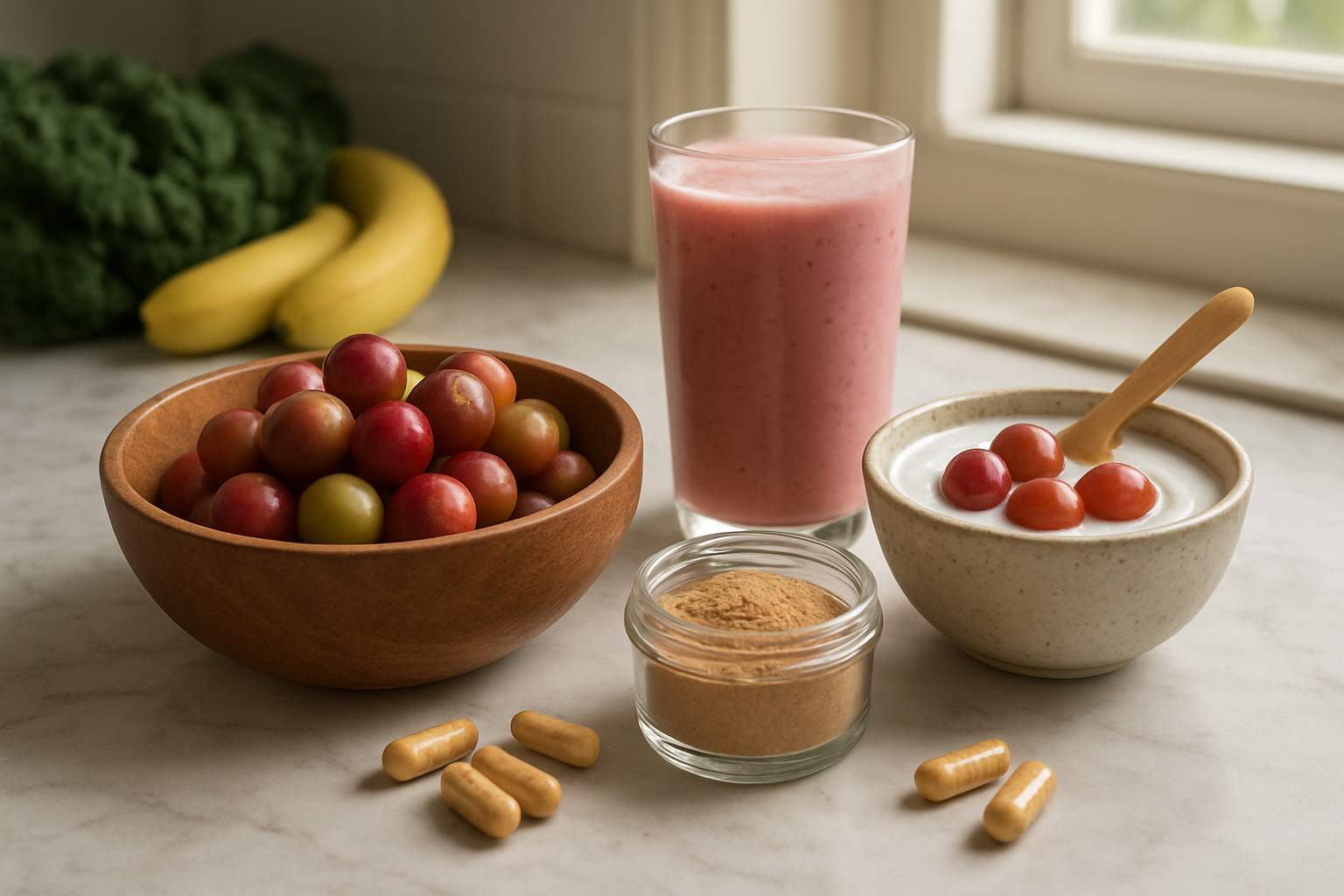
Powder Form Mixing Options for Smoothies and Beverages
Camu camu powder stands as the most versatile way to add this amazonian superfruit to your routine. The freeze-dried powder packs an incredible vitamin C punch while blending seamlessly into your favorite drinks. Start with just half a teaspoon daily – the tangy, tart flavor can be intense for newcomers.
Smoothies make the perfect vehicle for camu camu powder. Blend it with tropical fruits like mango, pineapple, or banana to complement its natural acidity. The sweetness of these fruits balances the powder's sharp taste beautifully. Green smoothies work wonderfully too – spinach, kale, apple, and a touch of honey create a nutrient-dense powerhouse drink.
For beverage options beyond smoothies, try stirring the powder into fresh orange juice or coconut water. The citrus flavors pair naturally with camu camu's tartness. You can also mix it into homemade lemonades, iced teas, or even sparkling water with a squeeze of lime for a refreshing vitamin C boost.
Always add camu camu powder to cold or room temperature liquids. Heat destroys its delicate vitamin content, so avoid adding it to hot beverages or cooked foods.
Capsule Supplements for Convenient Consumption
Capsules offer the easiest path to experiencing camu camu benefits without dealing with its intensely sour taste. This format delivers concentrated nutrition in a pre-measured dose, eliminating guesswork about proper serving sizes.
Most camu camu capsules contain between 500-1000mg of the fruit extract per serving. Look for organic, freeze-dried options that preserve the maximum nutritional value. Take them with meals to enhance absorption and reduce any potential stomach sensitivity.
The convenience factor makes capsules perfect for busy lifestyles, travel, or anyone who struggles with the powder's strong flavor. You get consistent daily intake without the need to measure portions or mask the taste with other ingredients.
Choose reputable brands that provide third-party testing results and clear labeling of vitamin C content. Some capsules combine camu camu with other complementary nutrients like acerola cherry or rose hips for enhanced antioxidant support.
Fresh Fruit Preparation When Available
Finding fresh camu camu fruit outside of Peru and Brazil proves challenging, but specialty importers occasionally stock it in major cities. The small, cherry-sized fruits have deep purple-red skin when fully ripe and incredibly tart flesh that's difficult to eat raw.
When you do find fresh camu camu, handle it gently – the delicate fruits bruise easily. Store them in the refrigerator and use within 2-3 days for peak freshness. The skin is edible but adds extra tartness to an already intensely sour fruit.
Fresh camu camu works best when processed into juice or pulp. Blend the whole fruits with water and strain out the seeds and skin fragments. Mix this concentrated juice with sweeter fruit juices or use it as a base for homemade popsicles and sorbets.
You can also freeze fresh fruits whole to preserve them longer. Frozen camu camu blends directly into smoothies without thawing, adding both nutrition and natural ice content to your drinks.
Potential Side Effects and Precautions to Consider
Recommended dosage limits for safe consumption
The key to enjoying camu camu benefits safely lies in moderation. Most health experts recommend starting with small amounts - typically 1/4 to 1/2 teaspoon of camu camu powder daily for beginners. This translates to roughly 1-2 grams, which already provides an impressive amount of vitamin C.
Since camu camu vitamin c content is extraordinarily high - up to 60 times more than oranges - you don't need much to meet your daily requirements. The typical maintenance dose ranges from 1-3 grams daily, though some people may benefit from slightly higher amounts during times of stress or illness.
Your body can only absorb so much vitamin C at once, so splitting your daily intake into smaller portions throughout the day works best. Taking too much at once won't harm you, but excess amounts get flushed out through urine, making it wasteful.
People new to this Amazonian superfruit should increase their intake gradually over several weeks. This approach helps your digestive system adjust and reduces the likelihood of experiencing any discomfort.
Possible interactions with medications
Camu camu side effects can include interactions with certain medications, particularly those affecting blood clotting. The high vitamin C content may enhance iron absorption, which could be problematic for people with hemochromatosis or those taking iron supplements.
Blood-thinning medications like warfarin may be affected by large doses of vitamin C, potentially altering their effectiveness. If you're taking anticoagulants, consult your healthcare provider before adding camu camu to your routine.
Chemotherapy patients should be especially cautious, as high-dose antioxidants might interfere with certain cancer treatments. The same applies to people taking medications for kidney stones, since vitamin C can be converted to oxalate in some individuals.
Diabetic medications may also interact with camu camu's natural compounds, though research in this area remains limited. Anyone on prescription medications should discuss camu camu fruit supplementation with their doctor first.
Digestive sensitivity concerns for some individuals
Some people experience digestive discomfort when first trying what is camu camu products, especially in powder form. Common symptoms include mild stomach upset, nausea, or loose stools, typically occurring when people take too much too quickly.
The natural acidity of the fruit can irritate sensitive stomachs, particularly when consumed on an empty stomach. Taking camu camu with food or diluting the powder in smoothies or juice can minimize these effects.
People with existing digestive conditions like gastritis, ulcers, or inflammatory bowel disease should be extra cautious. The concentrated nature of camu camu powder means even small amounts pack a powerful punch that sensitive systems might not tolerate well initially.
Starting with tiny amounts - even just a pinch of powder - allows your digestive system to adapt gradually. Most people find their tolerance improves within a few days to weeks of consistent, moderate use.
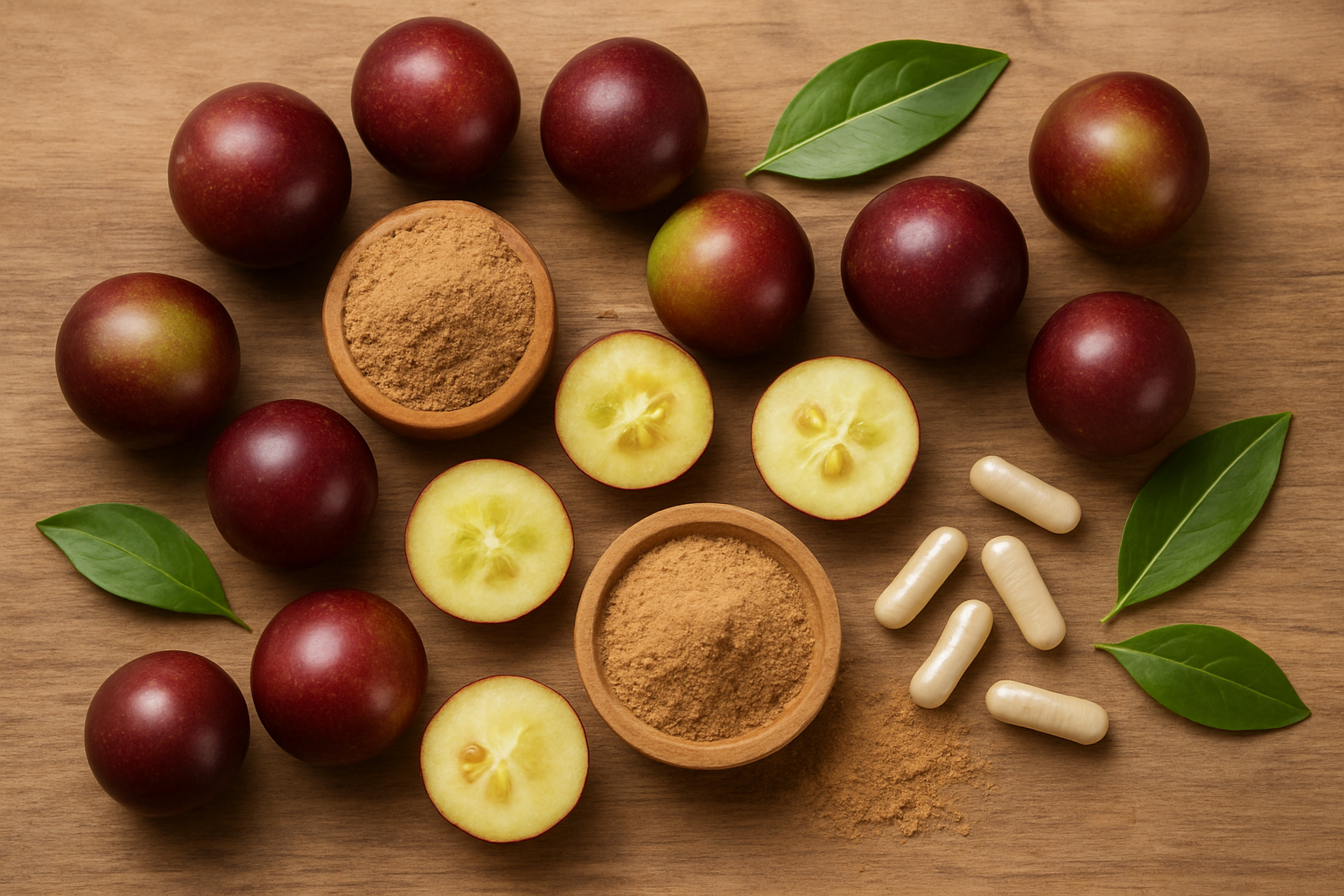
Camu camu stands out as one of nature's most impressive vitamin C sources, packing more of this essential nutrient than almost any other fruit on the planet. Beyond its incredible antioxidant power, this Amazonian superfruit offers anti-inflammatory benefits, immune system support, and potential mood-boosting properties that make it worth adding to your wellness routine. Whether you choose powder, capsules, or fresh fruit, camu camu can easily fit into smoothies, juices, or even baked goods.
Remember to start with small amounts since camu camu's high vitamin C content can cause stomach upset if you go overboard too quickly. Like any supplement or new food, it's smart to check with your healthcare provider if you have existing health conditions or take medications. Give this powerful little fruit a try – your immune system and overall health might thank you for discovering this hidden gem from the Amazon rainforest.


.png)
Comments
Post a Comment