Casimiroa - What's The Casimiroa Fruit?
.png)
The Casimiroa fruit, also known as white sapote or Mexican apple, is a creamy tropical treasure that's been winning over fruit lovers worldwide. If you're curious about exotic fruits or looking to expand your garden with something unique, this sweet and nutritious gem deserves your attention.
This comprehensive guide is perfect for adventurous food enthusiasts, home gardeners interested in tropical fruit cultivation, and health-conscious individuals seeking new nutritional powerhouses.
We'll explore what makes the Casimiroa edulis so special and dive into the impressive tropical fruit benefits it offers your body. You'll also discover the distinctive white sapote taste and learn practical tips on where to buy white sapote or how to grow Casimiroa in your own backyard.
What Makes Casimiroa Fruit Unique and Special
Scientific classification and botanical characteristics
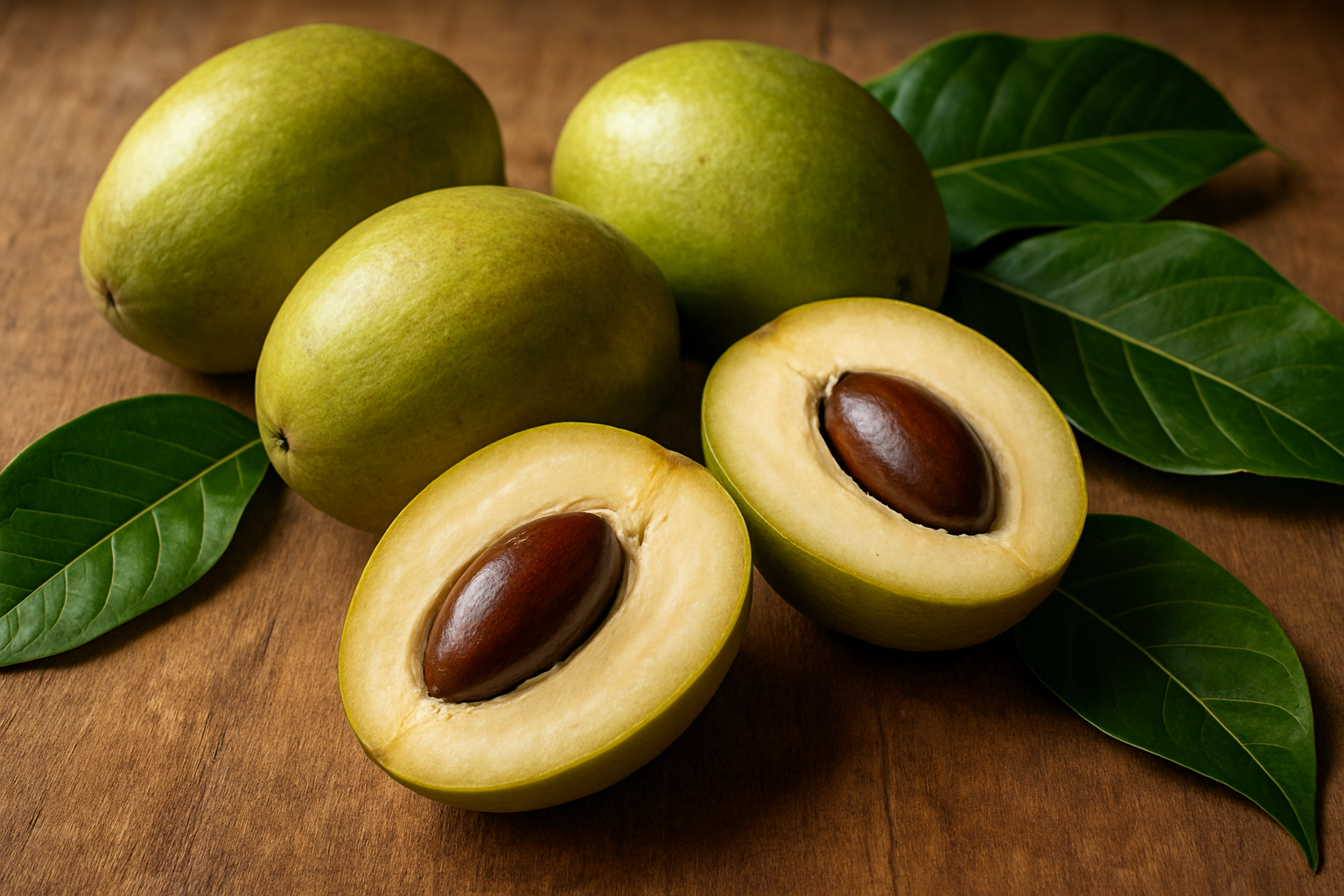
The Casimiroa edulis belongs to the Rutaceae family, the same botanical group that includes citrus fruits like oranges and lemons. This tropical fruit tree stands out as one of the most fascinating members of its family, though it produces something completely different from what you'd expect. The tree itself can reach impressive heights of 50 feet or more, developing a broad, spreading crown that provides excellent shade.
What makes this tree botanically interesting is its evergreen nature and its ability to produce fruit year-round in ideal conditions. The leaves are compound with 3-7 leaflets, creating a distinctive palmate pattern that's easy to recognize. The small, inconspicuous flowers are greenish-white and appear in clusters, eventually developing into the prized Casimiroa fruit.
Physical appearance and distinctive features
The white sapote fruit has an unmistakable appearance that sets it apart from other tropical fruits. These round to oval fruits typically measure 3-4 inches in diameter and can weigh anywhere from 4 ounces to over a pound. The skin ranges from bright green when unripe to a pale yellow-green or creamy white when fully mature.
The most striking feature is the fruit's incredibly smooth, thin skin that gives way to creamy white flesh inside. This flesh has a custard-like texture that's often compared to a cross between a banana and a peach. The interior usually contains 1-5 large, glossy brown seeds that are easily removed. When perfectly ripe, the flesh becomes soft and almost melts in your mouth, with a subtle sweetness that's never overwhelming.
Natural habitat and growing regions
Casimiroa edulis originates from the highlands of central Mexico, where it thrives in elevations between 4,000 and 7,000 feet. The tree prefers subtropical to mild tropical climates with good drainage and protection from strong winds. In its native habitat, temperatures rarely drop below freezing, and the tree benefits from distinct wet and dry seasons.
Today, white sapote cultivation has spread to various regions with similar climates. California, particularly the coastal areas and foothills, has become a significant growing region outside Mexico. You'll also find these trees flourishing in parts of Central America, the Mediterranean region, Australia, and New Zealand. The tree adapts well to areas with Mediterranean-type climates, making it popular among home gardeners in suitable zones.
Common names and cultural significance
The Mexican apple, as it's sometimes called, goes by numerous names across different cultures and regions. In Mexico, it's known as "zapote blanco" or simply "zapote." Other common names include "sleeping sapote" (referencing its mild sedative properties), "cochitzapotl" in Nahuatl, and various regional variations throughout Latin America.
The fruit holds deep cultural significance in Mexican traditions, where indigenous peoples have valued it for centuries not just as food but for its medicinal properties. Traditional healers have long used different parts of the tree to treat various ailments, from insomnia to high blood pressure. The name "Casimiroa" honors Cardinal Juan Caramuel y Lobkowitz's work, though the fruit's importance in indigenous cultures predates European contact by hundreds of years.
In many Mexican households, the white sapote represents comfort and tradition, often eaten fresh or used in regional desserts and beverages that have been passed down through generations.
Amazing Health Benefits You Get from Casimiroa
Essential vitamins and minerals packed inside
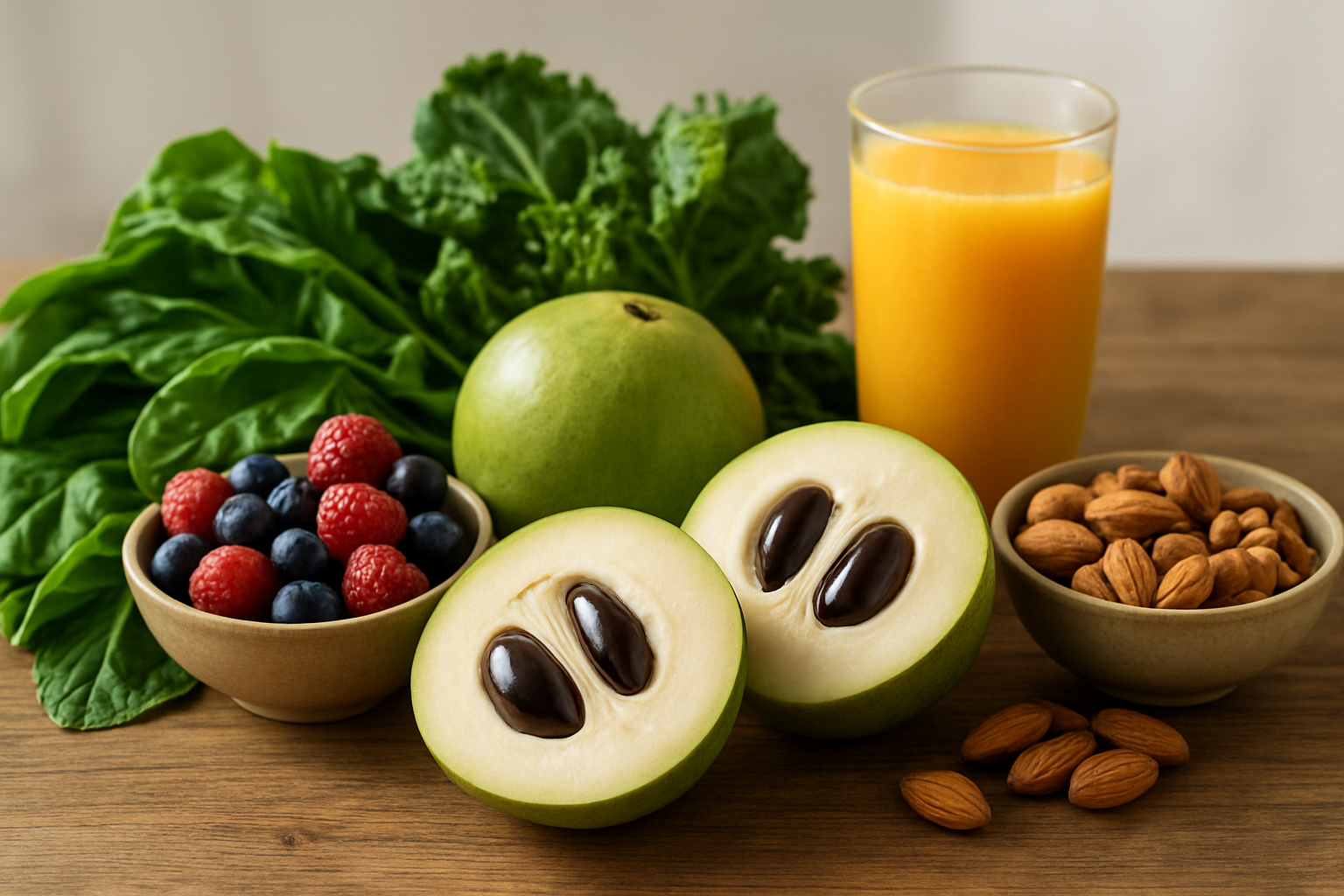
Casimiroa fruit delivers an impressive nutritional profile that rivals many popular tropical fruits. This Mexican apple contains significant amounts of vitamin C, providing roughly 20% of your daily needs in a single serving. The vitamin C content supports immune system function and helps your body absorb iron more effectively.
The fruit also supplies potassium, a mineral crucial for heart health and blood pressure regulation. Each serving contains about 250mg of potassium, making it a heart-friendly snack option. Phosphorus and calcium work together in white sapote to support bone density and dental health.
B-complex vitamins, particularly niacin and riboflavin, help convert food into energy and support nervous system function. The fruit's natural folate content makes it beneficial for pregnant women and anyone looking to support cellular health.
Antioxidant properties for disease prevention
White sapote contains powerful antioxidant compounds that protect cells from free radical damage. The fruit's phenolic compounds and flavonoids work as natural defenders against oxidative stress, which contributes to aging and chronic diseases.
These antioxidants help reduce inflammation throughout the body, potentially lowering the risk of heart disease and certain cancers. The carotenoids present in Casimiroa edulis support eye health and may help prevent age-related macular degeneration.
Research suggests that regular consumption of antioxidant-rich fruits like white sapote can strengthen the immune system and improve overall cellular health. The fruit's antioxidant activity remains stable even after storage, making it a reliable source of protective compounds.
Digestive health and fiber content benefits
Each serving of Casimiroa fruit provides about 3-4 grams of dietary fiber, supporting healthy digestion and regular bowel movements. The soluble fiber helps slow sugar absorption, while insoluble fiber adds bulk to stool and promotes gut health.
The fruit's natural enzymes aid in protein digestion and can help reduce bloating after meals. Many people find that eating white sapote helps settle an upset stomach, thanks to its gentle, non-acidic nature.
Regular consumption of this tropical fruit benefits can include improved gut microbiome diversity. The prebiotic compounds in Casimiroa feed beneficial bacteria in your digestive system, promoting overall intestinal health.
Natural compounds for stress and sleep support
Casimiroa contains unique compounds that promote relaxation and better sleep quality. Traditional Mexican medicine has long used this fruit as a natural sleep aid, and modern research supports these traditional uses.
The fruit contains compounds that interact with neurotransmitter systems, helping calm the nervous system without causing drowsiness during the day. Many people report feeling more relaxed after eating white sapote in the evening.
The magnesium content in Casimiroa fruit also contributes to its calming effects. Magnesium helps regulate the body's stress response and supports muscle relaxation, making it easier to unwind after a busy day.
Blood sugar regulation properties
White sapote offers natural blood sugar support through its fiber content and specific plant compounds. The fruit's low glycemic index means it won't cause rapid spikes in blood glucose levels.
The chromium present in Casimiroa helps improve insulin sensitivity, making it easier for cells to use glucose effectively. This makes the fruit a smart choice for people managing diabetes or prediabetes.
Studies show that the fruit's natural sugars are balanced by fiber and other compounds that slow absorption, creating a more stable energy release compared to processed sweets or high-sugar fruits.
How Casimiroa Tastes and Best Ways to Enjoy It
Flavor Profile and Texture Description
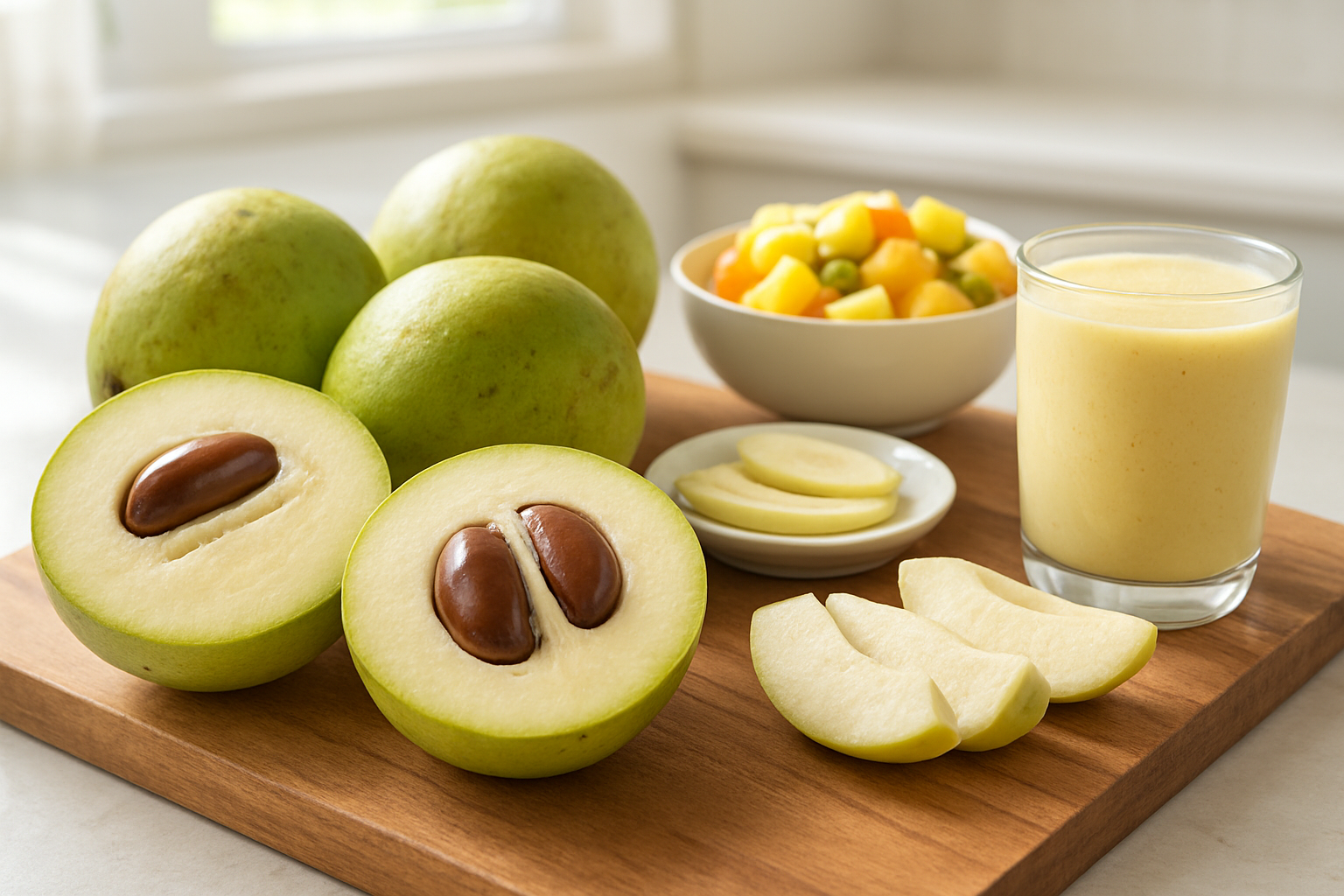
The Casimiroa fruit, also known as white sapote or Mexican apple, offers a distinctive taste experience that sets it apart from other tropical fruits. The flesh delivers a creamy, custard-like texture that melts on your tongue, similar to a perfectly ripe avocado but sweeter. The flavor combines elements of vanilla, banana, and peach with subtle hints of caramel and honey. Many people describe the white sapote taste as reminiscent of a sweet cream dessert with tropical undertones.
The fruit's skin is thin and edible, though most people prefer to remove it due to its slightly bitter taste. Inside, the pale yellow to white flesh surrounds 1-4 large, glossy brown seeds that are easily removed. The texture can vary from firm and apple-like when slightly underripe to incredibly soft and almost liquid when fully mature.
Ripeness Indicators for Perfect Eating
Knowing when your Casimiroa fruit reaches peak ripeness makes all the difference in taste and texture. A perfectly ripe white sapote yields gently to pressure, similar to checking a ripe avocado. The skin may develop a slight yellowish tint and feel soft but not mushy.
Avoid fruits with dark spots, wrinkled skin, or those that feel overly soft, as these indicate overripeness and potential spoilage. Underripe fruits feel rock-hard and taste bland with an unpleasant chalky texture. Room temperature storage for 2-5 days usually brings underripe fruits to perfect eating condition.
The fruit gives off a sweet, pleasant aroma when ready to eat. If you notice any fermented or alcohol-like smell, the fruit has passed its prime.
Traditional Preparation Methods
In Mexico, where Casimiroa edulis originates, traditional preparation focuses on simplicity. The most common method involves cutting the fruit in half, removing the seeds, and eating the flesh with a spoon directly from the skin. Many families serve it chilled as a refreshing dessert during hot weather.
Traditional Mexican recipes include blending the flesh with milk and sugar to create "agua de zapote blanco," a popular refreshing drink. Some regions prepare the fruit as a natural ice cream base, mixing it with condensed milk and freezing it in molds.
Another traditional approach involves mashing the flesh and spreading it on tortillas with a sprinkle of cinnamon and sugar, creating a simple but satisfying treat that children especially enjoy.
Modern Culinary Uses and Recipes
Contemporary chefs have discovered the Casimiroa fruit's versatility in modern cuisine. The creamy texture makes it perfect for smoothies, where it adds natural sweetness and body without overpowering other flavors. Blend it with coconut milk, lime juice, and a touch of vanilla for a tropical smoothie that rivals any restaurant version.
Pastry chefs use white sapote in mousses, panna cottas, and frozen desserts. Its natural creaminess reduces the need for heavy cream while adding unique flavor complexity. The fruit works exceptionally well in no-bake cheesecakes, providing structure and taste.
For savory applications, try incorporating diced white sapote into fruit salsas that pair beautifully with grilled fish or chicken. The fruit's mild sweetness complements spicy jalapeños and tangy lime juice perfectly.
| Preparation Method | Best Use | Flavor Result |
|---|---|---|
| Fresh and raw | Immediate eating | Pure, creamy sweetness |
| Blended drinks | Smoothies, agua frescas | Smooth, refreshing |
| Frozen desserts | Ice cream, popsicles | Intense, concentrated flavor |
| Baked goods | Muffins, cakes | Subtle sweetness, moisture |
Where to Find Casimiroa and How to Grow It
.png)
Natural growing regions worldwide
Casimiroa fruit, also known as white sapote or Mexican apple, thrives naturally across several regions where the climate conditions align perfectly with its growing needs. Mexico serves as the primary native habitat, particularly in the central and southern highlands where Casimiroa edulis has flourished for centuries. The states of Mexico, Puebla, and Morelos offer ideal conditions for wild and cultivated varieties.
Central America extends this natural range, with Guatemala and parts of Costa Rica hosting established populations. California represents the most successful North American cultivation area, especially in coastal regions from Santa Barbara to San Diego County. The Mediterranean-like climate provides the perfect balance of mild winters and warm, dry summers that white sapote trees crave.
Australia has embraced white sapote cultivation in Queensland and New South Wales, where the subtropical conditions mirror those found in the fruit's native range. South Africa's Western Cape province also supports commercial growing operations, taking advantage of similar climatic patterns.
Israel has developed a thriving white sapote industry in its coastal plains and Galilee regions, while Spain's Canary Islands and mainland coastal areas provide suitable microclimates for cultivation.
Climate and soil requirements for cultivation
Tropical fruit cultivation success with Casimiroa depends heavily on understanding its specific environmental needs. These trees perform best in Mediterranean and subtropical climates with temperatures ranging between 60-85°F (15-29°C) throughout the growing season. They can tolerate brief periods down to 25°F (-4°C) once established, but young trees need protection from frost.
Rainfall patterns play a crucial role - white sapote trees prefer 20-40 inches of annual precipitation, ideally concentrated during the growing season with drier conditions during fruit maturation. Excessive moisture during harvest can lead to fruit splitting and reduced quality.
Soil requirements center on excellent drainage above all else. Sandy loam soils with pH levels between 6.0-7.5 provide optimal growing conditions. Heavy clay soils spell disaster for these trees, as waterlogged roots quickly develop rot. The addition of organic matter improves soil structure and provides essential nutrients for healthy growth.
Wind protection becomes important in exposed locations, as strong winds can damage branches and reduce fruit set. Coastal areas often provide natural wind breaks, making them particularly suitable for commercial cultivation.
Seasonal availability and harvesting times
Where to buy white sapote often depends on understanding the seasonal nature of this fruit's availability. In the Northern Hemisphere, the primary harvest season runs from August through November, with peak availability occurring in September and October. California's harvest typically begins in late August, extending through early December in favorable years.
Southern Hemisphere locations like Australia experience their main harvest from February through May, providing a complementary supply window for global markets. This seasonal offset allows for nearly year-round availability when combining production from both hemispheres.
Individual trees may produce fruit over an extended period, sometimes spanning 3-4 months. Early varieties begin ripening in mid-summer, while late-season cultivars can continue producing into winter months. This extended harvest period makes Casimiroa particularly attractive for home gardeners seeking prolonged fruit availability.
Storage capabilities affect market timing as well. Properly handled white sapote can maintain quality for 2-3 weeks under refrigeration, allowing for extended market windows beyond the immediate harvest period.
Tips for growing Casimiroa in your garden
How to grow Casimiroa successfully starts with selecting the right location and variety for your specific climate zone. Choose a sunny, south-facing location protected from strong winds and with excellent drainage. Dig planting holes twice as wide as the root ball but only as deep, ensuring the root crown sits level with the surrounding soil.
Young trees need regular watering during establishment, typically requiring deep watering twice weekly during the first year. Once established, reduce frequency but increase volume, encouraging deep root development. Mulching around the base helps retain moisture and suppress weeds while moderating soil temperatures.
Pruning should focus on maintaining an open center structure that allows sunlight penetration and air circulation throughout the canopy. Remove any dead, diseased, or crossing branches annually during dormancy. Light pruning after harvest helps maintain manageable tree size and encourages next year's fruit production.
Fertilization needs remain relatively modest compared to other fruit trees. Apply balanced fertilizer in early spring, supplemented with compost or well-aged manure around the drip line. Avoid high-nitrogen fertilizers during fruit development, as they can reduce fruit quality and delay ripening.
Pest management typically involves monitoring for scale insects and mealybugs, which occasionally affect white sapote trees. Regular inspection and early intervention with horticultural oils usually provides adequate control without harsh chemicals.
Safe Consumption Guidelines and Important Warnings
Proper Preparation Techniques Before Eating
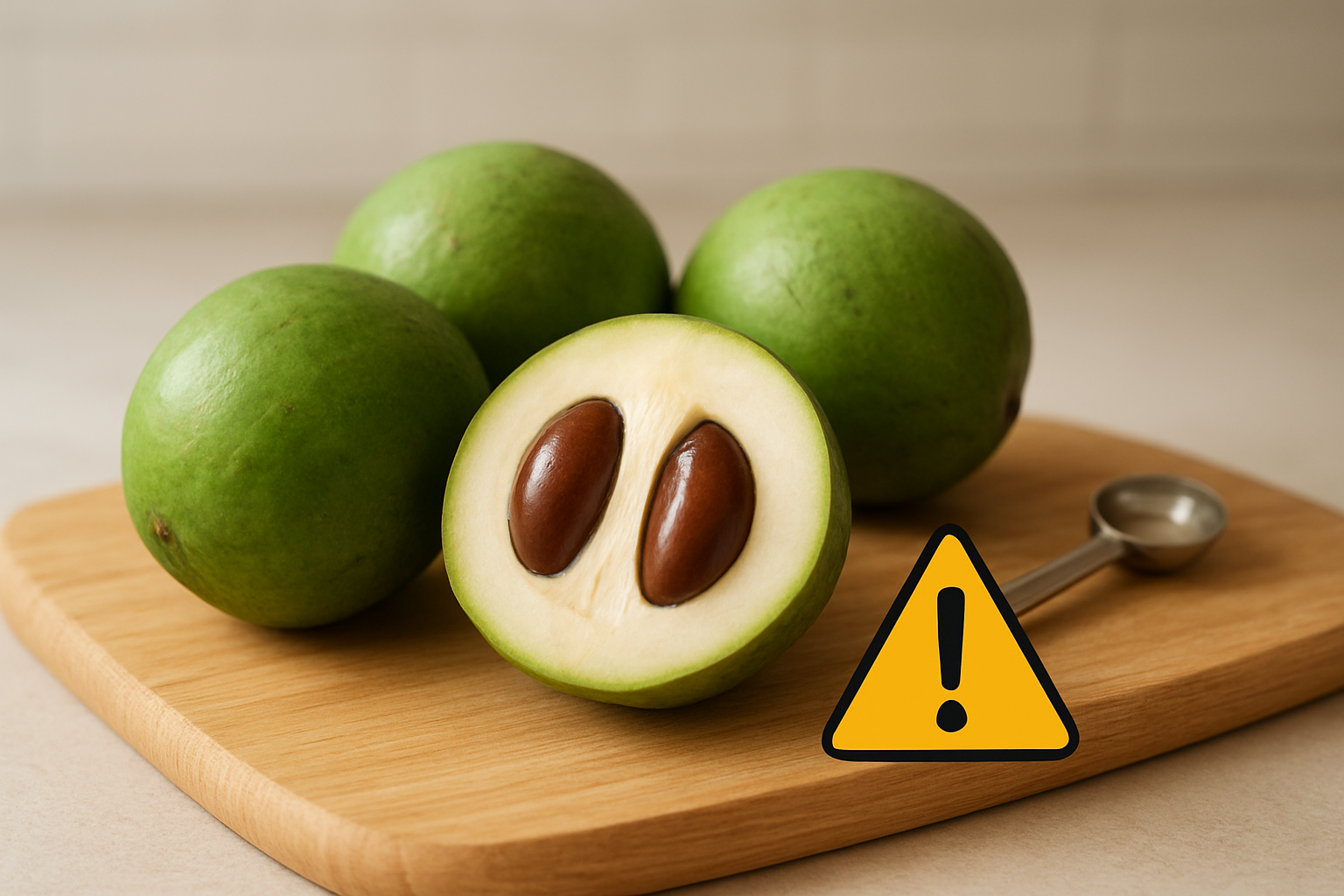
The Casimiroa fruit requires careful preparation to ensure safe consumption. Always choose fully ripe fruits that yield slightly to gentle pressure - unripe white sapote can cause digestive upset. Wash the fruit thoroughly under running water before handling, even though you'll remove the skin.
Start by cutting the Casimiroa edulis lengthwise with a clean knife. The creamy flesh should appear pale yellow to white with a custard-like consistency. Remove all seeds immediately - they contain compounds that can be toxic if consumed. Never eat the seeds or allow children access to them unsupervised.
The skin is edible but often bitter, so most people prefer peeling it away. Use a spoon to scoop out the flesh, similar to eating an avocado. Check for any dark spots or unusual discoloration, which might indicate spoilage. Fresh Mexican apple flesh should smell sweet and pleasant, not fermented or off-putting.
Store cut fruit in the refrigerator and consume within 24 hours to prevent bacterial growth. If preparing large quantities, squeeze a small amount of lemon juice over the flesh to prevent browning.
Potential Side Effects and Precautions
While Casimiroa fruit offers many health benefits, some people may experience adverse reactions. The most common side effect is drowsiness, as white sapote contains natural compounds that have mild sedative properties. Avoid consuming large amounts before driving or operating machinery.
Individuals with latex allergies should exercise caution, as some people experience cross-reactivity with tropical fruits including Casimiroa. Start with small amounts to test your tolerance.
The leaves, bark, and seeds of the Casimiroa plant contain potentially harmful alkaloids. Never consume these parts, and keep them away from pets and children. Some people report mild stomach upset when eating the fruit on an empty stomach, so consider having it with other foods.
Diabetics should monitor blood sugar levels when incorporating this sweet tropical fruit into their diet. Pregnant and breastfeeding women should consult healthcare providers before regular consumption, as limited research exists on safety during these periods.
People taking sleep medications or sedatives should avoid eating large quantities of white sapote, as the natural compounds might enhance drowsiness effects.
Recommended Serving Sizes for Optimal Benefits
A medium-sized Casimiroa fruit typically weighs 4-6 ounces, providing an ideal single serving for most adults. This portion delivers substantial vitamin C, dietary fiber, and potassium without excessive calories or sugar intake.
For beginners trying white sapote for the first time, start with half a medium fruit to assess tolerance. Children should receive smaller portions - about one-quarter of a medium fruit for ages 4-8, and half a fruit for ages 9-12.
Eating one medium Casimiroa fruit 2-3 times per week maximizes health benefits while minimizing potential side effects. This frequency allows you to enjoy the tropical fruit benefits without overdoing the natural sugars or sedative compounds.
| Age Group | Recommended Serving | Frequency |
|---|---|---|
| Adults | 1 medium fruit | 2-3 times weekly |
| Teens (13-17) | 3/4 medium fruit | 2 times weekly |
| Children (9-12) | 1/2 medium fruit | 1-2 times weekly |
| Children (4-8) | 1/4 medium fruit | 1 time weekly |
Athletes or highly active individuals might tolerate slightly larger portions due to higher caloric needs and faster metabolism. However, avoid eating multiple fruits in one sitting, as this can lead to digestive discomfort and excessive drowsiness.
Space consumption throughout the day rather than eating large amounts at once, and pair with protein or healthy fats to slow sugar absorption and maintain steady energy levels.
.png)
Casimiroa stands out as one of nature's hidden gems, packed with impressive health benefits and a deliciously sweet flavor that's hard to resist. From supporting your immune system with vitamin C to providing natural sedative properties that can help you relax, this Mexican fruit offers way more than meets the eye. Its custard-like texture and honey-sweet taste make it perfect for eating fresh, blending into smoothies, or even turning into jams and desserts.
Finding casimiroa might take some effort since it's not available in most regular grocery stores, but specialty markets and online suppliers can help you get your hands on this tropical treat. If you're feeling adventurous, growing your own tree could be incredibly rewarding, especially if you live in a warm climate. Just remember to stick to the ripe fruit and avoid the seeds and leaves, which can be toxic. Give casimiroa a try when you spot it – your taste buds and your health will thank you for discovering this amazing fruit.


.png)
Comments
Post a Comment