Cherimoya - What's The Cherimoya Fruit?
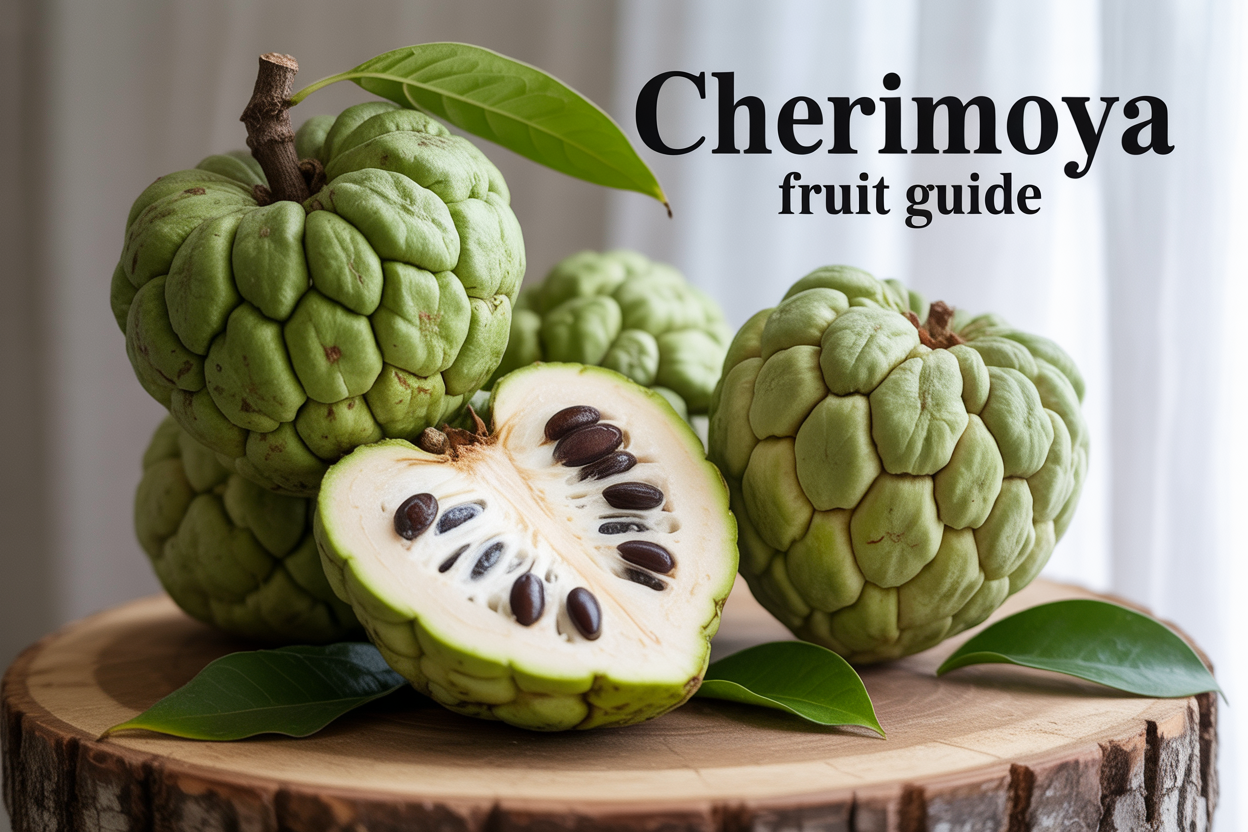
The cherimoya fruit remains a mystery to many shoppers, even though this creamy tropical treasure offers an incredible taste experience and impressive health benefits. This guide is perfect for curious food lovers, health-conscious eaters, and anyone who wants to explore exotic fruits beyond the typical grocery store offerings.
You'll discover what makes this custard apple so special, from its unique custard-like texture to its sweet, complex flavor profile. We'll also cover the cherimoya benefits that make it a nutritional powerhouse, plus practical tips on how to eat cherimoya properly so you can enjoy every delicious bite without the guesswork.
Discover the Exotic Cherimoya Fruit
Uncover the tropical origins and natural habitat
The cherimoya fruit traces its roots back to the cloud forests of Peru, Ecuador, and Colombia, where it grows naturally at elevations between 4,600 to 8,500 feet. These misty mountain regions provide the perfect climate conditions that this finicky fruit demands - cool nights, warm days, and just the right amount of moisture hanging in the air.
Spanish conquistadors first encountered this remarkable fruit in the 16th century and were so impressed by its creamy, sweet flesh that they called it "the most delicious fruit known to men." From its South American birthplace, cherimoya spread to other suitable climates around the world, including parts of California, Spain, Italy, and various Mediterranean regions.
The tree thrives in subtropical highland climates where temperatures stay relatively mild year-round. Unlike many tropical fruits, cherimoya actually prefers cooler conditions and can struggle in hot, humid lowland areas. This preference for mountain climates explains why successful commercial cultivation remains limited to specific regions with just the right environmental conditions.
Learn the fascinating botanical classification
Scientifically known as Annona cherimola, the cherimoya belongs to the Annonaceae family, which includes several other beloved fruits like soursop, sugar apple, and custard apple. This botanical family is often called the custard apple family due to the creamy, custard-like texture shared by many of its members.
The cherimoya tree itself is a deciduous species that can grow up to 30 feet tall in ideal conditions. Its broad, velvety leaves create a distinctive appearance that helps distinguish it from other fruit trees. The flowers are particularly interesting - they're hermaphroditic but don't self-pollinate effectively, which partly explains why cherimoya cultivation can be challenging.
What makes cherimoya unique within its family is its specific adaptation to cooler, high-altitude environments. While most Annonaceae species prefer hot, tropical lowlands, cherimoya evolved to thrive in the cloud forests of the Andes mountains.
Explore the unique appearance and identifying features
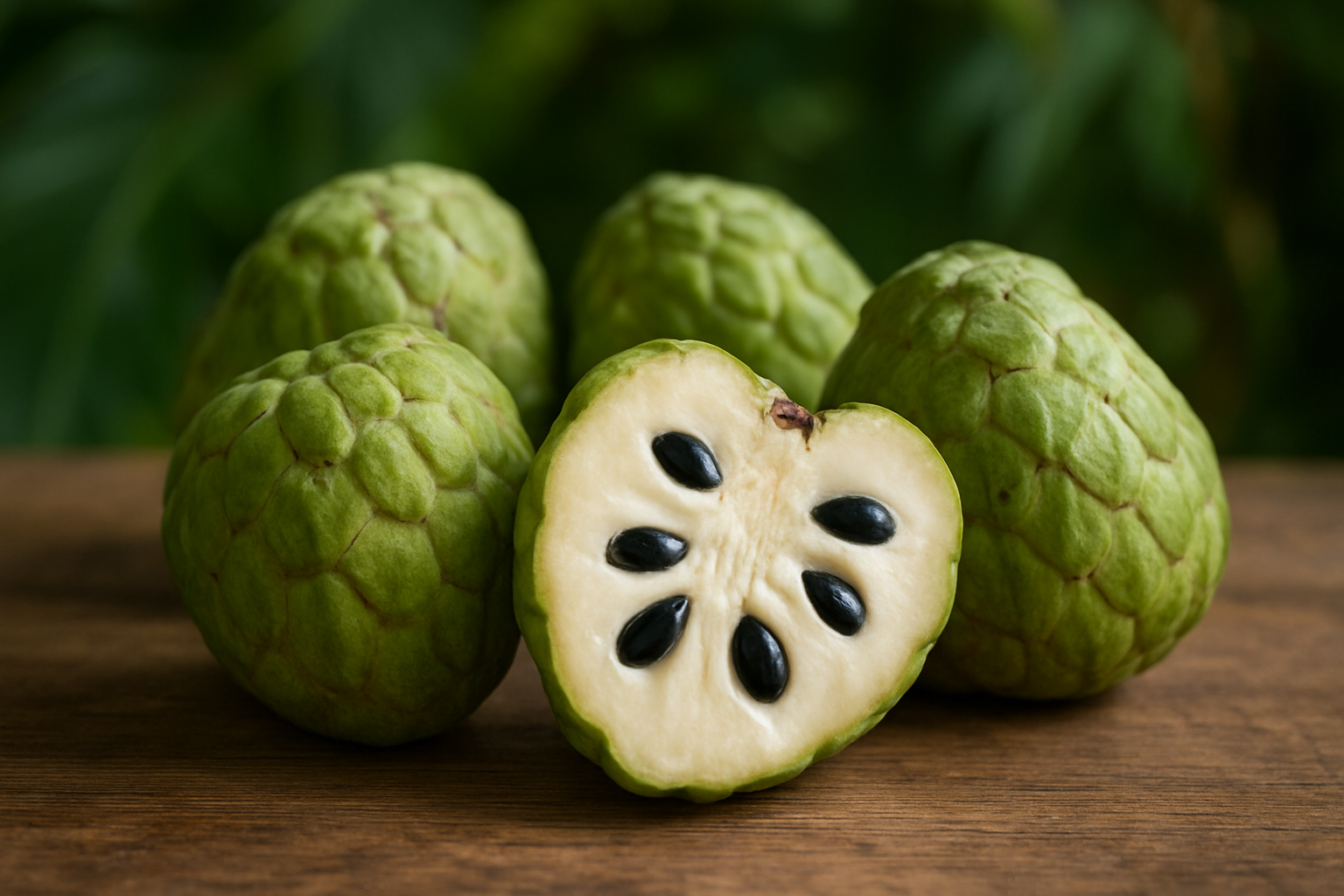
A ripe cherimoya is unmistakable once you know what to look for. The fruit typically weighs between half a pound to two pounds and has a distinctive heart-shaped or oval form. Its skin displays a fascinating pattern that looks like overlapping scales or fingerprints, giving it an almost prehistoric appearance.
The exterior color ranges from pale green to yellowish-green when ripe, and the skin feels slightly soft to the touch - similar to a ripe avocado. Each "scale" or segment on the surface represents where individual carpels fused together during fruit development, creating that characteristic textured pattern.
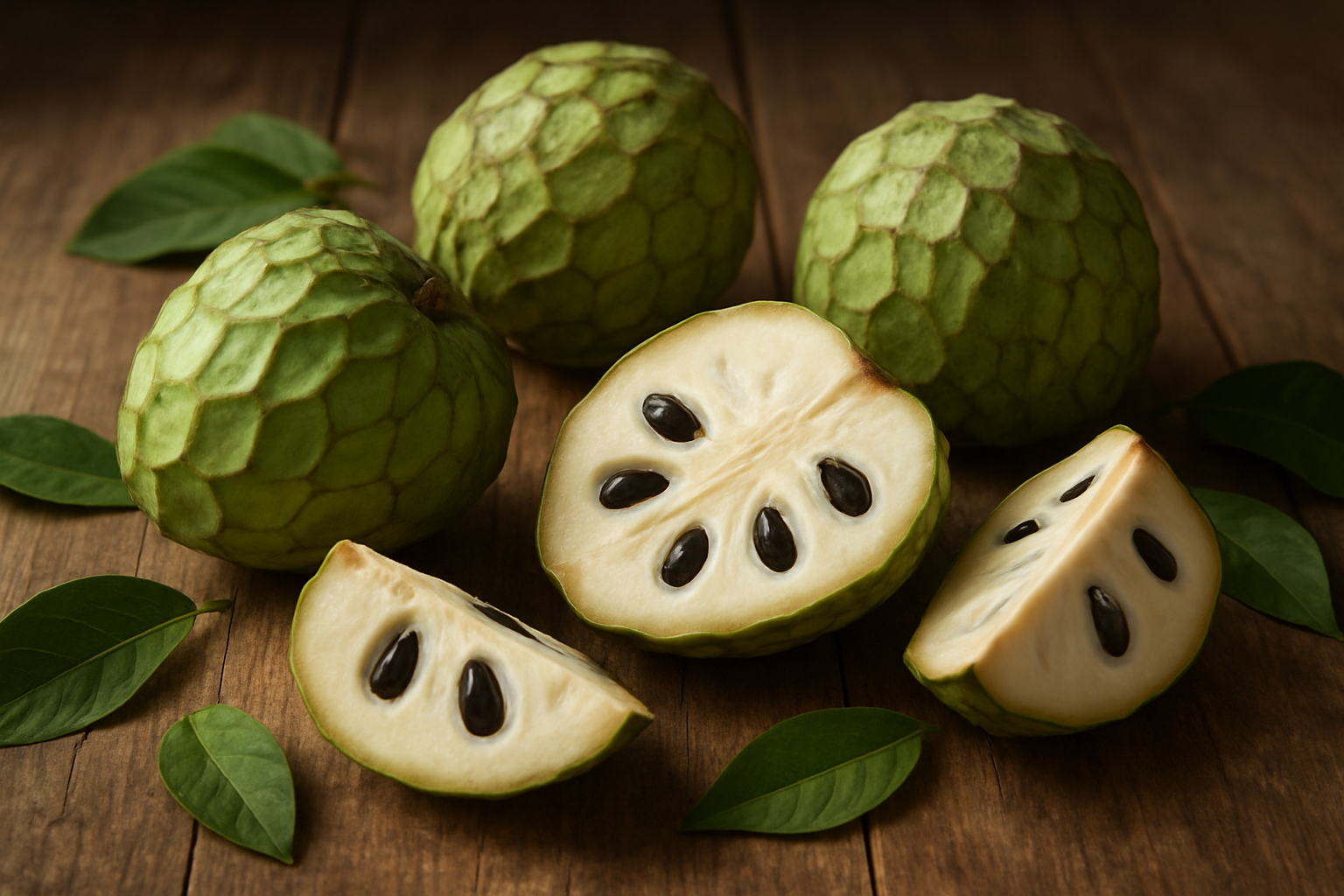
Inside, the flesh is creamy white with a custard-like consistency that's dotted with large, dark brown or black seeds. The seeds are inedible and should be removed before eating. The flesh itself has been compared to a blend of banana, pineapple, and vanilla ice cream, which explains why cherimoya taste is often described as tropical and dessert-like.
Size varies considerably, with some fruits being as small as a tennis ball while others can grow as large as a small cantaloupe. The stem end often has a slight indentation, and you might notice small brown spots on the skin when the fruit is perfectly ripe.
Experience the Distinctive Taste and Texture
Savor the creamy custard-like consistency
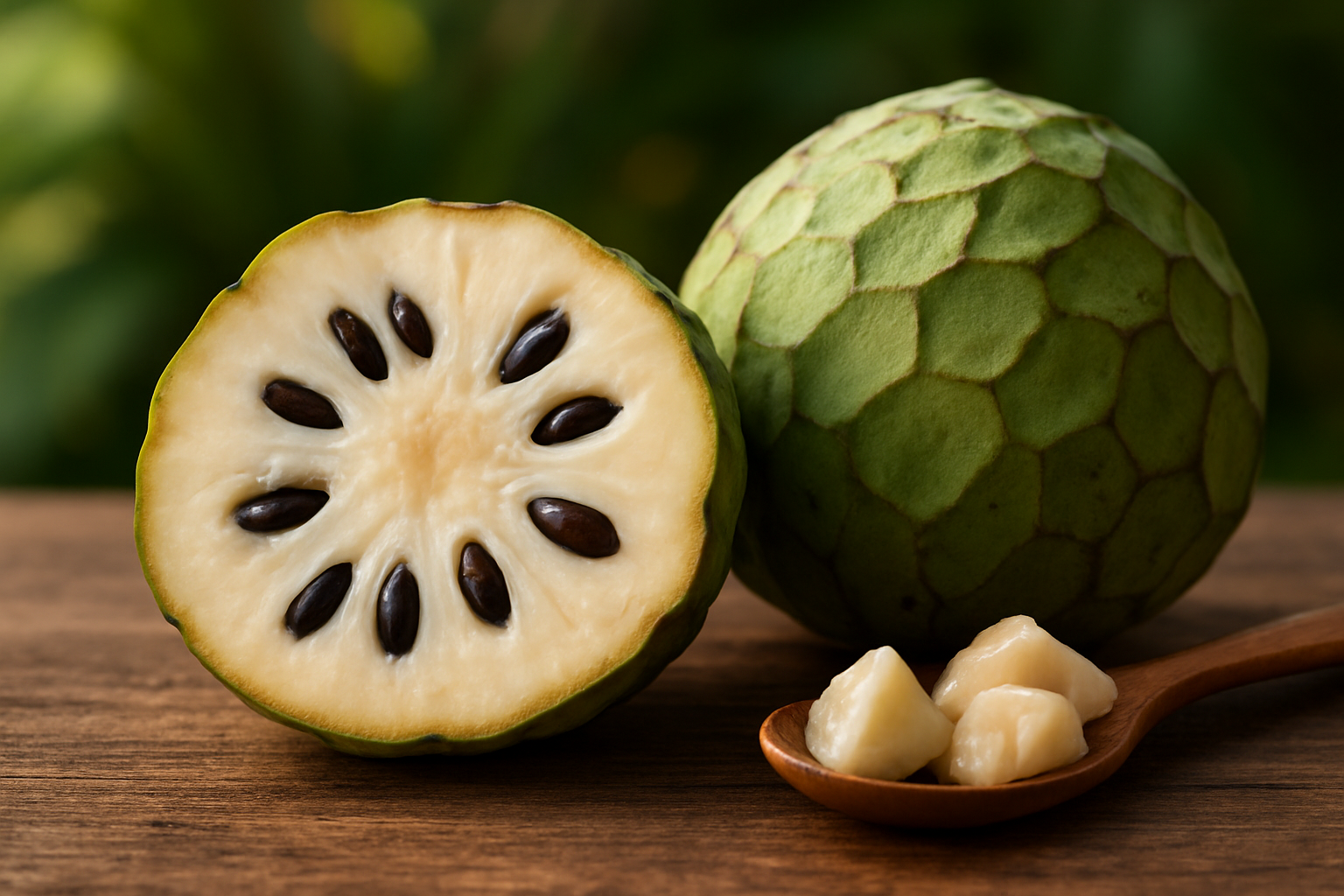
When you first bite into a ripe cherimoya fruit, you'll discover why it's often called nature's custard. The flesh delivers an incredibly smooth, creamy texture that practically melts in your mouth. This velvety consistency sets the cherimoya apart from most other fruits you've probably tried. The pulp feels almost like eating a perfectly whipped dessert - soft, luxurious, and completely satisfying.
The custard apple earns its nickname from this distinctive mouthfeel. Unlike the firm bite of an apple or the juicy crunch of a pear, cherimoya offers something entirely different. Each spoonful slides across your palate with a richness that rivals premium ice cream or pudding. This unique texture makes it perfect for eating fresh or incorporating into smoothies and desserts where its natural creaminess shines.
Enjoy the sweet tropical flavor profile
The cherimoya taste delivers a complex symphony of tropical sweetness that captivates your taste buds from the first bite. This exotic fruit offers a balanced sweetness that's never overwhelming, with subtle floral notes dancing alongside rich, creamy undertones. The flavor develops beautifully as you eat, revealing layers of complexity that keep you coming back for more.
What makes the cherimoya fruit so special is its ability to deliver intense sweetness without being cloying. The natural sugars blend harmoniously with gentle acidic notes, creating a perfectly balanced tropical experience. Many describe the flavor as having hints of vanilla, which adds to its dessert-like appeal and makes it a natural choice for those seeking a healthy sweet treat.
Compare taste similarities to familiar fruits
People often struggle to describe what is cherimoya until they find familiar reference points. Most describe the cherimoya taste as a delightful blend of banana, pineapple, and strawberry, with creamy vanilla undertones threading through each bite. This combination creates something entirely new while remaining comfortably familiar.
Some detect notes of papaya or mango, especially in the fruit's tropical sweetness and aromatic qualities. Others notice similarities to soursop, another member of the custard apple family. The banana comparison often comes up because of the creamy texture, while the pineapple and strawberry notes provide the bright, sweet flavor accents that make each bite exciting.
| Fruit Comparison | Similarity |
|---|---|
| Banana | Creamy texture and mild sweetness |
| Pineapple | Tropical brightness and acidity |
| Strawberry | Sweet aroma and delicate flavor |
| Vanilla | Rich, dessert-like undertones |
| Papaya | Soft texture and tropical notes |
Understand ripeness indicators for optimal eating
Knowing when your cherimoya is perfectly ripe makes all the difference in your eating experience. A ripe cherimoya yields gently to pressure, similar to how a perfectly ripe avocado feels. The skin should give slightly when you press it with your thumb, but it shouldn't feel mushy or overly soft.
Color changes provide another reliable ripeness indicator. As the fruit ripens, the green skin may develop a slight yellowish tint, though this varies by variety. The skin might also develop small brown spots or a slightly duller appearance compared to unripe fruit.
The most telling sign is the fruit's aroma. A ripe cherimoya releases a sweet, tropical fragrance that you can smell when holding it close to your nose. If there's no scent, the fruit needs more time to ripen. Avoid fruit with dark, sunken spots or an overly strong, fermented smell, as these indicate overripeness.
Perfect ripeness indicators:
-
Yields gently to thumb pressure
-
Sweet tropical aroma
-
Slight color change from bright green
-
Skin feels slightly soft but not mushy
-
No dark or sunken spots
Boost Your Health with Nutritional Benefits
Get essential vitamins and minerals
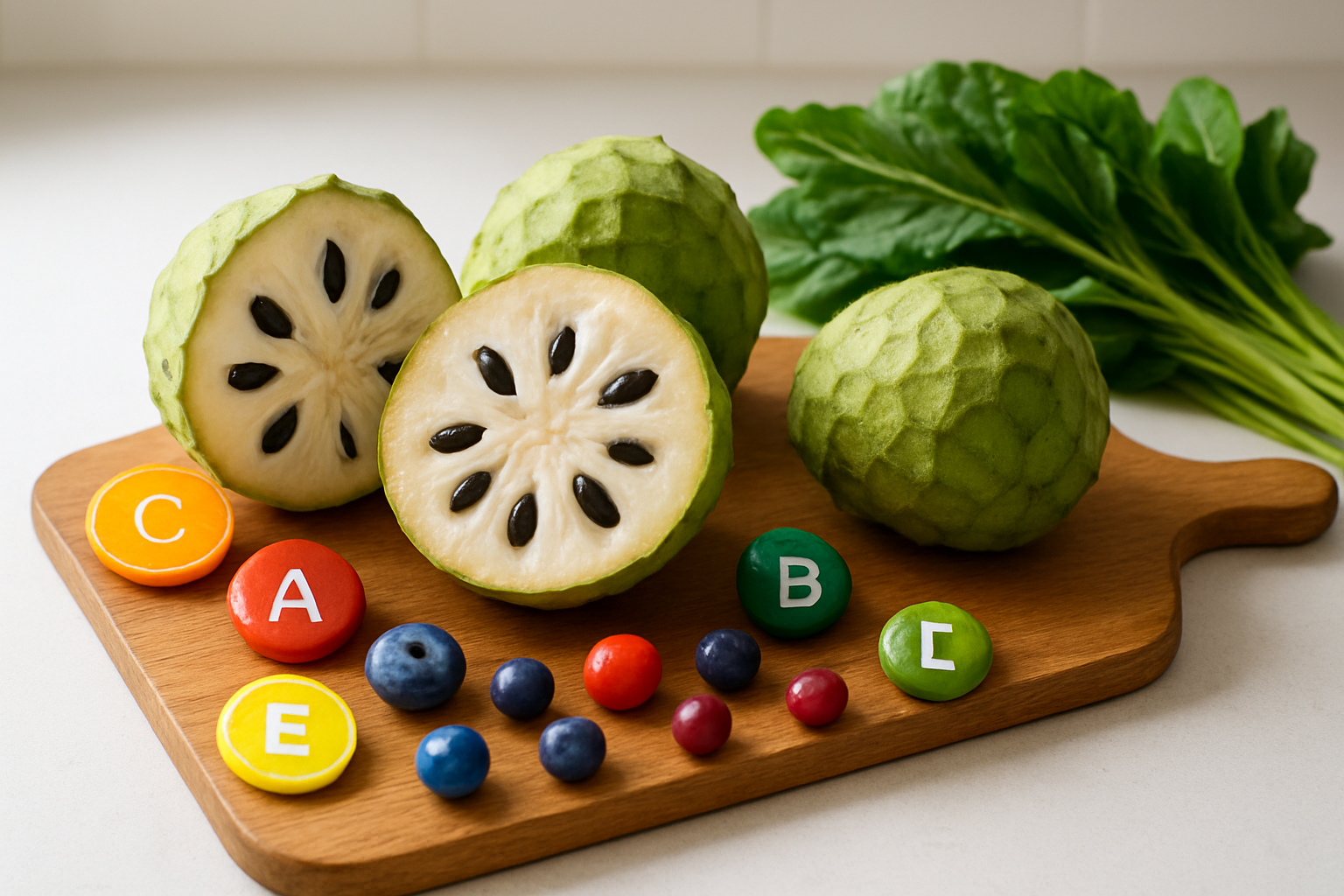
Cherimoya fruit packs an impressive array of essential nutrients that your body craves. This tropical treasure delivers substantial amounts of vitamin B6, which plays a crucial role in brain function and helps your body produce serotonin and norepinephrine. A single cup of cherimoya provides about 24% of your daily vitamin B6 needs.
The fruit also contains folate, making it particularly beneficial for pregnant women and anyone looking to support healthy cell division. You'll also find potassium, magnesium, and copper in meaningful amounts. Potassium helps regulate blood pressure and supports heart health, while magnesium contributes to bone strength and muscle function.
| Nutrient | Amount per 100g | Daily Value % |
|---|---|---|
| Vitamin C | 12.6 mg | 21% |
| Vitamin B6 | 0.257 mg | 15% |
| Potassium | 287 mg | 8% |
| Magnesium | 17 mg | 4% |
Support immune system with vitamin C content
Your immune system gets a solid boost from cherimoya's vitamin C content. While not as high as citrus fruits, cherimoya still provides about 20% of your daily vitamin C needs in a single serving. This antioxidant vitamin helps your white blood cells function properly and assists in wound healing.
Vitamin C also enhances iron absorption from plant-based foods, making cherimoya an excellent choice if you follow a vegetarian diet. The combination of vitamin C with other antioxidants in the fruit creates a synergistic effect that strengthens your body's natural defense mechanisms.
Promote digestive health with fiber
Cherimoya benefits your digestive system through its impressive fiber content. One cup contains about 5 grams of dietary fiber, which represents roughly 20% of your daily fiber needs. This soluble and insoluble fiber combination works wonders for your gut health.
The fiber helps regulate bowel movements, prevents constipation, and feeds beneficial gut bacteria. These friendly microorganisms produce short-chain fatty acids that nourish your colon cells and support overall digestive wellness. Regular consumption of fiber-rich foods like cherimoya can also help stabilize blood sugar levels and promote feelings of fullness.
Gain antioxidant protection for cellular health
Cherimoya nutrition extends beyond basic vitamins and minerals to include powerful antioxidant compounds. These natural protectors shield your cells from oxidative stress caused by free radicals, which can accelerate aging and contribute to chronic diseases.
The fruit contains flavonoids, phenolic compounds, and carotenoids that work together to neutralize harmful molecules in your body. These antioxidants may help reduce inflammation, support cardiovascular health, and potentially lower your risk of certain cancers. The creamy custard apple texture makes it easy to incorporate these protective compounds into your daily routine through smoothies, desserts, or simply eating the fruit fresh.
Master the Art of Selection and Storage
Choose perfectly ripe cherimoyas at the market
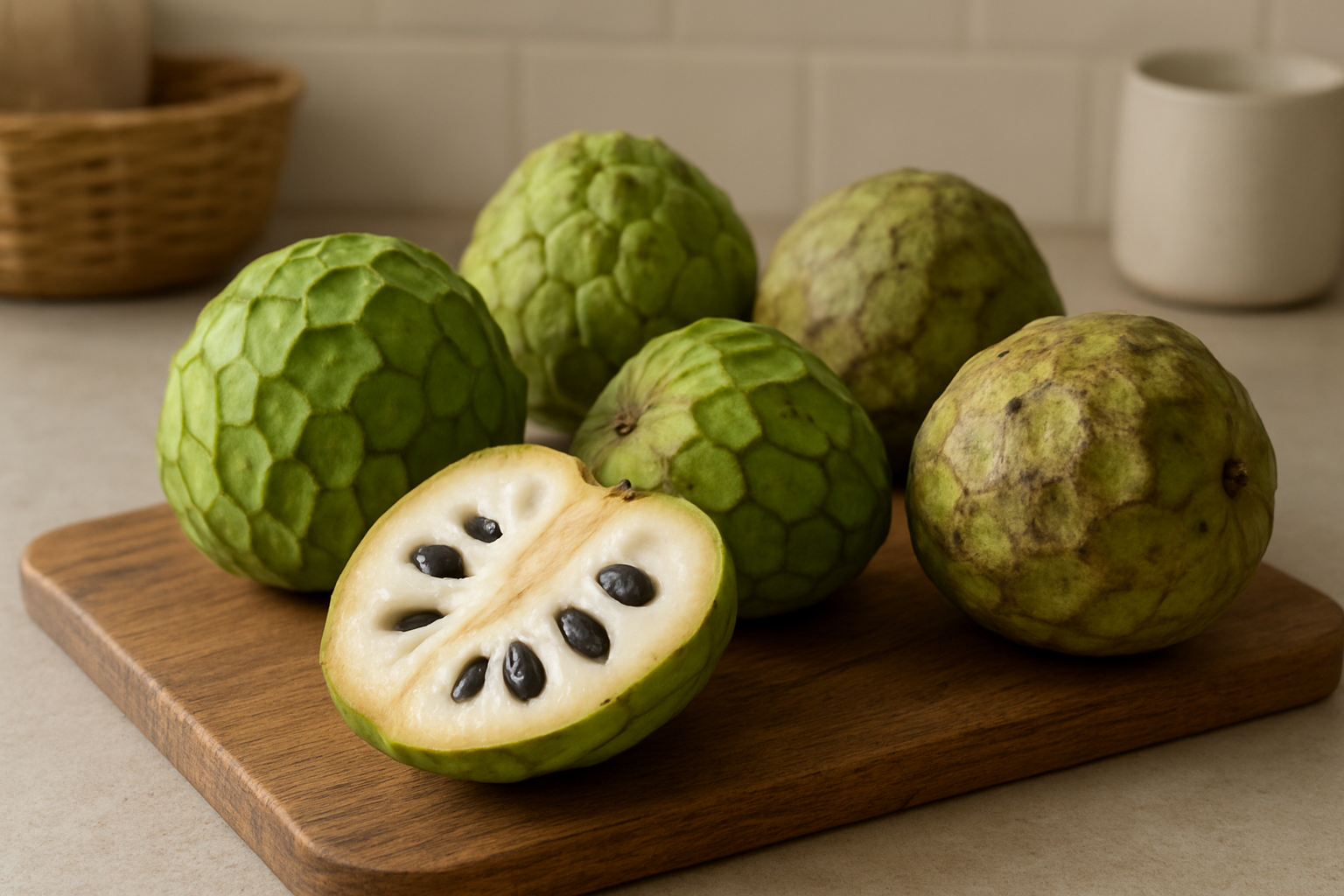
Finding the perfect cherimoya fruit requires knowing what to look for during your shopping trip. A ripe cherimoya should yield gently to pressure, similar to a ripe avocado. The skin will have a slight give when you press it with your thumb, but shouldn't feel mushy or overly soft. Look for fruits with a uniform green color that may have slight browning between the natural segments - this indicates proper ripeness.
The fruit should feel heavy for its size, suggesting good moisture content and developed flesh inside. Avoid cherimoyas with dark spots, cracks, or areas that feel significantly softer than others, as these indicate overripeness or damage. Fresh cherimoyas often have a subtle, sweet fragrance at the stem end when ripe.
If you can only find firm, unripe cherimoyas at the market, that's perfectly fine. These exotic fruits continue ripening at room temperature, making them ideal for planning ahead. Choose ones without blemishes or dark spots for the best results during the ripening process.
Store properly to extend freshness
Proper cherimoya storage depends entirely on the fruit's ripeness when you bring it home. Unripe cherimoyas should stay at room temperature, away from direct sunlight, where they'll ripen naturally over 2-4 days. Place them in a paper bag with a banana or apple to speed up the process - these fruits release ethylene gas that encourages ripening.
Once your cherimoya reaches perfect ripeness, move it to the refrigerator immediately. Ripe cherimoyas stay fresh in the fridge for 2-3 days when stored in the crisper drawer. Never refrigerate unripe cherimoyas, as cold temperatures stop the ripening process and can damage the fruit's texture.
For longer storage, you can scoop out the ripe flesh and freeze it in airtight containers or freezer bags for up to three months. This works great for smoothies or desserts later on.
Recognize signs of overripeness to avoid
Knowing when a cherimoya has passed its prime helps you avoid disappointment and potential digestive issues. Overripe cherimoyas develop dark brown or black patches on the skin that feel mushy to the touch. The fruit may also start to smell fermented or alcoholic rather than sweet and fragrant.
Internal signs include flesh that's become watery, brown, or has an off-putting smell when you cut it open. The normally creamy white flesh should never appear slimy or have dark streaks running through it. These are clear indicators that the fruit has gone bad and should be discarded.
Temperature abuse often causes premature overripening. Cherimoyas left in hot cars or direct sunlight develop these problems quickly, so always transport them carefully and store them properly as soon as possible.
Enjoy Delicious Ways to Eat Cherimoya
Prepare the fruit safely by removing seeds
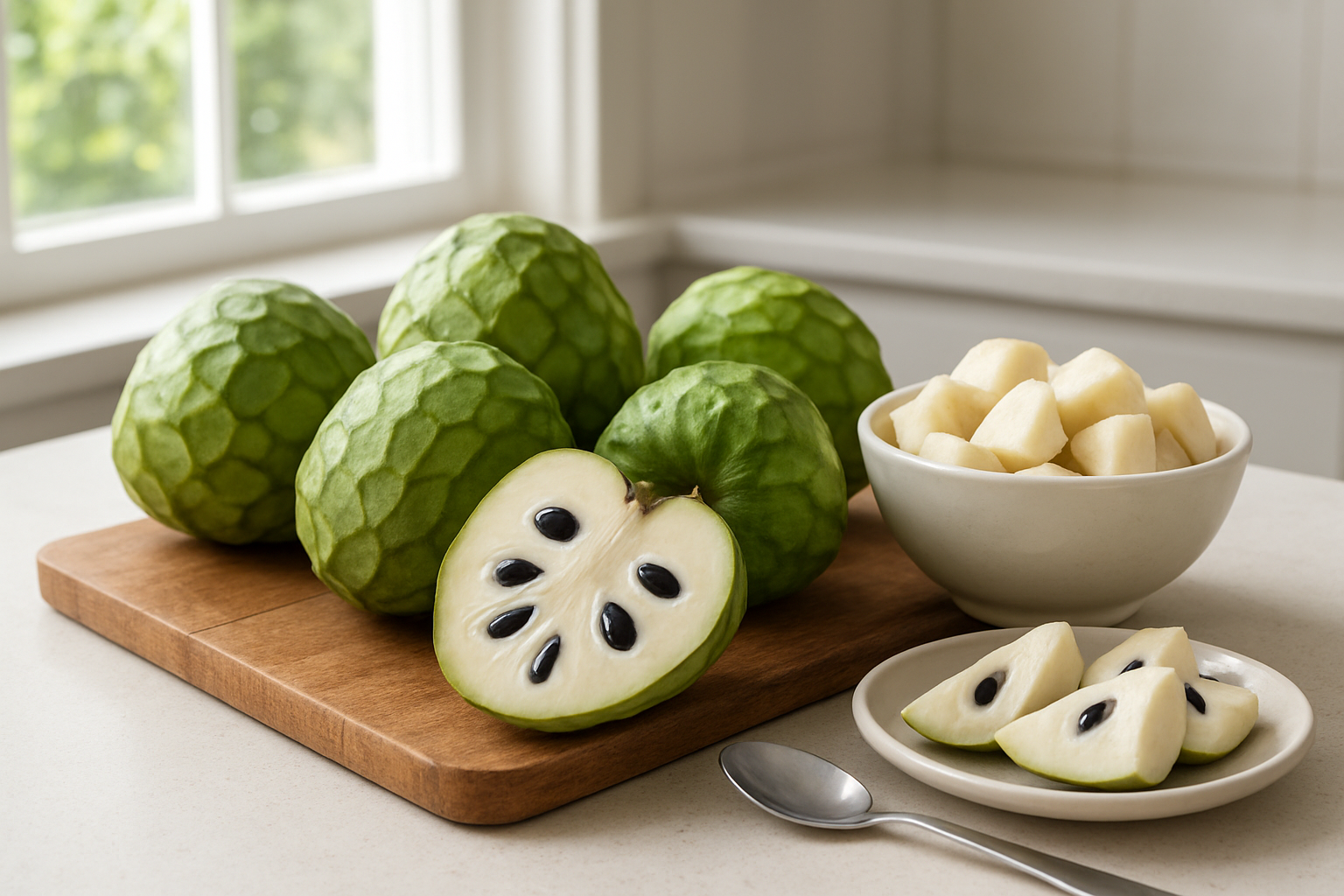
The first step to enjoying cherimoya fruit safely involves proper seed removal. Cut the cherimoya in half lengthwise and scoop out the creamy white flesh with a spoon, being careful to identify and remove all the large black seeds. These seeds contain compounds that can be toxic if consumed, so removing them completely is crucial. The seeds are typically easy to spot against the pale flesh, but check thoroughly as they sometimes hide in the soft tissue. Some people prefer to cut the fruit into sections first, which makes seed removal even easier and allows you to examine each piece carefully.
Create refreshing smoothies and drinks
Cherimoya makes an incredible base for tropical smoothies thanks to its naturally creamy texture. Blend the seedless flesh with coconut milk, a splash of lime juice, and ice for a refreshing drink that tastes like a tropical vacation. The custard apple pairs beautifully with banana and mango for a multi-layered flavor experience. For something different, try mixing cherimoya with yogurt and honey for a protein-rich smoothie that works perfectly as a post-workout drink. You can also create agua fresca by blending the fruit with water, sugar, and lime juice, then straining for a light, refreshing beverage that's popular throughout Latin America.
Incorporate into desserts and sweet treats
The natural sweetness and creamy consistency of cherimoya make it perfect for desserts without needing much additional sugar. Fold the pulp into homemade ice cream for an exotic twist on traditional flavors, or use it as a filling for tarts and pastries. Cherimoya mousse requires minimal ingredients – just blend the fruit with a little cream and gelatin for an elegant dessert. The fruit also works wonderfully in fruit salads, adding both sweetness and visual appeal. For a simple treat, freeze scoops of the flesh for a healthy alternative to sorbet that kids and adults love.
Combine with other tropical fruits for maximum flavor
Pairing cherimoya with complementary tropical fruits creates exciting flavor combinations that highlight its unique taste. Mix it with passion fruit for a sweet-tart contrast, or combine with papaya and pineapple for a classic tropical medley. The custard apple's mild flavor allows stronger fruits like mango and guava to shine while adding its characteristic creaminess to the mix. Create exotic fruit bowls by layering cherimoya with dragon fruit, kiwi, and star fruit for both amazing taste and Instagram-worthy presentation. These combinations work perfectly in smoothie bowls, fruit salads, or as toppings for pancakes and yogurt.
Cherimoya truly stands out as one of nature's most delightful surprises. This creamy, sweet fruit brings together incredible flavor with impressive health benefits, making it a perfect addition to your regular fruit rotation. From its vitamin C boost to its fiber content, cherimoya offers your body nutrients that support everything from immune function to digestive health.
The key to enjoying cherimoya lies in knowing how to pick a ripe one and storing it properly until you're ready to dive in. Once you've mastered the basics, you can enjoy it fresh with a spoon, blend it into smoothies, or get creative with desserts. Give this exotic fruit a try the next time you spot it at your local market – your taste buds will thank you for the adventure.


.png)
Comments
Post a Comment