Chili Pepper - What's Chili Pepper?
Chili peppers pack serious heat and flavor into small packages, but what is chili pepper exactly, and why do people around the world love adding them to their food? This guide is perfect for home cooks, gardening enthusiasts, and anyone curious about these fiery little fruits that can make you sweat or add just the right kick to your favorite dishes.
We'll explore the different types of chili peppers and how the Scoville scale helps measure their heat levels, so you know what you're getting into before you take that first bite. You'll also discover the surprising chili pepper benefits for your health and get practical tips on how to grow chili peppers in your own backyard or kitchen garden.
Understanding Chili Peppers and Their Origins
Botanical Classification and Plant Family Characteristics
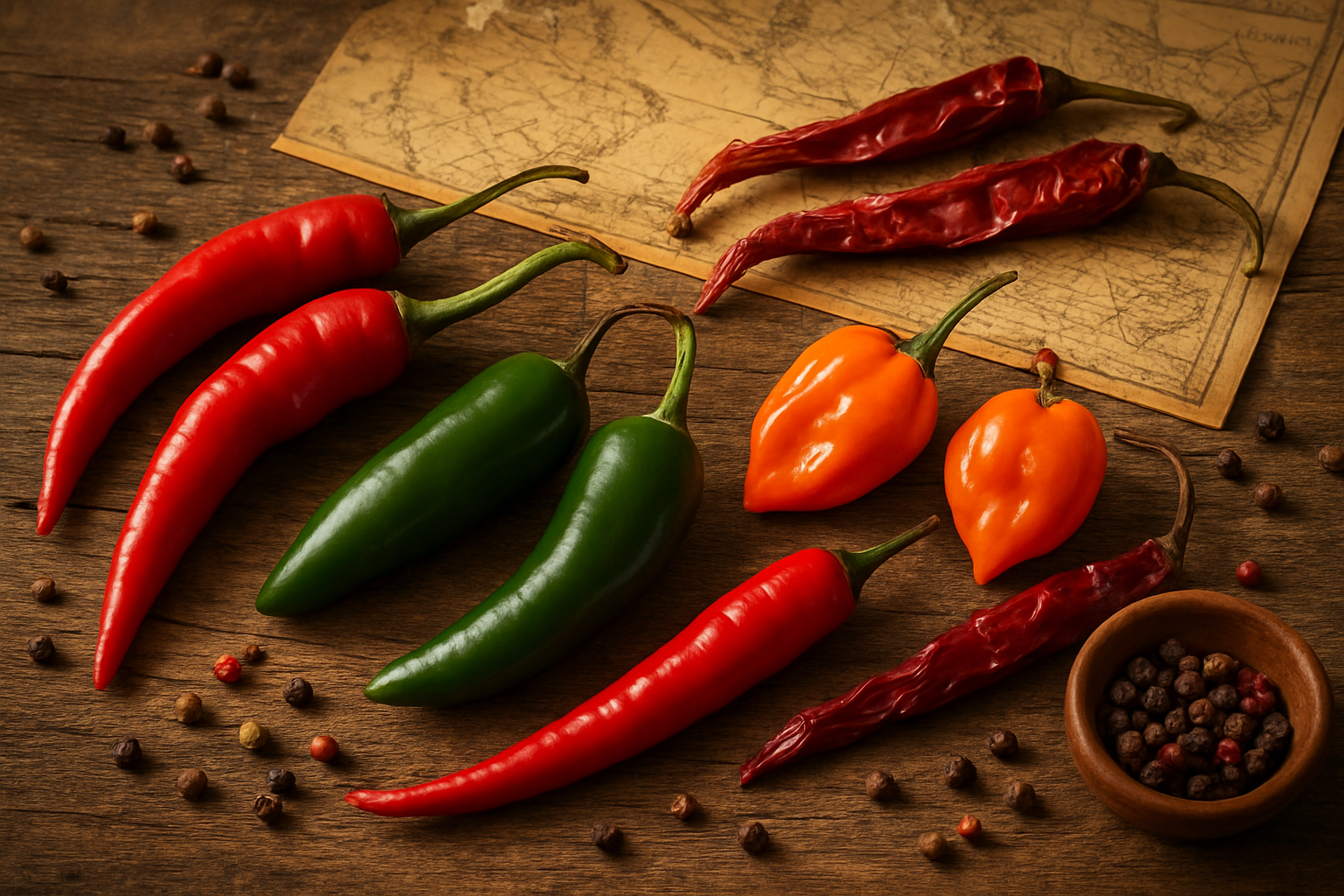
Chili peppers belong to the Capsicum genus within the Solanaceae family, commonly known as the nightshade family. This diverse plant family also includes tomatoes, potatoes, eggplants, and tobacco, sharing several common botanical features. What is chili pepper from a scientific perspective? These flowering plants are characterized by their five-petaled white or purple flowers, alternate leaf arrangements, and the distinctive capsaicinoids that create their signature heat.
The Capsicum genus encompasses five domesticated species: C. annuum (bell peppers and jalapeños), C. frutescens (tabasco peppers), C. chinense (habaneros and ghost peppers), C. baccatum (aji peppers), and C. pubescens (rocoto peppers). Each species displays unique characteristics in terms of flower structure, fruit shape, and heat intensity. These perennial shrubs can grow anywhere from 1-6 feet tall, depending on the variety and growing conditions.
Chili pepper plants feature simple, ovate leaves with smooth edges and produce small, star-shaped flowers that can self-pollinate. The fruits develop from these flowers, creating the colorful pods we recognize as chili peppers. The plants contain specialized cells called capsaicinoid glands, primarily located in the placental tissue near the seeds, which produce the compounds responsible for their fiery sensation.
Historical Journey from Ancient Cultivation to Global Spread
The story of chili peppers begins over 8,000 years ago in the tropical regions of Central and South America, where wild varieties grew naturally in Bolivia and southern Brazil. Archaeological evidence suggests that ancient civilizations in Mexico began cultivating these fiery fruits around 6,000 years ago, making them one of humanity's oldest domesticated crops.
Pre-Columbian civilizations, including the Aztecs, Mayans, and Incas, treasured chili peppers not only as food but also for medicinal and ceremonial purposes. The Aztecs called them "chilli," which became the basis for the modern English word. These ancient peoples developed numerous varieties through selective breeding, creating the foundation for today's incredible diversity of chili pepper types.
Christopher Columbus introduced chili peppers to Europe in the late 15th century, though he mistakenly called them "peppers" because of their spicy taste, similar to black pepper. Portuguese and Spanish traders quickly spread these plants throughout their colonial territories, including Africa, Asia, and India. The rapid adoption was remarkable - within a century, chili peppers had become integral to cuisines across multiple continents.
The global spread accelerated through trade routes, with different regions developing their own unique varieties adapted to local conditions. India embraced chili peppers so thoroughly that many people assume they originated there. Similarly, countries like Hungary, Thailand, and Korea made these plants central to their culinary identities, creating iconic dishes that define their national cuisines today.
Natural Habitat Requirements and Growing Conditions
Chili peppers thrive in warm, tropical and subtropical climates with specific environmental conditions that mirror their native Central and South American origins. These heat-loving plants require consistent temperatures between 70-85°F (21-29°C) during the day and prefer nighttime temperatures that don't drop below 60°F (15°C). Sudden temperature fluctuations can stress the plants and reduce fruit production.
Wild chili pepper varieties originally grew in areas with well-draining, slightly acidic to neutral soil (pH 6.0-7.0) rich in organic matter. They naturally received filtered sunlight through forest canopies, though most modern varieties have adapted to full sun exposure. The plants need consistent moisture but cannot tolerate waterlogged conditions, which can lead to root rot and other fungal diseases.
These plants evolved in regions with distinct wet and dry seasons, developing drought tolerance mechanisms while requiring adequate water during flowering and fruit development. Natural growing conditions included protection from strong winds and access to beneficial insects for pollination. The original habitat provided natural mulching through fallen leaves and organic debris, maintaining soil moisture and temperature stability.
Modern cultivation has expanded chili pepper growing to diverse climates worldwide through greenhouse production and seasonal outdoor growing. Successful cultivation requires replicating these natural conditions: providing warm temperatures, well-draining soil, consistent but not excessive watering, and protection from extreme weather. Understanding these natural habitat requirements helps gardeners and farmers optimize growing conditions for better yields and healthier plants, whether growing traditional varieties or modern hybrids developed for specific climates.
Exploring Different Types and Varieties of Chili Peppers
Sweet bell peppers for mild flavor preferences
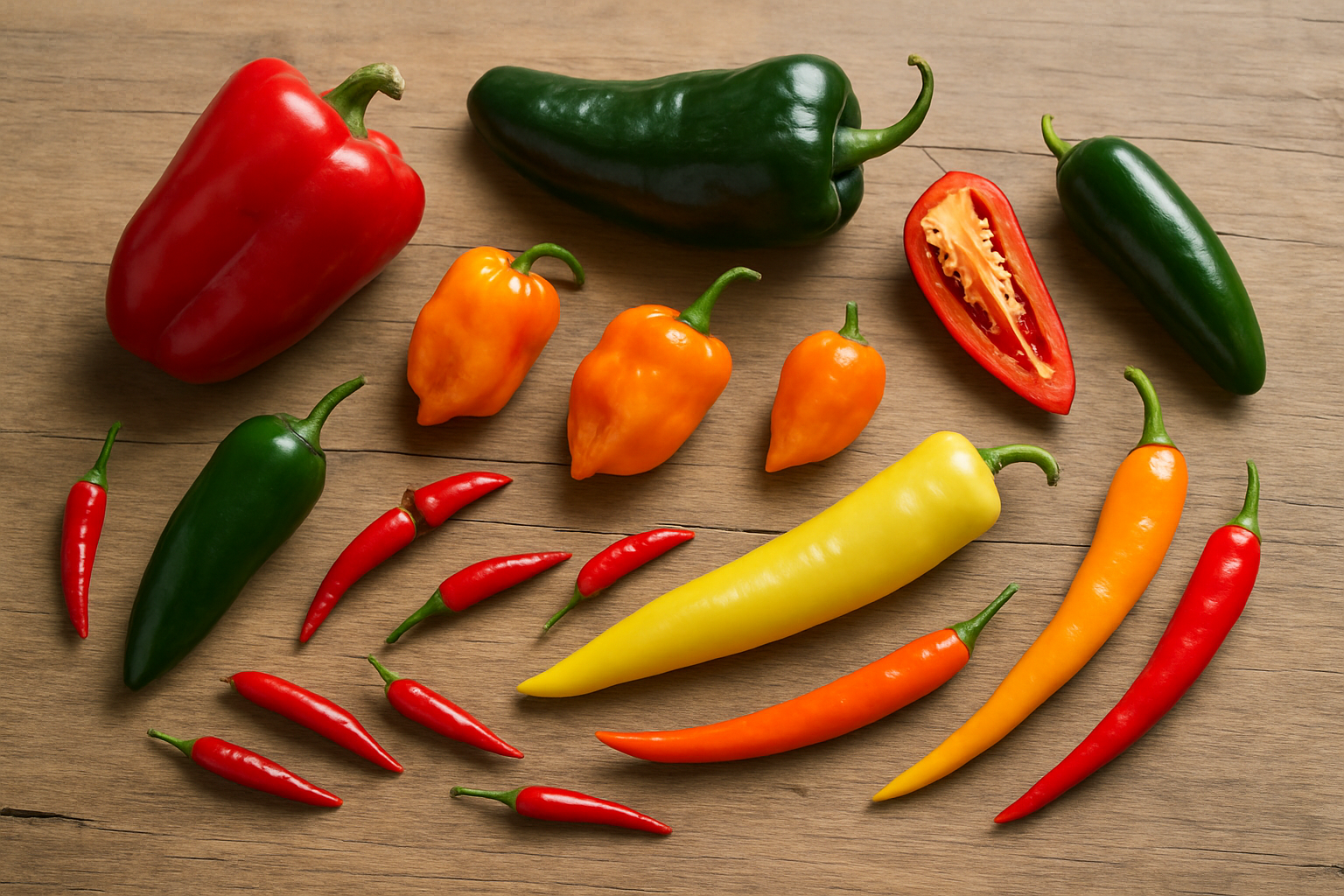
Bell peppers represent the gentle side of the chili pepper family, offering vibrant colors and sweet, crisp flavors without any heat. These chili pepper varieties register zero on the Scoville scale, making them perfect for anyone wanting to enjoy the fresh taste of peppers without the burn. You'll find bell peppers in rainbow colors - red, yellow, orange, green, and even purple varieties - each bringing slightly different flavor profiles to your dishes.
Green bell peppers have a slightly bitter, grassy taste and firmer texture, while red bell peppers develop sweetness as they ripen longer on the plant. Yellow and orange varieties fall somewhere between, offering mild sweetness with subtle fruity notes. These versatile peppers work beautifully in everything from raw salads and stuffed pepper recipes to stir-fries and roasted vegetable medleys.
Medium-heat jalapeños and serranos for balanced spice
Jalapeños and serranos occupy the sweet spot for many chili pepper enthusiasts, delivering noticeable heat without overwhelming the palate. Jalapeños typically range from 2,500 to 8,000 Scoville units, while serranos pack more punch at 10,000 to 25,000 units. These chili pepper varieties have become kitchen staples because they add depth and warmth to dishes without masking other flavors.
Fresh jalapeños bring grassy, bright heat that works well in salsas, nachos, and Mexican cuisine. When smoked and dried, they become chipotle peppers with rich, smoky complexity. Serrano peppers deliver cleaner, sharper heat with citrusy undertones that complement Asian and Latin American dishes perfectly. Both varieties are excellent for pickling, and their moderate heat levels make them approachable for most home cooks.
Super-hot varieties like habaneros and ghost peppers
The world of super-hot chili peppers pushes boundaries with intense heat levels that can overwhelm unprepared taste buds. Habaneros range from 100,000 to 350,000 Scoville units and offer fruity, tropical flavors beneath their serious heat. Despite their intensity, habaneros bring complex sweetness that works wonderfully in hot sauces and Caribbean cooking.
Ghost peppers (bhut jolokia) take things further, reaching over 1 million Scoville units. These chili pepper varieties require extreme caution and respect in the kitchen. Carolina Reapers currently hold the record as the hottest peppers, measuring over 2.2 million Scoville units. While these super-hots might seem extreme, experienced pepper lovers appreciate their unique flavors and the endorphin rush that comes with conquering their heat.
Specialty heirloom and regional pepper varieties
Beyond common supermarket options, countless heirloom and regional chili pepper varieties offer unique characteristics developed over generations. Fish peppers from the Chesapeake Bay region feature striking variegated leaves and moderate heat perfect for seafood dishes. Shishito peppers from Japan provide mild heat with occasional surprise bursts of spiciness.
Hungarian wax peppers bring bright yellow color and medium heat, while poblano peppers offer earthy, mild flavors ideal for stuffing. Aji amarillo from Peru delivers fruity heat and golden color that's essential in South American cuisine. These specialty varieties often carry fascinating stories about their origins and cultural significance, making them prized by gardeners and chefs seeking authentic flavors and unique growing experiences.
Measuring Heat Levels and Understanding Scoville Scale
How capsaicin creates the burning sensation
The fiery kick that makes your mouth water and eyes tear up comes from capsaicin, a compound found mainly in the white pith and seeds of chili peppers. When you bite into a chili pepper, capsaicin molecules bind to pain receptors called TRPV1 receptors in your mouth and throat. These receptors normally respond to actual heat and physical damage, but capsaicin tricks them into thinking there's a real fire emergency happening.
Your brain receives these pain signals and responds by releasing endorphins - natural painkillers that create a rush of euphoria. This explains why some people become addicted to spicy food. The burning sensation isn't actually causing damage to your tissues; it's just your nervous system getting fooled by this clever plant compound.
Capsaicin is oil-based, which is why water doesn't help cool the burn. Dairy products like milk or yogurt contain casein proteins that can break down capsaicin molecules, providing actual relief. The concentration of capsaicin varies dramatically between different chili pepper varieties, creating the wide range of heat levels we experience.
Scoville Heat Units explained for practical use
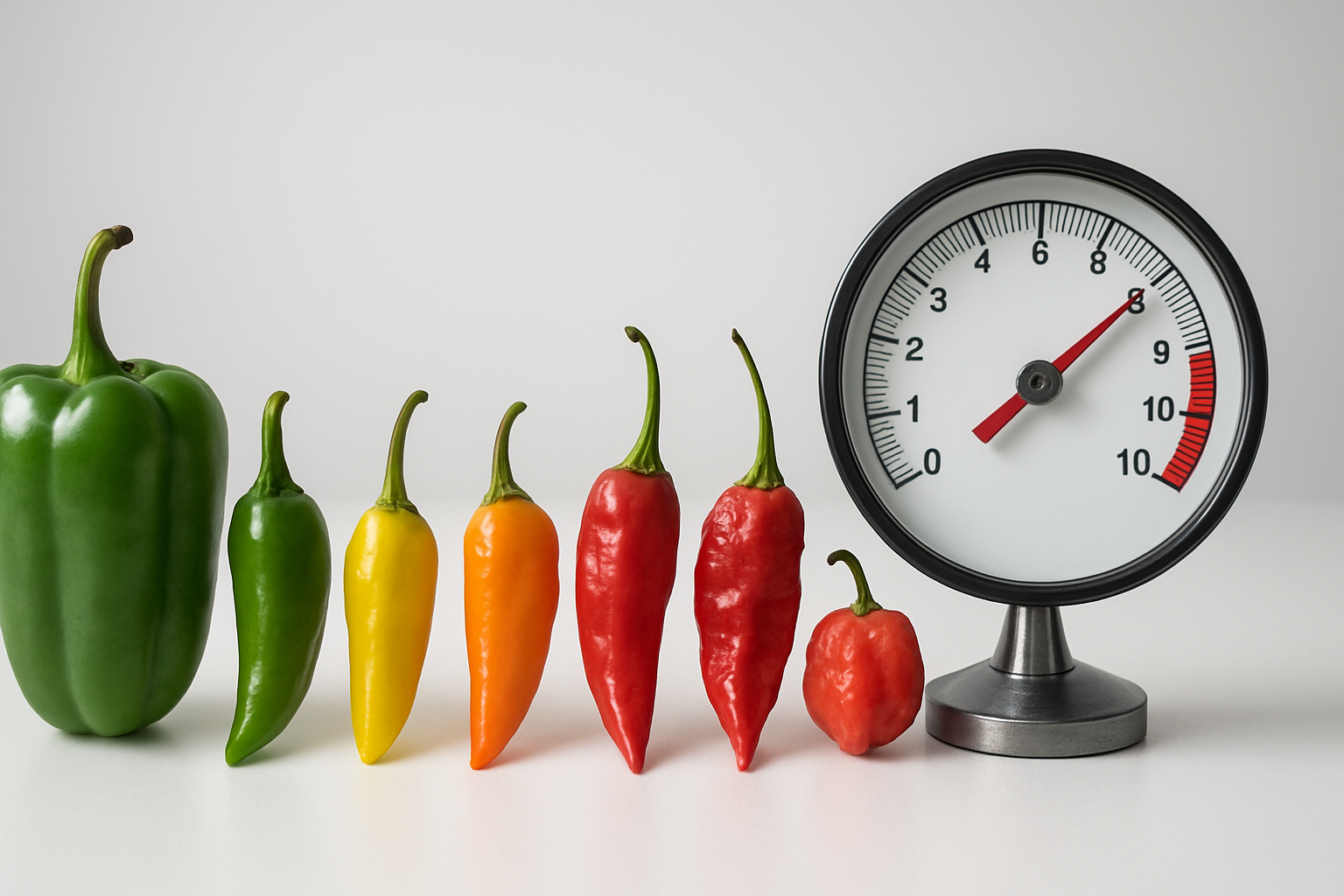
The Scoville scale measures chili pepper heat levels in Scoville Heat Units (SHU), named after pharmacist Wilbur Scoville who developed this system in 1912. Originally, Scoville used human taste testers to determine how much sugar water was needed to neutralize a pepper's heat. Today, scientists use high-performance liquid chromatography to measure capsaicin concentration more accurately.
Understanding Scoville Heat Units helps you choose the right chili pepper for your tolerance and cooking needs. A bell pepper registers zero SHU because it contains no capsaicin. Jalapeños range from 2,500 to 8,000 SHU, making them perfect for beginners. Habaneros pack 100,000 to 350,000 SHU, while the infamous Carolina Reaper tops out at over 2.2 million SHU.
For practical cooking, remember that heat levels can vary even within the same pepper variety based on growing conditions, ripeness, and individual plant genetics. Many hot sauce bottles list their Scoville ratings, helping you gauge what you're getting into before you take that first bite.
Comparing heat levels across popular pepper varieties
Different chili pepper varieties offer vastly different heat experiences, making it essential to understand their Scoville scale rankings before cooking or eating them.
| Pepper Variety | Scoville Heat Units | Heat Level | Common Uses |
|---|---|---|---|
| Bell Pepper | 0 | None | Salads, stuffing, stir-fries |
| Poblano | 1,000-1,500 | Mild | Chiles rellenos, sauces |
| Jalapeño | 2,500-8,000 | Mild-Medium | Salsas, nachos, poppers |
| Serrano | 10,000-25,000 | Medium-Hot | Fresh salsas, hot sauces |
| Cayenne | 30,000-50,000 | Hot | Powder, dried flakes |
| Habanero | 100,000-350,000 | Very Hot | Hot sauces, marinades |
| Ghost Pepper | 1,000,000+ | Extremely Hot | Specialty hot sauces |
| Carolina Reaper | 2,200,000+ | Record Hot | Extreme heat challenges |
Sweet peppers like bell peppers and pimientos contain no capsaicin, making them perfect for those who want pepper flavor without any heat. Mild varieties like poblanos and Anaheim peppers add subtle warmth and rich flavor to dishes. Medium-heat options like jalapeños and serranos provide noticeable spice without overwhelming most palates.
The jump from medium to hot peppers represents a significant increase in intensity. Cayenne and Thai chilis deliver serious heat that can dominate a dish if used carelessly. Super-hot varieties like habaneros, ghost peppers, and Carolina Reapers require extreme caution and should be used sparingly, often just a tiny amount to add intense heat to large batches of food.
Essential Nutritional Benefits and Health Properties
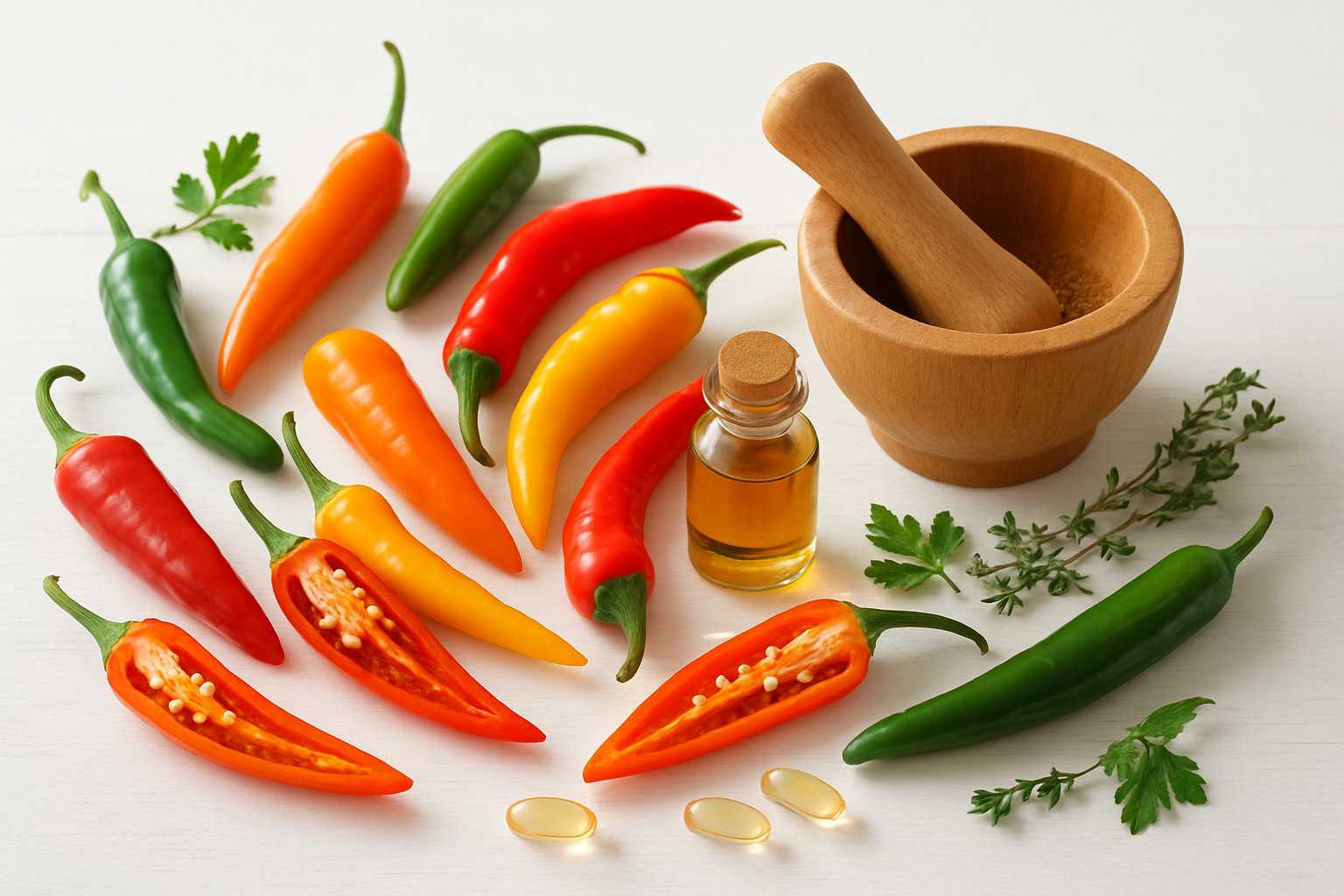
Vitamin C Content Exceeding Citrus Fruits
When most people think about vitamin C, oranges and lemons come to mind. But here's something that might surprise you: chili peppers pack significantly more vitamin C than these citrus favorites. A single red bell pepper contains about 190 milligrams of vitamin C, while an orange delivers only around 70 milligrams. Hot chili pepper varieties like jalapeños and serranos are equally impressive vitamin C powerhouses.
This vitamin C abundance makes chili pepper nutrition particularly valuable for collagen synthesis, wound healing, and iron absorption. Red chilies generally contain higher concentrations than green ones, since vitamin C levels increase as peppers ripen and change color.
Antioxidant Properties for Immune System Support
The vibrant colors of chili pepper varieties aren't just for show - they signal the presence of powerful antioxidants. Capsanthin gives red peppers their fiery hue, while beta-carotene contributes to yellow and orange varieties. These compounds work as cellular bodyguards, protecting your body from oxidative stress and free radical damage.
Chili pepper benefits extend to immune function through multiple antioxidant pathways. The combination of vitamin C, carotenoids, and flavonoids creates a synergistic effect that strengthens your body's natural defense mechanisms. Regular consumption helps maintain healthy immune responses and may reduce the risk of chronic diseases.
Metabolism-Boosting Effects of Capsaicin Compounds
Capsaicin, the compound responsible for chili pepper heat levels, does more than create that burning sensation. This remarkable molecule can temporarily increase your metabolic rate by up to 25%, helping your body burn calories more efficiently for several hours after eating.
The thermogenic effect occurs when capsaicin binds to pain receptors, triggering a cascade of physiological responses including increased heart rate and body temperature. This process, called diet-induced thermogenesis, explains why you might feel warm or even sweat when eating spicy foods.
Research shows that people who regularly consume capsaicin-rich foods may have easier weight management and improved fat oxidation. The compound also helps reduce appetite, making you feel satisfied with smaller portions.
Anti-Inflammatory Benefits for Overall Wellness
Beyond the heat, capsaicin acts as a natural anti-inflammatory agent. It works by depleting substance P, a neurotransmitter that sends pain signals to the brain. This mechanism explains why topical capsaicin creams are used for arthritis and nerve pain relief.
Chili pepper benefits include reducing inflammatory markers throughout the body. Studies indicate that regular consumption may help lower C-reactive protein levels and other inflammation indicators. This anti-inflammatory action supports cardiovascular health, joint function, and may even help with certain digestive issues.
The compounds in chilies also show promise for pain management, with some people experiencing reduced chronic pain symptoms when incorporating moderate amounts of spicy foods into their diets.
Practical Growing Tips for Home Cultivation
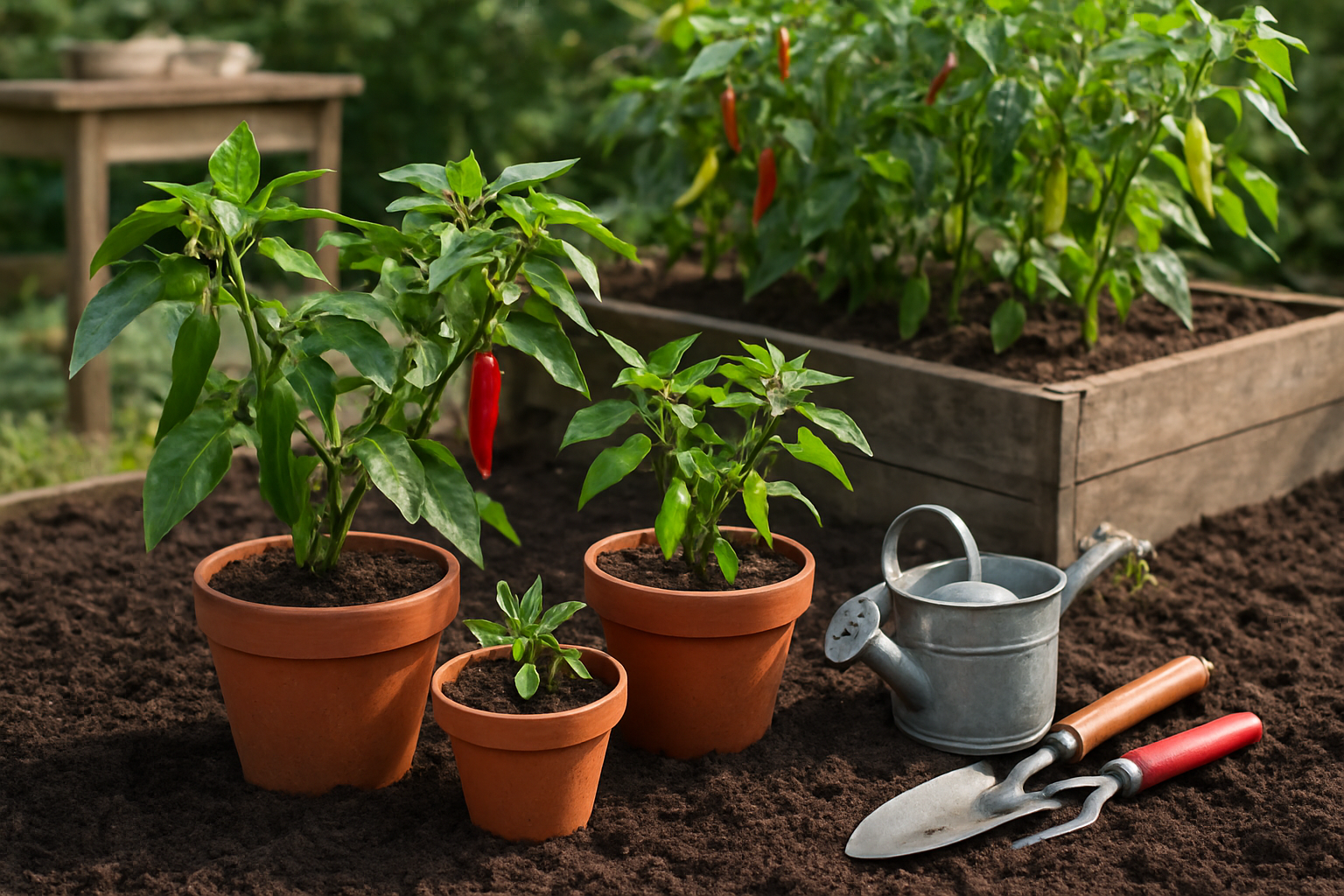
Seed Starting Techniques for Successful Germination
Starting chili pepper seeds successfully begins with choosing fresh, high-quality seeds and creating the right environment for germination. Soak seeds in warm water for 8-12 hours before planting to soften the seed coat and speed up germination. Plant seeds about ¼ inch deep in seed-starting mix, maintaining soil temperature between 75-85°F for optimal results.
Use a seed heat mat to maintain consistent temperature, as chili peppers need warmth to germinate properly. Most varieties take 7-14 days to sprout, though some superhot varieties can take up to 3 weeks. Keep the soil consistently moist but not waterlogged during this critical period. Once seedlings emerge, provide 14-16 hours of grow light daily, positioning lights 2-4 inches above the plants.
Optimal Soil Conditions and Fertilization Schedules
How to grow chili peppers successfully depends heavily on soil preparation. Chili peppers thrive in well-draining soil with a pH between 6.0-6.8. Mix compost or aged manure into garden soil before planting to improve drainage and add organic matter. For container growing, use a high-quality potting mix with added perlite for drainage.
Start fertilizing 2-3 weeks after transplanting with a balanced fertilizer (10-10-10). Switch to a low-nitrogen, high-phosphorus fertilizer once flowering begins to encourage fruit production rather than excessive leaf growth. Feed every 2-3 weeks during the growing season, but avoid over-fertilizing as this can reduce pepper production.
| Growth Stage | Fertilizer Type | Frequency |
|---|---|---|
| Seedling | Diluted balanced (5-5-5) | Weekly |
| Vegetative | Balanced (10-10-10) | Bi-weekly |
| Flowering/Fruiting | Low-N, High-P (5-10-10) | Bi-weekly |
Watering Requirements and Climate Considerations
Proper watering makes the difference between thriving plants and struggling ones. Water chili peppers deeply but infrequently, allowing soil to dry slightly between waterings. Aim for about 1 inch of water per week, including rainfall. Check soil moisture by inserting your finger 1-2 inches deep – if it's dry, it's time to water.
Chili peppers love warm weather and need nighttime temperatures above 55°F to set fruit properly. They perform best in temperatures between 70-85°F during the day. In cooler climates, use black plastic mulch or row covers to warm the soil and extend the growing season. Protect plants from strong winds and provide shade during extreme heat above 95°F.
Consider your local climate when selecting chili pepper varieties. Short-season varieties work better in northern regions, while long-season superhots need extended warm weather to fully mature.
Harvesting Timing for Peak Flavor Development
Knowing when to harvest determines both flavor intensity and chili pepper heat levels. Most peppers can be harvested green or allowed to ripen to their mature color. Green peppers have a sharper, more vegetal flavor, while fully ripe peppers develop complex sweetness alongside their heat.
For maximum heat, wait until peppers reach full color maturity – this is when capsaicin levels peak. Sweet peppers should be harvested when firm and glossy, while hot varieties benefit from staying on the plant until they achieve their final color. Cut peppers from the plant rather than pulling to avoid damaging stems.
Regular harvesting encourages continued production. Pick peppers every few days during peak season, and don't let overripe fruits stay on the plant as this signals the plant to stop producing new flowers. Store harvested peppers in the refrigerator for up to two weeks or preserve them through drying, freezing, or making hot sauce.
Culinary Uses and Cooking Applications
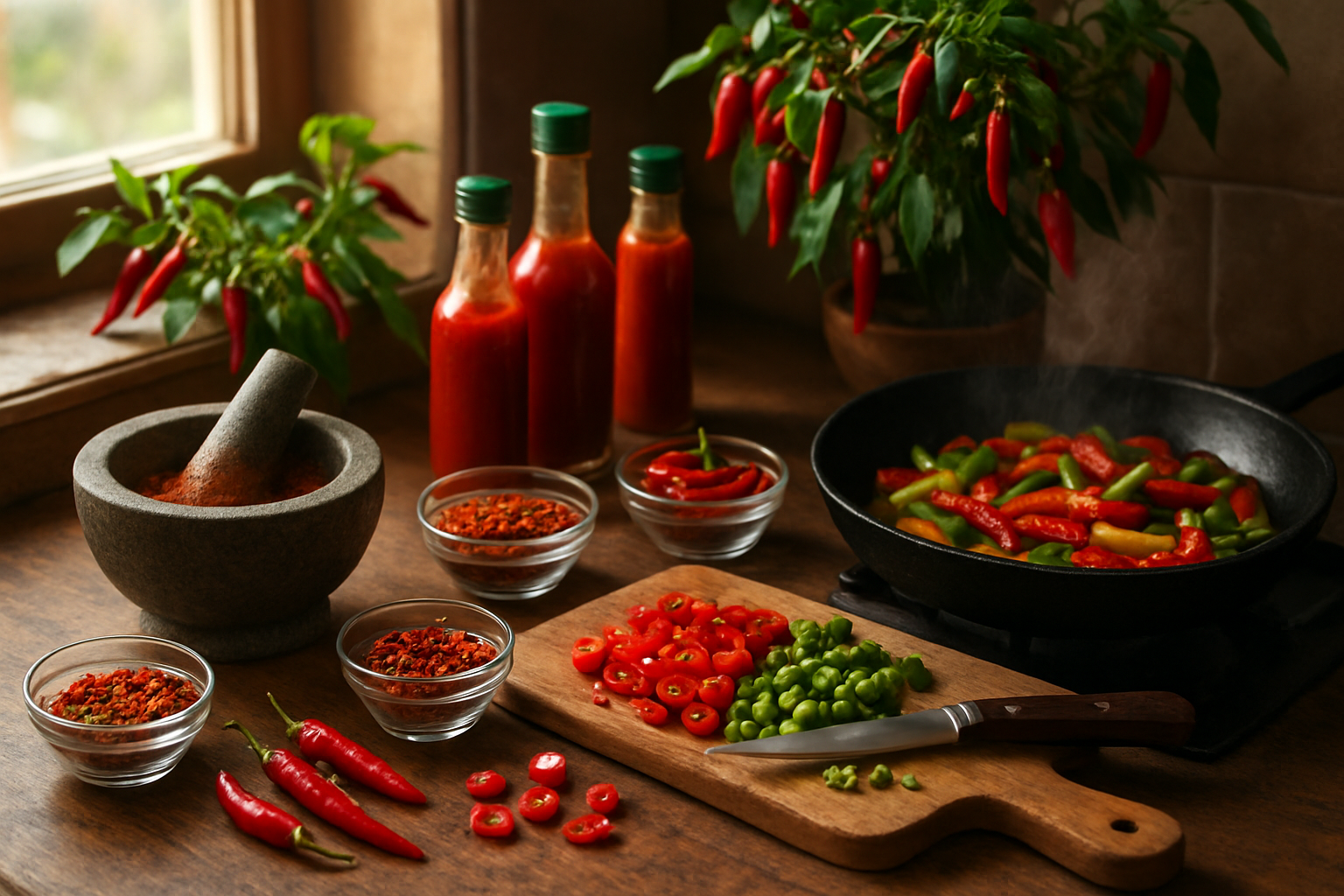
Fresh Pepper Preparation and Handling Safety
Working with chili peppers requires proper preparation to avoid painful encounters with capsaicin, the compound responsible for their heat. Always wear disposable gloves when handling hot varieties, especially when preparing multiple peppers or working with super-hot types like habaneros or ghost peppers. If gloves aren't available, thoroughly coat your hands with cooking oil before handling peppers, as oil creates a barrier against capsaicin absorption.
Remove stems and seeds carefully, as these parts contain the highest concentration of heat. Use a small spoon to scrape out seeds rather than touching them directly. Avoid touching your face, eyes, or other sensitive areas during preparation. After handling chili peppers, wash your hands multiple times with dish soap, which breaks down oils better than regular hand soap. Some cooks swear by rubbing their hands with salt and oil before washing.
Create a dedicated cutting board for peppers to prevent cross-contamination with other ingredients. Wooden boards can absorb capsaicin, making them difficult to clean completely. Stainless steel or glass surfaces work best for easy cleanup.
Preserving Methods Including Drying and Pickling
Preserving chili peppers extends their shelf life and intensifies flavors. Air-drying works well for thin-walled varieties like cayenne and Thai chilies. String whole peppers together and hang them in a warm, dry area with good air circulation. This traditional method takes 2-4 weeks depending on humidity levels.
Oven-drying offers faster results. Cut peppers in half lengthwise, remove seeds, and place them cut-side down on baking sheets. Set your oven to its lowest temperature (around 170°F) and dry for 6-12 hours until peppers are brittle. Dehydrators provide the most consistent results, maintaining steady temperatures around 125-135°F for optimal preservation.
Pickling chili peppers creates tangy, versatile condiments. Basic pickling brine combines equal parts water and vinegar with salt. Add sugar for balanced sweetness. Hot peppers like jalapeños and serranos pickle beautifully, maintaining their crunch while developing complex flavors. Quick pickles ready in 24 hours work perfectly for immediate use, while longer fermentation creates deeper, more complex tastes.
Freezing whole peppers works for cooking applications, though they lose their crisp texture. Simply wash, dry, and freeze in airtight containers. Frozen peppers work excellently in cooked dishes where texture isn't critical.
Flavor Pairing Strategies for Different Cuisines
Different chili pepper varieties complement specific cuisine styles based on their heat levels and flavor profiles. Mexican cooking traditionally uses jalapeños for mild heat with grassy undertones, serranos for medium heat, and habaneros for intense fire with fruity notes. Poblano peppers add smoky depth to moles and stuffed pepper dishes.
Asian cuisines favor different varieties. Thai bird's eye chilies deliver sharp, clean heat perfect for curries and stir-fries. Korean gochugaru (red pepper flakes) provides moderate heat with sweet, smoky notes ideal for kimchi and marinades. Chinese Tien Tsin peppers offer medium heat with nutty undertones, perfect for Sichuan dishes.
Mediterranean cooking benefits from mild to moderate peppers. Calabrian chilies add gentle heat and bright flavor to pasta sauces and pizza. Spanish pimentón (smoked paprika) contributes warmth without overwhelming heat, perfect for paella and meat dishes.
Indian cuisine employs various regional varieties. Kashmiri chilies provide vibrant red color with minimal heat, while ghost peppers deliver extreme fire for those seeking intense heat. Green chilies like finger hots add fresh, bright heat to curries and chutneys.
Successful flavor pairing considers not just heat but also the pepper's underlying taste profile. Sweet peppers complement dairy-based dishes, while smoky varieties enhance grilled meats. Fruity hot peppers work beautifully with chocolate and tropical fruits, creating unexpected but harmonious combinations.
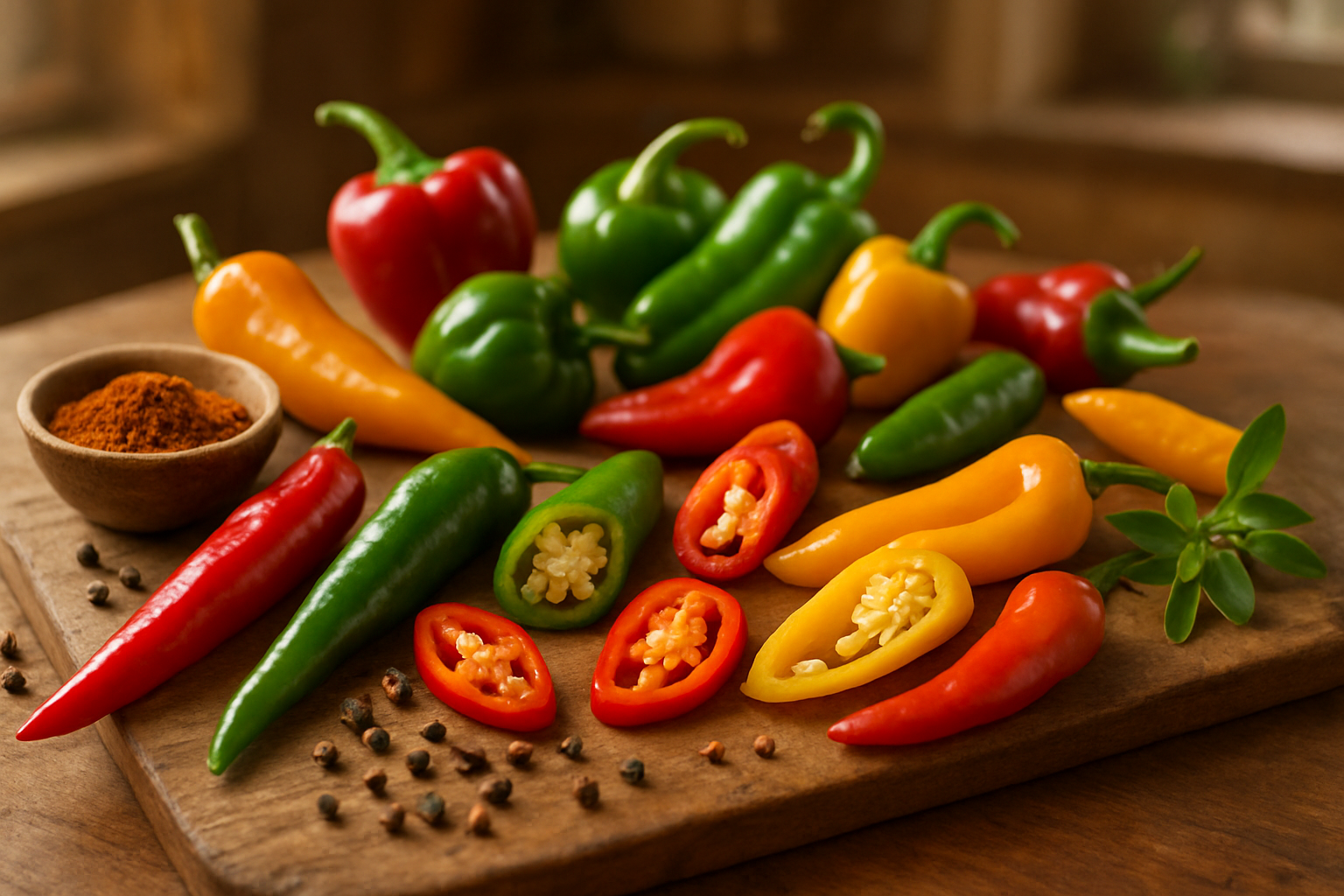
Chili peppers bring so much more to the table than just heat. From their rich history and incredible variety to their impressive health benefits and versatility in the kitchen, these fiery fruits have earned their place as one of the world's most beloved ingredients. The Scoville scale helps us navigate their heat levels, while their nutritional profile packed with vitamins and antioxidants makes them as good for your body as they are for your taste buds.
Growing your own chili peppers at home opens up a world of fresh flavors and lets you experiment with different varieties you might not find at the store. Start small with milder peppers if you're new to spicy foods, and don't be afraid to get creative in the kitchen. Your next favorite dish might just be one chili pepper away.


.png)
Comments
Post a Comment