Cocona - What's The Cocona Fruit?
.png)
The cocona fruit might look like a tiny tomato, but this Amazonian gem packs surprises that most people have never heard of. If you're curious about exotic fruits, interested in expanding your garden with unique plants, or searching for new flavors to add to your cooking, cocona deserves a spot on your radar.
This golden-orange fruit grows wild throughout the Amazon rainforest and has been feeding local communities for centuries. You'll discover what makes cocona special, from its tangy-sweet flavor that works perfectly in jams and sauces to its impressive nutritional profile loaded with vitamins and antioxidants. We'll also explore how you can grow cocona in your own backyard and where to find this rare fruit if you want to try it yourself.
Understanding the Cocona Fruit's Unique Characteristics
Botanical Classification and Scientific Name
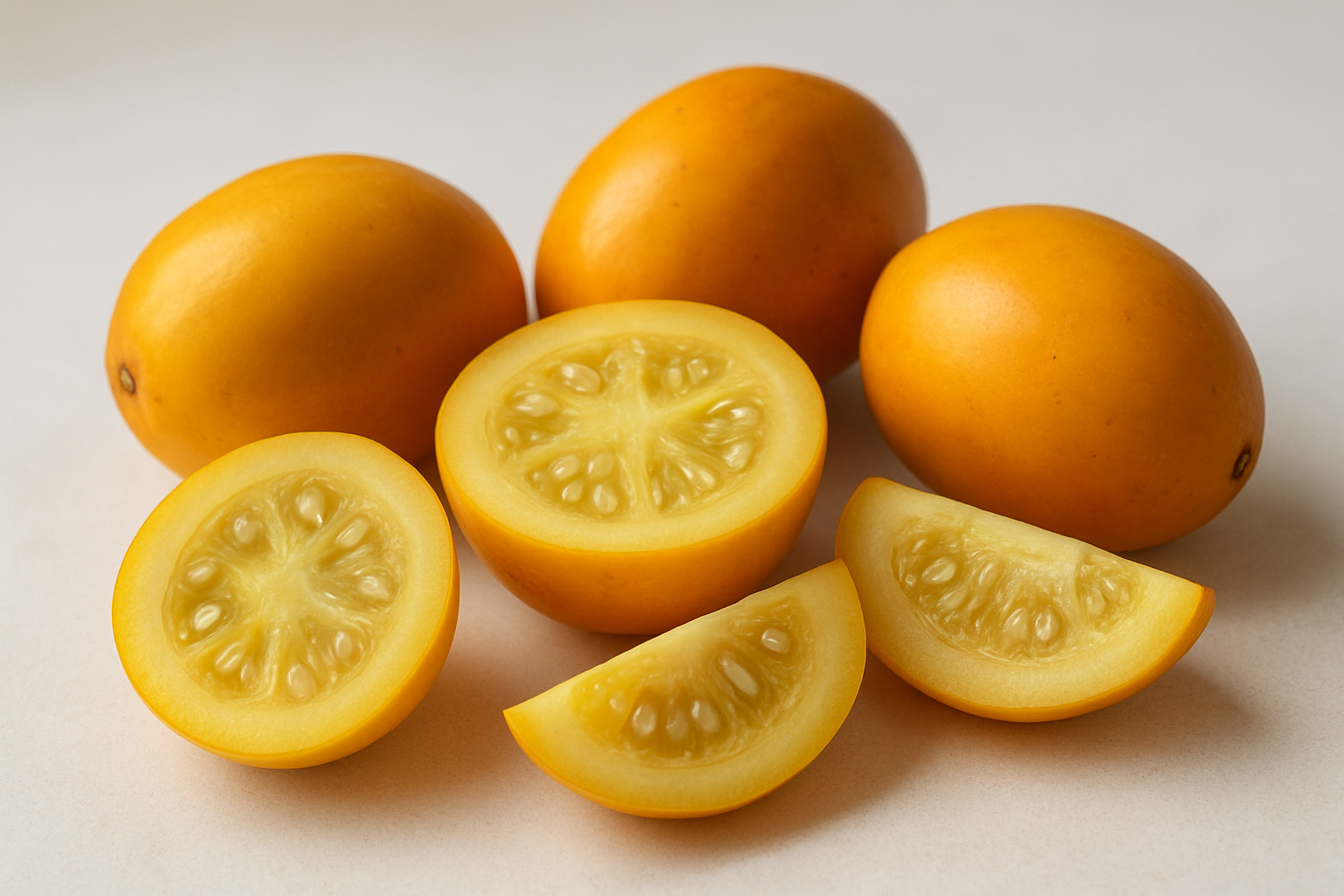
The cocona fruit belongs to the nightshade family (Solanaceae), sharing its lineage with familiar plants like tomatoes, potatoes, and eggplants. Scientifically known as Solanum sessiliflorum, this tropical fruit goes by several regional names including peach tomato, orinoco apple, and topiro. The cocona plant classification places it firmly within the genus Solanum, which encompasses over 1,400 species worldwide. This botanical relationship explains many of the fruit's characteristics, including its growing patterns and nutritional composition.
Physical Appearance and Distinctive Features
Cocona fruit displays a remarkable resemblance to both tomatoes and small peaches, creating an intriguing visual identity. The fruit typically measures 2-4 inches in diameter and features smooth, glossy skin that feels firm yet yields slightly to gentle pressure when ripe. What makes the cocona truly distinctive is its pronounced stem end indentation, creating a characteristic heart-like or ribbed appearance near the top. The skin often shows subtle vertical lines or shallow grooves running from top to bottom, giving each fruit a unique fingerprint-like pattern.
Fresh cocona fruits contain numerous small, flat seeds embedded in a gel-like pulp, similar to tomatoes but with a denser, more substantial texture. The seed cavity takes up roughly 30-40% of the fruit's interior space, surrounded by thick, juicy flesh that ranges from pale yellow to deep orange depending on variety and ripeness.
Size Variations and Color Changes During Ripening
Cocona fruits exhibit significant size diversity, ranging from golf ball-sized specimens to larger varieties approaching the dimensions of a baseball. Most commercial varieties fall somewhere in between, typically weighing 3-6 ounces when fully mature. The size often depends on growing conditions, with well-watered plants in fertile soil producing notably larger fruits.
The color transformation during ripening creates a spectacular visual display. Young cocona fruits start as bright green, gradually shifting through various stages:
-
Early stage: Deep green with glossy finish
-
Mid-ripening: Yellow-green with patches of gold
-
Near maturity: Golden yellow with orange undertones
-
Full ripeness: Rich orange to deep reddish-orange
Some varieties develop purple or reddish streaks along their ridges, adding to their visual appeal. The color change happens gradually over 2-3 weeks, allowing growers to harvest at different stages depending on intended use.
Texture and Aroma Profile
The texture of ripe cocona fruit offers a delightful surprise to first-time tasters. Unlike the soft, juicy consistency of tomatoes, cocona flesh maintains a firmer, more substantial bite while still being tender and succulent. The pulp has a slightly grainy quality reminiscent of pears, with juice that's less watery than tomatoes but more abundant than typical stone fruits.
Cocona's aroma profile sets it apart from other fruits in remarkable ways. When fully ripe, the fruit emits a complex fragrance that combines floral notes with subtle tropical undertones. Many describe the scent as a blend of tomato leaf freshness with hints of citrus and a barely detectable earthy background. This unique aromatic signature intensifies when the fruit is cut open, releasing volatile compounds that create an almost intoxicating perfume.
The skin contributes its own textural element - thin enough to eat but substantial enough to provide a pleasant contrast to the softer interior. When bitten, the skin creates a slight "pop" sensation before giving way to the juicy flesh beneath.
Origins and Natural Habitat of Cocona
.png)
Native regions in South America
The cocona fruit comes from the Amazon Basin, where it grows wild across a vast region spanning multiple South American countries. You'll find this unique fruit thriving in Peru, Colombia, Ecuador, Brazil, and Bolivia, with the highest concentration in the Peruvian Amazon. The cocona plant has been part of indigenous communities' lives for centuries, growing naturally in the understory of rainforests and along riverbanks.
Indigenous peoples discovered the cocona fruit long before it gained attention from modern agriculture. The Shipibo, Achuar, and other Amazonian tribes traditionally harvested wild cocona fruits as part of their regular diet. These communities developed extensive knowledge about the best locations and seasons for finding the ripest fruits.
The plant's natural distribution follows river systems throughout the Amazon, spreading seeds through wildlife and water flow. Monkeys, birds, and other animals helped disperse cocona seeds across the rainforest, creating natural groves in favorable locations.
Climate requirements for optimal growth
Growing cocona successfully requires specific tropical conditions that mirror its native Amazon environment. The cocona plant thrives in consistently warm temperatures between 68°F and 86°F (20°C to 30°C) year-round. Temperature drops below 60°F can damage the plant, while extreme heat above 95°F stresses growth and fruit production.
Humidity plays a crucial role in cocona cultivation. The plant needs high humidity levels ranging from 70% to 90%, which explains why it flourishes in the Amazon's naturally humid climate. Lower humidity can cause leaf drop and reduce fruit quality.
Rainfall requirements are substantial for healthy cocona growth. The plant needs 60 to 80 inches of annual rainfall, distributed fairly evenly throughout the year. During dry seasons, consistent irrigation becomes essential for maintaining fruit production.
The cocona plant prefers filtered sunlight rather than direct, intense sun exposure. In its natural habitat, larger rainforest trees provide partial shade, creating ideal light conditions. Full sun can scorch leaves and stress the plant.
Traditional cultivation areas and wild distribution
Traditional cocona cultivation centers around small family farms and indigenous communities throughout the Amazon region. Peru leads in both wild harvesting and organized cultivation, particularly in the Loreto, Ucayali, and San Martín regions. Local farmers often grow cocona alongside other traditional crops like yuca, plantains, and cacao.
Wild cocona populations spread across an enormous area covering approximately 2.7 million square miles of Amazon rainforest. The densest wild populations occur in:
-
Peru: Iquitos region, Pucallpa area, and Tarapoto surroundings
-
Colombia: Putumayo and Caquetá departments
-
Ecuador: Oriente region
-
Brazil: Western Amazonas state
-
Bolivia: Northern Pando department
Small-scale farmers typically maintain cocona groves using traditional methods passed down through generations. They often plant cocona near their homes, taking advantage of naturally fertile soil and convenient harvesting access. These traditional growing areas produce the majority of cocona fruits that reach local markets.
The wild distribution pattern follows river valleys and areas with rich, well-draining soil. Cocona plants establish themselves in forest clearings, along stream banks, and in areas where the forest canopy allows filtered sunlight to reach the ground.
Nutritional Benefits and Health Properties
.png)
Vitamin and Mineral Content Breakdown
Cocona fruit packs an impressive nutritional punch that rivals many popular tropical fruits. This vibrant fruit contains high levels of vitamin C, delivering approximately 30-40mg per 100g serving, which covers nearly half of your daily vitamin C needs. The cocona nutrition profile also includes substantial amounts of vitamin A, essential for eye health and immune function.
The mineral content is equally remarkable. Cocona provides significant amounts of potassium, supporting heart health and proper muscle function. Iron content helps prevent anemia, while calcium contributes to strong bones and teeth. The fruit also contains magnesium, phosphorus, and trace amounts of zinc, creating a well-rounded mineral profile that supports overall health.
| Nutrient | Amount per 100g | % Daily Value |
|---|---|---|
| Vitamin C | 35mg | 39% |
| Vitamin A | 850 IU | 17% |
| Potassium | 250mg | 7% |
| Iron | 1.2mg | 7% |
| Calcium | 25mg | 3% |
Antioxidant Properties and Immune System Support
The cocona fruit health benefits extend far beyond basic nutrition. Cocona contains powerful antioxidants, including flavonoids, phenolic compounds, and carotenoids that fight free radicals in your body. These antioxidants help protect cells from oxidative stress and may reduce the risk of chronic diseases.
The high vitamin C content works synergistically with other antioxidants to boost immune system function. Regular consumption of cocona may help your body defend against common illnesses and infections. The fruit's unique combination of antioxidants also supports skin health, promoting a youthful appearance and protecting against environmental damage.
Digestive Health Benefits
Cocona offers excellent digestive support through its fiber content and natural enzymes. The fruit contains both soluble and insoluble fiber, promoting healthy gut bacteria and regular bowel movements. This fiber content helps maintain digestive regularity and may reduce the risk of digestive disorders.
The natural enzymes present in cocona assist in protein digestion, making it an excellent addition to meals. These enzymes can help reduce bloating and improve nutrient absorption. The fruit's mild acidity also stimulates digestive juices, enhancing overall digestive efficiency.
Low Calorie Content for Weight Management
For those watching their weight, cocona presents an ideal snacking option. With only about 25-30 calories per 100g serving, this fruit satisfies sweet cravings without derailing diet goals. The high water content (approximately 90%) helps with hydration while providing a feeling of fullness.
The natural sugars in cocona are released slowly due to its fiber content, preventing blood sugar spikes and crashes. This steady energy release helps control appetite and reduces cravings for processed sweets. The fruit's satisfying texture and refreshing taste make it a perfect replacement for higher-calorie snacks.
Potential Anti-Inflammatory Effects
Emerging research suggests that cocona benefits may include anti-inflammatory properties. The fruit contains compounds that may help reduce inflammation markers in the body. While more studies are needed, preliminary findings indicate that regular cocona consumption might help manage inflammatory conditions.
The combination of vitamin C, flavonoids, and other bioactive compounds works together to combat inflammation at the cellular level. This anti-inflammatory action may contribute to reduced joint pain, improved cardiovascular health, and better overall wellness. The fruit's natural compounds appear to modulate inflammatory pathways without the side effects associated with synthetic anti-inflammatory medications.
Culinary Uses and Flavor Profile
Taste Description and Flavor Complexity
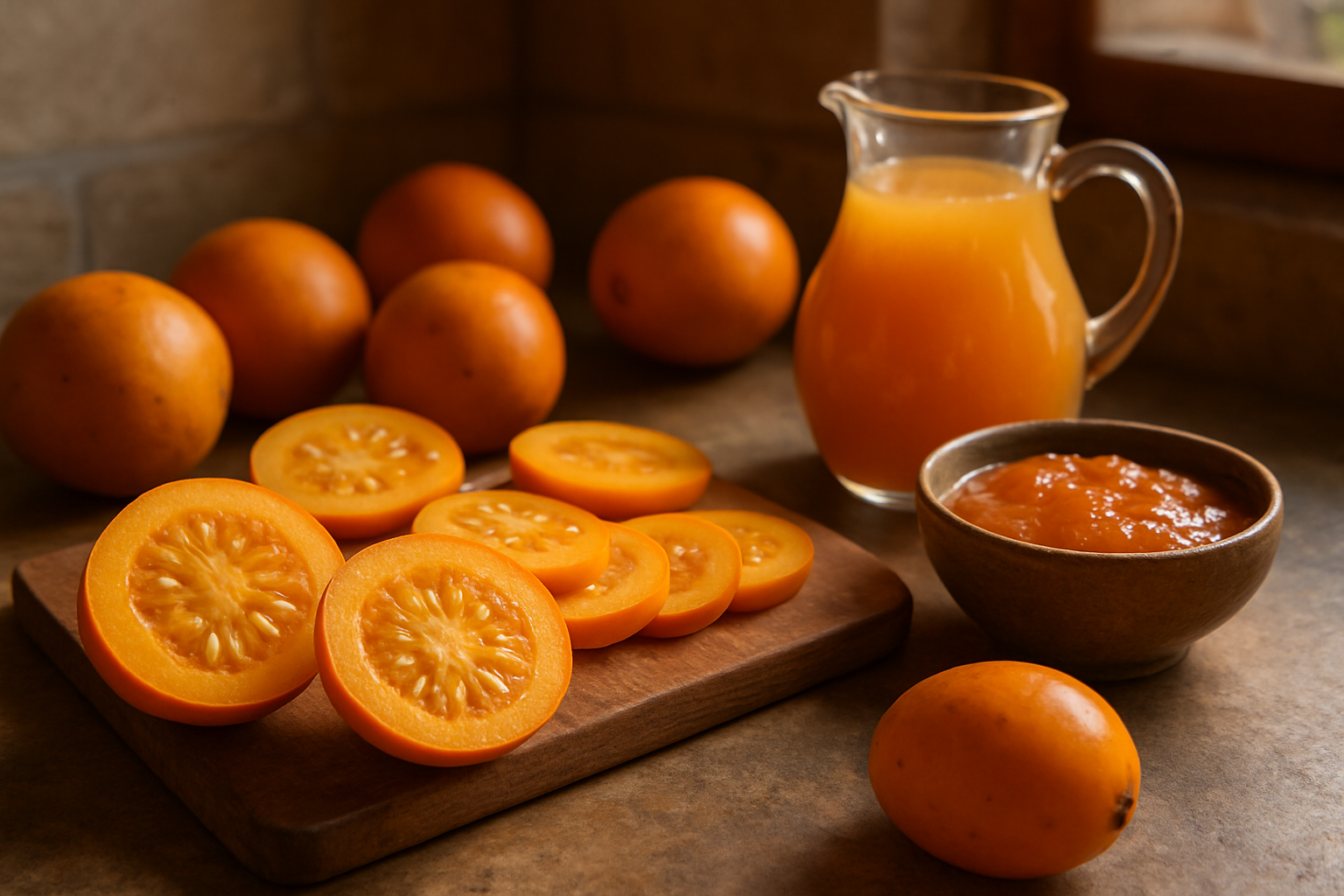
The cocona fruit taste delivers a fascinating blend of tangy and sweet flavors that many describe as uniquely tropical. When fully ripe, coconas offer a pleasant tartness similar to a cross between tomato and passion fruit, with subtle hints of citrus and a mild sweetness that balances the acidity beautifully. The flesh has a soft, juicy texture with small edible seeds scattered throughout, creating an interesting mouthfeel that adds to the overall eating experience.
What makes cocona particularly intriguing is its flavor evolution as it ripens. Young, green coconas pack a more pronounced sourness that works wonderfully in savory applications, while fully mature orange or yellow fruits develop greater sweetness and complexity. The skin contributes a slight bitterness that many people enjoy, though others prefer to peel the fruit before consumption.
The aromatic profile includes earthy undertones with tropical fruit notes, making it instantly recognizable to those familiar with Amazonian produce. This complexity explains why cocona fruit uses extend far beyond simple fresh consumption, as different ripeness stages suit various culinary applications perfectly.
Traditional Cooking Methods in Native Regions
Throughout the Amazon basin, indigenous communities have perfected numerous traditional preparation methods that highlight cocona's versatility. In Peru and Colombia, cooks commonly prepare "aji de cocona," a spicy sauce that combines the fruit with hot peppers, onions, and herbs. This condiment accompanies grilled fish and meat dishes, adding both acidity and depth to hearty meals.
Brazilian communities often make "doce de cocona," a sweet preserve that transforms the tart fruit into a delectable jam-like consistency. The traditional method involves slow-cooking chopped coconas with sugar and spices until the mixture reaches the perfect balance of sweet and tangy flavors. This preserve serves as a popular accompaniment to fresh cheese and bread.
Another beloved preparation involves stuffing whole coconas with seasoned meat or rice mixtures, similar to stuffed peppers. The fruit's natural hollow cavity makes it perfect for this application, while its firm walls hold their shape during cooking. Steam-cooking these stuffed coconas creates tender, flavorful meals that showcase the fruit's ability to complement both vegetarian and meat-based fillings.
Many regions also prepare refreshing drinks by blending ripe coconas with water, sugar, and ice, creating a popular beverage that provides natural vitamin C and electrolytes during hot weather.
Modern Recipe Applications and Preparations
Contemporary chefs and home cooks worldwide have discovered exciting ways to incorporate cocona into modern cuisine. The fruit's unique flavor profile makes it an excellent ingredient for artisanal sauces, chutneys, and marinades that add tropical flair to everyday dishes. Food bloggers frequently showcase cocona in fusion recipes that blend traditional Latin American techniques with international flavors.
Cocona works exceptionally well in dessert applications, particularly in sorbets, ice creams, and fruit tarts where its natural acidity provides balance against sweet elements. Pastry chefs appreciate how the fruit's tartness cuts through rich chocolate and cream-based desserts, creating more complex and satisfying flavor profiles.
| Modern Application | Preparation Method | Best Cocona Ripeness |
|---|---|---|
| Fresh salsas | Diced raw | Semi-ripe |
| Smoothie bowls | Blended fresh | Fully ripe |
| Salad dressings | Pureed with oils | Any stage |
| Cocktail mixers | Muddled or juiced | Fully ripe |
The growing interest in exotic fruits has led to cocona appearing in craft cocktails, where bartenders use it as a natural mixer that adds both flavor and visual appeal. Its vibrant color and unique taste make it perfect for tropical-themed drinks and innovative cocktail creations that surprise and delight customers seeking new taste experiences.
Growing and Harvesting Cocona Successfully
Optimal planting conditions and soil requirements
The cocona plant thrives in warm, humid environments that mimic its native Amazon rainforest habitat. Choose a location with temperatures consistently between 75-85°F (24-29°C) and high humidity levels above 60%. This tropical plant struggles in temperatures below 60°F (15°C) and cannot survive frost.
Well-draining, fertile soil with a pH between 5.5-6.8 works best for growing cocona. The soil should be rich in organic matter, so work in plenty of compost or aged manure before planting. Sandy loam or clay loam soils provide the ideal texture, allowing proper drainage while retaining moisture. Poor drainage leads to root rot, which can quickly kill cocona plants.
Select a spot with partial shade to filtered sunlight. While cocona plants need light to produce fruit, intense direct sunlight can scorch the leaves and stress the plant. Morning sun with afternoon shade creates perfect growing conditions. If you're growing cocona indoors or in containers, place them near a bright window with indirect light.
Space plants 6-8 feet apart to allow for proper air circulation and room for growth. Cocona plants can reach 6 feet tall and spread 4-5 feet wide when mature.
Watering and fertilization schedules
Consistent moisture is key to successful cocona cultivation. Water deeply 2-3 times per week, providing about 1-2 inches of water weekly. The soil should stay evenly moist but never waterlogged. During hot, dry periods, increase watering frequency to prevent stress. Use a moisture meter or check soil moisture by inserting your finger 2 inches deep - if it feels dry, it's time to water.
Mulch around the base of the plant with organic materials like wood chips or straw to retain moisture and regulate soil temperature. Keep mulch 3 inches away from the stem to prevent pest issues.
Feed cocona plants monthly during the growing season with a balanced, organic fertilizer (10-10-10 or similar). Apply according to package directions, typically 1-2 tablespoons per plant. Supplement with compost or worm castings every 2-3 months to maintain soil fertility. During flowering and fruiting periods, switch to a fertilizer higher in phosphorus and potassium to support fruit development.
Pest management and disease prevention
Cocona plants face several common pests including aphids, whiteflies, and spider mites. Regular inspection helps catch problems early. Check undersides of leaves weekly for signs of pest activity like tiny insects, webbing, or yellowing leaves.
Natural pest control methods work well for cocona. Spray plants with insecticidal soap solution every 2 weeks as prevention, or immediately when pests appear. Neem oil provides excellent control for most insects while being safe for beneficial pollinators when applied in early morning or evening.
Fungal diseases like powdery mildew and leaf spot can affect cocona, especially in humid conditions with poor air circulation. Prevent these issues by spacing plants properly, avoiding overhead watering, and removing affected leaves immediately. A baking soda spray (1 tablespoon per gallon of water) helps control fungal problems naturally.
Keep the area around plants clean by removing fallen leaves and fruit debris, which can harbor pests and diseases.
Harvesting timing for peak flavor
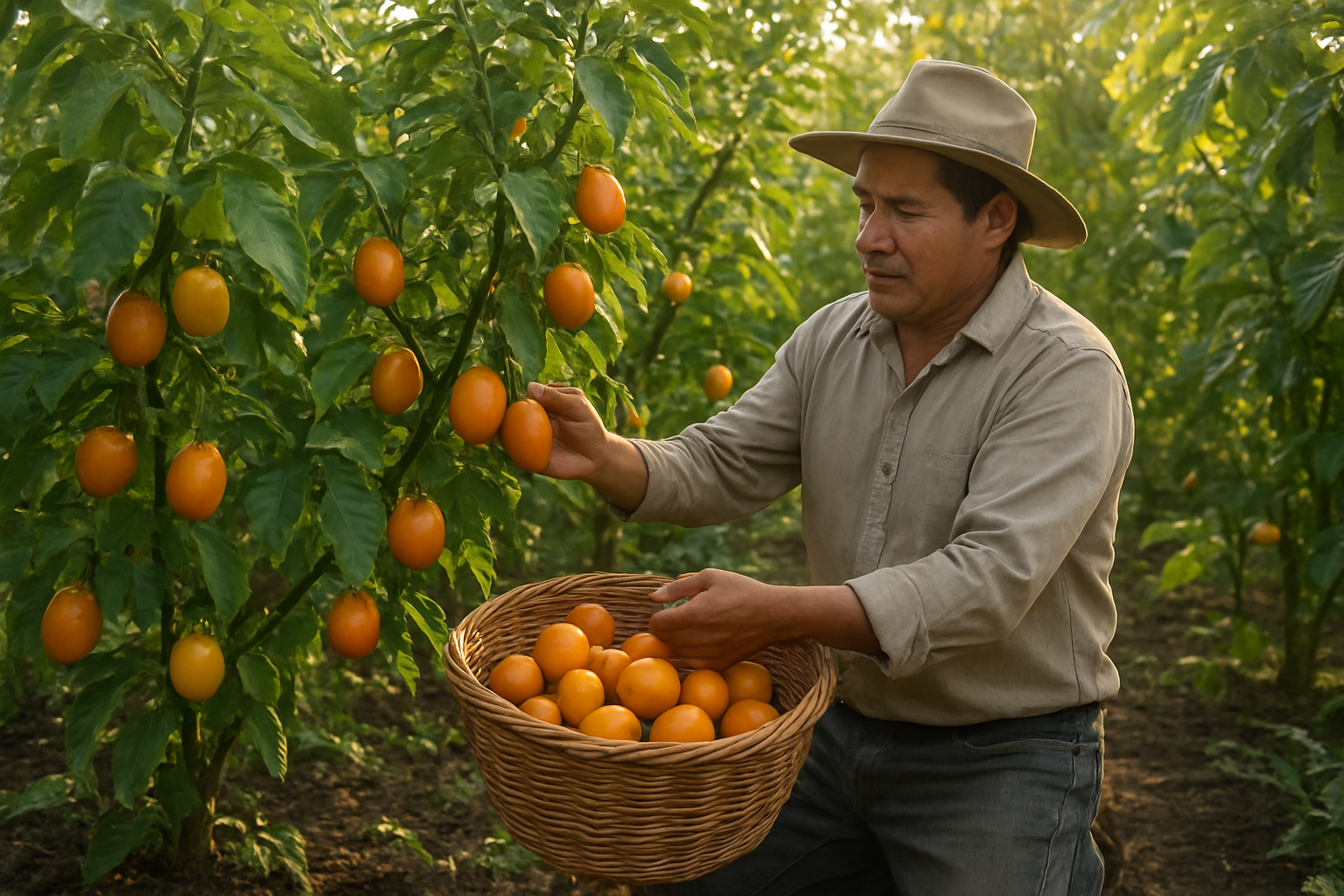
Cocona fruit ripens 60-90 days after flowering, depending on variety and growing conditions. Ripe fruit changes from green to yellow or orange, depending on the cultivar. The skin should yield slightly to gentle pressure, similar to a ripe tomato.
Harvest cocona fruit when it's fully colored but still firm. Overripe fruit becomes mushy and develops an unpleasant taste. Pick fruit in the morning when temperatures are cooler for better flavor retention.
Fresh cocona fruit keeps for 3-5 days at room temperature or up to 2 weeks refrigerated. For best flavor, use within a few days of harvesting. The fruit continues to ripen slightly after picking, so harvest when just shy of fully ripe if you won't use it immediately.
Regular harvesting encourages continued fruit production throughout the growing season, which typically runs from late spring through fall in suitable climates.
Availability and Purchasing Options
Where to find fresh cocona fruits
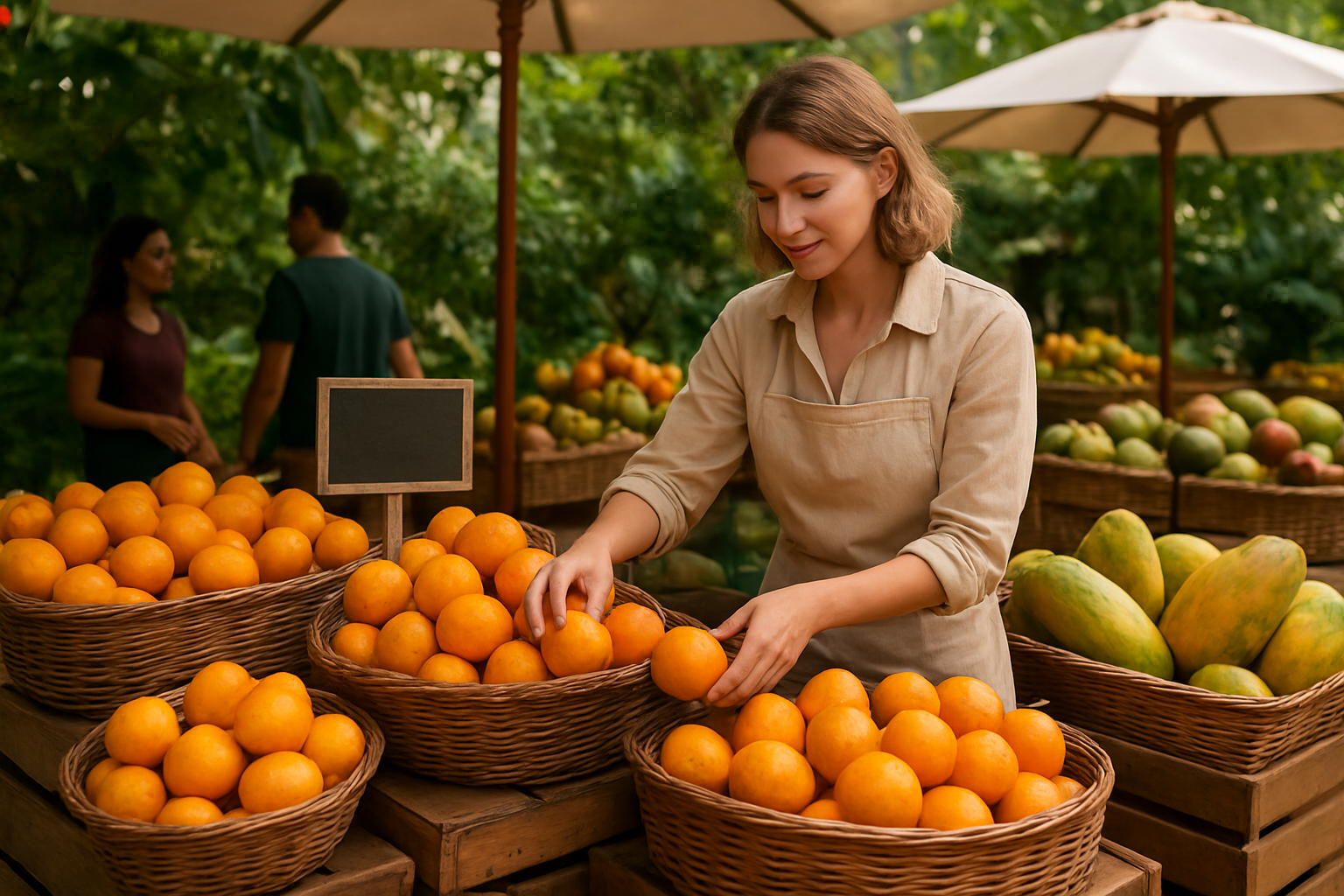
Finding fresh cocona fruit can be quite challenging since it's not commonly available in mainstream grocery stores. Your best bet for locating fresh cocona is through specialized Latin American markets, particularly those catering to Peruvian, Colombian, or Brazilian communities. Many of these markets import cocona directly from South America or source them from local growers who cultivate tropical fruits.
Farmers markets in areas with significant South American populations often carry cocona during peak season. If you live in Florida, California, or Hawaii, you might have better luck since these states have climates suitable for growing tropical fruits and often have vendors who specialize in exotic produce.
Some high-end specialty grocery stores that focus on international or exotic fruits may occasionally stock cocona, though this tends to be inconsistent. It's worth calling ahead to check availability rather than making a special trip.
Online retailers and specialty stores
The internet has made finding rare fruits like cocona much easier. Several online specialty fruit retailers ship fresh cocona when available, including Miami Fruit, Tropical Fruit Box, and other exotic fruit suppliers. These retailers typically source their cocona from small farms in Florida or import them from South America.
Amazon and other major e-commerce platforms occasionally have sellers offering fresh cocona, though availability varies significantly. When ordering online, pay close attention to shipping times since cocona has a relatively short shelf life once harvested.
Specialty stores that focus on South American products are your next best option. These stores often have connections with importers and can sometimes special order cocona if they don't regularly stock it. Building a relationship with store owners can help you get notified when shipments arrive.
For those interested in growing their own, online plant retailers sell cocona seeds and sometimes seedlings. This option requires patience but guarantees you'll have access to fresh cocona fruit once your plants mature.
Seasonal availability patterns
Cocona fruit follows specific seasonal patterns that directly impact when you can find fresh fruit. In its native South American habitat, cocona typically fruits year-round in tropical climates, but peak harvest seasons occur during the warmer, more humid months.
For imported cocona in North American markets, availability peaks between late spring and early fall, roughly May through September. During these months, you're most likely to find fresh cocona in specialty markets or through online retailers.
The fruit's shelf life presents additional challenges for availability. Fresh cocona typically lasts only 5-7 days after harvest, which means timing is crucial when purchasing. Many retailers receive shipments weekly during peak season but may go weeks without stock during slower periods.
Weather patterns in growing regions significantly affect availability. Heavy rains or drought conditions in South America can impact harvest schedules and export quantities, leading to periods where fresh cocona becomes nearly impossible to find.
If you're serious about trying cocona, consider purchasing when it first appears in markets during late spring, as this often represents the beginning of the most reliable availability period.
.png)
The cocona fruit stands out as a fascinating tropical gem that deserves more attention in our modern diets. This small, vibrant fruit packs impressive nutritional value alongside its unique tart flavor, making it both a healthy choice and an exciting culinary adventure. From its Amazon rainforest origins to its growing popularity in international markets, cocona offers a perfect blend of traditional wisdom and contemporary health benefits.
If you're curious about expanding your fruit horizons, cocona is definitely worth seeking out at specialty stores or farmers markets. Whether you decide to try growing your own plants or simply want to experiment with this exotic ingredient in your kitchen, cocona can add a refreshing twist to your meals while boosting your vitamin intake. Give this remarkable fruit a chance – your taste buds and your body will thank you for the discovery.


.png)
Comments
Post a Comment