Coffee - What's The Coffee Cherry Fruit?
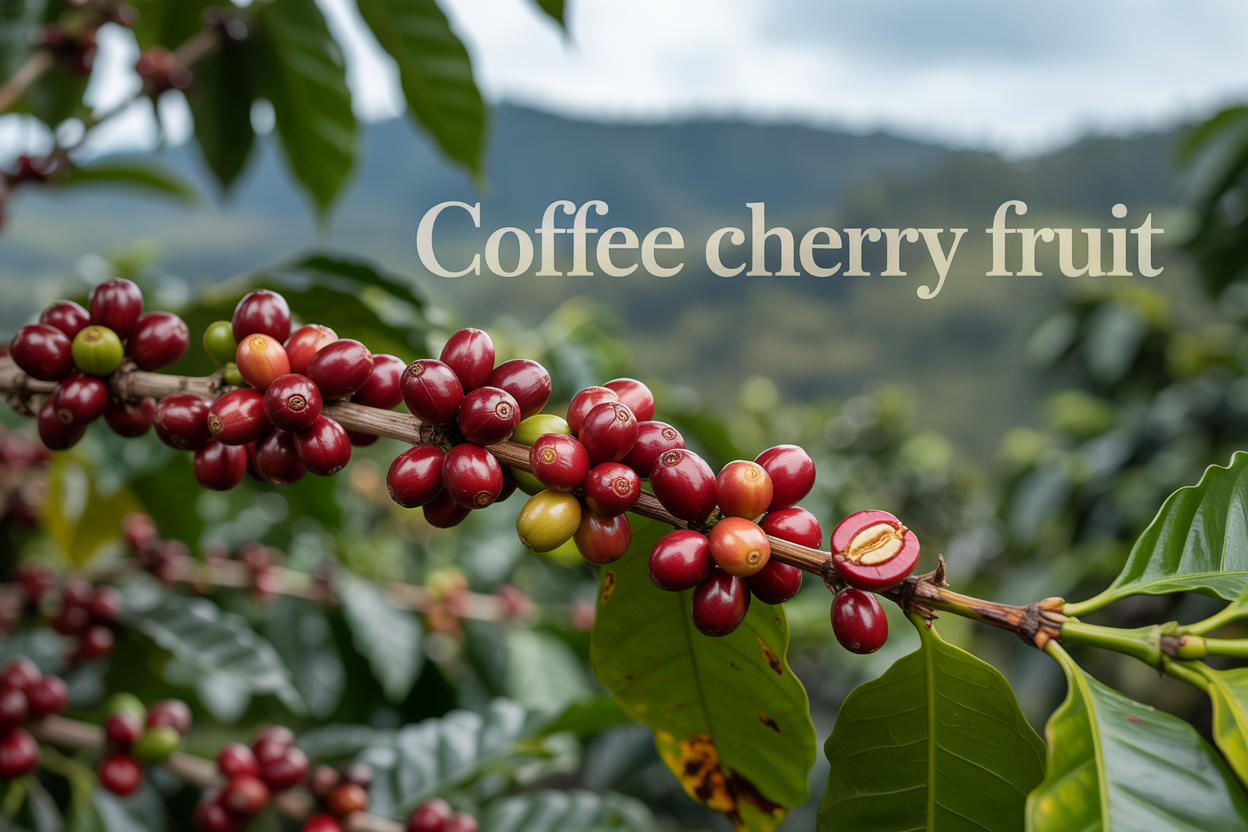
Most coffee drinkers know beans, but few understand the coffee cherry fruit that houses them. This vibrant red fruit wraps around coffee beans like nature's protective packaging, and it's packed with surprising benefits and flavors that often go unnoticed.
This guide is for curious coffee enthusiasts, home brewers, and anyone who wants to understand what happens before beans reach their cup. You'll discover the complete story behind coffee cherries – from farm to processing facility.
We'll explore the coffee cherry's unique anatomy and how its structure protects the precious beans inside. You'll also learn about the impressive coffee cherry nutrition profile and health benefits that make this fruit valuable beyond just its seeds. Finally, we'll break down different coffee cherry processing methods and how they shape the flavors in your morning brew.
Understanding the Coffee Cherry's Botanical Structure
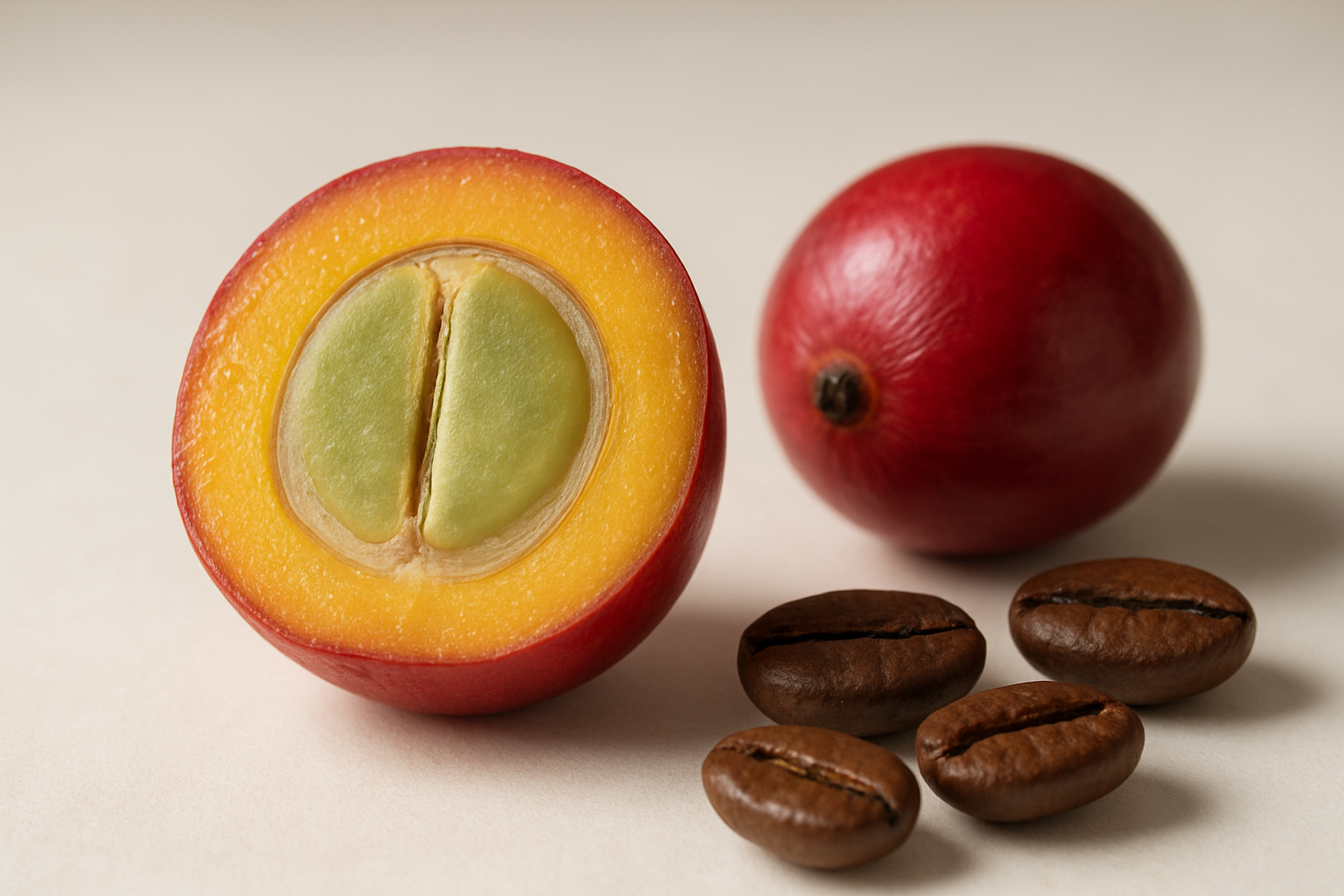
Discover the anatomy of coffee cherries and their layers
The coffee cherry fruit resembles a small, round berry that changes from green to deep red or yellow when ripe. Each cherry contains multiple distinct layers that protect and nourish the developing coffee beans inside.
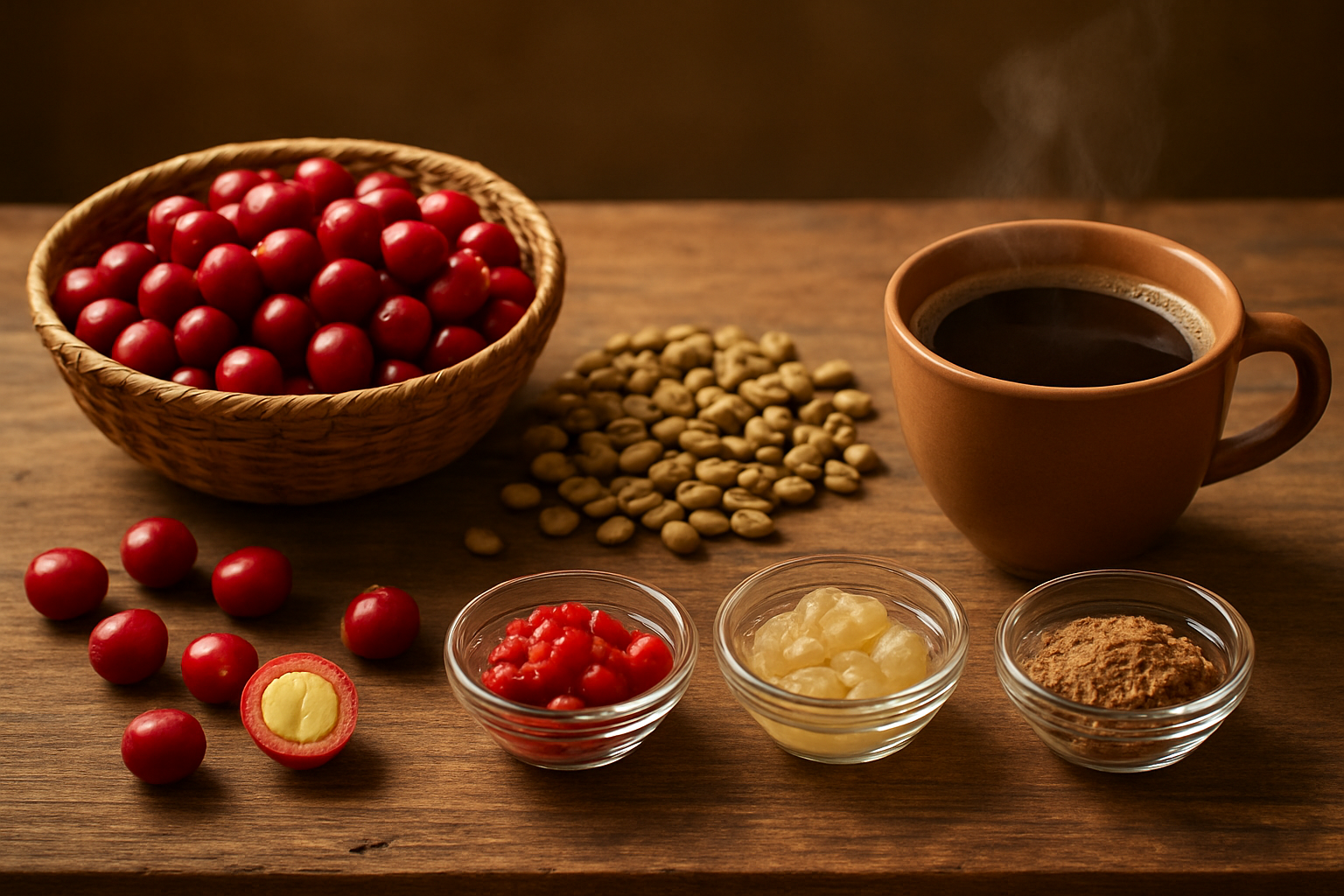
The outermost layer is the exocarp, also known as the skin or peel. This thin, colorful layer determines whether you're looking at a red or yellow cherry variety. Just beneath lies the mesocarp, the sweet, sticky pulp that gives coffee cherries their fruity flavor profile.
Moving inward, you'll find the mucilage - a slimy, honey-like substance that clings to the beans. This layer plays a crucial role in coffee cherry processing methods, particularly in the fermentation process that develops flavor compounds.
The parchment layer (endocarp) wraps around the coffee beans like a protective shell. This papery coating must be removed during processing to reveal the green coffee beans we recognize. Finally, each bean has its own silver skin (chaff) that separates during roasting.
| Layer | Name | Function |
|---|---|---|
| 1 | Exocarp (Skin) | Protection and ripeness indicator |
| 2 | Mesocarp (Pulp) | Nutrition and sweetness |
| 3 | Mucilage | Fermentation and flavor development |
| 4 | Endocarp (Parchment) | Bean protection |
| 5 | Silver skin | Final bean covering |
Learn how coffee beans develop inside the fruit
Coffee beans actually start as seeds within the coffee berry, developing through a fascinating process that takes several months. The cherry begins as a small flower that, once pollinated, transforms into a tiny green fruit.
During the early stages, the developing seeds receive nutrients from the surrounding fruit layers. The mesocarp provides sugars and water, while the mucilage creates an ideal environment for the beans to mature. Most coffee cherries contain two beans that face each other, creating the characteristic flat side we see in processed coffee beans.
The beans reach maturity when the cherry turns its final color - bright red for most varieties, though some turn yellow or orange. At this point, the beans have developed their full size and the complex compounds that will later become the flavors we taste in our cup.
Occasionally, only one bean develops inside the cherry, creating what's called a "peaberry." These round beans are often considered superior because they receive all the cherry's nutrients, though this remains debated among coffee experts.
Explore the differences between coffee cherry varieties
Coffee cherry anatomy varies significantly between different coffee species and cultivars. Arabica cherries tend to be larger and more oval-shaped, while Robusta cherries appear smaller and rounder. These physical differences affect both processing methods and final cup quality.
Color variations extend beyond the common red cherries. Yellow and orange varieties like Yellow Bourbon or Orange Bourbon produce cherries with different sugar content and flavor profiles. Some rare varieties even produce pink or purple cherries.
The fruit-to-bean ratio also differs between varieties. Some cherries have thick, sweet pulp that makes them valuable for coffee cherry products, while others have minimal flesh around larger beans. This affects both the coffee cherry nutrition profile and processing efficiency.
Size variations range from small cherries barely larger than a grape to large varieties that can exceed an inch in length. Ethiopian heirloom varieties show the most diversity, with some producing tiny, intensely flavored cherries while others yield large, mild-tasting fruit.
Processing requirements change based on these variety differences. Thick-skinned varieties need different fermentation times, while cherries with high sugar content require careful monitoring during drying to prevent over-fermentation.
Nutritional Benefits Hidden in Coffee Cherries
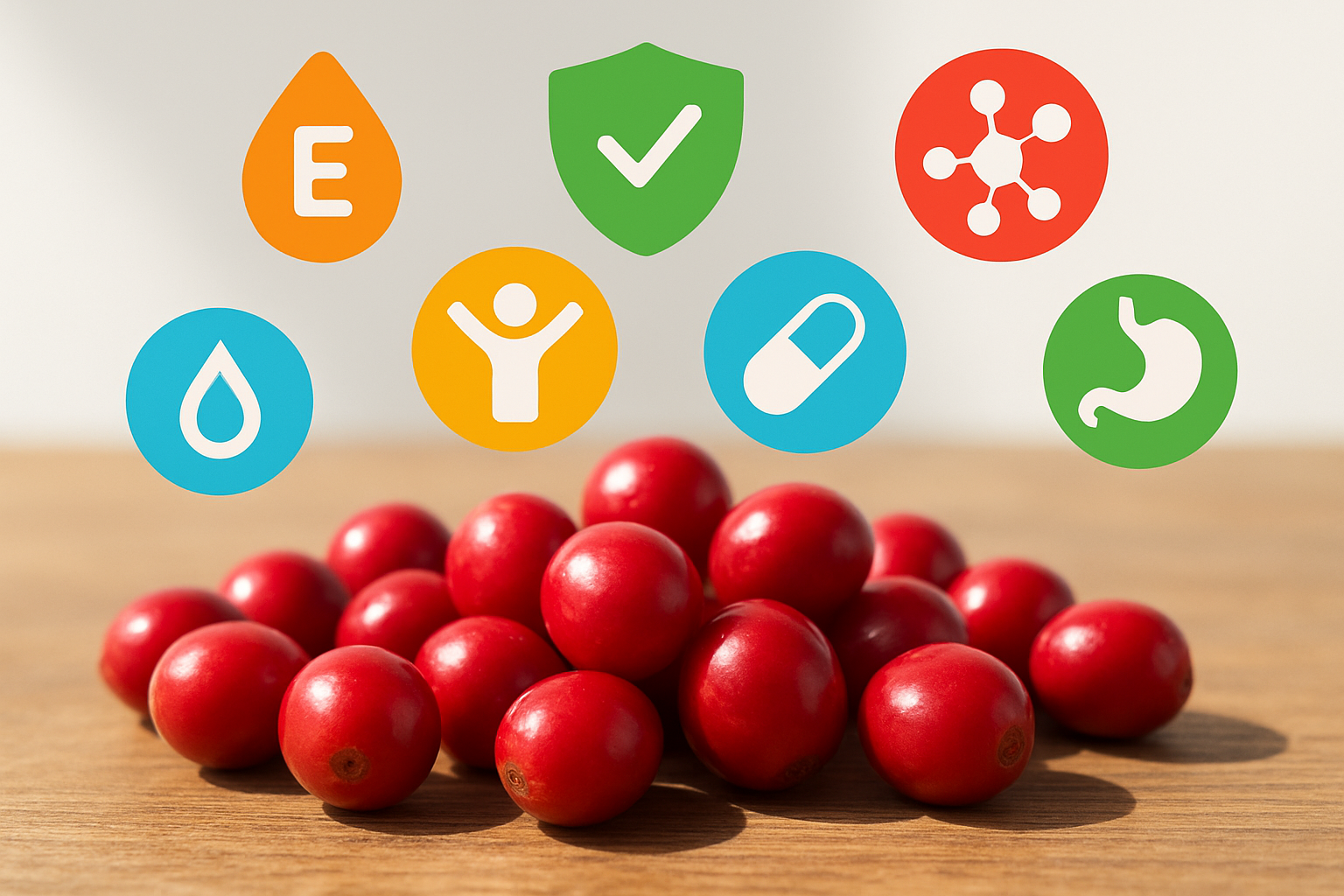
Uncover the antioxidant powerhouse properties
Coffee cherry nutrition packs a serious punch when it comes to antioxidants. The fruit surrounding your favorite coffee bean contains significantly higher levels of antioxidants than the bean itself. These powerful compounds, including chlorogenic acids, anthocyanins, and procyanidins, work together to combat oxidative stress in your body.
The deep red color of ripe coffee berry comes from anthocyanins, the same compounds that give blueberries and pomegranates their vibrant hues. These antioxidants help protect your cells from damage caused by free radicals. Chlorogenic acids, found in abundance throughout the coffee cherry fruit, have shown promising results in supporting healthy blood sugar levels and cardiovascular function.
Research indicates that coffee cherry extract contains up to 25% more antioxidants than green tea and rivals the antioxidant capacity of acai berries. The ORAC (Oxygen Radical Absorbance Capacity) value of coffee cherries measures around 25,000 per 100 grams, placing it firmly in the superfruit category.
Compare vitamin and mineral content to other superfruits
Coffee cherry benefits extend beyond antioxidants to include an impressive vitamin and mineral profile. Here's how coffee cherries stack up against popular superfruits:
| Nutrient | Coffee Cherry | Goji Berry | Acai Berry | Blueberry |
|---|---|---|---|---|
| Vitamin C (mg/100g) | 20-30 | 48 | 15 | 10 |
| Potassium (mg/100g) | 600-800 | 1,132 | 319 | 77 |
| Magnesium (mg/100g) | 45-60 | 109 | 44 | 6 |
| Iron (mg/100g) | 2-3 | 6.8 | 4.4 | 0.3 |
Coffee cherries deliver substantial amounts of potassium, which supports heart health and muscle function. The magnesium content helps with bone health and energy metabolism. While coffee cherries may not top every category, their balanced nutrient profile combined with exceptional antioxidant levels makes them a formidable superfruit contender.
Understand the caffeine content in cherry flesh
The flesh of the coffee cherry fruit contains surprisingly little caffeine compared to the bean inside. Most coffee cherries have only 12-25% of the caffeine found in coffee beans. This means you get about 15-25mg of caffeine per serving of coffee cherry pulp, roughly equivalent to a cup of green tea.
This lower caffeine content makes coffee cherry products appealing for people who want some energy boost without the jitters. The caffeine in cherry flesh also absorbs differently than coffee bean caffeine, providing a gentler, more sustained energy release rather than a sharp spike and crash.
Fresh coffee cherry pulp tastes sweet and fruity, with notes ranging from honey and brown sugar to cherry and grape flavors. The mild caffeine content allows you to enjoy these flavors without overwhelming stimulation.
Explore potential health benefits for your body
Coffee cherry benefits for your health go well beyond basic nutrition. Studies suggest that regular consumption of coffee cherry extract may support brain health through its high antioxidant content. The neuroprotective properties of coffee cherry compounds could help maintain cognitive function as you age.
The anti-inflammatory properties of coffee cherries may help reduce muscle soreness after exercise. Some athletes use coffee fruit extract as a natural recovery aid because of these inflammation-fighting compounds.
Coffee cherry consumption has also been linked to improved mood and mental clarity. The combination of natural sugars, mild caffeine, and antioxidants creates a unique profile that may support sustained mental energy without the crash associated with higher caffeine sources.
Blood sugar support represents another potential benefit. The chlorogenic acids in coffee cherries may help slow glucose absorption, supporting healthy blood sugar levels when consumed as part of a balanced diet.
Early research suggests coffee cherry extract might support healthy aging through its potent antioxidant activity. While more human studies are needed, the initial findings look promising for this often-overlooked superfruit.
Coffee Cherry Processing Methods That Impact Flavor
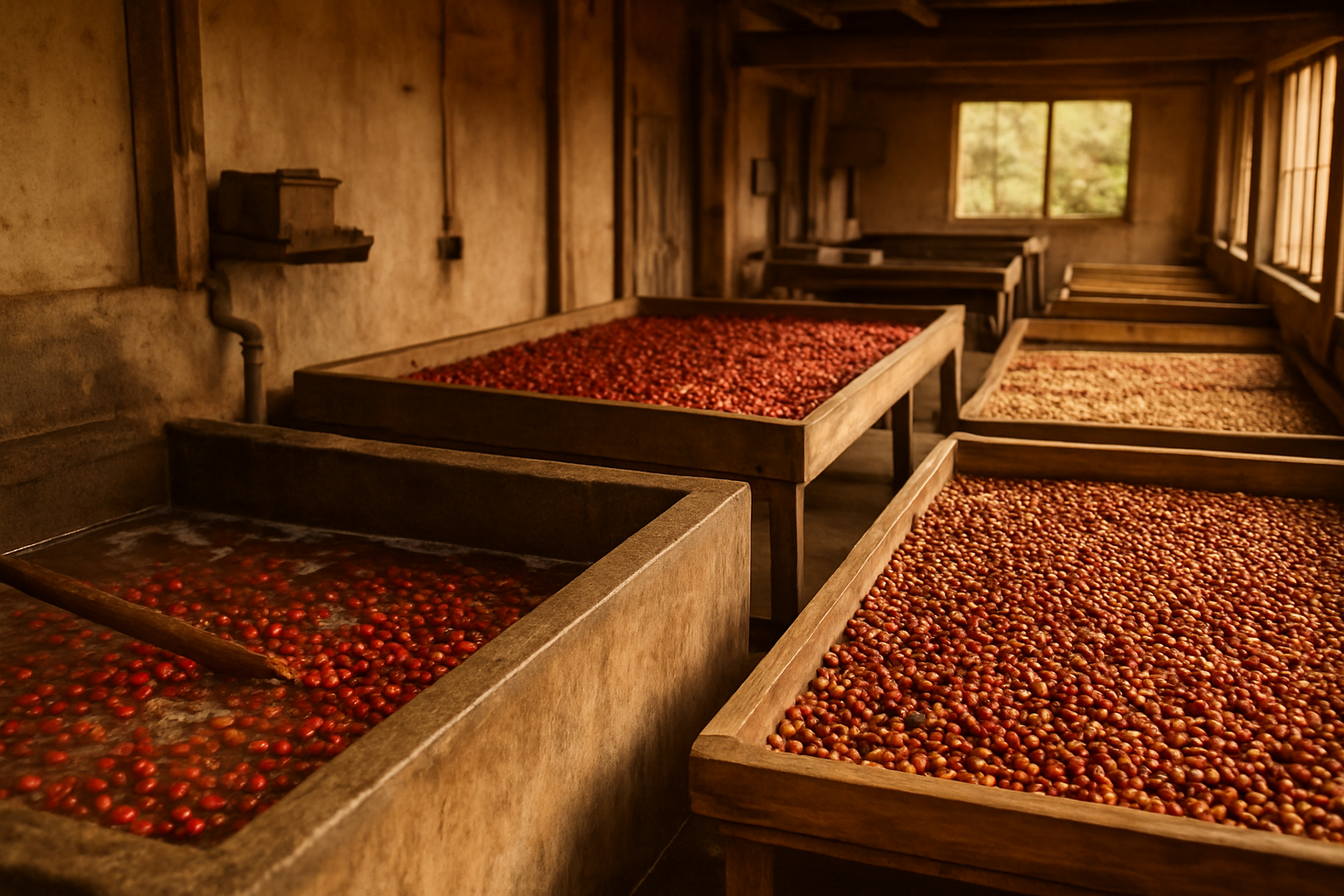
Master the washed processing technique effects
The washed method strips away the coffee cherry fruit flesh before drying, creating a clean slate that highlights the bean's intrinsic characteristics. This coffee cherry processing technique involves removing the outer skin and most of the mucilage through fermentation and washing, which dramatically reduces the fruit's influence on the final cup.
When processors choose the washed method, they're prioritizing clarity and brightness in flavor. The coffee cherry fruit contributes minimal sweetness or funkiness to the beans since most of the fruity matter gets removed early in the process. This results in coffees with crisp acidity, pronounced origin characteristics, and clean finish that coffee professionals often describe as "transparent."
The fermentation stage plays a crucial role here - typically lasting 12-48 hours depending on temperature and altitude. During this time, naturally occurring enzymes break down the remaining mucilage, but the controlled environment prevents unwanted flavors from developing. The beans then get thoroughly washed and dried on patios or raised beds.
Washed coffees tend to showcase terroir more effectively than other processing methods because the coffee berry fruit influence stays minimal. You'll taste more of what the soil, climate, and varietal bring to the table rather than processing-induced flavors. This makes washed processing the go-to choice for specialty coffee producers who want their specific growing conditions to shine through.
Discover natural processing and fruit influence
Natural processing takes the opposite approach - the entire coffee cherry fruit stays intact during the drying phase, creating an intense flavor exchange between fruit and bean. This ancient method lets the cherry's sugars, acids, and aromatic compounds slowly penetrate the bean over several weeks of careful drying.
The coffee cherry acts like a flavor envelope, wrapping the beans in concentrated fruit essence. As moisture slowly evaporates from the cherry, the fruit's natural sugars become more concentrated and migrate toward the bean. This creates coffees with pronounced fruitiness, wine-like qualities, and often a heavier body that feels almost syrupy.
Natural processing requires perfect weather conditions and meticulous attention. The cherries get spread on drying beds and turned regularly to prevent mold or over-fermentation. Temperature and humidity must stay within specific ranges, making this method particularly challenging in humid climates.
The result showcases the coffee cherry fruit at its most expressive. Expect flavors ranging from blueberry and strawberry to tropical fruits like mango and passion fruit. These aren't added flavors - they're natural compounds from the cherry that have infused into the bean during the extended contact time. The sweetness level also increases significantly compared to washed coffees.
Learn about honey processing and sweetness retention
Honey processing splits the difference between washed and natural methods, removing the skin but leaving varying amounts of mucilage attached to the bean during drying. This coffee cherry processing technique gets its name from the sticky, honey-like mucilage that coats the beans, not from actual honey.
The mucilage layer contains concentrated sugars and acids from the coffee cherry fruit, and controlling how much remains determines the final flavor profile. White honey processing removes most mucilage for subtle sweetness, while black honey processing leaves almost all of it for intense fruit character.
| Processing Level | Mucilage Remaining | Drying Time | Sweetness Level |
|---|---|---|---|
| White Honey | 10-25% | 8-10 days | Light |
| Yellow Honey | 25-50% | 10-12 days | Medium |
| Red Honey | 50-75% | 12-14 days | High |
| Black Honey | 75-100% | 14-18 days | Intense |
The sugars in the mucilage caramelize during drying, creating complex sweetness that tastes different from natural processing. Instead of bright fruit flavors, honey processing typically produces brown sugar, caramel, and chocolate notes with a rounded mouthfeel.
This method requires careful monitoring since the sticky mucilage attracts moisture and can lead to uneven drying. Producers must turn the beans frequently and control airflow to achieve consistent results. The payoff is coffee cherry sweetness without the sometimes overwhelming fruit flavors of natural processing.
Commercial Uses and Products from Coffee Cherries
Explore coffee cherry tea and cascara beverages
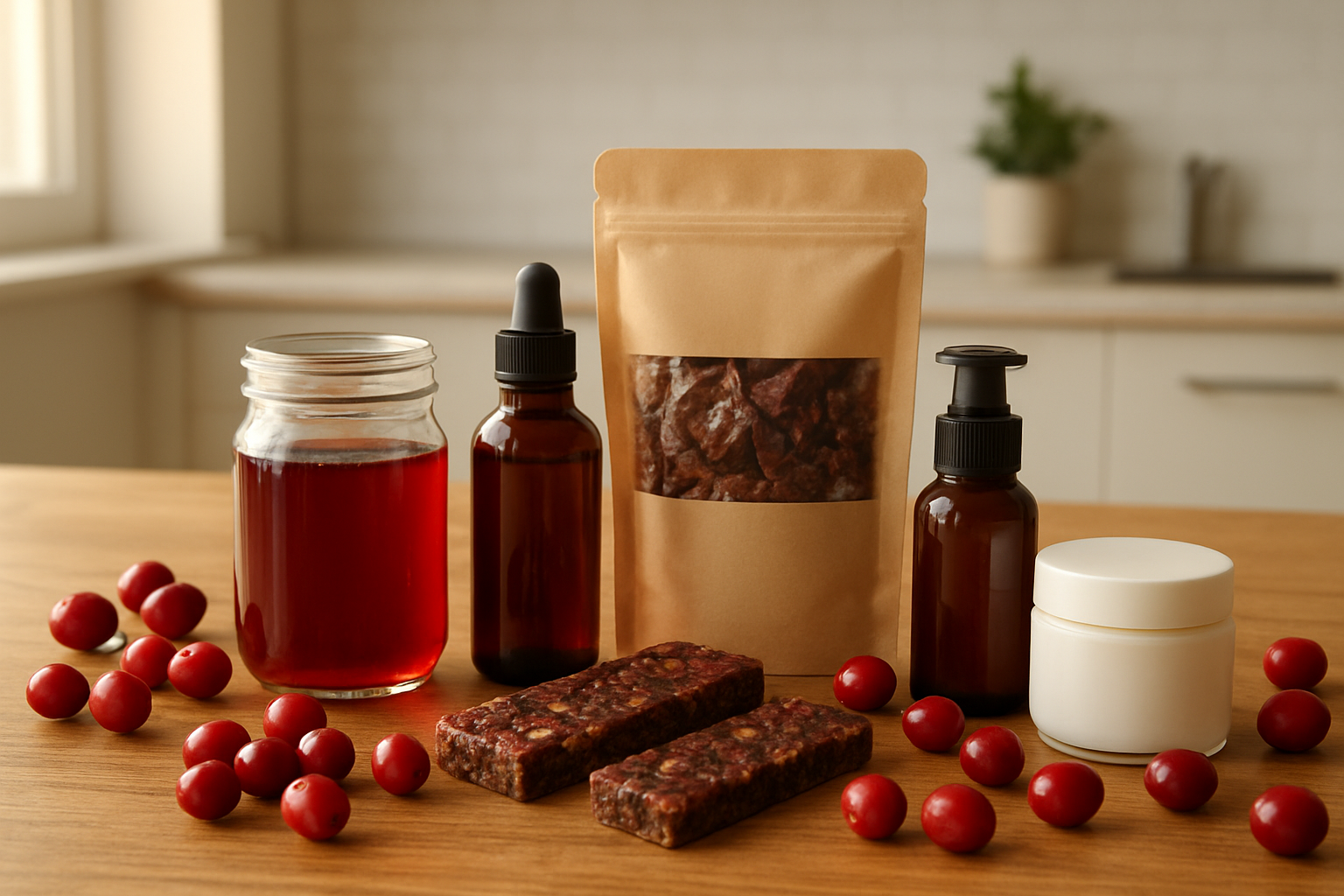
Coffee cherry tea, commonly known as cascara, has gained serious traction among specialty beverage enthusiasts. Made from dried coffee cherry fruit skins, cascara delivers a unique flavor profile that's part fruity tea, part mild coffee. The taste resembles cherry-flavored honey with subtle notes of brown sugar and molasses.
Cascara preparation varies across different coffee-producing regions. In Yemen, farmers traditionally brewed qishr using dried coffee cherry husks, cinnamon, and ginger. Ethiopian cascara tends to be lighter and more floral, while Central American versions often have deeper, more caramelized flavors. These coffee cherry products are now appearing in trendy cafes worldwide, served hot or cold, sometimes mixed with sparkling water for a refreshing twist.
The beverage contains less caffeine than regular coffee but more antioxidants than many traditional teas. Coffee shops are experimenting with cascara in cocktails, kombuchas, and even as a simple syrup for desserts.
Discover skincare products using cherry extracts
Coffee fruit extract has become a powerhouse ingredient in premium skincare formulations. The extract contains high concentrations of antioxidants, particularly chlorogenic acids and anthocyanins, which help protect skin from environmental damage and signs of aging.
Beauty brands are incorporating coffee cherry benefits into serums, moisturizers, and eye creams. The extract works by neutralizing free radicals and supporting collagen production. Some products combine coffee berry extract with other natural ingredients like vitamin C or hyaluronic acid for enhanced skin rejuvenation.
DIY skincare enthusiasts create face masks using ground coffee cherry pulp mixed with honey or yogurt. The natural fruit acids provide gentle exfoliation while delivering nutrients directly to the skin. Coffee cherry anatomy makes the fruit particularly rich in vitamins A and E, essential for healthy skin maintenance.
Learn about coffee cherry flour and food applications
Coffee cherry flour represents an innovative use of the entire coffee fruit. This gluten-free flour substitute gets produced by drying and grinding the coffee cherry fruit after removing the beans. The resulting powder has a slightly sweet, nutty flavor with hints of chocolate.
Bakers are experimenting with coffee cherry flour in muffins, pancakes, and energy bars. The flour adds natural sweetness and reduces the need for additional sugar in recipes. It works particularly well in chocolate-based desserts where its subtle coffee notes complement the main flavors.
The flour contains significant amounts of fiber, protein, and potassium. Food manufacturers are exploring its potential in protein bars, breakfast cereals, and even smoothie powders. Some artisanal chocolate makers incorporate coffee cherry flour into their premium bars, creating complex flavor profiles that showcase the entire coffee fruit.
Understand sustainability benefits of whole fruit utilization
Using the complete coffee cherry fruit addresses major environmental concerns in coffee production. Traditional coffee processing typically discards up to 40% of the cherry, creating substantial organic waste that can pollute waterways and soil.
Whole fruit utilization transforms this waste stream into valuable revenue sources for farmers. Coffee cherry processing for products like cascara, flour, and extracts can increase farm income by 10-15% without requiring additional land or resources. This economic incentive encourages more sustainable farming practices.
The approach reduces water usage in coffee processing since less washing is needed when the entire fruit gets utilized. Some farms use coffee cherry pulp as organic compost, returning nutrients to the soil and reducing dependence on chemical fertilizers.
Consumer demand for these coffee cherry products creates market incentives for sustainable practices. When coffee shops serve cascara or consumers buy skincare products with coffee fruit extract, they're directly supporting farms that practice whole fruit utilization.
Growing Conditions That Produce Quality Coffee Cherries
Optimal Climate Requirements for Cherry Development
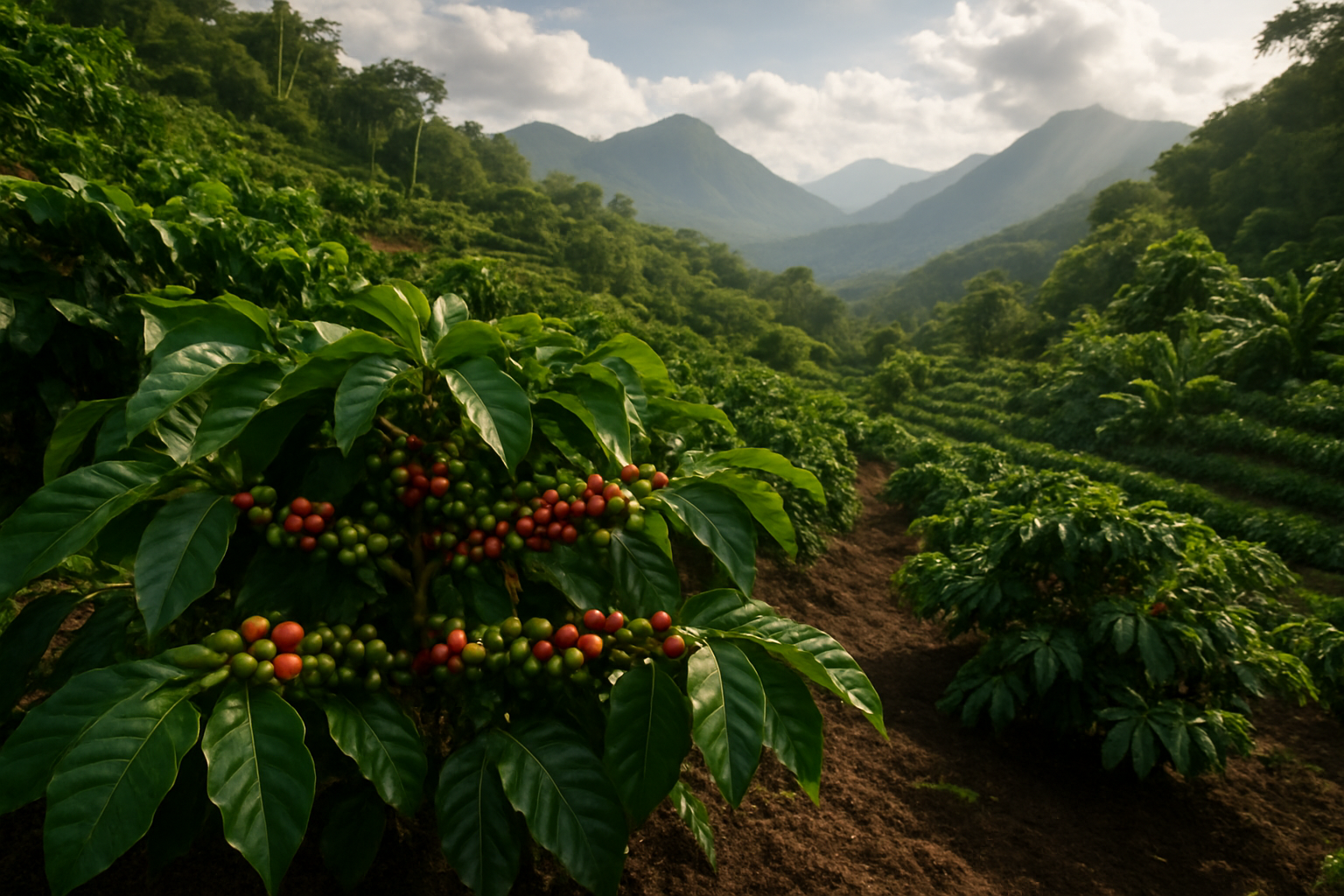
Coffee cherry fruit thrives in specific climate conditions that directly impact the quality and flavor profile of the final product. The ideal temperature range sits between 60-70°F (15-24°C), with minimal fluctuation throughout the growing season. Coffee plants struggle in extreme temperatures - anything below 32°F (0°C) or above 85°F (29°C) can damage the delicate coffee berry development process.
Rainfall patterns play a crucial role in coffee cherry quality. Most premium coffee regions receive 40-70 inches of annual rainfall, distributed across distinct wet and dry seasons. The wet season supports flowering and initial fruit development, while the dry season allows cherries to ripen properly and concentrate their sugars.
Altitude significantly affects coffee cherry characteristics. Higher elevations between 3,000-6,000 feet create cooler temperatures and slower cherry maturation, resulting in denser beans with more complex flavors. The reduced oxygen levels at altitude also stress the plants in beneficial ways, encouraging the production of protective compounds that enhance the coffee cherry's nutritional profile.
Humidity levels between 60-70% provide the sweet spot for healthy coffee cherry development. Lower humidity can cause premature dropping of young cherries, while excessive moisture promotes fungal diseases that compromise fruit quality.
Soil Conditions That Enhance Fruit Quality
Rich, well-draining volcanic soil represents the gold standard for coffee cherry production. These soils naturally contain essential minerals like potassium, phosphorus, and magnesium that directly influence the coffee berry's flavor development and nutritional content.
The ideal pH range falls between 6.0-6.5, slightly acidic conditions that allow coffee plants to absorb nutrients efficiently. Soils outside this range can lock up essential minerals, leading to poor coffee cherry development and reduced yields.
Soil depth matters tremendously for quality coffee cherry fruit production. Coffee plants develop extensive root systems that can reach 6-8 feet deep when conditions allow. Shallow soils force roots to spread horizontally, making plants more susceptible to drought stress and limiting their ability to access deep mineral deposits.
Organic matter content should comprise 3-4% of the soil composition. This organic material improves water retention, provides slow-release nutrients, and supports beneficial microorganisms that help coffee plants resist diseases. Many specialty coffee farms achieve this through composting coffee pulp and other organic materials.
Proper drainage prevents waterlogged conditions that can cause root rot and poor cherry development. Coffee plants need consistent moisture but cannot tolerate standing water around their root zones.
Harvesting Timing for Peak Cherry Ripeness
Recognizing optimal ripeness in coffee cherries requires understanding the visual and tactile cues that indicate peak quality. Fully ripe coffee cherry fruit displays a deep red color, similar to a cranberry, with a glossy skin that yields slightly to gentle pressure. Underripe cherries appear green or yellowish, while overripe fruits turn dark purple or black.
The coffee cherry processing method depends heavily on harvest timing. For wet processing, cherries must be picked at peak ripeness within 24 hours to prevent fermentation from starting prematurely. Dry processing allows for slightly more flexibility, but still requires careful timing to avoid over-fermentation.
Peak harvest seasons vary by hemisphere and specific location. Northern hemisphere coffee regions typically harvest between September and March, while southern hemisphere areas harvest from April through September. Within these windows, individual coffee farms may have harvest periods lasting 2-6 months, depending on the variety and local conditions.
Hand-picking remains the preferred method for specialty coffee cherry fruit because it allows for selective harvesting of only the ripest cherries. Strip-picking methods, while more efficient, often include cherries at various stages of ripeness, reducing overall quality.
Storage after harvest becomes critical for maintaining coffee cherry benefits. Ripe cherries begin deteriorating within hours of picking, so immediate processing or proper storage at cool temperatures helps preserve the fruit's natural sugars and prevent unwanted fermentation that can negatively impact flavor.
The coffee cherry proves that there's much more to your daily cup than meets the eye. From its complex botanical structure to its impressive nutritional profile packed with antioxidants and vitamins, this small fruit carries significant value beyond just housing coffee beans. The way these cherries are processed directly shapes the flavor notes you taste in your morning brew, while the specific growing conditions determine whether you're getting premium quality or something ordinary.
What's really exciting is seeing how the coffee industry is finally recognizing the cherry's full potential. Instead of treating it as waste, producers are creating teas, supplements, and skincare products from what was once discarded. Next time you sip your coffee, remember that you're experiencing just one part of an amazing fruit that deserves way more credit than it gets. If you're curious about coffee's origins, try seeking out products made from coffee cherries – you might discover a whole new world of flavors and benefits you never knew existed.


Comments
Post a Comment