Cucumber - What's The Cucumber Fruit?
Many people wonder "what is cucumber" when they see this refreshing green vegetable in the grocery store, but here's the surprising truth: cucumber is actually a fruit. This comprehensive guide is perfect for home gardeners, health-conscious individuals, and cooking enthusiasts who want to understand the cucumber fruit beyond its crisp texture and cooling taste.
We'll explore the fascinating cucumber botanical classification that officially makes this garden staple a fruit rather than a vegetable. You'll discover the impressive cucumber nutritional benefits and cucumber health benefits that make this versatile food a nutritional powerhouse. We'll also cover practical cucumber culinary uses and cucumber preparation methods to help you make the most of this amazing fruit in your kitchen.
Botanical Classification and Scientific Facts About Cucumbers
Understanding the cucumber's true botanical identity as a fruit
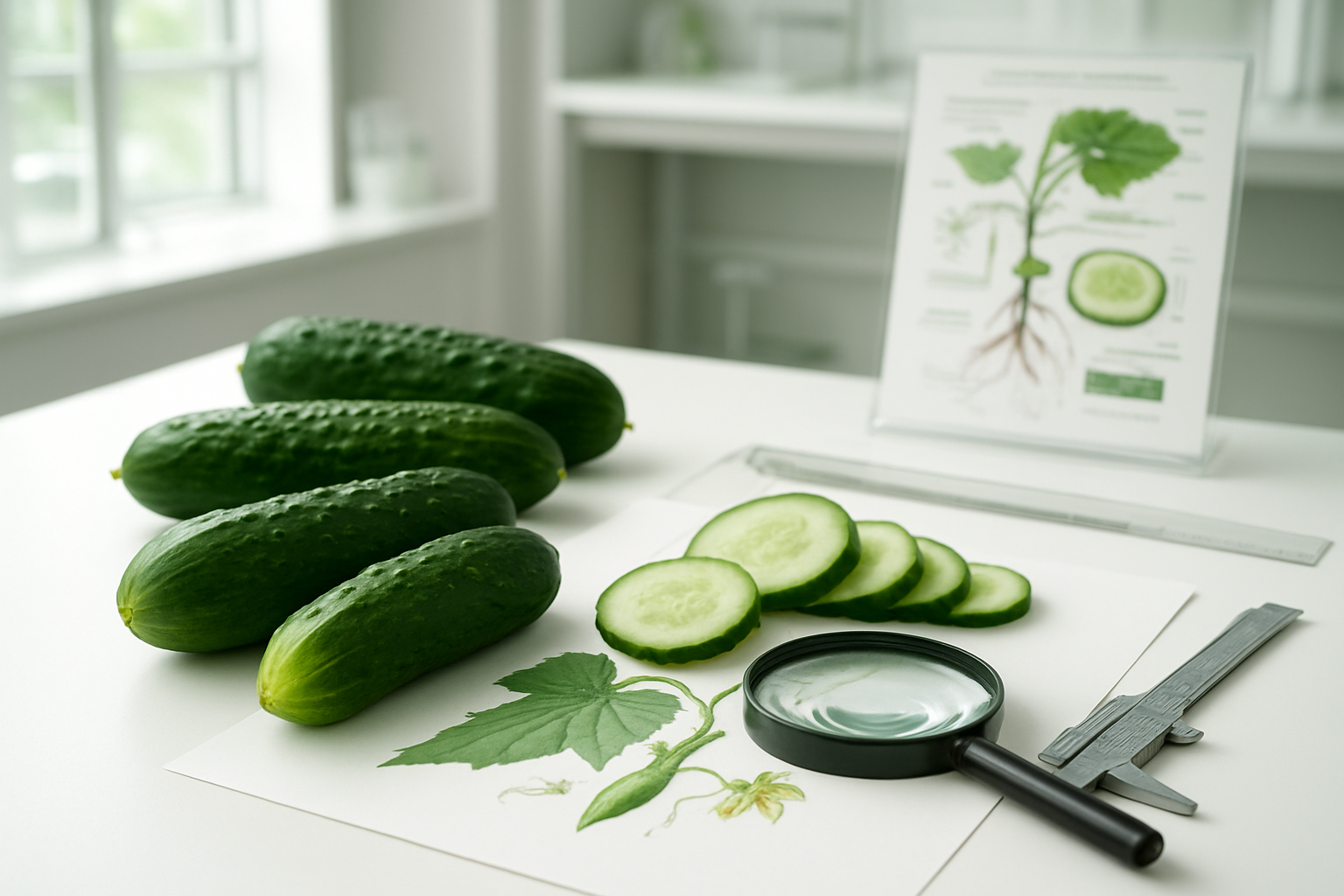
Despite what most people believe, the cucumber fruit is exactly that – a fruit, not a vegetable. This classification comes down to basic botany: cucumbers develop from the flower of the plant and contain seeds, which makes them fruits by scientific definition. The confusion happens because we typically use cucumbers in savory dishes rather than sweet ones, leading many to assume they're vegetables.
The seeds inside cucumbers are the key indicator of their fruit status. Every time you slice a cucumber and see those white, flat seeds running down the center, you're looking at proof of its botanical identity. These seeds can grow into new cucumber plants, fulfilling the primary purpose of any fruit – reproduction and species continuation.
Scientific classification within the Cucurbitaceae family
Cucumber botanical classification places them firmly in the Cucurbitaceae family, commonly known as the gourd family. This family includes other familiar "vegetables" that are actually fruits: melons, squash, pumpkins, and zucchini. The scientific name for cucumber is Cucumis sativus, with "Cucumis" referring to the genus and "sativus" meaning cultivated.
Here's the complete taxonomic breakdown:
| Classification Level | Name |
|---|---|
| Kingdom | Plantae |
| Phylum | Angiosperms |
| Class | Eudicots |
| Order | Cucurbitales |
| Family | Cucurbitaceae |
| Genus | Cucumis |
| Species | C. sativus |
The Cucurbitaceae family shares common characteristics: vining growth habits, large leaves, yellow flowers, and fruits that develop from the flower's ovary. This family relationship explains why cucumbers share similar growing patterns with melons and squash.
Key anatomical features that define cucumber as a fruit
Several anatomical features confirm the cucumber's fruit status. The most obvious is the seed cavity running lengthwise through the center, containing numerous flat, oval seeds embedded in a gel-like substance. This seed arrangement is called a pericarp – the part of the fruit that surrounds and protects the seeds.
Cucumbers also have three distinct layers typical of fruits:
-
Exocarp: The outer skin or rind
-
Mesocarp: The fleshy middle layer we eat
-
Endocarp: The inner layer surrounding the seeds
The cucumber develops from the plant's ovary after pollination occurs. Female cucumber flowers have a small cucumber-shaped structure at their base – this is the ovary that will become the mature fruit. Male flowers provide pollen but don't produce fruit.
Common misconceptions about cucumber's vegetable status
The biggest misconception about what is cucumber stems from culinary tradition rather than botanical science. In cooking, we classify foods based on flavor and use rather than botanical accuracy. Cucumbers taste mild and refreshing, not sweet, so they naturally fit into the vegetable category in our kitchens.
This culinary versus botanical classification confusion affects many foods. Tomatoes, peppers, eggplants, and okra all face the same identity crisis. The famous 1893 Supreme Court case Nix v. Hedden even ruled tomatoes as vegetables for tariff purposes, despite their botanical fruit status.
Another misconception involves the belief that all fruits must be sweet. This simply isn't true – botanical classification depends on plant structure and reproduction, not taste. Many fruits we commonly eat as vegetables include avocados, green beans, and snow peas.
The confusion also comes from how we shop for and store cucumbers. You'll find them in the vegetable section of grocery stores, and they're stored and prepared like vegetables. This practical approach makes sense for cooking purposes, but it doesn't change the scientific reality of their botanical classification.
Nutritional Profile and Health Benefits of Cucumber Fruit
Essential vitamins and minerals found in cucumbers
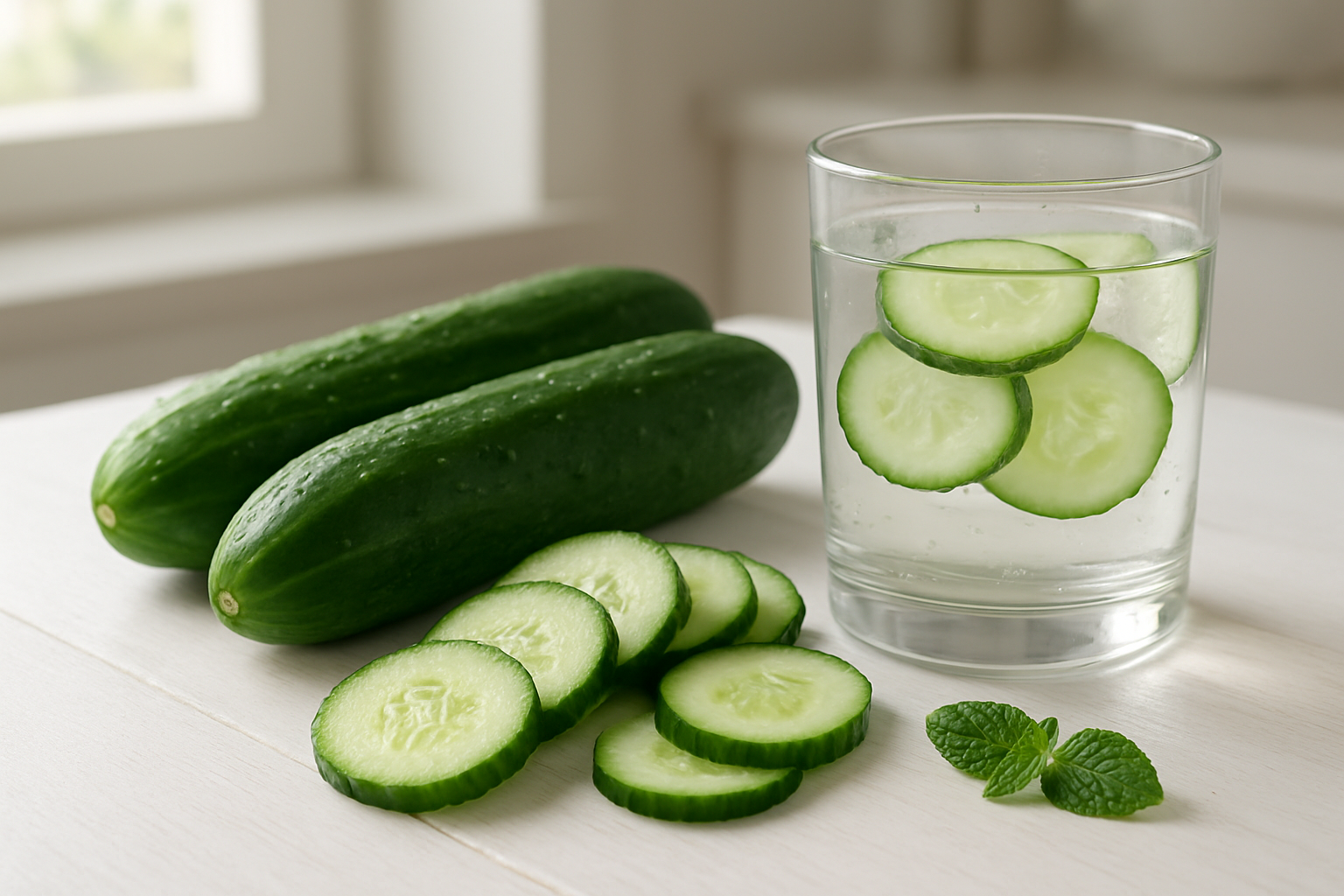
Cucumber fruit packs a surprising amount of nutrition despite its simple appearance. A single cup of sliced cucumber delivers about 16% of your daily vitamin K needs, which plays a key role in bone health and blood clotting. You'll also get a decent dose of vitamin C - around 4% of your daily requirement - supporting immune function and collagen production.
The mineral content includes potassium, which helps regulate blood pressure and muscle function. Magnesium appears in smaller amounts but still contributes to energy metabolism and nerve function. Cucumbers also contain folate, essential for DNA synthesis and red blood cell formation.
| Nutrient | Amount per 100g | % Daily Value |
|---|---|---|
| Vitamin K | 16.4 mcg | 16% |
| Vitamin C | 2.8 mg | 4% |
| Potassium | 147 mg | 4% |
| Magnesium | 13 mg | 3% |
Hydration benefits and water content advantages
Water makes up about 96% of a cucumber's weight, making it one of the most hydrating foods available. This high water content means every bite helps maintain your body's fluid balance, especially during hot weather or after exercise.
The cucumber fruit acts like nature's sports drink, providing electrolytes along with water. Unlike many beverages, cucumbers deliver hydration without added sugars or artificial ingredients. This natural hydration source supports kidney function, helps maintain healthy skin, and can even reduce headaches caused by mild dehydration.
Low-calorie properties for weight management
A whole cucumber contains only about 45 calories, making it perfect for weight management. The high water and fiber content create a feeling of fullness without adding significant calories to your daily intake.
Cucumber nutritional benefits extend to appetite control. The combination of water and fiber slows digestion, helping you feel satisfied longer. This makes cucumbers excellent for snacking or adding bulk to meals without deriving calories from less nutritious sources.
Antioxidant compounds and their health impacts
Cucumbers contain several antioxidant compounds, including beta-carotene, flavonoids, and tannins. These substances help protect cells from damage caused by free radicals, potentially reducing inflammation and supporting overall health.
The peel contains the highest concentration of antioxidants, so eating cucumbers unpeeled maximizes these benefits. Cucurbitacins, unique compounds found in cucumber plants, show promise in laboratory studies for their anti-inflammatory properties.
Skin and beauty benefits from cucumber consumption
The silica in cucumbers supports healthy skin, hair, and nails by promoting collagen production. Regular consumption can contribute to skin elasticity and hydration from within.
Cucumber health benefits for skin go beyond topical applications. The high water content helps maintain skin moisture, while vitamin C supports collagen synthesis. The anti-inflammatory compounds may help reduce skin irritation and promote a clearer complexion.
Culinary Applications and Preparation Methods
Traditional uses in salads and fresh preparations
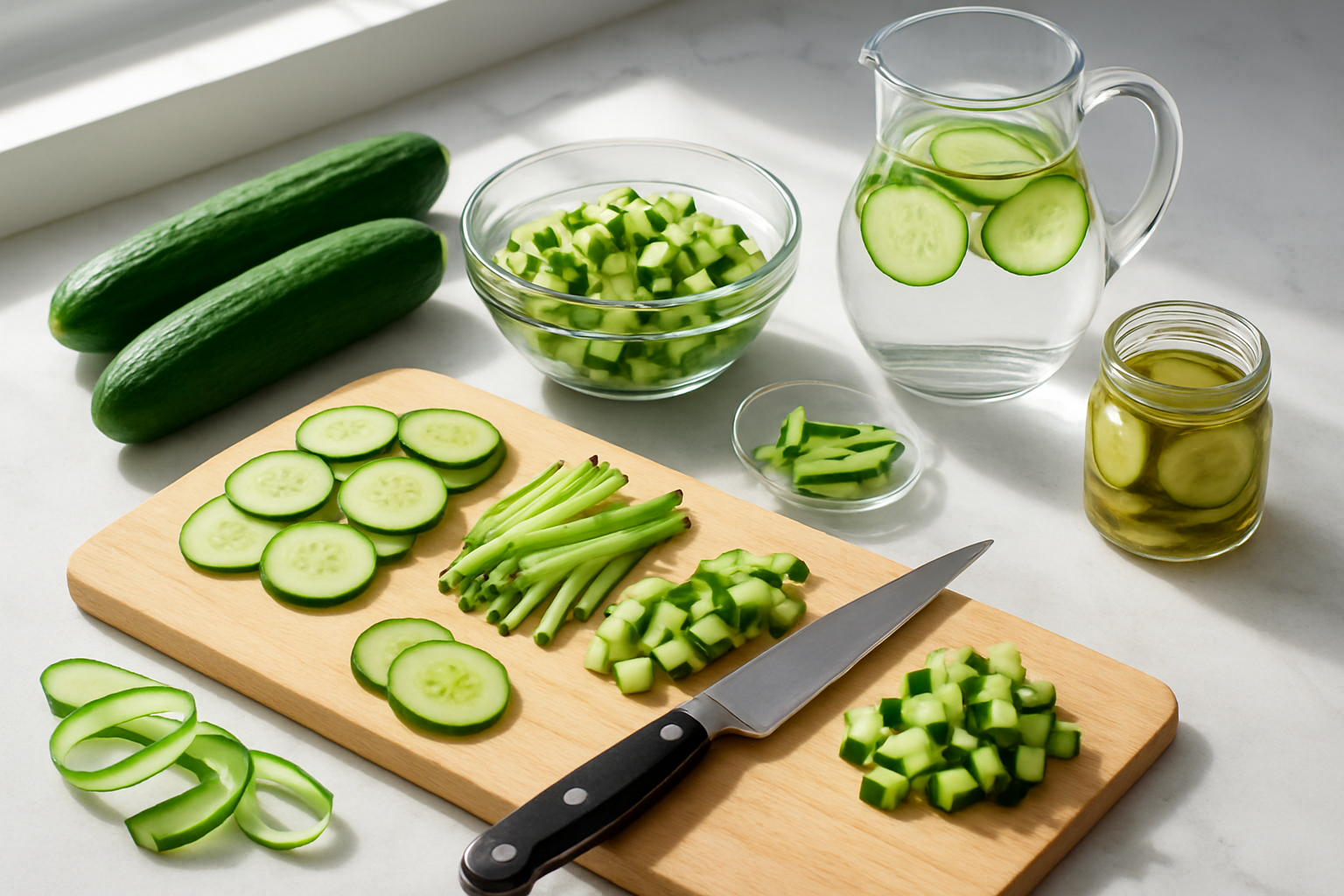
The crisp texture and mild flavor of cucumber fruit make it perfect for fresh preparations. Raw cucumbers shine in garden salads, where their high water content adds refreshing crunch alongside leafy greens and other vegetables. Greek salads wouldn't be complete without thick cucumber slices, while Asian cuisines feature thinly julienned cucumber in cold noodle dishes and spring rolls.
For optimal cucumber preparation methods, always wash the skin thoroughly and consider whether to peel based on variety and personal preference. English cucumbers have tender skins that rarely need peeling, while standard cucumbers benefit from partial peeling in decorative strips. Salting sliced cucumbers for 15-20 minutes draws out excess moisture, preventing soggy salads while concentrating flavor.
Fresh cucumber preparations extend beyond simple slicing. Ribbon cuts created with a vegetable peeler work beautifully in elegant salads, while spiralized cucumber creates pasta alternatives. Cucumber gazpacho showcases the fruit's cooling properties, blending it with herbs and other vegetables for refreshing summer soups.
Pickling techniques and preservation methods
Pickling transforms cucumber fruit into tangy, shelf-stable delicacies that have been enjoyed across cultures for centuries. The pickle-making process relies on acidic brines that preserve the cucumber while developing complex flavors. Quick pickles, ready within hours, use vinegar-based solutions for immediate gratification, while fermented pickles develop deeper flavors through beneficial bacteria over weeks or months.
Different cucumber varieties suit specific pickling methods. Kirby cucumbers, with their bumpy skin and dense flesh, excel in traditional dill pickles. Persian cucumbers work well for quick refrigerator pickles, while smaller varieties like gherkins create delicate cornichons.
| Pickling Method | Time Required | Key Ingredients | Best Cucumber Types |
|---|---|---|---|
| Quick Pickles | 2-24 hours | Vinegar, salt, sugar | Any fresh variety |
| Fermented Pickles | 1-4 weeks | Salt brine only | Dense varieties like Kirby |
| Refrigerator Pickles | 24-48 hours | Vinegar, herbs, spices | English or Persian |
Basic pickling brine combines equal parts water and vinegar with salt and sugar to taste. Spices like dill seed, mustard seed, and peppercorns add complexity, while garlic and onion provide aromatic depth.
Cooking applications that highlight fruit characteristics
While cucumber culinary uses typically focus on raw preparations, cooking applications can highlight unique aspects of this versatile fruit. Light cooking methods preserve cucumber's high water content while concentrating flavors. Sautéed cucumber develops subtle sweetness, making it an unexpected side dish that pairs well with fish and poultry.
Grilling cucumber creates smoky complexity while maintaining structural integrity. Cut lengthwise into planks, grilled cucumber develops beautiful char marks and concentrated flavor that works in warm salads or as a unique garnish. The fruit's natural sugars caramelize slightly, creating interesting textural contrasts.
Cucumber soups, both hot and cold, demonstrate the fruit's versatility. Cold cucumber soups blend raw cucumber with yogurt or buttermilk for refreshing summer dishes. Hot preparations might include cucumber in light broths with herbs, where gentle simmering releases the fruit's subtle flavors without overwhelming delicate textures.
Stuffed cucumber preparations hollow out large specimens to create edible containers for grain salads or seafood mixtures. This technique showcases cucumber's structural capabilities while incorporating its mild flavor into more complex dishes. The key to successful cooked cucumber lies in minimal heat exposure and careful timing to prevent mushiness while developing new flavor dimensions.
Growing and Harvesting Cucumber Plants
Optimal growing conditions for maximum fruit production
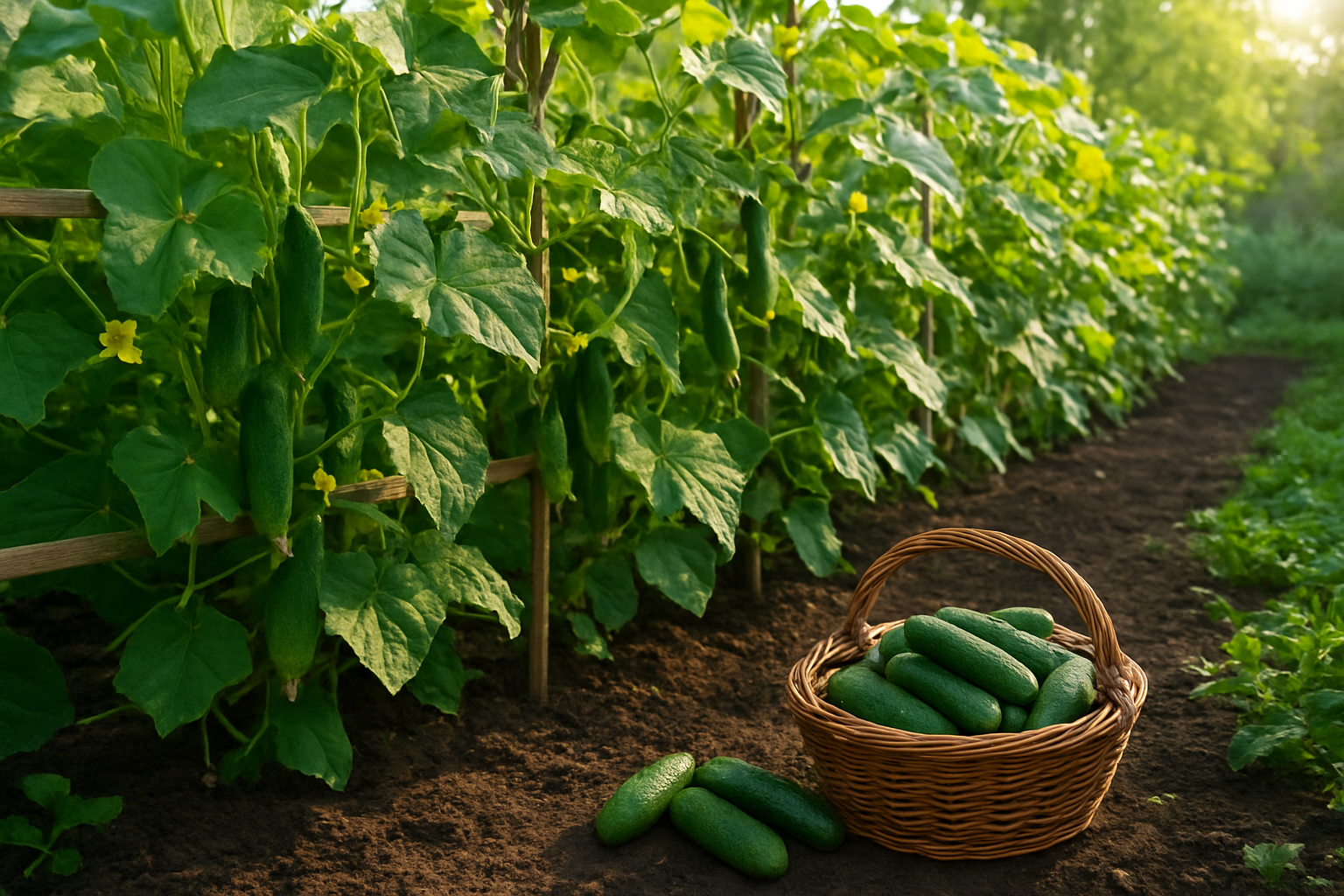
Cucumber plants thrive in warm, humid environments with temperatures between 65-75°F (18-24°C). These heat-loving plants need full sun exposure for at least 6-8 hours daily to produce abundant cucumber fruit. Well-draining, fertile soil with a pH between 6.0-7.0 creates the perfect foundation for healthy cucumber plant growing.
Consistent moisture is crucial for cucumber development. The soil should remain evenly moist but never waterlogged, as soggy conditions lead to root rot and poor fruit quality. Installing a drip irrigation system or soaker hoses helps maintain steady moisture levels while keeping water off the leaves, reducing disease risks.
Space plays a vital role in cucumber production. Bush varieties need 2-3 feet between plants, while vining types require 4-6 feet spacing or vertical support systems. Proper air circulation prevents fungal diseases and promotes healthy growth. Adding 2-4 inches of compost or aged manure to the planting area boosts soil fertility and improves water retention.
Seasonal planting guidelines for best results
Timing your cucumber planting makes all the difference in harvest success. Start seeds indoors 2-3 weeks before the last frost date in your area, or direct sow seeds outdoors once soil temperatures consistently reach 60°F (15°C).
| Planting Method | Timing | Soil Temperature | Expected Harvest |
|---|---|---|---|
| Indoor starts | 2-3 weeks before last frost | 70°F+ | 10-12 weeks |
| Direct sowing | After last frost | 60°F+ | 8-10 weeks |
| Succession planting | Every 2-3 weeks | 60°F+ | Continuous harvest |
For extended harvests, plant new cucumber seeds every 2-3 weeks throughout the growing season. Stop planting about 10 weeks before your first expected fall frost to ensure fruits have time to mature. In hot climates, avoid planting during peak summer heat as extreme temperatures above 90°F (32°C) stress plants and reduce fruit set.
Harvesting techniques to preserve fruit quality
Harvest cucumbers when they reach their ideal size but before seeds fully develop. Most slicing varieties should be picked at 6-8 inches long, while pickling types are best at 2-4 inches. The skin should be bright green with a firm texture - yellowing indicates overripeness.
Check plants daily during peak season as cucumbers grow rapidly. Use clean, sharp garden shears or a knife to cut the stem about 1/4 inch above the cucumber fruit. Pulling or twisting can damage the vine and reduce future production. Harvest early in the morning when temperatures are cool and fruits contain maximum moisture.
Regular picking encourages continued production. Leaving overripe cucumbers on the vine signals the plant to stop producing new fruit. Even if you can't use all your harvest immediately, remove mature cucumbers to keep plants productive throughout the season.
Storage methods to maintain freshness and flavor
Fresh cucumbers maintain peak quality for 7-10 days when stored properly. Place unwashed cucumbers in the refrigerator crisper drawer, ideally in perforated plastic bags to maintain humidity while allowing air circulation. Avoid storing near ethylene-producing fruits like tomatoes, melons, or bananas, which cause cucumbers to yellow and deteriorate quickly.
Temperature control is key for cucumber storage. Keep refrigerated cucumbers between 45-50°F (7-10°C). Lower temperatures cause chilling injury, creating pitted, water-soaked areas on the skin. Room temperature storage works for 2-3 days but cucumbers quickly become soft and bitter.
For longer preservation, consider pickling, freezing for smoothies, or dehydrating. Fresh cucumber slices can be frozen for up to 6 months when blanched briefly and stored in airtight containers. While frozen cucumbers lose their crisp texture, they work perfectly in cooked dishes, soups, or blended drinks.
Popular Cucumber Varieties and Their Unique Characteristics
Slicing Cucumbers and Their Distinctive Features
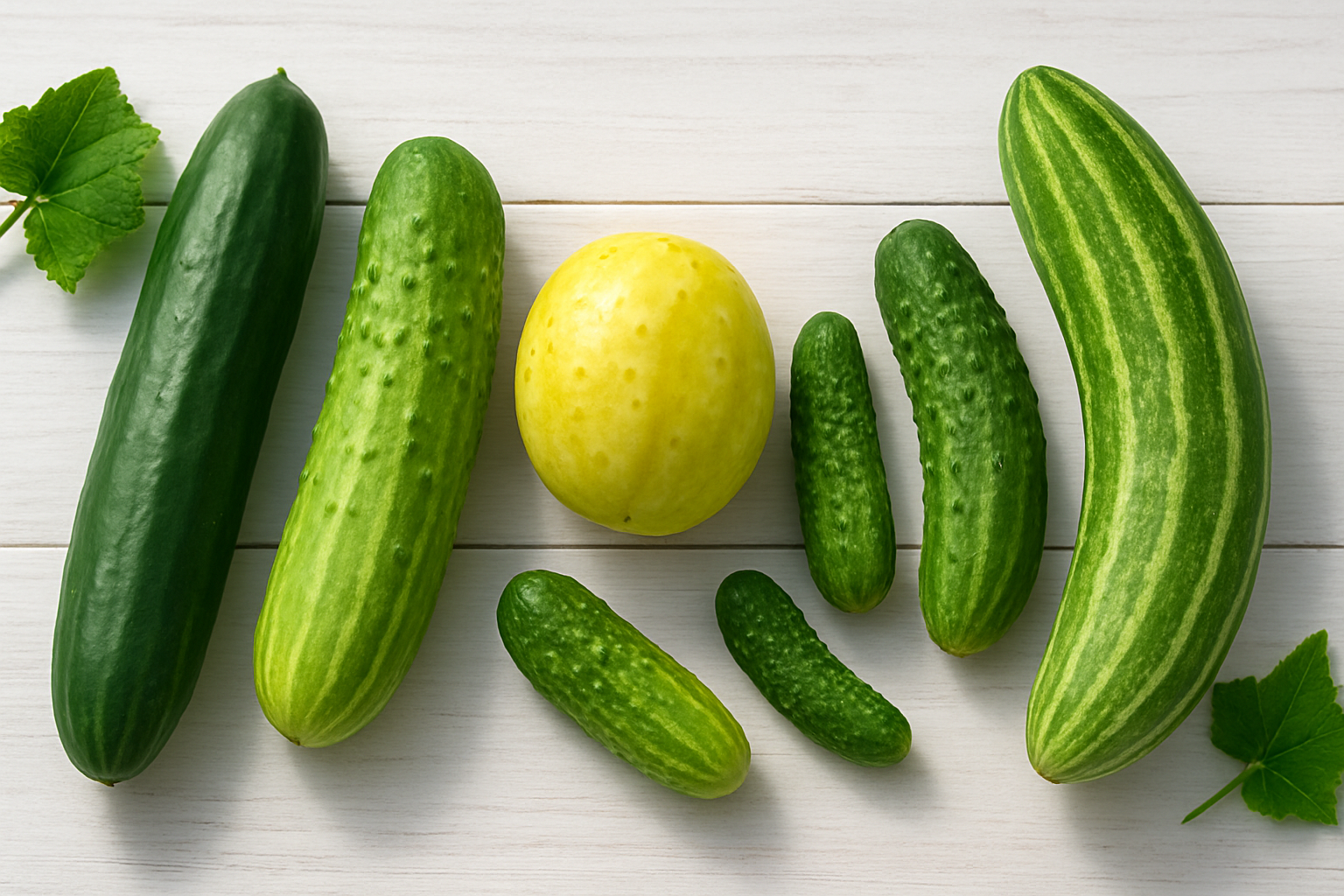
Slicing cucumbers are the thick, dark green varieties you'll find in most grocery stores. These cucumber varieties are bred specifically for fresh eating, with smooth skins and crisp, juicy flesh that makes them perfect for salads and sandwiches. The most common type is the American slicing cucumber, which typically grows 6-8 inches long with a uniform cylindrical shape.
English cucumbers, also called European or hothouse cucumbers, stand out with their extra-long size and thin, tender skin that doesn't need peeling. These greenhouse-grown cucumbers can reach 12-20 inches in length and have fewer seeds than their American cousins. Their mild flavor and crisp texture make them ideal for Mediterranean dishes and elegant appetizers.
Armenian cucumbers, despite their name, are actually a type of melon but taste just like traditional cucumbers. These pale green, ribbed fruits can grow up to 3 feet long and have a sweet, refreshing flavor with zero bitterness. They're excellent for slicing and stay crisp even when cut into thin rounds.
Japanese cucumbers are slender, bumpy-skinned varieties that pack incredible crunch and flavor. These cucumber varieties are typically harvested young when they're 4-6 inches long, making them perfect for sushi rolls and Asian salads.
Pickling Varieties and Specialized Uses
Pickling cucumbers are completely different beasts from their slicing counterparts. These compact, blocky varieties are specifically bred to maintain their crunch and absorb flavors when preserved in brine. National Pickling cucumbers are the gold standard, growing 3-5 inches long with bumpy, thick skins that help the pickling liquid penetrate the flesh.
Boston Pickling cucumbers are smaller, more uniform varieties that work perfectly for gherkin-style pickles. These cucumber varieties produce heavy yields of 2-4 inch fruits that maintain their crisp texture even after months in jars. Their concentrated flavor makes them ideal for bread-and-butter pickles and sweet relishes.
Calypso cucumbers are dual-purpose varieties that work well for both fresh eating and pickling. These compact plants produce 4-6 inch fruits with excellent disease resistance, making them perfect for home gardeners who want versatility in their cucumber plant growing efforts.
The key difference between pickling and slicing varieties lies in their flesh density and seed cavity size. Pickling types have firmer flesh with smaller seed cavities, which prevents them from becoming mushy during the fermentation process.
Specialty and Heirloom Cucumber Types
Lemon cucumbers are round, yellow fruits about the size of tennis balls that offer a unique twist on traditional cucumber flavors. These heirloom varieties have tender skins and crisp, mild flesh with a slightly sweet taste. They're perfect for fresh eating and add visual interest to summer salads.
Crystal Apple cucumbers are another round, white variety that produces golf ball-sized fruits with incredibly crisp texture. These unusual cucumber varieties were popular in the 1800s and are making a comeback among gardeners who appreciate their unique appearance and excellent flavor.
Suyo Long cucumbers are Chinese heirloom varieties that can grow up to 20 inches long with deeply furrowed, dark green skins. These heat-tolerant plants produce sweet, burpless fruits that stay crisp even in hot weather. They're particularly valued for their ability to thrive in challenging growing conditions.
Dragon's Egg cucumbers are small, oval fruits that start white and develop yellow stripes as they mature. These ornamental varieties are as delicious as they are beautiful, with sweet, crunchy flesh that works well in both fresh applications and pickles.
Mexican Sour Gherkins, while technically not true cucumbers, are tiny fruits that taste like cucumbers with a lime twist. These grape-sized fruits are perfect for garnishes, cocktails, and unique pickle varieties that add excitement to any meal.
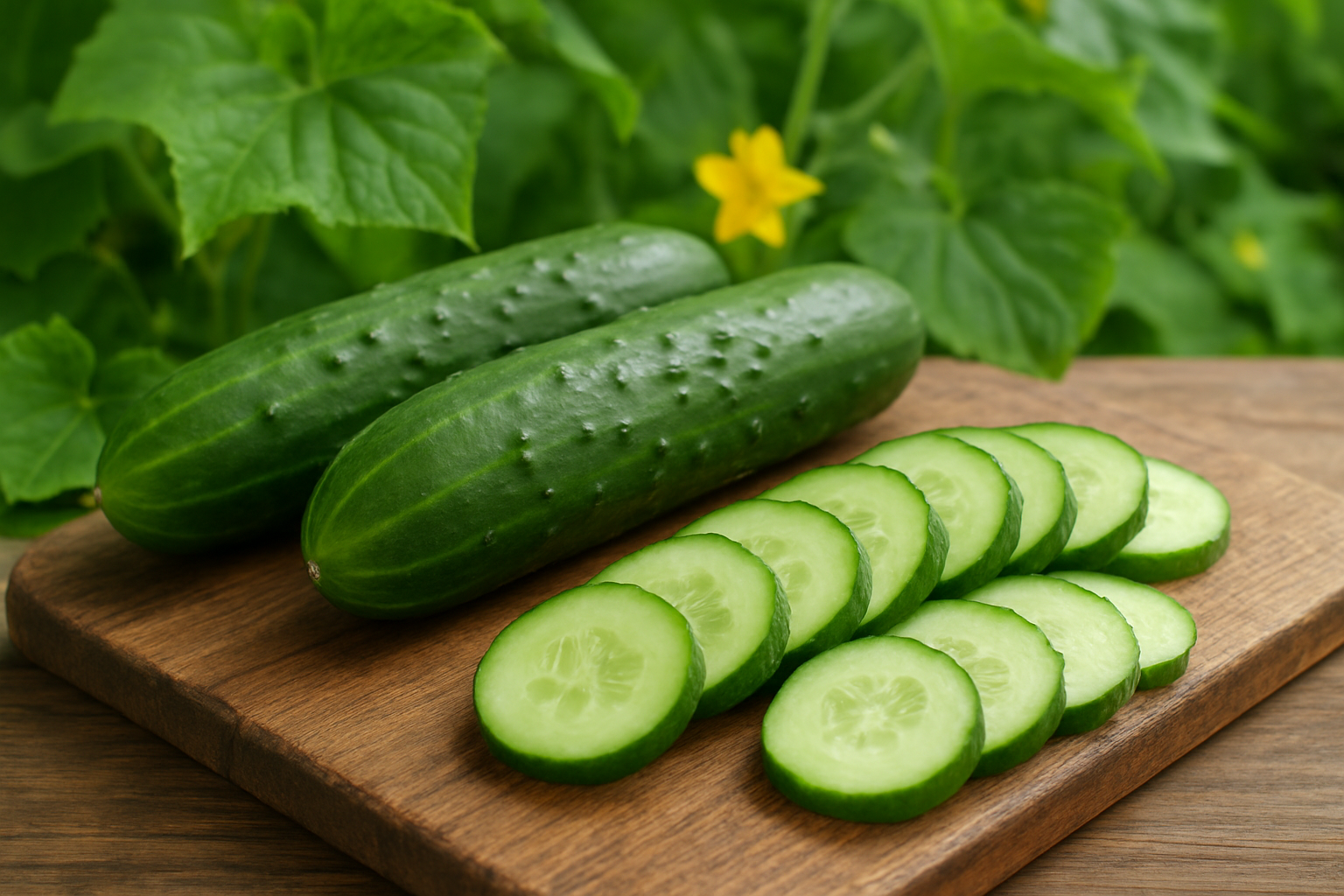
Cucumbers pack a surprising nutritional punch while being incredibly versatile in the kitchen. From their impressive water content that helps keep you hydrated to their vitamin K and antioxidants that support your health, these refreshing fruits deserve a spot in your daily routine. You can enjoy them raw in salads, pickled for a tangy crunch, or blended into cooling drinks and face masks.
Growing your own cucumbers opens up a world of variety beyond what you'll find at the grocery store. Whether you choose compact bush varieties for containers or sprawling vines for larger gardens, you'll discover unique flavors and textures that make home gardening worthwhile. Start adding more cucumbers to your meals and consider planting a few seeds this growing season – your taste buds and your body will thank you for it.


.png)
Comments
Post a Comment