Cupuacu - What's The Cupuacu Frruit?
.png)
Cupuacu fruit might not be on your grocery list yet, but this amazing Amazon superfruit deserves your attention. If you're curious about exotic fruits or looking for new ways to boost your health naturally, cupuacu could be your next favorite discovery.
This tropical treasure from the rainforest packs serious nutritional punch and offers a taste experience unlike anything you've tried. We'll explore what makes cupuacu so special, starting with its fascinating origins in the Amazon and why locals have treasured it for generations.
You'll also learn about the impressive cupuacu benefits that make it a true superfruit powerhouse, plus get the inside scoop on its unique flavor profile and how you can actually get your hands on this exotic fruit. Ready to discover why cupuacu is creating buzz in the wellness world?
Discover the Exotic Cupuacu Fruit and Its Origins
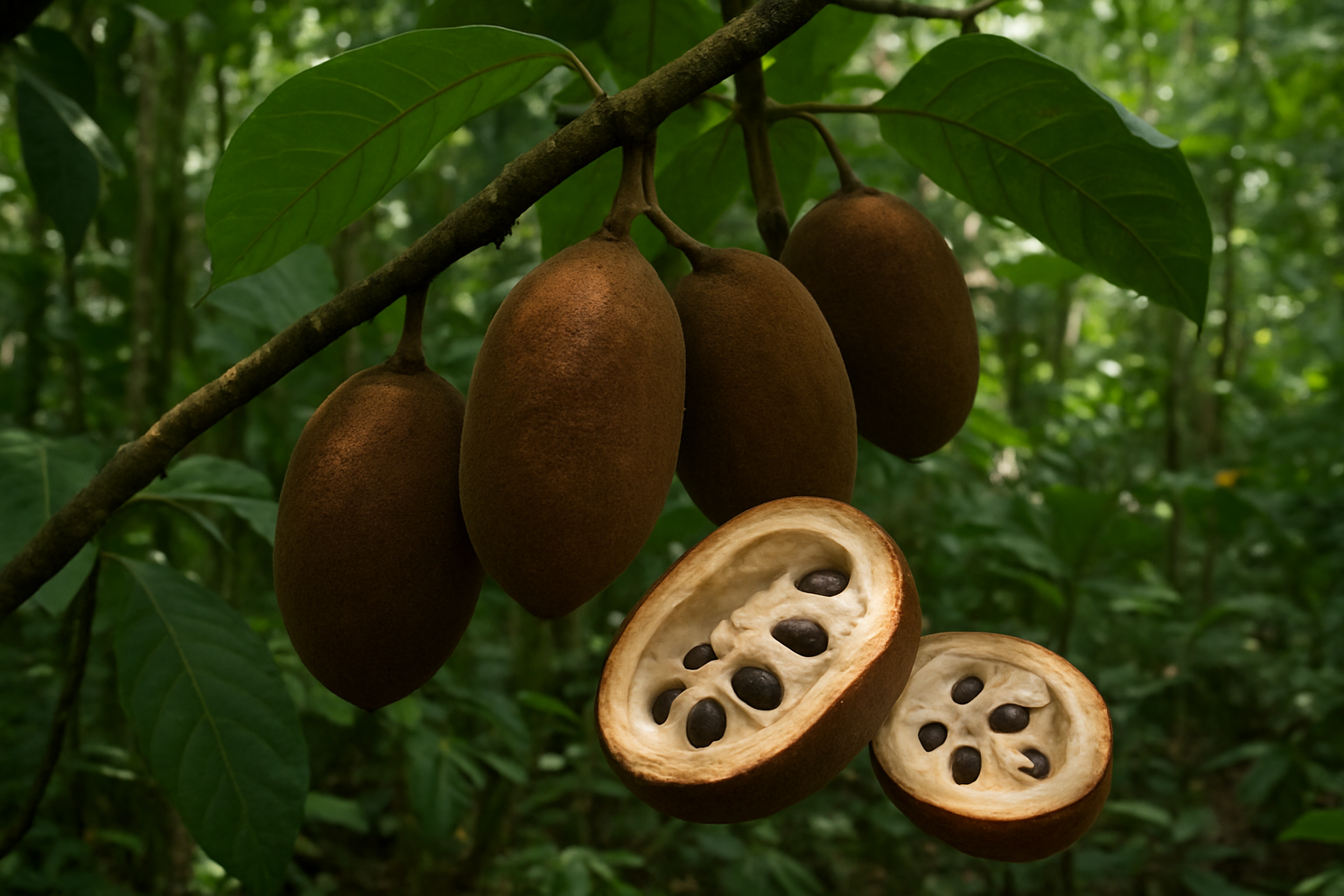
Native habitat in the Amazon rainforest
The cupuacu fruit calls the lush Amazon rainforest home, thriving in the humid, nutrient-rich environment of this incredible ecosystem. This exotic superfruit grows naturally across the Amazon basin, particularly flourishing in Brazil, Peru, Colombia, and Venezuela. The Amazon's unique climate - with its consistent warmth, high humidity levels, and abundant rainfall - creates perfect growing conditions for cupuacu trees.
Wild cupuacu trees dot the rainforest understory, often growing alongside other native species like açaí palms and Brazil nut trees. These trees prefer the filtered sunlight that penetrates through the forest canopy rather than direct exposure, making them well-adapted to their natural habitat. The rich, dark soil of the Amazon provides essential nutrients that give cupuacu its distinctive nutritional profile.
Botanical classification and family tree
Cupuacu belongs to the Theobroma genus, making it a close relative of the cacao tree that produces cocoa beans. The scientific name Theobroma grandiflorum literally translates to "large-flowered food of the gods," reflecting both its impressive blooms and its revered status. This amazon fruit shares the same family tree as chocolate - both are members of the Malvaceae family.
The relationship between cupuacu and cacao becomes evident when you examine their seeds and pods. Both fruits produce seeds that can be processed into butter and powder, though cupuacu offers a completely different flavor profile from its famous cousin.
Physical appearance and distinguishing features
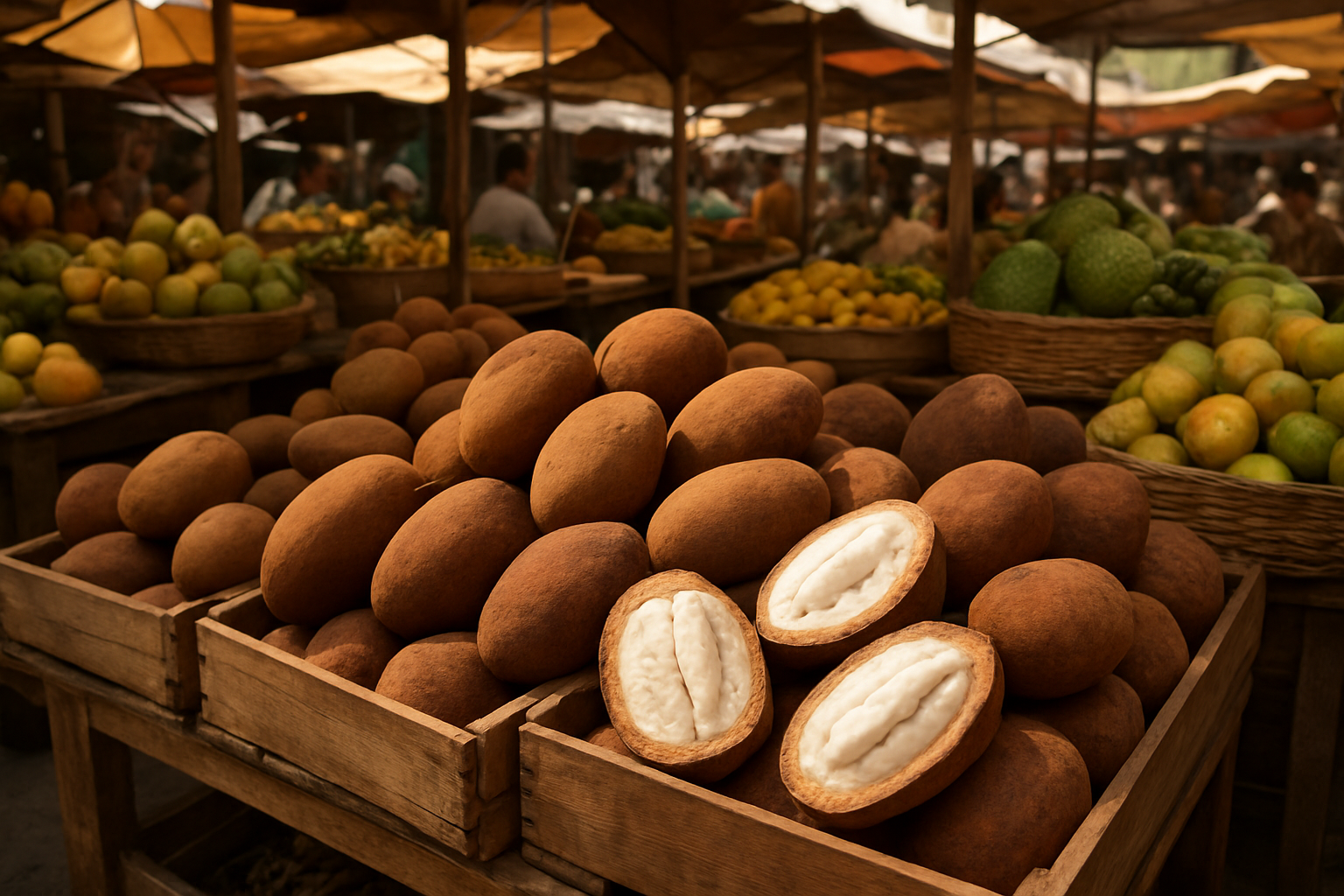
Cupuacu fruits are impressive in size, typically measuring 6 to 10 inches in length and weighing between 2 to 4 pounds. The exterior features a hard, thick brown shell with a slightly fuzzy texture that protects the precious interior. Unlike smooth-skinned fruits, cupuacu's shell has an almost wooden appearance with natural ridges and indentations.
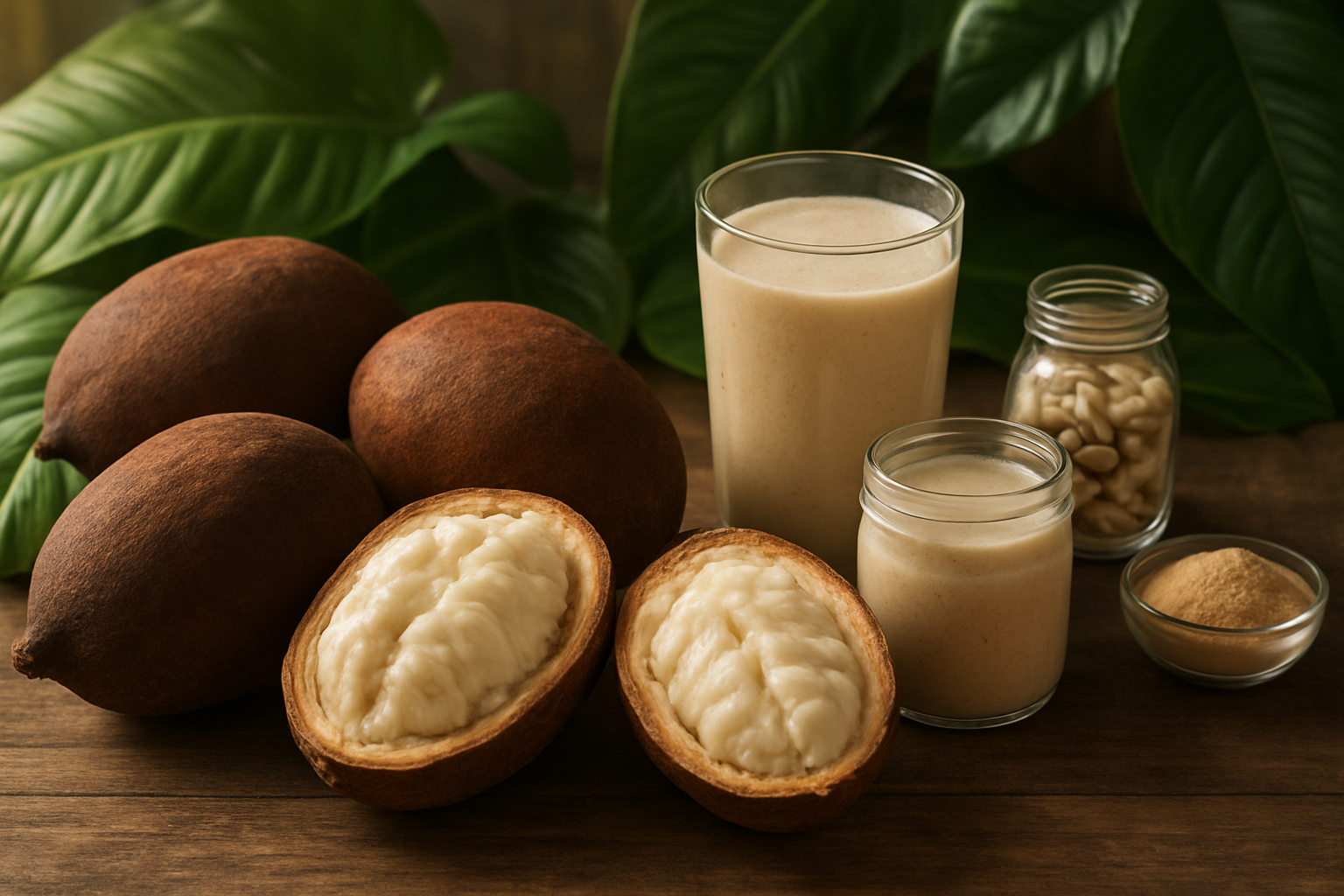
Inside this protective casing lies the fruit's treasure: creamy white pulp surrounding large brown seeds. The pulp has a custard-like consistency and makes up about 35-40% of the fruit's total weight. Each fruit contains 20-50 seeds embedded within this aromatic flesh. The contrast between the tough exterior and the soft, fragrant interior makes cupuacu immediately recognizable to those familiar with amazon fruits.
Traditional use by indigenous communities
Indigenous communities have treasured cupuacu for centuries, incorporating every part of the fruit into their daily lives. Native tribes traditionally used the pulp to create refreshing beverages, particularly during hot seasons when the fruit's natural cooling properties provided relief from the jungle heat.
The seeds served multiple purposes beyond nutrition. Indigenous peoples processed them into a chocolate-like paste, similar to how cacao seeds are used, but with cupuacu's unique flavor characteristics. They also extracted oil from the seeds for medicinal purposes and skin protection against the harsh tropical environment.
Traditional preparation methods involved fermenting the pulp to create mildly alcoholic beverages for ceremonial occasions. The fruit's versatility made it a staple food source, providing both immediate nutrition and ingredients that could be preserved for lean seasons. These time-tested uses laid the foundation for modern appreciation of what is cupuacu and its remarkable benefits.
Unlock the Nutritional Powerhouse Benefits
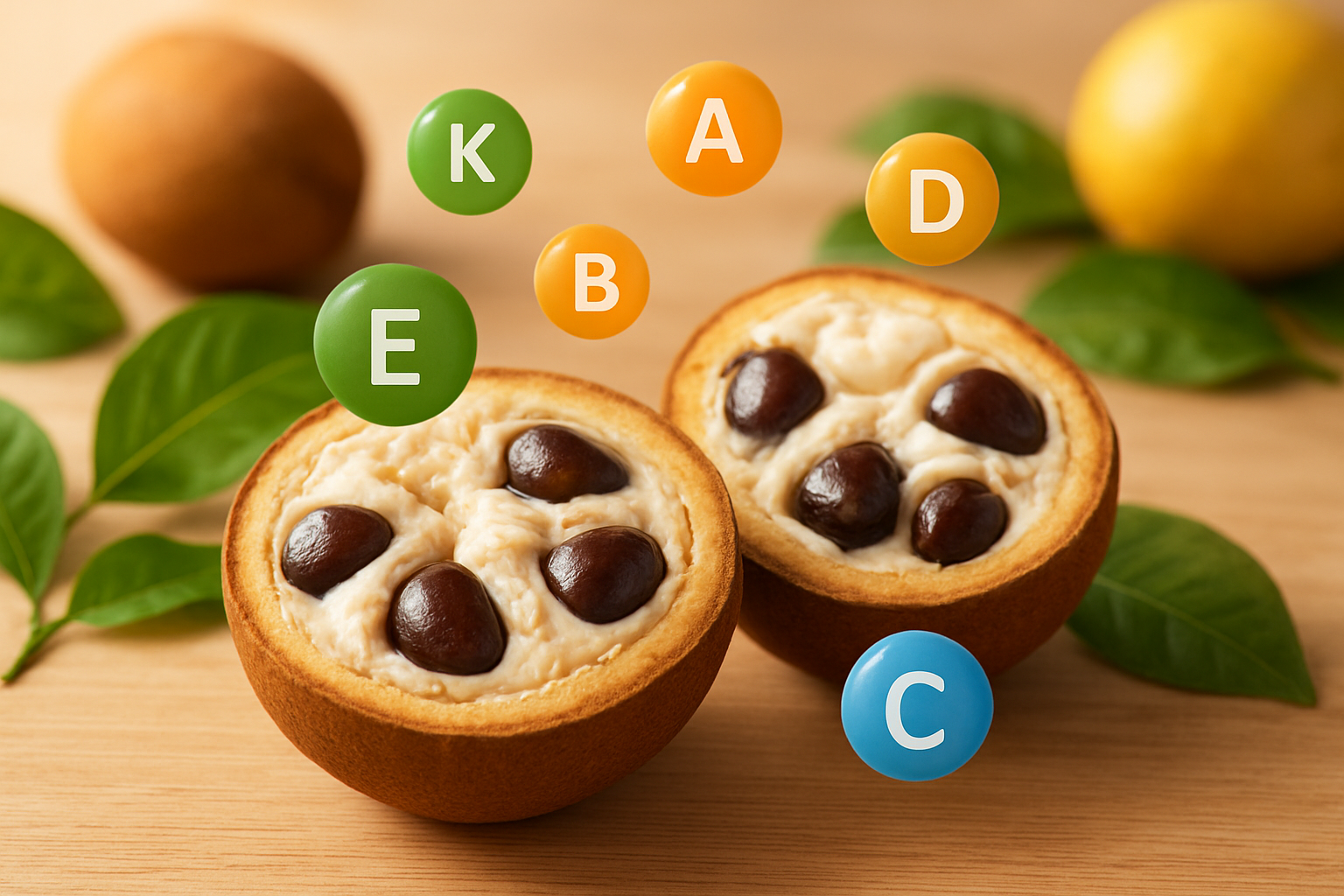
Essential vitamins and mineral content
Cupuacu fruit packs an impressive array of vitamins and minerals that rival many well-known superfruits. This Amazon native delivers substantial amounts of vitamin C, providing nearly 40% of your daily needs in just one serving. The vitamin C content supports immune function and collagen production, making cupuacu a natural choice for maintaining healthy skin and fighting off seasonal illnesses.
The mineral profile of cupuacu benefits your body in multiple ways. Potassium levels reach approximately 200mg per 100g serving, supporting heart health and proper muscle function. Iron content helps prevent anemia and boosts energy levels, while calcium contributes to strong bones and teeth. Magnesium and phosphorus work together to maintain proper cellular function and energy metabolism.
B-complex vitamins appear in notable quantities throughout cupuacu nutrition, particularly thiamine (B1) and riboflavin (B2). These water-soluble vitamins play crucial roles in converting food into energy and supporting nervous system function. The fruit also contains folate, which pregnant women especially need for proper fetal development.
Antioxidant properties for cellular protection
The antioxidant properties of cupuacu fruit make it a standout among exotic superfruits. Polyphenols, flavonoids, and tannins create a powerful defense system against free radical damage. These compounds work at the cellular level to prevent oxidative stress, which contributes to aging and various chronic diseases.
Theograndins, unique antioxidants found in cupuacu, offer protective benefits that exceed those of many common fruits. Research shows these compounds demonstrate stronger antioxidant activity than vitamin C in certain laboratory tests. The fruit's ORAC (Oxygen Radical Absorbance Capacity) value measures impressively high, indicating superior free radical scavenging ability.
Anthocyanins give cupuacu its distinctive color while providing anti-inflammatory benefits. These powerful antioxidants support cardiovascular health and may help reduce the risk of heart disease. The combination of different antioxidant types creates a synergistic effect, amplifying the protective benefits throughout your body.
Healthy fats and amino acid profile
Cupuacu health benefits extend to its unique fat composition, particularly in the seeds used to make cupuacu butter. The fat profile consists primarily of oleic, stearic, and palmitic acids - the same beneficial fats found in cocoa butter and olive oil. These monounsaturated and saturated fats support brain function and help your body absorb fat-soluble vitamins.
The amino acid profile of cupuacu reveals nine essential amino acids your body cannot produce on its own. Leucine, isoleucine, and valine - the branched-chain amino acids - support muscle recovery and growth. Tryptophan aids in serotonin production, potentially improving mood and sleep quality.
Protein content reaches approximately 2-3 grams per 100g serving, making cupuacu a modest but valuable protein source. The combination of amino acids creates a complete protein profile similar to what you'd find in animal products, though in smaller quantities. This makes cupuacu particularly valuable for plant-based diets seeking diverse protein sources.
The healthy fat content also supports the absorption of the fruit's fat-soluble vitamins A, D, E, and K, maximizing the nutritional benefits you receive from each serving of this remarkable Amazon fruit.
Experience the Unique Taste and Culinary Applications
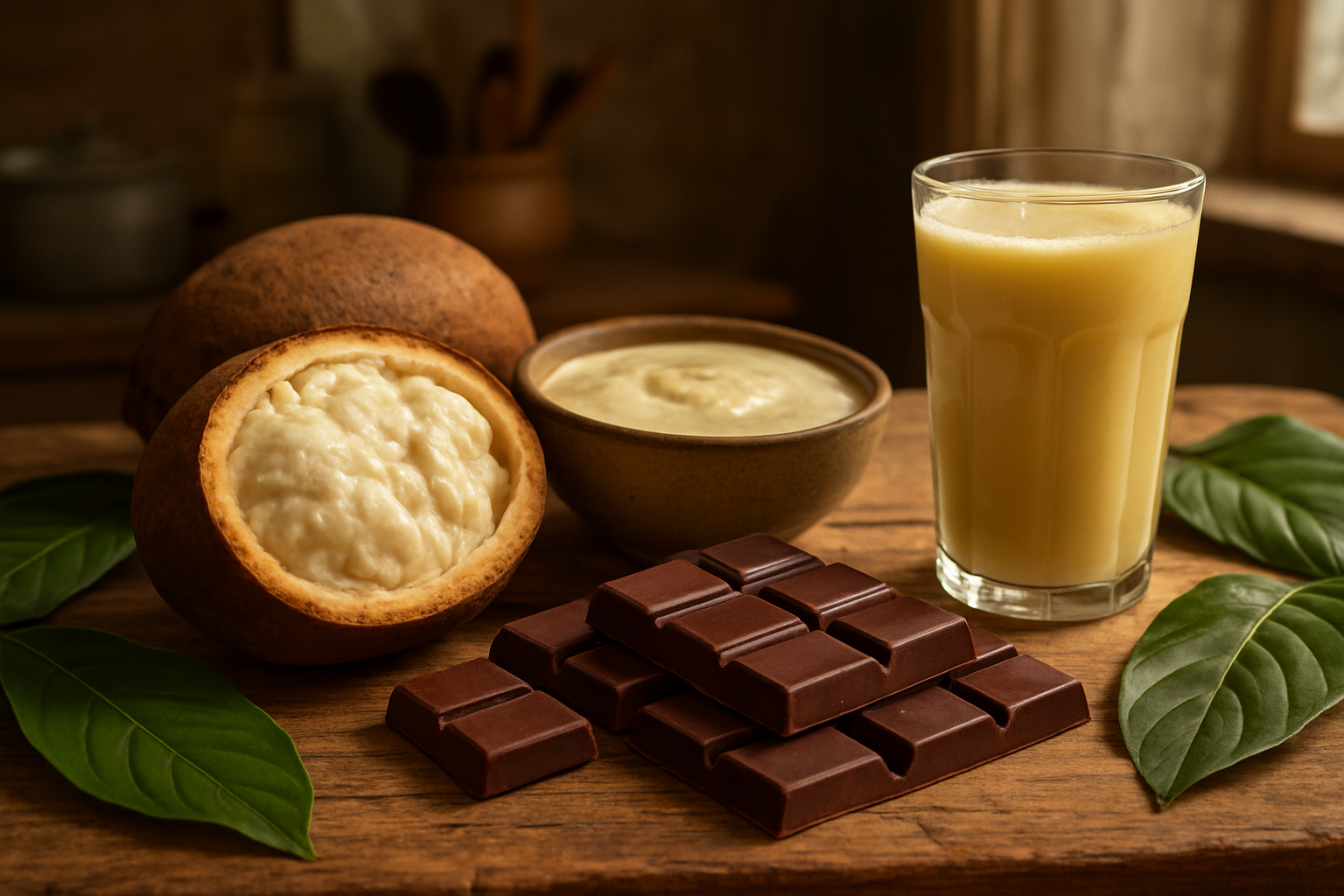
Flavor Profile Compared to Familiar Fruits
Cupuacu fruit delivers a truly distinctive taste that's hard to pin down with simple comparisons. The flavor strikes a perfect balance between sweet and tangy, with many describing it as a cross between chocolate and pineapple with hints of pear and banana. Unlike its cousin cacao, cupuacu taste leans more toward tropical fruitiness rather than bitter chocolate notes.
The creamy white pulp has a custard-like texture that melts on your tongue, releasing complex flavors that evolve as you eat. Some people detect subtle notes of vanilla and citrus, while others pick up on slight floral undertones. This complexity makes cupuacu fruit stand out from more straightforward tropical fruits like mango or papaya.
What sets this amazon fruit apart is its ability to taste both familiar and exotic simultaneously. The initial sweetness reminds you of custard apple or soursop, but the lingering tartness and aromatic finish create something entirely unique in the fruit world.
Popular Preparation Methods in Brazilian Cuisine
In Brazil, cupuacu transforms into countless beloved treats and traditional dishes. The most popular use involves blending the pulp into refreshing juices, often mixed with water or milk to create creamy beverages perfect for hot days.
Brazilian cooks frequently turn cupuacu into decadent ice creams and sorbets, taking advantage of the fruit's natural creaminess. The pulp works beautifully in mousses, puddings, and traditional desserts like "cupuacu na tigela" - a simple bowl preparation that highlights the fruit's natural flavors.
Local bakeries incorporate cupuacu into cakes, pastries, and the famous "brigadeiro de cupuacu" - a twist on Brazil's beloved chocolate truffle. The fruit also appears in jams, preserves, and traditional fermented beverages that have been enjoyed for generations in the Amazon region.
International Culinary Trends and Recipes
Global chefs are discovering cupuacu's versatility in modern cuisine. High-end restaurants now feature cupuacu in innovative dessert preparations, combining it with chocolate for rich ganaches and truffles that showcase both ingredients beautifully.
Health-conscious cooks blend cupuacu pulp into smoothie bowls, pairing it with other superfruits like acai for nutrient-packed breakfasts. The exotic superfruit works exceptionally well in raw food preparations, maintaining its nutritional integrity while adding tropical flair to energy balls and raw cheesecakes.
International pastry chefs appreciate cupuacu's natural thickening properties, using it in mousses and panna cottas without additional stabilizers. The fruit's unique flavor profile makes it perfect for fusion desserts that blend tropical and traditional European techniques.
Best Ways to Consume Fresh Cupuacu
Fresh cupuacu requires some preparation since the large seeds take up considerable space inside the pod. Start by cracking open the hard shell to reveal the white pulp surrounding the seeds. The easiest method involves scooping out the pulp and eating it directly, though many prefer to strain out the seeds first.
For the smoothest experience, blend the fresh pulp with a small amount of water or coconut water, then strain the mixture to remove any remaining seed fragments. This creates a pure cupuacu juice that captures all the fruit's natural flavors.
Many people enjoy mixing fresh cupuacu pulp with yogurt or adding it to fruit salads where its creamy texture complements other tropical fruits. The pulp freezes exceptionally well, so you can portion it into ice cube trays for easy use in smoothies and desserts later. When selecting fresh cupuacu, look for pods that feel heavy for their size and give slightly when pressed - signs that the fruit inside is ripe and ready to enjoy.
Harness the Health and Wellness Advantages
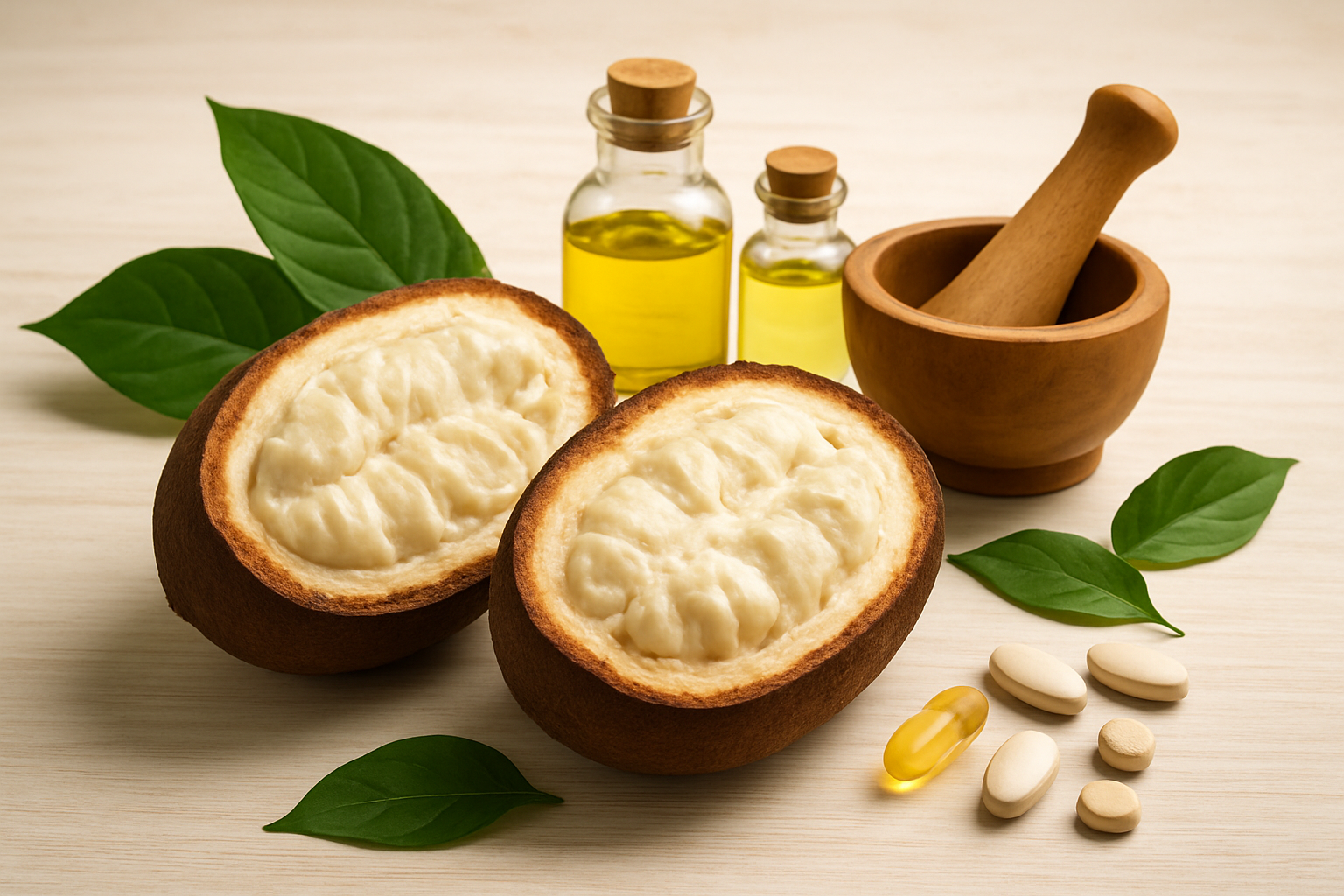
Immune system strengthening properties
Cupuacu fruit packs a serious punch when it comes to boosting your immune defenses. This Amazon superfruit contains an impressive array of antioxidants, particularly flavonoids and polyphenols, that work together to shield your cells from harmful free radicals. The vitamin C content in cupuacu rivals many citrus fruits, providing your body with the raw materials it needs to produce white blood cells and maintain a robust immune response.
The fruit's unique combination of theograndin and other bioactive compounds helps activate your body's natural defense mechanisms. These powerful antioxidants don't just neutralize oxidative stress – they actually help your immune system recognize and respond to threats more effectively. Regular consumption of cupuacu has been linked to fewer seasonal illnesses and faster recovery times when you do get sick.
Anti-inflammatory effects on the body
Chronic inflammation quietly damages your body over time, but cupuacu benefits include natural anti-inflammatory compounds that help keep this destructive process in check. The fruit contains specific phenolic compounds that work similarly to some pharmaceutical anti-inflammatories, but without the side effects.
Research shows that cupuacu's anti-inflammatory properties can help reduce markers of systemic inflammation throughout your body. This means less joint stiffness, reduced muscle soreness after exercise, and potentially lower risk of inflammation-related conditions. The fruit's natural compounds target multiple inflammatory pathways, making it a comprehensive approach to managing inflammation naturally.
Athletes and active individuals often turn to cupuacu for its ability to reduce exercise-induced inflammation and speed up recovery times. The anti-inflammatory effects extend beyond physical performance, potentially helping with skin conditions, digestive inflammation, and even mood-related issues linked to chronic inflammation.
Cardiovascular health benefits
Your heart loves cupuacu just as much as your taste buds do. This exotic superfruit contains compounds that actively support cardiovascular health through multiple mechanisms. The high levels of healthy fats, particularly oleic acid, help maintain optimal cholesterol levels while supporting overall heart function.
Cupuacu's potassium content plays a crucial role in regulating blood pressure by helping your body balance sodium levels and maintain proper fluid balance. The fruit's antioxidants also protect your blood vessels from oxidative damage, keeping them flexible and functioning properly as you age.
The magnesium found in cupuacu supports heart rhythm regulation and helps prevent dangerous arrhythmias. Combined with the fruit's fiber content, which helps manage cholesterol absorption, cupuacu becomes a comprehensive heart-health food that addresses multiple risk factors simultaneously.
Digestive system support
Cupuacu works wonders for your digestive system, starting with its impressive fiber content that promotes healthy gut bacteria and regular bowel movements. The fruit's prebiotic properties feed beneficial bacteria in your intestines, creating an environment where good microbes can thrive while harmful ones struggle to establish themselves.
The natural enzymes in cupuacu help break down proteins and fats more efficiently, reducing digestive discomfort and improving nutrient absorption. Many people notice less bloating and gas when they regularly include cupuacu in their diet, thanks to these digestive-supporting compounds.
Beyond basic digestion, cupuacu health benefits include protecting your stomach lining and reducing inflammation throughout your digestive tract. The fruit's gentle nature makes it suitable for people with sensitive stomachs, while its nutrient density ensures you're getting maximum nutritional value from every bite.
Navigate Sourcing and Availability Options
Where to Find Fresh Cupuacu Fruit
Finding fresh cupuacu fruit outside of its native Amazon region can be quite challenging. The exotic superfruit grows primarily in Brazil, Peru, Colombia, and other South American countries, making it rare in most international markets. Your best bet for locating fresh cupuacu is through specialized tropical fruit importers or high-end gourmet stores that focus on exotic produce.
Some major metropolitan areas with diverse populations may carry cupuacu fruit in Latin American grocery stores or farmers' markets that specialize in international produce. Online retailers occasionally offer fresh cupuacu when in season, though shipping costs can be substantial due to the fruit's perishable nature and specific storage requirements.
If you're planning a trip to South America, visiting local markets in Brazil's Amazon region offers the most authentic opportunity to experience fresh cupuacu fruit directly from its source.
Processed Forms and Supplements Available
The cupuacu market has expanded significantly in processed forms, making this amazon fruit more accessible worldwide. Cupuacu pulp represents the most common processed option, typically frozen and shipped internationally. This pulp retains most of the fruit's nutritional benefits and unique flavor profile.
Available processed forms include:
-
Frozen cupuacu pulp (most common)
-
Cupuacu powder and freeze-dried options
-
Cupuacu butter extracted from seeds
-
Juice concentrates and blends
-
Dietary supplements in capsule form
-
Energy bars and superfruit blends containing cupuacu
Health food stores, online marketplaces like Amazon, and specialty supplement retailers stock various cupuacu products. Brazilian import stores often carry multiple forms of processed cupuacu, from pulp to supplements.
When choosing cupuacu supplements, look for products that specify the concentration of active compounds and avoid those with excessive additives or fillers.
Seasonal Availability and Storage Tips
Cupuacu fruit follows a distinct seasonal pattern in its native habitat. The primary harvest season runs from December through April in the Amazon basin, with peak availability typically occurring between January and March. This seasonality directly impacts global availability and pricing.
Storage recommendations for cupuacu:
| Form | Storage Method | Shelf Life |
|---|---|---|
| Fresh fruit | Refrigerate immediately | 3-5 days |
| Frozen pulp | Keep frozen at 0°F | 12-18 months |
| Dried powder | Cool, dry place in airtight container | 2-3 years |
| Cupuacu butter | Room temperature, sealed container | 1-2 years |
Fresh cupuacu fruit spoils quickly once ripe, similar to other tropical fruits. The flesh should feel slightly soft when ready to eat, with a sweet aroma. Store ripe fruit in the refrigerator and consume within a few days.
Frozen cupuacu pulp offers the best compromise between convenience and nutritional retention. Thaw only what you plan to use immediately, as refreezing affects texture and flavor quality.
For supplements and powdered forms, moisture control is critical. Store these products in cool, dry environments away from direct sunlight to maintain their cupuacu benefits and extend shelf life.
Cupuacu stands out as one of the Amazon's most remarkable hidden treasures. This exotic fruit packs serious nutritional punch while offering a taste experience that's completely different from anything you'll find in your local grocery store. From its creamy, tropical flavor that works beautifully in desserts and smoothies to its impressive array of vitamins, antioxidants, and healthy fats, cupuacu delivers both culinary excitement and real health benefits.
Getting your hands on this amazing fruit might take a bit of effort since it's not widely available outside South America, but the search is absolutely worth it. Whether you track down frozen pulp online, find it at specialty health stores, or discover it in superfood products, adding cupuacu to your diet opens up a world of new flavors and wellness possibilities. Give this Amazonian powerhouse a try – your taste buds and your body will thank you for the adventure.


.png)
Comments
Post a Comment