Rutabaga - What's the Rutabaga Vegetable?
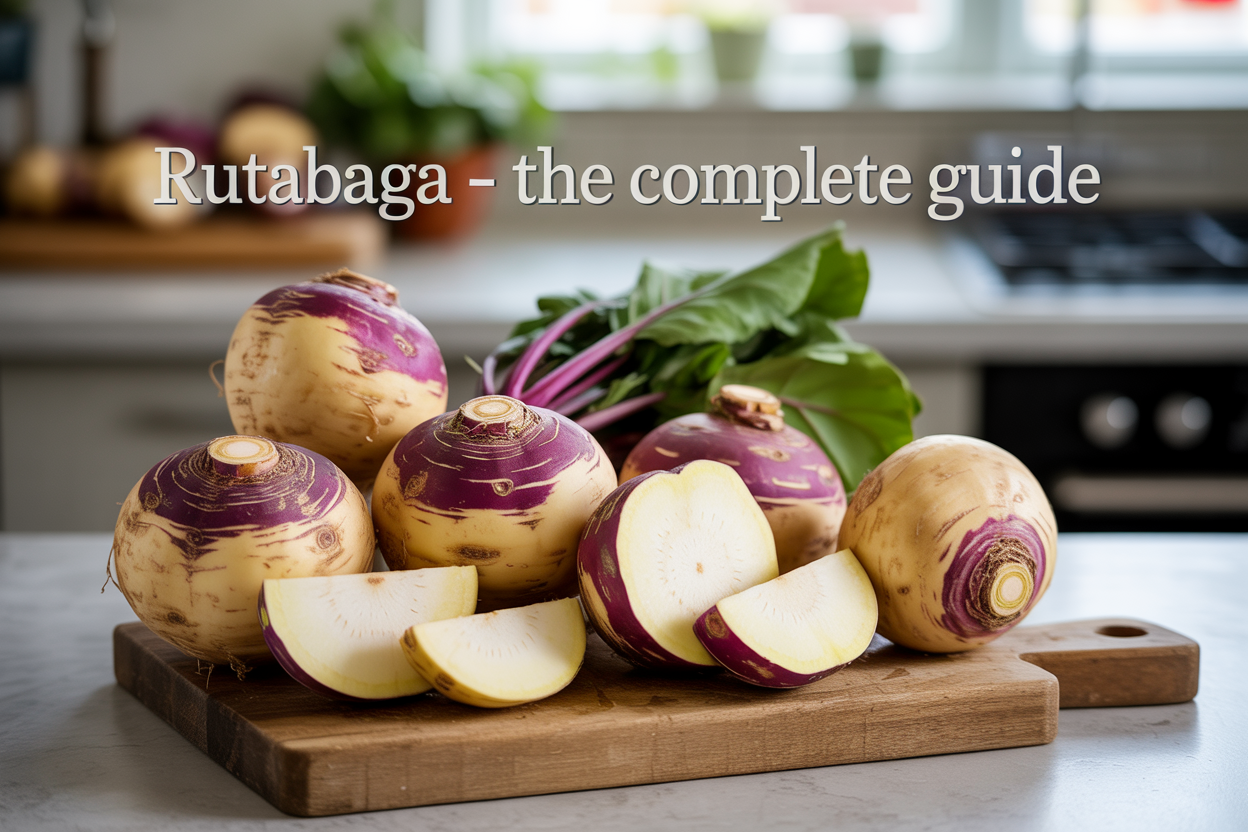
What is Rutabaga? Your Complete Guide to This Underrated Vegetable
The rutabaga vegetable might be sitting in your grocery store's produce section, but many home cooks walk right past this purple-topped root without knowing what they're missing. This comprehensive guide is for curious food enthusiasts, home gardeners, and anyone wanting to expand their vegetable knowledge beyond the basics.
Rutabaga (also called swede vegetable) is a cross between cabbage and turnip that delivers impressive nutrition and versatility in the kitchen. While it looks intimidating with its waxy coating and hefty size, this root vegetable is actually quite simple to prepare and offers surprising health benefits.
We'll cover the essential rutabaga nutrition facts and health benefits that make this vegetable worth adding to your diet. You'll also discover practical rutabaga cooking methods and recipes that transform this humble root into delicious meals. Finally, we'll explore how to grow rutabaga in your own garden, plus clear up the common confusion around rutabaga vs turnip differences.
Understanding Rutabaga Basics
Identifying Key Physical Characteristics and Appearance
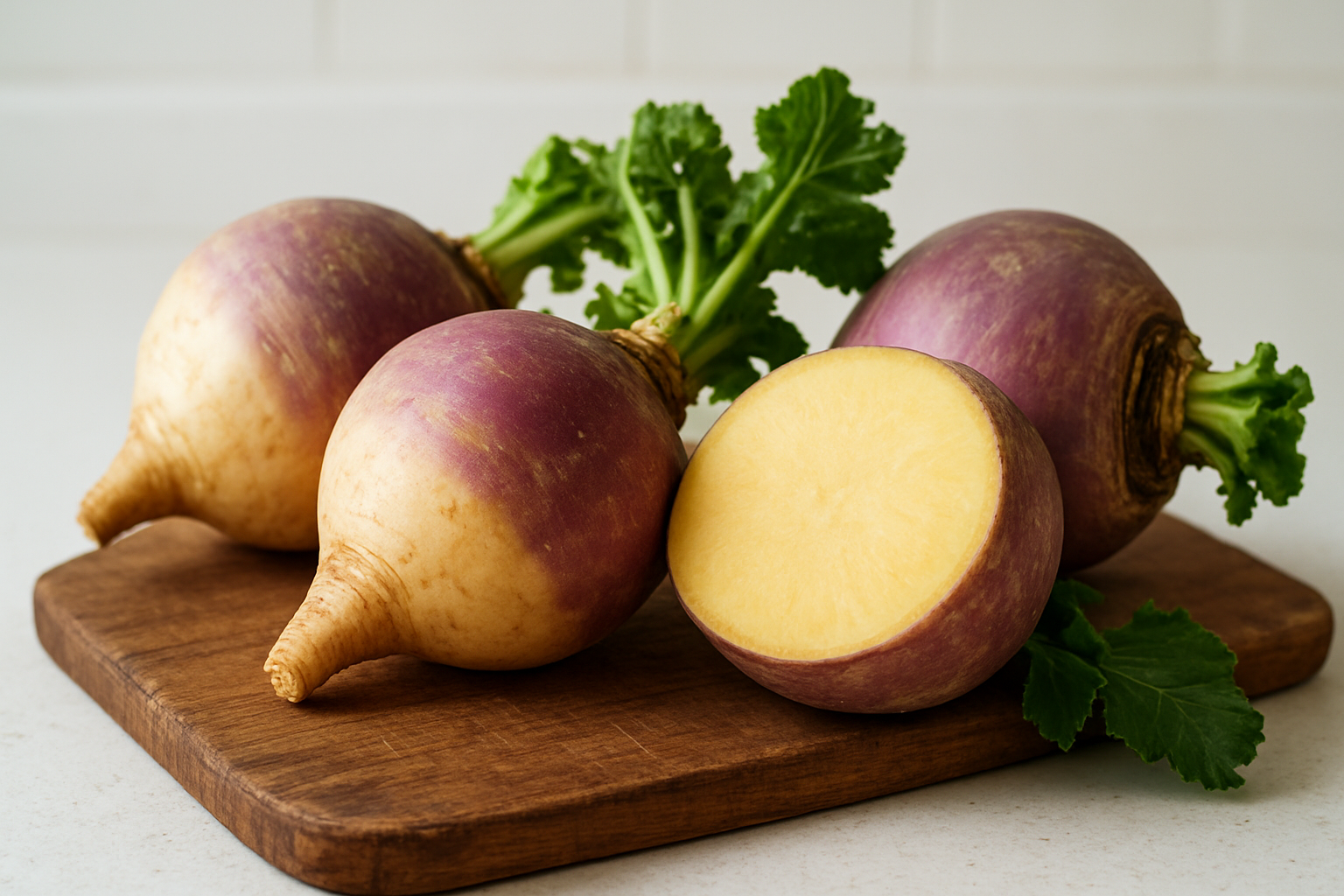
The rutabaga vegetable stands out with its distinctive bulbous root that typically grows 4-6 inches in diameter. This robust root vegetable displays a unique two-toned appearance, with the upper portion showing purple or reddish-purple skin where it emerges above ground, while the lower section remains cream or pale yellow. The skin feels smooth yet firm to the touch, often with a slightly waxy texture.
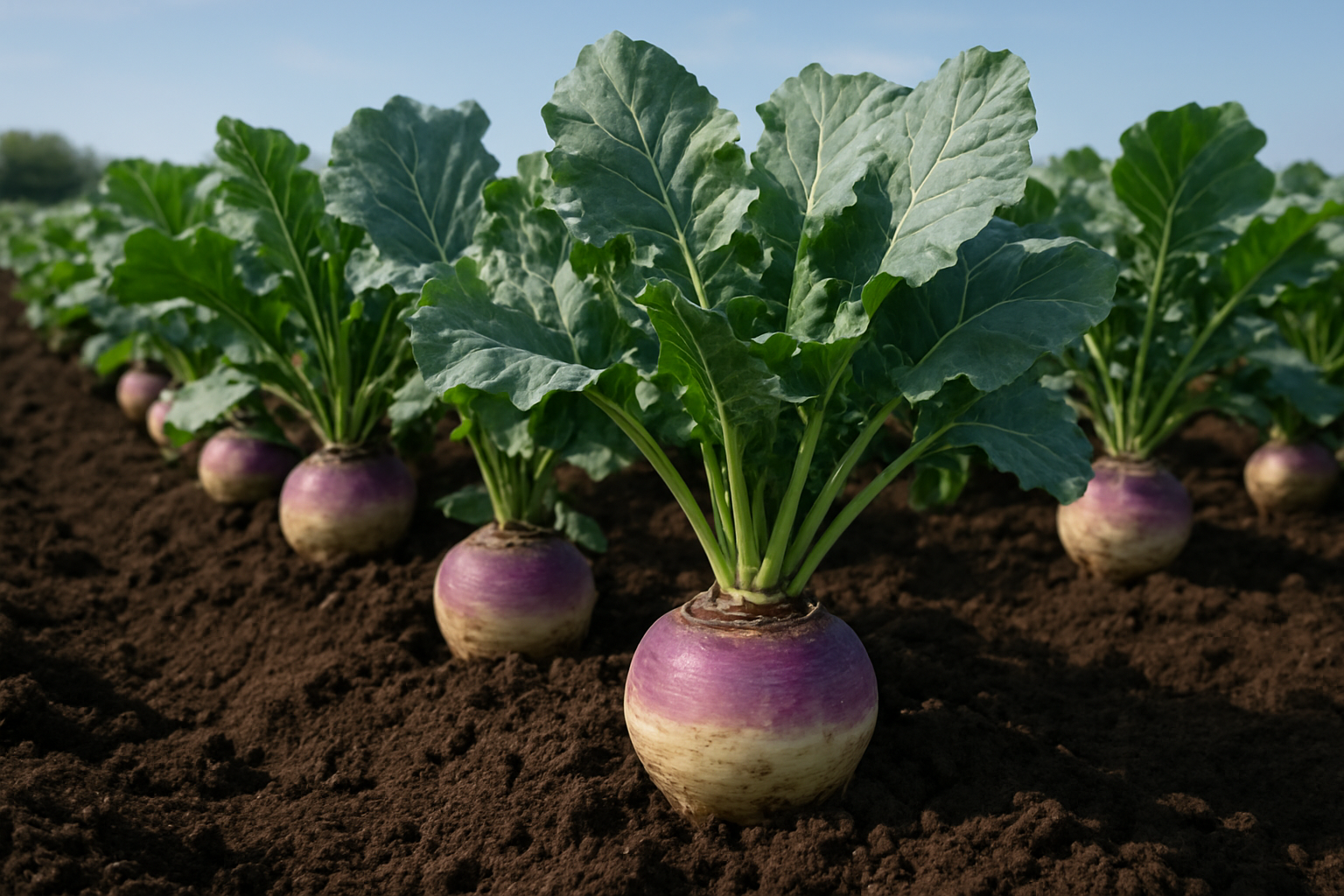
Above ground, rutabaga plants produce large, thick leaves with a blue-green color and deeply lobed edges. These leaves grow in a rosette pattern and can reach up to 20 inches in length. The leaves have prominent veins and feel somewhat rough when touched. During the second year of growth, rutabaga plants send up tall flowering stalks that can reach 3-5 feet high, topped with small yellow flowers that eventually produce seeds.
The root itself has a round to slightly elongated shape, tapering toward the bottom. When cut open, the flesh reveals a pale yellow to orange interior that's dense and crisp. Fresh rutabaga should feel heavy for its size and show no soft spots or wrinkled areas. The vegetable can grow quite large, with some specimens reaching 8-10 pounds, though most commercial varieties are harvested when they're 2-4 pounds for optimal flavor and texture.
Distinguishing Rutabaga from Similar Root Vegetables
Many people confuse rutabaga with turnips, and for good reason - these vegetables share similar appearances and growing habits. The key difference lies in size and color: rutabaga grows significantly larger than turnips and displays that characteristic purple-topped, yellow-bottomed coloring. Turnips are typically smaller, completely white or white with purple shoulders, and have a more pronounced peppery bite.
| Characteristic | Rutabaga | Turnip | Parsnip |
|---|---|---|---|
| Size | 2-4 lbs average | 4-6 oz average | 6-12 oz average |
| Skin Color | Purple top, yellow bottom | White with purple top | Cream/beige |
| Flesh Color | Yellow-orange | White | White |
| Shape | Round, bulbous | Round, flattened | Long, tapered |
| Taste | Sweet, mild | Sharp, peppery | Sweet, nutty |
Parsnips present another point of confusion, but they're actually quite different once you know what to look for. Parsnips are long and tapered like carrots, with cream-colored skin and white flesh. They grow entirely underground and lack the purple coloring that makes rutabaga so recognizable.
The swede vegetable is actually another name for rutabaga, particularly common in British English. Both terms refer to the same plant, though "swede" comes from the vegetable's association with Sweden, while "rutabaga" derives from the Swedish word "rotabagge."
Learning the Botanical Classification and Plant Family
Rutabaga belongs to the Brassicaceae family, also known as the mustard or cabbage family. Its scientific name is Brassica napus var. napobrassica, revealing its close relationship to other familiar vegetables like broccoli, cauliflower, kale, and Brussels sprouts. This classification explains why rutabaga shares certain characteristics with these relatives, including similar flowering patterns and susceptibility to common pests like cabbage worms.
The plant represents a fascinating example of hybrid vigor in nature. Rutabaga is actually a cross between cabbage (Brassica oleracea) and turnip (Brassica rapa), which occurred naturally centuries ago. This hybridization resulted in a vegetable that combines the best traits of both parents: the substantial size and storage ability of cabbage with the root development of turnips.
As a biennial plant, rutabaga follows a two-year life cycle. During the first year, it focuses energy on developing its large storage root and leafy top growth. If left in the ground through winter, the plant uses stored energy from its root to produce flowers and seeds in the second year. This biennial nature makes rutabaga particularly cold-hardy, as it naturally prepares for winter survival by concentrating sugars and nutrients in its root system.
The Brassicaceae family connection also explains rutabaga's nutritional profile, as many family members share similar beneficial compounds called glucosinolates, which contribute to their health-promoting properties and distinctive flavors.
Nutritional Benefits and Health Value
Essential Vitamins and Mineral Content
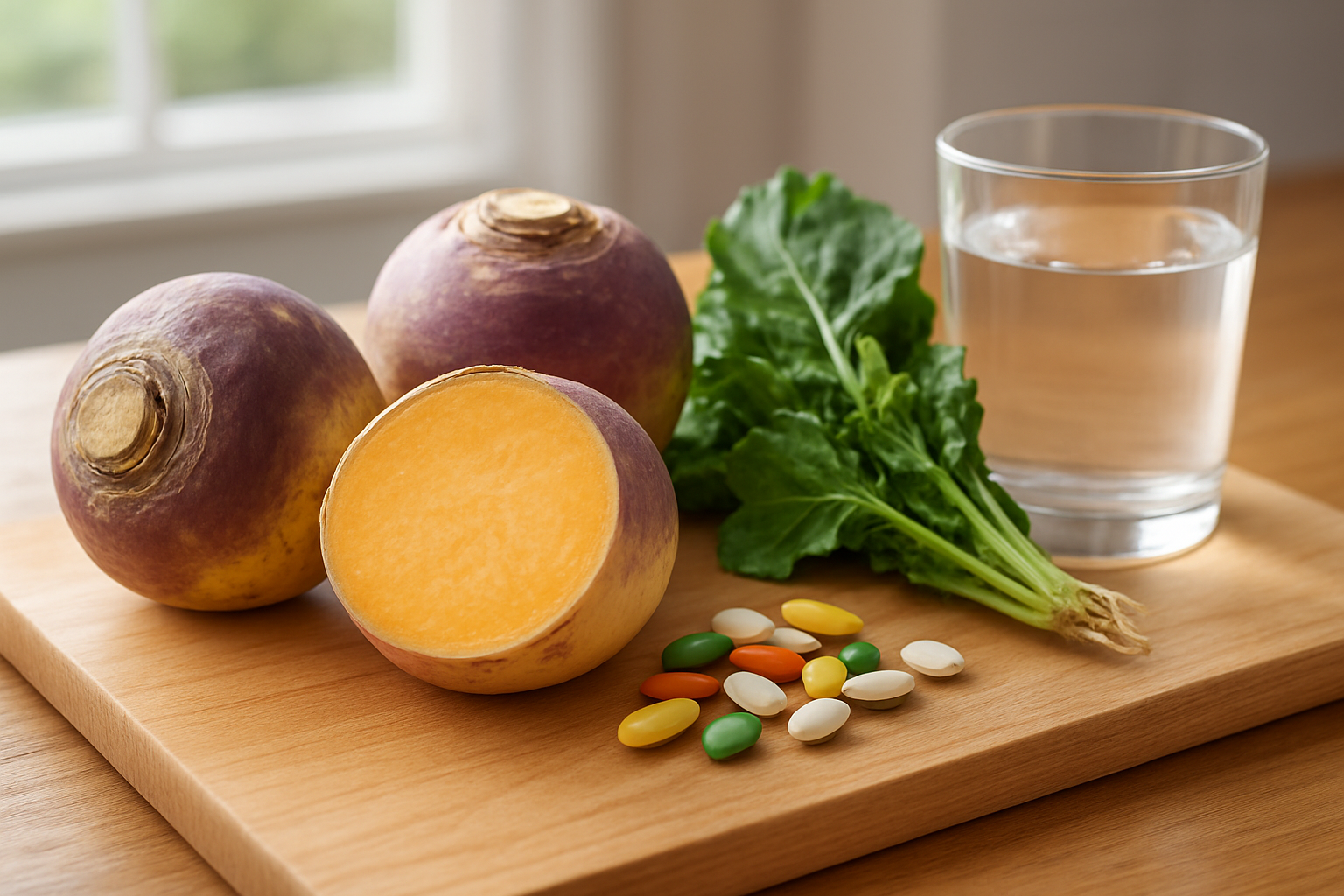
Rutabaga nutrition packs a serious punch when it comes to essential nutrients. This hearty root vegetable delivers an impressive amount of vitamin C, containing about 35 milligrams per cup - that's roughly 40% of your daily needs. Your immune system will thank you for this natural boost, especially during cold season.
The potassium content in rutabaga is equally noteworthy, providing around 550 milligrams per cup. This mineral plays a crucial role in heart health and blood pressure regulation. You'll also get a solid dose of manganese, which supports bone development and wound healing.
| Nutrient | Amount per Cup (Cooked) | % Daily Value |
|---|---|---|
| Vitamin C | 35mg | 39% |
| Potassium | 554mg | 16% |
| Manganese | 0.2mg | 10% |
| Magnesium | 36mg | 9% |
| Phosphorus | 74mg | 7% |
The rutabaga vegetable also contains folate, calcium, and iron in smaller but meaningful amounts. These nutrients work together to support everything from energy production to healthy blood formation.
Fiber Content and Digestive Health Benefits
The fiber content in rutabaga makes it a digestive health superstar. Each cup provides about 3.2 grams of dietary fiber, which is roughly 13% of your daily requirement. This combination of soluble and insoluble fiber keeps your digestive system running smoothly.
Soluble fiber in rutabaga helps slow down digestion, which can improve blood sugar control and make you feel fuller longer. The insoluble fiber acts like a natural broom, sweeping waste through your intestinal tract and preventing constipation.
Regular consumption of high-fiber foods like rutabaga can also promote beneficial gut bacteria growth. These friendly microorganisms play a vital role in overall health, from immune function to mood regulation.
Low-Calorie Profile for Weight Management
Rutabaga health benefits extend to weight management thanks to its impressively low calorie count. One cup of cooked rutabaga contains only about 50 calories, making it an excellent choice for anyone watching their weight.
The high water content - roughly 90% - means you can eat generous portions without overdoing calories. Combined with the fiber content, rutabaga creates a satisfying feeling of fullness that can help prevent overeating at meals.
This nutrient density-to-calorie ratio makes rutabaga a smart substitute for higher-calorie starches like potatoes or rice in many dishes. You get more nutrition bang for your caloric buck.
Antioxidant Properties and Disease Prevention
What is rutabaga's secret weapon against disease? Its rich antioxidant profile. This root vegetable contains various compounds that fight harmful free radicals in your body, including vitamin C, carotenoids, and glucosinolates.
Glucosinolates are sulfur-containing compounds that give rutabaga its slightly bitter taste. Research suggests these compounds may have anti-cancer properties, particularly against colorectal and lung cancers. The vitamin C content also supports collagen production and may help reduce inflammation throughout the body.
The purple pigments in rutabaga skin contain anthocyanins, powerful antioxidants linked to heart health and cognitive function. While you typically peel rutabaga before eating, some of these beneficial compounds make their way into the flesh.
Cultivation and Growing Information
Optimal Growing Conditions and Climate Requirements
Rutabaga thrives in cool, temperate climates and actually develops better flavor when exposed to light frost. This hardy vegetable prefers temperatures between 50-60°F (10-15°C) for optimal growth, making it perfect for fall and winter harvests in most regions.
The rutabaga vegetable needs full sun exposure for at least 6-8 hours daily, though it can tolerate partial shade in extremely hot climates. These plants are remarkably frost-tolerant and can withstand temperatures as low as 20°F (-6°C), which makes them excellent for extending your growing season well into winter.
Humidity plays a crucial role in successful rutabaga cultivation. Moderate humidity levels between 60-70% work best, as excessive moisture can lead to fungal diseases while too little can cause the roots to become woody and bitter.
| Climate Factor | Optimal Range | Notes |
|---|---|---|
| Temperature | 50-60°F (10-15°C) | Can tolerate down to 20°F |
| Sunlight | 6-8 hours daily | Partial shade acceptable in hot areas |
| Humidity | 60-70% | Prevents disease and maintains quality |
| Growing Zone | USDA zones 2-9 | Most adaptable in zones 4-7 |
Planting Timeline and Seasonal Considerations
How to grow rutabaga successfully depends heavily on timing your planting correctly. Start rutabaga seeds 12-14 weeks before your first expected hard frost for a fall harvest. In most temperate regions, this means sowing seeds in mid to late summer, typically July through early August.
For spring planting, sow seeds 2-4 weeks before the last frost date. However, spring-grown rutabagas often don't develop the same sweet, complex flavor as those that mature in cool fall weather.
Seasonal planting guide:
-
Spring planting: Start seeds indoors 6-8 weeks before last frost
-
Summer direct seeding: Mid-July to early August for fall harvest
-
Fall harvest: 90-120 days from seed to harvest
-
Succession planting: Space plantings 2-3 weeks apart for continuous harvest
The key to growing excellent rutabaga is allowing the roots to mature during cool weather. Hot summer temperatures cause the roots to become tough, bitter, and develop an unpleasant texture that no cooking method can improve.
Soil Preparation and Fertilization Needs
Proper soil preparation makes the difference between mediocre and exceptional rutabaga crops. These root vegetables require deep, loose, well-draining soil with a pH between 6.0-6.8. Heavy clay soils should be amended with compost and sand to prevent misshapen roots and poor drainage.
Work the soil to a depth of 12-15 inches, removing rocks, debris, and breaking up compacted areas. Rutabaga roots can grow quite large, so they need room to expand without obstruction.
Soil amendment recommendations:
-
Add 2-3 inches of well-aged compost or rotted manure
-
Mix in coarse sand if drainage is poor
-
Test soil pH and add lime if below 6.0
-
Ensure soil temperature is below 75°F before planting
Rutabaga nutrition needs are moderate but consistent. Apply a balanced fertilizer (10-10-10) at planting, then side-dress with nitrogen-rich fertilizer when plants are 4-6 inches tall. Avoid over-fertilizing with nitrogen late in the season, as this promotes leaf growth at the expense of root development and can reduce storage life.
Regular watering is essential - maintain consistent soil moisture throughout the growing season, providing about 1 inch of water weekly. Irregular watering leads to cracking, woody texture, and poor flavor development.
Culinary Uses and Preparation Methods
Popular Cooking Techniques and Methods
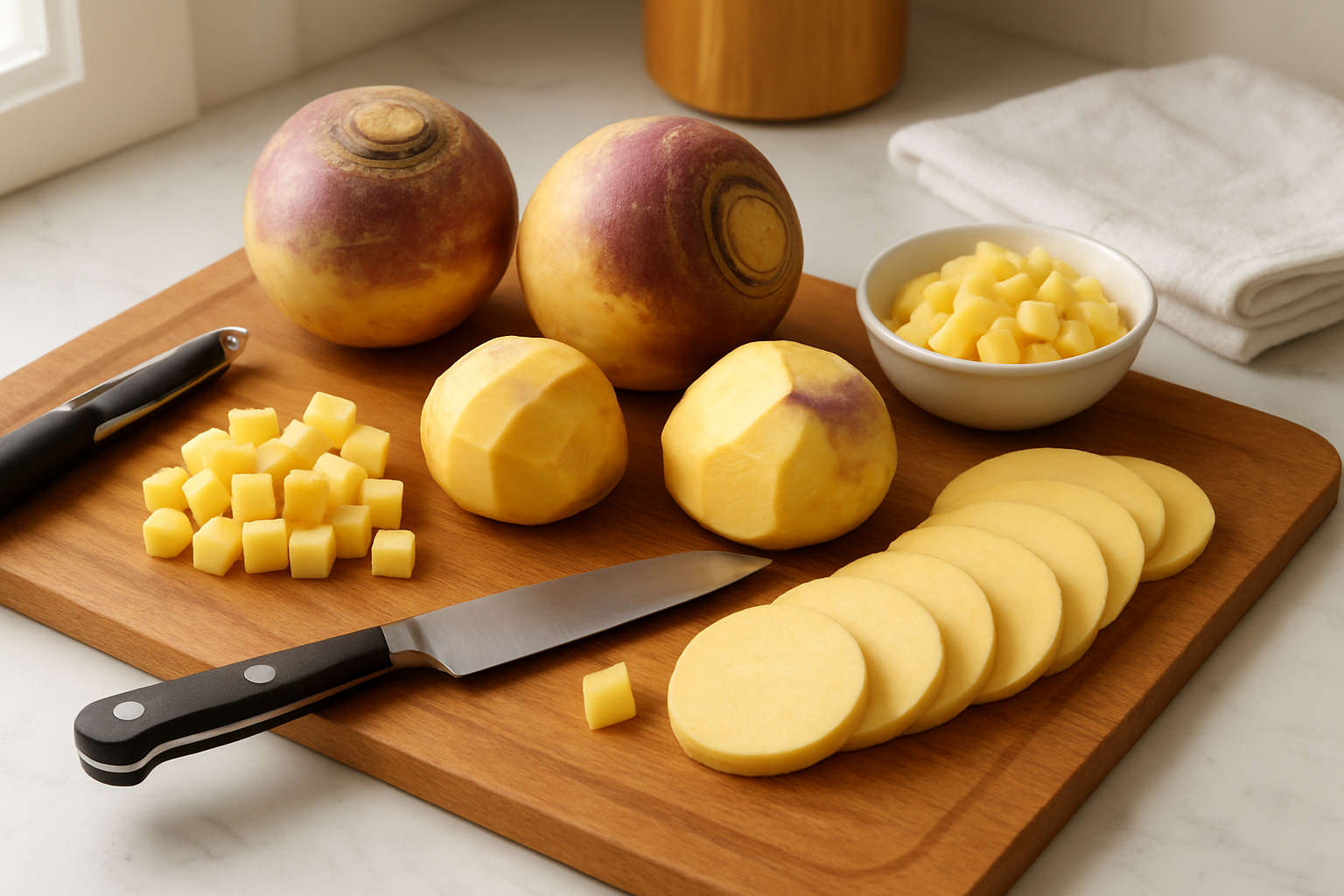
Rutabaga cooking opens up a world of delicious possibilities. This versatile vegetable shines when roasted, bringing out its natural sweetness through caramelization. Cut rutabaga into chunks, toss with olive oil, salt, and pepper, then roast at 400°F for 25-30 minutes until golden and tender.
Mashing remains the most beloved rutabaga preparation method. Peel and cube the vegetable, boil until fork-tender (about 20-25 minutes), then mash with butter, cream, and seasonings. The result rivals traditional mashed potatoes with added depth and subtle sweetness.
Steaming preserves rutabaga's nutritional value while maintaining its texture. Steam cubed pieces for 15-20 minutes, then season simply with herbs and butter. For quick weeknight meals, try sautéing thin rutabaga slices in a skillet with onions and garlic.
Grilling adds smoky flavors that complement rutabaga's earthy taste. Slice thick rounds, brush with oil, and grill for 4-5 minutes per side. The vegetable also works wonderfully in soups and stews, where it absorbs surrounding flavors while contributing its own unique character.
Traditional Recipes and Cultural Dishes
Scottish cuisine celebrates rutabaga in the famous "neeps and tatties" - mashed rutabaga (called swede vegetable in Scotland) served alongside mashed potatoes. This traditional Burns Night dish pairs perfectly with haggis and represents authentic Scottish comfort food.
Scandinavian countries embrace rutabaga in hearty winter stews. Swedish "rotmos" combines mashed rutabaga with potatoes and sometimes carrots, creating a colorful, nutritious side dish. Norwegian "kålrot" appears in traditional lamb stews, where the vegetable's sweetness balances rich meat flavors.
Canadian Maritime provinces feature rutabaga recipes passed down through generations. "Turnip" (their local name for rutabaga) gets mashed with plenty of butter and black pepper, becoming a Thanksgiving table staple. The region's "boiled dinner" includes rutabaga alongside cabbage, carrots, and salt pork.
American Southern cooking incorporates rutabaga into pot roasts and vegetable medleys. The vegetable's ability to hold its shape during long cooking makes it perfect for slow-cooker meals and Sunday suppers.
Flavor Profile and Taste Combinations
Rutabaga offers a distinctive flavor that's simultaneously sweet and peppery, with subtle cabbage-like notes. Raw rutabaga has a sharp, almost radish-like bite that mellows considerably when cooked, developing honeyed undertones that make it incredibly versatile.
The vegetable pairs beautifully with warm spices like nutmeg, cinnamon, and ginger. These combinations work especially well in mashed preparations or roasted dishes. Fresh herbs like thyme, rosemary, and sage complement rutabaga's earthiness, while parsley and chives add bright, fresh notes.
Dairy products enhance rutabaga's creamy potential. Butter, cream, and cheese create rich, satisfying dishes. Sharp cheeses like aged cheddar or Gruyère provide perfect contrast to the vegetable's mild sweetness.
Rutabaga nutrition shines when combined with other root vegetables. Carrots, parsnips, and potatoes create harmonious flavor profiles in roasted medleys. The vegetable also works well with apples, creating interesting sweet-savory combinations in gratins or stuffings.
Protein pairings include pork, lamb, and beef, where rutabaga's sweetness balances rich, savory flavors. The vegetable's sturdy texture holds up well in braised dishes and slow-cooked meals.
Storage Tips for Maximum Freshness
Proper storage extends rutabaga's shelf life significantly. Fresh, whole rutabagas keep for several weeks when stored in cool, dark conditions. Choose vegetables that feel heavy for their size, with smooth skin free from soft spots or major blemishes.
Store whole rutabagas in a cool cellar, basement, or refrigerator crisper drawer. Ideal storage temperature ranges between 32-40°F with high humidity. Avoid storing near apples or other ethylene-producing fruits, which accelerate spoilage.
Once cut, rutabaga pieces require refrigeration and should be used within a week. Wrap cut surfaces in plastic wrap or store in airtight containers to prevent moisture loss and absorption of other flavors.
Cooked rutabaga stores well in the refrigerator for 3-4 days. Mashed rutabaga freezes successfully for up to six months, though the texture may become slightly grainy upon thawing. Label frozen portions with dates and use within recommended timeframes for best quality.
Check stored rutabagas regularly, removing any that show signs of sprouting, soft spots, or wrinkled skin. These changes indicate declining quality and potential spoilage that could affect nearby vegetables.
For long-term storage, consider root cellaring techniques used by traditional farmers. Sand-packed storage boxes in cool basements can keep rutabagas fresh for months, providing year-round access to this nutritious vegetable.
Historical Background and Origins
Geographic Origins and Early Cultivation
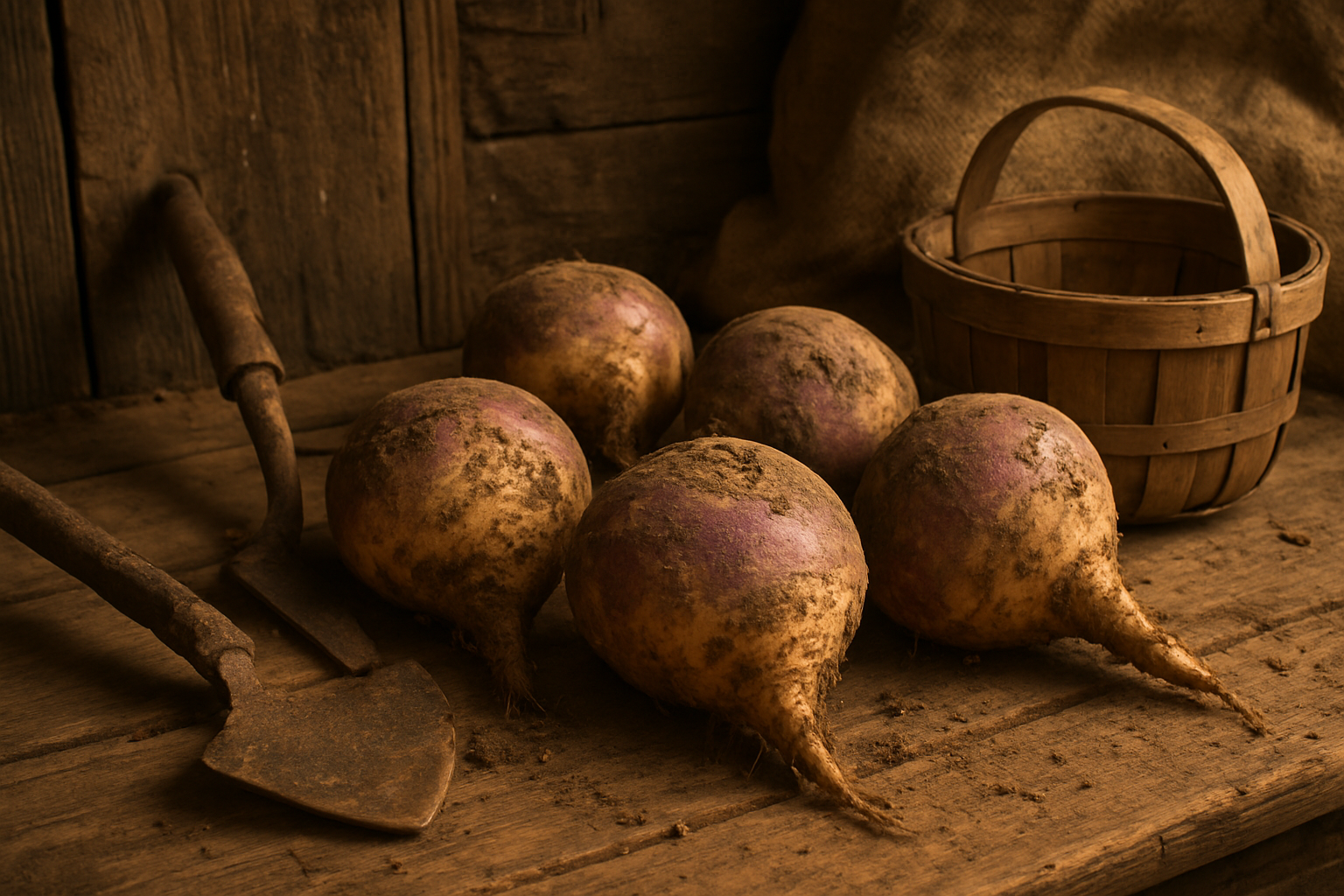
The rutabaga vegetable has quite the traveling story. Originally, this hardy root crop emerged from a cross between turnips and cabbage somewhere in Bohemia during the 17th century. The exact moment when nature (or perhaps a clever farmer) created this hybrid remains a mystery, but what we know is that the rutabaga quickly proved its worth in Northern European climates.
Scandinavia became the rutabaga's first true home. Swedish farmers embraced this robust vegetable because it thrived in their harsh winters and provided essential nutrition when other crops failed. The name "swede vegetable" actually comes from this strong Swedish connection. Finland and Norway soon followed, making rutabaga a cornerstone of their agricultural systems.
The plant's ability to withstand frost and store well through winter made it incredibly valuable. Unlike more delicate vegetables, rutabaga could be harvested late in the season and kept fresh in root cellars for months. This reliability turned it into a survival food that entire communities depended on during difficult times.
Introduction to Different Regions and Countries
As trade routes expanded, rutabaga seeds traveled across continents. Scottish farmers discovered that their Highland climate perfectly suited rutabaga cultivation. They called it "neeps" and made it central to their traditional Burns Night celebrations alongside haggis.
North American settlers brought rutabaga seeds across the Atlantic in the 18th century. Canadian farmers, especially in the Maritime provinces, found the climate ideal for growing large, sweet rutabagas. The vegetable became so associated with Canadian agriculture that many people still consider Canada a major rutabaga producer today.
Russia welcomed rutabaga during times when food security was paramount. The vegetable's ability to grow in poor soil and survive harsh conditions made it a practical choice for feeding large populations. Russian farmers developed their own varieties, often with purple-tinged skin that distinguished them from other regional types.
In Germany, rutabaga gained unfortunate fame during World War I when it became a primary food source during the "turnip winter" of 1916-1917. While this association temporarily damaged its reputation, German farmers continued cultivating improved varieties that were sweeter and more palatable.
Cultural Significance in Various Cuisines
Scottish cuisine transformed rutabaga into "bashed neeps," a creamy, buttery side dish that's now essential to traditional meals. This preparation method involves mashing cooked rutabaga with butter, cream, and seasonings until smooth. The dish represents comfort food at its finest and shows how simple vegetables can become culinary traditions.
Scandinavian cooks developed multiple ways to showcase rutabaga's versatility. Norwegian "kålrot" appears in hearty stews alongside root vegetables and meat. Swedish families often serve mashed rutabaga as part of Christmas dinner, continuing centuries-old traditions. Finnish cuisine incorporates rutabaga into casseroles and soups that warm families through long winter months.
Canadian Maritime culture embraces rutabaga in ways that reflect both Scottish heritage and local innovation. "Turnip" (as Canadians often call rutabaga) appears mashed, roasted, and even in pies. The vegetable represents connection to the land and resourceful cooking that makes the most of what grows well locally.
Eastern European cuisines feature rutabaga in robust, filling dishes. Polish and Ukrainian cooks add diced rutabaga to pierogi fillings and hearty soups. These preparations highlight the vegetable's ability to absorb flavors while adding natural sweetness and substantial texture to meals.
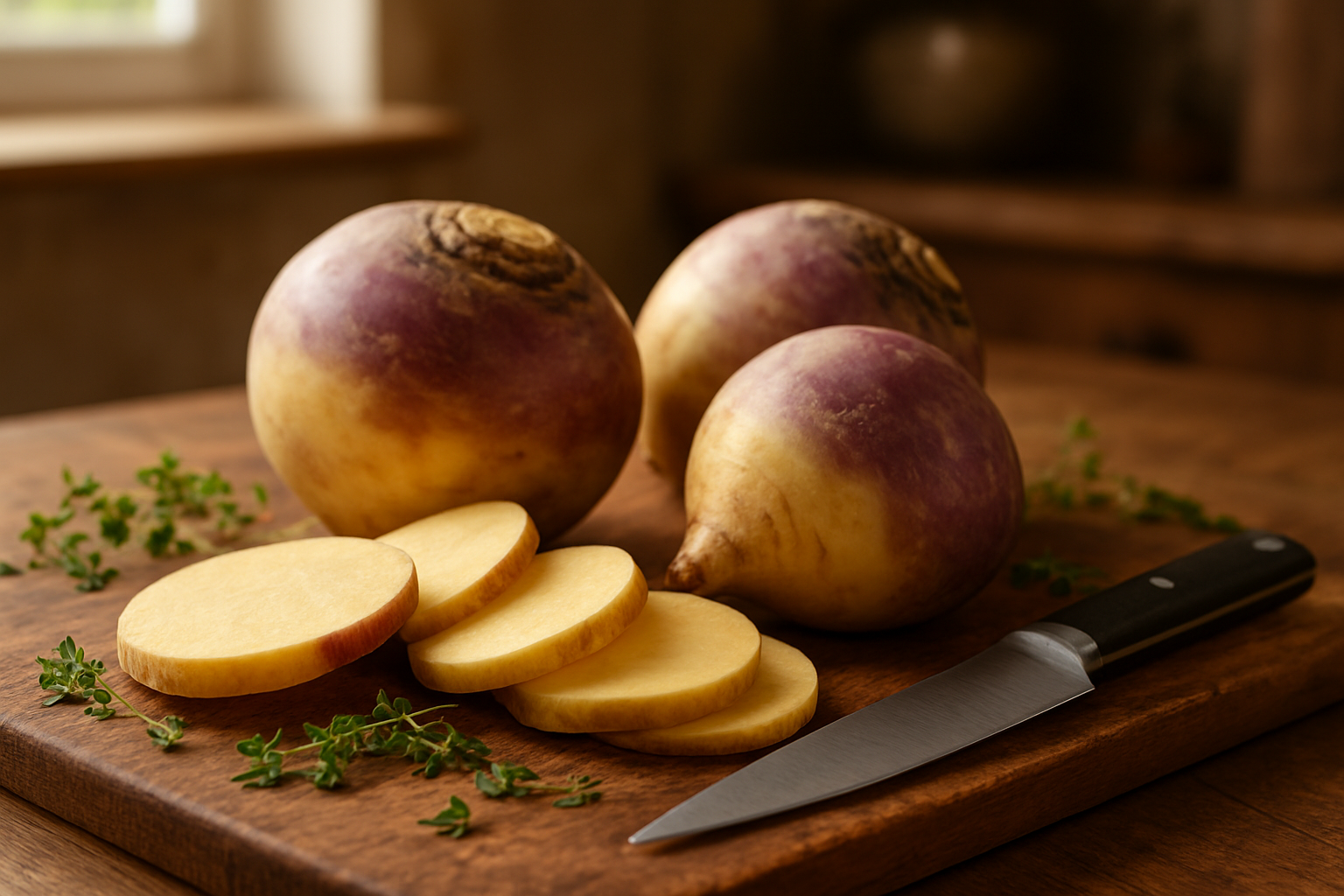
Rutabaga might look like an odd, oversized turnip, but this humble root vegetable packs serious nutritional punch with its vitamin C, fiber, and potassium content. Growing your own rutabaga is surprisingly simple - just plant the seeds in cool weather and wait for those purple-topped roots to develop. From its Scandinavian origins to modern kitchens, this versatile veggie has earned its place on dinner tables worldwide.
Don't let rutabaga's rough exterior fool you into thinking it's too complicated for your cooking routine. Whether you're roasting it with other root vegetables, mashing it as a healthier potato alternative, or adding it to hearty winter stews, rutabaga brings a sweet, slightly peppery flavor that transforms ordinary meals. Give this underrated vegetable a chance in your next grocery trip - your taste buds and your body will thank you for discovering what many consider one of fall's best-kept secrets.


.png)
Comments
Post a Comment