Dates - What Are Dates?
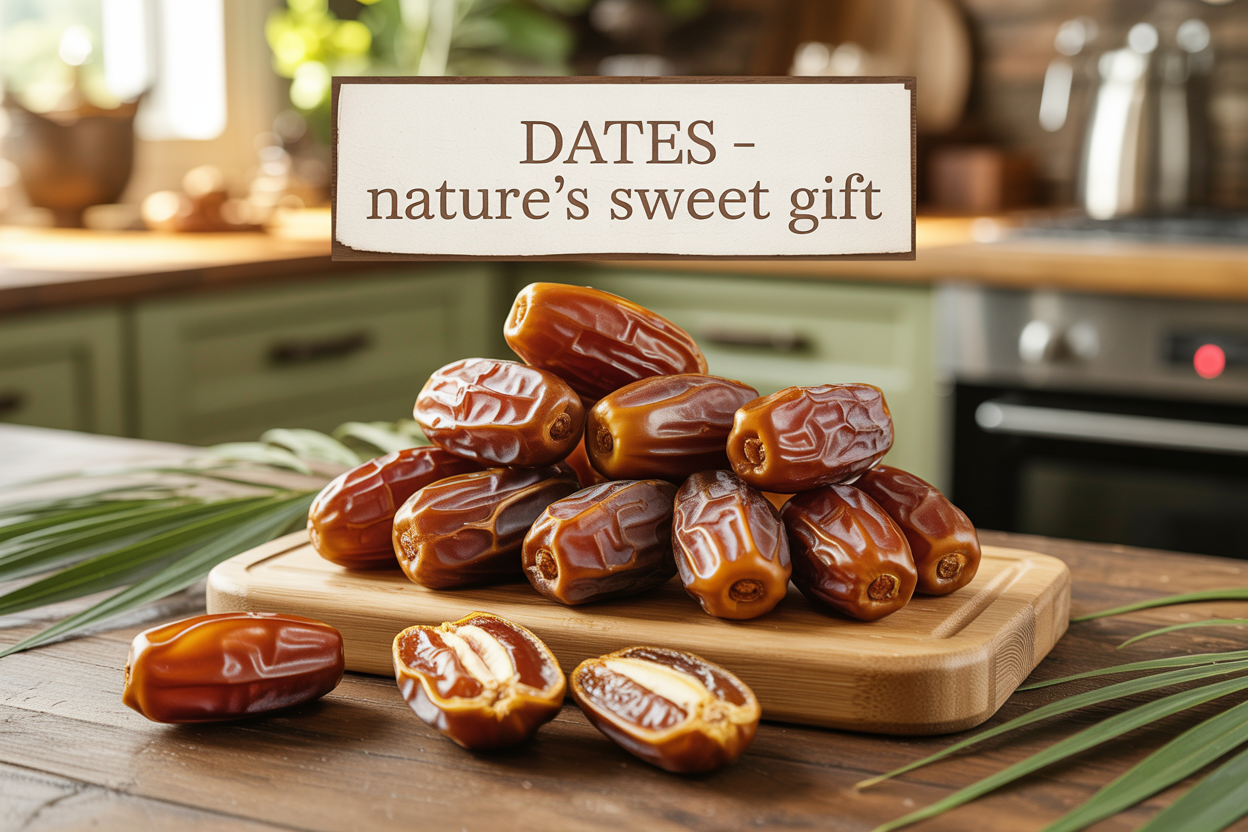
What Are Dates? Your Complete Guide to Nature's Candy
Dates are sweet, chewy fruits that grow on date palm trees, and they've been feeding people for thousands of years. If you're curious about this Middle Eastern superfood or wondering whether fresh dates vs dried dates make a difference, you're in the right place.
This guide is perfect for health-conscious eaters, home cooks exploring new ingredients, and anyone wanting to understand why dates deserve a spot in their pantry. We'll cover the impressive dates health benefits that make nutritionists call them a superfood, plus practical tips for dates culinary uses in your kitchen. You'll also learn how to store dates properly and discover the differences between popular varieties like medjool dates and deglet noor dates.
Ready to discover why this date palm fruit has been treasured across cultures for millennia? Let's dig into what makes dates so special.
Understanding the Date Fruit - Nature's Sweet Gift
Origin and botanical classification of date palms
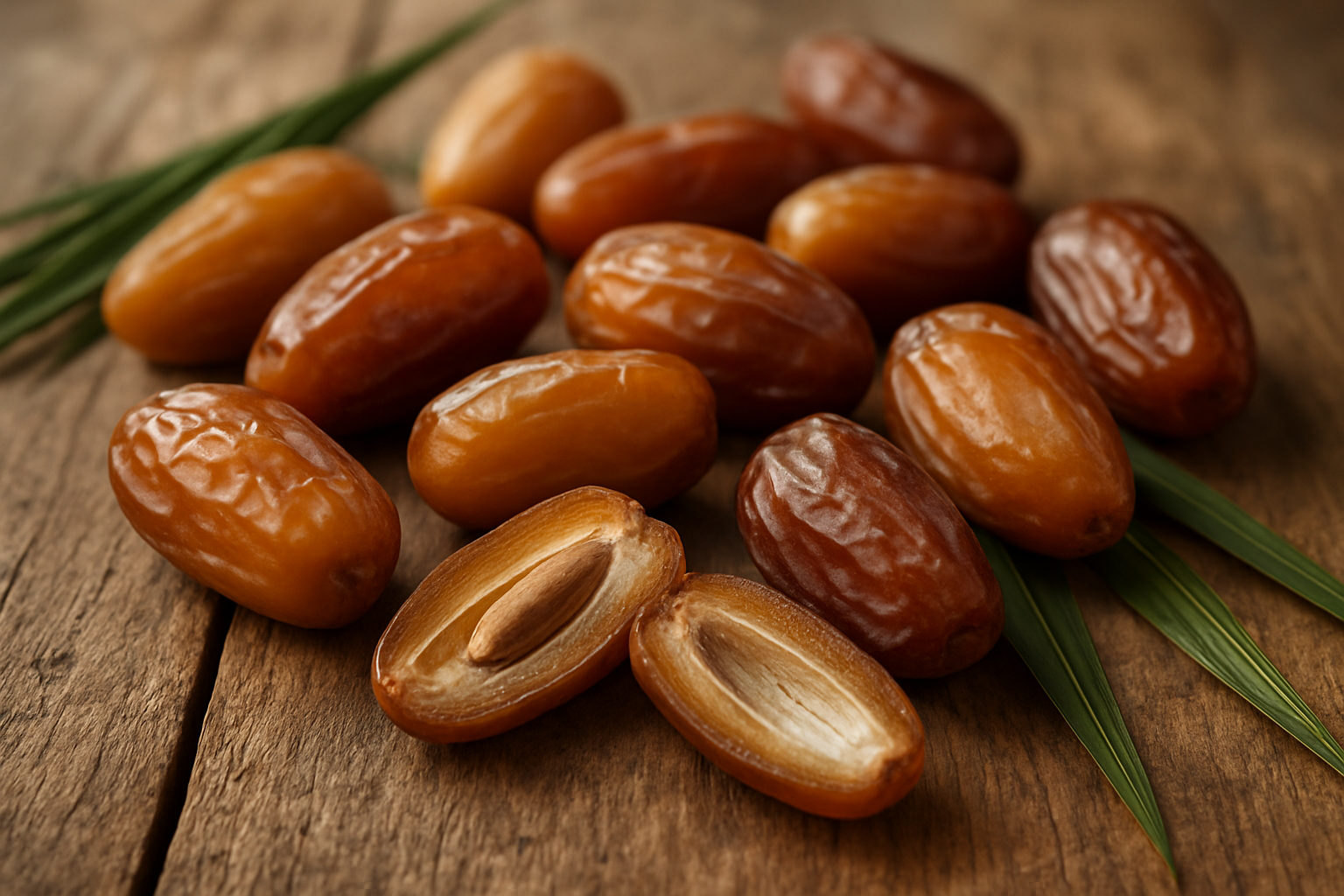
The date fruit comes from the Phoenix dactylifera, a species of palm tree that has been cultivating sweet treasures for over 4,000 years. These remarkable trees originated in the fertile regions of Mesopotamia and the Nile River Valley, where ancient civilizations first discovered their incredible potential. Date palms belong to the Arecaceae family and thrive in hot, arid climates with access to groundwater.
What makes these trees special is their dioecious nature - meaning you need both male and female trees to produce fruit. Female trees are the fruit producers, while males provide the pollen. One male tree can pollinate up to 50 female trees, making date cultivation an art that farmers have perfected across millennia.
The date palm fruit grows in large clusters that can contain anywhere from 600 to 1,700 individual dates per bunch. These trees are incredibly long-lived, often producing fruit for over 100 years, with some specimens reaching 300 years of age.
Physical characteristics and appearance of dates
Fresh dates start their journey as small, green, hard fruits that gradually transform through several distinct stages. Initially firm and astringent, they progress through the khalal (full-size, crunchy), rutab (soft, partially ripe), and finally tamar (fully ripe) stages.
Fresh dates vs dried dates show dramatic differences in appearance and texture. Fresh dates have a glossy, plump appearance with tender skin that ranges from bright red to golden yellow depending on the variety. Their flesh is crisp and mildly sweet. Dried dates, which represent most commercial varieties, display wrinkled, darker skin with a chewy, concentrated sweetness that intensifies during the natural drying process.
The size varies considerably between varieties, from small oval shapes about an inch long to large, plump specimens that can reach three inches. Colors span an impressive spectrum including amber, brown, black, golden, and deep red hues.
Different varieties and their unique features
Medjool dates reign as the "king of dates," prized for their large size, soft texture, and rich, almost wine-like sweetness. These premium dates have thick, tender skin and moist flesh that practically melts in your mouth.
Deglet Noor dates, meaning "date of light," offer a completely different experience. These translucent golden gems provide a firm, chewy texture with delicate sweetness and subtle nutty undertones. They're smaller than Medjools but pack incredible flavor complexity.
Other notable types of dates include:
-
Zahidi dates: Golden, firm, and mildly sweet with excellent keeping qualities
-
Halawi dates: Small, soft, and honey-sweet with butterscotch notes
-
Barhi dates: Can be eaten fresh when yellow and crunchy or dried to soft perfection
-
Ajwa dates: Dark, soft dates from Saudi Arabia with intense sweetness and cultural significance
Nutritional profile and caloric content
Dates nutrition facts reveal why these fruits earned superfood status. A 100-gram serving of dates contains approximately 277 calories, making them energy-dense natural fuel. They're virtually fat-free while providing 6.7 grams of dietary fiber and 1.8 grams of protein.
The mineral content is where dates truly shine. They're loaded with potassium (696mg per 100g), essential for heart health and muscle function. Copper, manganese, and magnesium round out their impressive mineral profile.
Dates benefits extend to their antioxidant content, including flavonoids, carotenoids, and phenolic acid. These compounds help protect cells from oxidative stress. The natural sugars - glucose, fructose, and sucrose - provide quick energy while the fiber helps moderate blood sugar spikes.
Dates also contain B-vitamins, particularly B6, niacin, and pantothenic acid, supporting energy metabolism and nervous system function. This nutritional density explains why Middle Eastern dates have sustained desert travelers and provided essential nutrition for thousands of years.
Health Benefits That Make Dates a Superfood
Essential vitamins and minerals for optimal wellness
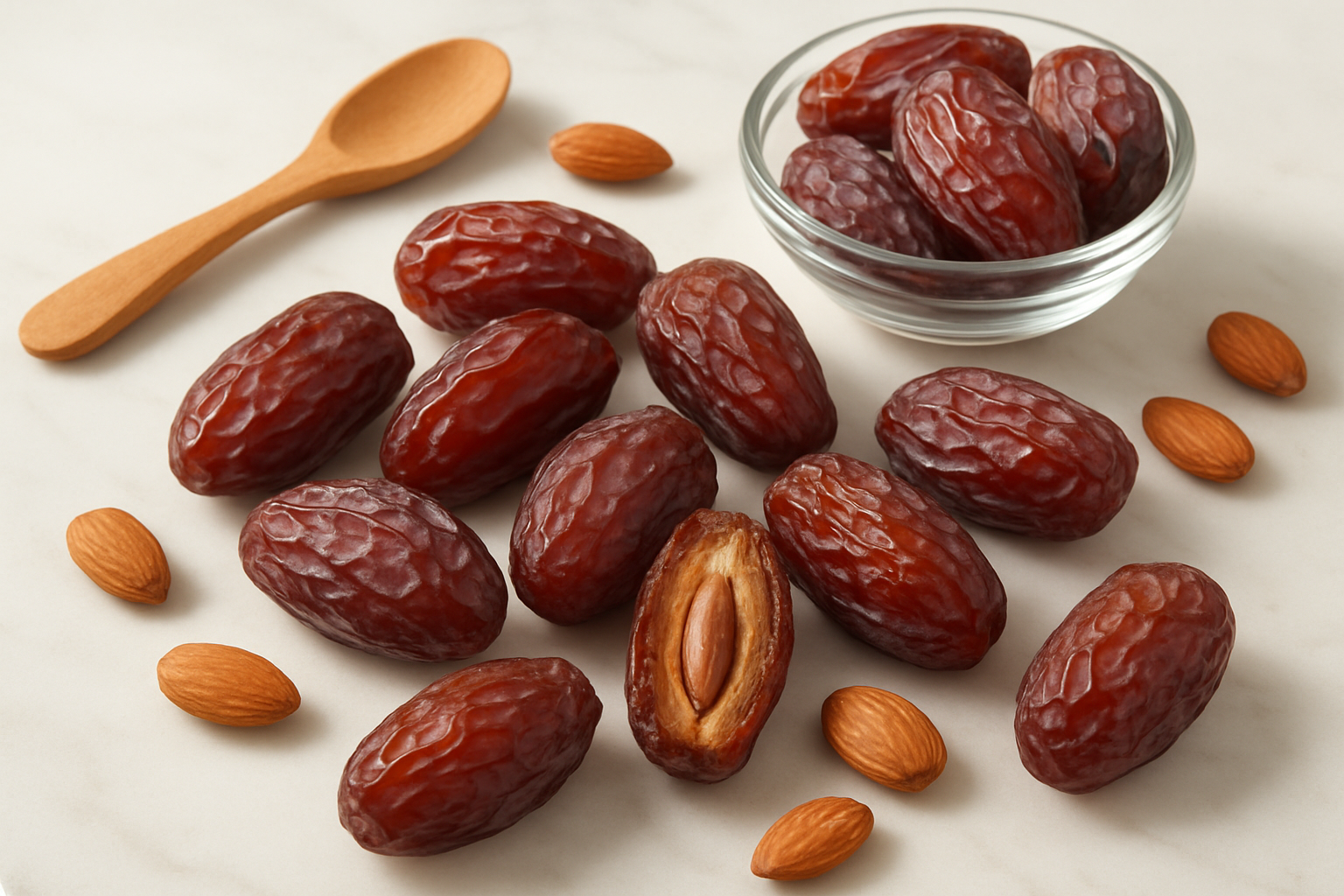
The date fruit packs an impressive nutritional punch that puts many processed snacks to shame. These naturally sweet gems contain substantial amounts of potassium, copper, and manganese - three minerals your body craves for peak performance. Potassium helps regulate fluid balance and supports proper muscle function, while copper plays a key role in iron absorption and collagen production. Manganese contributes to bone formation and wound healing.
Dates nutrition facts reveal significant levels of vitamin B6, which supports brain function and helps your body produce serotonin and norepinephrine - neurotransmitters that regulate mood. You'll also find folate, essential for DNA synthesis and red blood cell formation, plus small amounts of vitamin K for blood clotting and bone health.
Fiber content supporting digestive health
Each serving of dates delivers about 6.7 grams of dietary fiber per 100 grams, making them excellent allies for your digestive system. This fiber content helps maintain regular bowel movements, feeds beneficial gut bacteria, and can help lower cholesterol levels naturally.
The soluble fiber in dates forms a gel-like substance in your digestive tract, slowing sugar absorption and helping you feel satisfied longer. This makes Medjool dates and other varieties particularly valuable for weight management when enjoyed in moderation.
Natural energy boost without processed sugars
Unlike energy drinks or candy bars, dates provide sustained energy through their natural sugar content - primarily glucose, fructose, and sucrose. This combination delivers quick energy while avoiding the harsh crash associated with refined sugars.
Athletes often rely on dates as pre-workout fuel because they're easily digestible and provide readily available glucose for muscles. The natural sugars work alongside the fruit's fiber to provide steady energy release rather than dramatic spikes and drops in blood sugar.
Heart health and blood pressure regulation
The potassium content in dates directly supports cardiovascular wellness by helping regulate blood pressure. Studies suggest that adequate potassium intake can counteract sodium's effects and reduce strain on blood vessel walls.
Dates benefits extend to cholesterol management as well. The soluble fiber binds to cholesterol in the digestive system, potentially helping lower LDL (bad) cholesterol levels. Antioxidants like flavonoids and phenolic compounds in dates may also protect against oxidative stress that damages blood vessels.
Bone strengthening properties from key nutrients
Dates contain several nutrients essential for bone health, including copper, manganese, and magnesium. Copper helps with collagen formation, a protein that provides structure to bones and connective tissues. Manganese supports bone formation and helps activate enzymes involved in bone metabolism.
The magnesium in dates works alongside calcium to maintain bone density. While dates aren't high in calcium themselves, their magnesium content helps your body absorb and utilize calcium more effectively from other food sources. This mineral combination makes dates a smart addition to any bone-healthy eating plan.
Culinary Uses and Preparation Methods
Fresh versus dried dates - taste and texture differences
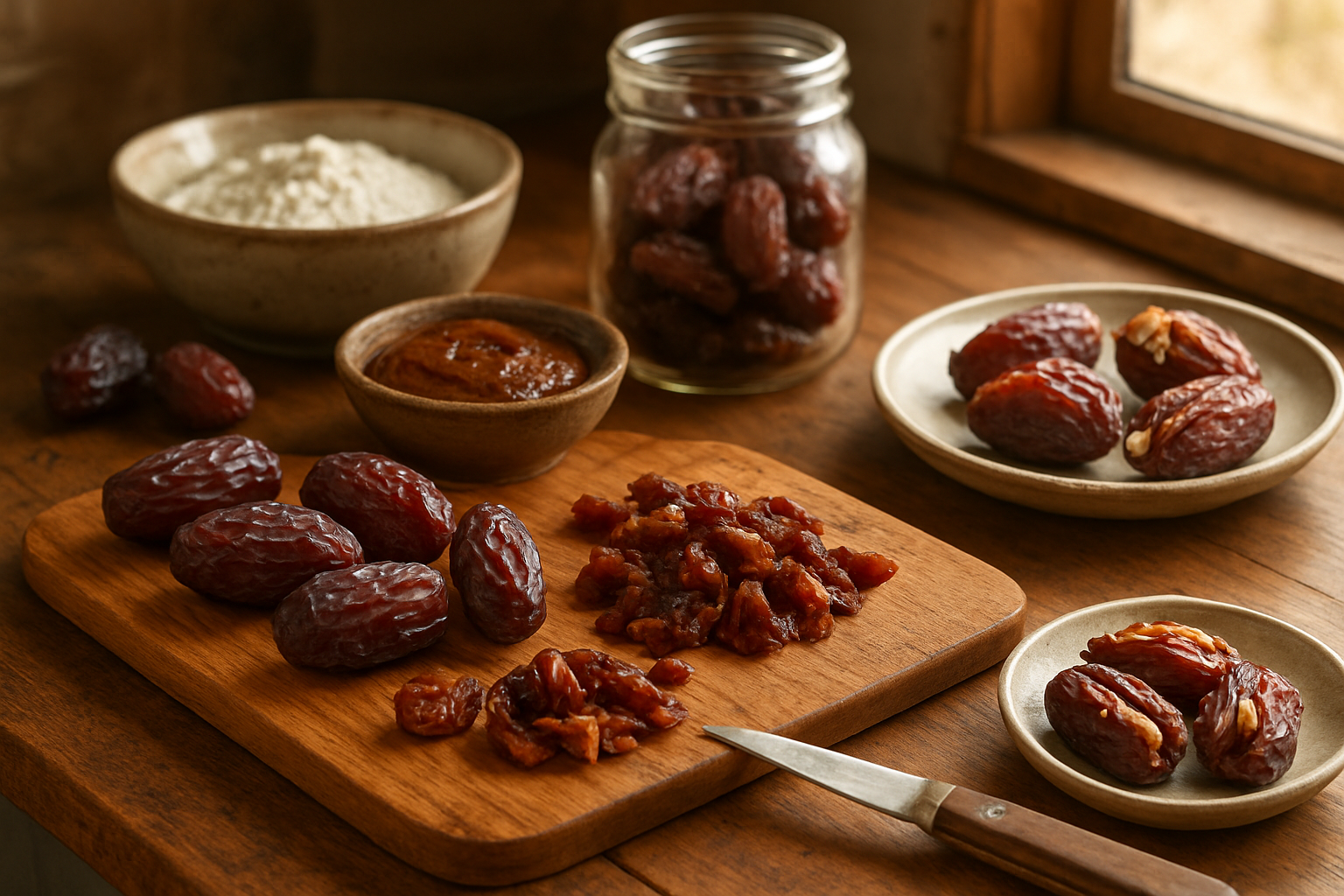
The world of date fruit offers two distinct experiences depending on whether you choose fresh or dried varieties. Fresh dates deliver a crisp, apple-like texture with subtle sweetness and delicate floral notes. These seasonal treasures are typically available from late summer through fall, offering a refreshing bite that's less intense than their dried counterparts.
Dried dates, particularly popular varieties like Medjool dates and Deglet Noor dates, present a completely different profile. The dehydration process concentrates the natural sugars, creating an intensely sweet, chewy texture reminiscent of candy. Medjool dates are often called the "king of dates" due to their large size and incredibly soft, almost melt-in-your-mouth consistency. Deglet Noor dates offer a firmer bite with a translucent appearance and nutty undertones.
| Characteristic | Fresh Dates | Dried Dates |
|---|---|---|
| Texture | Crisp, firm | Soft, chewy |
| Sweetness Level | Mild to moderate | Intensely sweet |
| Moisture Content | High | Low |
| Shelf Life | 2-3 weeks refrigerated | 6-12 months |
| Best Uses | Snacking, salads | Baking, desserts |
Popular recipes and cooking applications
Date fruit shines in countless culinary applications across Middle Eastern, Mediterranean, and modern fusion cuisines. These versatile fruits work beautifully in both sweet and savory dishes, adding natural sweetness and rich flavor complexity.
Stuffed dates represent one of the most beloved preparations. Fill pitted Medjool dates with cream cheese, goat cheese, or nuts like almonds and walnuts for elegant appetizers. For a more indulgent treat, wrap bacon around cheese-stuffed dates and bake until crispy.
In savory cooking, dates pair exceptionally well with lamb, chicken, and pork. Moroccan tagines often feature dates alongside preserved lemons and warm spices, while Persian rice dishes incorporate chopped dates for bursts of sweetness. The natural sugars in dates caramelize beautifully when roasted with vegetables or used in marinades for grilled meats.
Date-based desserts range from simple energy balls made with dates, nuts, and cocoa powder to sophisticated tarts and puddings. Middle Eastern ma'amoul cookies traditionally feature date paste as filling, while sticky toffee pudding relies on chopped dates for moisture and flavor depth.
Natural sweetener alternatives in baking
Dates serve as exceptional natural sweeteners in modern baking, offering nutritional benefits that refined sugar simply can't match. Date paste, made by blending pitted dates with water, can replace up to half the sugar in most baking recipes while adding fiber, potassium, and antioxidants.
When substituting dates for sugar in baking, use a 1:1 ratio of date paste to brown sugar, or reduce liquid ingredients slightly to compensate for the moisture content. Date syrup, another popular alternative, works particularly well in cookies, muffins, and quick breads where its molasses-like flavor complements other ingredients.
Whole dates chopped finely work wonderfully in oatmeal cookies, banana bread, and scones. They provide bursts of concentrated sweetness while maintaining their chewy texture after baking. For chocolate-based desserts, dates enhance the rich flavors while reducing the need for added sugars.
The key to successful baking with dates lies in understanding their moisture content and adjusting other wet ingredients accordingly. Start by replacing 25% of the sugar with date-based alternatives, then gradually increase the ratio as you become comfortable with the texture and flavor changes.
Selecting and Storing Dates for Maximum Quality
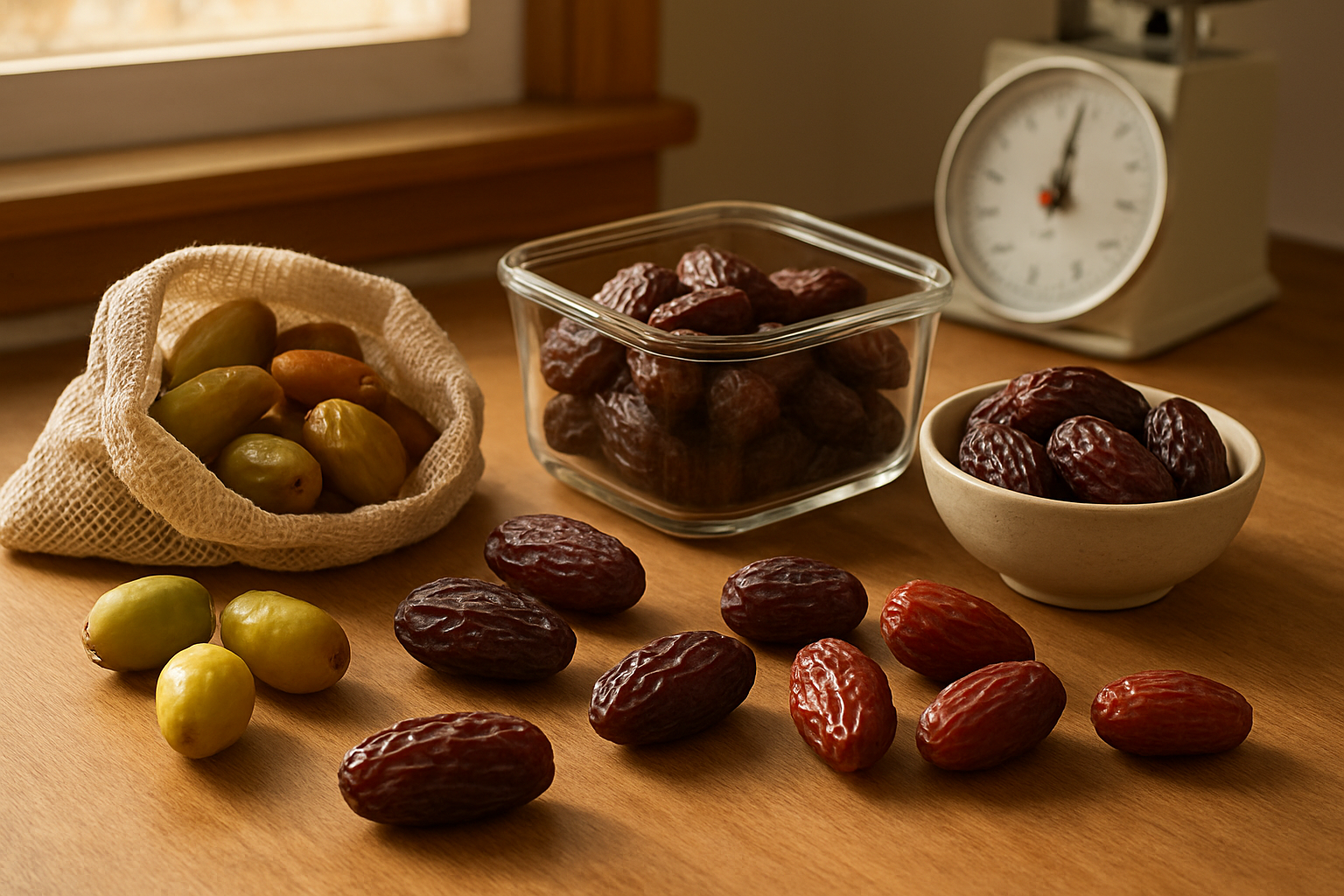
How to identify fresh, high-quality dates
The best date fruit should feel plump and slightly soft to the touch, with smooth, glossy skin that shows no wrinkles or cracks. Fresh dates have a rich, deep color that varies by variety - Medjool dates display a beautiful dark brown hue, while Deglet Noor dates appear more amber or golden. Avoid dates with white spots, which could indicate crystallized sugar or mold growth.
Quality dates should have their stems intact or show clean removal points. The flesh should yield slightly when pressed but shouldn't feel mushy or overly sticky. Fresh dates vs dried dates can be distinguished by moisture content - fresh varieties feel tender and moist, while properly dried dates maintain some flexibility without being hard.
Look for dates sold in clear packaging so you can inspect them before purchasing. Premium Middle Eastern dates often come with minimal processing and retain their natural bloom - a slight whitish coating that's perfectly normal and indicates freshness.
Proper storage techniques to maintain freshness
How to store dates depends on whether you're dealing with fresh or dried varieties. Fresh dates require refrigeration in airtight containers, where they'll maintain quality for 2-3 weeks. Place them in the main body of your refrigerator rather than the door, which experiences temperature fluctuations.
Dried dates have more flexibility in storage options. At room temperature, keep them in sealed containers away from direct sunlight and heat sources. They'll stay fresh for several months this way. For extended storage, refrigeration extends their life up to one year, while freezing can preserve dates for up to three years.
Types of dates have different storage needs. Softer varieties like Medjool benefit from refrigeration even when dried, while firmer varieties like Deglet Noor handle room temperature storage better. Always separate different varieties when storing to prevent flavor transfer.
Signs of spoilage and when to discard dates
Spoiled dates develop several telltale signs that make them unsafe to eat. Mold appears as fuzzy white, green, or black spots on the surface or inside the flesh. Any dates showing mold growth should be discarded immediately, along with any others that were in direct contact.
Off odors signal spoilage - fresh dates should smell sweet and pleasant, while spoiled ones emit sour, fermented, or alcoholic smells. The texture also changes dramatically when dates go bad. They become either extremely hard and dried out or develop a slimy, mushy consistency.
Discoloration beyond normal browning indicates problems. Dark spots, unusual white patches, or any rainbow-colored sheens on the surface suggest bacterial growth. Trust your senses - if dates look, smell, or feel wrong, don't risk eating them.
Shelf life expectations for different varieties
Date palm fruit varieties have varying shelf lives based on their moisture content and processing methods. Medjool dates, being naturally softer and containing more moisture, typically last 2-3 weeks at room temperature and up to 6 months refrigerated.
Deglet Noor dates and other drier varieties can last 6-12 months at room temperature when properly stored, and up to 2 years in the refrigerator. Their lower moisture content makes them more stable for long-term storage.
| Date Variety | Room Temperature | Refrigerated | Frozen |
|---|---|---|---|
| Medjool | 2-3 weeks | 6 months | 3 years |
| Deglet Noor | 6-12 months | 2 years | 3 years |
| Zahidi | 8-12 months | 2 years | 3 years |
| Halawi | 1-2 months | 8 months | 3 years |
Processing methods affect longevity significantly. Pitted dates generally have shorter shelf lives than whole dates because removing the pit exposes more flesh to air and potential contamination. Dates packed with preservatives last longer but may compromise some nutritional benefits that make dates superfood status so appealing.
Global Production and Cultural Significance
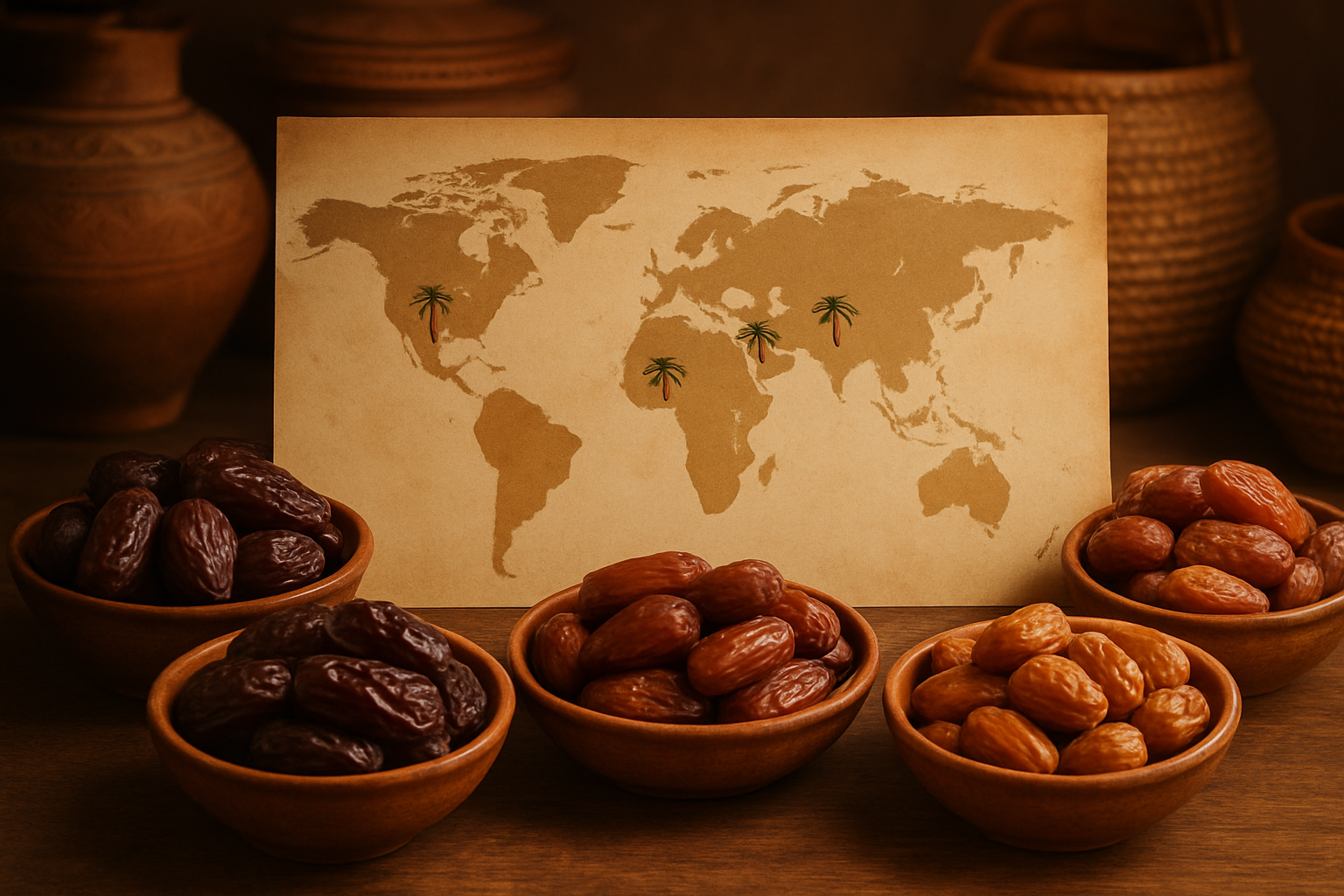
Major Date-Producing Regions Worldwide
The date palm fruit thrives in hot, arid climates, making certain regions perfect powerhouses for cultivation. The Middle East dominates global production, with Iran leading as the world's largest producer of dates, contributing nearly 20% of the worldwide supply. Iraq follows closely, famous for its premium Medjool dates and Halawi varieties that have been cultivated for thousands of years along the Tigris and Euphrates rivers.
Saudi Arabia ranks third globally, with vast date palm groves stretching across the Arabian Peninsula. The country produces exceptional Ajwa dates, particularly prized for their religious significance. Egypt's Nile Delta region has been cultivating dates for over 4,000 years, specializing in soft varieties like Zaghloul and Samany.
Outside the Middle East, Algeria and Tunisia lead North African production, known for their high-quality Deglet Noor dates - translucent, amber-colored gems that are exported worldwide. The United States, particularly California's Coachella Valley, produces about 95% of America's date crop, focusing on Medjool and Deglet Noor varieties.
Pakistan contributes significantly to global supplies, especially with Kharak dates, while Morocco's oasis regions produce distinctive varieties. These major producing regions collectively supply the world's growing demand for this nutritious date palm fruit, each contributing unique flavors and textures that reflect their specific growing conditions and traditional cultivation methods.
Historical Importance in Middle Eastern Cultures
Dates hold an extraordinary place in Middle Eastern history, deeply woven into the fabric of civilization for over 5,000 years. Ancient Mesopotamians considered the date palm the "tree of life," and archaeological evidence shows dates were cultivated in the Indus Valley as early as 2500 BCE. The fruit became so valuable that ancient Babylonians developed sophisticated irrigation systems specifically for date palm groves.
In ancient Egypt, dates served as currency and were essential provisions for the afterlife - pharaohs were buried with baskets of dates to sustain them in their eternal journey. The fruit's natural sweetness and long shelf life made it perfect for desert travel, earning it the nickname "bread of the desert" among Bedouin tribes.
Trade routes flourished around date commerce, with merchants carrying these precious fruits along the Silk Road, spreading cultivation techniques across continents. Persian poetry and literature frequently reference dates as symbols of hospitality, prosperity, and divine blessing. The fruit became so integral to daily life that many Middle Eastern languages developed dozens of words to describe different varieties, ripeness stages, and preparation methods.
Archaeological discoveries continue to reveal the sophisticated agricultural knowledge ancient civilizations possessed regarding date cultivation, including selective breeding techniques that produced the superior varieties we enjoy today. This historical foundation explains why Middle Eastern dates remain the gold standard for quality and flavor worldwide.
Religious and Traditional Celebrations Featuring Dates
Dates occupy a sacred position in Islamic tradition, mentioned over 20 times in the Quran and deeply connected to the Prophet Muhammad's teachings. The Prophet reportedly broke his fasts with dates and water, establishing a tradition that continues today during Ramadan. Muslims worldwide begin their iftar (evening meal) with dates, following this blessed example that spans over 1,400 years.
The fruit appears in numerous Islamic narratives, including the story of Mary (Maryam) being sustained by fresh dates during Jesus's birth. This connection makes dates especially significant during religious observances and celebrations. During Eid festivities, families exchange gifts of premium dates, particularly Ajwa dates from Medina, which are considered especially blessed.
Jewish traditions also embrace dates as one of the seven species mentioned in the Torah, symbolizing the abundance of the Promised Land. During Rosh Hashanah, dates are eaten to represent hopes for a sweet new year, often paired with honey and other symbolic foods.
Christian communities in the Middle East incorporate dates into Easter celebrations and Christmas festivities, continuing ancient traditions that predate modern religions. Throughout the region, dates mark important life events - births, weddings, and coming-of-age ceremonies - where offering dates to guests demonstrates hospitality and respect.
These religious and cultural traditions have helped preserve ancient date varieties and cultivation methods, ensuring that what are dates today remain connected to their rich historical and spiritual heritage across multiple faiths and cultures.
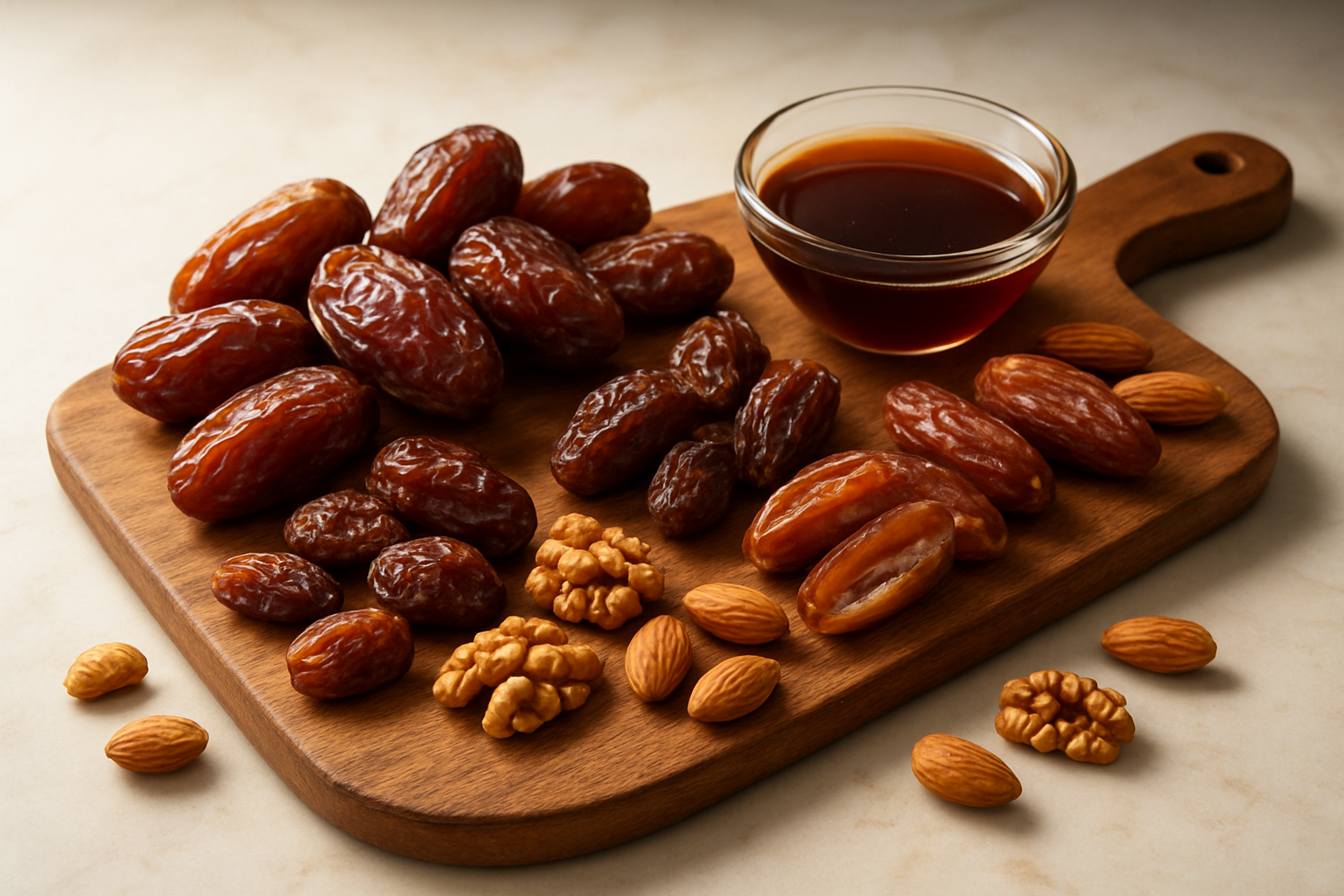
Dates offer an incredible combination of natural sweetness, impressive health benefits, and rich cultural history that makes them stand out among nature's gifts. From their high fiber content and essential minerals to their role in traditional cuisines worldwide, these remarkable fruits deserve a place in your pantry. They're not just delicious snacks – they're nutritional powerhouses that can boost your energy, support heart health, and satisfy your sweet tooth without the guilt.
Ready to experience what dates can do for you? Start by picking up some fresh Medjool or Deglet Noor dates from your local store, and try stuffing them with nuts or adding them to your morning smoothie. Once you discover how versatile and satisfying they are, you'll understand why cultures around the world have treasured dates for thousands of years. Your taste buds and your body will thank you for making this simple, healthy swap.


.png)
Comments
Post a Comment