Dragon Fruit - What's The Dragon Fruit?
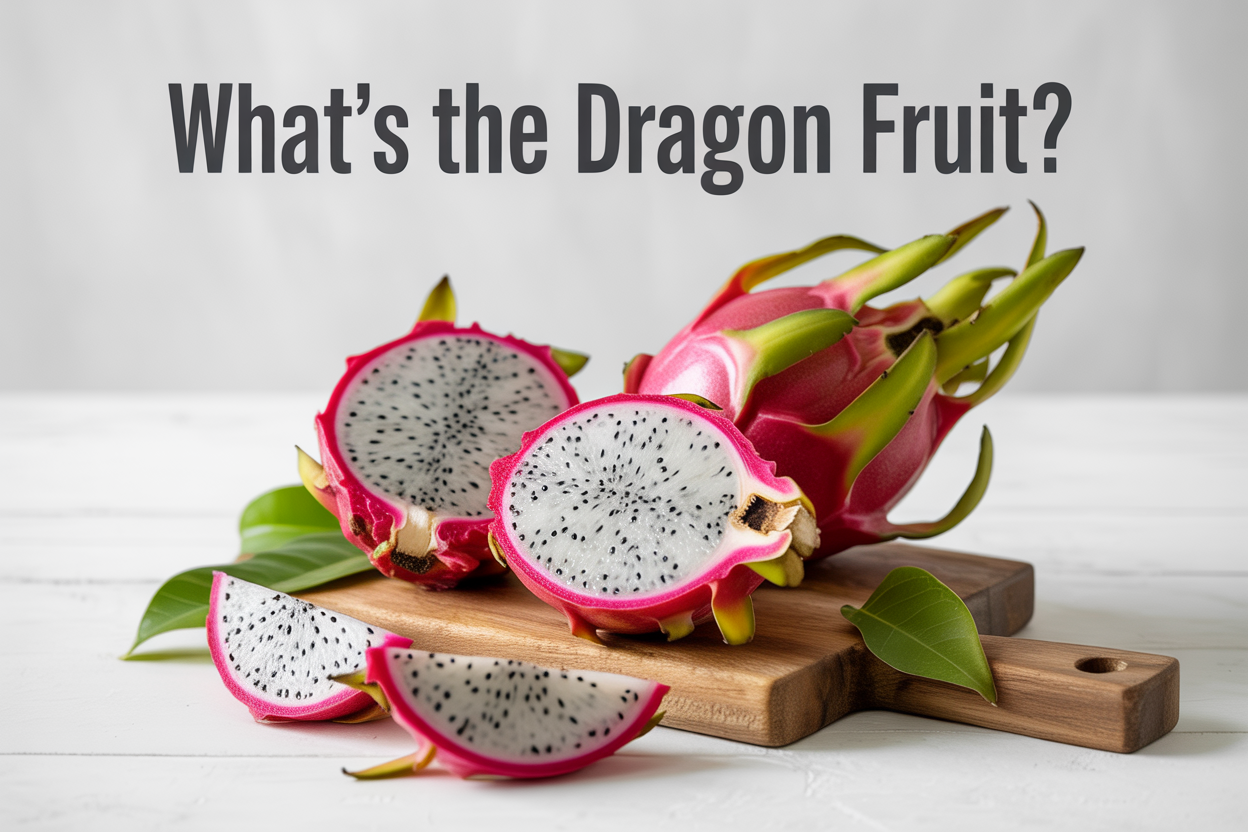
Dragon fruit has been popping up everywhere from Instagram feeds to grocery store produce sections, but many people still wonder: what is dragon fruit exactly? This comprehensive guide is perfect for curious food lovers, health enthusiasts, and anyone who's ever spotted this vibrant pink fruit and wondered if it's worth trying.
Also known as pitaya fruit, this exotic tropical treat offers way more than just Instagram-worthy looks. We'll dive into dragon fruit nutrition and explore the impressive dragon fruit health benefits that make it a superfood worth adding to your diet. You'll also learn practical tips for selecting dragon fruit at the store and discover multiple delicious ways to eat dragon fruit once you get it home.
Get ready to transform from dragon fruit newbie to confident connoisseur as we cover everything you need to know about this fascinating fruit.
Discover What Dragon Fruit Really Is
Origins and Natural Habitat of This Exotic Superfruit
Dragon fruit, scientifically known as Hylocereus, belongs to the cactus family and originally comes from Central America. This remarkable pitaya fruit has been thriving in tropical and subtropical regions for centuries, naturally growing on climbing cacti that can reach up to 20 feet tall.
The plant spreads its roots across several continents today, with major cultivation happening in Vietnam, Thailand, Malaysia, Israel, and parts of South America. What makes this fruit special is how it grows - the dragon fruit cactus is an epiphytic plant, meaning it often grows on other trees or structures for support, similar to how orchids grow.
These cacti bloom only at night with stunning white flowers that can measure up to 14 inches across. The flowers are pollinated by bats and moths, making the entire growing process quite magical. After pollination, it takes about 30-50 days for the fruit to fully develop and ripen.
Vietnam has become the world's largest producer of dragon fruit, accounting for nearly half of global production. The country's tropical climate provides perfect growing conditions with warm temperatures year-round and adequate rainfall.
Visual Characteristics That Make Dragon Fruit Instantly Recognizable
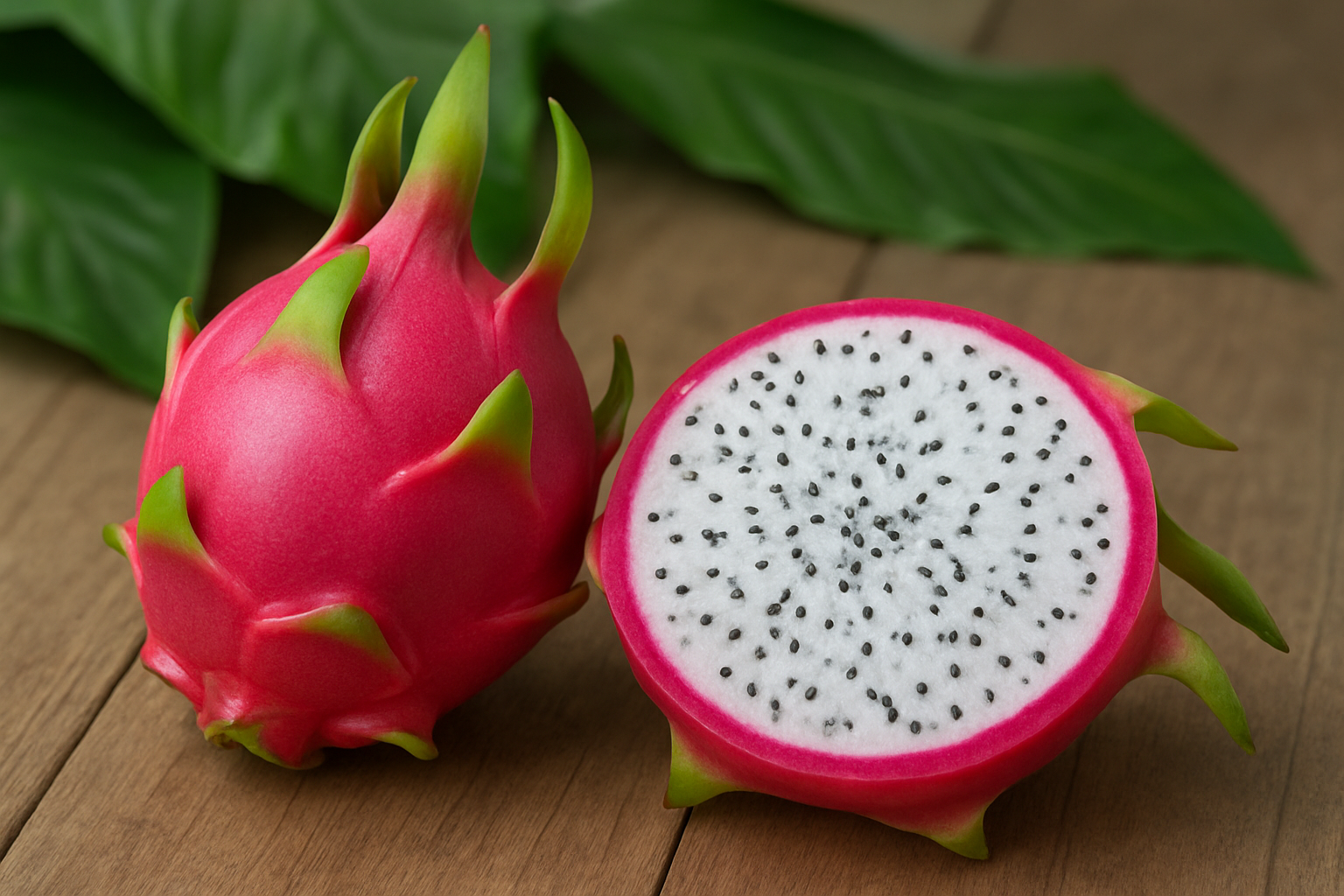
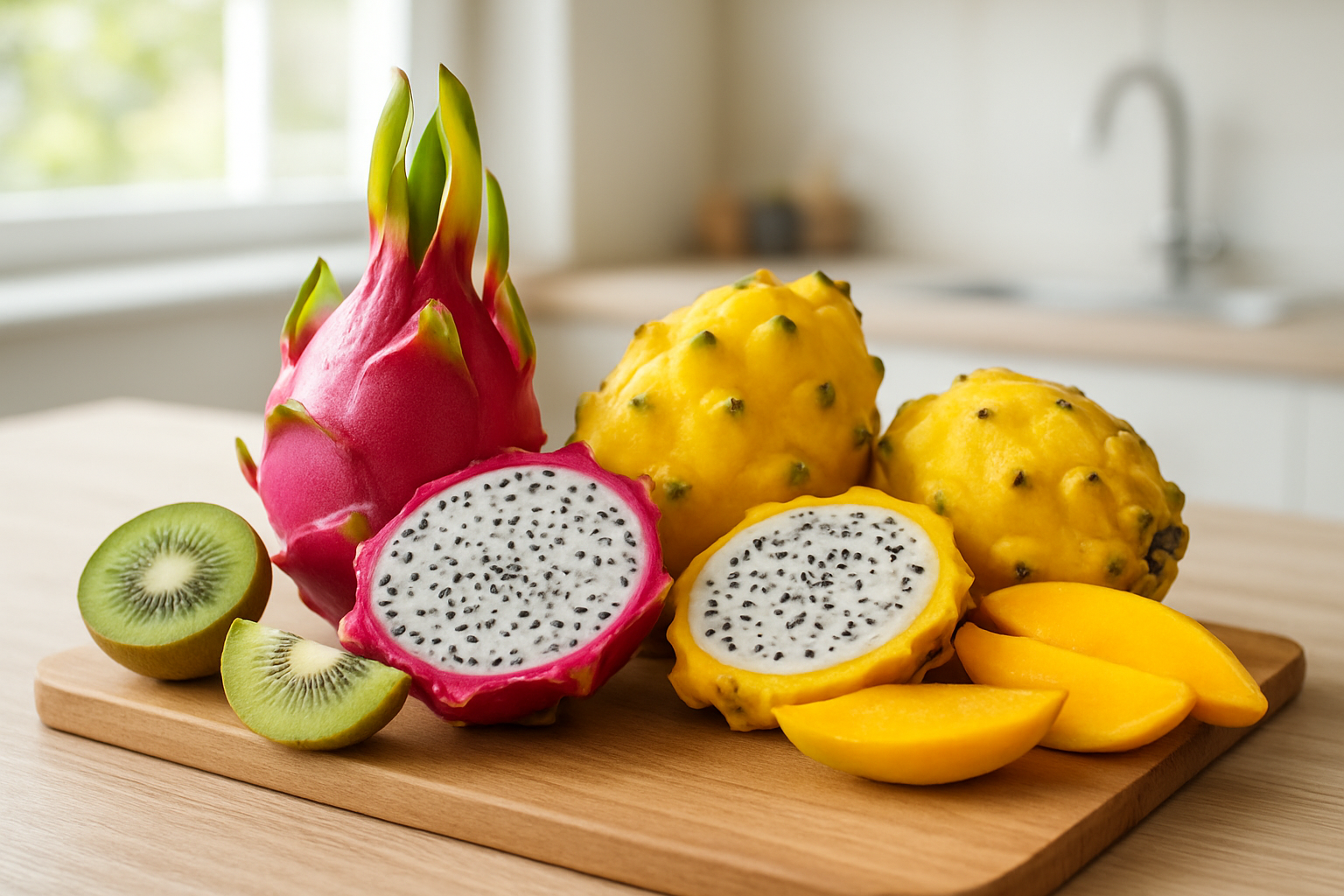
The dragon fruit gets its name from its distinctive appearance that resembles dragon scales. The outer skin features bright pink or yellow coloring with green-tipped scales that create an almost mythical look. These scales are actually bracts - modified leaves that protect the developing fruit.
Most dragon fruits you'll find in stores have vibrant fuchsia-pink skin, though yellow varieties exist and are equally delicious. The fruit is typically oval-shaped and ranges from tennis ball to softball size, usually weighing between 150-600 grams.
When you cut open a dragon fruit, you'll discover flesh that's either white, red, or magenta, speckled with tiny black seeds throughout. The texture resembles a cross between a kiwi and a pear - soft and juicy with a mild, slightly sweet flavor that many describe as refreshing.
The flesh contains hundreds of small, edible black seeds that add a subtle crunch, similar to sesame seeds. These seeds are completely safe to eat and actually contain healthy omega-3 fatty acids.
Different Varieties and Their Unique Features
Dragon fruit comes in several distinct varieties, each offering unique characteristics and flavors:
| Variety | Skin Color | Flesh Color | Taste Profile |
|---|---|---|---|
| Hylocereus undatus | Pink | White | Mild, subtly sweet |
| Hylocereus costaricensis | Pink | Red/Magenta | Slightly sweeter, more intense |
| Hylocereus megalanthus | Yellow | White | Sweetest variety, tropical notes |
White-fleshed dragon fruit (Hylocereus undatus) is the most common variety found in grocery stores. It has pink skin with white flesh and offers a gentle, refreshing taste that's perfect for beginners trying dragon fruit for the first time.
Red-fleshed dragon fruit (Hylocereus costaricensis) provides a more vibrant eating experience. The deep red or magenta flesh contains higher antioxidant levels, particularly betalains, which give it the rich color. This variety tends to be slightly sweeter than its white-fleshed cousin.
Yellow dragon fruit (Hylocereus megalanthus) is considered the premium variety. Despite having white flesh like the first variety, it's significantly sweeter with more complex flavor notes. The yellow skin is covered with smaller, more numerous spines, and this variety is often pricier due to lower production volumes.
Some specialty varieties include the purple dragon fruit and pink-skinned varieties with pink flesh. These are less common but gaining popularity among exotic fruit enthusiasts who appreciate their unique appearance and slightly different flavor profiles.
Unlock the Impressive Nutritional Profile
Essential Vitamins and Minerals Your Body Craves
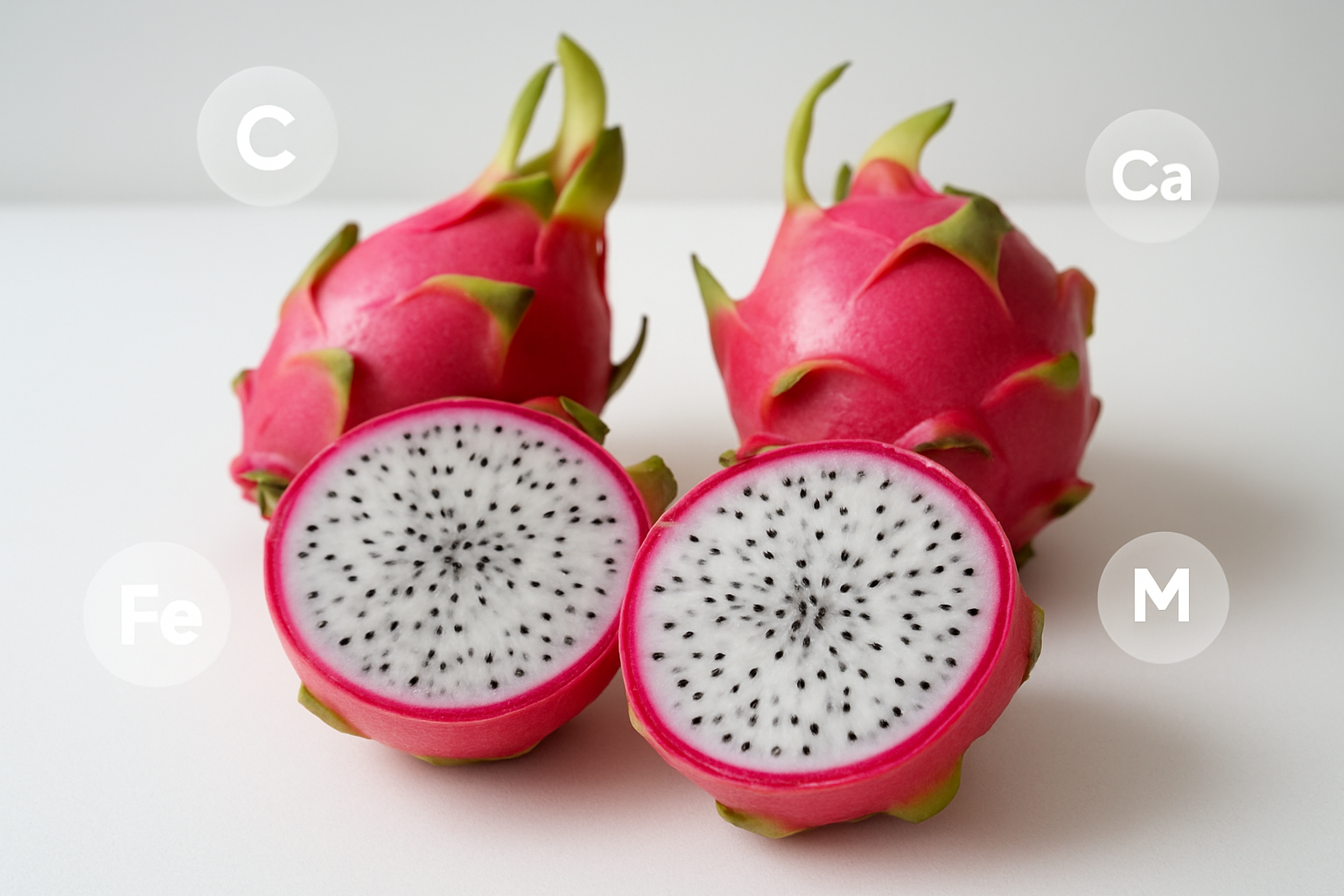
Dragon fruit packs an impressive array of nutrients that make it a standout addition to any healthy diet. This exotic pitaya fruit delivers a generous dose of vitamin C, providing about 34% of your daily needs in just one cup. Your immune system will thank you for this natural boost that helps fight off infections and keeps your skin glowing.
The nutritional profile doesn't stop there. Dragon fruit contains significant amounts of iron, which plays a crucial role in preventing anemia and maintaining healthy energy levels. You'll also find magnesium, essential for muscle function and bone health, along with B vitamins that support your nervous system and help convert food into energy.
| Nutrient | Amount per 100g | Daily Value % |
|---|---|---|
| Vitamin C | 20.5mg | 34% |
| Iron | 1.9mg | 11% |
| Magnesium | 18mg | 4% |
| Calcium | 8.5mg | 1% |
| Phosphorus | 22.5mg | 2% |
Antioxidants That Fight Free Radicals
The vibrant colors of dragon fruit aren't just for show – they signal the presence of powerful antioxidants working to protect your cells. Betalains give the red variety its stunning color while providing anti-inflammatory benefits that rival those found in other superfruit varieties.
These natural compounds work around the clock to neutralize harmful free radicals in your body. Free radicals can damage cells and contribute to aging and various health issues, but the antioxidants in dragon fruit help create a protective shield. The fruit also contains flavonoids and phenolic compounds that support cardiovascular health and may help reduce the risk of chronic diseases.
Low Calorie Content Perfect for Weight Management
Dragon fruit shines as a guilt-free treat for anyone watching their caloric intake. With only about 60 calories per cup, this tropical fruit lets you satisfy sweet cravings without derailing your health goals. The natural sugars provide quick energy while the water content – nearly 90% – helps keep you hydrated and feeling full.
This makes dragon fruit an excellent choice for:
-
Late-night snacking without the calorie overload
-
Pre-workout fuel that won't weigh you down
-
Satisfying dessert alternatives
-
Meal replacement smoothie ingredients
Fiber Content That Supports Digestive Health
Each serving of dragon fruit delivers about 3 grams of dietary fiber, supporting smooth digestive function and promoting gut health. This fiber content helps regulate bowel movements, prevents constipation, and feeds the beneficial bacteria in your digestive system.
The soluble fiber in dragon fruit also helps slow down sugar absorption, preventing blood sugar spikes and keeping you feeling satisfied longer. Regular consumption can contribute to better cholesterol levels and improved heart health. The seeds scattered throughout the flesh add extra fiber and healthy fats, making every bite nutritionally dense and satisfying.
Experience the Amazing Health Benefits
Boost Your Immune System Naturally
Dragon fruit benefits your immune system thanks to its incredible vitamin C content. A single serving provides about 34% of your daily vitamin C needs, making it a powerful ally against infections and seasonal illnesses. The antioxidants in pitaya fruit, including betalains and vitamin E, work together to neutralize harmful free radicals that can weaken your body's natural defenses.
The fruit's natural compounds help stimulate white blood cell production, which serves as your body's first line of defense against pathogens. Regular consumption of dragon fruit can help reduce the duration and severity of common colds and flu symptoms.
Support Heart Health and Lower Cholesterol
Your cardiovascular system gets significant support from dragon fruit nutrition. The fruit contains natural compounds that help reduce bad cholesterol levels while promoting healthy blood circulation. Its high fiber content binds to cholesterol in your digestive system, preventing absorption and helping flush it from your body.
Dragon fruit's potassium content helps regulate blood pressure by balancing sodium levels. The magnesium present in the fruit supports proper heart rhythm and muscle function. Studies show that people who regularly consume antioxidant-rich fruits like dragon fruit have lower rates of heart disease and stroke.
Regulate Blood Sugar Levels Effectively
Dragon fruit health benefits extend to blood sugar management, making it an excellent choice for people with diabetes or prediabetes. The fruit has a low glycemic index, meaning it doesn't cause rapid spikes in blood glucose levels. Its natural fiber slows sugar absorption, helping maintain steady energy levels throughout the day.
The seeds contain healthy omega-3 fatty acids that improve insulin sensitivity. Regular consumption can help reduce insulin resistance and support better glucose metabolism. Unlike many sweet fruits, dragon fruit provides sweetness without the blood sugar roller coaster.
Enhance Skin Health and Anti-Aging Properties
The anti-aging properties of dragon fruit come from its rich antioxidant profile. Vitamin C promotes collagen production, keeping your skin firm and reducing fine lines. The natural enzymes in the fruit help cell regeneration, giving you a healthy, youthful glow.
Betalains, the pigments responsible for the fruit's vibrant color, protect your skin from environmental damage and UV radiation. Many people notice improved skin texture and reduced inflammation after adding dragon fruit to their diet. The high water content also helps maintain skin hydration from the inside out.
Improve Digestive Function and Gut Health
Dragon fruit benefits your digestive system through its impressive fiber content and natural enzymes. The fiber acts as a prebiotic, feeding beneficial bacteria in your gut and promoting a healthy microbiome. This leads to better nutrient absorption and improved overall digestive health.
The fruit's natural enzymes help break down proteins and support efficient digestion. People who struggle with constipation often find relief after regularly eating dragon fruit. The seeds provide additional fiber and healthy fats that keep your digestive tract running smoothly.
The fruit's gentle nature makes it suitable for people with sensitive stomachs, unlike some acidic fruits that can cause irritation. Its natural cooling properties also help soothe inflammation in the digestive tract.
Master the Art of Selecting and Preparing Dragon Fruit

How to Choose the Perfect Ripe Dragon Fruit
Selecting dragon fruit doesn't have to be intimidating once you know what to look for. The best dragon fruit has vibrant, evenly colored skin without dark spots or bruises. Whether you're picking white-fleshed or red-fleshed pitaya fruit, the skin should feel firm but give slightly when you press it gently - similar to a ripe avocado.
Check the "scales" or leafy appendages on the outside. Fresh dragon fruit will have bright green tips on these scales, while older fruit shows brown, dried-out edges. The fruit should feel heavy for its size, indicating good moisture content and ripeness.
Avoid dragon fruit with soft spots, cracks, or overly wrinkled skin. These signs point to overripeness or damage that affects both taste and texture. A slight sweet aroma at the stem end is perfect - anything too strong suggests the fruit is past its prime.
Key Selection Tips:
-
Firm skin with slight give when pressed
-
Bright, even coloring
-
Green-tipped scales
-
Heavy feel for the size
-
Mild sweet aroma
Simple Steps to Cut and Serve Dragon Fruit
Dragon fruit preparation is straightforward once you get the hang of it. Start by washing the exterior thoroughly, even though you won't eat the skin. Place the fruit on a cutting board and slice it in half lengthwise with a sharp knife.
The flesh scoops out easily with a spoon, similar to an avocado. You can eat it directly from the skin or transfer it to a bowl. For serving, cut the flesh into cubes, slices, or fun shapes. The tiny black seeds are completely edible and add a pleasant crunch.
Another popular method involves peeling the skin like a banana. Score the skin vertically in several places, then peel away the sections to reveal the white or pink flesh underneath. This works especially well with very ripe dragon fruit.
Cutting Methods:
-
Halving method: Cut lengthwise, scoop with spoon
-
Peeling method: Score skin, peel like banana
-
Slicing method: Cut into rounds, remove skin from each slice
The flesh can be cubed for fruit salads, blended into smoothies, or enjoyed fresh as a healthy snack.
Storage Tips to Keep Your Dragon Fruit Fresh
Proper storage makes a huge difference in how long your dragon fruit stays fresh and tasty. Unripe dragon fruit continues ripening at room temperature for 2-3 days. Once ripe, move it to the refrigerator where it stays fresh for up to one week.
Store whole dragon fruit in the crisper drawer of your refrigerator, preferably in a perforated plastic bag to maintain humidity while allowing air circulation. Never store dragon fruit in airtight containers, as this can cause moisture buildup and spoilage.
Cut dragon fruit needs immediate refrigeration and should be consumed within 2-3 days. Store cut pieces in airtight containers to prevent them from absorbing other flavors and to maintain their texture.
Storage Guidelines:
| Storage Method | Duration | Best For |
|---|---|---|
| Room temperature | 2-3 days | Ripening unripe fruit |
| Refrigerator (whole) | Up to 1 week | Ripe fruit |
| Refrigerator (cut) | 2-3 days | Prepared fruit |
Dragon fruit freezes well for smoothies. Cut into chunks and freeze in single layers before transferring to freezer bags. Frozen dragon fruit works great in blended drinks but loses its fresh texture when thawed.
Enjoy Delicious Ways to Eat Dragon Fruit
Fresh Eating Methods for Maximum Flavor
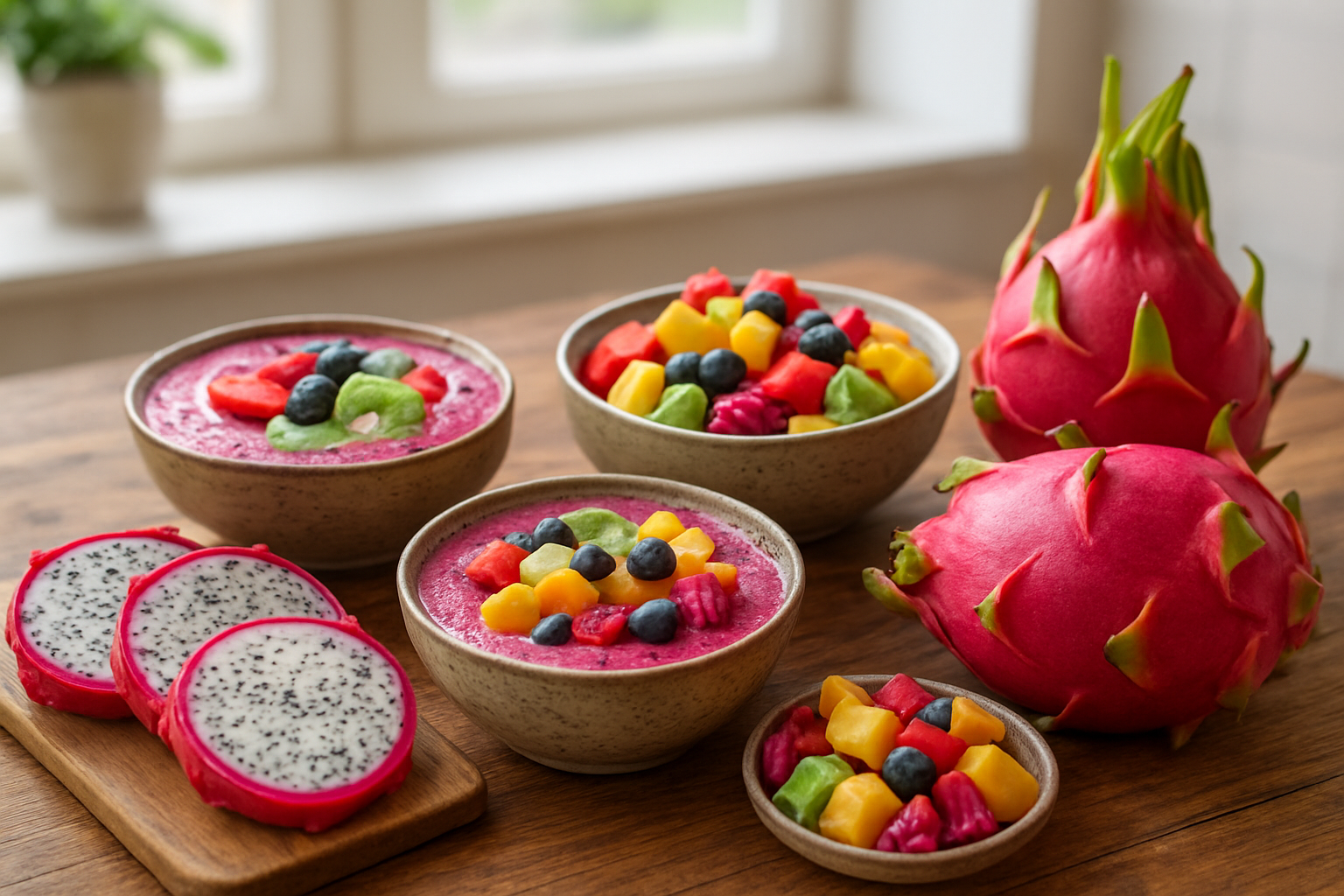
The simplest way to enjoy dragon fruit is straight from the shell. Cut the fruit in half lengthwise, then scoop out the flesh with a spoon like you would an avocado. The texture resembles a cross between a kiwi and a pear, with tiny black seeds that add a pleasant crunch.
For a more elegant presentation, peel the skin off completely and slice the flesh into rounds or cubes. Dragon fruit makes beautiful additions to fruit salads, where its mild, slightly sweet flavor complements stronger fruits like mango and pineapple. The white flesh with black speckles creates stunning visual contrast on any plate.
Some people prefer chilling their pitaya fruit before eating, as the cool temperature enhances its refreshing qualities. Others enjoy it at room temperature to better appreciate its subtle tropical notes. The fruit pairs wonderfully with a squeeze of lime juice, which brightens its flavor and adds a zesty kick.
Creative Smoothie and Juice Combinations
Dragon fruit transforms into incredible smoothies that are as nutritious as they are Instagram-worthy. Blend chunks of dragon fruit with coconut water, banana, and a handful of spinach for a tropical green smoothie that masks the vegetable taste completely.
For a protein-packed option, combine dragon fruit with Greek yogurt, frozen berries, and a tablespoon of chia seeds. The result is a creamy, filling smoothie that showcases the fruit's natural sweetness. Pink-fleshed varieties create gorgeous magenta-colored drinks that look almost too pretty to consume.
Dragon fruit juice works beautifully when mixed with other tropical flavors. Try blending it with passion fruit, coconut milk, and a touch of honey for an exotic drink. The combination of dragon fruit and pineapple creates a refreshing summer beverage that's perfect for hot days.
Dessert Recipes That Showcase Dragon Fruit
Dragon fruit sorbet is a simple yet sophisticated dessert that highlights the fruit's natural qualities. Blend dragon fruit flesh with sugar syrup and a splash of lemon juice, then freeze in an ice cream maker. The result is a light, refreshing treat with beautiful color.
Dragon fruit parfait layers work wonderfully for dinner parties. Alternate spoonfuls of vanilla pudding or Greek yogurt with diced dragon fruit and crushed graham crackers or granola. The fruit's mild flavor won't overpower other ingredients while adding visual appeal and nutritional value.
For something more adventurous, try dragon fruit panna cotta. The fruit's subtle taste allows the creamy dessert to shine while providing natural color and tiny seed texture. Top with fresh dragon fruit cubes and mint leaves for an elegant presentation.
Savory Dishes That Feature This Versatile Fruit
Dragon fruit works surprisingly well in savory applications. Add cubed dragon fruit to fresh salsas alongside tomatoes, onions, and cilantro. The fruit adds sweetness and crunch without overwhelming the other flavors. This salsa pairs perfectly with grilled fish or chicken.
Thai-style salads benefit from dragon fruit's crisp texture. Combine thin slices with shredded carrots, cucumber, and herbs, then dress with lime juice, fish sauce, and chilies. The dragon fruit adds refreshing contrast to spicy, salty flavors.
Pitaya fruit also works in grain bowls and Buddha bowls. Its neutral taste and satisfying crunch complement quinoa, brown rice, and roasted vegetables. The fruit adds natural sweetness that balances savory elements like roasted chickpeas or grilled tofu. Consider it as a fresh topping for tacos, where its mild flavor and interesting texture create pleasant surprises in each bite.
Dragon fruit deserves a spot in your kitchen and your daily routine. This exotic superfood brings together striking beauty, impressive nutrition, and surprising health benefits all in one package. From boosting your immune system with vitamin C to supporting digestion with natural fiber, dragon fruit proves that healthy eating doesn't have to be boring.
Don't let its spiky exterior scare you away from trying this incredible fruit. Once you learn how to pick a ripe one and prepare it properly, you'll discover just how easy it is to add dragon fruit to smoothies, fruit salads, or enjoy it on its own. Give dragon fruit a chance – your taste buds and your body will thank you for it.


.png)
Comments
Post a Comment