Eggplants- What Are Eggplants?
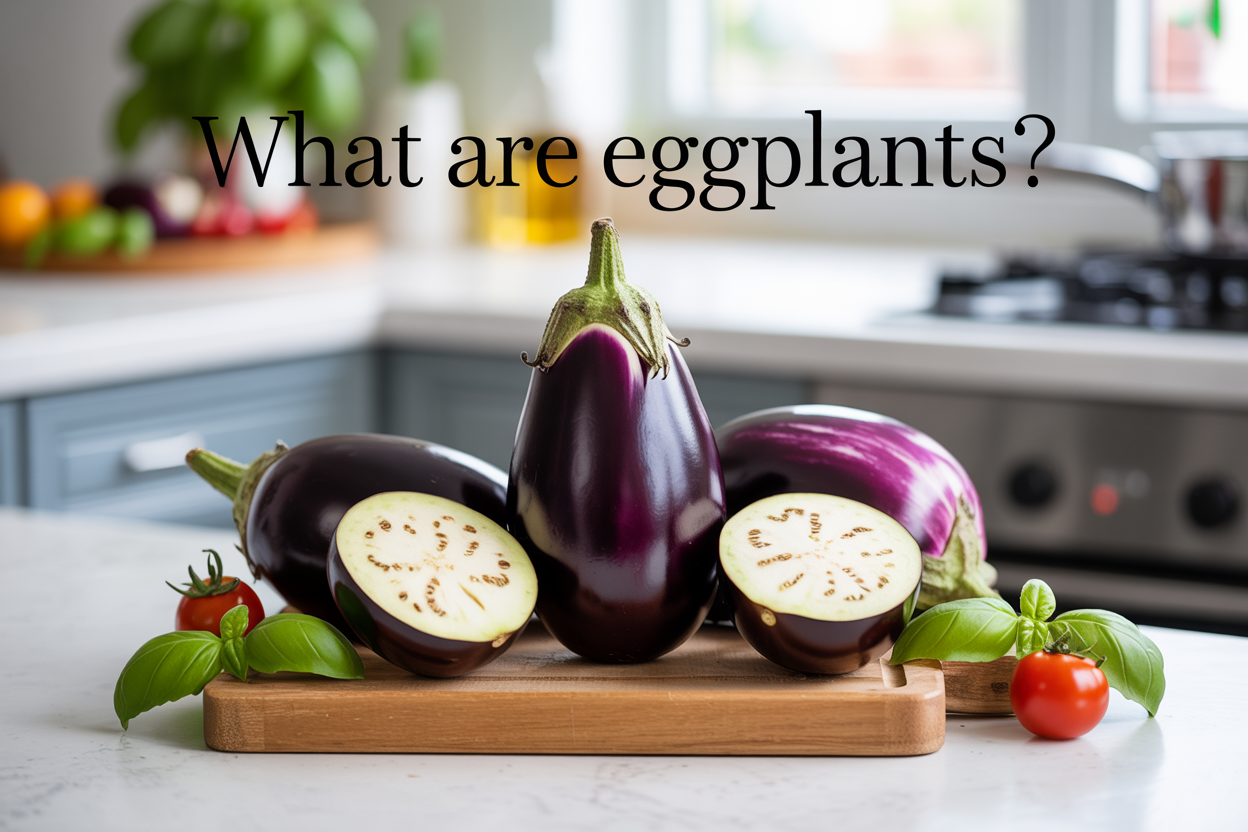
Eggplants are glossy, purple vegetables that belong to the nightshade family - but many people still wonder exactly what is eggplant and how to make the most of this versatile ingredient. This guide is perfect for home cooks, gardeners, and anyone curious about adding more variety to their meals.
You might know them as aubergine in some parts of the world, but these nutrient-packed vegetables offer surprising eggplant benefits that go way beyond their striking appearance. From their creamy texture when cooked to their ability to absorb flavors like a sponge, eggplants deserve a spot in your kitchen.
We'll walk you through the essential eggplant nutrition facts that make them a smart choice for healthy eating, share practical tips on how to grow eggplants in your own garden, and cover the best techniques for cooking eggplant to bring out their rich, satisfying flavor.
Understanding Eggplant Basics
Botanical Classification and Plant Family
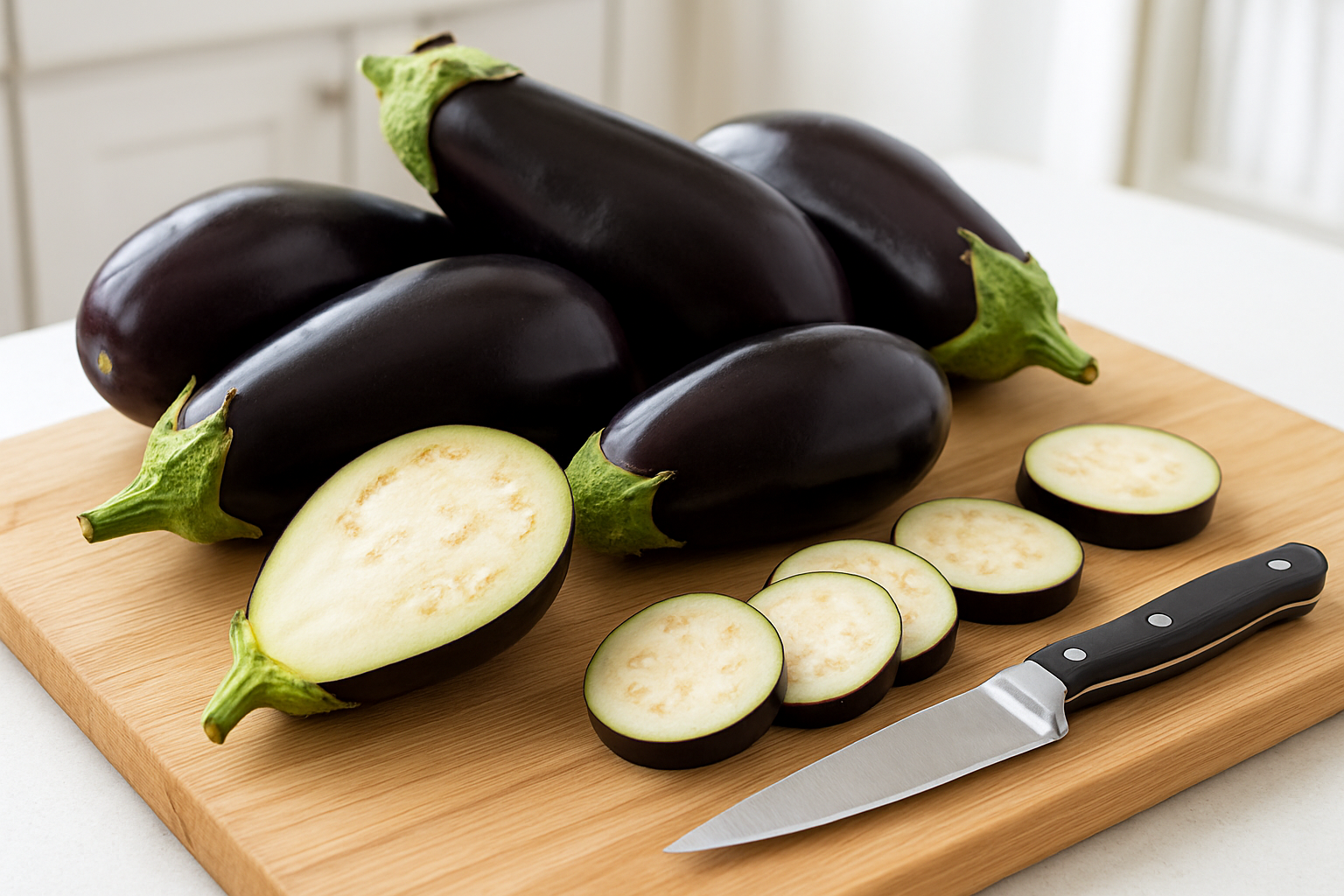
The eggplant belongs to the nightshade family (Solanaceae), sharing this botanical lineage with tomatoes, potatoes, peppers, and tobacco. Scientifically known as Solanum melongena, this fascinating vegetable is technically a fruit since it develops from the flower of the plant and contains seeds. The nightshade family is known for producing alkaloids, which explains why eggplants contain small amounts of solanine, particularly in their leaves and stems.
Native to India and Southeast Asia, eggplants are perennial plants in their natural habitat but are typically grown as annuals in most commercial and home garden settings. The plant can grow quite tall, reaching heights of 2-4 feet, with sturdy stems and large, velvety leaves that have a distinctive purple tinge on their undersides.
Physical Characteristics and Appearance
Eggplants display remarkable diversity in their physical characteristics. The classic eggplant that most people recognize features a deep purple, glossy skin with a bulbous, pear-like shape. However, this represents just one variation among many possibilities.
The skin texture is typically smooth and shiny when fresh, though it becomes dull and wrinkled as the fruit ages. Inside, the flesh is creamy white to pale yellow with a spongy texture that's riddled with small, edible seeds. The flesh has a mild, slightly bitter taste that becomes creamy and rich when cooked properly.
Eggplant flowers are quite beautiful, featuring star-shaped purple blooms with yellow centers. These flowers are self-pollinating, though they benefit from wind or insect activity. The plant's leaves are large, oval-shaped, and covered with fine hairs that can irritate sensitive skin.
Common Varieties and Types
The world of eggplant varieties is surprisingly diverse, extending far beyond the standard purple globe type found in most grocery stores.
Globe Eggplants: The most common variety in North American markets, these large, dark purple fruits can weigh up to 2 pounds each. They're perfect for dishes like moussaka, baba ganoush, and eggplant parmesan.
Japanese Eggplants: These slender, elongated varieties are typically 6-8 inches long with tender skin and fewer seeds. Their mild flavor and delicate texture make them ideal for stir-fries and grilling.
Chinese Eggplants: Similar to Japanese varieties but often longer and more slender, these purple fruits have exceptionally tender flesh and cook quickly.
Thai Eggplants: Small, round, and often green or white with purple stripes, these golf ball-sized fruits are common in Southeast Asian cuisine and have a slightly bitter taste.
Italian Eggplants: These come in various shapes and colors, including the striking Rosa Bianca variety with its lavender and white striped skin, and the long, slender Violetta Lunga.
White Eggplants: Available in both large and small sizes, these varieties have pure white skin and are often called "Easter egg" eggplants when small.
| Variety Type | Size | Color | Best Uses |
|---|---|---|---|
| Globe | Large (1-2 lbs) | Deep purple | Baking, stuffing, moussaka |
| Japanese | Medium (6-8 inches) | Purple | Stir-frying, grilling |
| Chinese | Long and slender | Light purple | Quick cooking methods |
| Thai | Small (golf ball size) | Green/white striped | Curries, Asian dishes |
| Italian | Varies | Purple, striped, white | Various Mediterranean dishes |
Alternative Names Worldwide
The name "eggplant" primarily exists in American English, derived from the white, egg-shaped varieties that were common in 18th-century Europe. Around the world, this versatile vegetable goes by many different names that reflect its global journey and cultural significance.
Aubergine is the preferred term in British English, French, and many European languages. This name comes from the Arabic "al-badinjan," which traveled through Persian and eventually into European languages. In Spain, it's called "berenjena," while Italians know it as "melanzana."
In many Asian countries where eggplant varieties are abundant, the names often reflect specific characteristics. In Japan, it's "nasu," in China "qiezi," and in Thailand "makheua." Indian languages have numerous names including "brinjal" in English-speaking regions, "baingan" in Hindi, and "kathirikai" in Tamil.
The diversity of names reflects how different cultures have embraced and adapted eggplant varieties to their local cuisines. Some regions have dozens of local names for specific varieties, showing just how important this vegetable has become in global food culture.
Mediterranean countries often use variations of the Arabic-derived names, while many African nations have their own indigenous names that predate colonial influence. This linguistic variety mirrors the incredible diversity of eggplant varieties themselves, each adapted to local growing conditions and culinary preferences.
Nutritional Profile and Health Benefits
Essential vitamins and minerals
Eggplant packs a surprising nutritional punch despite its mild flavor. This purple powerhouse delivers a solid dose of potassium, which helps regulate blood pressure and supports heart health. A single cup of cubed eggplant provides about 230 milligrams of potassium - that's roughly 5% of your daily needs.
The vitamin profile is equally impressive. Eggplants contain meaningful amounts of vitamin K, essential for bone health and blood clotting. You'll also find folate, which plays a crucial role in cell division and DNA synthesis. Manganese is another standout mineral in eggplant nutrition facts, supporting enzyme function and bone development.
B-vitamins like niacin and vitamin B6 round out the vitamin content, helping convert food into energy and supporting brain function. While the amounts might seem modest compared to other vegetables, every bit contributes to your overall nutritional intake.
Antioxidant properties and compounds
The deep purple skin of eggplants signals their rich antioxidant content. Nasunin, a powerful anthocyanin compound, gives eggplants their distinctive color while protecting cells from oxidative damage. This antioxidant shows particular promise in protecting brain cells from free radical damage.
Chlorogenic acid, another key compound found in eggplants, demonstrates anti-inflammatory properties and may help regulate blood sugar levels. Studies suggest this antioxidant could play a role in heart disease prevention and weight management.
The combination of these antioxidants makes eggplant benefits extend beyond basic nutrition. These compounds work together to combat inflammation throughout the body, potentially reducing the risk of chronic diseases like heart disease and certain cancers.
Dietary fiber content
Each serving of eggplant delivers about 2.5 grams of dietary fiber per cup. This fiber content supports digestive health by promoting regular bowel movements and feeding beneficial gut bacteria. The fiber in eggplants is primarily insoluble, which adds bulk to stool and helps food move through the digestive tract efficiently.
Fiber also contributes to satiety, helping you feel full longer after meals. This makes eggplant an excellent choice for those looking to manage portion sizes naturally. The combination of high water content and fiber creates a satisfying eating experience without excess calories.
Low-calorie advantages for weight management
Eggplants are remarkably low in calories, with just 20 calories per cup of cubed pieces. This makes them an ideal ingredient for weight management plans. The high water content - about 92% - adds volume to meals without adding significant calories.
The natural texture of cooked eggplant can absorb flavors while providing substance to dishes. This quality makes it an excellent substitute for higher-calorie ingredients in recipes. Whether grilled, roasted, or sautéed, eggplant helps create filling, satisfying meals that support weight management goals without sacrificing flavor or satisfaction.
Growing and Harvesting Eggplants
Optimal Growing Conditions and Climate
Eggplants thrive in warm, sunny environments and need consistently hot weather to produce their best yields. These heat-loving plants require soil temperatures between 70-85°F (21-29°C) for proper germination and growth. The ideal air temperature range sits between 80-90°F (27-32°C) during the day and shouldn't drop below 60°F (15°C) at night.
Full sun exposure is essential - at least 6-8 hours of direct sunlight daily helps eggplants develop strong stems and vibrant fruit. Wind protection benefits these tall plants, as strong gusts can damage their branches when heavy fruit develops.
Well-draining, fertile soil with a pH between 6.0-7.0 creates the perfect growing medium. Eggplants prefer loose, loamy soil enriched with organic matter like compost or aged manure. Poor drainage leads to root rot and stunted growth, so raised beds work excellently in heavy clay soils.
Planting and Cultivation Techniques
Starting eggplant seeds indoors 8-10 weeks before the last expected frost gives plants the best chance of success. Seeds germinate slowly, taking 7-14 days at temperatures around 80°F (27°C). Using a heating mat speeds up this process significantly.
When transplanting seedlings outdoors, wait until soil temperatures consistently reach 65°F (18°C) or warmer. Space plants 18-24 inches apart in rows 30-36 inches wide to allow adequate air circulation and room for mature growth.
Regular watering keeps soil consistently moist but not waterlogged. Deep, infrequent watering encourages strong root development. Mulching around plants retains moisture, suppresses weeds, and maintains steady soil temperatures.
Staking or caging becomes necessary as plants mature and fruit develops. Eggplants can grow 2-4 feet tall and produce heavy fruit that weighs down branches. Installing support systems early prevents damage to developing plants.
Signs of Ripeness and Harvesting Timing
Harvest timing significantly impacts eggplant flavor and texture. Young, tender eggplants taste best, while overripe fruit becomes bitter and seedy. The skin should appear glossy and vibrant in color - dull, wrinkled skin indicates overripeness.
A gentle press test reveals ripeness: the flesh should give slightly under pressure but spring back. If your finger leaves a permanent indent, the eggplant is overripe. The skin should feel firm and smooth without soft spots or blemishes.
Size varies by variety, but most eggplants reach harvest size when they're about two-thirds of their potential mature size. Japanese varieties might be ready at 4-6 inches long, while large globe types could be harvested at 6-8 inches in diameter.
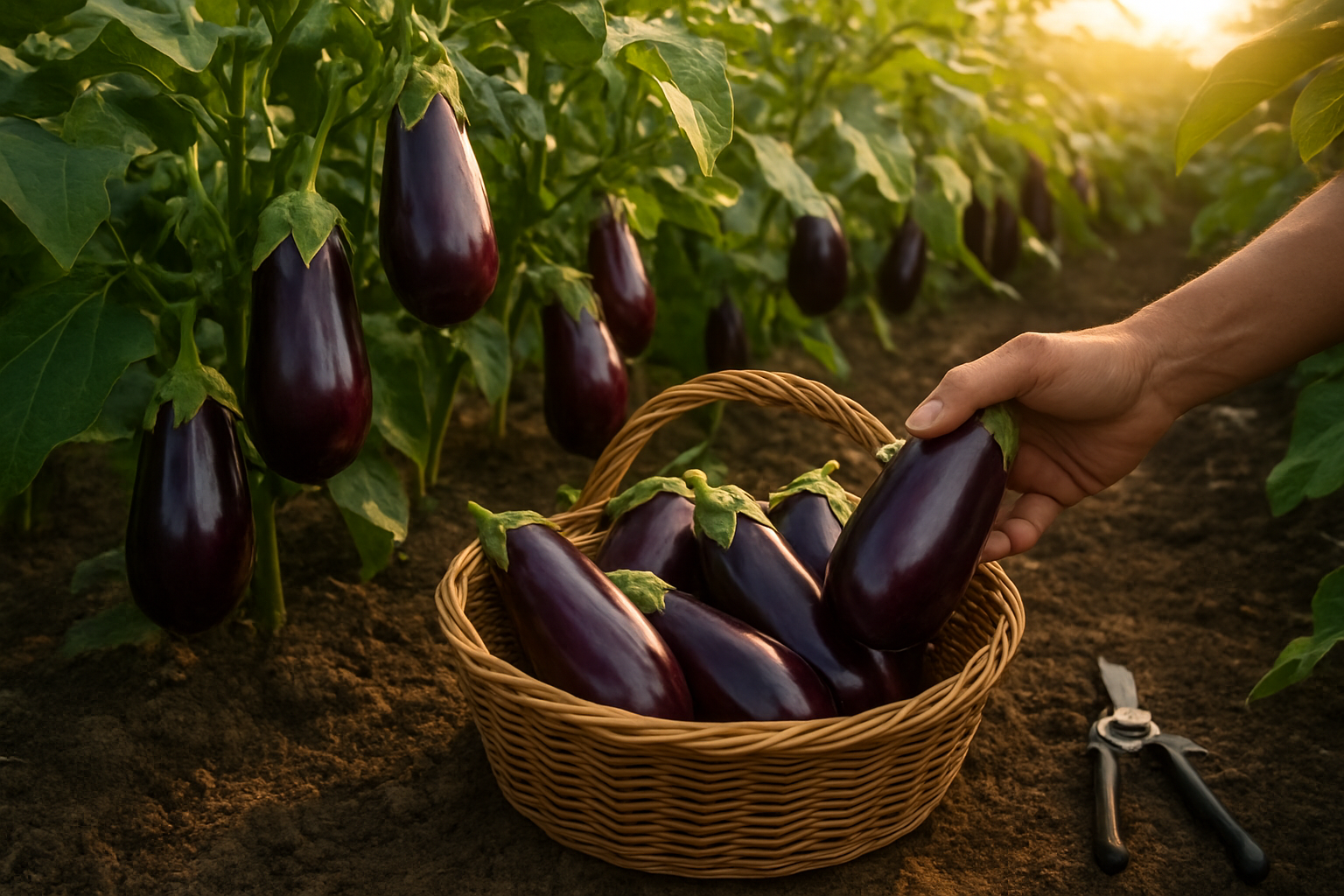
Regular harvesting every few days encourages continued production throughout the growing season. Use clean, sharp garden shears or a knife to cut the stem about an inch above the fruit. Pulling or twisting can damage the plant and reduce future yields.
Culinary Uses and Cooking Methods
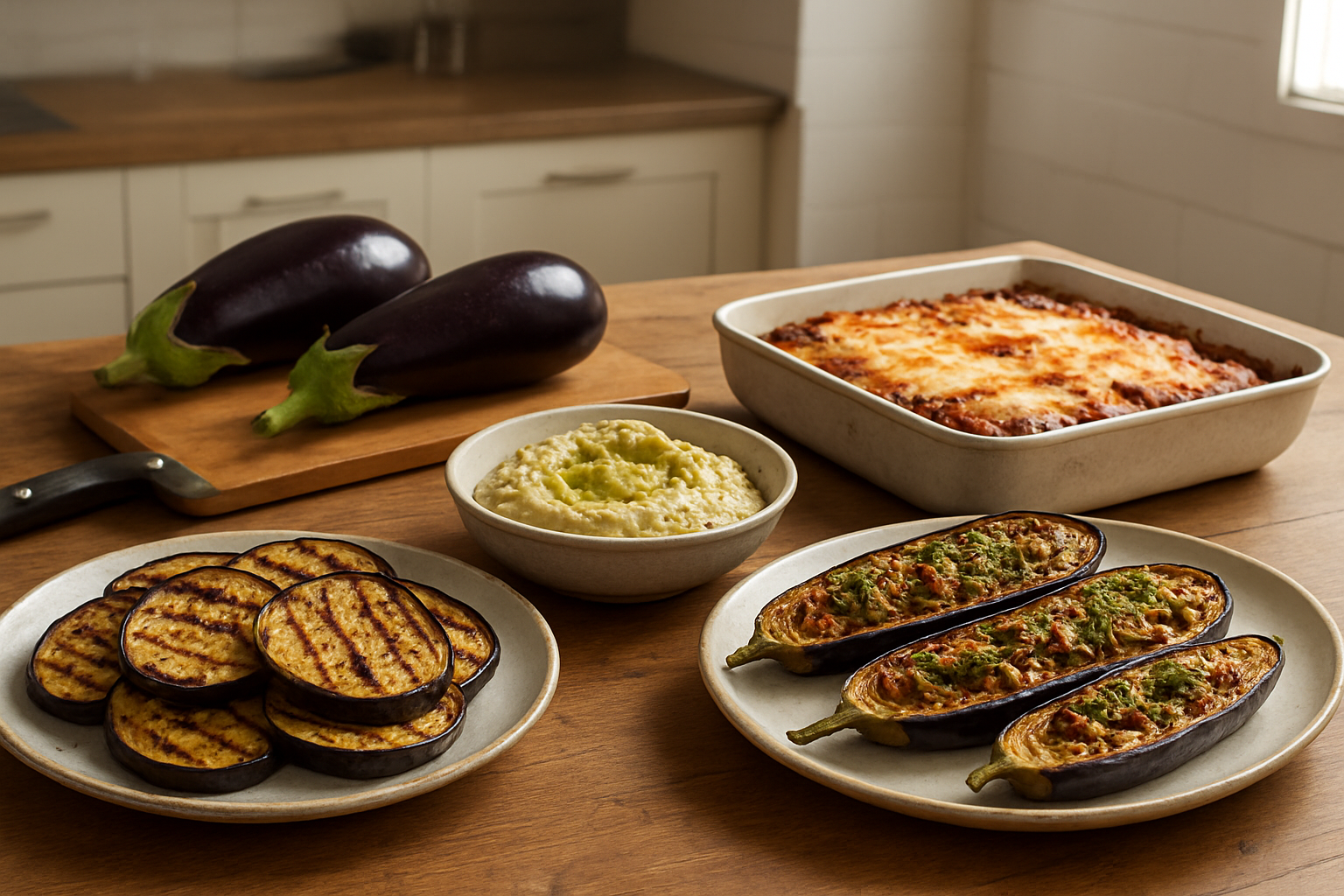
Popular cooking techniques and preparation
Grilling and roasting bring out eggplant's natural smokiness. Cut the eggplant into thick rounds or long strips, brush with olive oil, and grill for 4-5 minutes per side. For roasting, pierce whole eggplants and bake at 400°F for 45-60 minutes until the skin wrinkles and flesh becomes tender.
Frying creates a crispy exterior while keeping the inside creamy. Salt sliced eggplant for 30 minutes to draw out moisture, then pat dry before coating in flour or breadcrumbs. Pan-fry in hot oil until golden brown.
Sautéing works well for cubed eggplant in stir-fries and pasta dishes. The key is using high heat and not overcrowding the pan to prevent the pieces from becoming mushy.
Baking and stuffing transforms whole eggplants into hearty main dishes. Scoop out the flesh, mix with herbs, vegetables, or grains, then stuff back into the shells and bake until tender.
Traditional dishes from different cultures
Mediterranean cuisine features eggplant prominently in dishes like Greek moussaka, where layers of sliced eggplant alternate with meat sauce and béchamel. Italian melanzane parmigiana showcases breaded and fried eggplant slices layered with tomato sauce and cheese.
Middle Eastern cooking celebrates eggplant in baba ganoush, where roasted eggplant is blended with tahini, garlic, and lemon juice. Stuffed eggplant (imam bayildi) combines hollowed eggplants with a savory filling of onions, tomatoes, and herbs.
Asian preparations include Japanese nasu dengaku (miso-glazed eggplant), Chinese braised eggplant in garlic sauce, and Indian baingan bharta, where roasted eggplant is mashed and spiced with cumin, coriander, and chilies.
Flavor profiles and taste characteristics
Fresh eggplant has a mild, slightly bitter taste with a spongy texture that absorbs flavors beautifully. When cooked properly, it develops a rich, creamy consistency with subtle earthy notes.
The bitterness varies by variety - smaller Asian eggplants tend to be less bitter than larger globe varieties. Salting before cooking helps reduce any bitter compounds while improving texture.
Cooking eggplant transforms its flavor profile dramatically. Grilling adds smoky depth, while frying creates a crispy-creamy contrast. The vegetable's ability to absorb oils and seasonings makes it incredibly versatile for bold flavor combinations.
Storage tips and shelf life
Store whole eggplants in the refrigerator crisper drawer for 5-7 days. Keep them in a perforated plastic bag to maintain humidity while allowing air circulation.
Avoid storing eggplants below 50°F, as cold temperatures can cause brown spots and bitter flavors. Room temperature storage works for 1-2 days if you plan to use them quickly.
Cut eggplant browns rapidly due to oxidation. Use lemon juice or vinegar to prevent discoloration, and cook cut pieces within a few hours for best quality.
Cooked eggplant dishes can be refrigerated for 3-4 days or frozen for up to 6 months. Properly blanched and frozen eggplant pieces work well in cooked dishes but won't maintain their fresh texture.
Pairing suggestions with other ingredients
Herbs and spices that complement eggplant include basil, oregano, thyme, cumin, paprika, and garlic. Mediterranean herbs enhance its natural earthiness, while warm spices like cinnamon and allspice work well in Middle Eastern preparations.
Vegetables that pair beautifully with eggplant include tomatoes, zucchini, bell peppers, and onions. This combination forms the base of ratatouille and many Mediterranean vegetable dishes.
Proteins like lamb, chicken, and fish create satisfying main courses when combined with eggplant. The vegetable's meaty texture also makes it an excellent vegetarian protein substitute.
Dairy products such as ricotta, mozzarella, and yogurt balance eggplant's earthiness with creamy richness. Feta cheese adds a salty tang that brightens the overall dish.
Grains and legumes like quinoa, lentils, and bulgur wheat turn eggplant dishes into complete, filling meals while adding textural variety and nutritional value.
Selecting and Buying Quality Eggplants
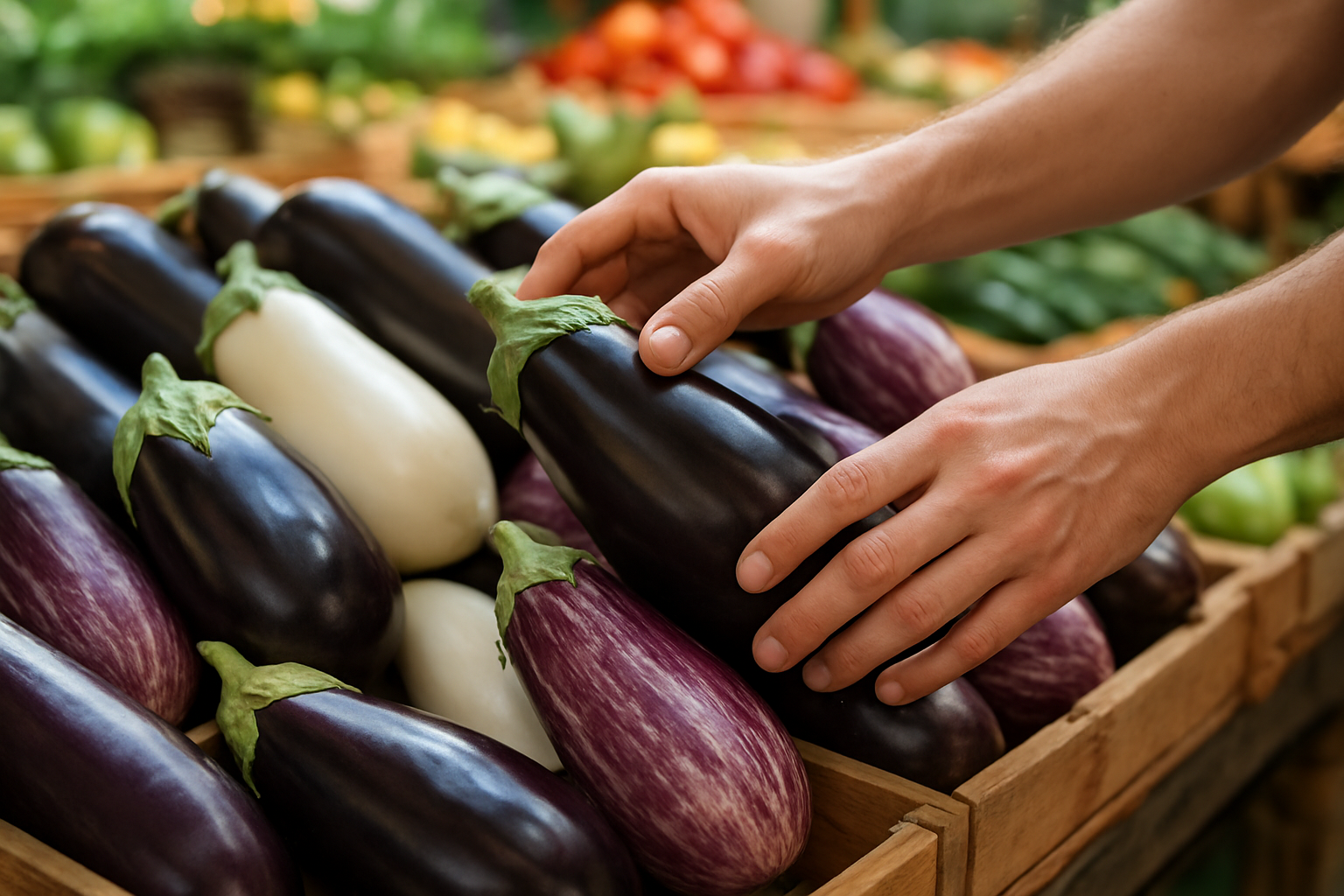
Visual inspection guidelines
The skin of a quality eggplant should have a glossy, almost mirror-like sheen that catches the light. This lustrous appearance signals freshness and proper hydration within the vegetable. Dull, wrinkled, or matte-looking skin typically means the eggplant has been sitting around too long or wasn't stored properly.
Look for deep, vibrant coloring that's consistent across the entire surface. Whether you're buying the classic dark purple variety or exploring other eggplant varieties like the striped Rosa Bianca or white Japanese types, the color should be rich and even. Avoid any eggplants with brown spots, dark patches, or areas where the skin looks damaged or scarred.
The calyx - that green leafy crown at the top - deserves special attention. Fresh eggplants have bright green, slightly prickly calyxes that look recently picked. If the leaves appear brown, dried out, or easily crumble when touched, the eggplant is past its prime.
Size matters, but bigger isn't always better. Medium-sized eggplants often have the best flavor and texture. Oversized ones can be seedy and bitter, while tiny ones might not have developed their full flavor profile yet.
Texture and firmness indicators
A good eggplant feels surprisingly heavy for its size, indicating high water content and freshness. When you pick one up, it should feel solid and substantial in your hands. Light-feeling eggplants often have started to dehydrate internally, leading to spongy, unpleasant textures when cooked.
The gentle press test works wonders for checking quality. Apply light pressure with your thumb to the side of the eggplant. Fresh ones will give slightly but spring back immediately, similar to a ripe avocado. If your finger leaves an indentation that stays, or if the surface feels mushy, skip that one entirely.
The stem end provides another clue about freshness. It should feel firm and look recently cut, with perhaps a slight green tinge. Soft, dark, or moldy stem ends indicate the eggplant is deteriorating from the inside out.
Run your hands along the entire surface. Quality eggplants feel smooth and taut, without any soft spots or areas that feel different from the rest. These inconsistencies often signal internal breakdown that will affect both taste and cooking performance.
Seasonal availability and best buying times
Peak eggplant season runs from July through October in most regions, when these heat-loving vegetables reach their absolute best. During these months, you'll find the widest selection of eggplant varieties at farmers markets and grocery stores, often at the most reasonable prices.
Late summer, particularly August and September, represents the sweet spot for eggplant shopping. The plants have had enough warm weather to develop fully, but haven't yet been stressed by early frost concerns. This timing typically produces eggplants with the best balance of flavor, texture, and keeping quality.
Shopping early in the week often yields better selection and quality. Many grocery stores receive fresh produce shipments on Monday or Tuesday, meaning Wednesday and Thursday shopping trips give you first pick of the newest arrivals. Weekend shopping sometimes means dealing with picked-over selections.
Local farmers markets offer exceptional opportunities to find specialty eggplant varieties you won't see in regular stores. Market vendors can also provide valuable insight about when their particular varieties were harvested and how to select the best specimens from their displays.
Winter eggplants, while available, are typically imported and may lack the robust flavor of locally grown, in-season varieties. If you must buy eggplant during off-season months, apply the same selection criteria but expect to pay premium prices for potentially inferior quality.
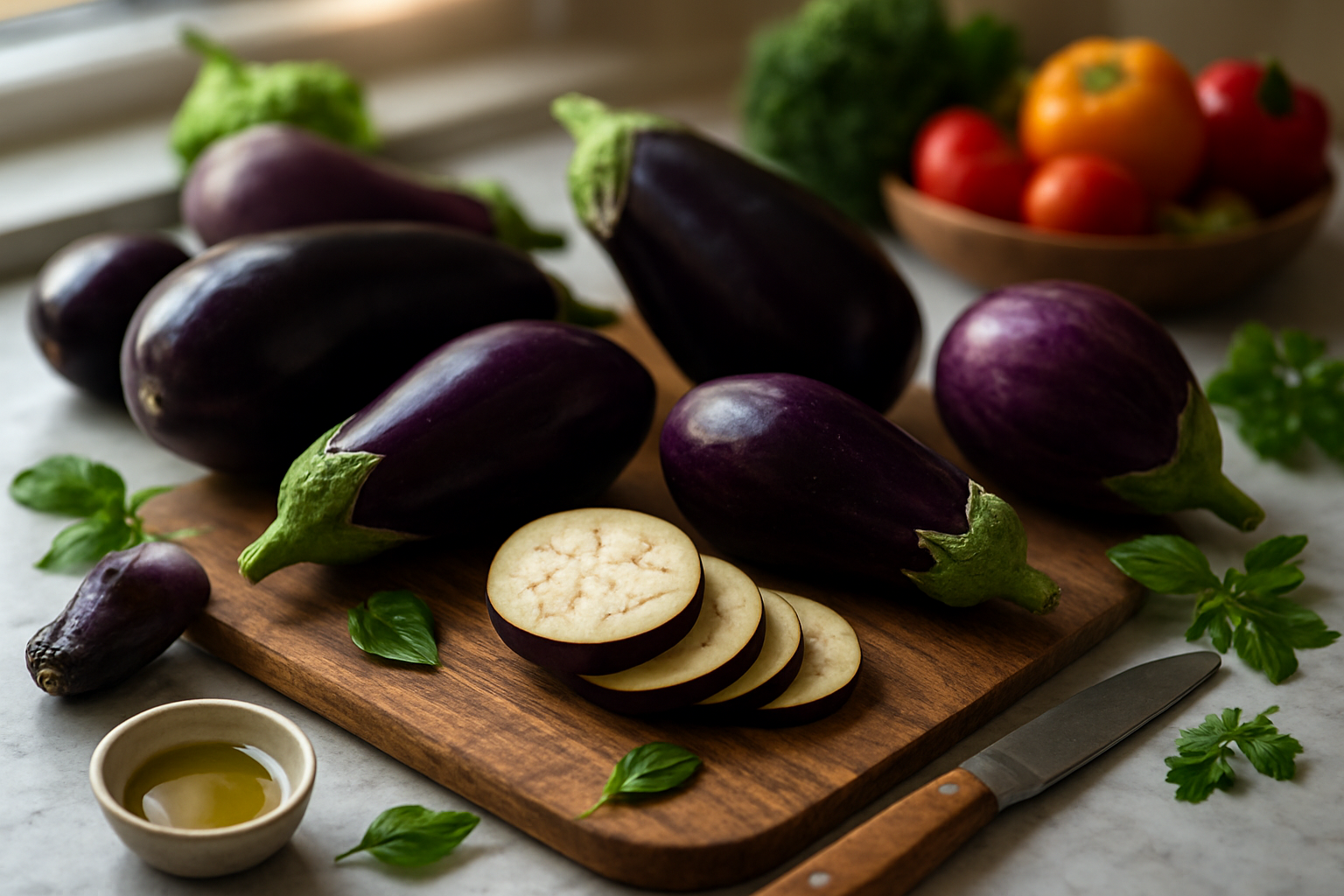
Eggplants are truly versatile vegetables that deserve a spot in your kitchen and garden. From their impressive nutritional profile packed with fiber, antioxidants, and essential vitamins to their ability to absorb flavors and transform into countless delicious dishes, these purple beauties offer both health benefits and culinary excitement. Whether you're grilling, roasting, or frying them, eggplants can elevate your meals while supporting your wellness goals.
The next time you're at the grocery store or farmer's market, pick up a firm, glossy eggplant and experiment with a new recipe. Try growing your own if you have the space – they're surprisingly easy to cultivate and incredibly rewarding to harvest. Don't let their sometimes intimidating appearance fool you; eggplants are approachable ingredients that can help you create memorable meals your family will love.


.png)
Comments
Post a Comment