Figs - What Are Figs?
.png)
Have you ever wondered what are figs and why this unique fruit has captured hearts for thousands of years? These ancient Mediterranean gems are more than just sweet treats – they're packed with surprising nutrition benefits and come in fascinating varieties.
This guide is perfect for curious food lovers, home gardeners, and anyone wanting to explore the world of fresh figs. You'll discover what makes the fig fruit so special with its inside-out flower structure and honey-like sweetness. We'll explore the impressive fig nutrition benefits that earn it superfood status, plus dive into popular fig varieties from Black Mission to Brown Turkey. You'll also learn practical tips for how to eat figs and simple methods for growing figs in your own backyard.
By the end, you'll understand why figs deserve a spot on your plate and possibly in your garden too.
Understanding the Fig Fruit and Its Unique Characteristics
Botanical Classification and Family Origins
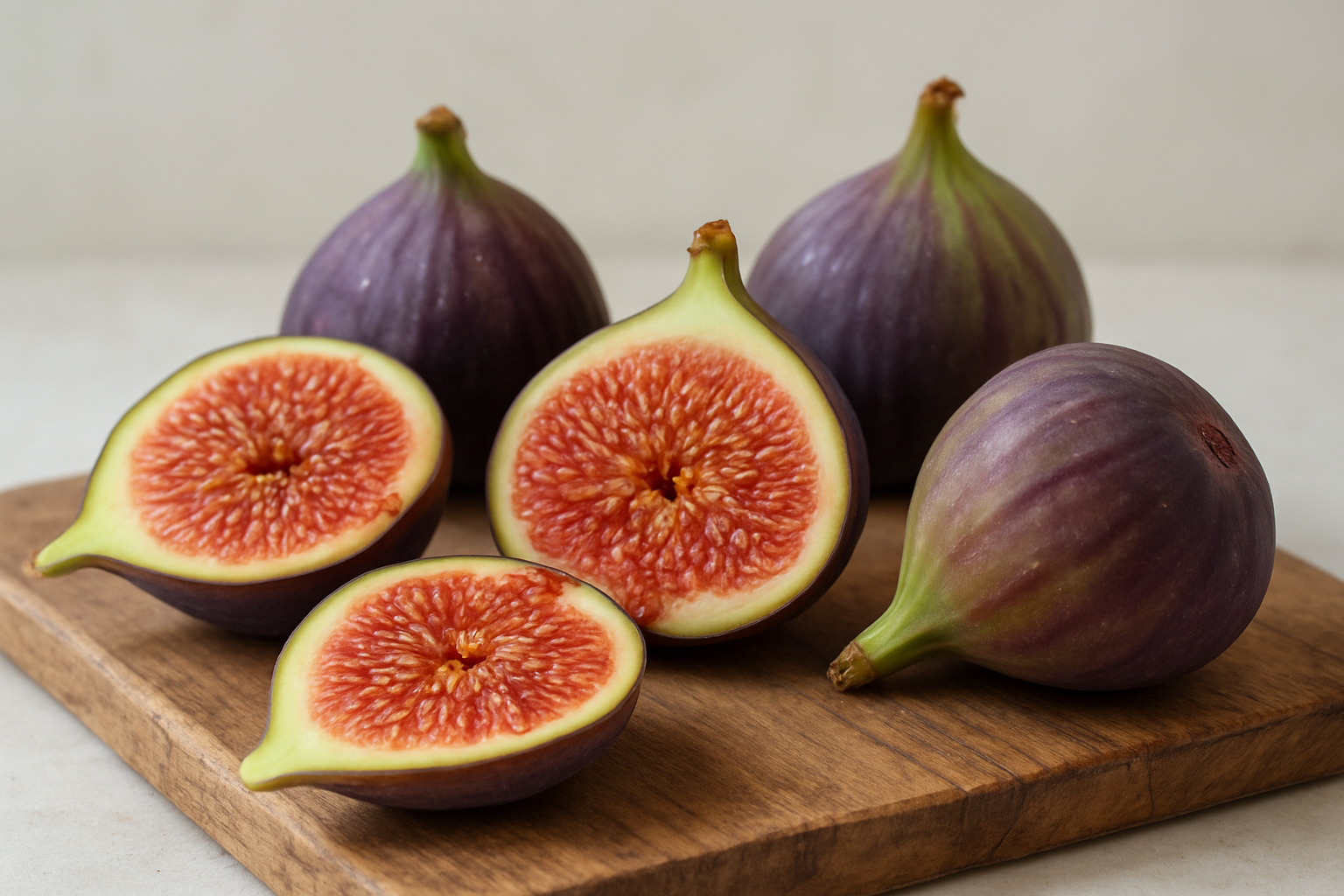
Figs belong to the Moraceae family, making them botanical relatives of mulberries and breadfruit. The scientific name Ficus carica represents the most commonly cultivated species, though over 800 fig species exist worldwide. What makes fig fruit particularly fascinating is that they're not technically fruits at all – they're inverted flowers called syconia. This unique structure houses hundreds of tiny flowers inside the flesh, which is why you'll notice those characteristic small, crunchy seeds when biting into fresh figs.
The fig tree originated in the Mediterranean region and western Asia, spreading throughout ancient civilizations over 4,000 years ago. These hardy trees adapted to various climates, which explains why fig varieties now thrive across different continents, from California's Central Valley to Turkey's Aegean coast.
Physical Appearance and Distinctive Texture
Fresh figs showcase remarkable diversity in their appearance. The exterior skin ranges from deep purple-black to green, yellow, or brownish hues, depending on the variety. Most figs display a teardrop or bulbous shape with a small opening at the bottom called the ostiole, which serves as the entry point for pollinating wasps in wild varieties.
The interior reveals the fig's true beauty – a stunning display of pink, red, or amber flesh dotted with edible seeds. The texture combines softness with a pleasant grittiness from the seeds, creating a unique mouthfeel that's simultaneously smooth and textured. When perfectly ripe, the flesh becomes jammy and almost melts on the tongue, while slightly underripe figs maintain a firmer consistency.
Sweet Flavor Profile and Natural Sugar Content
The fig superfood reputation stems partly from its incredible natural sweetness. Fig nutrition benefits include concentrated natural sugars, primarily fructose and glucose, which can comprise up to 16% of the fruit's total weight. This high sugar content creates the fig's distinctive honey-like sweetness with subtle floral undertones.
Different types of figs offer varying flavor profiles. Mission figs provide deep, wine-like notes, while Kadota figs taste lighter and more delicate. Brown Turkey figs balance sweetness with mild earthiness, and Calimyrna figs deliver nutty, almost caramel-like flavors. The natural sugars concentrate as the fruit ripens, making timing crucial for optimal taste.
Seasonal Availability and Peak Ripeness Indicators
Growing figs typically produces two harvests annually in suitable climates. The first crop, called breba, appears in early summer on previous year's wood. The main crop develops from late summer through fall on current-season growth, offering the most abundant harvest.
Identifying peak ripeness requires attention to several key indicators. Ripe figs yield gently to pressure without being mushy, similar to a ripe avocado. The skin may develop small cracks near the stem, and a drop of nectar might appear at the ostiole. Color deepens significantly – green varieties develop yellowish tones, while purple types become richly colored. Fresh figs at peak ripeness emit a sweet, honeyed fragrance and feel heavy for their size due to concentrated sugars and moisture content.
Nutritional Benefits That Make Figs a Superfood
High fiber content for digestive health
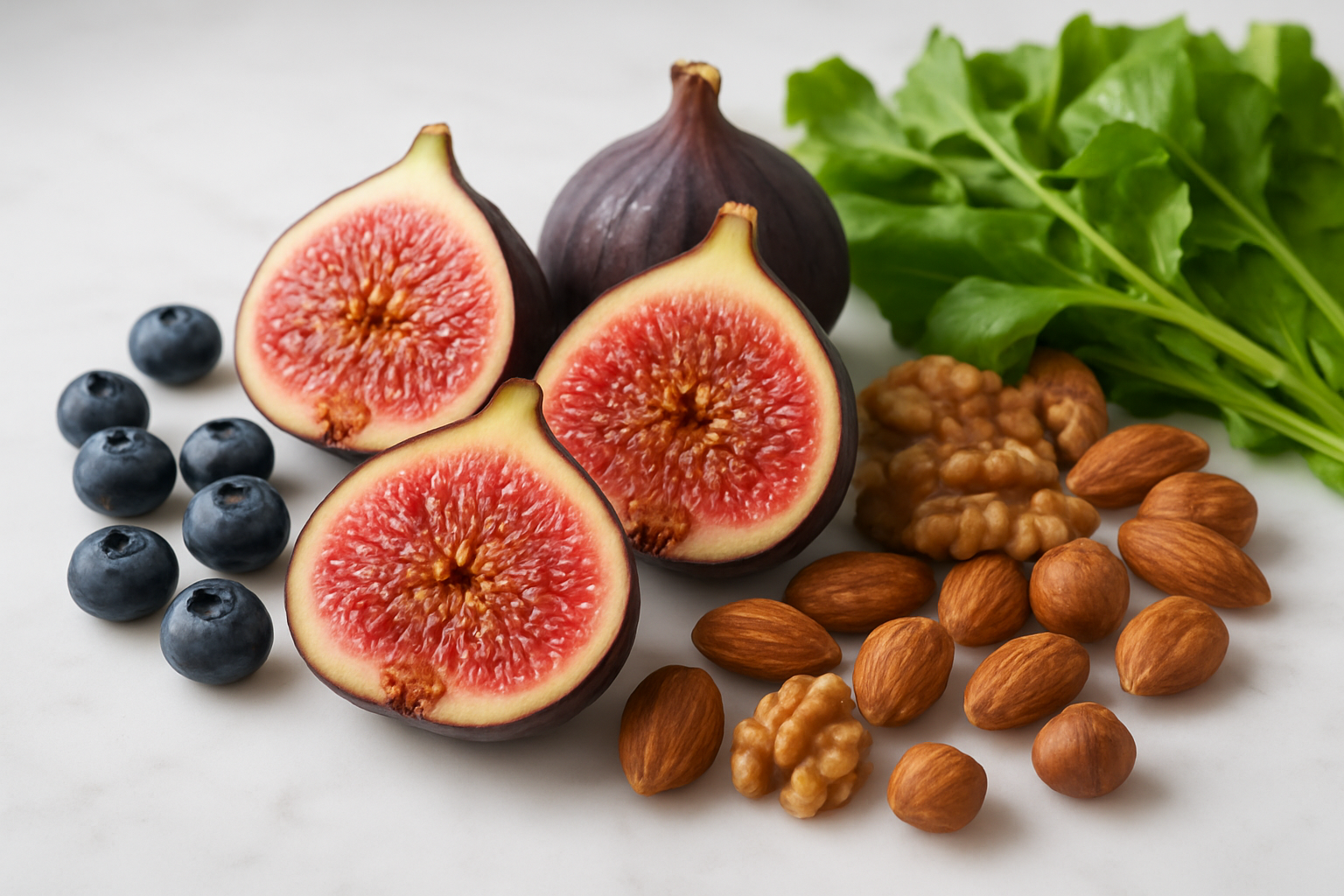
Fresh figs pack an impressive fiber punch that your digestive system will thank you for. A single medium fig contains about 1.4 grams of fiber, and when you eat several figs as a snack, you're getting a substantial portion of your daily fiber needs. This natural fiber content makes figs an excellent choice for maintaining healthy bowel movements and preventing constipation.
The fiber in fig fruit works in two ways - both soluble and insoluble fiber are present. Soluble fiber helps slow down digestion and can assist in managing blood sugar levels, while insoluble fiber adds bulk to stool and keeps things moving through your digestive tract. Regular consumption of figs can help establish a healthy gut microbiome, as the fiber serves as food for beneficial bacteria in your intestines.
What makes figs particularly special is how gentle they are on your stomach compared to other high-fiber foods. Many people find they can enjoy figs without the bloating or gas that sometimes comes with sudden increases in fiber intake.
Essential vitamins and minerals for daily wellness
The vitamin and mineral profile of figs reads like a comprehensive daily supplement. These fruits are loaded with potassium, which plays a crucial role in heart health and blood pressure regulation. Just a handful of fresh figs provides a significant amount of your daily potassium needs, making them heart-friendly snacks.
Calcium content in figs surprises many people - they're actually one of the better plant-based sources of this bone-building mineral. This makes fig nutrition benefits particularly valuable for people who don't consume dairy products or need extra calcium support.
Figs also deliver meaningful amounts of:
-
Magnesium - essential for muscle and nerve function
-
Vitamin K - important for blood clotting and bone health
-
Copper - needed for iron absorption and collagen production
-
Manganese - supports metabolism and antioxidant function
-
Vitamin B6 - crucial for brain development and immune function
The natural sugars in figs come packaged with these essential nutrients, making them a smarter choice than processed sweets when you're craving something sweet.
Natural antioxidants for cellular protection
The deep purple and green colors of different fig varieties hint at their rich antioxidant content. These powerful compounds work behind the scenes to protect your cells from damage caused by free radicals, which can contribute to aging and various health issues.
Figs contain several types of antioxidants, including phenolic compounds, flavonoids, and anthocyanins (especially in darker varieties). These antioxidants help reduce inflammation throughout your body and may support long-term health by protecting against oxidative stress.
Research suggests that the antioxidant activity in figs is comparable to other recognized superfoods, making them a delicious way to boost your daily antioxidant intake. The skin of the fig contains many of these beneficial compounds, so eating the whole fruit maximizes these protective benefits.
What's particularly interesting about fig antioxidants is how they remain stable even when the fruit is dried. This means you can enjoy the cellular protection benefits year-round, whether you're eating fresh summer figs or dried varieties during other seasons.
Different Fig Varieties and Their Distinct Qualities
Fresh fig types and their flavor differences
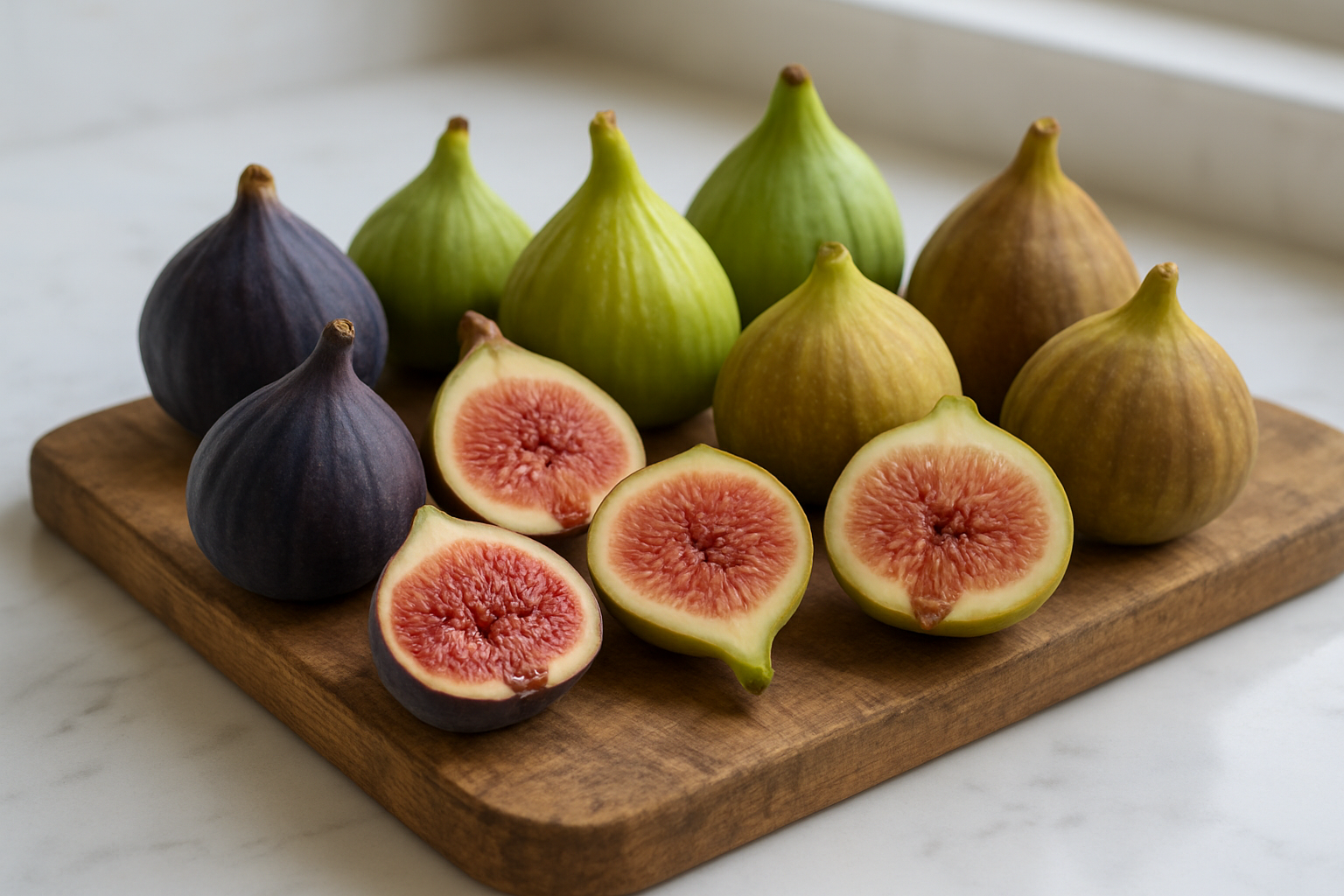
Fresh fig varieties offer an incredible spectrum of flavors, textures, and experiences. Black Mission figs deliver rich, jammy sweetness with wine-like undertones that make them perfect for both eating fresh and cooking. Their deep purple-black skin conceals pink flesh that practically melts in your mouth. Brown Turkey figs provide a milder, less intense sweetness with subtle nutty notes, making them an excellent choice for newcomers to fresh figs.
Kadota figs stand out with their pale green-yellow skin and sweet, delicate flavor that's less figgy and more honeyed than other varieties. These fresh figs work beautifully in salads or as elegant appetizers. Calimyrna figs, the fresh version of Turkish Smyrna figs, offer complex nutty flavors with a chewy texture that's more substantial than other varieties.
Chicago Hardy figs surprise many with their ability to grow in colder climates while producing medium-sized fruits with sweet, berry-like flavors. Celeste figs, often called Sugar figs, live up to their nickname with incredibly sweet, small fruits that have a closed eye, making them less prone to spoilage.
| Variety | Skin Color | Flesh Color | Flavor Profile | Best Use |
|---|---|---|---|---|
| Black Mission | Purple-black | Pink-red | Rich, wine-like | Fresh eating, cooking |
| Brown Turkey | Brown-purple | Pink | Mild, nutty | Beginner-friendly |
| Kadota | Green-yellow | Amber | Delicate, honey | Salads, appetizers |
| Calimyrna | Green-yellow | Red | Complex, nutty | Fresh eating |
Dried fig varieties and preparation methods
Dried figs transform the fresh fruit experience into concentrated bursts of sweetness and nutrition. Turkish figs, particularly Smyrna varieties, dominate the dried fig market with their large size and intense sweetness. These golden-brown gems undergo careful sun-drying processes that can take up to a week, concentrating their natural sugars and developing complex caramel notes.
Mission figs create excellent dried fruits with their naturally high sugar content. The drying process turns their purple-black skin almost mahogany while intensifying their jammy flavors. California produces most dried Mission figs using controlled dehydration methods that maintain consistent quality.
The preparation process significantly affects the final product. Sun-dried figs develop more complex flavors through slower moisture removal, while commercial dehydrators offer consistent results with shorter processing times. Some producers use sulfur dioxide to preserve color and extend shelf life, though many prefer unsulfured varieties for their natural taste.
Properly dried fig varieties should feel slightly soft with no hard spots, indicating even moisture removal. Premium dried figs often show a light dusting of natural fruit sugars on their surface, which actually signals quality rather than spoilage.
Regional growing differences affecting taste
Geographic location dramatically influences fig fruit characteristics, with Mediterranean climates producing the most flavorful varieties. California's Central Valley creates ideal conditions for growing figs, with hot, dry summers and mild winters that concentrate sugars and develop complex flavors. The region's consistent weather patterns allow for predictable harvests and uniform quality.
Texas fig production benefits from longer growing seasons and intense summer heat, resulting in smaller but intensely flavored fruits. The state's varying microclimates allow different types of figs to thrive in specific areas, with coastal regions producing different flavor profiles than inland valleys.
Mediterranean regions like Turkey, Greece, and Italy have perfected fig cultivation over centuries, with each area developing signature varieties adapted to local conditions. Turkish figs grown in the Aegean region develop exceptional sweetness due to the area's unique combination of sea breezes and mountainous terrain.
Soil composition plays a crucial role in flavor development. Well-draining, slightly alkaline soils produce the best-tasting figs, while heavy clay or overly rich soils can dilute flavors and increase water content. Many commercial growers deliberately stress fig trees by limiting irrigation, which concentrates flavors and improves fruit quality.
Color variations from green to purple
Fig varieties showcase remarkable color diversity, from pale green to deep purple-black, with each hue indicating different flavor characteristics and ripeness levels. Green figs like Kadota and Calimyrna maintain their light coloring even when fully ripe, requiring touch tests rather than visual cues to determine readiness. These varieties often surprise people who expect all ripe figs to darken.
Purple and black figs include popular varieties like Black Mission, Brown Turkey, and Chicago Hardy. Their dark skins develop rich anthocyanins that contribute antioxidant properties while creating striking visual appeal. The depth of purple often correlates with flavor intensity, though this isn't always the case.
Bi-colored figs present unique appearances with green shoulders and purple bottoms, or striped patterns that make each fruit look hand-painted. These varieties often combine flavor characteristics of both color types, creating complex taste experiences.
Yellow and amber figs represent another category entirely, with varieties like Golden Riverside offering bright, tropical-like flavors that differ significantly from their darker cousins. These figs often have translucent qualities when fully ripe, allowing light to shine through their skin and create an almost jewel-like appearance.
The color progression during ripening tells important stories about sugar development and optimal harvesting times, making color recognition essential for anyone serious about fig fruit appreciation.
Culinary Uses and Delicious Preparation Methods
Raw Consumption and Pairing Suggestions
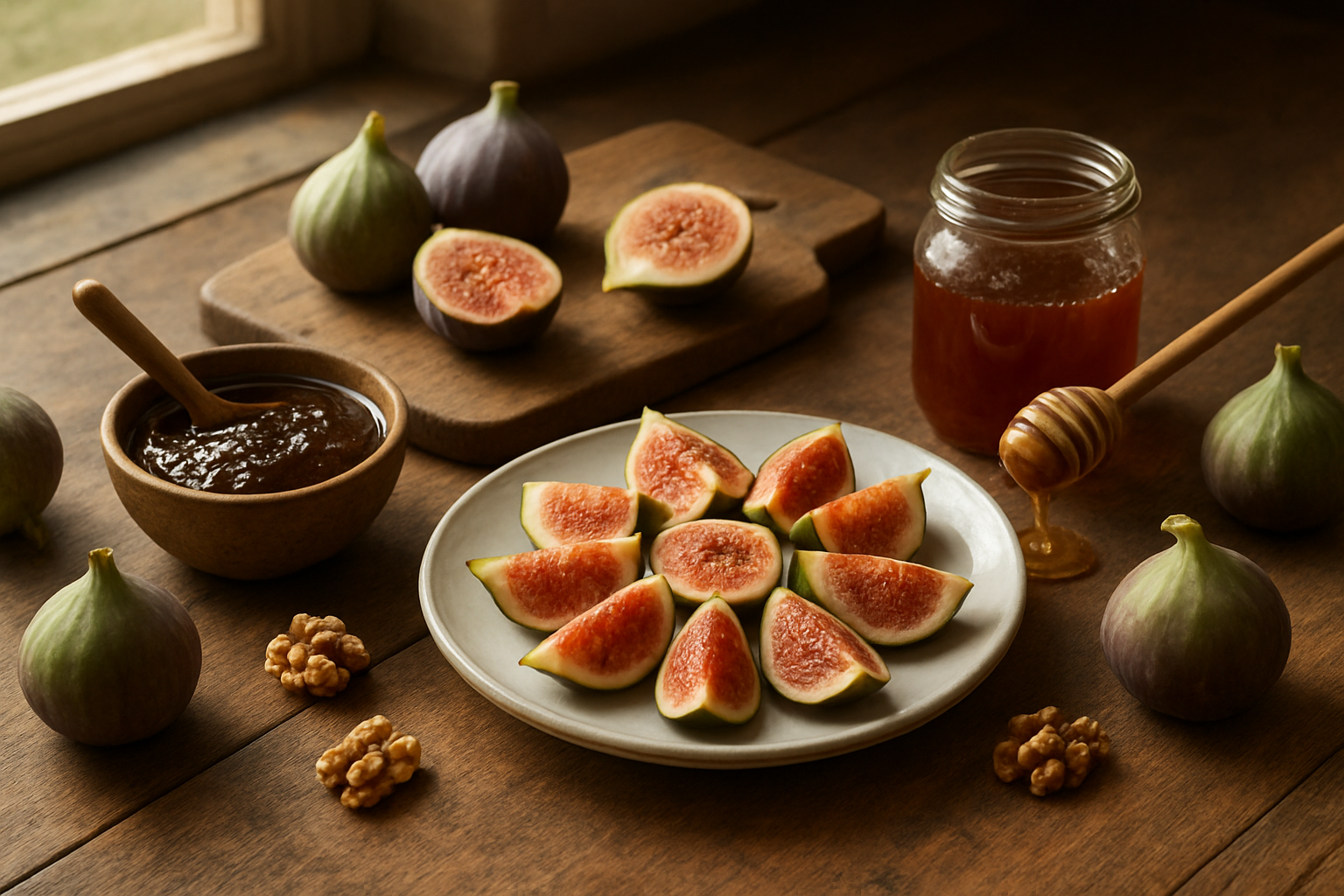
Fresh figs are absolutely delicious eaten straight from the tree or container. The key to enjoying raw figs lies in selecting perfectly ripe ones – they should yield slightly to gentle pressure and have a sweet, honey-like aroma. Simply rinse them gently and eat the entire fruit, skin and all. The skin provides additional fiber and nutrients, though some people prefer to peel it.
For elegant pairings, try fresh figs with creamy goat cheese or ricotta, drizzled with honey and sprinkled with chopped pistachios. They also complement prosciutto beautifully, creating a classic Italian antipasto combination. For breakfast, slice fresh figs over Greek yogurt with a drizzle of maple syrup and crushed walnuts. The natural sweetness of figs pairs wonderfully with sharp cheeses like blue cheese or aged cheddar for sophisticated appetizers.
Baking and Dessert Applications
Figs transform into incredible dessert ingredients when baked or cooked. Their natural sugars caramelize beautifully, creating rich, complex flavors. Fig tarts are a classic French dessert – arrange halved fresh figs in pastry shells with almond cream for an elegant finish. For rustic charm, try fig galettes with buttery, flaky pastry wrapped around seasoned fig slices.
Fresh figs work wonderfully in cakes, muffins, and quick breads. Chop them into chunks for fig and walnut muffins, or layer thin slices in upside-down cakes. When baking with figs, reduce other sweeteners slightly since the fruit adds natural sugar. Fig and chocolate combinations are particularly divine – try dark chocolate fig brownies or fig-stuffed chocolate croissants. Grilled figs with vanilla ice cream make a simple yet impressive dessert, especially when drizzled with balsamic glaze.
Savory Dishes and Cheese Combinations
Don't overlook figs in savory cooking – they add wonderful sweetness that balances rich, salty flavors. Roasted figs pair exceptionally well with pork tenderloin, lamb, or duck. The fruit's natural sugars create beautiful caramelization when roasted alongside meats. For vegetarian options, stuff fresh figs with herbed goat cheese and wrap in prosciutto, then bake until golden.
Fig and cheese boards are crowd-pleasers. Pair fresh figs with aged Manchego, creamy Brie, or tangy Roquefort. The contrast between the sweet fruit and salty, sharp cheeses creates perfect balance. Add some crushed walnuts, honey, and crusty bread for a complete experience. Figs also work beautifully in salads – try arugula with fresh figs, candied pecans, and crumbled feta with a simple vinaigrette.
Preserving and Jam-Making Techniques
Making fig preserves captures the fruit's peak season flavors for year-round enjoyment. Traditional fig jam requires just figs, sugar, and lemon juice. The natural pectin in figs helps create the perfect gel consistency. For basic fig jam, use a 2:1 ratio of fruit to sugar, add fresh lemon juice, and cook slowly until thickened. The process takes about 30-45 minutes of gentle simmering.
Get creative with flavor combinations – try fig jam with vanilla beans, cinnamon, or fresh thyme. Wine-poached figs preserve beautifully too, especially when made with red wine and warming spices like star anise and cloves. These preserved figs work wonderfully as accompaniments to cheese plates or desserts. For longer storage, properly processed fig jams can last up to a year in sealed jars, bringing summer's sweetness to winter tables.
Growing and Harvesting Figs Successfully

Climate Requirements and Ideal Growing Conditions
Figs thrive in Mediterranean-type climates with warm, dry summers and mild winters. These resilient trees prefer temperatures between 60-85°F during the growing season and can tolerate brief drops to 15-20°F in winter. The key to successful fig cultivation lies in providing adequate heat units – figs need approximately 100-200 days of temperatures above 86°F for proper fruit development and sugar accumulation.
When growing figs, choose a location that receives at least 6-8 hours of direct sunlight daily. Full sun exposure ensures optimal photosynthesis and fruit production. Well-draining soil is absolutely critical, as figs cannot tolerate waterlogged conditions. Sandy loam or clay loam soils with a pH between 6.0-7.5 work best. Poor drainage leads to root rot and stunted growth.
Wind protection benefits fig trees, especially young ones. Strong winds can damage branches and interfere with fruit development. Plant near a south-facing wall or fence for added warmth and protection. In colder regions, container growing allows you to move trees indoors during harsh winters.
Water requirements vary by season – moderate irrigation during spring growth, consistent moisture during fruit development, and reduced watering in fall to encourage dormancy. Mulching around the base helps retain moisture and regulate soil temperature.
Tree Care and Maintenance for Healthy Production
Proper pruning ranks among the most important aspects of fig tree care. Prune during dormancy in late winter to remove dead, diseased, or crossing branches. Young trees benefit from light pruning to establish good structure, while mature trees need annual pruning to maintain size and encourage new fruiting wood.
Fertilization supports healthy growth and abundant fruit production. Apply balanced fertilizer (10-10-10) in early spring, followed by additional nitrogen applications during the growing season. Avoid over-fertilizing with nitrogen late in the season, as this promotes vegetative growth at the expense of fruit development and winter hardiness.
Regular pest monitoring prevents common issues like fig beetles, scale insects, and nematodes. Natural predators often control pest populations, but severe infestations may require targeted treatments. Disease prevention includes ensuring good air circulation through proper spacing and pruning.
Watering consistency matters more than quantity. Deep, infrequent watering encourages deep root development and drought tolerance. During fruit development, maintain steady soil moisture to prevent fruit splitting and dropping. Drip irrigation systems work exceptionally well for fig trees.
Winter protection becomes necessary in borderline climates. Wrap trunks with tree wrap or burlap, and consider covering smaller trees entirely during extreme cold snaps. Container-grown figs should move to protected areas when temperatures drop below 20°F.
Harvesting Timing for Optimal Sweetness
Fresh figs require precise timing for peak flavor and sweetness. Ripe figs display several telltale signs: the fruit hangs downward on the branch, develops its characteristic color (purple, brown, or green depending on variety), and yields slightly to gentle pressure. The skin may show small cracks near the stem end.
Morning harvest provides the best quality, as figs contain maximum sugar content after cool nighttime temperatures. Handle fresh figs gently – their delicate skin bruises easily. Use clean hands or sanitized pruning shears to avoid contamination.
Different fig varieties ripen at various times throughout the season. Early varieties like 'Chicago Hardy' produce fruit in July, while late-season types such as 'Brown Turkey' continue producing into October. Many varieties offer two crops annually – a smaller early crop (breba) in late spring and the main crop in late summer.
Ripe figs don't store well at room temperature, lasting only 2-3 days. Refrigeration extends shelf life to about one week. For longer storage, figs can be dried, frozen, or made into preserves. Overripe figs become mushy and develop an overly sweet, fermented taste.
Check trees daily during peak season, as figs ripen quickly once they begin the process. Underripe fruit never develops full sweetness even after picking, while overripe fruit attracts insects and birds. Perfect timing yields the sweetest, most flavorful fresh figs for immediate consumption or culinary use.
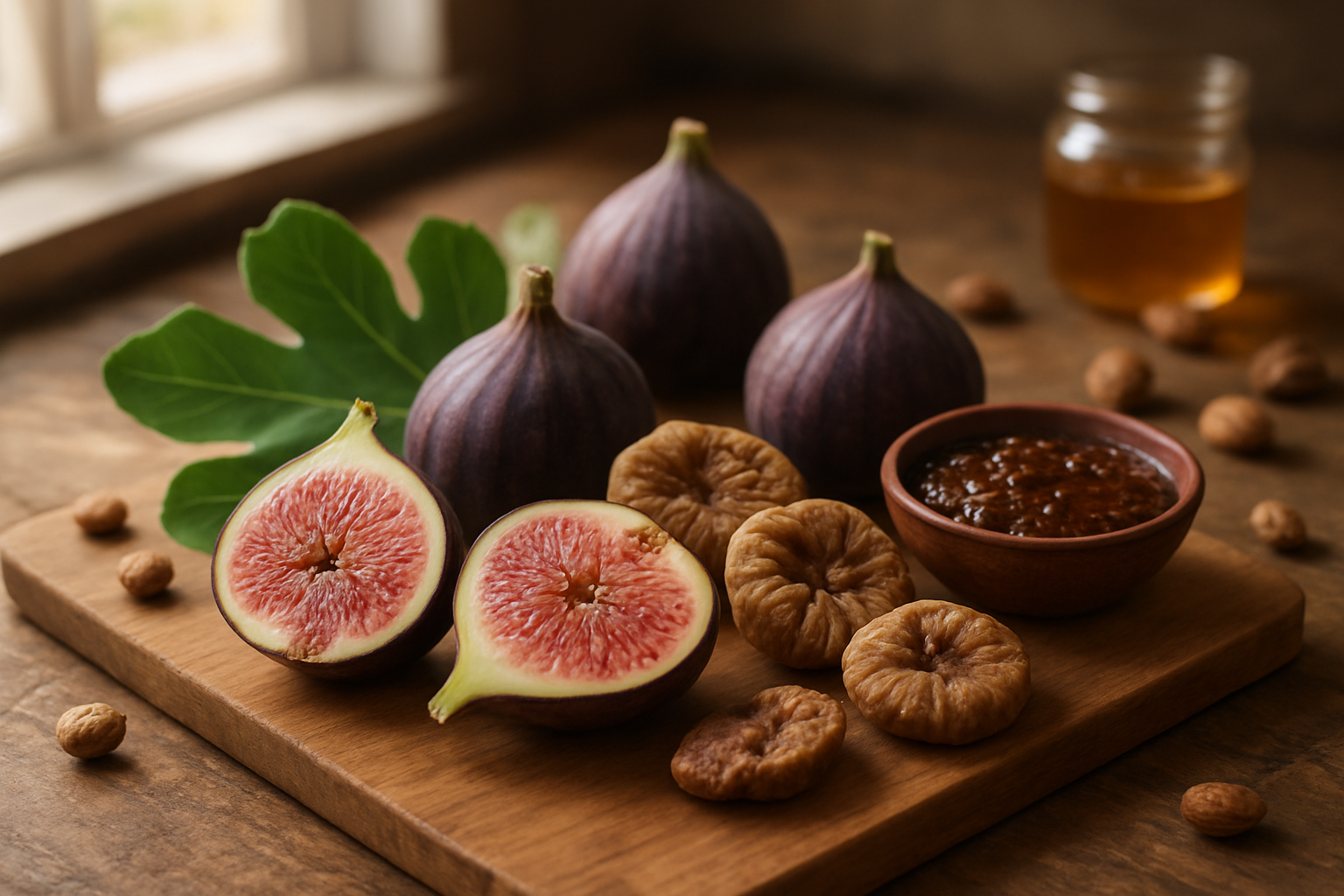
Figs truly deserve their reputation as one of nature's most remarkable fruits. Packed with fiber, potassium, and antioxidants, they offer impressive health benefits while delivering that naturally sweet, honey-like flavor we all love. From the common Black Mission to the delicate Green Kadota, each variety brings something special to the table, whether you're eating them fresh, dried, or incorporating them into your favorite recipes.
Growing your own fig tree might be easier than you think, and the reward of harvesting fresh figs from your backyard is hard to beat. Next time you're at the grocery store or farmer's market, grab some figs and experiment with them in your cooking. Try them in salads, pair them with cheese, or simply enjoy them as a healthy snack. Your taste buds and your body will thank you for discovering this ancient superfood.


.png)
Comments
Post a Comment