Jamun Fruit - What's The Jamun Fruit?
.png)
Jamun fruit, also known as Indian blackberry, is a deep purple tropical fruit that's been treasured in South Asian cultures for centuries. This guide is perfect for curious food lovers, health enthusiasts, and gardeners who want to learn about this nutrient-packed superfruit that's gaining popularity worldwide.
We'll explore what makes jamun special by diving into its impressive nutritional profile and proven health benefits that have made it a staple in traditional medicine. You'll also discover the unique sweet-tart flavor that sets jamun apart from other berries, plus practical tips for growing your own jamun tree if you're interested in cultivation.
Understanding Jamun Fruit Basics
Scientific Name and Botanical Classification
The jamun fruit belongs to the family Myrtaceae and carries the scientific name Syzygium cumini. This evergreen tree species was previously classified under the genus Eugenia, where it was known as Eugenia jambolana. The botanical classification places jamun in the same family as eucalyptus, cloves, and guava, sharing similar aromatic compounds and medicinal properties.
The tree is also scientifically referred to as Syzygium jambolanum in some botanical texts. As a member of the Myrtaceae family, jamun trees produce essential oils in their leaves and bark, contributing to their therapeutic value. The genus Syzygium encompasses over 1,000 species worldwide, making jamun part of a diverse group of flowering plants primarily found in tropical and subtropical regions.
Physical Appearance and Distinguishing Characteristics
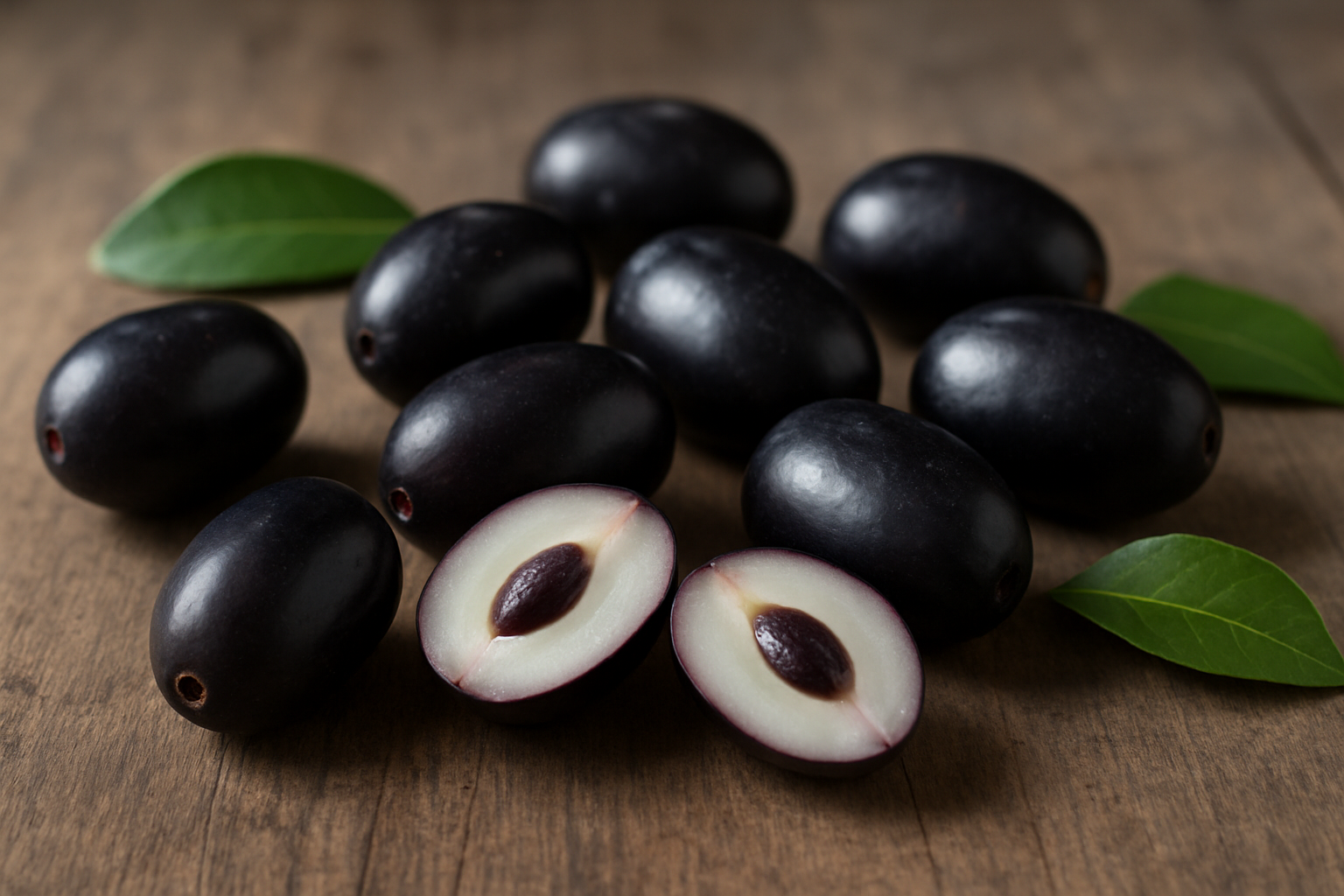
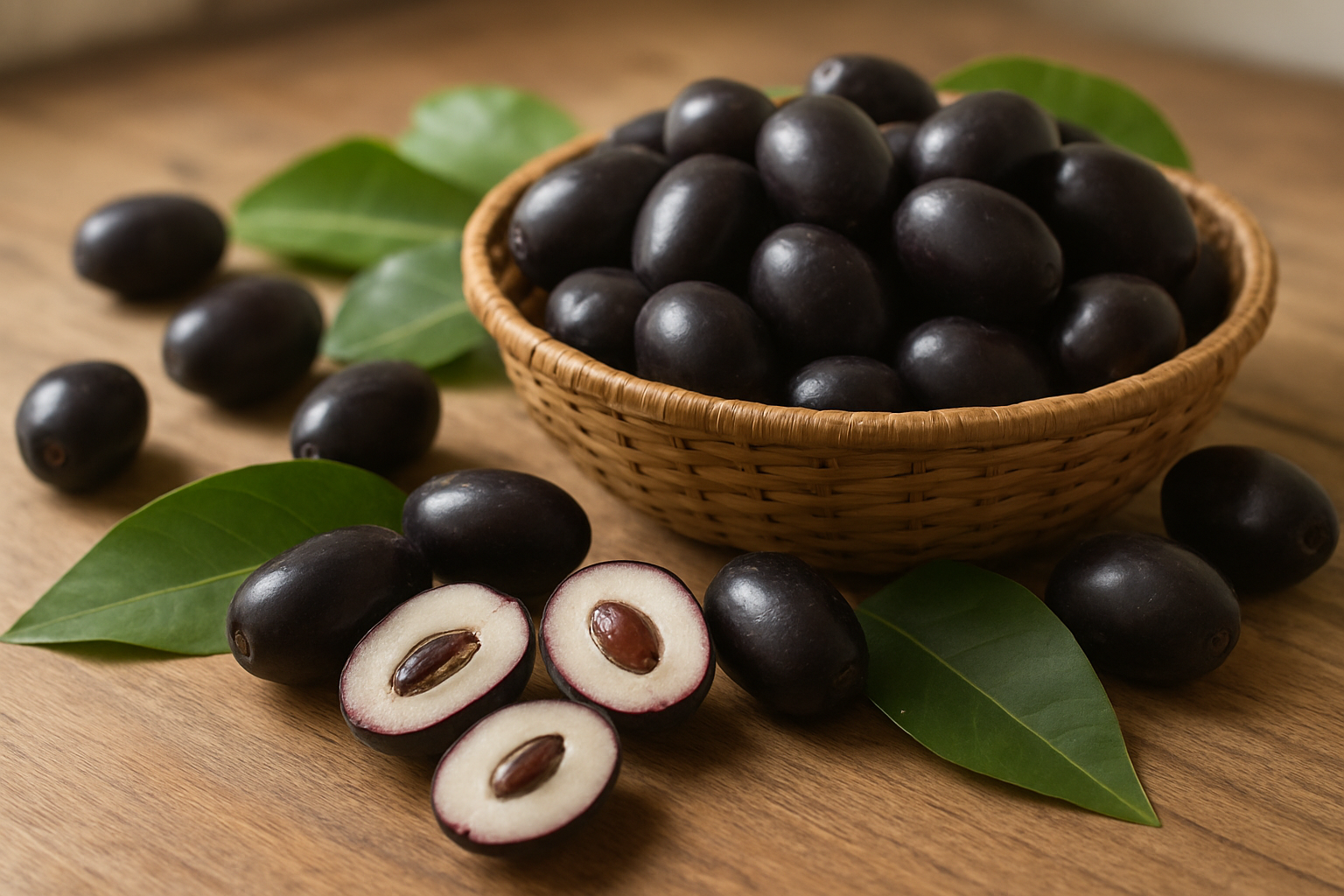
What is jamun becomes clear when you observe its distinctive features. The fruit typically measures 1-2 inches in length and has an oval to oblong shape. Fresh jamun fruit displays a glossy, dark purple to nearly black skin when fully ripe, though it starts as green and gradually transitions through shades of pink and purple during maturation.
The flesh inside reveals a striking contrast - white to light purple pulp that's juicy yet astringent. Each fruit contains a single large seed that can occupy up to half the fruit's volume. The seed has a distinctive pink to purple coloration and a slightly rough texture.
Key identifying features include:
-
Size: 1-2 inches long, 0.5-1 inch wide
-
Shape: Oval to elongated, sometimes slightly curved
-
Skin: Smooth, glossy, dark purple to black when ripe
-
Flesh: White to pale purple, juicy with astringent taste
-
Seed: Large, single, pink-purple colored
The jamun taste is uniquely astringent with a sweet-tart flavor profile that leaves a characteristic purple stain on the tongue and lips.
Seasonal Availability and Harvest Times
Indian blackberry follows a specific seasonal pattern that varies by geographic location. In the Indian subcontinent, jamun trees typically flower from March to May, with fruit development occurring during the pre-monsoon and monsoon periods.
The primary harvest season spans from May to August, with peak availability usually occurring in June and July. In tropical regions closer to the equator, the fruiting season may extend slightly longer or occur at different times depending on local climate patterns.
| Region | Flowering Period | Harvest Season | Peak Availability |
|---|---|---|---|
| Northern India | March-April | June-August | July |
| Southern India | February-May | May-July | June |
| Southeast Asia | March-June | June-September | July-August |
| Australia | September-December | December-February | January |
Weather conditions significantly impact both fruit quality and harvest timing. Adequate rainfall during flowering and early fruit development ensures better yields, while excessive moisture near harvest can affect fruit quality.
Common Names Across Different Regions
The jamun fruit goes by numerous regional names reflecting its widespread cultivation and cultural significance. In India alone, different states use distinct local names that often reflect the fruit's characteristics or regional linguistic preferences.
Popular regional names include:
-
Hindi: Jamun, Jaamun
-
Sanskrit: Jambu, Jambul
-
Tamil: Naval, Naaval
-
Telugu: Neredu
-
Bengali: Kalojam, Jam
-
Marathi: Jambhul
-
Gujarati: Jambu
-
Kannada: Nerale
International common names:
-
Java plum (English)
-
Black plum (English)
-
Portuguese plum (English)
-
Malabar plum (English)
-
Jambolan (English)
-
Rose apple (some regions)
In Southeast Asian countries, the fruit is known as jamblang in Indonesia, duhat in the Philippines, and chomphu in Thailand, though the latter sometimes refers to related species. These varied names demonstrate the fruit's extensive cultural integration across different societies and languages, each community having developed its own relationship with this remarkable syzygium cumini fruit.
Nutritional Profile and Health Benefits
Essential Vitamins and Minerals Content
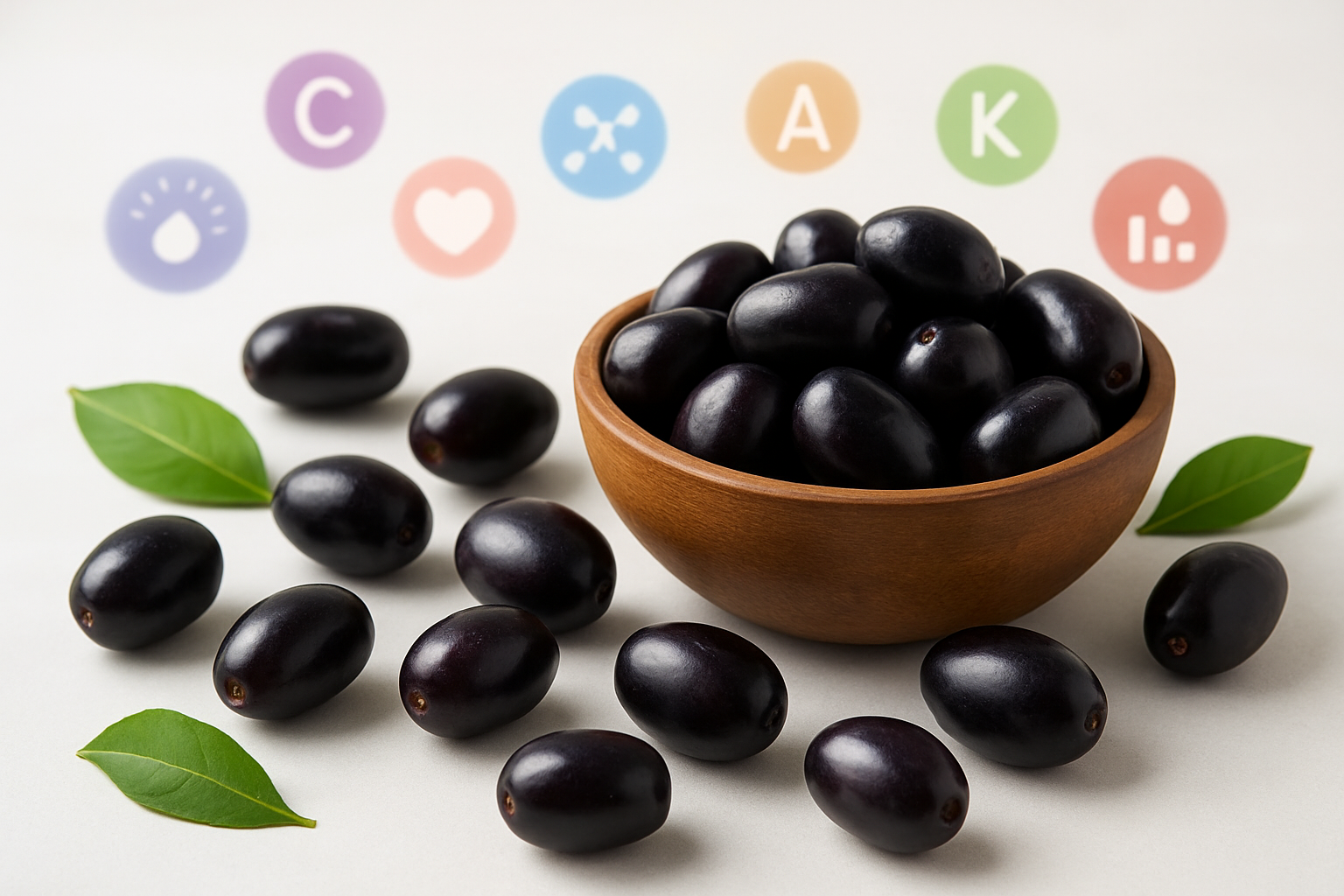
Jamun fruit packs an impressive nutritional punch that makes it stand out among seasonal fruits. Each 100 grams of fresh jamun delivers approximately 62 calories while providing substantial amounts of vitamin C, which supports immune function and collagen synthesis. The fruit contains notable levels of vitamin A, essential for eye health and cellular growth, along with several B-complex vitamins including thiamine, riboflavin, and niacin that help convert food into energy.
The mineral profile of jamun benefits is equally remarkable. This indian blackberry provides significant amounts of potassium, which helps regulate blood pressure and supports heart health. Iron content in jamun helps prevent anemia, while calcium and phosphorus contribute to bone strength. Magnesium present in the fruit supports muscle function and nerve transmission. The fruit also contains trace amounts of zinc and manganese, which play roles in wound healing and antioxidant enzyme function.
| Nutrient | Amount per 100g | % Daily Value |
|---|---|---|
| Vitamin C | 18mg | 20% |
| Potassium | 79mg | 2% |
| Iron | 1.41mg | 8% |
| Calcium | 15mg | 2% |
| Fiber | 0.9g | 4% |
Antioxidant Properties and Disease Prevention
The deep purple color of jamun fruit signals its rich antioxidant content, particularly anthocyanins, which give the fruit its distinctive hue. These powerful compounds help neutralize harmful free radicals in the body, potentially reducing the risk of chronic diseases including heart disease and certain cancers. The fruit contains significant levels of gallic acid, ellagic acid, and other phenolic compounds that demonstrate strong anti-inflammatory properties.
Research suggests that regular consumption of jamun may help protect against oxidative stress, which contributes to premature aging and cellular damage. The antioxidants in syzygium cumini work synergistically to support cardiovascular health by preventing LDL cholesterol oxidation and reducing inflammation in blood vessels. These compounds also show promise in supporting brain health and may help protect against neurodegenerative conditions.
The fruit's antioxidant activity extends beyond basic disease prevention. Studies indicate that jamun's bioactive compounds may help strengthen the immune system and improve the body's natural defense mechanisms against environmental toxins and pollutants.
Blood Sugar Regulation Capabilities
One of the most significant jamun health benefits lies in its ability to help manage blood sugar levels. The fruit contains natural compounds called jamboline and jambosine, which have been shown to help regulate glucose metabolism. These bioactive substances can help slow down the conversion of starch into sugar, preventing sudden spikes in blood glucose levels after meals.
Traditional medicine has long recognized jamun's anti-diabetic properties, and modern research supports these claims. The fruit's seeds, in particular, contain alkaloids that may help improve insulin sensitivity and glucose uptake by cells. Regular consumption of jamun fruit may help people with diabetes maintain more stable blood sugar levels throughout the day.
The low glycemic index of jamun makes it an excellent fruit choice for people managing diabetes or prediabetes. Unlike high-sugar fruits that can cause rapid blood glucose spikes, jamun provides sustained energy without dramatically affecting blood sugar levels. The fiber content in the fruit also helps slow sugar absorption, contributing to better glycemic control.
Digestive Health Improvement Benefits
Jamun fruit offers several advantages for digestive wellness, starting with its natural fiber content that promotes healthy bowel movements and prevents constipation. The fruit's astringent properties, due to tannins present in the flesh, can help tone the digestive tract and may provide relief from digestive issues like diarrhea or loose stools.
The fruit contains natural enzymes that support the breakdown of proteins and carbohydrates, making digestion more efficient. These enzymes can help reduce bloating and gas formation after meals. Jamun's anti-inflammatory compounds also benefit the digestive system by reducing inflammation in the gut lining and potentially supporting the growth of beneficial gut bacteria.
People who regularly include jamun in their diet often report improved appetite and better overall digestive comfort. The fruit's natural acidity can stimulate the production of digestive juices, helping the body process foods more effectively. The antimicrobial properties of jamun may also help maintain a healthy balance of gut microorganisms, contributing to better digestive health and potentially supporting immune function since a significant portion of immune activity occurs in the digestive tract.
Traditional Uses and Cultural Significance
Ayurvedic Medicine Applications
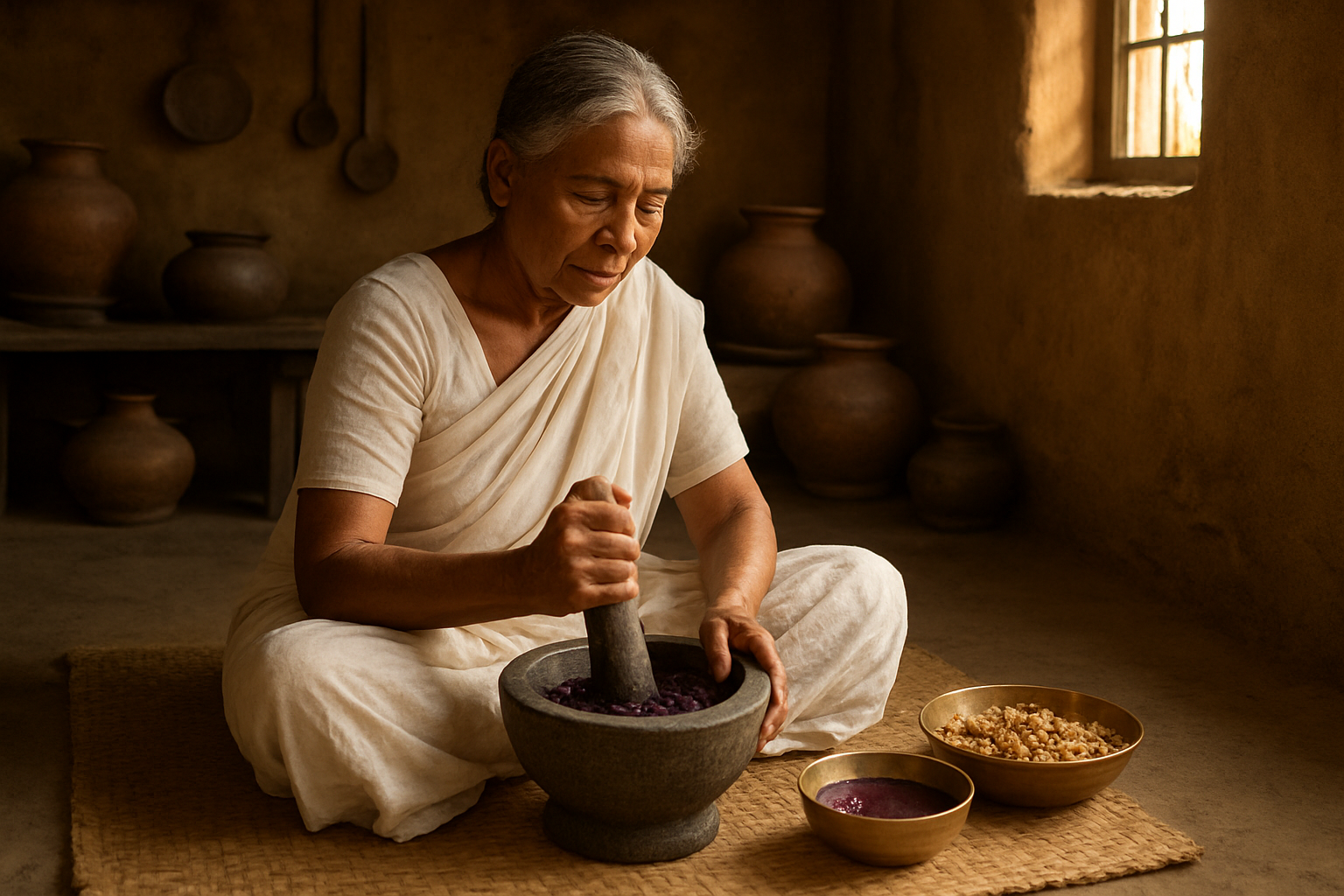
The jamun fruit holds a revered position in Ayurveda, India's ancient healing system, where it's known as "jambu" or "jambul." Ayurvedic practitioners have prescribed this purple powerhouse for over 5,000 years, particularly for managing diabetes and digestive disorders. The bark, leaves, seeds, and fruit all serve different therapeutic purposes in traditional formulations.
Ayurvedic texts classify jamun as having astringent, sweet, and sour tastes with cooling properties. Practitioners use jamun seed powder as a primary remedy for controlling blood sugar levels, often combining it with other herbs like bitter gourd and fenugreek. The fruit's ability to strengthen the pancreas and improve insulin sensitivity makes it a cornerstone treatment in Ayurvedic diabetes management.
Beyond diabetes, Ayurveda employs jamun for treating diarrhea, dysentery, and stomach ulcers due to its astringent qualities. The bark serves as a gargle for sore throats and gum diseases, while leaf decoctions help with skin conditions and wounds. Ayurvedic physicians also prescribe jamun for liver disorders, believing it purifies the blood and supports liver function.
Religious and Ceremonial Importance
Jamun trees carry deep spiritual significance across Hindu traditions, where they're considered sacred to Lord Krishna. Religious texts describe Krishna's childhood spent playing under jamun trees in Vrindavan, making the fruit symbolic of divine love and childhood innocence. Many temples in India feature jamun trees in their courtyards, and devotees offer the fruit during Krishna Janmashtami celebrations.
Buddhist monasteries often plant jamun trees for their shade and medicinal properties. The tree's longevity—some live for over 100 years—represents wisdom and endurance in spiritual traditions. During certain festivals, families gather jamun fruits to prepare traditional sweets and offerings.
In rural communities, jamun trees serve as natural meeting places where village elders gather to make important decisions. The practice of sitting under jamun trees for community discussions has roots in ancient traditions where these trees were considered witnesses to truth and justice.
Folk Remedies and Home Treatments
Grandmothers across India swear by jamun's healing powers, passing down generations of home remedies. When children suffer from stomach upset, mothers prepare jamun seed powder mixed with yogurt or buttermilk. This simple remedy often works faster than modern medicines for mild digestive issues.
Rural families use jamun leaves to treat diabetes naturally. They boil fresh leaves in water overnight, strain the mixture, and drink it first thing in the morning. Many diabetic patients report improved blood sugar control with this daily routine, though they continue medical treatment alongside.
For skin problems like acne or rashes, people create paste from jamun seeds and apply it directly to affected areas. The antibacterial properties help clear infections while the astringent nature reduces inflammation. Women traditionally use jamun juice as a natural face mask to achieve clearer, brighter skin.
During monsoon season, when diarrhea spreads quickly, families rely on jamun bark tea. They boil pieces of bark in water, creating a bitter but effective remedy that stops loose motions within hours. This treatment remains popular in areas where medical facilities are limited.
Culinary Applications and Flavor Profile
Fresh consumption methods and taste description
The jamun fruit delivers a unique flavor experience that catches many first-time tasters off guard. When you bite into a ripe jamun, expect an initial burst of sweetness followed by a distinct astringent quality that creates a slight drying sensation on your tongue. This astringency comes from high tannin content, similar to what you'd experience with unripe persimmons or strong black tea.
Fresh jamun tastes best when fully ripe, displaying deep purple-black skin with a slight give when gently pressed. The flesh inside ranges from white to light purple, surrounding a single large seed. Many people describe the jamun taste as a cross between grapes and plums, with earthy undertones that make it distinctively different from other berries.
The best way to eat fresh jamun involves washing the fruits thoroughly and consuming them whole, spitting out the seed. Some people prefer to sprinkle a pinch of salt or black salt (kala namak) to balance the astringency and enhance the natural sweetness.
Popular recipes and traditional preparations
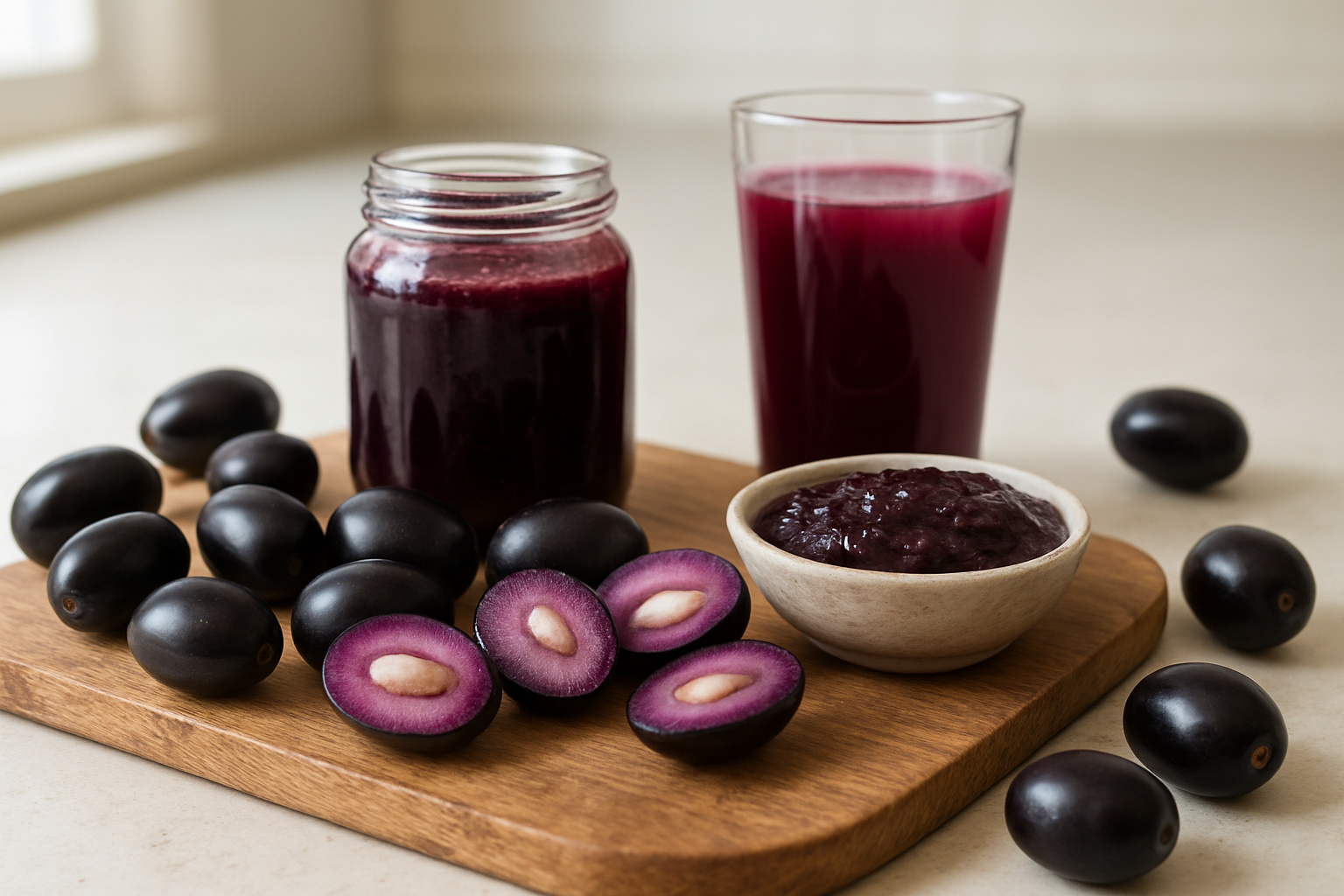
Traditional Indian households have perfected numerous ways to prepare indian blackberry over centuries. Jamun sherbet remains one of the most popular preparations, where the fruit pulp gets mixed with sugar, roasted cumin powder, and mint leaves to create a refreshing summer drink.
Jamun ka achaar (pickle) transforms the raw fruit into a tangy condiment that pairs beautifully with Indian meals. This preparation involves cutting unripe jamun into pieces, mixing with mustard oil, turmeric, red chili powder, and other spices, then allowing the mixture to cure for several days.
Here are some beloved traditional preparations:
-
Jamun ka halwa: A rich dessert made by cooking jamun pulp with ghee, sugar, and cardamom
-
Jamun chutney: A sweet and sour condiment combining jamun with jaggery, ginger, and spices
-
Jamun ka murabba: Preserved whole fruits cooked in sugar syrup with aromatic spices
-
Jamun rolls: Modern fusion treats where jamun filling gets wrapped in thin pastry
Regional variations exist across different states in India, with each area adding its own twist to these classic preparations.
Preservation techniques and storage tips
Fresh jamun fruits have a relatively short shelf life, typically lasting only 2-3 days at room temperature before they start deteriorating. Proper storage becomes crucial for extending their usability and enjoying their jamun benefits throughout the year.
Refrigeration extends fresh jamun life to about a week. Place unwashed fruits in perforated plastic bags in the refrigerator's crisper drawer. The perforations allow air circulation while maintaining optimal humidity levels.
For long-term preservation, several traditional methods work exceptionally well:
| Method | Duration | Best Use |
|---|---|---|
| Sun-drying | 6-12 months | Snacking, powder making |
| Freezing | 6-8 months | Smoothies, juice |
| Jam/preserves | 12-18 months | Spreads, desserts |
| Pickle | 6-12 months | Condiment |
Dehydrating jamun creates concentrated flavor bombs perfect for trail mixes or grinding into powder for medicinal use. Frozen jamun works wonderfully for making smoothies and juices, though the texture changes upon thawing.
Juice making and beverage options
Creating jamun juice at home maximizes the jamun nutrition facts while delivering a delicious and healthy beverage. The process starts with selecting perfectly ripe fruits, washing them thoroughly, and removing any stems or leaves.
Traditional jamun juice preparation involves crushing the fruits by hand or using a potato masher, then straining the mixture through a fine mesh or cheesecloth. This method preserves more fiber and nutrients compared to high-speed blending, which can create excessive foam and heat.
Popular jamun beverage variations include:
-
Classic jamun juice: Pure fruit juice with optional honey or jaggery for sweetness
-
Jamun lassi: Yogurt-based drink blending jamun pulp with thick curd and spices
-
Jamun smoothie: Mixed with banana, mint, and ice for a refreshing treat
-
Jamun mojito: Modern fusion drink with mint, lime, and sparkling water
-
Spiced jamun drink: Traditional preparation with roasted cumin, black pepper, and rock salt
The key to excellent jamun juice lies in balancing the natural astringency. Adding a small amount of lemon juice brightens the flavor, while a pinch of black salt enhances the overall taste profile. Some people prefer diluting the juice slightly with chilled water to reduce intensity.
Commercial jamun juice production often involves pasteurization, but homemade versions retain more of the fruit's natural enzymes and antioxidants that contribute to various jamun health benefits.
Growing Conditions and Cultivation
.png)
Ideal Climate Requirements for Growth
Jamun fruit trees love warm, tropical and subtropical climates where they can really thrive. These hardy trees do best in regions with temperatures between 25-35°C (77-95°F) during the growing season. They can handle some temperature variation but don't appreciate frost or freezing conditions, which can seriously damage young plants and reduce fruit production.
The trees need a good amount of rainfall - around 600-1200mm annually works well for healthy jamun cultivation. What's interesting is that they prefer a distinct wet and dry season pattern. The rainy season helps with flowering and fruit development, while a drier period allows the fruits to ripen properly and develop their characteristic sweet-tart flavor.
Humidity levels around 60-70% create perfect conditions for these trees. They're surprisingly adaptable to different elevations, growing successfully from sea level up to about 1,800 meters in hilly regions. In India, you'll find jamun trees flourishing across diverse climatic zones, from the plains of Punjab to the coastal areas of Kerala.
Soil Preferences and Planting Guidelines
Getting the soil right makes all the difference when growing jamun fruit. These trees aren't too picky, but they perform best in well-draining loamy soils with good organic content. The ideal pH range sits between 6.5-7.5, though they can tolerate slightly acidic to mildly alkaline conditions.
Here's what works best for jamun cultivation:
Soil Preparation:
-
Deep, fertile soils with good water retention
-
Sandy loam or clay loam textures
-
Rich in organic matter and humus
-
Proper drainage to prevent waterlogging
Planting Guidelines:
-
Plant during the onset of monsoon season (June-July)
-
Dig pits measuring 1m x 1m x 1m
-
Space trees 8-10 meters apart for proper canopy development
-
Mix soil with well-decomposed farmyard manure before planting
-
Plant grafted saplings at the same depth as they were in the nursery
Young jamun plants need protection from strong winds and direct sunlight during their first year. Creating windbreaks and providing partial shade helps establish healthy root systems.
Maintenance and Care Instructions
Jamun trees are relatively low-maintenance once established, but proper care during the early years ensures better fruit production. Regular watering is crucial for the first 2-3 years, especially during dry spells. Mature trees develop deep root systems and become quite drought-tolerant.
Watering Schedule:
-
Young trees: Water every 3-4 days during dry periods
-
Mature trees: Deep watering once a week in summer
-
Reduce watering during fruiting season to concentrate flavors
Fertilization Program:
-
Apply 10-15 kg farmyard manure annually per tree
-
Supplement with NPK fertilizer (10:10:10) during growing season
-
Add micronutrients like zinc and iron if soil tests show deficiencies
Pruning and Maintenance:
-
Remove dead, diseased, or crossing branches annually
-
Prune during winter months when trees are dormant
-
Maintain tree height for easier harvesting
-
Remove suckers growing from the base
Pest and Disease Management:
-
Watch for fruit flies during fruiting season
-
Apply neem-based organic pesticides when needed
-
Ensure good air circulation to prevent fungal issues
-
Regular inspection helps catch problems early
Jamun trees typically start bearing fruit after 4-5 years and reach peak production around 10-12 years. With proper care, a single mature tree can yield 50-100 kg of fruit annually for decades.
Jamun fruit packs a serious nutritional punch with its rich antioxidant content, vitamin C, and essential minerals that support everything from blood sugar control to heart health. This deep purple gem has been treasured in traditional medicine for centuries, particularly in managing diabetes and digestive issues, while its cultural roots run deep across South Asian communities. The fruit's unique sweet-tart flavor makes it perfect for everything from fresh snacking to jams, juices, and traditional desserts.
Ready to experience jamun's incredible benefits for yourself? Start by visiting your local Indian grocery store or specialty fruit market to find fresh jamun during peak season, typically summer months. You can also explore jamun-based products like powders, juices, or supplements if fresh fruit isn't available in your area. Give this superfruit a try and discover why it's been a beloved staple for generations – your taste buds and your health will thank you.


.png)
Comments
Post a Comment