Karonda - What's The Karonda Fruit?

The karonda fruit might look like a tiny cranberry, but this exotic gem packs way more punch than you'd expect. If you're curious about unique tropical fruits or want to expand your healthy eating game, karonda deserves a spot on your radar.
This comprehensive guide is perfect for health-conscious food lovers, home gardeners interested in growing unusual plants, and anyone who enjoys discovering new flavors from around the world.
We'll explore what makes karonda so special, starting with its impressive nutritional benefits that rival many superfruits. You'll also learn practical ways to enjoy this tangy treat in your kitchen and get step-by-step tips for growing your own karonda plants at home.
Discover the Exotic Karonda Fruit and Its Origins
.png)
Learn About Karonda's Native Habitat in India and Southeast Asia
The karonda fruit calls the tropical and subtropical regions of India and Southeast Asia home. This hardy shrub thrives naturally across the Indian subcontinent, from the foothills of the Himalayas down to the southern coastal plains. You'll find wild karonda plants scattered throughout states like Rajasthan, Maharashtra, Gujarat, and Karnataka, where they've adapted to diverse environmental conditions over thousands of years.
In Southeast Asia, karonda has established itself across Myanmar, Thailand, and parts of Malaysia. The plant shows remarkable adaptability, growing in everything from semi-arid regions to areas with moderate rainfall. Wild karonda bushes often pop up along roadsides, in scrublands, and on rocky hillsides where other fruits might struggle to survive.
What makes karonda special is its ability to handle tough conditions that would kill more delicate fruit plants. The shrub can tolerate drought, poor soil, and extreme temperatures, making it a reliable food source in regions where agriculture can be challenging. Local communities have harvested these small, cherry-sized fruits for generations, appreciating both their tart flavor and their ability to grow where little else will.
The karonda plant has spread beyond its native range through human cultivation, but it still performs best in climates similar to its original habitat - warm, with distinct wet and dry seasons.
Understand the Historical Significance in Traditional Medicine
Traditional medicine systems across India and Southeast Asia have recognized karonda fruit as a valuable therapeutic plant for centuries. Ayurvedic practitioners have long prescribed various parts of the karonda plant to treat digestive issues, skin problems, and respiratory ailments. The fruit's natural astringent properties made it particularly useful for treating diarrhea and stomach upset.
In folk medicine traditions, healers used karonda leaves to create poultices for wounds and skin infections. The antimicrobial compounds found in the plant helped prevent infection while promoting healing. Rural communities often kept karonda plants nearby specifically for their medicinal value, creating a living pharmacy right in their backyards.
Ancient texts describe karonda as a "cooling" fruit in traditional medicine terminology, meaning it was believed to balance excess heat in the body. People consumed the fruit during hot seasons to help manage fever and heat-related illnesses. The high vitamin C content, now confirmed by modern science, supported the immune system and helped prevent scurvy in populations with limited access to other fresh fruits.
Traditional healers also recognized karonda's role in supporting heart health and managing blood sugar levels. While modern research is still catching up to these traditional uses, preliminary studies suggest that the antioxidants and bioactive compounds in karonda fruit may indeed support cardiovascular function and help regulate glucose metabolism.
Explore How Climate and Soil Affect Karonda Growth
Karonda plants show impressive flexibility when it comes to growing conditions, but they definitely have their preferences. These shrubs love warm climates with temperatures ranging from 70°F to 95°F (21°C to 35°C). They can handle brief cold snaps, but prolonged freezing temperatures will damage or kill the plant. The sweet spot for karonda cultivation lies in tropical and subtropical zones where temperatures stay consistently warm.
Rainfall patterns play a big role in karonda fruit production. The plants prefer areas with 20-40 inches of annual rainfall, ideally distributed between wet and dry seasons. Too much constant moisture can lead to root rot and fungal problems, while extended drought stress can reduce fruit quality and yield. Many successful karonda growers time their planting and harvesting around natural rainfall patterns.
Soil requirements for karonda are surprisingly forgiving. These tough plants can grow in sandy, loamy, or even slightly rocky soils as long as drainage is adequate. The pH can range from slightly acidic to neutral (6.0-7.5) without major issues. What karonda plants absolutely cannot tolerate is waterlogged soil - their roots need oxygen and will quickly rot in soggy conditions.
Altitude also affects karonda growth, with plants performing best at elevations below 3,000 feet. Higher altitudes often bring cooler temperatures and different rainfall patterns that can stress the plants. Coastal areas with their moderate temperatures and humidity often provide ideal growing conditions for healthy karonda fruit development.
Identify Karonda's Unique Physical Characteristics
.png)
Recognize the Small Round Shape and Deep Red Color
The karonda fruit presents a distinctive appearance that makes it instantly recognizable once you know what to look for. These small berries typically measure about half an inch to three-quarters of an inch in diameter, roughly the size of a large blueberry or small cherry. When fully ripe, the karonda fruit transforms from green to a stunning deep red or dark crimson color that catches the eye among the plant's glossy green foliage.
The vibrant red hue serves as nature's signal that the fruit has reached peak ripeness and sweetness. Young karonda fruits start as small green orbs and gradually transition through shades of pink before achieving their characteristic deep red coloration. This color progression helps gardeners and foragers determine the perfect harvest time for optimal flavor and nutritional content.
Distinguish Karonda from Similar Looking Berries
Many people confuse the karonda fruit with other small red berries, but several key features set it apart from common lookalikes. Unlike cranberries, which are typically oval-shaped and have a waxy appearance, karonda fruits maintain a perfectly round shape with a glossy, smooth surface. The deep red color of ripe karonda also differs from the lighter, more translucent red of currants or the purple-red tones of elderberries.
Gooseberries might seem similar at first glance, but they usually have visible longitudinal lines running from top to bottom, while karonda fruits display a uniform, unmarked surface. The size also helps distinguish karonda from other berries - they're consistently smaller than most cherries but larger than typical currants.
| Fruit | Size | Shape | Color | Surface |
|---|---|---|---|---|
| Karonda | 0.5-0.75 inch | Round | Deep red | Glossy, smooth |
| Cranberry | 0.4-0.6 inch | Oval | Light red | Waxy |
| Currant | 0.3-0.4 inch | Round | Translucent red | Smooth |
| Gooseberry | 0.5-1 inch | Round/Oval | Various | Lined surface |
Understand the Thorny Bush It Grows On
The karonda plant itself provides another reliable identification marker through its distinctive thorny characteristics. This hardy shrub typically grows 6 to 12 feet tall and features sharp, curved thorns that grow in pairs along the branches. These thorns serve as the plant's natural defense mechanism against herbivores and can make harvesting a bit challenging without proper protection.
The thorny branches create a dense, somewhat impenetrable barrier when the plant matures, making it an excellent choice for natural hedging or security barriers. The thorns are strong and pointed, so harvesting karonda fruit requires careful attention and often the use of thick gloves or specialized tools. The presence of these paired thorns distinguishes the karonda plant from many other fruit-bearing shrubs and helps confirm proper identification in the wild or garden setting.
Notice the Glossy Skin and Juicy Interior
The karonda fruit's exterior features a remarkably glossy, almost lacquered appearance that reflects light beautifully. This smooth, shiny skin feels firm to the touch when the fruit is ripe, yet yields slightly under gentle pressure. The skin itself is quite thin and edible, contributing a subtle tartness that balances the sweeter flesh inside.
Beneath the glossy exterior lies the fruit's most appealing characteristic - its incredibly juicy interior. When you bite into a ripe karonda fruit, it releases a burst of tangy-sweet juice that can be quite refreshing. The flesh has a texture similar to a small grape or cherry, with a slightly granular quality that adds to its unique eating experience. The interior typically contains 2-8 small seeds that are easily removed or can be eaten along with the flesh, depending on personal preference and intended use.
The juice content is particularly high in fully ripe specimens, making karonda fruit excellent for fresh eating or processing into jams, jellies, and beverages. The combination of the glossy exterior and juicy interior makes this exotic fruit both visually appealing and satisfying to consume.
Unlock the Impressive Nutritional Benefits of Karonda
.png)
Boost Your Immunity with High Vitamin C Content
The karonda fruit packs an impressive vitamin C punch that rivals many citrus fruits. Just a small serving delivers approximately 40-50mg of vitamin C, which represents about half your daily recommended intake. This powerful antioxidant strengthens your immune system by supporting white blood cell production and helping your body fight off infections more effectively.
What makes karonda particularly special is how your body absorbs its vitamin C content. The natural compounds in the fruit work together to enhance absorption, meaning you get more benefits compared to synthetic supplements. Regular consumption can help reduce the duration and severity of common colds while supporting faster wound healing.
Support Heart Health with Natural Antioxidants
Karonda fruit benefits your cardiovascular system through its rich antioxidant profile, including flavonoids and phenolic compounds. These natural defenders help protect your arteries from oxidative damage and reduce inflammation throughout your circulatory system.
The fruit's potassium content works alongside these antioxidants to regulate blood pressure naturally. Studies show that the combination of antioxidants found in tropical fruits like karonda can help lower LDL (bad) cholesterol levels while supporting healthy blood vessel function. Regular consumption may contribute to reduced risk of heart disease and stroke.
Improve Digestion with Essential Fiber
Karonda fruit nutrition includes both soluble and insoluble fiber, making it excellent for digestive health. A single cup provides roughly 4-5 grams of dietary fiber, supporting healthy gut bacteria growth and promoting regular bowel movements.
The soluble fiber in karonda helps slow down digestion, allowing better nutrient absorption while preventing sudden spikes in blood sugar. Meanwhile, insoluble fiber adds bulk to stool and helps prevent constipation. This combination creates an optimal environment for digestive wellness and may reduce the risk of colorectal issues.
Strengthen Bones with Calcium and Iron
Despite its small size, karonda delivers meaningful amounts of bone-building minerals. The fruit contains approximately 20-25mg of calcium per 100 grams, along with iron that supports overall bone health. While these amounts might seem modest, they contribute significantly when karonda is part of a balanced diet.
The vitamin C content actually enhances iron absorption, creating a synergistic effect that maximizes the fruit's nutritional impact. This combination is particularly beneficial for people at risk of iron deficiency or those looking to support bone density naturally as they age.
Control Blood Sugar Levels Naturally
The fiber and natural compounds in karonda fruit help regulate glucose absorption, making it a smart choice for blood sugar management. The fruit's low glycemic index means it won't cause dramatic spikes in blood glucose levels, unlike many processed snacks.
Research on similar tropical fruits suggests that the antioxidants in karonda may improve insulin sensitivity over time. The combination of fiber, natural sugars, and beneficial plant compounds creates a balanced nutritional profile that supports stable energy levels throughout the day while satisfying sweet cravings in a healthy way.
Master Different Ways to Enjoy Karonda Fruit
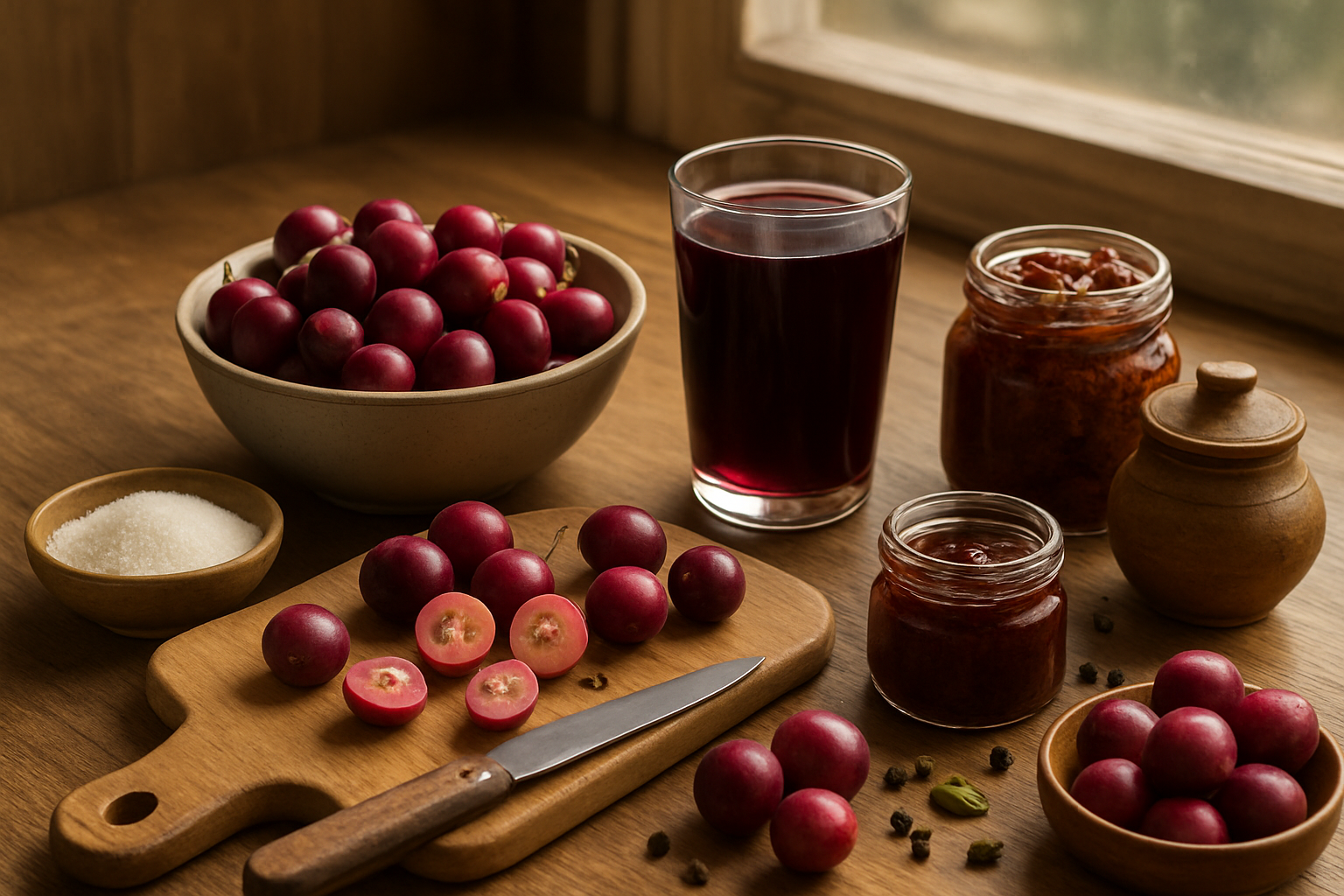
Savor Fresh Karonda as a Healthy Snack
Fresh karonda fruit makes an excellent snack when fully ripe, offering a sweet-tart flavor that's both refreshing and satisfying. The ripe fruits turn dark red or black and become soft to the touch, making them perfect for eating straight from the plant. You can enjoy them by gently washing the fruits and consuming them whole, including the thin skin which contains valuable nutrients.
The texture of ripe karonda is similar to a grape but with a more complex flavor profile. Many people describe the taste as a delightful mix of cranberry and cherry with subtle hints of sweetness. For the best experience, choose fruits that are fully colored and give slightly when pressed. Unripe green karonda tends to be quite sour, so patience pays off when waiting for full ripeness.
Fresh karonda serves as a nutritious alternative to processed snacks, providing natural sugars, vitamins, and antioxidants. You can pack them for work lunches, add them to your child's lunchbox, or simply grab a handful when you need a quick energy boost. The natural fruit sugars provide sustained energy without the crash associated with artificial sweeteners.
Create Delicious Jams and Preserves
Karonda fruit transforms beautifully into homemade jams and preserves, creating a unique spread that showcases this exotic fruit's distinctive flavor. The natural pectin content in karonda makes it ideal for jam-making, helping achieve the perfect consistency without adding commercial thickeners.
To make karonda jam, combine equal parts fruit and sugar, then cook slowly until the mixture thickens and reaches the proper gel point. The cooking process mellows the fruit's tartness while intensifying its natural sweetness. Add a splash of lemon juice to enhance the fruit's natural acidity and help preserve the vibrant color.
Basic Karonda Jam Recipe:
-
2 cups fresh karonda fruit (stems removed)
-
2 cups granulated sugar
-
1 tablespoon fresh lemon juice
-
Optional: cinnamon stick or cardamom pods for extra flavor
The resulting jam has a beautiful deep red color and spreads wonderfully on toast, crackers, or can be used as a filling for pastries. Karonda preserves also make excellent gifts for friends and family who enjoy trying unique flavors. Store your homemade jam in sterilized jars, and it will keep for several months in the refrigerator.
Prepare Traditional Pickles and Chutneys
Karonda's natural tartness makes it perfect for creating traditional Indian pickles and chutneys that add zest to any meal. These preparations take advantage of the fruit's sour properties while incorporating aromatic spices that complement its flavor profile perfectly.
Traditional karonda pickle involves combining raw or semi-ripe fruits with salt, turmeric, red chili powder, and mustard oil. The mixture ferments naturally, creating a tangy condiment that pairs excellently with rice dishes, flatbreads, and curries. The fermentation process develops complex flavors while preserving the fruit for extended periods.
Popular Karonda Preparations:
| Preparation Type | Main Ingredients | Flavor Profile | Best Served With |
|---|---|---|---|
| Sweet Chutney | Karonda, jaggery, ginger | Sweet-tangy | Snacks, breakfast |
| Spicy Pickle | Karonda, chilies, spices | Hot and sour | Rice, roti |
| Mixed Chutney | Karonda, mint, coriander | Fresh and zesty | Grilled meats |
Chutneys offer another delicious way to enjoy karonda fruit. Fresh karonda chutney combines the fruit with herbs like mint and cilantro, creating a vibrant green condiment that's perfect for serving alongside grilled foods or as a dip for vegetables.
Blend into Refreshing Juices and Smoothies
Karonda fruit creates incredibly refreshing beverages that are both nutritious and delicious. The fruit's natural tartness makes it an excellent base for juices, while its nutritional benefits add value to any smoothie blend.
Fresh karonda juice requires straining the pulped fruit to remove seeds and skin particles, resulting in a smooth, tangy drink that's rich in vitamins and antioxidants. You can adjust the sweetness by adding honey, sugar, or combining it with naturally sweet fruits like mango or banana.
For smoothies, blend karonda fruit with yogurt, milk, or plant-based alternatives to create creamy, protein-rich drinks. The fruit pairs particularly well with tropical fruits, creating exotic flavor combinations that transport your taste buds. Add ice for a refreshing summer treat, or include protein powder for a post-workout recovery drink.
Refreshing Karonda Smoothie Combinations:
-
Karonda + mango + coconut milk
-
Karonda + banana + Greek yogurt
-
Karonda + pineapple + ginger
-
Karonda + berries + almond milk
The natural tartness of karonda balances sweeter fruits beautifully, creating well-rounded beverages that aren't overly sweet. These drinks provide natural energy and essential nutrients, making them perfect for breakfast or as healthy afternoon refreshments.
Grow Your Own Karonda Plants Successfully
.png)
Choose the Right Location and Soil Conditions
Finding the perfect spot for your karonda plant sets the foundation for successful growth. These hardy plants thrive in full sunlight, so pick a location that receives at least 6-8 hours of direct sun daily. While karonda plants can tolerate partial shade, full sun exposure maximizes fruit production and keeps the plant healthy.
The karonda plant adapts well to various soil types, but well-draining soil is non-negotiable. Clay-heavy soils that retain water can cause root rot, while sandy soils that drain too quickly may leave your plant thirsty. The sweet spot lies in loamy soil that holds moisture without becoming waterlogged.
Check your soil's pH level - karonda plants prefer slightly acidic to neutral soil with a pH between 6.0 and 7.0. You can easily test this with a simple soil testing kit from any garden center. If your soil is too alkaline, work in some organic compost or sulfur to bring the pH down.
Ideal Growing Conditions:
-
Temperature range: 60-85°F (15-29°C)
-
Humidity: Moderate to high
-
Wind protection: Sheltered from strong winds
-
Drainage: Excellent water drainage essential
Learn Proper Planting and Spacing Techniques
Timing your karonda planting makes a real difference in establishment success. Plant during the warm months when temperatures stay consistently above 60°F. Spring offers the best conditions as it gives your karonda plant the entire growing season to establish strong roots.
When planting karonda seeds, soak them in water for 24 hours before sowing to improve germination rates. Plant seeds about half an inch deep in seed-starting mix, keeping the soil consistently moist but not soggy. Germination typically takes 2-4 weeks, so patience pays off.
For transplanting seedlings or nursery plants, dig holes twice as wide as the root ball and just as deep. Space multiple karonda plants at least 6-8 feet apart since mature plants can spread 4-6 feet wide. This spacing allows for proper air circulation and prevents overcrowding as the plants mature.
Planting Checklist:
-
Dig appropriate-sized holes
-
Amend soil with compost if needed
-
Water thoroughly after planting
-
Apply 2-3 inch layer of mulch around base
-
Keep mulch 4 inches away from plant stem
Master Watering and Fertilization Schedules
Getting the watering schedule right prevents most karonda growing problems. Young plants need consistent moisture while establishing their root systems. Water deeply but less frequently rather than giving shallow, daily waterings. Check soil moisture by sticking your finger 2 inches into the ground - if it feels dry, it's time to water.
Mature karonda plants show impressive drought tolerance once established, but consistent moisture during flowering and fruit development produces the best harvest. During dry spells, water 1-2 times per week, soaking the soil thoroughly each time.
Feed your karonda plant with balanced fertilizer (10-10-10 NPK) every 6-8 weeks during the growing season. Organic options like compost, well-aged manure, or fish emulsion work excellently and improve soil structure over time. Stop fertilizing 6 weeks before your first expected frost to help the plant prepare for dormancy.
Monthly Fertilization Schedule:
-
March-April: Start feeding with balanced fertilizer
-
May-August: Continue regular feeding every 6-8 weeks
-
September: Final feeding before winter prep
-
October-February: No fertilization needed
Handle Pruning and Pest Control Effectively
Pruning your karonda plant keeps it productive and manageable. The best time for major pruning is late winter or early spring before new growth starts. Remove dead, damaged, or crossing branches first, then focus on shaping the plant and opening up the center for better air circulation.
Light pruning throughout the growing season helps maintain plant health. Pinch off spent flowers to encourage more blooms and remove any suckers growing from the base. Young plants benefit from tip pruning to encourage bushier growth rather than letting them grow tall and spindly.
Common pests that bother karonda plants include aphids, scale insects, and fruit flies. Regular inspection catches problems early when they're easier to manage. Spray affected areas with insecticidal soap or neem oil for organic pest control. Yellow sticky traps help monitor and catch flying pests.
Effective Pest Prevention:
-
Inspect plants weekly during growing season
-
Remove fallen fruit promptly to prevent pest breeding
-
Encourage beneficial insects with diverse plantings
-
Use organic mulch to suppress soil-dwelling pests
-
Maintain good air circulation through proper spacing
.png)
Karonda stands out as one of nature's hidden gems, packed with antioxidants, vitamins, and minerals that support your immune system and overall health. This small but mighty fruit offers incredible versatility - you can enjoy it fresh when ripe, pickle it for a tangy treat, or transform it into jams and chutneys that add exotic flavor to your meals.
Growing karonda at home is surprisingly straightforward, making it perfect for anyone wanting to add something unique to their garden. The plant's hardiness and low maintenance requirements mean you can enjoy homegrown karonda fruit without much fuss. Give this underrated superfruit a try - your taste buds and your body will thank you for discovering this nutritional powerhouse that's been hiding in plain sight.


.png)
Comments
Post a Comment