Lingonberries - What Are Lingonberries?
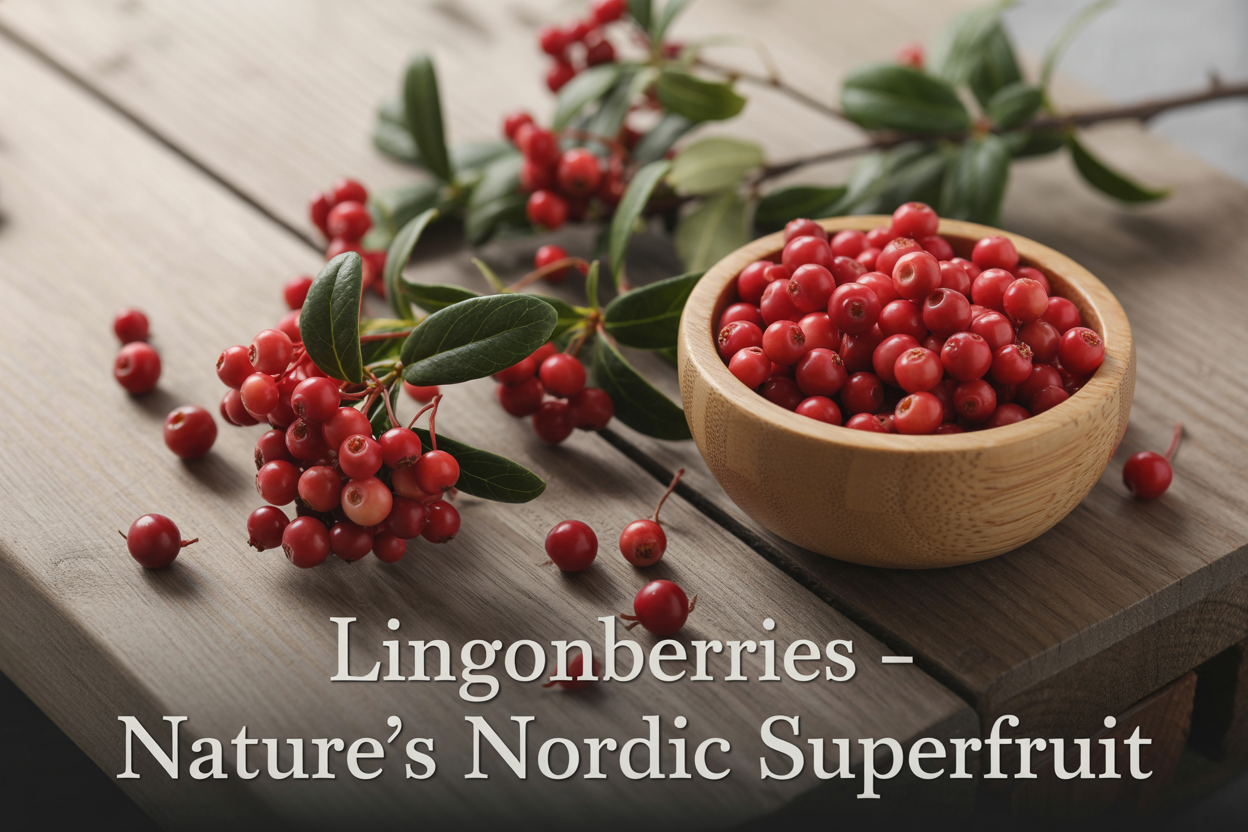
Lingonberries might look like tiny cranberries, but these bright red Nordic berries pack a unique flavor punch that's both tart and slightly sweet. If you're curious about what are lingonberries and why Scandinavian cultures have treasured them for centuries, you've come to the right place.
This guide is perfect for health-conscious food lovers, home gardeners interested in unique plants, and anyone wanting to explore new superfruits. We'll dive into the impressive lingonberry health benefits that make these berries a nutritional powerhouse, explore creative lingonberry recipes that go beyond traditional jam, and show you practical tips for how to grow lingonberries in your own backyard.
Ready to discover why these small but mighty berries are taking the health food world by storm?
Understanding Lingonberries - Nature's Nordic Superfruit
.png)
Scientific Classification and Botanical Characteristics
Lingonberries belong to the family Ericaceae, scientifically known as Vaccinium vitis-idaea. This hardy evergreen shrub shares its botanical family with blueberries, cranberries, and huckleberries, making it part of the broader Vaccinium genus that's beloved by berry enthusiasts worldwide. The lingonberry plant is a low-growing, mat-forming shrub that rarely exceeds 10-16 inches in height, spreading through underground rhizomes to create dense colonies.
The plant features leathery, oval-shaped leaves that remain green year-round, providing winter interest in northern landscapes. These leaves measure about half an inch long and have slightly rolled edges with tiny dark spots on the undersides. The root system consists of shallow, fibrous roots combined with mycorrhizal associations that help the plant absorb nutrients from acidic soils.
Physical Appearance and Distinguishing Features
What are lingonberries in terms of appearance? These small, round berries measure approximately 6-10 millimeters in diameter, making them slightly smaller than cranberries but similar in size to currants. Fresh lingonberries display a brilliant red color that can range from bright scarlet to deep crimson, depending on ripeness and growing conditions.
The berries have a glossy, waxy surface that helps protect them from harsh weather conditions. When you bite into a fresh lingonberry, you'll notice the firm texture and tart, slightly bitter flavor profile that's distinctly different from sweeter berries. The flesh inside is pale pink to white, containing small, edible seeds.
Key distinguishing features include:
-
Size: 6-10mm diameter
-
Color: Bright to deep red with glossy finish
-
Taste: Tart, astringent, with subtle sweetness
-
Texture: Firm and crisp when fresh
-
Seeds: Small, barely noticeable when eaten
Natural Habitat and Growing Regions
Lingonberries thrive in the boreal forests and tundra regions of the Northern Hemisphere, earning their reputation as true nordic berries. These resilient plants naturally occur across Scandinavia, northern Russia, Alaska, Canada, and the northern United States, particularly in Minnesota, Wisconsin, and Maine.
The lingonberry plant prefers acidic soils with pH levels between 4.5-5.5, similar to what you'd find in coniferous forest floors. They grow best in well-draining, organic-rich soils that retain moisture without becoming waterlogged. Wild lingonberries often establish themselves in clearings, forest edges, and rocky outcrops where they receive partial to full sunlight.
These hardy plants can withstand extremely cold temperatures, surviving winters as harsh as -40°F (-40°C). They also tolerate short growing seasons and poor soil conditions that would challenge many other fruit-bearing plants. This remarkable adaptability has made them a crucial food source for indigenous peoples and wildlife in northern regions for thousands of years.
Seasonal Availability and Harvesting Periods
Lingonberry harvesting follows a predictable seasonal pattern across their native range. The plants typically flower in late spring to early summer, producing small, white or pale pink bell-shaped blooms that attract bees and other pollinators. The flowering period usually spans 2-3 weeks, depending on local climate conditions.
Harvesting Timeline:
| Region | Flowering Period | Harvest Season |
|---|---|---|
| Scandinavia | May-June | August-September |
| Alaska/Northern Canada | June-July | September-October |
| Northern US States | May-June | August-September |
Wild lingonberries ripen from late summer through early fall, with peak harvesting occurring in August and September in most regions. The berries don't all ripen simultaneously, which extends the harvest window but requires multiple picking sessions for optimal yield. Commercial lingonberry operations often use specialized rakes or mechanical harvesters to efficiently collect the berries from the low-growing plants.
The berries can remain on the plants well into winter if not harvested, as their natural compounds help preserve them in cold conditions. This extended availability made them invaluable to northern communities before modern food preservation methods became available.
Nutritional Powerhouse - Health Benefits You Can't Ignore

Vitamin and Mineral Content Breakdown
Lingonberries pack an impressive nutritional punch despite their small size. These ruby-red berries contain high levels of vitamin C, providing about 12mg per 100 grams – roughly 13% of your daily recommended intake. This vitamin C content rivals that of oranges, making lingonberries excellent for immune system support and collagen production.
The mineral profile of lingonberries is equally noteworthy. They're rich in manganese, which supports bone health and metabolism, while also providing meaningful amounts of potassium for heart health and proper muscle function. These nordic berries also contain iron, magnesium, and calcium, though in smaller quantities.
What makes lingonberry nutrition particularly special is the presence of vitamin E and several B-vitamins, including folate. The folate content makes them especially beneficial for pregnant women, while vitamin E acts as a powerful antioxidant protecting cell membranes from damage.
| Nutrient | Amount per 100g | % Daily Value |
|---|---|---|
| Vitamin C | 12mg | 13% |
| Manganese | 0.4mg | 17% |
| Potassium | 90mg | 3% |
| Fiber | 3.6g | 14% |
| Calories | 54 | - |
Antioxidant Properties and Disease-Fighting Compounds
The real magic of lingonberry health benefits lies in their remarkable antioxidant profile. These berries contain anthocyanins – the same compounds that give them their vibrant red color. Research shows anthocyanins help reduce inflammation throughout the body and may lower the risk of heart disease and certain cancers.
Lingonberries also contain proanthocyanidins, powerful compounds that support cardiovascular health by improving blood vessel function and reducing oxidative stress. These same compounds help protect against age-related cognitive decline and may support brain health as we age.
The phenolic compounds in lingonberries work together to create a synergistic effect, meaning their combined impact is greater than the sum of their individual parts. Studies suggest regular consumption of these antioxidant-rich berries may help:
-
Reduce chronic inflammation markers
-
Lower blood pressure naturally
-
Support healthy cholesterol levels
-
Protect against cellular damage from free radicals
-
Enhance overall immune function
Digestive Health and Urinary Tract Benefits
Lingonberries have earned a reputation as a natural remedy for digestive and urinary tract health. The high fiber content – about 3.6 grams per 100 grams – promotes healthy digestion by feeding beneficial gut bacteria and supporting regular bowel movements.
The berries contain natural prebiotics that encourage the growth of good bacteria in your digestive system. This bacterial balance is crucial for nutrient absorption, immune function, and even mental health through the gut-brain connection.
For urinary tract health, lingonberries share similar compounds with cranberries, including proanthocyanidins that prevent harmful bacteria from adhering to urinary tract walls. Many people find lingonberries gentler on the stomach than cranberries while providing similar protective benefits.
Traditional Scandinavian medicine has long used lingonberries to:
-
Support kidney function
-
Maintain healthy urinary pH levels
-
Reduce recurring urinary tract infections
-
Improve digestive comfort after meals
-
Support liver detoxification processes
The anti-inflammatory properties of these berries also help soothe digestive irritation and may reduce symptoms of inflammatory bowel conditions when consumed regularly as part of a balanced diet.
Culinary Applications - From Traditional to Modern Uses
Traditional Scandinavian Recipes and Cultural Significance
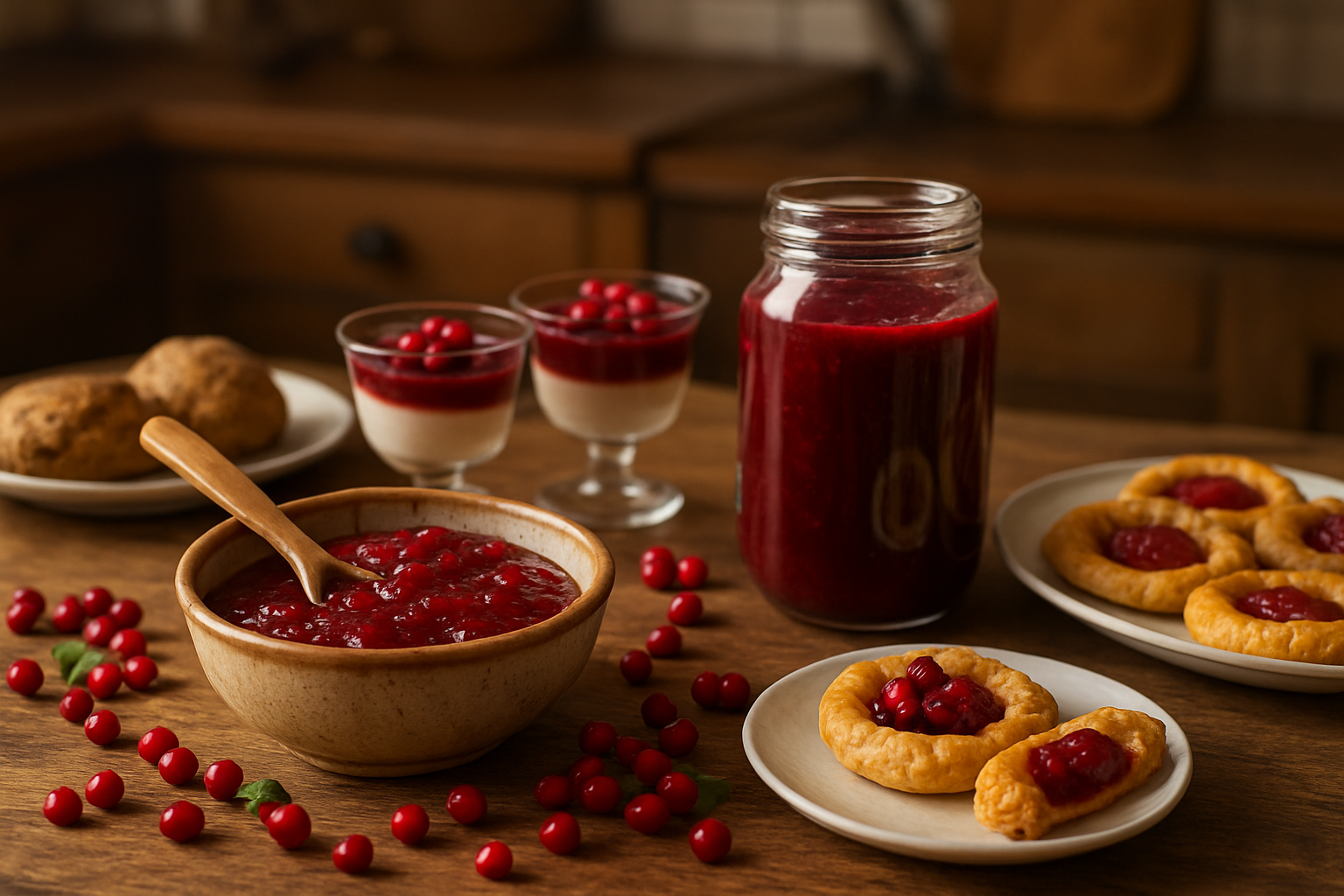
Nordic countries have celebrated lingonberries for centuries, making them a cornerstone of regional cuisine. Swedish families pass down recipes for lingonberry jam, or "lingonsylt," which accompanies everything from pancakes to Swedish meatballs. This tart-sweet preserve cuts through rich, fatty foods perfectly, creating the balanced flavors Scandinavian cooking is famous for.
Norwegian households traditionally prepare lingonberry compotes to serve alongside reindeer, elk, and other game meats. The berries' natural acidity tenderizes proteins while adding a bright, fruity contrast. Finnish cooks incorporate fresh lingonberries into porridges, breads, and traditional pastries like pulla, creating layers of flavor that warm the soul during long winter months.
During harvest season, entire communities participate in berry-picking expeditions, turning foraging into social gatherings that strengthen cultural bonds. These traditions connect modern Scandinavians to their ancestral roots, preserving culinary heritage through shared meals and family recipes.
Sweet and Savory Pairing Possibilities
Lingonberries shine in both sweet and savory applications, offering incredible versatility that many home cooks overlook. Their tartness makes them exceptional partners for rich cheeses - try spreading lingonberry jam on a cheese board alongside aged gouda or creamy brie. The berries also complement roasted vegetables beautifully, especially root vegetables like carrots, parsnips, and sweet potatoes.
For breakfast applications, lingonberry recipes transform ordinary meals into extraordinary experiences. Mix fresh berries into pancake batter, swirl jam into yogurt parfaits, or create lingonberry-studded muffins that balance sweet and tart flavors perfectly. The berries pair wonderfully with oats, quinoa, and other whole grains too.
Meat dishes benefit tremendously from lingonberry accompaniments. The berries' acidity breaks down tough proteins while their sweetness balances gamey flavors. Try them with pork tenderloin, roasted chicken, or grilled lamb for restaurant-quality results at home.
Preservation Methods and Storage Techniques
Fresh lingonberries stay good for weeks when stored properly in the refrigerator, but several preservation methods extend their shelf life significantly. Traditional jam-making remains the most popular approach - the berries' natural pectin content makes thick, spreadable preserves without added thickeners.
Freezing preserves lingonberries' nutritional value while maintaining their texture for cooking applications. Wash and dry the berries thoroughly, then spread them on baking sheets before transferring to freezer bags. Frozen lingonberries keep for up to two years and work perfectly in baked goods and sauces.
Dehydrating creates concentrated flavor bombs perfect for trail mixes, granolas, and baking applications. Use a food dehydrator or low-temperature oven to remove moisture while preserving the berries' essential nutrients and intense flavor profile.
Pickled lingonberries offer an unexpected twist - the vinegar enhances their natural tartness while creating unique condiments for charcuterie boards and sophisticated appetizers.
Modern Cooking Innovations and Trendy Preparations
Contemporary chefs are rediscovering lingonberries, incorporating them into innovative dishes that showcase their unique flavor profile. Molecular gastronomy techniques transform lingonberry juice into caviar-like pearls that burst with flavor, while modern preserving methods create lingonberry powders that intensify desserts and cocktails.
Craft cocktail bars feature lingonberry syrups and muddled fresh berries in signature drinks. The berries' tartness balances sweet liqueurs while their deep red color creates visually stunning presentations. Popular combinations include lingonberry martinis, Nordic-inspired gin cocktails, and festive holiday punches.
Health-conscious restaurants highlight lingonberries in superfood bowls, smoothies, and raw preparations that maximize their nutritional benefits. These modern applications introduce lingonberries to new audiences while respecting their traditional roots.
Artisanal food producers create lingonberry vinegars, hot sauces, and gourmet mustards that bring Nordic flavors to international cuisines. These products demonstrate how traditional ingredients adapt to contemporary tastes while maintaining their authentic character.
Growing Your Own Lingonberry Plants

Soil Requirements and Ideal Growing Conditions
Lingonberry plants thrive in acidic soil with a pH between 4.0 and 5.5, making them perfect companions for blueberries and other acid-loving plants. The soil should drain well while retaining moisture - think of that perfect balance where water doesn't pool but doesn't dry out completely either. Sandy or loamy soils work best, and adding organic matter like peat moss or composted pine needles creates the ideal foundation.
These Nordic berries prefer cool climates and actually need cold winters to fruit properly. They're happiest in USDA zones 2-7, where temperatures drop below 45°F for at least 1,000 hours during winter. Lingonberry plants love partial shade to full sun, though in hotter climates, some afternoon shade prevents stress.
The perfect spot offers protection from harsh winds while maintaining good air circulation. Raised beds work wonderfully, especially in areas with heavy clay soil or drainage issues.
Planting Techniques for Home Gardeners
Spring planting after the last frost gives lingonberry plants the best start. Space plants 12-18 inches apart in rows that are 3-4 feet wide - they spread through underground runners, so give them room to establish colonies.
Dig holes twice as wide as the root ball but no deeper. Lingonberries have shallow root systems, so planting too deep suffocates them. Before planting, soak bare-root plants for 2-4 hours in water.
Mix the backfill soil with compost or peat moss to boost acidity and drainage. Water thoroughly after planting and apply a 2-3 inch layer of acidic mulch like pine needles or wood chips. This keeps roots cool and maintains soil moisture.
Container-grown plants transplant easily, but bare-root plants often establish faster once they get going.
Maintenance and Care Throughout Seasons
Spring Care: Remove any dead or damaged branches and refresh mulch layers. Start a regular watering schedule - these plants need consistent moisture but never waterlogged conditions.
Summer Care: Water deeply once or twice weekly during dry spells. The shallow roots dry out quickly, especially during hot weather. Watch for the first flowers in late spring, followed by berries that ripen from white to deep red by late summer.
Fall Care: Harvest ripe berries before hard frosts. Lingonberries often produce a second crop in fall. Continue watering until soil begins to freeze.
Winter Care: These hardy plants need minimal winter protection in their preferred zones. In marginal areas, apply extra mulch around the base.
Fertilize lightly in early spring with an acid-loving plant fertilizer. Over-fertilizing produces lots of leaves but fewer berries.
Common Challenges and Pest Management
Root rot poses the biggest threat to lingonberry plants, usually caused by poor drainage or overwatering. Yellowing leaves and stunted growth signal trouble - improve drainage immediately and reduce watering frequency.
Birds love ripe lingonberries as much as humans do. Netting protects crops, but make sure it's properly secured so birds don't get tangled.
Aphids occasionally appear on new growth. A strong spray of water usually handles small infestations, while insecticidal soap tackles larger problems.
Fungal issues like leaf spot rarely cause serious damage but indicate poor air circulation or overhead watering. Water at soil level and ensure proper spacing between plants.
Weeds compete with shallow-rooted lingonberries for nutrients and water. Maintain consistent mulch layers and hand-pull weeds carefully to avoid damaging surface roots.
Lingonberries generally resist most pests and diseases, making them relatively low-maintenance once established. The key lies in providing proper growing conditions from the start.
Where to Find and How to Buy Quality Lingonberries
Fresh Lingonberry Sourcing Options
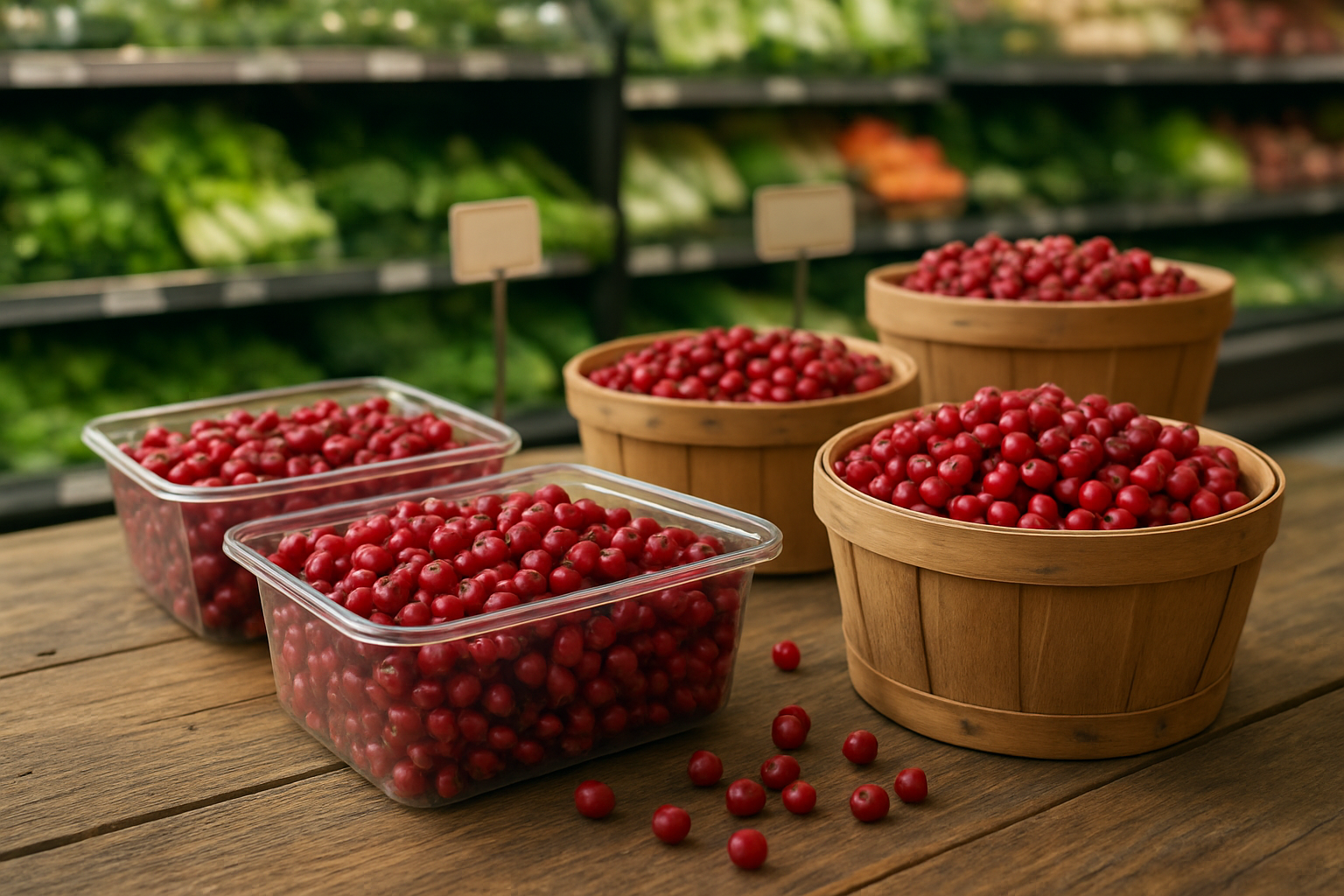
Finding fresh lingonberries can be challenging since they're not commonly grown in most commercial markets outside of Scandinavia and northern regions. Your best bet for fresh lingonberries is specialty Nordic or Scandinavian grocery stores, which often import them during peak season from August through October. Many health food stores and upscale supermarkets like Whole Foods occasionally stock fresh lingonberries, but availability varies significantly by location.
Local farmers' markets in northern climates might surprise you with lingonberry vendors, especially if you live in Alaska, northern Minnesota, Wisconsin, or parts of Canada where wild lingonberries grow naturally. Some specialty online retailers also ship fresh lingonberries overnight during harvest season, though this option comes with premium pricing.
For those lucky enough to live near lingonberry-growing regions, foraging is another option. Wild lingonberries thrive in acidic, boggy areas and coniferous forests. Always ensure you have permission to forage and can properly identify the berries before harvesting.
Frozen and Preserved Product Selection
Frozen lingonberries offer the most practical year-round option for most consumers. IKEA food markets carry affordable frozen lingonberries that maintain excellent quality and nutritional value. Scandinavian specialty stores typically stock premium frozen varieties that often taste superior to mass-market options.
Online retailers provide the widest selection of preserved lingonberry products. You'll find everything from traditional Swedish lingonberry jam and sauce to dried lingonberries perfect for baking and trail mixes. Organic options are increasingly available through health-focused retailers like Thrive Market and Amazon.
When choosing preserved lingonberries, read ingredient labels carefully. Traditional Nordic preparations often contain less sugar than American-style jams, making them healthier choices. Look for products that list lingonberries as the first ingredient and avoid those with excessive artificial preservatives.
Price Comparison and Seasonal Availability
Fresh lingonberries command premium prices, typically ranging from $8-15 per pound when available. Peak season runs from late August through early October, with the best prices occurring mid-September when supply peaks.
Frozen lingonberries offer better value at $4-8 per pound, with bulk purchases reducing costs significantly. Preserved products vary widely - basic lingonberry jam starts around $6 per jar, while specialty organic varieties can exceed $15.
| Product Type | Price Range | Best Buying Season | Shelf Life |
|---|---|---|---|
| Fresh | $8-15/lb | August-October | 1-2 weeks |
| Frozen | $4-8/lb | Year-round | 12 months |
| Jam/Sauce | $6-15/jar | Year-round | 2+ years |
| Dried | $12-20/lb | Year-round | 1 year |
Stock up during late summer when fresh varieties hit the market and prices drop. Many Nordic stores offer discounts on frozen lingonberries during off-season months when demand decreases.
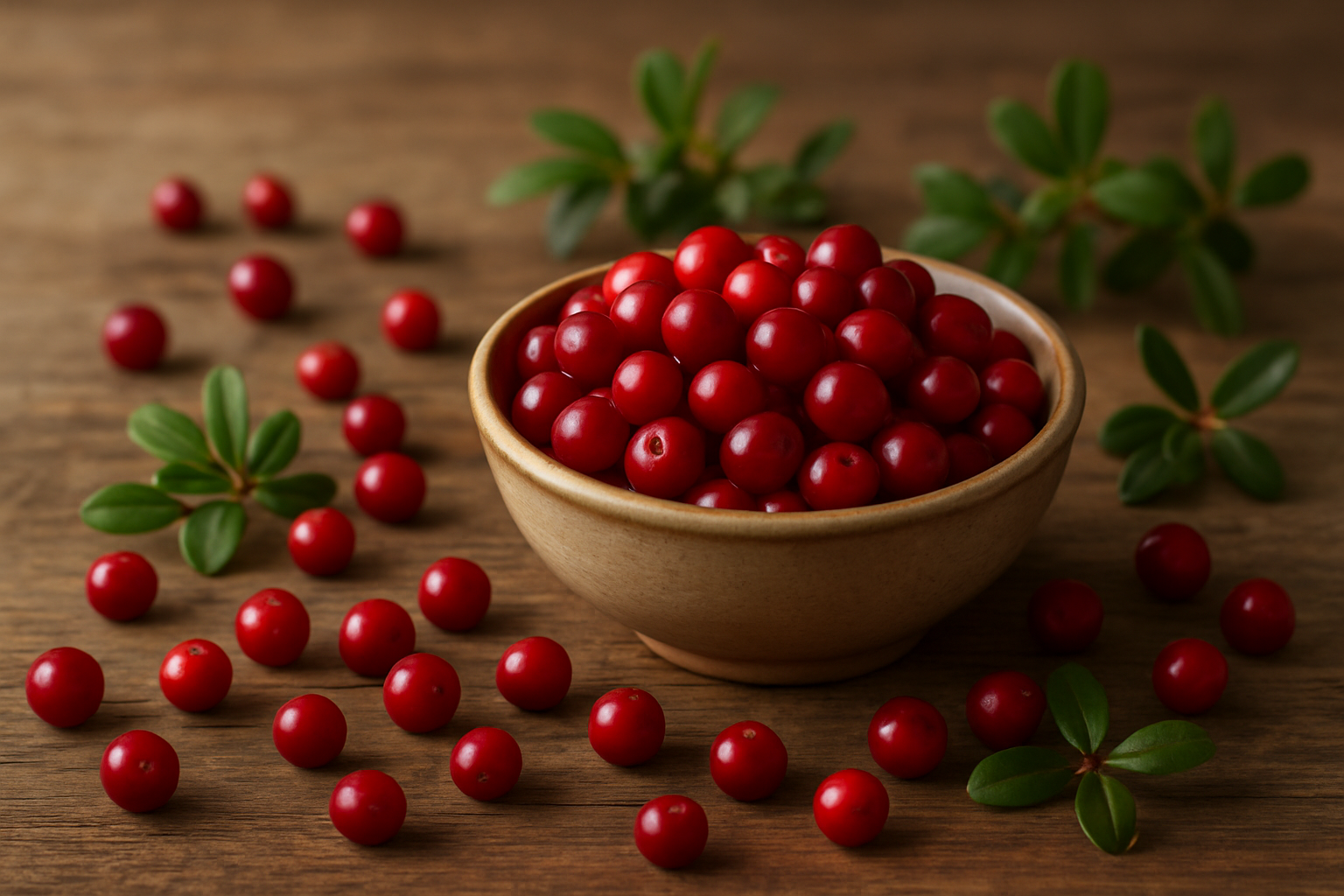
Lingonberries pack an impressive nutritional punch that makes them stand out among other superfruits. These small Nordic berries deliver high levels of antioxidants, vitamin C, and fiber while offering anti-inflammatory benefits that support overall health. Their tart flavor profile makes them perfect for both traditional Scandinavian dishes and modern culinary creations, from jams and sauces to smoothies and desserts.
Growing lingonberries at home is surprisingly manageable if you live in cooler climates, and they can thrive in acidic soil conditions that many other plants struggle with. For those who can't grow their own, quality lingonberries are becoming more available through specialty stores, farmers markets, and online retailers. Adding these nutrient-dense berries to your diet could be one of the simplest ways to boost your antioxidant intake while exploring new flavors in your cooking adventures.
Comments
Post a Comment