Marian Plums - What Are Marian Plums?
.png)
Marian Plums - What Are Marian Plums?
Marian plums are small, sweet tropical fruits that pack a delicious punch but remain largely unknown outside their native regions. These golden gems offer a unique flavor profile that's part mango, part peach, with a hint of citrus that makes them stand out among exotic tropical fruits.
This guide is perfect for curious food lovers, tropical fruit enthusiasts, and anyone wanting to expand their culinary horizons with something new and exciting.
We'll explore what makes marian plum fruit so special, including their fascinating origins and the specific regions where these treasures grow best. You'll also discover the impressive marian plum benefits and nutrition facts that make them more than just a tasty treat. Finally, we'll share practical tips on how to eat marian plums and provide some creative marian plum recipes to help you make the most of this incredible fruit.
Discover the Exotic Marian Plum and Its Unique Characteristics

Learn the botanical name and classification of this tropical fruit
Marian plums belong to the Anacardiaceae family, sharing lineage with mangoes and cashews. Scientifically known as Bouea macrophylla, this exotic tropical fruit goes by several regional names including gandaria, maprang, and plum mango. The tree itself stands as a majestic evergreen that can reach heights of 25 meters in its native habitat.
The classification places marian plums in the genus Bouea, which contains only two species. This makes the marian plum fruit relatively rare compared to other tropical fruits. The botanical relationship to mangoes becomes evident when you examine the tree's structure and leaf patterns, though the fruits themselves offer distinctly different characteristics.
Explore the distinctive appearance and size of Marian plums
Marian plums present a striking visual appeal that sets them apart from common stone fruits. These oval-shaped gems typically measure 2-4 inches in length and display a vibrant yellow-orange skin when ripe. The surface feels smooth to the touch, similar to a mango's texture, with a slight waxy coating that helps preserve freshness.
The fruit's skin transitions from green to brilliant golden-yellow as ripeness approaches. Some varieties develop reddish blushes on sun-exposed sides, creating beautiful gradient coloring. Unlike traditional plums, marian plums contain a large, flat seed that takes up considerable space within the fruit. The flesh appears bright orange to deep yellow, resembling a cross between mango and apricot in appearance.
Understand the flavor profile and texture that sets them apart
What are marian plums taste-wise? These exotic fruits deliver a complex flavor experience that combines sweet, tart, and slightly resinous notes. The initial taste resembles a blend of mango sweetness with citrusy tartness, followed by subtle pine-like undertones that create a unique finish. This distinctive flavor profile makes marian plums particularly appealing to adventurous fruit enthusiasts.
The texture varies significantly based on ripeness. Perfectly ripe marian plums offer tender, juicy flesh that yields easily to gentle pressure. The consistency falls somewhere between a ripe peach and mango - softer than firm stone fruits but not as fibrous as mangoes. When underripe, the flesh remains firm and quite tart, while overripe fruits become mushy and lose their appealing texture balance.
Discover the seasonal availability and peak ripeness indicators
Marian plum trees typically fruit twice annually in tropical regions, with peak seasons occurring from March to May and September to November. The exact timing varies by geographic location and local climate conditions. Peak availability coincides with the dry season in most growing regions, when trees concentrate energy into fruit development.
Identifying perfect ripeness requires attention to several key indicators:
-
Color transformation: Skin shifts from green to golden-yellow
-
Gentle yield: Fruit gives slightly under gentle thumb pressure
-
Aromatic presence: Ripe fruits emit a sweet, fruity fragrance
-
Skin appearance: Surface develops a slight glossy sheen
-
Sound test: Ripe fruits produce a subtle hollow sound when tapped
Avoid fruits with dark spots, excessive softness, or fermented odors, as these indicate overripeness or spoilage.
Uncover the Geographic Origins and Growing Regions
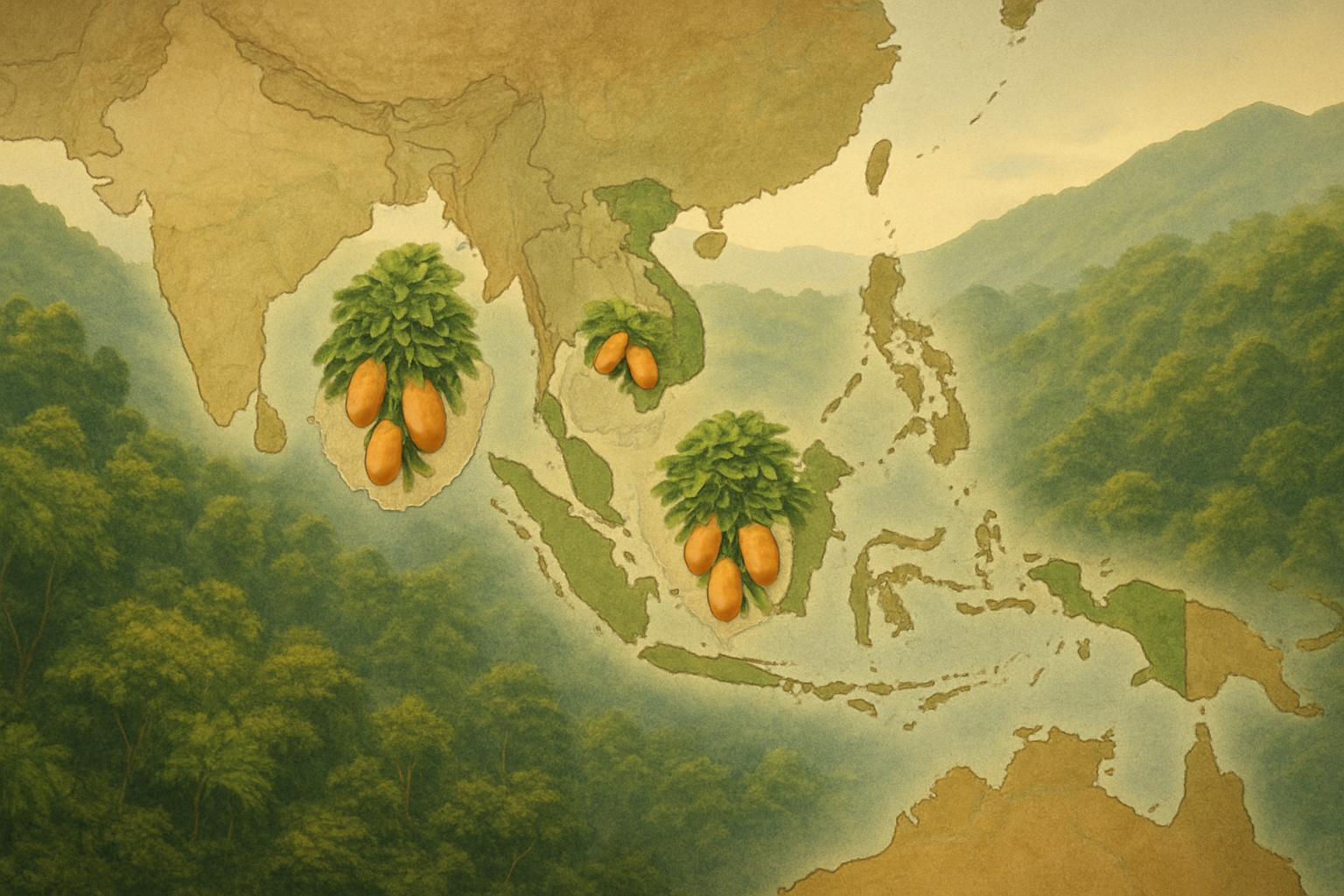
Trace the native habitat of Marian plums in Southeast Asia
Marian plums originally called home to the lush tropical rainforests of Southeast Asia, specifically the Malayan Peninsula, Southern Thailand, and parts of Indonesia. These exotic tropical fruits have thrived in their native habitat for centuries, growing wild in dense jungle canopies where they developed their distinctive sweet-tart flavor profile.
The marian plum tree naturally flourishes in the humid, warm conditions of primary and secondary forests throughout Malaysia, where local communities have harvested them for generations. In Thailand, particularly in the southern provinces, wild marian plums grow abundantly in mixed deciduous forests and along riverbanks where the soil remains consistently moist.
Indigenous populations in Borneo and Sumatra have long recognized these fruits as valuable forest resources, often finding them growing alongside other tropical fruit species in biodiverse ecosystems. The tree's ability to adapt to various forest floor conditions made it a reliable food source during seasonal migrations and hunting expeditions.
Identify current cultivation areas worldwide
While marian plums remain primarily concentrated in their Southeast Asian origins, cultivation has gradually expanded to other tropical regions with similar climate conditions. Malaysia continues to lead commercial production, with organized orchards in Johor, Perak, and Pahang states supplying both domestic and export markets.
Thailand has developed significant cultivation programs in Songkhla, Pattani, and Yala provinces, where farmers have integrated marian plum trees into mixed fruit orchards. These regions produce some of the highest quality fruits due to optimal growing conditions and traditional knowledge passed down through generations.
| Country | Primary Growing Regions | Production Scale |
|---|---|---|
| Malaysia | Johor, Perak, Pahang | Commercial |
| Thailand | Songkhla, Pattani, Yala | Commercial |
| Indonesia | Sumatra, Java | Small-scale |
| Philippines | Mindanao | Limited |
| Australia | Queensland | Experimental |
Small-scale cultivation has emerged in Indonesia's Sumatra and Java islands, where local farmers grow them primarily for regional markets. The Philippines has begun experimental cultivation in Mindanao, taking advantage of similar tropical conditions.
Australia's Queensland region has shown promising results with trial plantations, particularly in areas with consistent rainfall and protection from strong winds. However, commercial viability remains under evaluation as growers assess market demand and production costs.
Learn about the climate requirements for optimal growth
Marian plum trees demand specific environmental conditions that mirror their native Southeast Asian habitat. These trees perform best in tropical climates with consistent temperatures ranging between 75-85°F (24-29°C) year-round, without significant seasonal temperature fluctuations that could stress the plants.
Rainfall patterns play a critical role in successful cultivation, with trees requiring 60-80 inches of annual precipitation distributed relatively evenly throughout the year. Extended dry periods can severely impact fruit development and overall tree health, making irrigation systems essential in areas with pronounced dry seasons.
Humidity levels between 70-85% create ideal growing conditions, supporting healthy leaf development and proper fruit formation. The trees struggle in arid environments or regions with consistently low humidity, often developing leaf burn and reduced fruit production.
Key climate requirements for marian plums:
-
Temperature: 75-85°F (24-29°C) consistently
-
Rainfall: 60-80 inches annually, well-distributed
-
Humidity: 70-85% relative humidity
-
Sunlight: Partial shade to filtered sunlight
-
Wind protection: Shelter from strong winds
-
Soil drainage: Well-draining but moisture-retentive soil
Wind protection proves especially important, as strong winds can damage the delicate branches and cause premature fruit drop. Many successful growers plant windbreaks or locate orchards in naturally protected valleys.
The trees prefer partial shade conditions similar to their forest origins, where they grew under larger canopy trees. Direct, intense sunlight can scorch leaves and reduce fruit quality, making proper site selection crucial for commercial success.
Maximize the Nutritional Benefits of Marian Plums
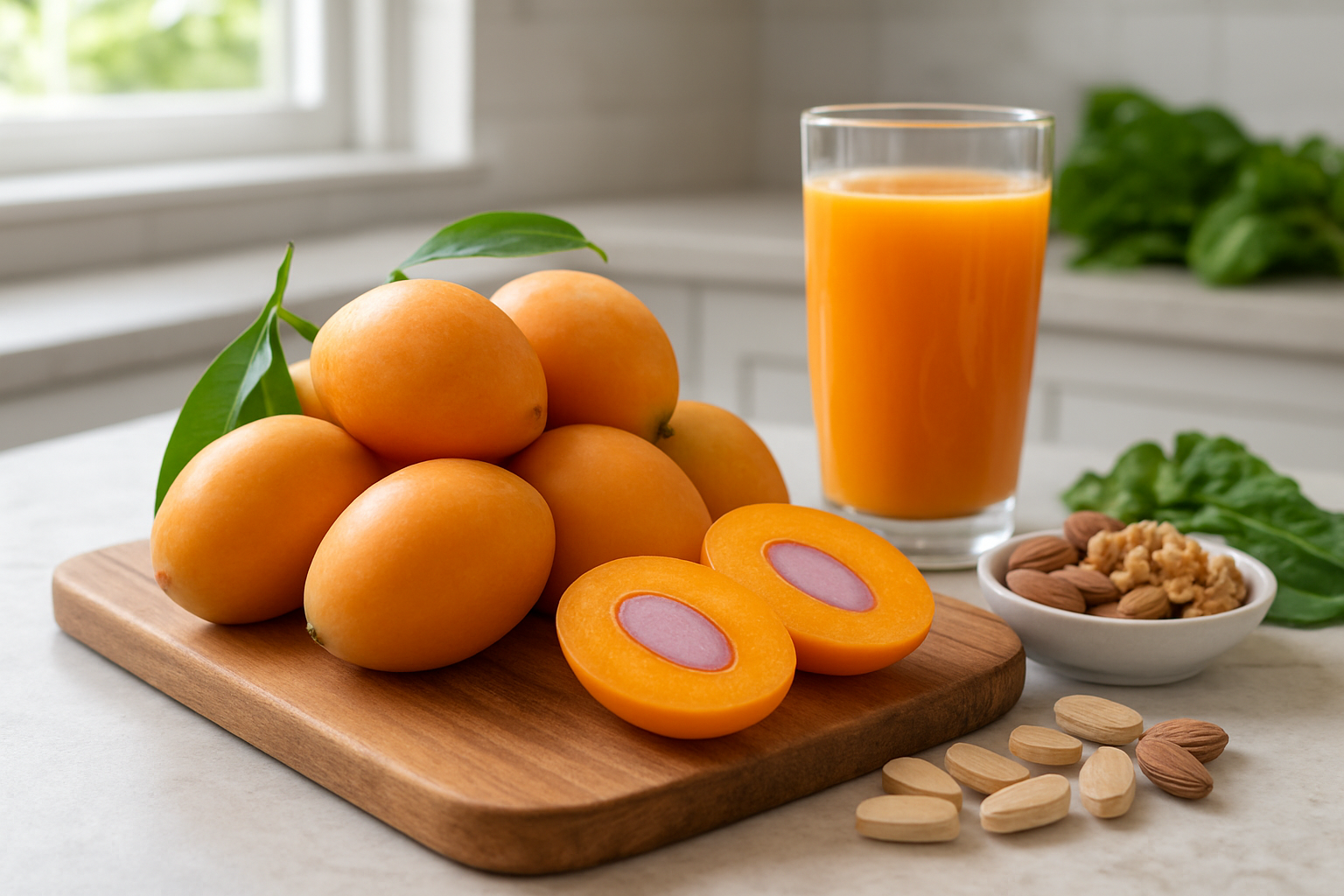
Discover the vitamin and mineral content that boosts your health
Marian plums pack a powerful nutritional punch that rivals many popular superfruits. These small tropical gems contain impressive amounts of vitamin C, providing about 15-20% of your daily needs in just one serving. The vitamin C content helps strengthen your immune system and supports collagen production for healthy skin.
The marian plum fruit also delivers essential B vitamins, particularly thiamine and riboflavin, which play crucial roles in energy metabolism and nervous system function. You'll find decent amounts of vitamin A as well, supporting eye health and immune function.
| Vitamin/Mineral | Amount per 100g | Daily Value % |
|---|---|---|
| Vitamin C | 12-18mg | 15-20% |
| Potassium | 220mg | 6% |
| Iron | 0.8mg | 4% |
| Calcium | 25mg | 3% |
The mineral profile includes potassium for heart health and blood pressure regulation, plus smaller amounts of iron, calcium, and magnesium. These minerals work together to support bone health, muscle function, and oxygen transport throughout your body.
Learn about antioxidant properties and their disease-fighting potential
Marian plum benefits extend far beyond basic nutrition thanks to their rich antioxidant profile. These compounds give the fruit its vibrant color while protecting your cells from harmful free radical damage that can lead to chronic diseases.
The fruit contains anthocyanins, the same powerful antioxidants found in blueberries and blackberries. These compounds have been linked to reduced inflammation and may help lower your risk of heart disease and certain cancers. Phenolic compounds in marian plums also contribute to their antioxidant activity, potentially supporting cardiovascular health.
Research suggests that regular consumption of antioxidant-rich exotic tropical fruits like marian plums may help slow the aging process and protect against oxidative stress. The combination of vitamin C and these plant compounds creates a synergistic effect that amplifies the fruit's protective benefits.
Understand the fiber content and digestive health benefits
Don't overlook the fiber content when considering marian plum nutrition. Each serving provides about 2-3 grams of dietary fiber, which might seem modest but contributes meaningfully to your daily intake goals. This fiber combination includes both soluble and insoluble types.
Soluble fiber helps regulate blood sugar levels by slowing glucose absorption, making marian plums a smart choice for people managing diabetes or blood sugar concerns. The same fiber also helps lower cholesterol levels by binding to cholesterol particles in your digestive system.
Insoluble fiber keeps your digestive system running smoothly by adding bulk to stool and promoting regular bowel movements. This helps prevent constipation and supports overall gut health. The natural enzymes in fresh marian plums also aid digestion, making them an excellent choice after meals.
Explore the low-calorie advantage for weight management
Marian plums shine as a weight-friendly snack option, containing only about 35-45 calories per 100-gram serving. This low calorie density means you can enjoy their sweet, tangy flavor without derailing your weight management goals.
The natural sugars in marian plums provide quick energy without the crash associated with processed sweets. The fiber content helps you feel satisfied longer, reducing the likelihood of reaching for less healthy snacks later. Water content is also high, contributing to hydration while adding virtually no calories.
The fruit's natural sweetness can help satisfy sugar cravings in a healthy way. Unlike processed desserts, marian plums deliver nutrients alongside their sweet taste, making every calorie count toward your health goals. Their portable size makes them perfect for on-the-go snacking when you need portion control built right in.
Master the Art of Selecting and Storing Marian Plums
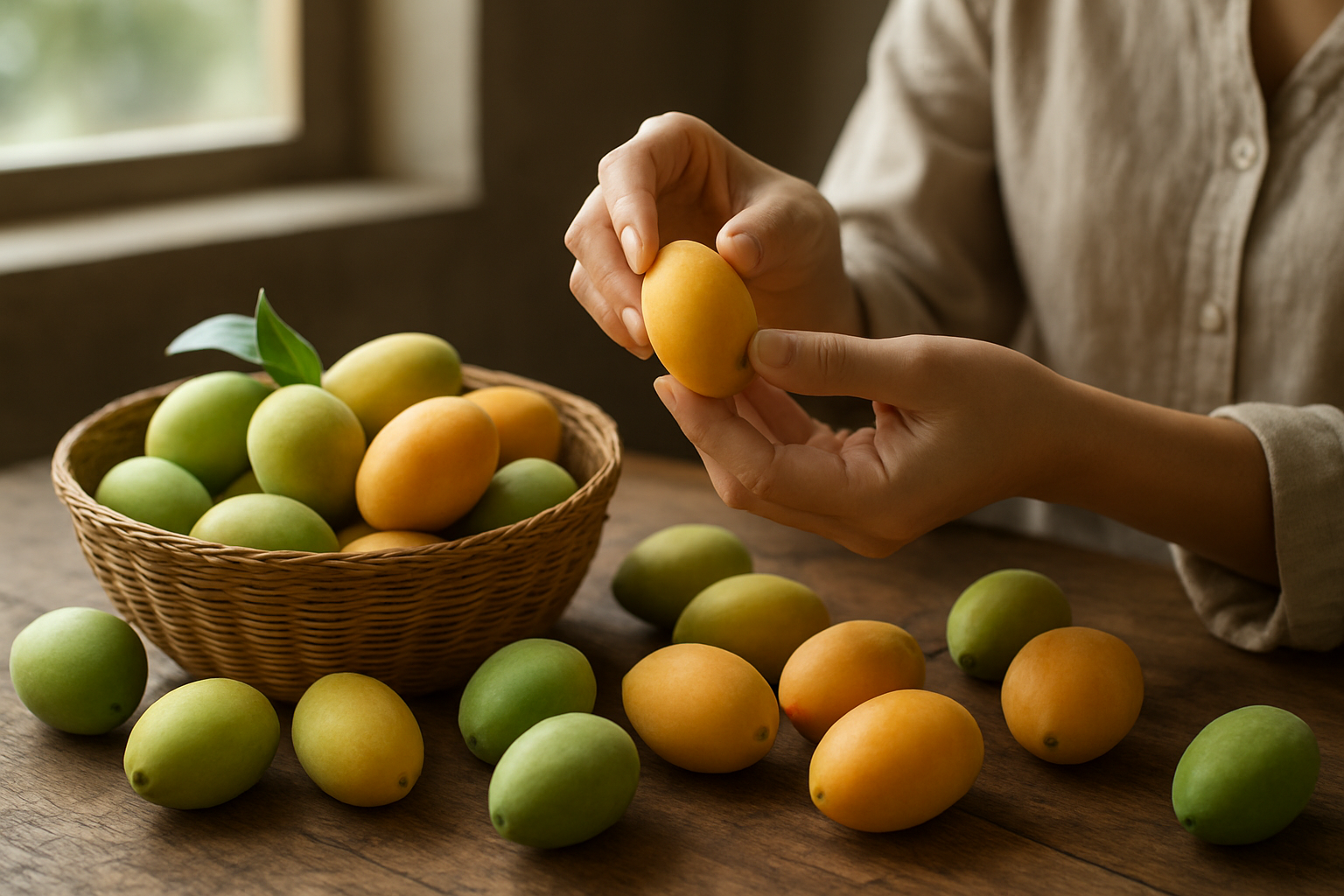
Identify Visual Cues for Choosing Perfectly Ripe Fruit
Finding the perfect marian plum fruit requires knowing what to look for at the market. Ripe marian plums display a beautiful yellow-orange skin with subtle red blushes that signal peak ripeness. The skin should feel slightly soft when you gently press it, similar to a ripe peach, but avoid fruits that feel mushy or have dark spots.
Fresh marian plums have a pleasant, sweet fragrance near the stem end - this natural aroma becomes more pronounced as the fruit ripens. The skin should appear smooth and taut without wrinkles, cracks, or blemishes. Size varies, but choose plums that feel heavy for their size, indicating good juice content and proper development.
Look for fruits with intact stems if possible, as this helps preserve freshness. The color should be vibrant and uniform, though slight variations are normal. Avoid marian plums with green patches unless you plan to ripen them at home.
Learn Proper Storage Techniques to Extend Freshness
Marian plums store best at room temperature when perfectly ripe and should be consumed within 2-3 days for optimal flavor and texture. Place them in a single layer on your counter, away from direct sunlight and heat sources.
For longer storage, refrigerate ripe marian plums in the crisper drawer for up to one week. Store them in a perforated plastic bag or paper bag to maintain proper humidity while allowing air circulation. Keep them separate from ethylene-producing fruits like apples and bananas to prevent over-ripening.
| Storage Method | Duration | Best For |
|---|---|---|
| Room temperature | 2-3 days | Ripe fruit for immediate use |
| Refrigerator | 5-7 days | Extending ripe fruit life |
| Freezer (processed) | 6 months | Smoothies and cooking |
Never store marian plums in airtight containers as this traps moisture and accelerates spoilage. If you notice any soft spots developing, use the fruit immediately in cooking applications.
Understand When and How to Ripen Unripe Marian Plums
Unripe marian plums feel firm and show more green coloring than their ripe counterparts. To ripen them at home, place the fruits in a paper bag with a ripe banana or apple. These fruits release ethylene gas, which speeds up the ripening process naturally.
Check your marian plums daily during the ripening process. Depending on how unripe they were initially, this process takes anywhere from 2-5 days. The fruits are ready when they yield slightly to gentle pressure and develop their characteristic sweet aroma.
Room temperature between 65-75°F works best for ripening. Avoid placing unripe fruits in direct sunlight or near heat sources, as this can cause uneven ripening or skin damage. Once they reach your desired ripeness level, move them to the refrigerator to slow down the process.
Discover Signs of Spoilage to Avoid
Spoiled marian plums show several telltale signs that make them unsuitable for consumption. Dark brown or black spots on the skin indicate bacterial or fungal growth, especially if these areas feel soft or sunken. Wrinkled, shriveled skin suggests the fruit has lost too much moisture and passed its prime.
An off-putting sour or fermented smell replaces the natural sweet fragrance of fresh marian plums when they spoil. Any visible mold growth, particularly white or gray fuzzy patches, means the fruit should be discarded immediately.
Overly soft or mushy texture when pressed gently indicates the fruit has broken down internally. While slightly soft is desirable, marian plums that leave indentations when touched have gone too far. Trust your instincts - if something seems off about the appearance, smell, or texture, it's better to choose a different piece of this delicious exotic tropical fruit.
Transform Your Cooking with Creative Marian Plum Recipes
.png)
Explore traditional Southeast Asian preparations and dishes
Marian plums shine brightest in traditional Southeast Asian cooking, where local cooks have perfected ways to showcase this exotic tropical fruit's unique tangy-sweet flavor. In Thailand, green marian plums are sliced thin and tossed with fish sauce, palm sugar, and chili flakes to create som tam-style salads that balance sour, salty, sweet, and spicy elements perfectly.
Filipino cuisine embraces both ripe and unripe marian plum fruit in various preparations. Young, firm plums get pickled with vinegar, garlic, and peppercorns, creating a condiment called buro that pairs wonderfully with grilled meats. Ripe plums are often simmered into jams or preserves, sometimes mixed with coconut milk for a creamy texture.
Vietnamese cooks incorporate marian plums into fresh spring rolls, combining the fruit's tartness with herbs like mint and cilantro. The plums also appear in Vietnamese dipping sauces, where their natural acidity enhances nuoc cham preparations.
Indonesian markets feature marian plums in rujak, the beloved fruit salad that combines various tropical fruits with a spicy, sweet dressing made from palm sugar, tamarind, and chilies. The plums' firm texture holds up beautifully against the bold flavors.
| Traditional Preparation | Country | Key Ingredients |
|---|---|---|
| Som tam-style salad | Thailand | Fish sauce, palm sugar, chilies |
| Buro pickle | Philippines | Vinegar, garlic, peppercorns |
| Spring roll filling | Vietnam | Fresh herbs, rice paper |
| Rujak fruit salad | Indonesia | Palm sugar, tamarind, chilies |
Learn modern fusion recipes for contemporary palates
Modern chefs are discovering innovative ways to incorporate marian plums into fusion cuisine that appeals to contemporary tastes. The fruit's unique flavor profile makes it an excellent candidate for creative adaptations that bridge traditional and modern cooking styles.
Grilled marian plums make an outstanding accompaniment to barbecued pork or chicken, where the fruit's natural sugars caramelize beautifully over high heat. Simply halve the plums, brush with olive oil, and grill for 3-4 minutes per side. The result pairs wonderfully with Mediterranean-style marinades or Middle Eastern spice blends.
Creative bartenders are incorporating marian plum puree into craft cocktails, where the fruit adds complexity to gin-based drinks or rum punches. The plums work particularly well in shrubs – drinking vinegars that combine fruit, vinegar, and sweetener for a refreshing, tangy beverage base.
Marian plum recipes for modern kitchens include incorporating the fruit into salsas for fish tacos, where diced plums mixed with red onion, jalapeños, and lime juice create a bright, acidic counterpoint to rich proteins. The fruit also works well in grain bowls, adding bursts of flavor to quinoa or farro salads.
Cheese boards benefit from marian plum compotes, where the fruit is gently cooked with honey and fresh thyme to create a sophisticated accompaniment to aged cheeses. The natural tartness cuts through rich, creamy textures while the subtle sweetness complements nutty or sharp cheese flavors.
Discover sweet applications in desserts and beverages
Marian plums transform beautifully into desserts that highlight their natural sweet-tart balance. Their firm texture makes them perfect for baking applications where softer fruits might break down completely.
Marian plum crumbles showcase the fruit's ability to hold its shape while releasing flavorful juices. Layer sliced plums with brown sugar, a touch of cinnamon, and a buttery oat topping for a dessert that captures the fruit's exotic tropical fruits essence. The plums' natural acidity prevents the dessert from becoming overly sweet.
Ice creams and sorbets made with marian plums offer refreshing treats that preserve the fruit's vibrant flavor. Blend ripe plums with simple syrup and a splash of lime juice, then churn in an ice cream maker for a smooth, pale pink sorbet. For a richer option, combine the fruit puree with cream and egg yolks for a custard-based ice cream.
Marian plum benefits extend to beverages where the fruit adds natural antioxidants alongside incredible flavor. Fresh marian plum agua frescas combine pureed fruit with water, lime juice, and a touch of sugar for a refreshing drink that's perfect for hot weather. The drink's beautiful pink color makes it as visually appealing as it is delicious.
Smoothie bowls topped with diced fresh marian plums create Instagram-worthy breakfasts that pack nutritional punch. The fruit's tartness balances sweeter elements like bananas or mangoes, while its firm texture provides pleasant contrast to creamy smoothie bases.
For special occasions, marian plum tarts featuring the fruit arranged over pastry cream create elegant desserts that showcase the plums' natural beauty. The fruit's ability to maintain its shape during baking makes it ideal for tart applications where presentation matters.
.png)
Marian plums offer an exciting way to diversify your fruit experience with their distinctive flavor profile and impressive nutritional content. From their tropical origins to their rich vitamin and antioxidant properties, these exotic fruits bring both health benefits and culinary versatility to your kitchen. Learning how to properly select ripe fruit and store them correctly will help you get the most value from your purchase.
Ready to give Marian plums a try? Start by visiting your local Asian grocery store or specialty fruit market to find fresh specimens. Experiment with simple preparations first – try them fresh as a snack or add them to your favorite smoothie recipe. Once you're comfortable with their unique taste, branch out into more creative cooking applications like jams, sauces, or even savory dishes that showcase their sweet-tart flavor.


.png)
Comments
Post a Comment