Palm Fruit - what's The Palm Fruit?
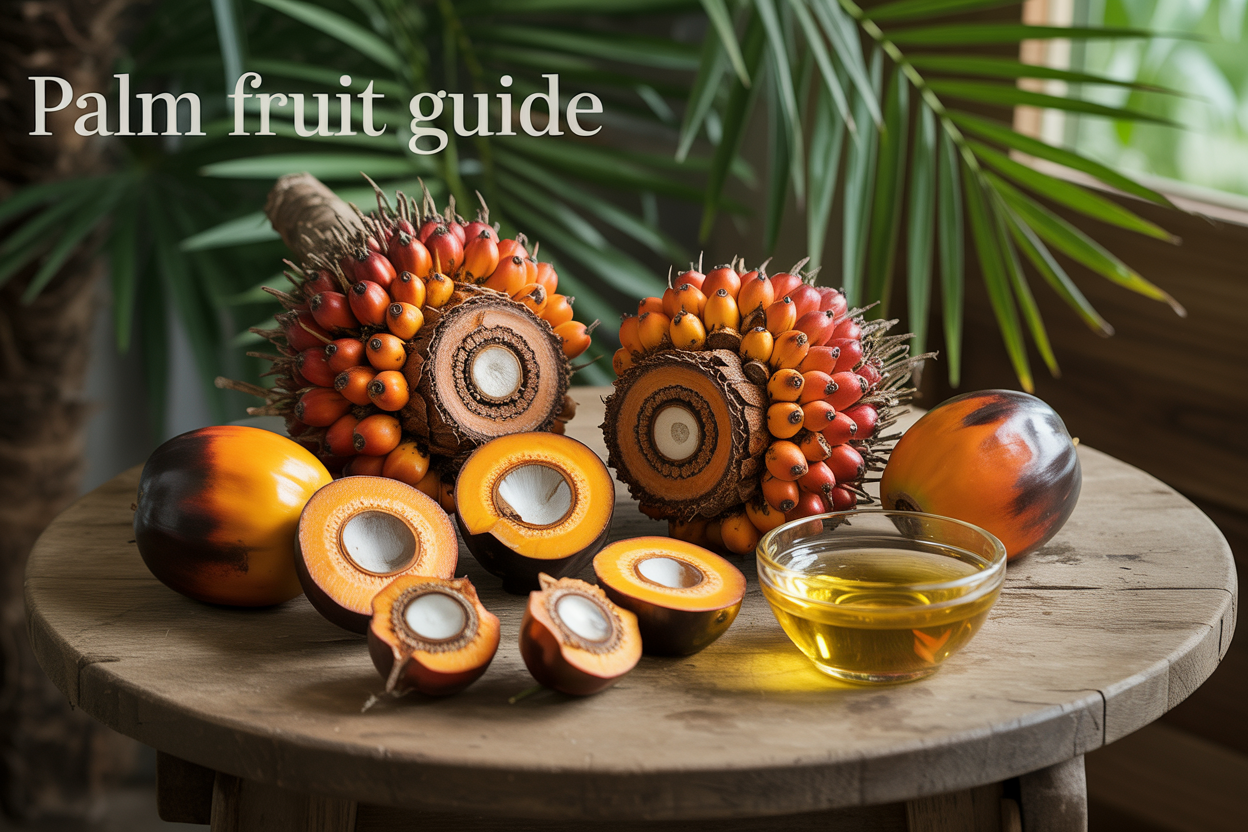
Wondering About Palm Fruit? Here's Everything You Need to Know
Palm fruit might be new to your grocery list, but these tropical gems pack serious nutritional punch and come in more varieties than you'd expect. This guide is perfect for curious food lovers, health-conscious eaters, and anyone who's ever wondered what those mysterious fruits at the market actually are.
We'll break down the nutritional powerhouse benefits of palm fruit that make them worth adding to your diet. You'll discover common palm fruit varieties you can actually find and try, plus learn practical tips for picking the best ones at the store. Ready to expand your fruit horizons? Let's dive into the world of palm fruit.
Understanding Palm Fruit Basics
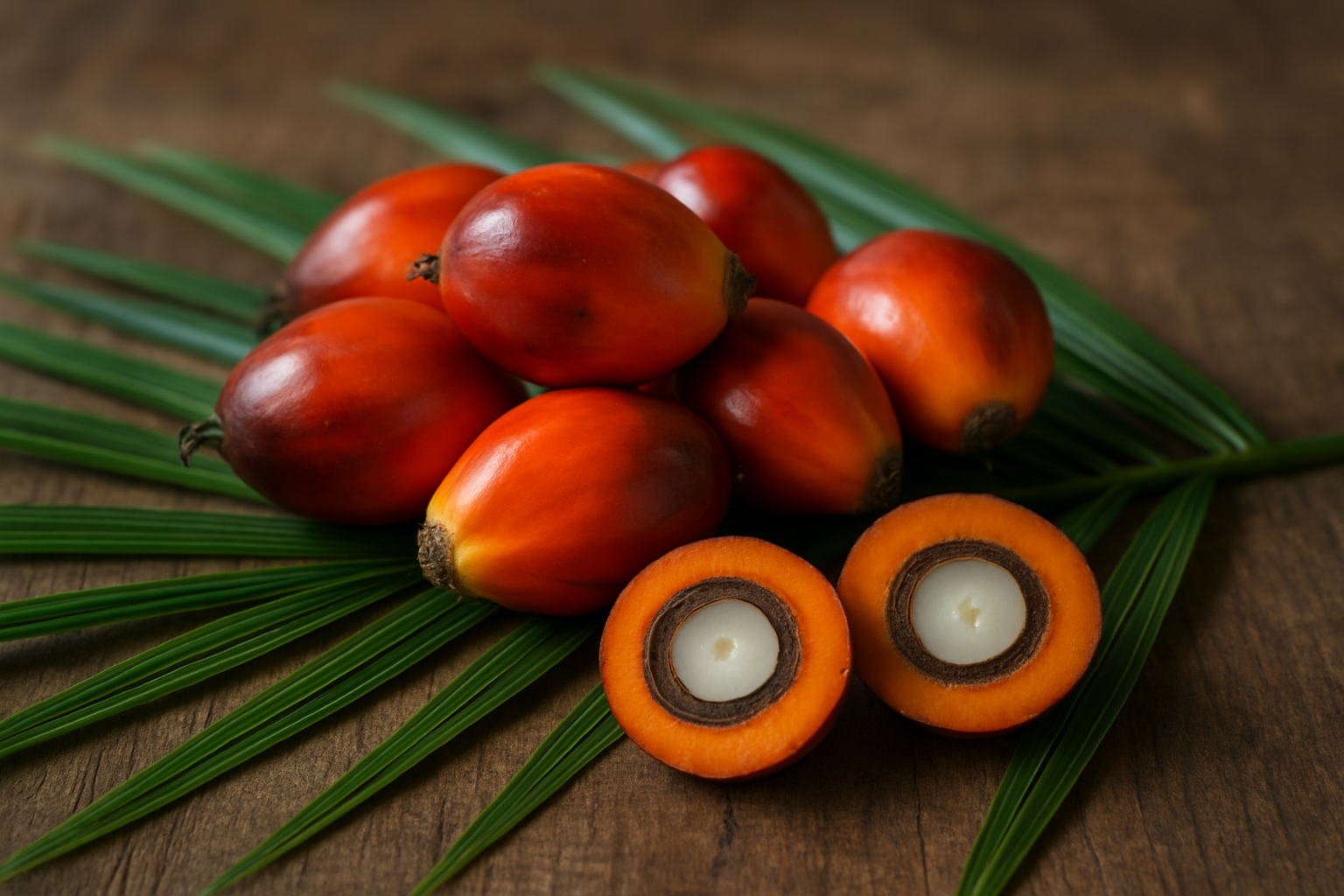
What palm fruit actually is and where it grows
Palm fruit comes from various species of palm trees, which are among the most ancient and diverse plant families on Earth. These trees produce distinctive fruits that hang in large clusters, each containing seeds surrounded by fibrous flesh. The term "palm fruit" covers a wide range of edible fruits from different palm species, making it a surprisingly diverse category of tropical produce.
Most palm trees thrive in warm, tropical and subtropical regions around the world. You'll find them flourishing in Southeast Asia, parts of Africa, South America, and the Caribbean. Countries like Indonesia, Malaysia, Thailand, Nigeria, and Brazil serve as major producers of different palm fruit varieties. These trees love consistent warmth, high humidity, and well-drained soil, which is why they've become such important crops in equatorial regions.
The growing process varies by species, but most palm fruits take several months to mature. Date palms, for example, can take up to seven months from pollination to harvest, while oil palm fruits develop much faster. Palm trees are remarkably productive once established, with many species bearing fruit year-round and continuing to produce for decades.
Different types of palm fruits you should know about
The world of palm fruit varieties offers amazing diversity in taste, texture, and appearance. Dates represent perhaps the most familiar type of palm fruit, ranging from soft Medjool dates to firmer Deglet Noor varieties. These sweet fruits have sustained Middle Eastern and North African populations for thousands of years.
Coconuts, technically another type of palm fruit, provide both refreshing water and rich meat. Young coconuts offer tender flesh and sweet water, while mature coconuts deliver the familiar firm white meat used in countless recipes.
Oil palm fruits are small, reddish-orange drupes that grow in massive bunches. While primarily processed for palm oil, the fresh fruit offers a slightly sweet, nutty flavor. These fruits contain both palm oil (from the flesh) and palm kernel oil (from the seed).
Other notable varieties include:
-
Doum palm fruit: Native to Africa, with a gingerbread-like flavor
-
Peach palm (pejibaye): Popular in Central America, with a starchy texture
-
Saw palmetto berries: Small, dark fruits with medicinal properties
-
African oil palm: Similar to oil palm but with distinct regional characteristics
-
Sugar palm fruit: Used to make palm sugar and various desserts
How palm fruit differs from other tropical fruits
Palm fruits stand apart from other tropical fruits in several key ways. Their growing pattern is unique – instead of growing on branches like mangoes or papayas, palm fruits develop in large clusters that hang directly from the tree trunk or crown. This clustering pattern allows for massive yields from single trees.
The nutritional profile of palm fruits also sets them apart. Many varieties are exceptionally rich in healthy fats, particularly dates and coconuts, while most other tropical fruits are primarily water and carbohydrates. This fat content gives palm fruits superior staying power and makes them excellent sources of sustained energy.
Texture varies dramatically among palm fruit types, but many share a dense, sometimes fibrous quality that differs from the juicy flesh of fruits like pineapples or papayas. Dates have a chewy, almost candy-like consistency, while coconut meat ranges from jelly-soft to firm and crunchy depending on maturity.
Storage and preservation characteristics also distinguish palm fruits. Many varieties, especially dates, can be dried and stored for months without refrigeration – a quality that made them invaluable trade commodities throughout history. Fresh coconuts can last weeks when kept whole, far longer than most tropical fruits.
The processing potential of palm fruits exceeds that of typical tropical fruits. While you might juice a mango or eat a papaya fresh, palm fruits transform into oils, sugars, flours, and countless other products that form the backbone of many tropical economies.
Nutritional Powerhouse Benefits of Palm Fruit
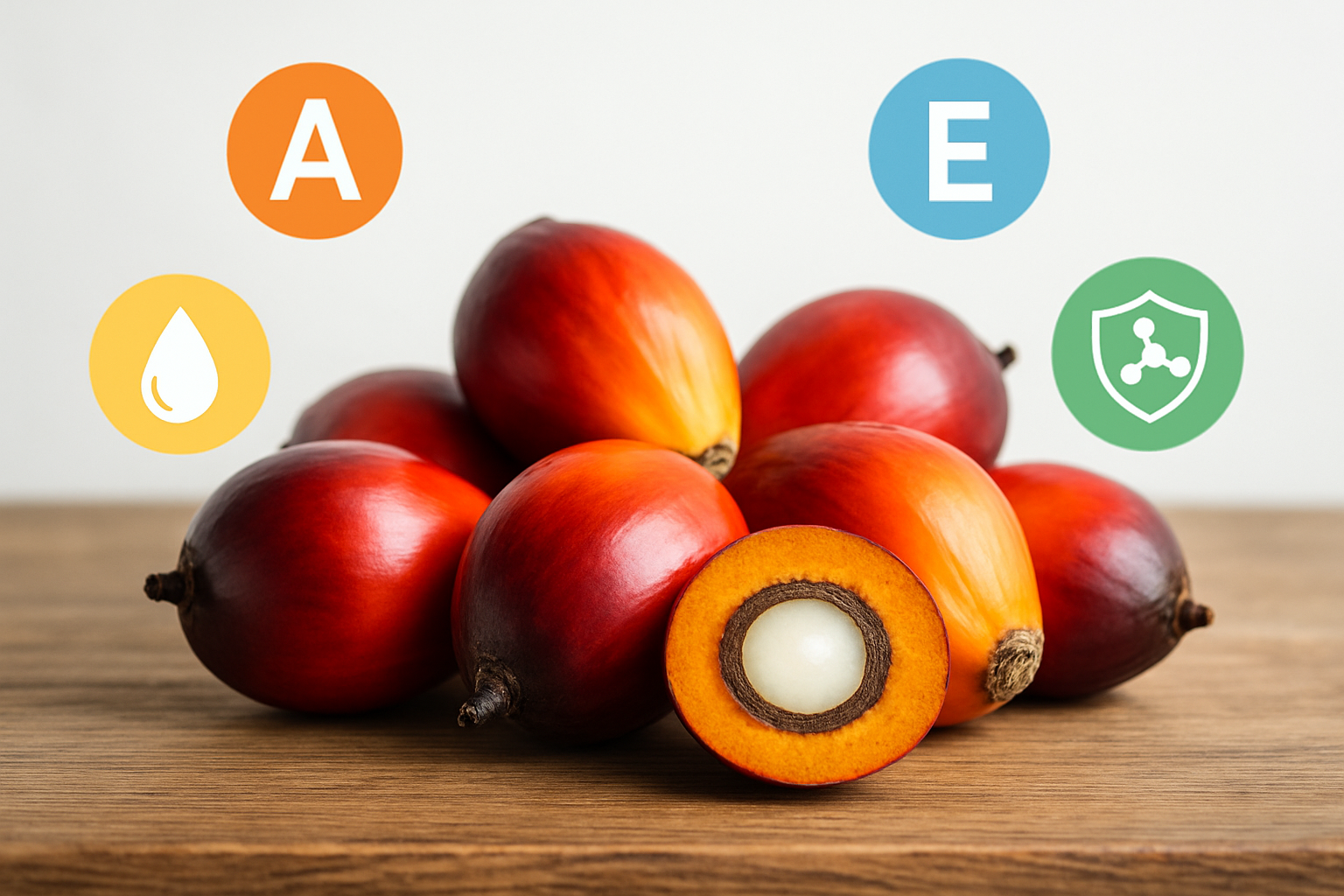
Essential vitamins and minerals packed in every bite
Palm fruit delivers an impressive vitamin and mineral profile that rivals many superfoods. Each serving provides substantial amounts of vitamin C, supporting immune function and collagen production. The beta-carotene content converts to vitamin A in your body, promoting healthy vision and skin cell regeneration.
The mineral composition includes significant amounts of potassium, which helps regulate blood pressure and supports proper muscle function. Iron content makes palm fruit particularly valuable for preventing anemia, while magnesium contributes to bone health and energy metabolism. Calcium and phosphorus work together to strengthen bones and teeth.
Antioxidant properties that boost your health
The deep red-orange color of palm fruit signals its rich antioxidant content. These compounds actively fight free radicals that damage cells and accelerate aging. The primary antioxidants include carotenoids, particularly lycopene and beta-carotene, which protect against cellular oxidative stress.
Studies show these antioxidants may reduce inflammation throughout the body. Regular consumption of antioxidant-rich foods like palm fruit supports brain health and may lower the risk of chronic diseases. The vitamin E content adds another layer of protection, safeguarding cell membranes from damage.
Heart-healthy fats your body craves
Palm fruit contains beneficial monounsaturated and polyunsaturated fats that support cardiovascular health. These healthy fats help maintain optimal cholesterol levels when consumed as part of a balanced diet. The omega-3 fatty acids present contribute to reducing inflammation in blood vessels.
Unlike processed foods high in trans fats, palm fruit provides natural fats your body recognizes and processes efficiently. These fats also enhance the absorption of fat-soluble vitamins A, D, E, and K, maximizing the nutritional benefits you receive from other foods consumed alongside palm fruit.
Fiber content that supports digestive wellness
The substantial fiber content in palm fruit promotes healthy digestion and regular bowel movements. Dietary fiber feeds beneficial gut bacteria, supporting a balanced microbiome that influences overall health. This prebiotic effect strengthens your digestive system's ability to absorb nutrients effectively.
Fiber also helps stabilize blood sugar levels by slowing glucose absorption. This steadying effect prevents energy spikes and crashes throughout the day. The satiety provided by fiber content makes palm fruit an excellent choice for weight management, helping you feel full longer after eating.
Common Palm Fruit Varieties Worth Trying
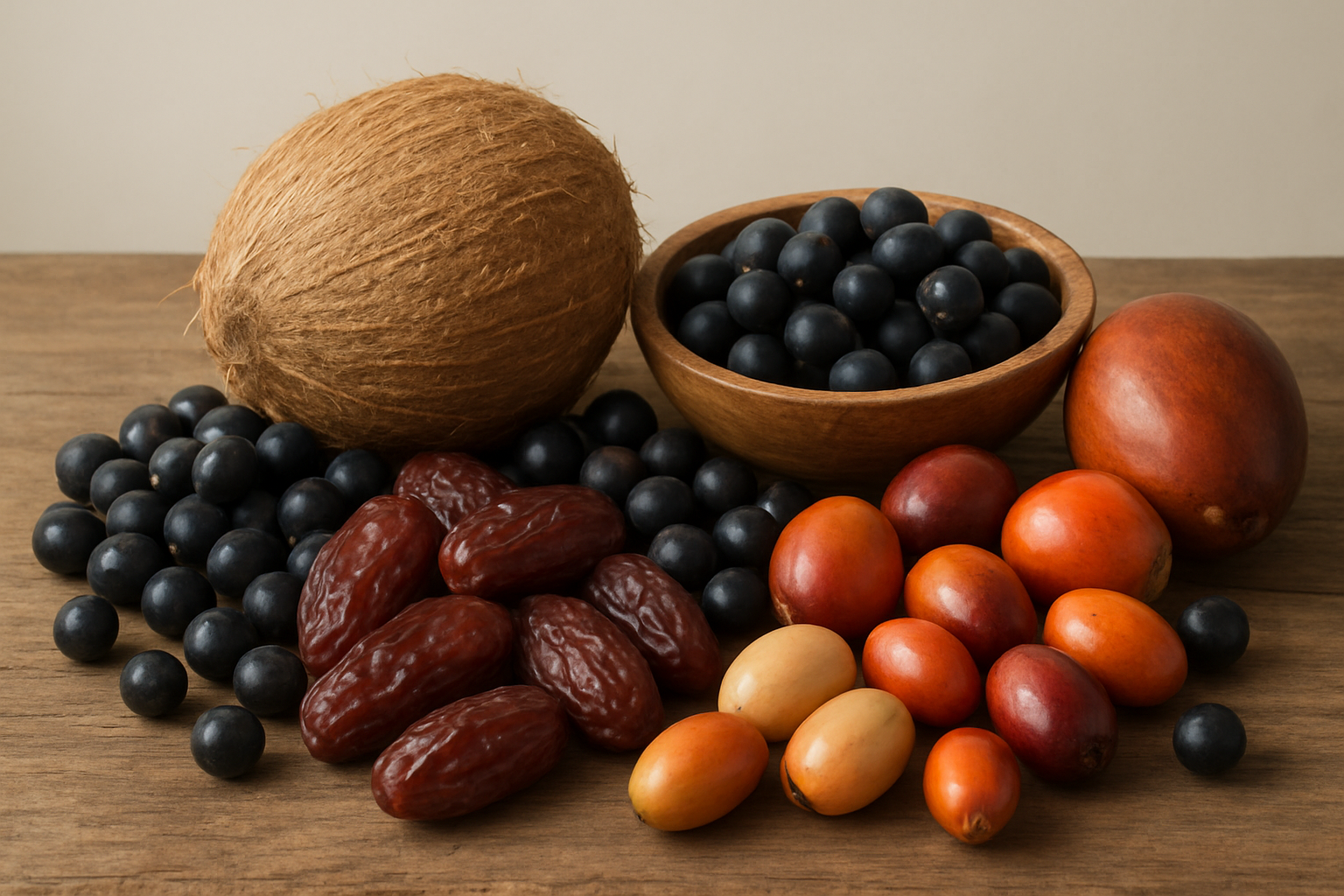
Date palm fruit and its sweet advantages
Date palm fruit stands as one of the most beloved palm fruit varieties worldwide, known for their incredible sweetness and rich, chewy texture. These golden to dark brown gems pack an impressive nutritional punch while satisfying your sweet tooth naturally. Fresh dates contain natural sugars like glucose, fructose, and sucrose, making them perfect energy boosters for athletes and busy professionals alike.
The health benefits of date palm fruit are remarkable. They're loaded with fiber, potassium, and antioxidants that support heart health and digestive function. Plus, they contain essential minerals like copper, manganese, and magnesium. What makes dates special is their versatility – you can eat them fresh off the tree, stuff them with nuts for a gourmet snack, or use them as natural sweeteners in smoothies and baked goods.
Popular varieties include Medjool dates, often called the "king of dates" for their large size and soft texture, and Deglet Noor dates, which offer a firmer bite with translucent appearance. Zahidi dates provide a golden color with a nutty flavor, while Halawi dates deliver exceptional sweetness with a butterscotch-like taste.
Oil palm fruit and its versatile uses
Oil palm fruit produces one of the world's most widely used vegetable oils, though the fresh fruit itself offers unique nutritional benefits. The bright orange-red palm fruit grows in large bunches and contains both palm oil and palm kernel oil, each with distinct properties and applications.
Fresh oil palm fruit is rich in beta-carotene, which gives it that vibrant orange color and provides powerful antioxidant benefits. This palm fruit variety contains significant amounts of vitamin E, particularly tocotrienols, which support brain health and may help reduce cholesterol levels. The fruit also provides coenzyme Q10, an important compound for cellular energy production.
While most people encounter oil palm fruit in processed form as palm oil, fresh palm fruit can be consumed directly. In West and Central Africa, where oil palm originates, people eat the fruit fresh or process it into traditional dishes. The fruit has a slightly sweet, nutty flavor with an oily texture. Palm wine, a popular fermented beverage, is also made from oil palm sap.
| Component | Nutritional Benefit | Primary Use |
|---|---|---|
| Palm Oil | Vitamin E, Beta-carotene | Cooking, Food processing |
| Palm Kernel Oil | Medium-chain fatty acids | Cosmetics, Soap making |
| Fresh Fruit | Antioxidants, Fiber | Direct consumption |
Coconut palm fruit benefits and applications
Coconut palm fruit delivers incredible versatility and nutrition in every stage of development. From young, green coconuts filled with refreshing water to mature brown coconuts packed with rich meat, this palm fruit variety offers something for everyone's taste and health needs.
Young coconut water serves as nature's sports drink, containing natural electrolytes like potassium, sodium, and magnesium. The tender, jelly-like meat inside young coconuts provides easy-to-digest protein and healthy fats. As coconuts mature, the meat becomes firmer and richer, perfect for making coconut milk, oil, and flour.
The health benefits of coconut palm fruit are extensive. Coconut meat contains medium-chain triglycerides (MCTs), which your body can quickly convert to energy. These healthy fats may boost metabolism and support brain function. Coconut also provides fiber, manganese, and copper while being naturally free of cholesterol.
Different coconut varieties offer unique characteristics:
-
King Coconuts: Yellow-orange exterior with exceptionally sweet water
-
Dwarf Coconuts: Smaller size, perfect for home growing
-
Tall Coconuts: Large fruits with thick meat, ideal for oil production
-
Malayan Dwarf: Fast-growing variety with consistent fruit production
You can enjoy coconut palm fruit in countless ways – drink the water fresh, blend the meat into smoothies, make coconut butter, or use dried coconut in baking. The possibilities are endless with this amazing palm fruit variety.
How to Identify and Select Quality Palm Fruit
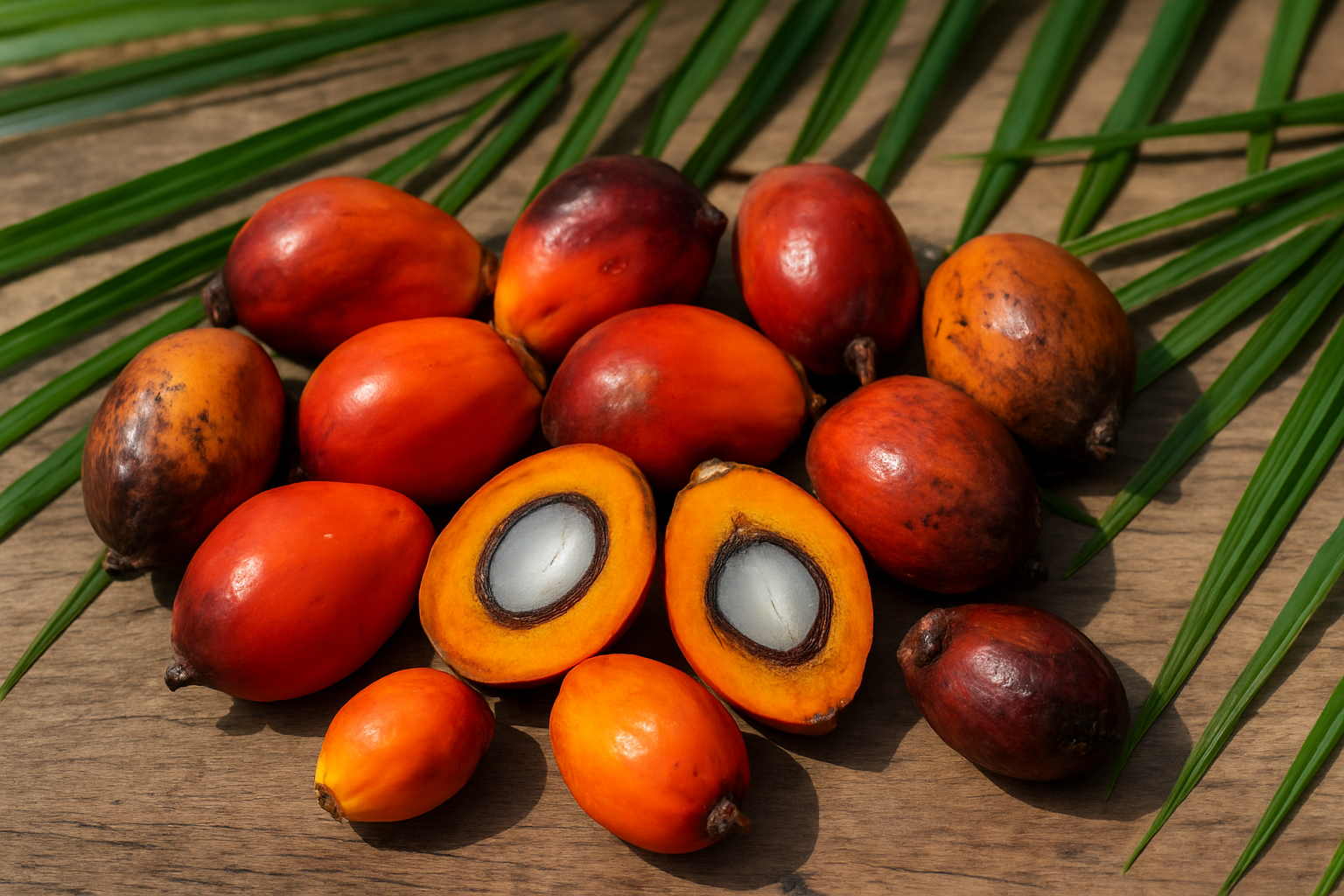
Visual Signs of Fresh, Ripe Palm Fruit
Quality palm fruit displays specific visual cues that tell you when it's at peak ripeness. Fresh palm fruit typically has a vibrant, glossy skin that ranges from bright orange to deep red, depending on the variety. The surface should appear smooth and unblemished, free from dark spots, wrinkles, or bruising that could indicate overripeness or damage.
The color intensity often serves as your best indicator - ripe palm fruit develops rich, saturated hues that almost seem to glow. Avoid fruits with dull, matte surfaces or those showing signs of shriveling around the stem area. Fresh specimens also maintain their natural waxy coating, which gives them that distinctive shine.
Look for palm fruit with intact stems and caps, as these areas are entry points for bacteria and moisture loss. The calyx (the crown-like structure at the top) should be firmly attached and show no signs of mold or blackening.
Texture and Firmness Indicators to Look For
The best palm fruit yields slightly to gentle pressure while maintaining overall firmness. When you hold quality palm fruit, it should feel substantial and heavy for its size, indicating good oil content and proper development. The skin should give just a bit when pressed with your thumb, similar to a ripe avocado, but shouldn't feel mushy or overly soft.
Run your fingers along the surface - fresh palm fruit has a smooth, slightly waxy texture that feels pleasant to touch. Avoid fruits that feel spongy, have soft spots, or show any signs of wrinkling. The flesh beneath the skin should feel dense and well-formed.
Temperature also plays a role in texture assessment. Room temperature palm fruit provides the most accurate feel, as cold storage can temporarily firm up the flesh, making quality evaluation more challenging.
Storage Tips to Maintain Peak Freshness
Proper storage extends the life of your palm fruit selection significantly. Store ripe palm fruit in the refrigerator's crisper drawer, where controlled humidity helps maintain freshness for up to one week. Place them in a breathable produce bag or wrap individually in paper towels to prevent moisture buildup while allowing air circulation.
For short-term storage, keep palm fruit at room temperature away from direct sunlight and heat sources. This works well if you plan to consume them within 2-3 days. Room temperature storage actually enhances flavor development, allowing the natural oils to reach optimal taste.
Never store palm fruit in sealed plastic bags or airtight containers, as trapped moisture encourages rapid deterioration and mold growth. If you notice any fruit starting to soften, use those first to prevent waste.
Freezing works for long-term storage, though it changes the texture considerably. Remove the flesh from the seed, portion into freezer bags, and use within six months for smoothies or cooking applications.
Best Seasons and Places to Find Premium Varieties
Palm fruit availability varies significantly by region and season. In tropical climates, peak harvest seasons typically occur twice yearly - once during late spring and again in early fall. These periods offer the freshest, highest-quality fruits with optimal oil content and flavor profiles.
Specialty grocery stores, international markets, and African or Middle Eastern food shops often carry the best palm fruit varieties. These retailers usually have established supply chains with growers who understand proper harvesting and handling techniques.
Farmers' markets in regions where palm trees grow provide exceptional opportunities to find premium varieties. Direct-from-grower purchases often mean fresher fruit and the chance to learn about specific varieties and their unique characteristics.
Online specialty retailers now offer fresh palm fruit shipping, though seasonal availability still applies. When ordering online, choose suppliers who guarantee harvest-to-delivery times and use proper cold-chain shipping methods.
Local botanical gardens or agricultural extensions sometimes host palm fruit tastings or sales during harvest seasons, providing access to rare varieties and expert guidance on palm fruit identification and selection.
Practical Ways to Enjoy Palm Fruit Daily
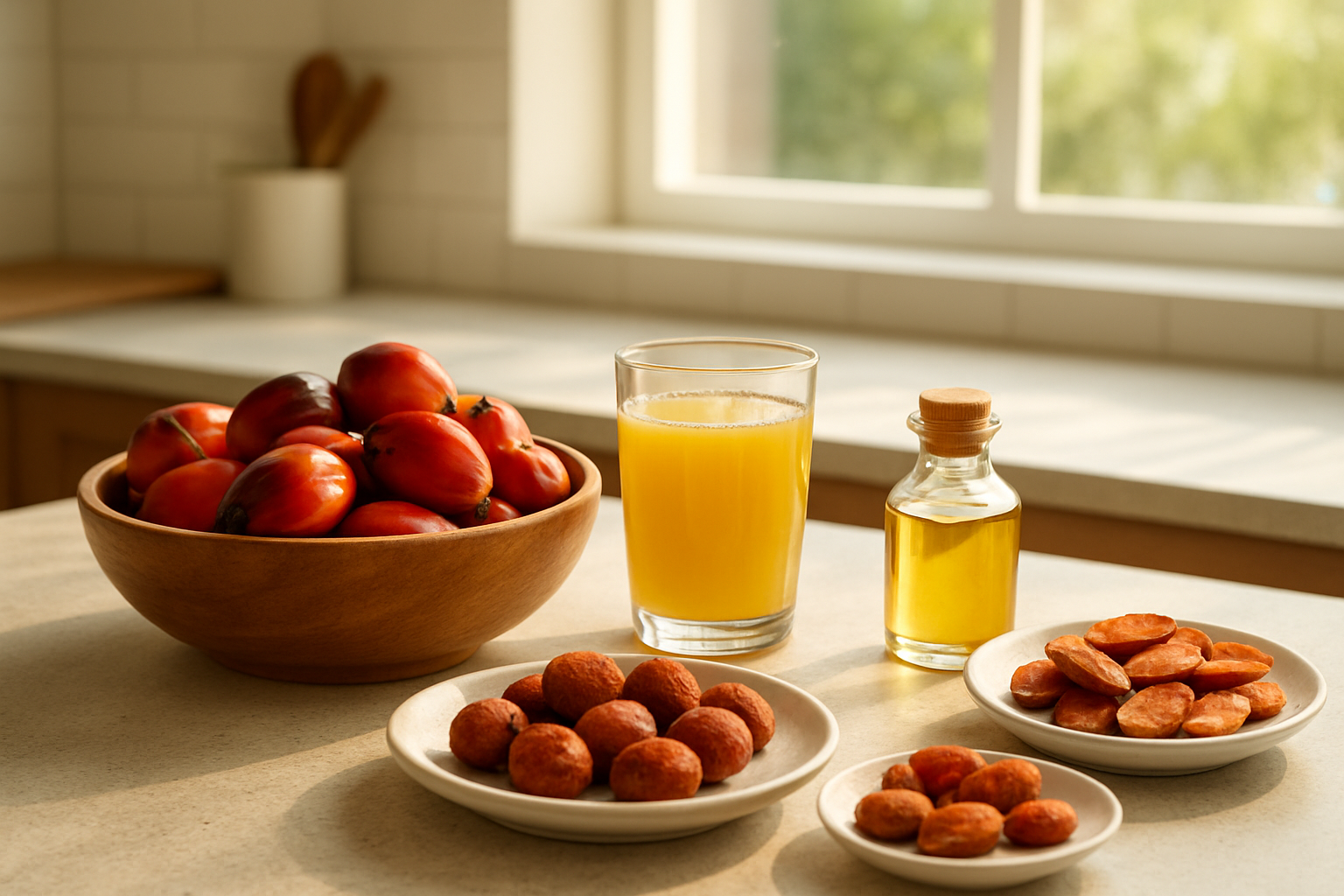
Simple eating methods for maximum enjoyment
Fresh palm fruit tastes amazing when eaten straight from the tree. The sweet, fibrous flesh offers a natural candy-like experience that satisfies your sweet tooth without any processing. Simply wash the fruit thoroughly, remove the outer skin with a knife, and enjoy the orange flesh around the seed. The texture feels similar to dates but with a unique tropical flavor profile.
For easier consumption, you can slice palm fruit into bite-sized pieces and store them in the refrigerator for quick snacking throughout the day. Many people find that chilling palm fruit enhances its refreshing qualities, making it perfect for hot afternoons. The natural sugars become more pronounced when cold, creating an ideal healthy dessert alternative.
Palm fruit also works wonderfully when mashed into a paste. This method allows you to spread it on toast, crackers, or use it as a natural sweetener for cereals and yogurt. The paste consistency makes palm fruit benefits more accessible, especially for children who might struggle with the fibrous texture of whole fruit.
Cooking and baking applications that work
Palm fruit nutrition shines in various cooking applications. The natural oils and sugars make it an excellent ingredient for baking. Replace refined sugar with mashed palm fruit in muffin recipes, energy bars, and cookies. The fruit adds moisture while providing essential nutrients that regular sugar lacks.
Savory dishes benefit tremendously from palm fruit's unique flavor profile. African and Asian cuisines traditionally incorporate palm fruit into stews, curries, and rice dishes. The fruit's natural oils create rich, flavorful bases for soups and sauces. Try adding diced palm fruit to your next vegetable curry for an authentic taste experience.
For those wondering how to eat palm fruit in creative ways, consider roasting it with vegetables. The caramelized exterior develops complex flavors while maintaining the nutritional benefits inside. Roasted palm fruit pairs exceptionally well with root vegetables and creates colorful, nutrient-dense side dishes.
Beverage recipes featuring palm fruit
Palm fruit creates incredible smoothie bases due to its creamy texture and natural sweetness. Blend fresh or frozen palm fruit with coconut milk, banana, and a handful of spinach for a tropical green smoothie packed with vitamins. The fruit's natural oils help your body absorb fat-soluble vitamins more effectively.
Traditional palm wine represents one of the oldest ways to enjoy this fruit, though fresh juice offers similar benefits without fermentation. Blend palm fruit with water, strain the mixture, and add lime juice for a refreshing drink. This beverage provides quick energy while delivering essential minerals and vitamins.
Hot palm fruit tea has gained popularity for its warming properties and health benefits. Steep dried palm fruit pieces in hot water for 10-15 minutes, then add honey and ginger. This soothing drink helps with digestion and provides antioxidants that support overall wellness.
Pairing suggestions with other foods
Different types of palm fruit complement various foods beautifully. Sweet varieties pair excellently with nuts, creating balanced snacks that provide protein, healthy fats, and natural sugars. Almonds, cashews, and walnuts work particularly well, enhancing both flavor and nutritional value.
Cheese and palm fruit create surprisingly delicious combinations. Soft cheeses like goat cheese or ricotta balance the fruit's sweetness while adding protein and calcium. This pairing works wonderfully on crackers or as part of a charcuterie board.
For breakfast applications, palm fruit varieties enhance oatmeal, quinoa bowls, and chia puddings. The natural sweetness eliminates the need for added sugars while providing sustained energy throughout the morning. Coconut flakes, cinnamon, and vanilla complement palm fruit's tropical notes perfectly.
Protein sources like grilled chicken, fish, or tofu benefit from palm fruit's natural enzymes and flavor complexity. The fruit's acidity helps tenderize proteins while adding nutritional value to your meals.
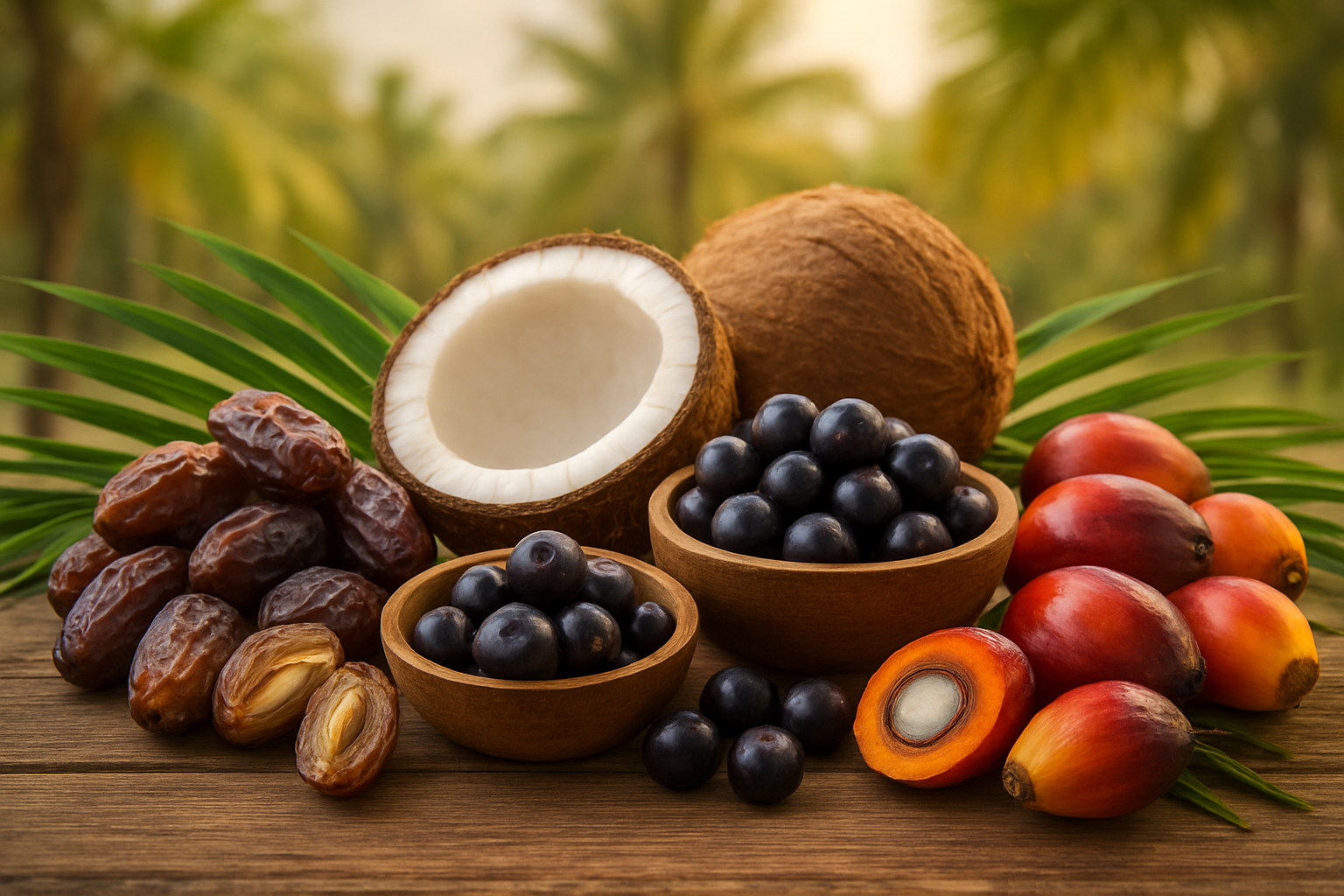
Palm fruit deserves a spot on your radar as one of nature's most underrated superfoods. Packed with essential vitamins, healthy fats, and antioxidants, this tropical gem offers impressive health benefits while delivering a naturally sweet and satisfying taste. From the familiar dates to the exotic açaí berries, palm fruits come in exciting varieties that can easily fit into your daily routine.
Ready to give palm fruit a try? Start small by adding dates to your morning smoothie or grabbing some coconut water after your workout. Visit your local grocery store or health food shop to explore what's available, and don't be afraid to experiment with different varieties. Your taste buds and your body will thank you for making this simple yet powerful addition to your diet.


.png)
Comments
Post a Comment