Pandanus - What's The Pandanus Fruit?
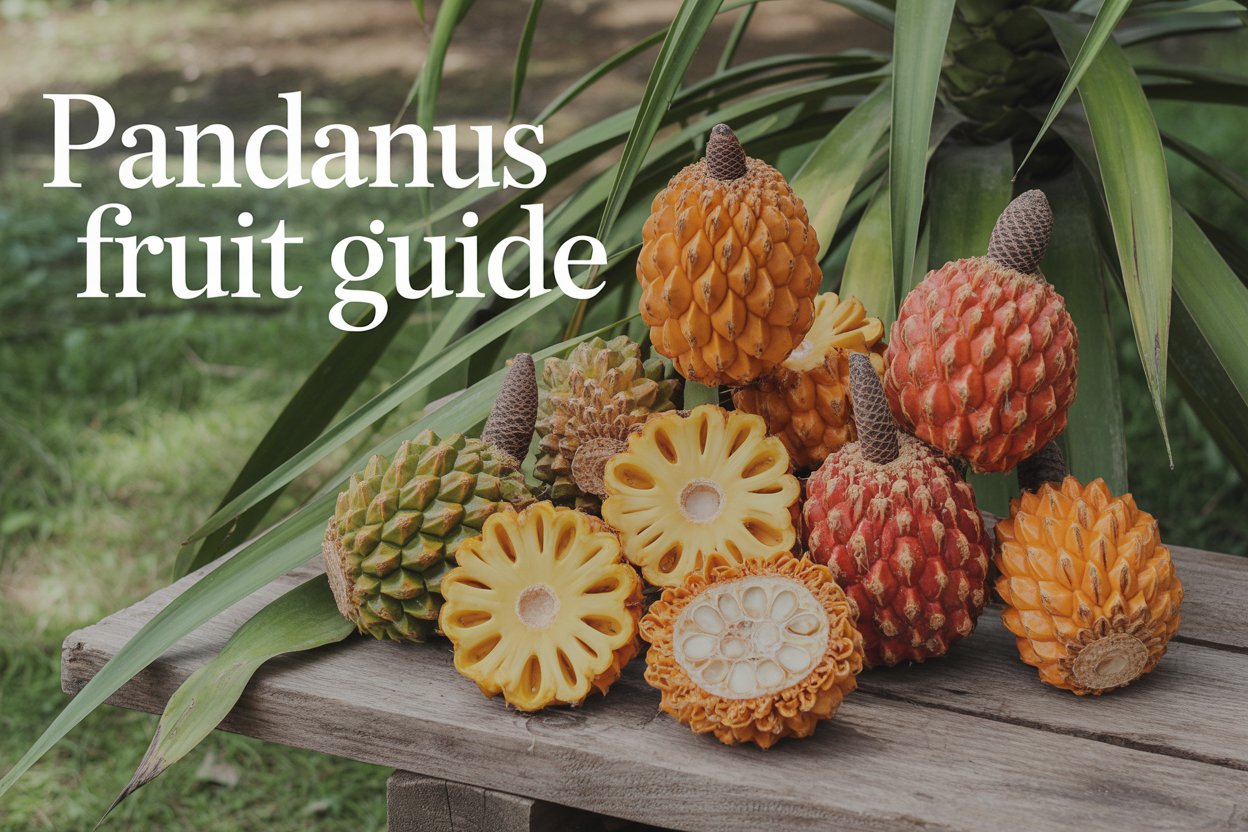
The pandanus fruit might look like something from another planet with its spiky, cone-shaped appearance, but this tropical treasure has been nourishing communities across Southeast Asia and the Pacific islands for centuries. Also known as screw pine fruit or pandan fruit, this unique ingredient offers surprising health benefits and adds an unforgettable flavor to both sweet and savory dishes.
This guide is perfect for curious food enthusiasts, health-conscious eaters, and anyone interested in exploring tropical fruits beyond the usual suspects. You'll discover what makes this fruit so special and why it's gaining attention in kitchens worldwide.
We'll walk you through the nutritional profile of pandanus fruit and uncover the impressive health benefits that make it more than just another exotic ingredient. You'll also learn about the fruit's distinctive culinary uses and how its sweet, nutty flavor transforms everything from rice dishes to desserts, plus get practical tips for harvesting and processing this spiky fruit safely at home.
Understanding Pandanus Plants and Their Unique Characteristics
Identifying Pandanus Trees in Their Natural Habitat
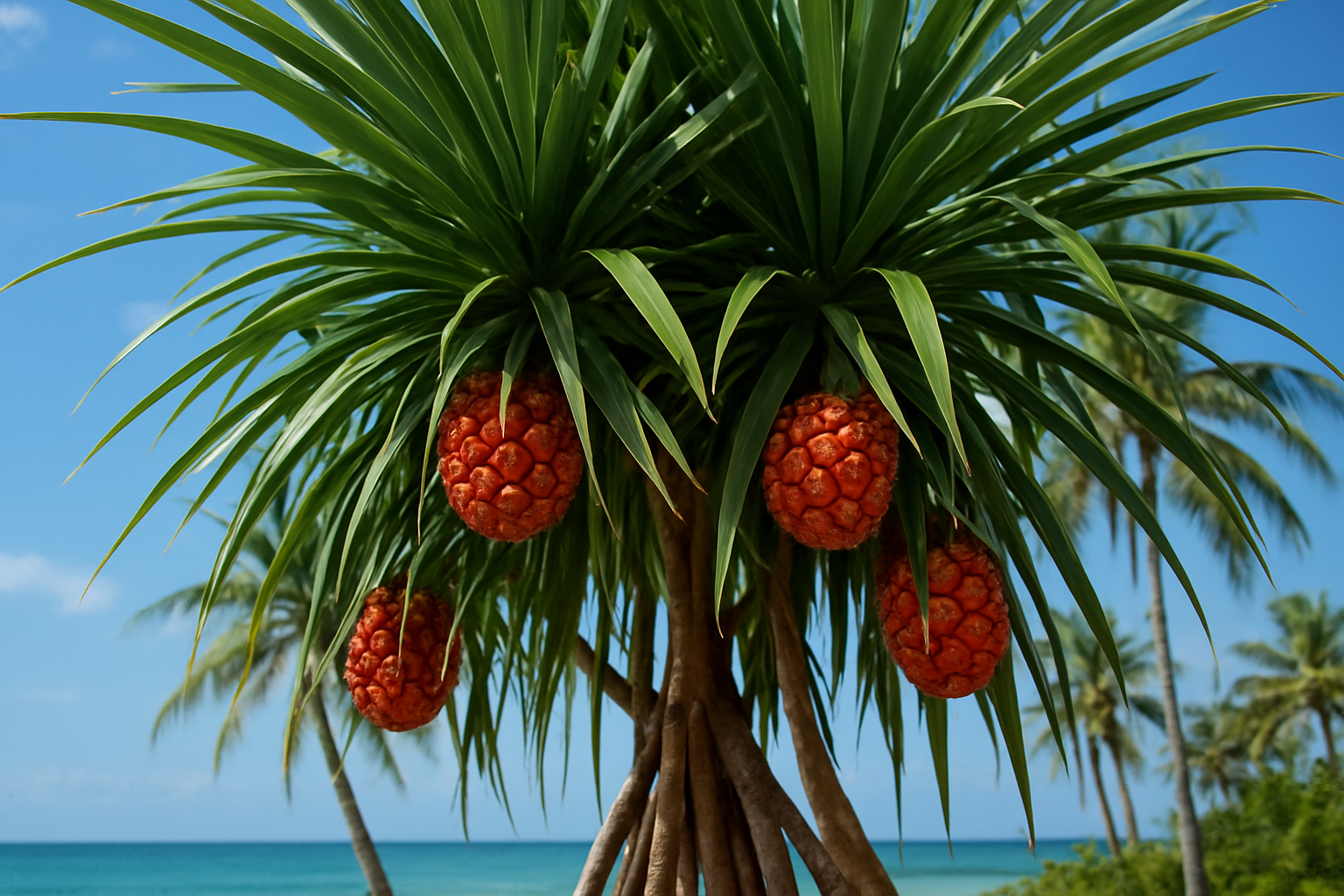
Spotting pandanus trees in the wild becomes much easier once you know their telltale signs. These impressive plants, also called screw pines, grow as towering trees or large shrubs that can reach heights of 20 feet or more. The most striking feature you'll notice first is their unusual prop root system - thick, aerial roots that grow from the trunk and branches, creating what looks like natural stilts supporting the entire tree.
The leaves are perhaps the most distinctive characteristic for identification. Pandanus fruit trees display long, narrow leaves arranged in tight spirals around the branches, giving them their "screw pine" nickname. These leaves are typically bright green, sword-shaped, and can stretch 3-5 feet in length with sharp, serrated edges that demand careful handling.
Look for pandanus trees near coastal areas, swamplands, and riverbanks where they thrive in sandy, well-draining soil. The male and female flowers appear on separate trees, with male trees producing fragrant, cream-colored flower spikes, while female trees develop the distinctive pandanus fruit - large, round, pineapple-like structures that can weigh several pounds when mature.
Distinguishing Features That Set Pandanus Apart from Other Tropical Plants
Several unique characteristics make pandanus trees unmistakable among tropical fruits pandanus varieties. The spiral leaf arrangement is virtually exclusive to this plant family, creating a distinctive crown pattern that's visible from considerable distances. Unlike palm trees, which might seem similar at first glance, pandanus trees have broader, flatter leaves with pronounced edges that can actually cut skin if handled carelessly.
The trunk structure offers another clear distinguishing feature. While many tropical trees have single, straight trunks, mature pandanus trees often develop multiple trunks supported by their characteristic prop root system. These aerial roots start growing from the main trunk several feet above ground level, eventually reaching down to anchor in the soil and provide additional structural support.
The fruit itself sets pandanus completely apart from other tropical plants. What is pandanus fruit becomes clear when you see these remarkable structures - they're actually composite fruits made up of numerous individual segments called keys or drupes, each containing seeds. The fruit's surface displays a distinctive geometric pattern of hexagonal segments, resembling a oversized pinecone or pineapple hybrid.
Geographic Distribution and Growing Conditions
Pandanus trees flourish across a vast geographic range spanning the tropical and subtropical regions of the Old World. You'll find these remarkable plants naturally occurring throughout Southeast Asia, from Indonesia and Malaysia to the Philippines and Thailand. The Pacific Islands host numerous pandanus species, with significant populations in Hawaii, Fiji, and many smaller island nations where pandan fruit benefits have been recognized for generations.
The Indian Ocean region supports extensive pandanus populations, particularly in Madagascar, the Maldives, and coastal areas of eastern Africa. Australia's northern coastlines and some parts of India also provide ideal habitats for these adaptable plants.
Growing conditions play a crucial role in pandanus cultivation and fruit production. These trees prefer:
-
Climate: Warm, humid tropical conditions with temperatures consistently above 60°F
-
Soil: Sandy, well-draining soil with good organic content
-
Water: Regular moisture but not waterlogged conditions
-
Light: Full sun to partial shade exposure
-
Elevation: Sea level to moderate elevations, typically below 3,000 feet
Coastal environments provide perfect conditions because pandanus trees tolerate salt spray and sandy soils that would challenge many other fruit-bearing plants. The consistent humidity and warm temperatures found in these regions support optimal growth and pandanus fruit development throughout most of the year.
Discovering the Nutritional Profile of Pandanus Fruit
Essential Vitamins and Minerals Found in Pandanus
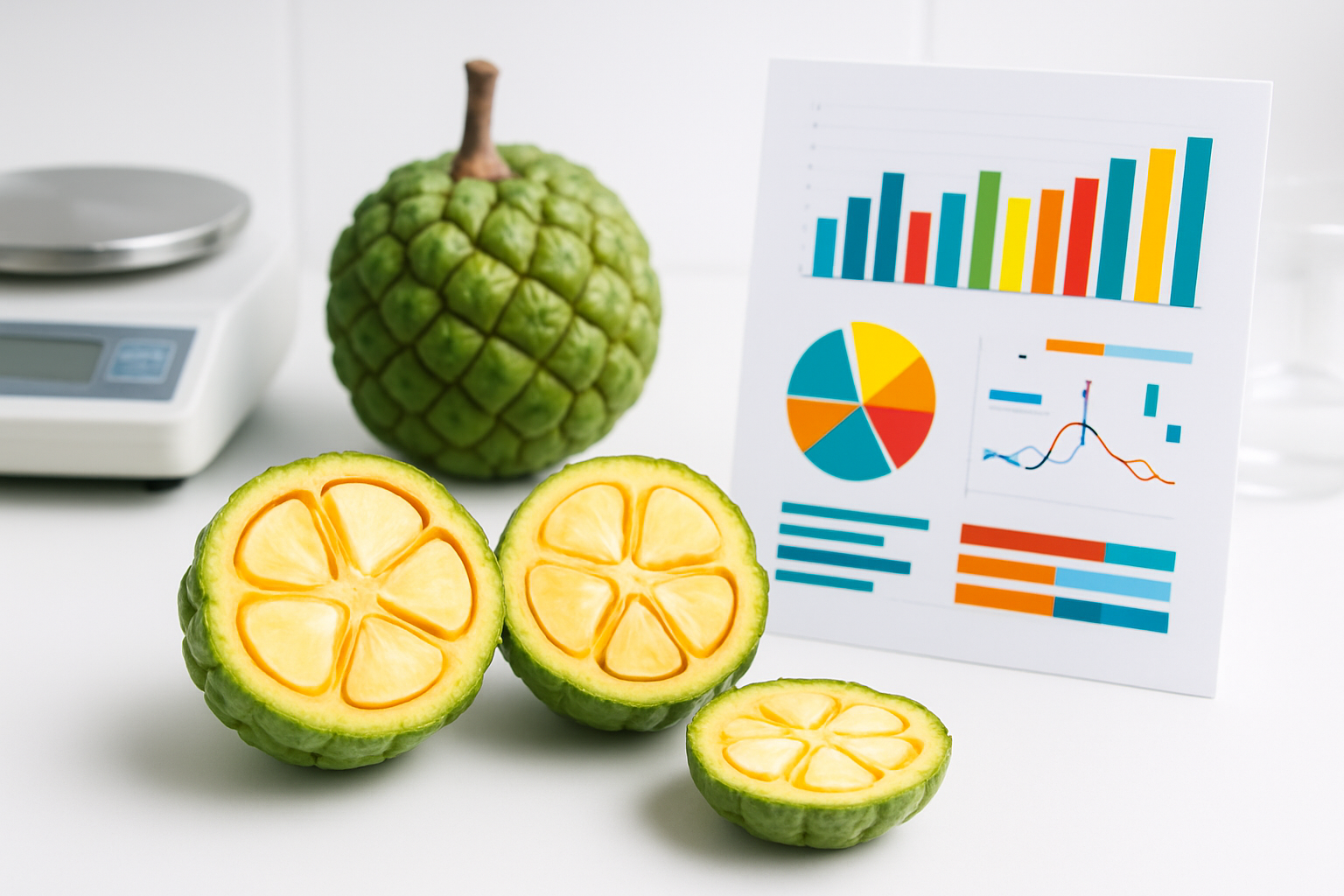
Pandanus fruit packs a surprising nutritional punch that many tropical fruit enthusiasts overlook. The vibrant flesh contains substantial amounts of vitamin C, delivering nearly 40% of your daily requirement in a single serving. This vitamin powerhouse supports immune function and collagen production while acting as a natural antioxidant shield.
The mineral profile of pandanus fruit nutrition facts reveals impressive levels of potassium, essential for heart health and blood pressure regulation. Magnesium content supports muscle function and bone health, while iron contributes to healthy blood oxygen transport. Calcium levels in pandan fruit benefits bone density maintenance, making it particularly valuable for growing children and aging adults.
B-complex vitamins appear in moderate concentrations, including folate, which plays a crucial role in cell division and DNA synthesis. Vitamin A precursors give the fruit its characteristic orange hue while supporting eye health and skin regeneration.
Antioxidant Properties and Health-Boosting Compounds
The deep orange pigmentation of pandanus fruit signals rich carotenoid content, particularly beta-carotene and lycopene. These powerful compounds neutralize free radicals that contribute to cellular aging and chronic disease development.
Polyphenolic compounds found in screw pine fruit demonstrate anti-inflammatory properties similar to those found in berries and citrus fruits. These bioactive molecules support cardiovascular health and may help reduce oxidative stress markers in regular consumers.
The fruit's fiber matrix contains prebiotic compounds that promote beneficial gut bacteria growth. This digestive support enhances nutrient absorption and supports immune system function through the gut-brain axis connection.
Caloric Content and Macronutrient Breakdown
A typical 100-gram serving of pandanus fruit contains approximately 85-95 calories, making it a moderate-energy tropical option. The macronutrient distribution favors carbohydrates at roughly 22 grams per serving, primarily from natural fruit sugars and dietary fiber.
Protein content reaches about 1.5 grams per serving, while fat content remains minimal at less than 0.5 grams. The high water content (approximately 80%) makes pandanus fruit an excellent hydrating snack in tropical climates.
Dietary fiber contributes 3-4 grams per serving, supporting digestive health and blood sugar regulation. The natural sugar profile includes fructose, glucose, and sucrose in balanced proportions that provide steady energy release.
Comparing Nutritional Value to Other Tropical Fruits
When stacked against popular tropical fruits, pandanus holds its own nutritionally. Here's how it compares:
| Nutrient (per 100g) | Pandanus | Mango | Papaya | Pineapple |
|---|---|---|---|---|
| Calories | 90 | 60 | 43 | 50 |
| Vitamin C (mg) | 25 | 36 | 60 | 48 |
| Fiber (g) | 3.5 | 1.6 | 1.7 | 1.4 |
| Potassium (mg) | 180 | 168 | 182 | 109 |
| Beta-carotene (mcg) | 850 | 640 | 274 | 35 |
The data shows pandanus fruit excels in fiber content and beta-carotene levels while maintaining competitive vitamin and mineral profiles. Its unique advantage lies in the concentrated antioxidant package, offering benefits that complement rather than duplicate those found in other tropical fruits.
What makes pandanus fruit uses particularly appealing is the sustained energy release compared to higher-sugar tropical alternatives. The balanced nutritional profile supports both immediate energy needs and long-term health goals, making it an excellent addition to diverse tropical fruit rotations.
Exploring the Culinary Uses and Flavor Profile
Traditional Cooking Methods in Pacific Island Cultures
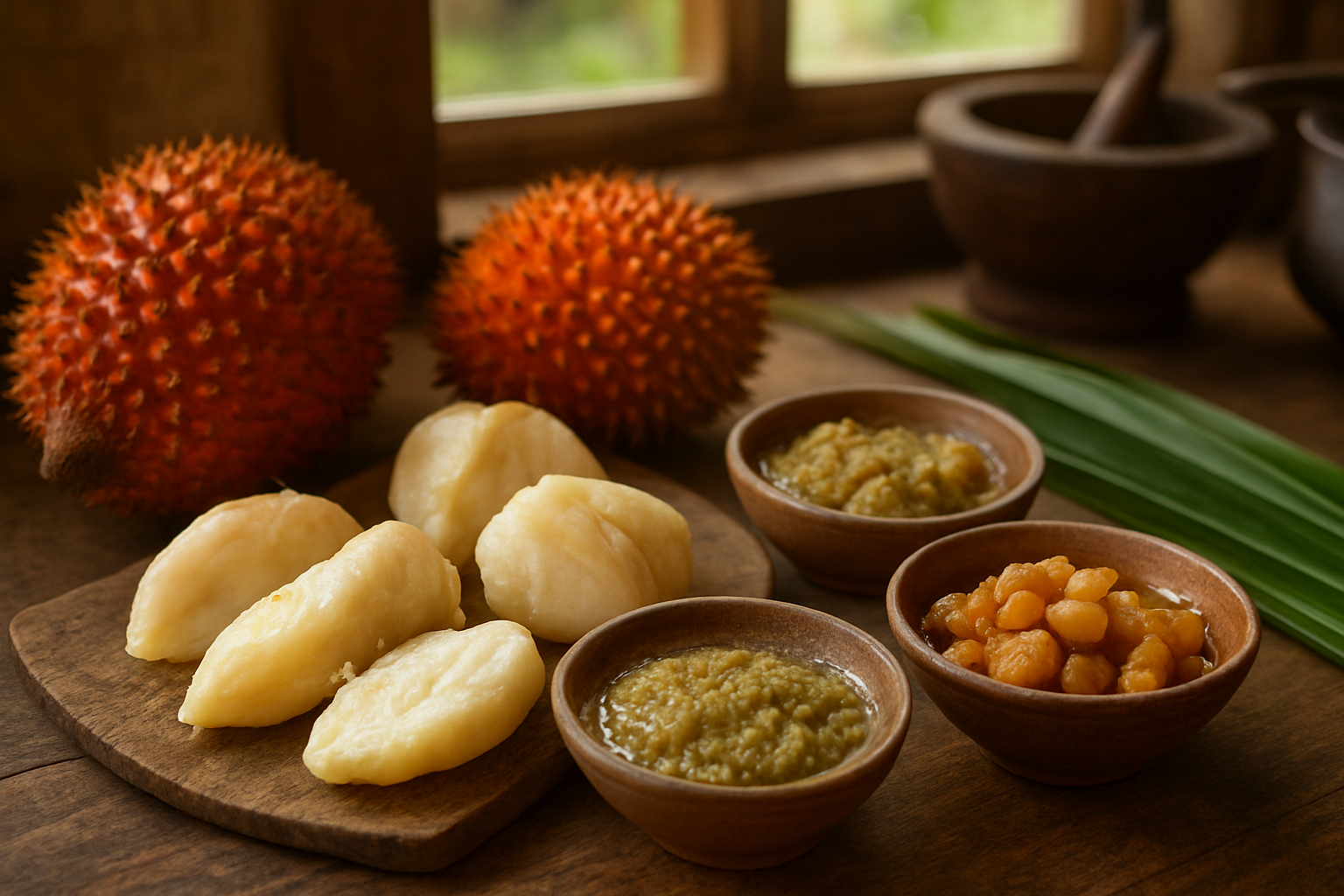
Pandanus fruit has been central to Pacific Island cuisine for thousands of years. In traditional Polynesian cooking, the ripe orange or red drupes are typically prepared using earth ovens called umu or imu. The whole fruit clusters are wrapped in banana leaves and slow-cooked underground for several hours, which softens the tough flesh and intensifies the natural sweetness.
Samoan cooks traditionally pound the cooked pandan fruit into a paste using wooden pestles, creating a versatile base for various dishes. This paste is often mixed with coconut cream and formed into small cakes that are further steamed in bamboo tubes. In Fiji, the fruit is commonly boiled in coconut milk with taro leaves, creating a nutritious stew that's still prepared during ceremonial gatherings.
Traditional Hawaiian preparation involves grating the raw flesh and mixing it with coconut water to create a refreshing drink. The fibrous pulp is also fermented in buried earth pits for weeks, developing complex flavors that complement fish and root vegetables.
Modern Recipe Applications and Food Preparation Techniques
Contemporary chefs have embraced pandanus fruit uses in innovative ways that honor traditional methods while appealing to modern palates. The fruit's natural oils make it perfect for infusing simple syrups, which are now used in tropical cocktails and dessert preparations. Many restaurants extract the juice using high-powered blenders and fine-mesh strainers to create vibrant orange sauces for grilled seafood.
Modern food processors make quick work of preparing pandanus paste, which can be incorporated into ice creams, smoothie bowls, and even bread dough. The paste freezes exceptionally well, allowing year-round access to the fruit's distinctive flavor. Some innovative cooks dehydrate thin slices of the fruit to create chips that add texture to salads and grain bowls.
Professional kitchens often combine pandanus with other tropical fruits like passion fruit and mango to create complex flavor profiles in sorbets and mousses. The fruit's natural pectin content makes it valuable for creating jams and preserves without added thickeners.
Taste Description and Texture Experience
Pandanus fruit offers a truly unique sensory experience that's difficult to compare to other fruits. The raw flesh has a dense, somewhat fibrous texture similar to pineapple core, but softer. When ripe, the fruit delivers an intense tropical sweetness with subtle nutty undertones and hints of vanilla and coconut.
The flavor profile evolves significantly during cooking. Heat breaks down the fibrous structure, creating a creamy, almost custard-like consistency. The taste becomes more concentrated, developing deeper caramel notes with a slight floral finish that many describe as reminiscent of pandanus leaves but fruitier.
Fresh pandanus juice has a bright, almost effervescent quality with natural oils that coat the palate. The aftertaste is clean and refreshing, though the initial intensity can be overwhelming for first-time tasters. Many people find the cooked fruit more approachable, as the heating process mellows the strong flavors while maintaining the tropical character.
Popular Dishes Featuring Pandanus Fruit
Pandan fruit culinary uses span sweet and savory applications across Pacific cultures. Pandanus cake remains the most beloved dessert, where the fruit paste is mixed with coconut flour and steamed until firm. This traditional sweet is often served during important celebrations and religious ceremonies.
Pandanus curry is popular in Papua New Guinea, where chunks of cooked fruit are simmered with coconut milk, ginger, and local spices. The dish pairs beautifully with steamed rice and grilled fish. In Vanuatu, cooks prepare pandanus bread by incorporating the fruit paste into traditional root vegetable doughs.
Modern fusion cuisine has produced exciting variations like pandanus cheesecake, tropical fruit salads with pandanus dressing, and even pandanus-infused chocolate truffles. Beach resorts throughout the Pacific now feature pandanus smoothie bowls topped with local nuts and fruits.
| Dish | Region | Preparation Style | Serving Occasion |
|---|---|---|---|
| Pandanus Cake | Samoa/Tonga | Steamed | Celebrations |
| Pandanus Curry | Papua New Guinea | Simmered | Daily meals |
| Fruit Paste Rolls | Cook Islands | Wrapped/Boiled | Snacks |
| Pandanus Ice Cream | Modern Fusion | Frozen/Blended | Dessert |
Storage and Preservation Methods for Maximum Freshness
Fresh pandanus fruit requires careful handling to maintain quality and prevent spoilage. The whole fruit clusters can be stored at room temperature for 3-5 days if kept in well-ventilated areas away from direct sunlight. Ripe fruits should be consumed quickly, as they deteriorate rapidly once the drupes begin softening.
Refrigeration extends storage life to about two weeks when fruits are wrapped individually in paper towels and placed in perforated plastic bags. The key is preventing moisture buildup while maintaining some humidity to prevent the flesh from drying out.
For long-term preservation, traditional methods work best. Cooked pandanus paste can be formed into balls, wrapped in banana leaves, and stored in cool, dry places for several months. Modern preservation involves freezing the processed paste in ice cube trays for easy portioning.
Dehydration works well for creating shelf-stable pandanus chips. Slice the fruit thinly and dry at low temperatures (135°F) for 8-12 hours until crisp. Properly dried pandanus maintains flavor for up to one year when stored in airtight containers with moisture absorbers.
The fruit also preserves beautifully in sugar syrup or coconut oil, traditional methods that Pacific Islanders have used for generations to ensure year-round availability of this precious tropical resource.
Harvesting and Processing Pandanus Fruit Safely
Optimal Timing for Fruit Collection
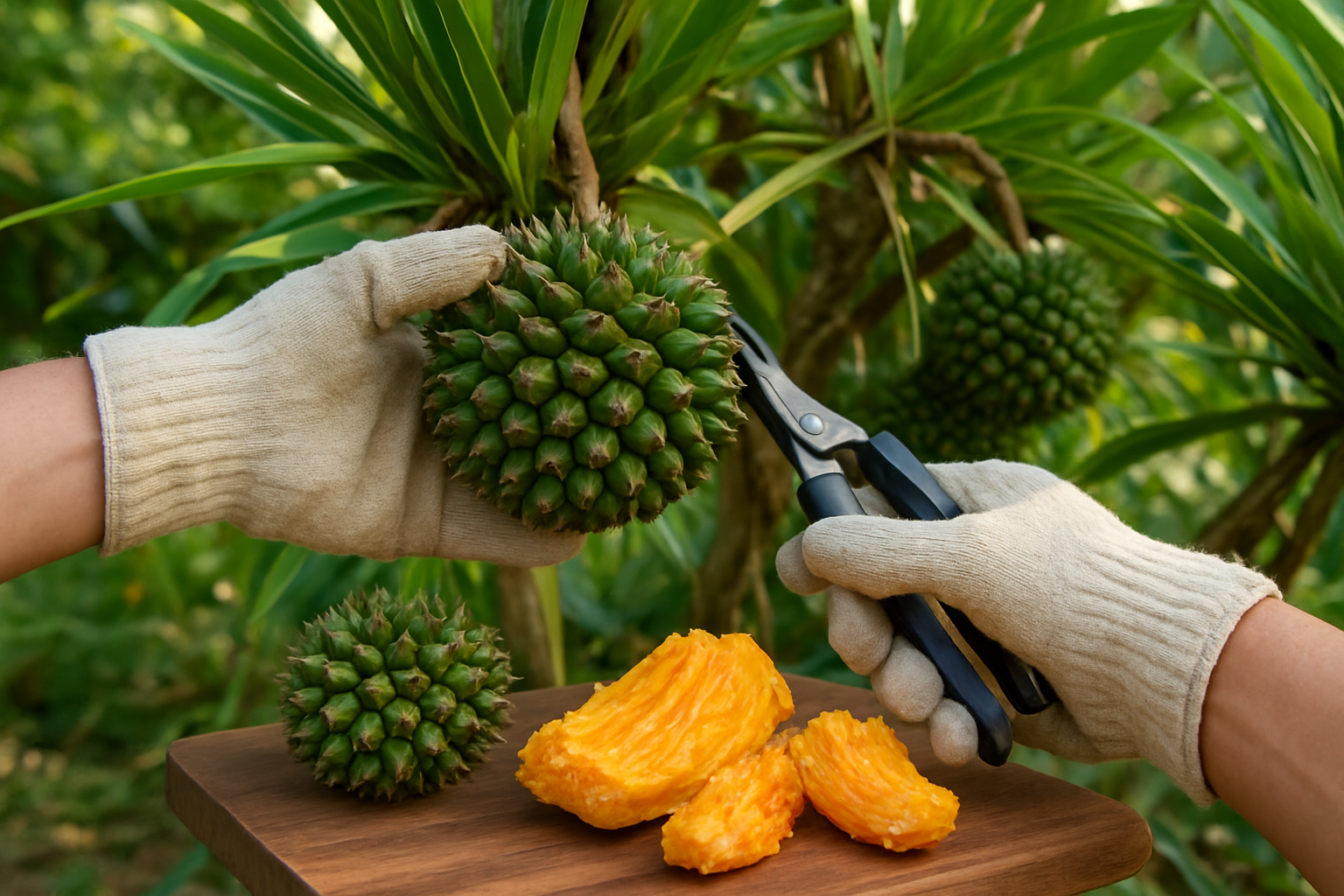
The key to successful pandanus fruit harvesting lies in perfect timing. Ripe pandanus fruit displays a vibrant orange-red to bright red color, transforming from its initial green state over several months. The fruit segments, called keys or drupes, should feel slightly soft when gently pressed and easily separate from the central core.
Most pandanus varieties reach maturity between 12-18 months after flowering, typically during warmer seasons. The fruit emits a sweet, pineapple-like fragrance when fully ripe - your nose becomes your best harvesting tool. Collect fruits in the early morning when temperatures are cooler, as this reduces stress on both the plant and harvester.
Watch for natural dropping of individual keys, which signals peak ripeness. However, don't wait too long, as overripe segments attract insects and begin fermenting. The entire fruit head weighs between 2-8 pounds when mature, depending on the species.
Proper Handling Techniques to Avoid Injury
Pandanus plants present unique safety challenges during harvesting. The leaves feature razor-sharp serrated edges that can cause deep cuts, while the trunk often has aerial prop roots creating obstacles. Always wear thick gardening gloves, long sleeves, and closed-toe shoes when approaching the tree.
Use a sharp, clean knife or pruning shears to cut the fruit stem, leaving about 6 inches attached. Never attempt to twist or pull the fruit free, as this can damage the tree and cause injury. The fruit's tough exterior requires careful handling - those same protective qualities that preserve the seeds can scratch or cut unprepared hands.
Position yourself carefully before cutting. Pandanus trees can reach 20 feet tall, so use a sturdy ladder and have someone spot you. The fruit's substantial weight makes it easy to lose balance when it breaks free. Create a clear path from tree to processing area, removing any obstacles that might cause trips or falls while carrying your harvest.
Step-by-Step Processing Methods for Consumption
Processing pandanus fruit requires patience and the right technique. Start by washing the entire fruit head under running water to remove dirt and debris. Place the fruit on a cutting board and use a sharp knife to separate individual keys from the central core, working systematically around the circumference.
Each key contains a hard seed surrounded by fibrous pulp. The edible portion lies in the soft, orange flesh closest to the seed. Use a spoon or knife to scrape away the pulp, avoiding the tough outer skin and fibrous material. Some people prefer to boil the keys for 10-15 minutes first, which softens the flesh and makes extraction easier.
The extracted pulp can be eaten fresh, though many find the raw texture fibrous. Strain the pulp through cheesecloth to create juice, or blend with water and strain for a smoother consistency. Traditional preparation methods include grinding the pulp into paste for cooking applications or fermenting it into alcoholic beverages.
Store processed pandanus fruit pulp in the refrigerator for up to one week, or freeze portions for longer storage. The high fiber content makes it excellent for jams and preserves when combined with sugar and pectin.
Health Benefits and Medicinal Properties
Digestive System Support and Gut Health Enhancement
The pandanus fruit delivers impressive benefits for digestive wellness through its rich fiber content and natural enzymes. Each serving contains approximately 3.2 grams of dietary fiber, which acts like a gentle broom sweeping through your digestive tract. This fiber helps regulate bowel movements, prevents constipation, and feeds beneficial gut bacteria that keep your microbiome balanced.
The fruit's natural compounds support healthy gastric function by promoting the production of digestive enzymes. People who regularly consume pandanus fruit often report improved digestion and reduced bloating after meals. The fruit's pectin content also helps slow down food absorption, which can prevent dramatic blood sugar spikes and support better metabolic health.
Key digestive benefits include:
-
Enhanced bowel regularity
-
Improved nutrient absorption
-
Reduced intestinal inflammation
-
Better gut microbiome diversity
-
Natural detoxification support
Immune System Strengthening Properties
Pandanus fruit packs a powerful punch of immune-boosting nutrients that help your body defend against infections and diseases. The high vitamin C content - roughly 45mg per 100g serving - works alongside antioxidants like beta-carotene and flavonoids to strengthen your immune response.
These antioxidants neutralize harmful free radicals that can damage cells and weaken immunity. The fruit also contains zinc and selenium, two minerals crucial for proper immune cell function. Regular consumption may help reduce the frequency and severity of common colds and respiratory infections.
Immune-supporting compounds:
-
Vitamin C for white blood cell production
-
Beta-carotene for cellular protection
-
Polyphenols for anti-viral properties
-
Essential minerals for immune cell function
Traditional Medicinal Uses in Indigenous Communities
Pacific Island communities have treasured pandanus fruit for centuries as both food and medicine. Traditional healers use different parts of the fruit to treat various ailments, passing down knowledge through generations of practice.
In Polynesian cultures, the fruit pulp treats stomach upset and diarrhea. Micronesian communities prepare pandanus-based remedies for respiratory problems, while Melanesian healers use the fruit to address skin conditions and wounds. The leaves often get combined with the fruit in traditional preparations for enhanced therapeutic effects.
Common traditional applications:
-
Digestive disorders and stomach pain
-
Respiratory congestion and coughs
-
Skin irritations and minor wounds
-
Fever reduction and general wellness
-
Pregnancy-related nausea relief
Potential Anti-inflammatory Effects
Research suggests that pandanus fruit contains several compounds with anti-inflammatory properties. The fruit's natural polyphenols and flavonoids help reduce inflammation markers in the body, potentially offering relief from chronic inflammatory conditions.
Studies on similar tropical fruits indicate that regular consumption may help lower C-reactive protein levels and other inflammation indicators. The fruit's omega-3 fatty acids, though present in smaller amounts, also contribute to its anti-inflammatory profile.
Anti-inflammatory mechanisms:
-
Polyphenol compounds reduce inflammatory cytokines
-
Antioxidants prevent oxidative stress
-
Natural enzymes support healing processes
-
Fiber content reduces gut inflammation
-
Mineral content supports cellular repair
People dealing with arthritis, cardiovascular issues, or other inflammatory conditions might find pandanus fruit a helpful addition to their anti-inflammatory diet strategy, though more research is needed to confirm specific therapeutic effects.
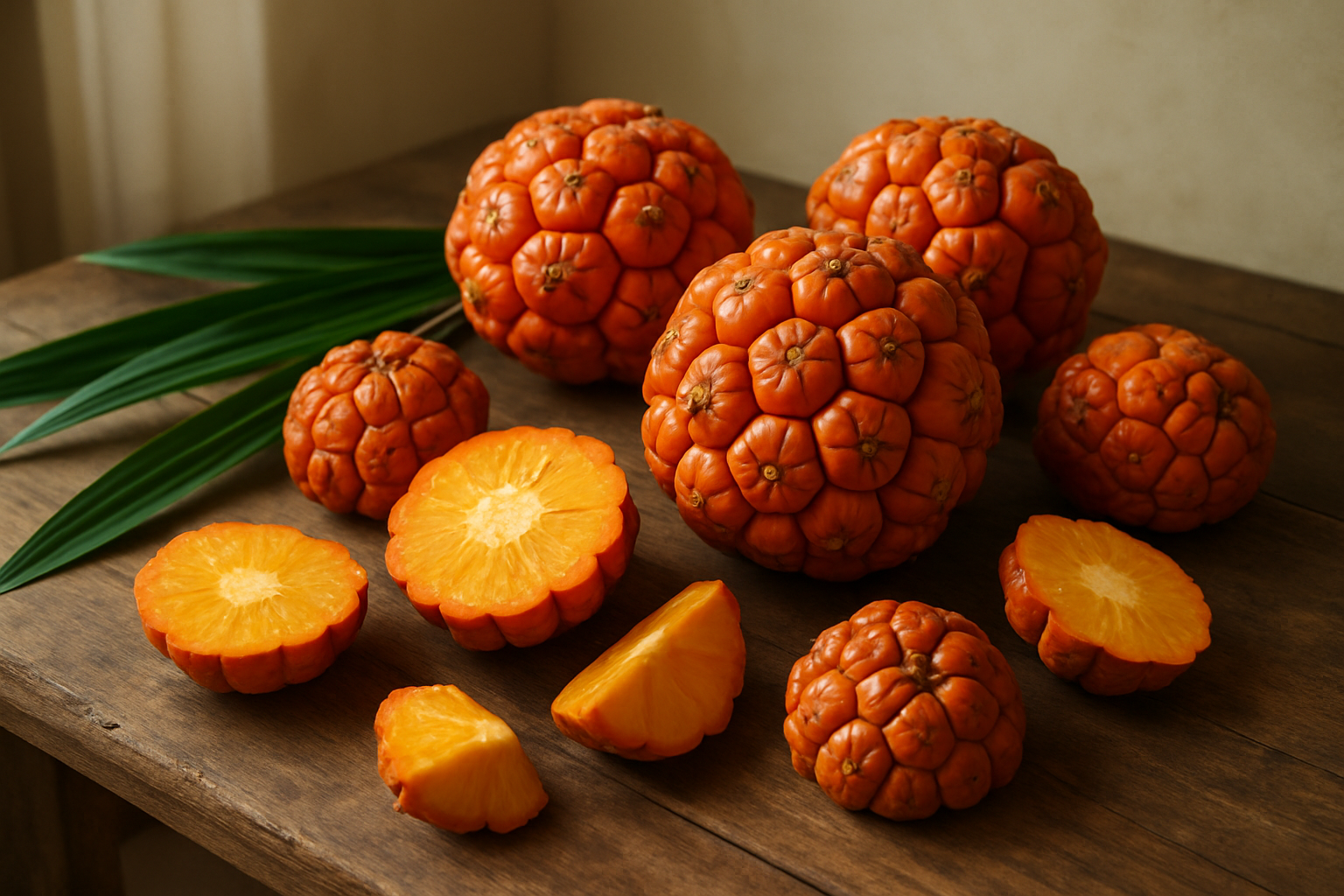
Pandanus fruit offers a fascinating blend of nutrition, flavor, and cultural significance that makes it worth exploring. From its impressive vitamin C content and antioxidant properties to its unique sweet-nutty taste that enhances both traditional and modern dishes, this tropical fruit brings something special to the table. The medicinal benefits, including anti-inflammatory properties and digestive support, add another layer of value to this remarkable plant.
If you're curious about trying pandanus fruit, start by visiting local Asian markets or specialty stores where you're most likely to find it fresh or processed. Remember to handle the fruit carefully during harvesting and preparation, as the plant's natural defenses can be quite sharp. Whether you're interested in the nutritional boost, the culinary adventure, or the potential health benefits, pandanus fruit represents an exciting opportunity to expand your palate and discover what tropical regions have cherished for generations.


.png)
Comments
Post a Comment