Pepino Melons - What Are Pepino Melons?
.png)
Have you ever spotted an unusual striped fruit at the grocery store and wondered what it was? Those eye-catching yellow and purple fruits are pepino melons, and they're not actually melons at all. This sweet, aromatic fruit belongs to the nightshade family and offers a unique flavor that's part melon, part cucumber with hints of vanilla.
This guide is perfect for curious fruit lovers, adventurous home cooks, and gardening enthusiasts who want to discover something new for their kitchen or backyard. We'll explore what pepino melons taste like and their impressive nutritional benefits, including their vitamin C content and antioxidant properties. You'll also learn practical tips for growing pepino melons at home, from selecting the right variety to caring for your plants throughout the growing season.
Understanding Pepino Melons and Their Unique Characteristics
Botanical Classification and Scientific Name
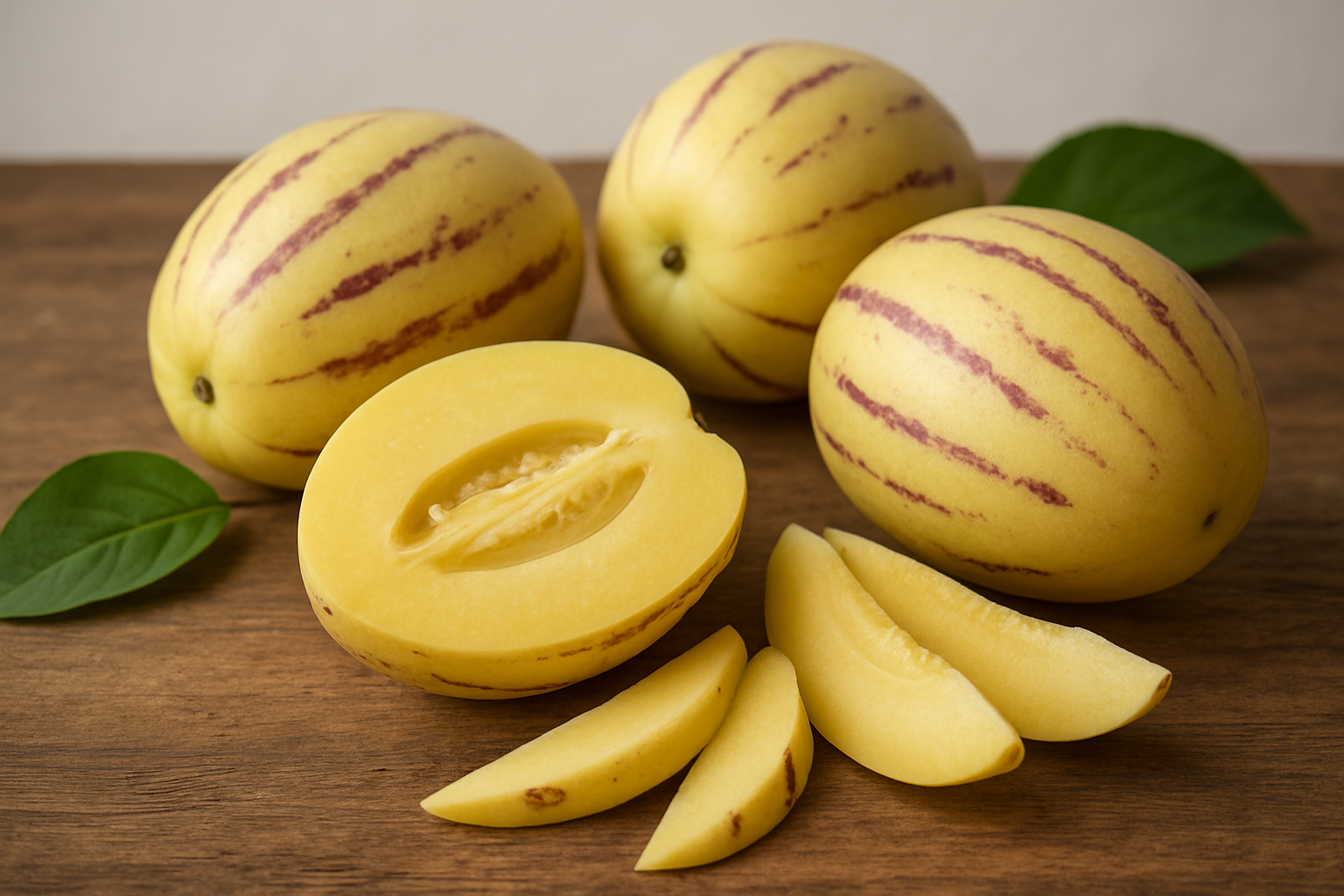
Pepino melons belong to the nightshade family (Solanaceae), sharing genetic ties with tomatoes, potatoes, and eggplants rather than traditional melons. The scientific name Solanum muricatum reveals this fascinating connection to vegetables we commonly eat. Despite the name "melon," pepino fruit actually develops from a flowering plant native to the Andes mountains, making it technically a berry rather than a true melon.
This classification explains why pepino melons grow on bushy plants with purple flowers, similar to their nightshade relatives. The plant produces fruit through a different botanical process than cucurbit melons like cantaloupe or honeydew, which grow on vining plants.
Physical Appearance and Distinctive Features
The pepino melon presents a striking appearance that makes it easily recognizable in markets and gardens. The fruit displays a creamy yellow to golden base color adorned with distinctive purple or violet stripes running longitudinally along its surface. These purple markings create an almost painted appearance, giving each fruit a unique pattern.
The skin feels smooth and thin, similar to a plum's texture, and often develops a slight waxy coating when fully ripe. Inside, the flesh ranges from pale yellow to cream-colored, with a soft, juicy texture comparable to a ripe pear. The center contains small, edible seeds arranged in a cavity, much like those found in tomatoes.
The fruit's shape varies from oval to heart-shaped, with some varieties appearing more rounded while others develop a slight teardrop form. The skin becomes slightly softer when ripe, yielding gently to pressure like a ripe avocado.
Size Variations and Typical Dimensions
Pepino melons come in several size categories depending on the variety and growing conditions. Standard varieties typically measure 3-5 inches in length and 2-4 inches in diameter, weighing between 4-8 ounces. These medium-sized fruits fit comfortably in your palm and provide a substantial snacking portion.
Larger varieties can reach impressive dimensions of up to 6 inches long and weigh over a pound, making them suitable for sharing or incorporating into family meals. Miniature cultivars produce bite-sized fruits measuring just 2-3 inches, perfect for garnishes or children's snacks.
The size often correlates with flavor intensity, with medium-sized fruits generally offering the best balance of sweetness and texture. Environmental factors like temperature, water availability, and soil quality significantly influence final fruit size.
Flavor Profile and Taste Comparison to Other Fruits
The pepino melon taste combines elements from several familiar fruits, creating a unique and refreshing flavor experience. Most people describe the taste as a blend of cantaloupe and cucumber, with subtle hints of honeydew melon and pear. The sweetness level falls somewhere between a mild cantaloupe and a ripe pear, making it less intensely sweet than many tropical fruits.
The texture contributes significantly to the eating experience. The flesh feels crisp and juicy initially, similar to a cucumber, but becomes softer and more melon-like as you chew. This dual texture creates an interesting contrast that many find appealing.
| Flavor Component | Similar To | Intensity |
|---|---|---|
| Sweetness | Mild cantaloupe | Medium-low |
| Refreshing quality | Cucumber | High |
| Tropical notes | Honeydew | Subtle |
| Texture | Ripe pear | Variable |
Some varieties lean more toward the cucumber end of the spectrum, offering a crisp, refreshing bite with minimal sweetness. Others develop stronger melon characteristics, providing more pronounced sweetness and softer flesh. The ripeness level dramatically affects flavor intensity, with fully ripe fruits offering the most complex and satisfying taste profile.
Origins and Growing Regions of Pepino Melons
.png)
Native Habitat and Historical Cultivation
Pepino melons trace their roots back to the high altitudes of the Andean mountains, primarily in Peru and Ecuador. These remarkable fruits have been cultivated by indigenous communities for over 1,000 years, with archaeological evidence suggesting the ancient Incas and pre-Columbian civilizations prized pepino fruit for both its sweet flavor and nutritional value. The plant thrived in the cool, mountainous regions between 1,000 to 3,000 meters above sea level, where the moderate temperatures and well-drained soils created perfect growing conditions.
Spanish conquistadors discovered these unusual fruits during their exploration of South America and eventually introduced them to other parts of the world. The pepino melon's journey from its Andean homeland began in the 16th century when seeds traveled across oceans to Mediterranean regions, where the climate proved surprisingly suitable for cultivation.
Ancient cultivation methods involved terraced farming techniques that maximized the plant's potential in mountainous terrain. Indigenous farmers developed sophisticated irrigation systems and understood the importance of protecting the plants from extreme temperature fluctuations, knowledge that remains valuable for modern pepino melon care.
Current Major Production Areas Worldwide
Today's pepino melon production has expanded far beyond its South American origins, with several countries emerging as significant commercial growers. Chile leads global production, taking advantage of its diverse climate zones and established agricultural infrastructure. The country's central valleys provide ideal conditions for large-scale cultivation, making Chilean pepino melons a common sight in international markets.
New Zealand has become another major player in pepino fruit production, with growers capitalizing on the country's temperate climate and long growing seasons. The volcanic soils of New Zealand's North Island create particularly favorable conditions for developing the fruit's characteristic sweet taste.
| Region | Production Volume | Key Growing Areas | Export Markets |
|---|---|---|---|
| Chile | High | Central valleys | Europe, North America |
| New Zealand | Medium-High | North Island | Asia, Australia |
| Turkey | Medium | Mediterranean coast | Middle East, Europe |
| Peru | Medium | Coastal valleys | United States, Europe |
Turkey's Mediterranean coastline has proven excellent for pepino cultivation, with growers taking advantage of the mild winters and warm summers. The country has steadily increased its production capacity, focusing on both domestic consumption and export opportunities.
California and parts of Australia have also developed successful pepino growing operations, though on a smaller scale compared to the major producers. These regions benefit from Mediterranean-type climates that closely mimic the fruit's preferred growing conditions.
Climate Requirements for Optimal Growth
Growing pepino melons successfully requires understanding their specific climate preferences, which stem from their Andean heritage. These plants thrive in temperatures ranging from 60°F to 80°F (15°C to 27°C), making them sensitive to both extreme heat and freezing conditions. The ideal climate combines warm days with cool nights, allowing the fruit to develop its distinctive flavor profile and attractive purple striping.
Pepino plants need consistent moisture but cannot tolerate waterlogged conditions. Annual rainfall between 20 to 40 inches works well, though irrigation can supplement natural precipitation in drier regions. The plants prefer humidity levels around 60-70%, which helps prevent common issues like fruit cracking and poor pollination.
Wind protection becomes crucial for optimal pepino melon care, as strong winds can damage the delicate branches and reduce fruit set. Many successful growers use windbreaks or protected cultivation methods, especially in exposed locations.
Frost presents the greatest threat to pepino cultivation, as temperatures below 32°F (0°C) will kill the plants. This sensitivity limits outdoor growing seasons in many temperate regions, though greenhouse cultivation has opened up possibilities in cooler climates. The growing season typically spans 120 to 150 days from transplanting to harvest, requiring careful timing to avoid early or late-season cold snaps.
Soil requirements include well-draining conditions with a pH between 6.0 and 7.5. Poor drainage leads to root rot and other fungal issues, while extremely alkaline soils can cause nutrient deficiencies that affect fruit quality and plant health.
Nutritional Benefits and Health Properties
Essential Vitamins and Mineral Content
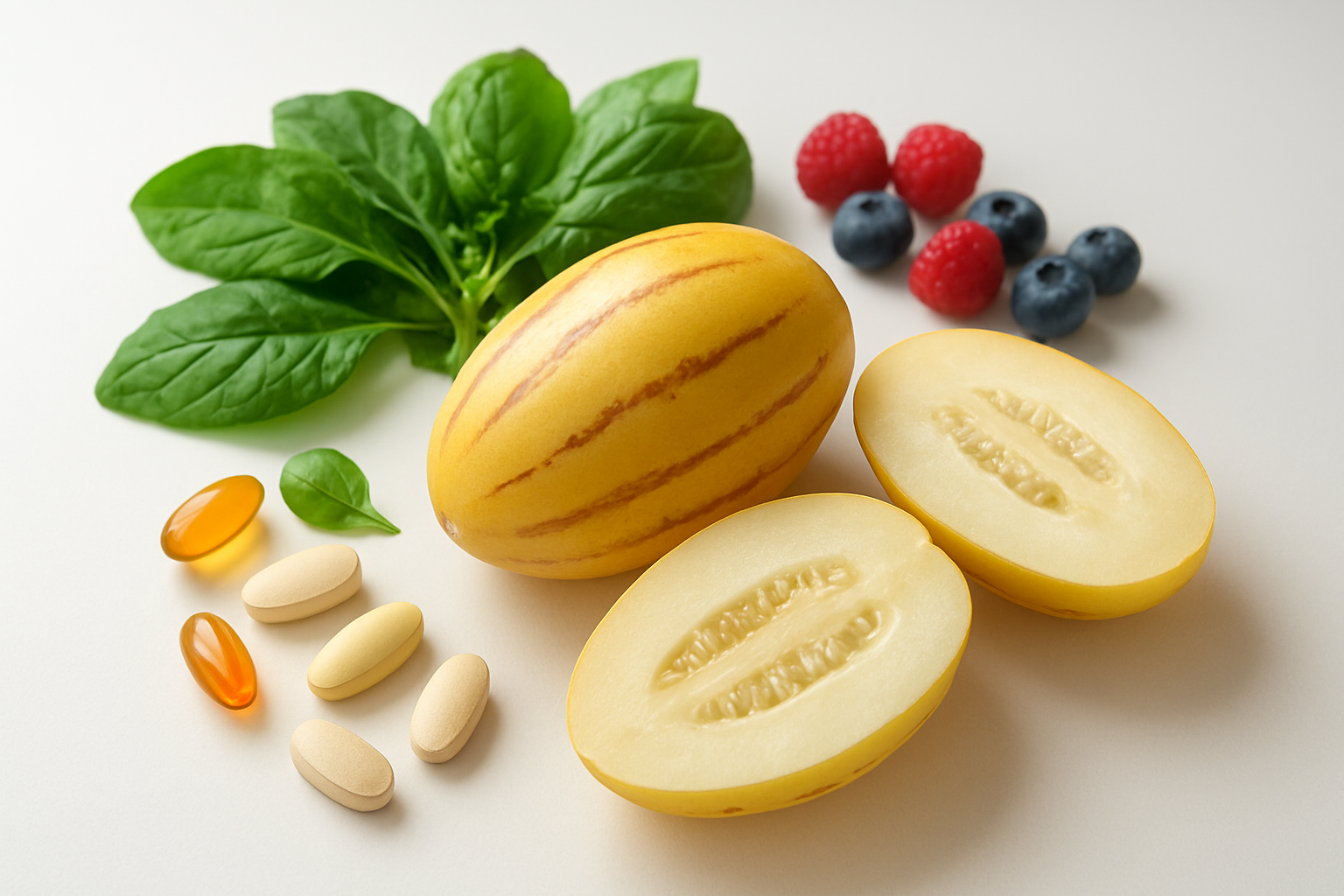
Pepino melons pack an impressive nutritional punch that might surprise you. These golden fruits are loaded with vitamin C, delivering about 35mg per 100 grams - that's roughly 40% of your daily recommended intake. This vitamin C content rivals many citrus fruits, making pepino fruit an excellent choice for meeting your daily needs.
The vitamin A content in pepino melons supports eye health and immune function, while B-complex vitamins like folate and niacin help your body convert food into energy. You'll also find decent amounts of potassium, which plays a crucial role in heart health and blood pressure regulation. Iron content, though modest, contributes to healthy blood cell production.
Antioxidant Properties and Disease Prevention
The pepino melon benefits extend far beyond basic nutrition thanks to powerful antioxidants. These compounds fight free radicals in your body, which can damage cells and contribute to chronic diseases. Beta-carotene gives pepino melons their golden hue while providing protection against oxidative stress.
Phenolic compounds found in pepino fruit have anti-inflammatory properties that may help reduce the risk of heart disease and certain cancers. Research suggests that regular consumption of antioxidant-rich foods like pepino melons can support long-term health and may slow down aging processes at the cellular level.
Low Calorie Content for Weight Management
With only about 22 calories per 100 grams, pepino melon nutrition makes it a smart choice for weight-conscious individuals. The high water content - approximately 92% - helps you feel full while keeping calories low. This natural sweetness can satisfy sugar cravings without derailing your healthy eating goals.
The natural sugars in pepino melons are balanced with fiber, which helps prevent blood sugar spikes. This makes them a better option than many processed snacks when you're trying to manage your weight or maintain steady energy levels throughout the day.
Digestive Health Benefits
Pepino melons contain dietary fiber that supports healthy digestion and regular bowel movements. The high water content also helps prevent constipation and keeps your digestive system running smoothly. The natural enzymes present in fresh pepino fruit can aid in breaking down proteins and improving nutrient absorption.
The gentle nature of pepino melons makes them easy on sensitive stomachs, unlike some acidic fruits. This makes them an excellent choice for people dealing with digestive issues or those recovering from illness.
Immune System Support Capabilities
The combination of vitamin C, vitamin A, and antioxidants in pepino melons creates a powerful immune-boosting package. Vitamin C stimulates white blood cell production, your body's primary defense against infections and diseases. Meanwhile, vitamin A maintains the integrity of your skin and mucous membranes - your first line of defense against pathogens.
The anti-inflammatory compounds help reduce chronic inflammation, which can weaken immune function over time. Regular consumption of pepino melons as part of a balanced diet can help keep your immune system strong and responsive to threats.
How to Select and Store Pepino Melons
Visual indicators of ripeness and quality
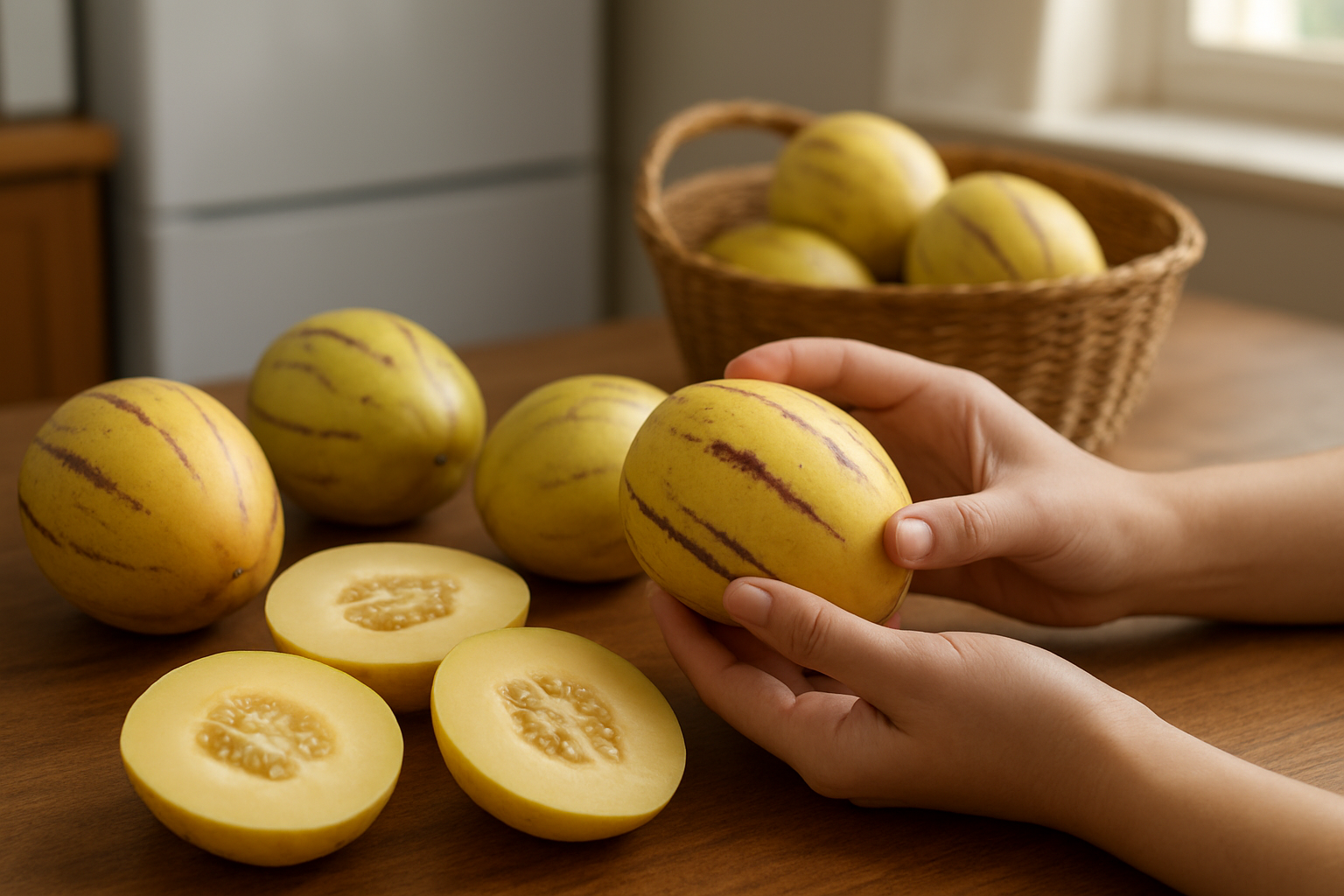
When shopping for pepino melons, look for fruits with vibrant yellow-golden skin decorated with distinctive purple or violet stripes. The best pepino fruit will have a smooth, unblemished surface that gives slightly when you press it gently with your thumb - similar to how you'd test a ripe peach. Avoid fruits with dark spots, wrinkled skin, or soft patches that indicate overripeness or damage.
The aroma provides another reliable quality indicator. A ripe pepino melon will emit a sweet, fragrant scent near the stem end. If there's no detectable fragrance, the fruit likely needs more time to ripen. Conversely, an overly strong or fermented smell suggests the fruit has passed its prime.
Size and weight matter too. Select pepino melons that feel heavy for their size, indicating good moisture content and flesh density. The typical fruit ranges from egg-sized to slightly larger than a softball, depending on the variety. The skin should have a waxy appearance with clearly defined purple striping - faded or indistinct markings often signal an underripe fruit.
Proper storage techniques for maximum freshness
Pepino melons require different storage approaches depending on their ripeness level when purchased. Unripe fruits should remain at room temperature, away from direct sunlight, to complete the ripening process. Place them in a paper bag with a banana or apple to speed up ripening through natural ethylene gas production.
Once ripe, transfer your pepino melons to the refrigerator's crisper drawer. The ideal storage temperature ranges between 45-50°F with moderate humidity levels. Wrap individual fruits loosely in perforated plastic bags or store them in ventilated containers to maintain proper air circulation while preventing moisture loss.
Never store pepino melons near strong-smelling foods like onions or garlic, as they readily absorb odors that can affect their delicate flavor profile. Keep them separate from ethylene-producing fruits like bananas and tomatoes once ripe, as continued exposure can lead to overripening and spoilage.
Shelf life expectations at room temperature and refrigerated
At room temperature, ripe pepino melons typically maintain peak quality for 2-3 days. Unripe fruits may take 3-7 days to reach optimal ripeness when stored properly at room temperature, depending on their initial maturity level when purchased.
Refrigerated pepino melons can stay fresh for 5-7 days when stored correctly. The cool temperature significantly slows down the ripening process and helps preserve the fruit's crisp texture and sweet flavor. Cut pepino melon pieces should be consumed within 2-3 days and stored in airtight containers in the refrigerator.
| Storage Method | Ripeness Level | Expected Shelf Life |
|---|---|---|
| Room Temperature | Unripe | 3-7 days to ripen |
| Room Temperature | Ripe | 2-3 days |
| Refrigerated | Ripe | 5-7 days |
| Refrigerated (cut) | Any | 2-3 days |
Monitor your stored pepino melons regularly for signs of deterioration, including soft spots, browning, or off-odors, and consume them promptly when they reach peak ripeness for the best pepino melon taste experience.
Culinary Uses and Preparation Methods
Raw Consumption Techniques and Serving Suggestions
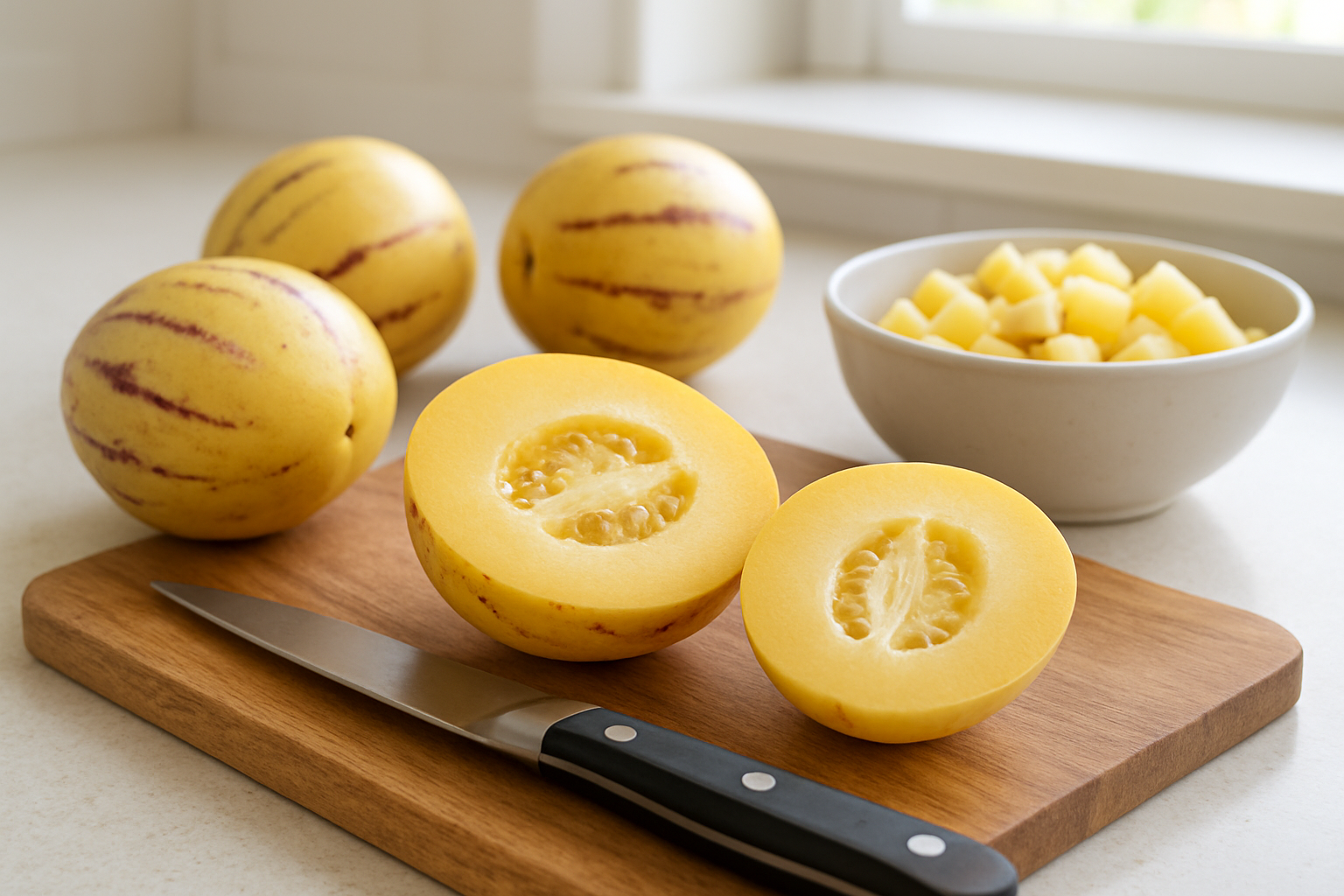
Eating pepino melon raw is the most popular way to enjoy this sweet, refreshing fruit. The pepino melon taste combines honeydew melon sweetness with cucumber freshness, making it perfect for immediate consumption. Simply slice the fruit in half, scoop out the small seeds from the center cavity, and eat the flesh with a spoon, similar to how you'd enjoy a cantaloupe.
For a more elegant presentation, peel the thin skin and cut the flesh into cubes or wedges. The edible skin doesn't require removal, but some people prefer the texture without it. Add pepino melon chunks to fruit salads, where they pair beautifully with berries, grapes, and tropical fruits. The mild flavor won't overpower other ingredients, making it an excellent addition to mixed fruit bowls.
Pepino melons work wonderfully in breakfast parfaits layered with yogurt and granola. You can also slice them into rings or half-moons for an attractive garnish on cheese plates or charcuterie boards. The fruit's natural sweetness makes it a healthy dessert option when served chilled on hot summer days.
Cooking Applications and Recipe Incorporation
While pepino melons shine when eaten fresh, they also adapt well to various cooking methods. Light sautéing brings out their natural sugars while maintaining their tender texture. Add diced pepino melon to stir-fries during the final minutes of cooking for a sweet surprise element.
The fruit works exceptionally well in salsas, especially when combined with tomatoes, onions, and cilantro. This creates a unique twist on traditional salsa that complements grilled fish or chicken perfectly. Pepino melons can be juiced and used in smoothies, cocktails, or as a base for refreshing agua frescas.
Baking applications include incorporating diced pepino melon into muffins, quick breads, or fruit tarts. The fruit holds its shape reasonably well during gentle cooking processes. You can also make pepino melon chutney by combining the fruit with vinegar, spices, and onions, creating a condiment that pairs wonderfully with roasted meats.
For beverages, blend pepino melon with lime juice and mint for refreshing summer drinks. The fruit's high water content makes it excellent for creating natural, hydrating beverages without added sugars.
Pairing Recommendations with Other Ingredients
Pepino melons complement both sweet and savory ingredients remarkably well. In sweet applications, they pair beautifully with citrus fruits like lime, lemon, and orange, which enhance their natural flavor profile. Berries, particularly strawberries and blueberries, create colorful and flavorful combinations.
For savory pairings, pepino melons work wonderfully with fresh herbs like mint, basil, and cilantro. The fruit's mild sweetness balances the intensity of these herbs perfectly. Soft cheeses such as goat cheese, ricotta, and mascarpone provide creamy textures that complement the melon's crisp flesh.
Protein pairings include prosciutto, smoked salmon, and grilled chicken. The fruit's refreshing quality cuts through rich, fatty proteins while adding natural sweetness to savory dishes. Nuts like pistachios, almonds, and pine nuts provide textural contrast and enhance the overall flavor experience.
Spice pairings include ginger, cinnamon, and cardamom for sweet preparations, while jalapeños, black pepper, and sea salt work well in savory applications. Balsamic vinegar and olive oil create simple yet elegant dressings that highlight the fruit's natural characteristics.
Creative Presentation Ideas for Meals
Transform ordinary meals with creative pepino melon presentations that showcase the fruit's versatility. Hollow out larger pepino melons to create natural serving bowls for fruit salads or cold soups. The shells make attractive and edible containers that reduce waste while adding visual appeal.
Create pepino melon carpaccio by slicing the fruit paper-thin and arranging it on plates with drizzles of honey, lime juice, and chopped herbs. This elegant presentation works as an appetizer or palate cleanser between courses. For entertaining, prepare pepino melon skewers alternating with cheese cubes, cherry tomatoes, and fresh herbs.
Frozen pepino melon pieces make excellent ice cubes for water, cocktails, or punches. As they melt, they infuse drinks with subtle sweetness and beautiful color. You can also create pepino melon "noodles" using a spiralizer, which work wonderfully in cold salads or as a garnish for soups.
For dessert presentations, arrange pepino melon slices in fan patterns on plates, dust with powdered sugar, and garnish with mint leaves. Create colorful fruit towers by stacking different sized pepino melon rounds with other complementary fruits. These presentations work particularly well for special occasions or when you want to showcase this unique fruit to guests unfamiliar with pepino melons.
Growing Pepino Melons in Home Gardens
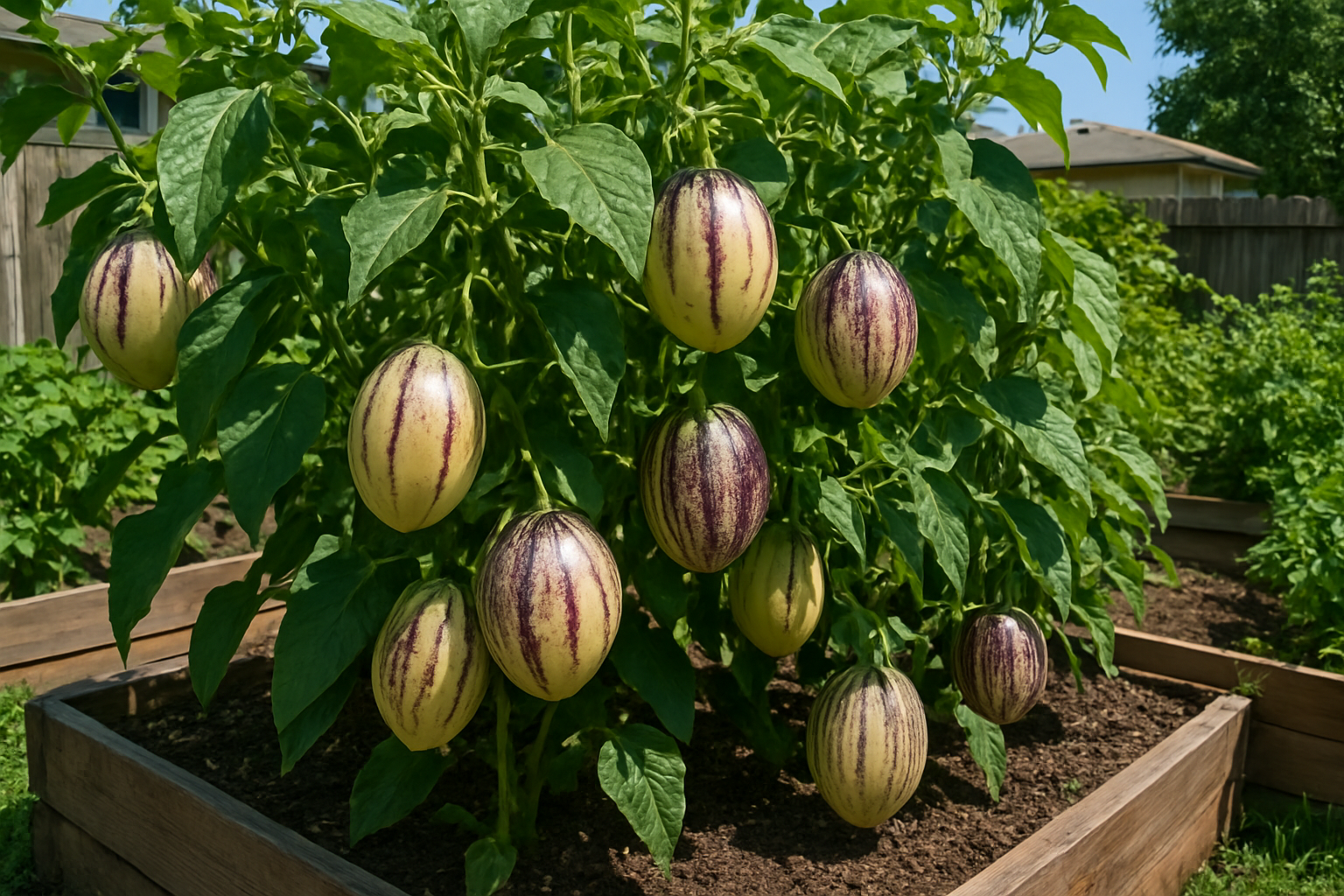
Soil Preparation and Planting Requirements
Pepino melons thrive in well-draining, fertile soil with a pH between 6.0 and 7.0. Before planting, work organic compost or aged manure into the soil to improve texture and nutrient content. These plants prefer loose, sandy-loam soil that allows proper root development and prevents waterlogging.
Choose a sunny location with at least 6-8 hours of direct sunlight daily. Pepino melons are frost-sensitive, so start seeds indoors 8-10 weeks before the last expected frost date. Maintain soil temperature between 65-75°F for optimal germination.
When transplanting seedlings outdoors, space plants 2-3 feet apart in rows separated by 4-5 feet. This spacing allows adequate air circulation and room for the sprawling growth habit. Plant after soil temperature consistently reaches 60°F and all danger of frost has passed.
Consider installing support structures like trellises or cages, as pepino melon plants can reach 3-4 feet in height and benefit from vertical support to keep fruits off the ground.
Watering and Fertilization Schedules
Growing pepino melons successfully requires consistent moisture management without overwatering. Water deeply 1-2 times per week, providing approximately 1 inch of water including rainfall. Check soil moisture by inserting your finger 2 inches deep – water when the top layer feels dry but soil beneath remains slightly moist.
Avoid overhead watering to prevent fungal diseases. Instead, use drip irrigation or water at the base of plants. Mulch around plants with organic materials like straw or wood chips to retain moisture and regulate soil temperature.
For fertilization, apply a balanced 10-10-10 fertilizer every 4-6 weeks during the growing season. When fruits begin forming, switch to a lower-nitrogen, higher-phosphorus fertilizer to promote fruit development over excessive foliage growth. Side-dress plants with compost monthly to maintain soil fertility.
During hot summer months, increase watering frequency but reduce the amount per session to prevent root rot while keeping plants hydrated.
Common Pest Management Strategies
Several pests can affect pepino melon plants, but most issues are manageable with proper monitoring and intervention. Aphids are among the most common problems, clustering on young shoots and leaf undersides. Remove them with a strong water spray or apply insecticidal soap weekly until populations decline.
Spider mites thrive in hot, dry conditions and cause stippled, yellowing leaves. Increase humidity around plants through regular misting and ensure adequate watering. Predatory mites or neem oil applications can control severe infestations.
Whiteflies may appear as tiny, white flying insects when plants are disturbed. Yellow sticky traps placed near plants help monitor and reduce populations. Encourage beneficial insects like ladybugs and lacewings by planting companion flowers such as marigolds or nasturtiums.
Cutworms can damage young transplants by cutting stems at soil level. Create protective collars using cardboard or aluminum foil around newly planted seedlings. Handpicking adult beetles in the evening when they're most active also helps control populations.
Regular inspection of plants allows early detection of pest problems before they become severe. Remove damaged or diseased plant material promptly to prevent pest attraction and disease spread.
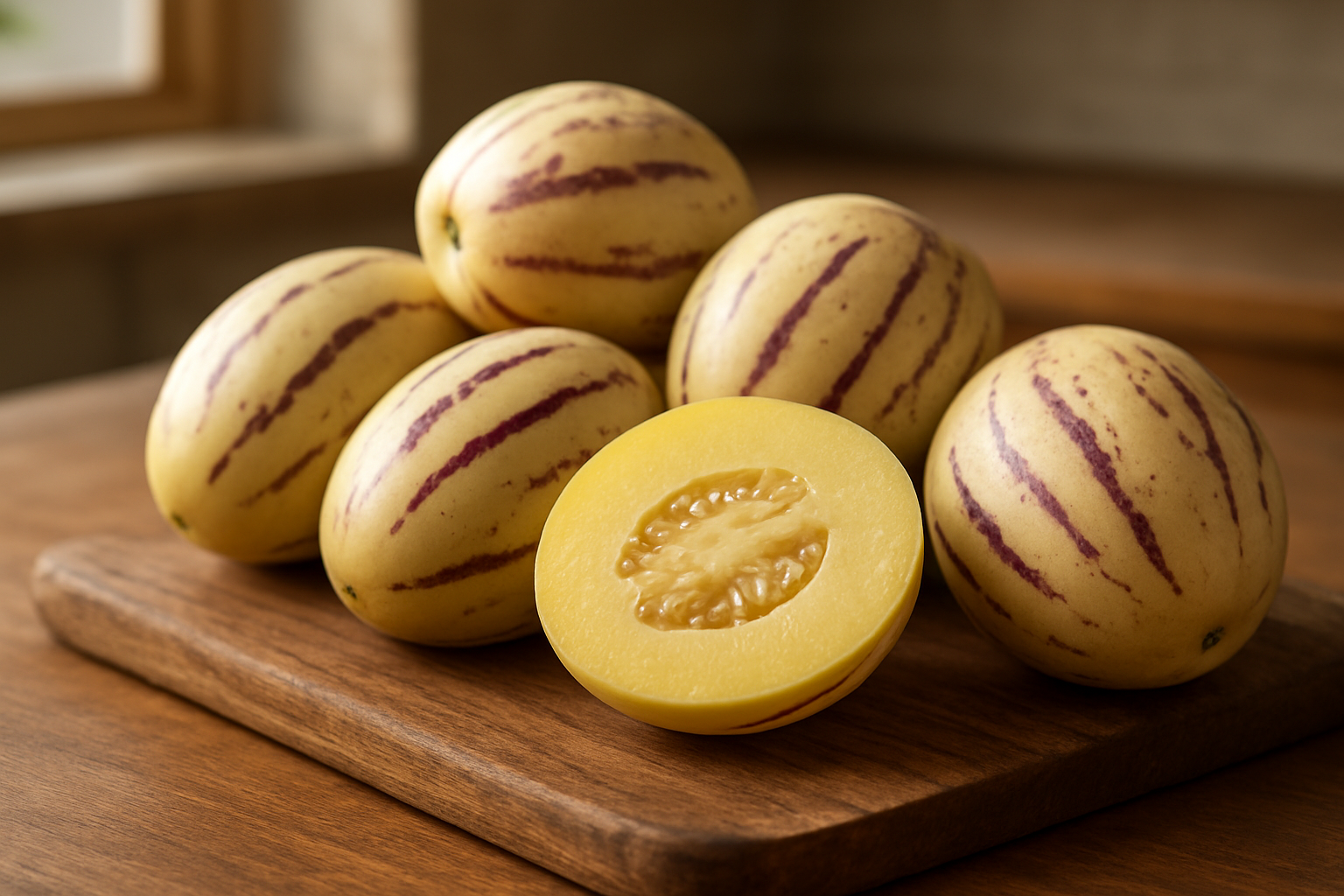
Pepino melons bring something special to the table with their sweet, mild flavor and impressive nutritional profile. These South American natives pack plenty of vitamin C, fiber, and antioxidants while staying low in calories. Their versatility shines whether you eat them fresh like an apple, blend them into smoothies, or add them to fruit salads for a unique twist.
Ready to give pepino melons a try? Look for fruits with golden-yellow skin and purple stripes at your local specialty grocery store or farmer's market. If you're feeling adventurous, consider growing your own – they're surprisingly easy to cultivate in warm climates and can even thrive in containers. Once you discover their refreshing taste and health benefits, pepino melons might just become your new favorite exotic fruit.


Comments
Post a Comment