Prickly Pear - What's The Prickly Pear Cactus Fruit?
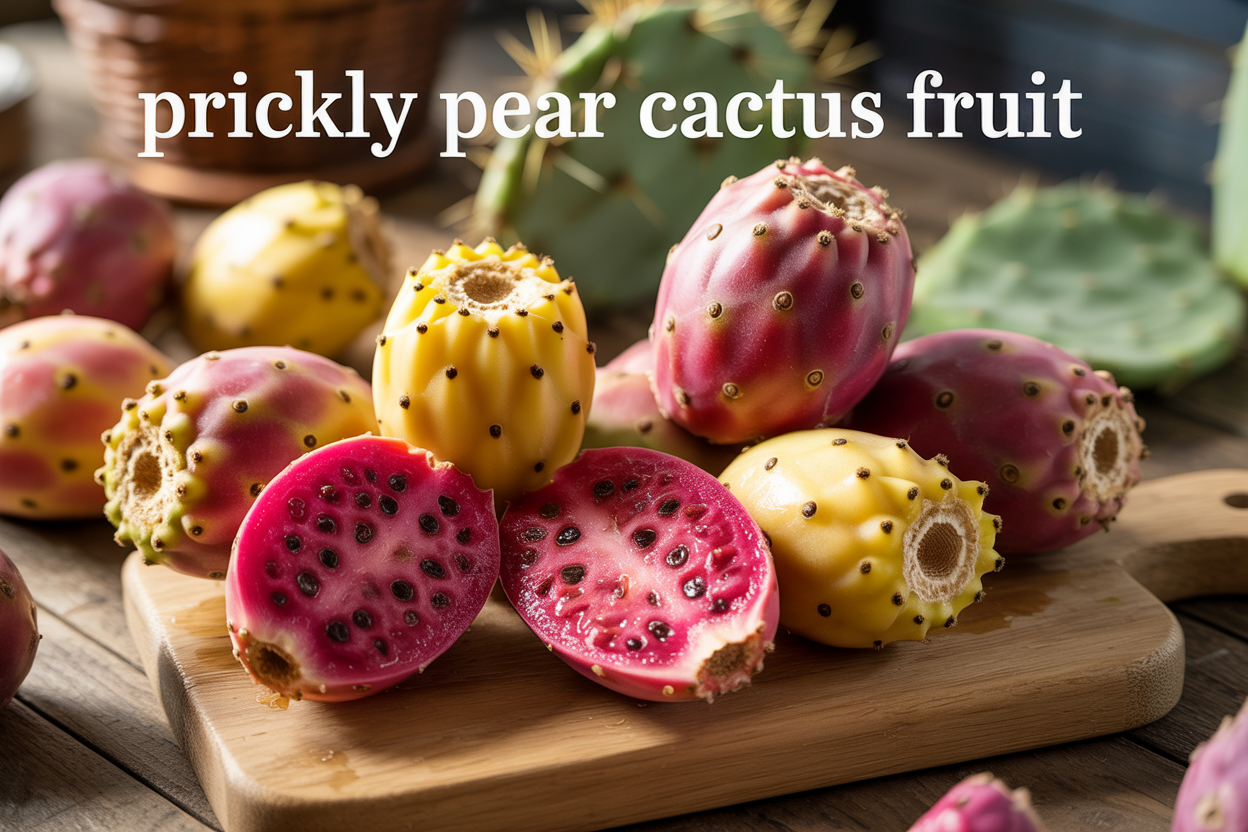
The prickly pear cactus produces one of nature's most intriguing fruits that's packed with surprising benefits and flavor. This vibrant prickly pear fruit, also known as opuntia fruit, grows on paddle-shaped cacti across desert regions and has been a nutritious food source for centuries.
This guide is perfect for health-conscious food lovers, curious home cooks, and anyone wanting to explore unique superfoods that offer real wellness benefits.
We'll dive into the impressive prickly pear nutrition profile and cactus fruit benefits that make this desert gem a nutritional powerhouse. You'll also discover what prickly pear taste actually is like and get practical tips on how to eat prickly pear safely, plus learn prickly pear where to buy quality fruit for your own kitchen adventures.
Discover the Prickly Pear Cactus and Its Remarkable Fruit
Identify the Origins and Natural Habitat of Prickly Pear Cacti
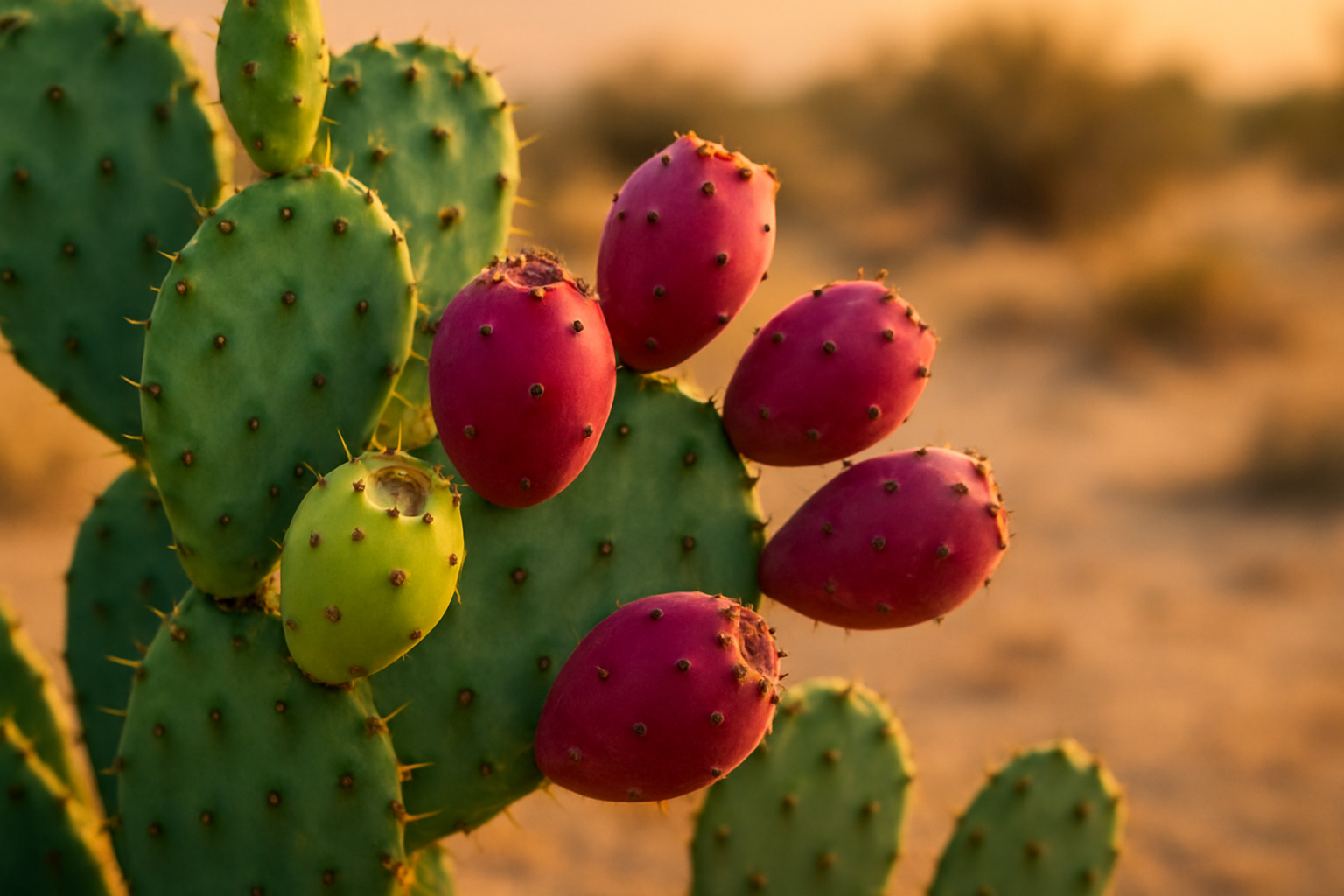
The prickly pear cactus calls the Americas home, with its roots stretching back millions of years across diverse landscapes from Canada down to Argentina. These remarkable plants first evolved in what's now Mexico and gradually spread throughout North and South America, adapting to everything from desert floors to tropical coastlines.
You'll find prickly pear cacti thriving in some pretty harsh environments where most plants wouldn't stand a chance. They love arid and semi-arid regions, rocky hillsides, sandy plains, and even coastal areas where salt spray would kill other vegetation. The southwestern United States, Mexico, and parts of Central America host the greatest diversity of species, but these tough plants have also made themselves at home in the Mediterranean, Australia, and parts of Africa after being introduced by humans.
What makes these cacti so successful is their ability to handle extreme temperature swings, from scorching desert heat to surprisingly cold winters. Some varieties can actually survive freezing temperatures, which is pretty amazing for a cactus. They're not picky about soil either - whether it's sandy, rocky, or clay-heavy, prickly pears find a way to thrive as long as drainage is decent.
Learn the Scientific Classification and Common Names
The prickly pear cactus belongs to the genus Opuntia, which is part of the larger cactus family Cactaceae. Scientists have identified over 200 species within this genus, making it one of the most diverse cactus groups on the planet. The most common species you'll encounter include Opuntia ficus-indica (also called Indian fig), Opuntia humifusa (eastern prickly pear), and Opuntia engelmannii (Engelmann's prickly pear).
Common names for these plants vary by region:
-
Prickly pear (most widespread name)
-
Indian fig or Barbary fig
-
Nopal (Spanish term, widely used in Mexico and southwestern US)
-
Paddle cactus
-
Bunny ears cactus
-
Mission cactus
The prickly pear fruit goes by different names too - you might hear it called tuna (in Spanish-speaking areas), cactus fig, cactus pear, or simply opuntia fruit. These names often reflect the cultural significance of the plant in different regions where it grows naturally or has been cultivated for centuries.
Recognize the Physical Characteristics of the Plant and Fruit
Prickly pear cacti are instantly recognizable thanks to their distinctive flat, paddle-shaped segments called cladodes or nopales. These green "pads" can range from small oval shapes about the size of your hand to massive plates over a foot long. The surface is covered with areoles - small, raised spots that produce both the infamous spines and tiny, hair-like glochids that are even trickier to remove from your skin.
The plants can grow anywhere from low ground-hugging mats just a few inches tall to towering specimens reaching 10 feet or more. Most species form clumps or colonies as new pads grow from existing ones, creating impressive displays across the landscape.
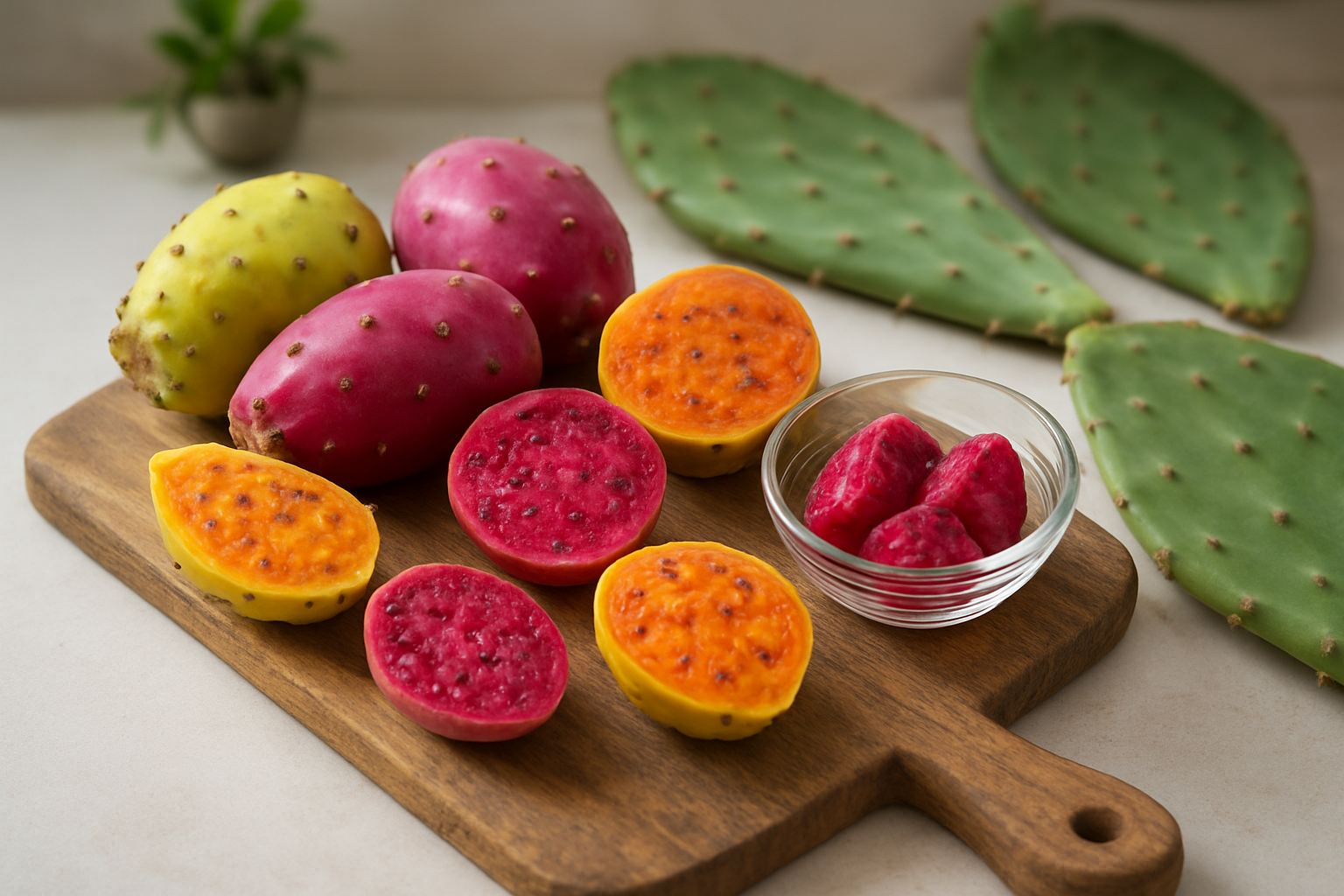
The prickly pear fruit develops from bright, showy flowers that bloom along the edges of the pads. These fruits are actually berries that come in a rainbow of colors:
| Fruit Color | Common Varieties | Size Range |
|---|---|---|
| Deep red/purple | O. ficus-indica, O. engelmannii | 2-4 inches |
| Bright magenta | O. basilaris, O. phaeacantha | 1-3 inches |
| Yellow/orange | O. humifusa, O. fragilis | 1-2 inches |
| Green | Some O. ficus-indica varieties | 2-4 inches |
The cactus fruit has a thick, waxy skin studded with small areoles that may contain glochids (those tiny spines that get under your skin). Inside, you'll find juicy pulp packed with small, hard seeds and a flavor that's often described as a cross between watermelon and bubble gum, with subtle floral notes that make each bite interesting.
Unlock the Nutritional Powerhouse of Prickly Pear Fruit
Explore Essential Vitamins and Minerals Content
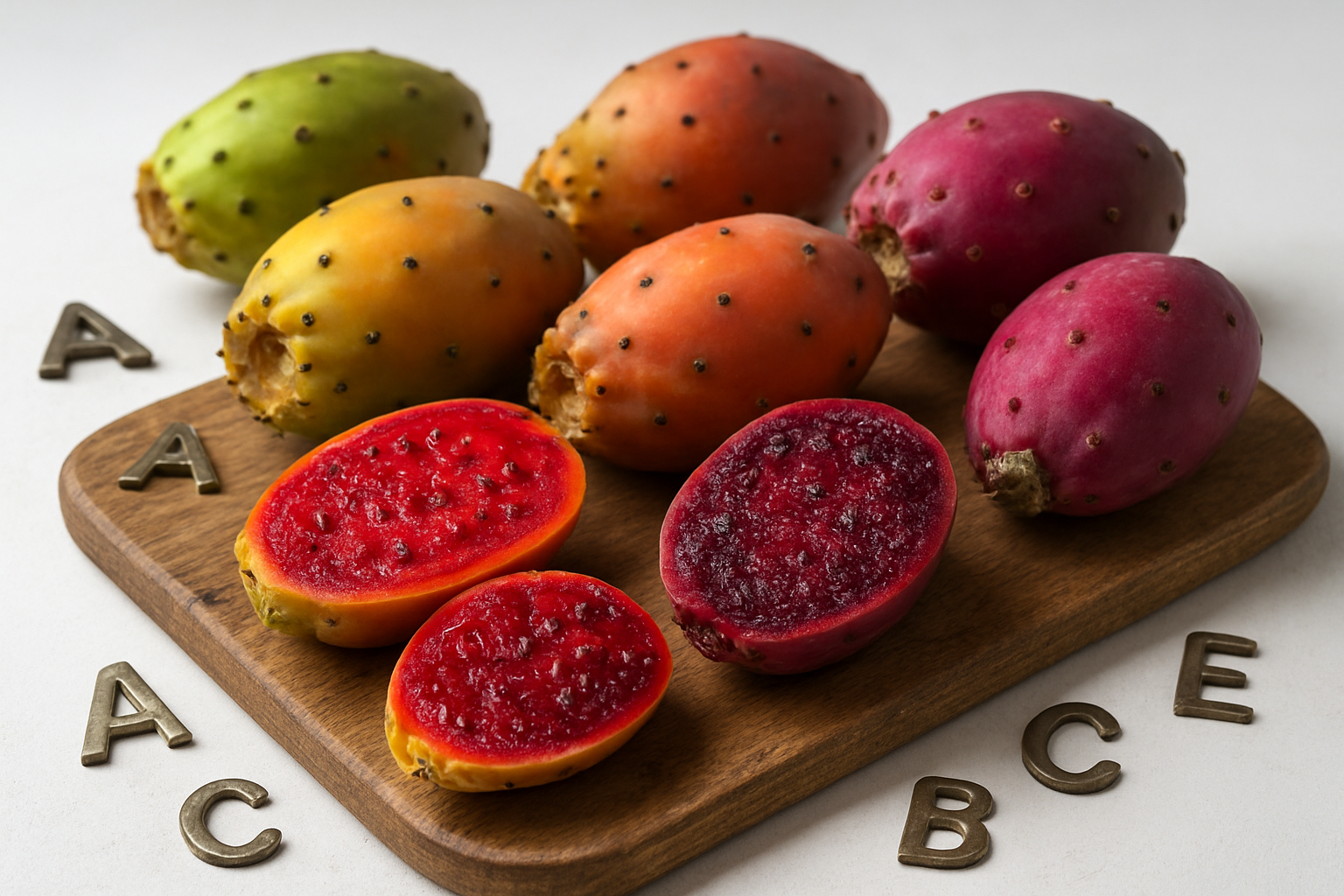
Prickly pear fruit delivers an impressive array of essential nutrients that make it a true nutritional standout. This vibrant cactus fruit contains substantial amounts of vitamin C, providing about 35% of your daily needs in just one cup. The vitamin C content actually rivals many citrus fruits, making prickly pear nutrition particularly valuable for immune system support and collagen production.
The mineral profile of prickly pear cactus fruit is equally remarkable. Magnesium takes center stage, supporting muscle function, nerve health, and bone strength. You'll also find significant amounts of potassium, which plays a crucial role in heart health and blood pressure regulation. Calcium and phosphorus round out the major minerals, contributing to bone density and cellular energy production.
What sets this opuntia fruit apart is its concentration of B-vitamins, particularly folate and vitamin B6. These nutrients are essential for brain function, red blood cell formation, and DNA synthesis. Iron content helps prevent anemia, while zinc supports wound healing and immune function.
The bioavailability of these nutrients in prickly pear fruit is particularly high due to the fruit's natural water content and cellular structure, meaning your body can absorb and use these vitamins and minerals more effectively than from many other plant sources.
Discover High Antioxidant Levels and Anti-inflammatory Properties
The antioxidant profile of prickly pear fruit is truly extraordinary, containing compounds that rival superfoods like blueberries and pomegranates. Betalains give the fruit its distinctive red-purple color and provide powerful antioxidant protection against cellular damage. These unique pigments are rare in the plant kingdom and offer anti-inflammatory benefits that can help reduce chronic disease risk.
Flavonoids like quercetin and kaempferol work alongside vitamin E to create a comprehensive antioxidant defense system. These compounds neutralize harmful free radicals that contribute to aging, cancer, and cardiovascular disease. The synergistic effect of multiple antioxidants in prickly pear cactus creates a more potent protective effect than isolated compounds.
Research shows that the anti-inflammatory properties of prickly pear fruit can help reduce markers of inflammation in the body, particularly beneficial for people dealing with arthritis, metabolic syndrome, or chronic inflammatory conditions. The fruit's natural compounds work at the cellular level to modulate inflammatory pathways without the side effects associated with pharmaceutical anti-inflammatory drugs.
Regular consumption of this cactus fruit has been linked to reduced oxidative stress and improved cellular repair mechanisms, making it a valuable addition to any anti-aging or disease prevention strategy.
Understand Fiber Content and Digestive Benefits
Prickly pear fruit excels as a source of both soluble and insoluble fiber, with about 5 grams per cup serving. This dual-fiber content creates multiple digestive benefits that support overall gut health and metabolic function. The soluble fiber forms a gel-like substance that helps slow sugar absorption, making prickly pear nutrition particularly valuable for blood sugar management.
Insoluble fiber adds bulk to stool and promotes regular bowel movements, helping prevent constipation and supporting colon health. The pectin content in prickly pear cactus fruit acts as a prebiotic, feeding beneficial gut bacteria and promoting a healthy microbiome balance.
The mucilaginous properties of the fruit create a soothing effect on the digestive tract, potentially helping with conditions like gastritis or inflammatory bowel issues. This natural gel-like substance coats the stomach lining and can help protect against acid damage while supporting healing of minor digestive irritation.
Studies suggest that the fiber in opuntia fruit may help lower cholesterol levels by binding to bile acids and promoting their elimination. This process forces the body to use cholesterol to produce new bile acids, effectively reducing overall cholesterol levels.
Learn About Natural Electrolytes and Hydration Support
The electrolyte composition of prickly pear fruit makes it an excellent natural hydration booster, particularly valuable for active individuals or those living in hot climates. The fruit naturally contains balanced amounts of potassium, sodium, and magnesium - the key electrolytes your body needs for optimal fluid balance and muscle function.
Potassium content in cactus fruit benefits cardiovascular health by helping regulate blood pressure and supporting proper heart rhythm. The natural sodium levels are relatively low, making this fruit suitable for people monitoring their salt intake while still providing necessary electrolyte replacement.
The high water content (about 88%) combined with natural sugars creates an ideal hydration beverage when juiced or blended. This combination allows for rapid fluid absorption while providing sustained energy without the artificial additives found in commercial sports drinks.
Magnesium in prickly pear cactus supports muscle relaxation and prevents cramping, making it particularly beneficial for athletes or anyone experiencing muscle tension. The natural electrolyte balance helps maintain cellular hydration at the optimal level, supporting everything from brain function to temperature regulation.
The fruit's ability to retain water and slowly release it during digestion makes it an excellent choice for sustained hydration, particularly beneficial for people dealing with dehydration from illness, exercise, or environmental factors.
Experience the Unique Taste and Culinary Applications
Understand the Flavor Profile and Texture
The prickly pear taste offers an intriguing blend that surprises first-time tasters. This cactus fruit delivers a mild sweetness reminiscent of watermelon and bubblegum, with subtle hints of strawberry and kiwi. The flavor intensity varies depending on the variety and ripeness, with deeper purple fruits typically offering more concentrated sweetness.
Texture-wise, prickly pear fruit contains numerous small, edible seeds that create a unique mouthfeel similar to passion fruit or pomegranate. The flesh itself is juicy and somewhat gelatinous, making it perfect for blending into smoothies or straining for clear juices. The natural mucilage content gives the fruit a slightly thick consistency that works beautifully in culinary applications.
Master Safe Harvesting and Preparation Techniques
Harvesting prickly pear cactus requires proper protection and technique. Always wear thick gloves and use tongs or a specialized harvesting tool to avoid the tiny glochids (hair-like spines) that can penetrate skin easily. Choose fruits that yield slightly to pressure and display vibrant colors ranging from yellow to deep purple.
Safe preparation starts with removing all spines and glochids. Roll the fruit on a rough surface or use a coarse brush to remove visible spines. Slice off both ends with a sharp knife, then make a lengthwise cut through the skin. Peel away the outer layer carefully, revealing the colorful flesh inside. Always rinse thoroughly under cold water to remove any remaining glochids before consumption.
Create Delicious Beverages and Smoothies
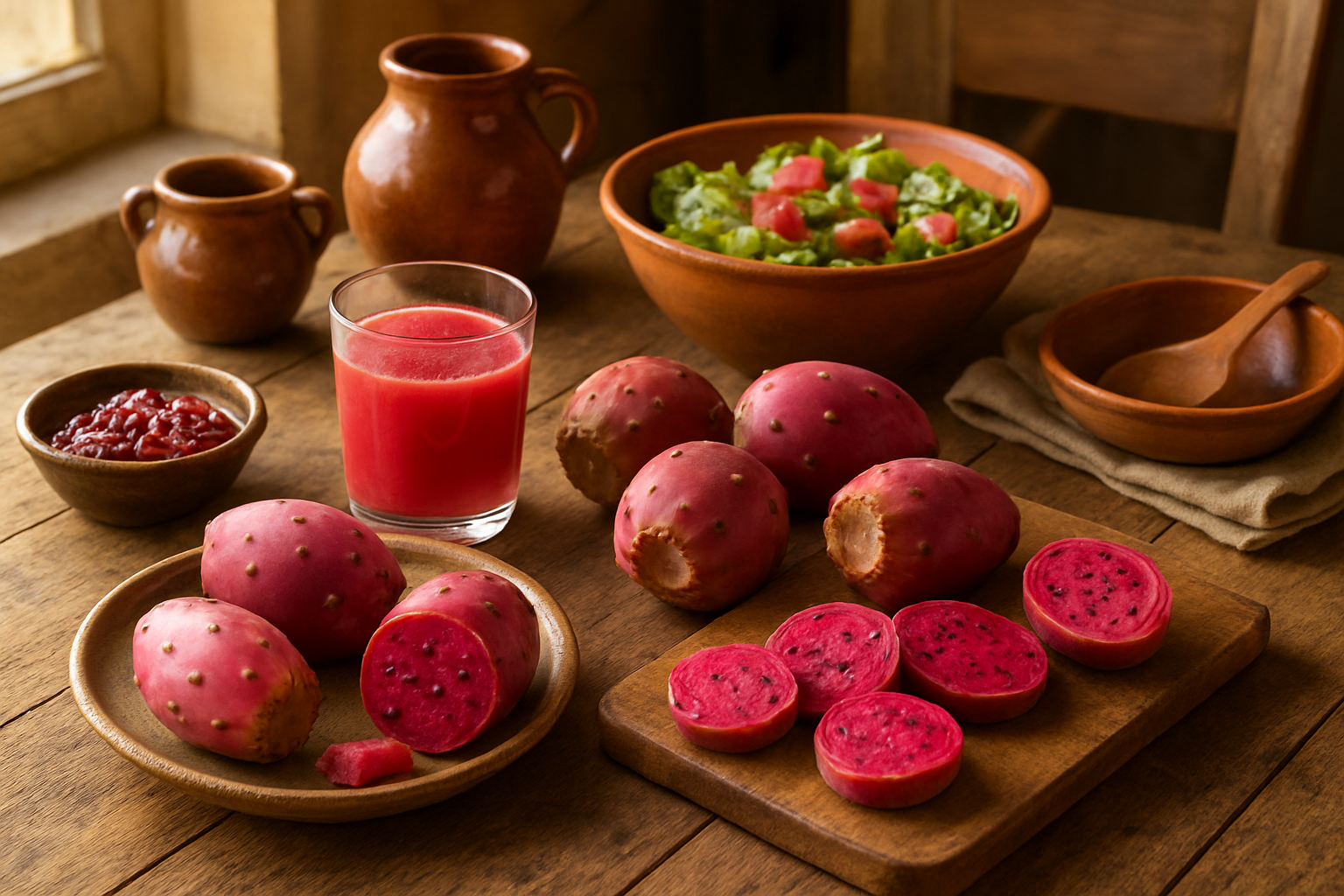
Prickly pear fruit transforms into exceptional beverages that showcase its natural sweetness. Blend the peeled flesh with ice and a splash of lime juice for a refreshing agua fresca. The vibrant magenta color creates visually stunning drinks perfect for entertaining.
Smoothie combinations work exceptionally well with tropical fruits. Try blending prickly pear with mango, pineapple, and coconut water for a antioxidant-rich treat. The natural mucilage creates a creamy texture without added thickeners. Strain the mixture if you prefer a smoother consistency without seeds.
For cocktails, prickly pear syrup adds unique flavor and color. Combine the fruit juice with simple syrup and use it in margaritas, mojitos, or sangria for a southwestern twist.
Incorporate into Desserts and Sweet Treats
Dessert applications highlight the fruit's natural sweetness beautifully. Prickly pear sorbet requires minimal ingredients - just pureed fruit, sugar, and lemon juice create an elegant frozen dessert with stunning color. The natural pectin content helps achieve perfect texture without artificial stabilizers.
Jellies and jams made from opuntia fruit offer spreadable options for toast, pastries, or cheese boards. The natural tartness balances sweetness perfectly, creating complex flavors that pair well with cream cheese or goat cheese.
Baking enthusiasts can incorporate prickly pear puree into muffins, cakes, or panna cotta. The fruit's moisture content keeps baked goods tender while adding subtle flavor and beautiful pink hues.
Explore Savory Cooking Applications
Savory dishes benefit from prickly pear's unique properties beyond sweetness. Mexican and southwestern cuisines traditionally use the fruit in salsas, combining diced flesh with tomatoes, onions, and chilies for a refreshing condiment that complements grilled meats.
Salad dressings gain complexity when prickly pear juice replaces traditional vinegar. The natural acidity and fruity notes create vinaigrettes that pair excellently with mixed greens, avocado, and nuts.
Marinades incorporating prickly pear juice tenderize proteins while adding subtle flavor. The fruit's enzymes help break down tough fibers in beef or pork, making it an excellent natural meat tenderizer for southwestern-style grilling.
Harness the Health Benefits for Better Wellness
Support Blood Sugar Management and Diabetes Control
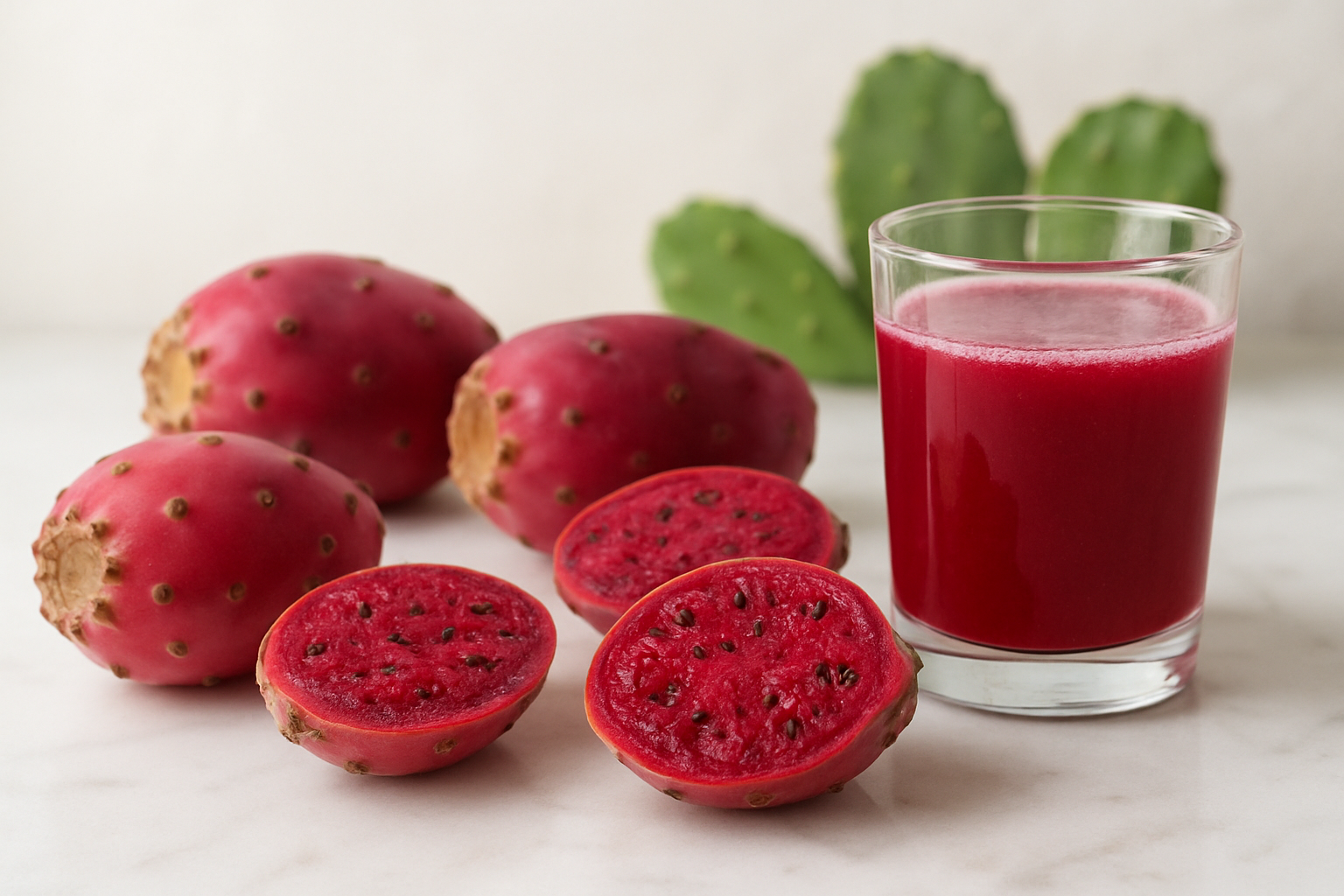
The prickly pear cactus fruit stands out as a natural ally for people managing blood sugar levels. Research shows that compounds in prickly pear fruit can help slow down sugar absorption in the digestive system, leading to more stable glucose levels after meals. The fruit's high fiber content plays a key role here, creating a gel-like substance in your stomach that delays carbohydrate breakdown.
What makes this cactus fruit particularly interesting is its betalains - powerful antioxidants that give the fruit its vibrant color. These compounds appear to improve insulin sensitivity, helping your body use glucose more effectively. People with type 2 diabetes have reported better glucose control when incorporating prickly pear into their regular diet.
The pectin found in opuntia fruit also contributes to blood sugar management by slowing gastric emptying. This means food stays in your stomach longer, preventing those sharp spikes in blood glucose that can be problematic for diabetics.
Boost Immune System Function
Your immune system gets a serious boost from the vitamin C packed into every prickly pear fruit. Just one medium fruit provides about 35% of your daily vitamin C needs - that's more than many citrus fruits offer. This vitamin acts as a powerful antioxidant, protecting your cells from damage while supporting white blood cell production.
The prickly pear health benefits extend beyond vitamin C. The fruit contains betalains, which have strong anti-inflammatory properties that help your body fight off infections more effectively. These compounds work by reducing oxidative stress, giving your immune system more resources to focus on protecting you from illness.
Minerals like magnesium and potassium in the fruit also support immune function by maintaining proper cellular communication and helping your body respond quickly to threats.
Promote Heart Health and Cholesterol Management
The fiber content in prickly pear nutrition profile makes it excellent for heart health. Soluble fiber binds to cholesterol in your digestive system, preventing it from entering your bloodstream. Regular consumption can lead to noticeable improvements in cholesterol levels over time.
Potassium in the fruit helps regulate blood pressure by counteracting sodium's effects. This mineral relaxes blood vessel walls, allowing blood to flow more easily and reducing strain on your heart. The antioxidants also protect your cardiovascular system from oxidative damage that can lead to heart disease.
Studies suggest that people who eat cactus fruit regularly show improved lipid profiles, with lower LDL (bad) cholesterol and higher HDL (good) cholesterol levels.
Enhance Skin Health and Anti-aging Properties
The antioxidant powerhouse that is prickly pear fruit works wonders for your skin. Vitamin E and betalains protect your skin cells from free radical damage that causes premature aging. These compounds help maintain collagen production, keeping your skin firm and reducing the appearance of fine lines.
The fruit's high water content and natural oils provide deep hydration from the inside out. Many people notice improved skin texture and reduced dryness after adding prickly pear to their diet. The anti-inflammatory properties also help calm skin irritation and may reduce acne breakouts.
Vitamin C supports collagen synthesis, which is crucial for maintaining skin elasticity and wound healing. The combination of vitamins, minerals, and antioxidants creates a natural anti-aging cocktail that supports healthy, glowing skin.
Navigate Availability and Selection for Best Results
Find Fresh Prickly Pear Fruit in Markets and Stores
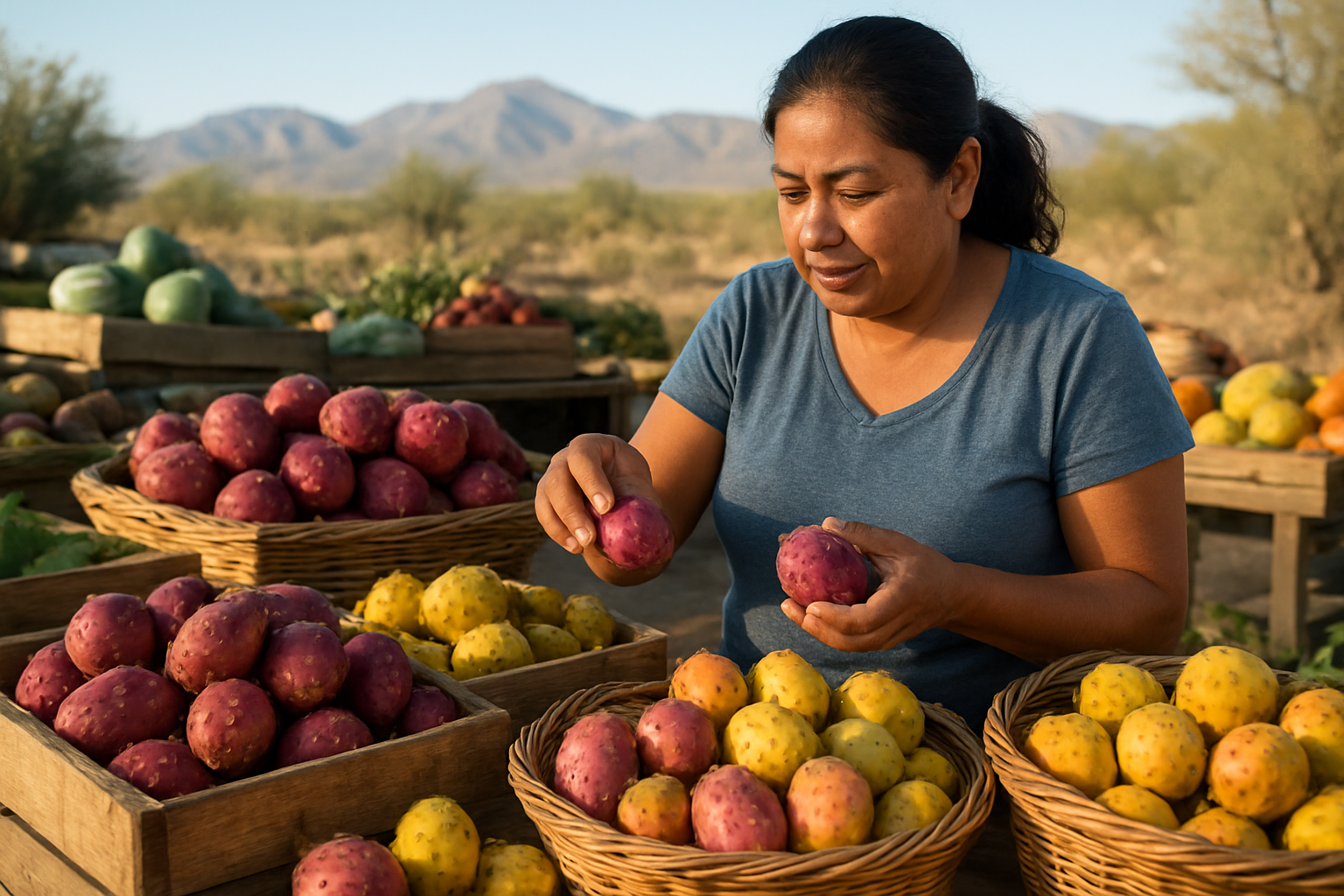
Where to buy prickly pear fruit depends largely on your location and local market offerings. Mexican and Latin American grocery stores typically stock fresh prickly pear fruit year-round, as do many health food stores and specialty produce markets. Whole Foods, Sprouts, and other upscale supermarket chains often carry them in their exotic fruit sections, particularly during peak season from late summer through early fall.
Farmers markets in southwestern states like Arizona, California, New Mexico, and Texas frequently feature local vendors selling fresh-picked prickly pear fruit. These markets offer the best quality since the fruit travels minimal distances and gets harvested at optimal ripeness.
Middle Eastern markets also stock opuntia fruit, as it's popular in Mediterranean cuisines. If you live in urban areas, specialty produce distributors often supply restaurants and may sell directly to consumers who call ahead.
Online ordering has expanded availability significantly. Several specialty fruit companies ship fresh prickly pear nationwide, though shipping costs can be substantial due to the fruit's weight and fragility.
Choose Ripe Fruit Using Visual and Touch Indicators
Selecting quality prickly pear cactus fruit requires knowing what to look for. Ripe fruit displays vibrant, deep coloring that varies by variety - from bright magenta and deep red to golden yellow or orange. The skin should appear plump and slightly glossy, without wrinkles, dark spots, or soft patches that indicate overripeness.
Visual inspection checklist:
-
Uniform color without green patches
-
Smooth, unblemished skin
-
Intact glochids (tiny spines) if present
-
No cracks or splits in the skin
Touch tests reveal ripeness:
-
Gentle pressure should yield slightly, like a ripe avocado
-
Avoid fruit that feels mushy or too soft
-
Rock-hard fruit needs more ripening time
-
The fruit should feel heavy for its size
Size doesn't always indicate quality - smaller fruits often concentrate more flavor than oversized ones. Avoid any fruit with dark, sunken areas or an off smell, which suggests bacterial contamination.
Store Properly for Maximum Freshness
Fresh prickly pear fruit requires careful handling to maintain peak quality. Unripe fruit continues ripening at room temperature for 2-3 days, developing deeper color and softer texture. Once ripe, refrigerate immediately in the produce drawer where they'll keep for 5-7 days.
Storage guidelines:
-
Handle minimally to prevent bruising
-
Store in perforated plastic bags to maintain humidity
-
Keep away from ethylene-producing fruits like apples and bananas
-
Don't wash until ready to use
-
Freeze pulp for long-term storage (up to 6 months)
For longer preservation, extract the pulp and freeze in ice cube trays or freezer bags. The juice also freezes well and maintains most nutritional benefits. Some people successfully dehydrate sliced prickly pear for snacking, though this concentrates natural sugars significantly.
Consider Processed Products and Supplements
When fresh prickly pear fruit isn't available, processed alternatives provide convenient access to prickly pear nutrition and cactus fruit benefits. Juice products, concentrates, and dried fruit offer year-round availability, though processing may reduce some heat-sensitive vitamins.
Available processed forms:
| Product Type | Benefits | Considerations |
|---|---|---|
| Juice/Concentrate | Convenient, long shelf life | Often contains added sugars |
| Dried fruit | Portable, concentrated nutrients | High sugar content |
| Powder supplements | Standardized dosing | May lack fiber benefits |
| Capsule extracts | Precise prickly pear health benefits | Processing may alter compounds |
Supplements containing prickly pear extract target specific health applications, particularly blood sugar management and inflammation reduction. Look for products that specify the concentration of active compounds and choose reputable manufacturers with third-party testing.
Frozen fruit products work excellently for smoothies and cooking applications. Many Mexican food suppliers offer frozen prickly pear pulp that maintains excellent flavor and nutritional value.
Prickly pear cactus fruit stands out as nature's hidden gem, packed with vitamins, antioxidants, and unique flavors that can transform your health and culinary adventures. From its impressive nutritional profile to its versatility in everything from smoothies to traditional dishes, this desert treasure offers benefits that go far beyond what most people expect from a cactus.
Ready to give prickly pear a try? Start by visiting your local specialty grocery store or farmers market to find fresh fruit, or look for prickly pear products online. Choose fruits that feel firm and have vibrant color, and don't let the intimidating exterior stop you from discovering what could become your new favorite superfood. Your taste buds and your body will thank you for taking the leap into this prickly but rewarding world.
Comments
Post a Comment