Prunes - What Are Prunes?
What Are Prunes? Your Complete Guide to These Nutritional Powerhouses
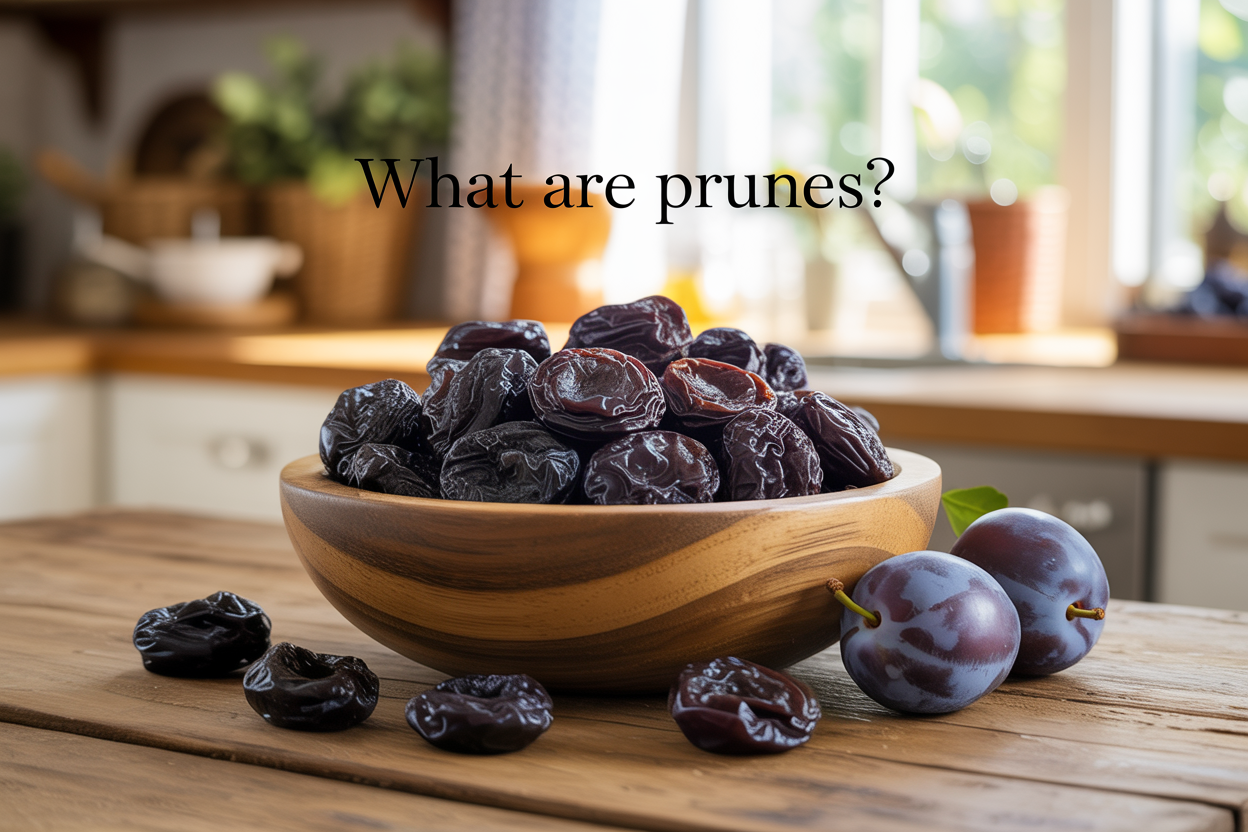
Prunes are simply dried plums that pack a serious nutritional punch. Many people know them as nature's remedy for digestive issues, but these wrinkled gems offer so much more than just fiber content.
This guide is perfect for health-conscious individuals, parents looking for nutritious snacks, and anyone curious about adding more wholesome foods to their diet. You'll discover what makes prunes special, from their impressive nutrition facts to their wide-ranging health benefits.
We'll cover the nutritional powerhouse benefits that make prunes stand out, explore the specific health benefits of prunes for your overall wellbeing, and share practical ways to enjoy them daily. You'll also learn smart tips for selecting and storing prunes to get the most value from your purchase.
Whether you're dealing with digestive concerns or simply want to boost your nutrient intake, understanding these dried plums can help you make informed choices about incorporating them into your lifestyle.
Understanding the Nature and Origin of Prunes
How Prunes Are Made from Fresh Plums
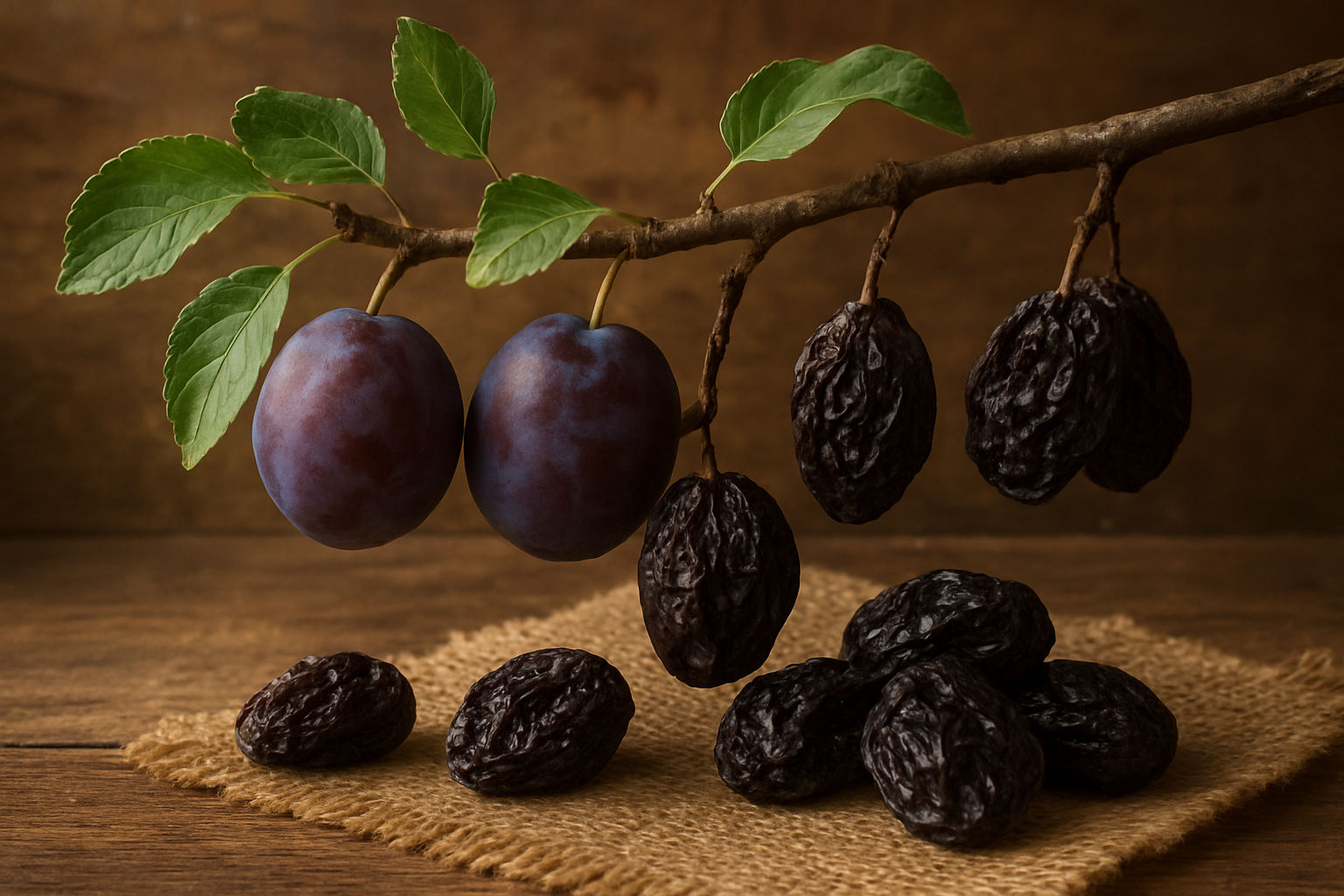
Prunes are simply dried plums that undergo a careful dehydration process to transform from juicy fresh fruit into chewy, nutrient-dense treats. The process begins with selecting perfectly ripe plums at peak sweetness, typically harvested during late summer when sugar content reaches its highest levels.
Commercial prune production uses controlled dehydration methods that remove approximately 80% of the plum's water content while preserving essential nutrients. Traditional sun-drying involves laying fresh plums on wooden trays for 15-21 days, allowing natural sunlight and air circulation to gradually remove moisture. Modern facilities use tunnel dehydrators with precise temperature controls, completing the process in 18-24 hours at temperatures between 165-180°F.
During dehydration, the plums' natural sugars concentrate, creating that distinctive sweet-tart flavor profile that makes prunes so appealing. The skin wrinkles and darkens, developing the characteristic deep purple-black color we associate with quality prunes.
Key Differences Between Prunes and Fresh Plums
The transformation from fresh plum to prune creates significant changes beyond simple moisture reduction:
| Aspect | Fresh Plums | Prunes |
|---|---|---|
| Water Content | 85-90% | 15-20% |
| Sugar Concentration | 10-15% | 60-70% |
| Fiber Content | 1.4g per 100g | 7.1g per 100g |
| Shelf Life | 1-2 weeks refrigerated | 6-12 months stored properly |
| Texture | Juicy, firm | Chewy, concentrated |
Fresh plums provide immediate hydration and a crisp bite, while prunes offer concentrated nutrition and natural sweetness. The drying process intensifies flavors and creates a more portable, longer-lasting food option that doesn't require refrigeration.
Popular Plum Varieties Used for Prune Production
French Prune plums (Prunus domestica) dominate commercial prune production, accounting for over 90% of the world's prune supply. These European plums feature oval shapes, deep purple skin, and naturally high sugar content that makes them ideal for drying.
Italian Prune plums rank as the second most popular variety, offering slightly larger fruits with excellent drying characteristics. These plums maintain their shape well during dehydration and develop rich, complex flavors.
Stanley plums serve as another excellent prune variety, particularly popular in Eastern regions. They produce consistently sized prunes with balanced sweetness and firm texture.
California leads global prune production, with the Central Valley's Mediterranean climate providing perfect growing conditions. The state's dried plums industry has perfected cultivation techniques that maximize sugar development and minimize pit-to-flesh ratios, resulting in premium quality prunes that retain optimal prune nutrition facts and deliver exceptional health benefits of prunes.
Nutritional Powerhouse Benefits of Prunes
Essential Vitamins and Minerals in Every Serving
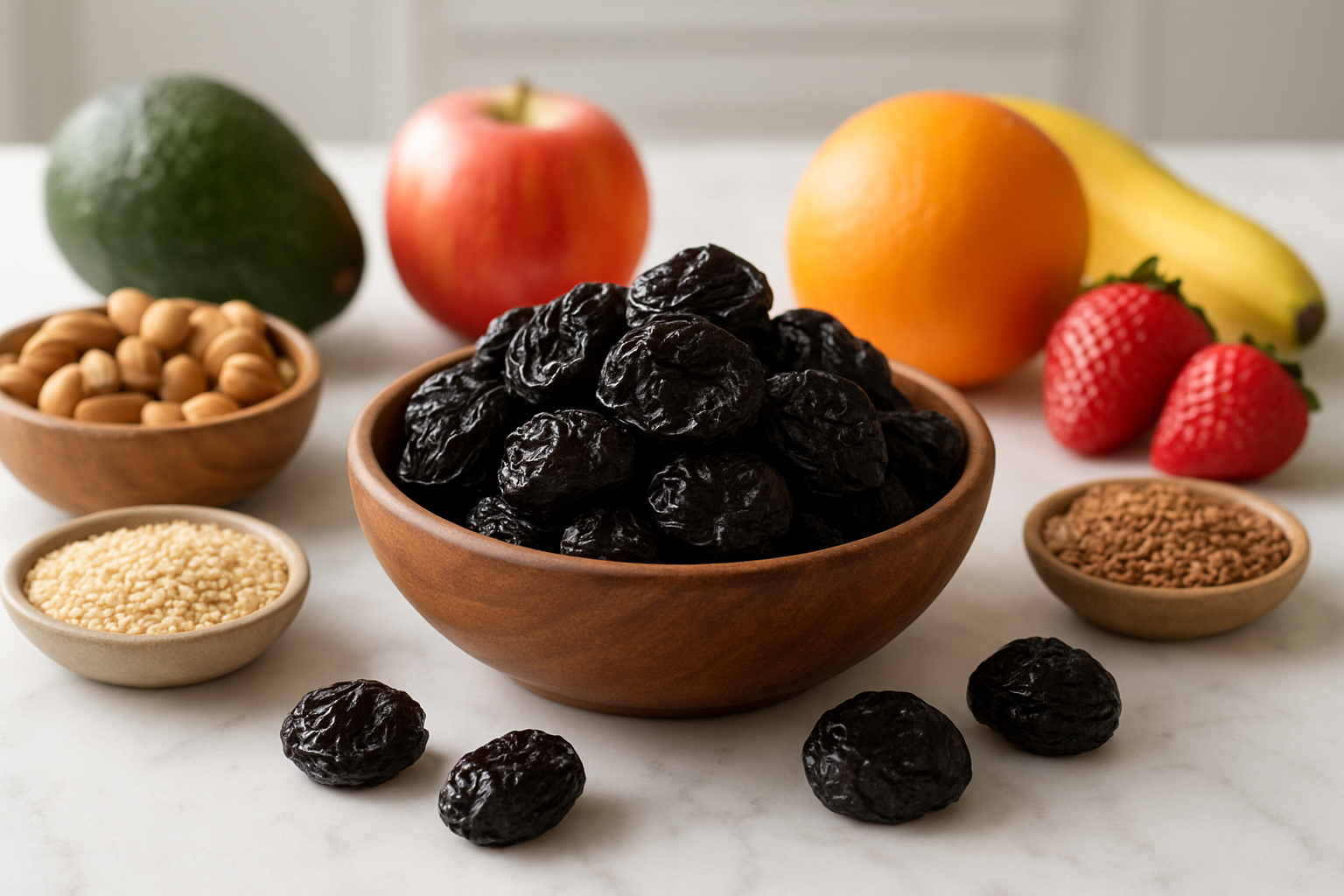
Prunes pack an impressive nutritional punch that puts many other snacks to shame. Each serving delivers a concentrated dose of vitamin K, which plays a crucial role in bone health and blood clotting. You'll also get a solid amount of vitamin A, supporting your vision and immune system function.
The mineral content in prunes is equally remarkable. Potassium stands out as a major player, helping regulate blood pressure and supporting proper muscle function. Manganese contributes to bone development and wound healing, while copper assists in iron absorption and collagen formation. Prunes also provide meaningful amounts of iron, which your body needs for healthy red blood cell production.
| Nutrient | Amount per 100g | % Daily Value |
|---|---|---|
| Vitamin K | 59.5 mcg | 50% |
| Potassium | 732 mg | 16% |
| Vitamin A | 781 IU | 16% |
| Manganese | 0.3 mg | 13% |
| Copper | 0.3 mg | 13% |
What makes prune nutrition facts particularly interesting is how these nutrients work together. The vitamin C content, though modest, enhances iron absorption, while the natural compounds help your body make better use of the minerals present.
High Fiber Content for Digestive Health
The fiber content in prunes deserves special attention - these dried plums contain both soluble and insoluble fiber, creating a perfect storm for digestive wellness. Each serving provides about 6 grams of fiber, which represents roughly 24% of your daily fiber needs.
Soluble fiber in prunes dissolves in water to form a gel-like substance that slows digestion and helps regulate blood sugar levels. This type of fiber also binds to cholesterol particles, potentially helping lower overall cholesterol levels. The insoluble fiber adds bulk to stool and helps food move through your digestive system more efficiently.
Prunes for constipation have become legendary for good reason. The combination of fiber, sorbitol (a natural sugar alcohol), and other compounds creates a gentle laxative effect. Unlike harsh chemical laxatives, prunes work naturally with your body's processes. Many people find that eating 3-4 prunes daily helps maintain regular bowel movements without any uncomfortable side effects.
The digestive health benefits extend beyond just relieving constipation. Regular consumption of high-fiber foods like prunes supports beneficial gut bacteria growth, which contributes to overall immune health and may even influence mood regulation.
Antioxidant Properties for Disease Prevention
Prunes contain an impressive array of antioxidants that help protect your cells from damage caused by free radicals. These compounds include phenolic acids, flavonoids, and carotenoids - each offering unique protective benefits for your health.
The deep purple color of prunes comes from anthocyanins, powerful antioxidants that research suggests may help reduce inflammation throughout the body. Chlorogenic acid, another prominent antioxidant in prunes, shows promise in supporting healthy blood sugar levels and may contribute to cardiovascular health.
Studies indicate that the antioxidant activity in prunes ranks among the highest of commonly consumed fruits. This means regular consumption may help reduce your risk of chronic diseases including heart disease, certain cancers, and age-related cognitive decline.
Key antioxidants in prunes include:
-
Phenolic compounds for cellular protection
-
Vitamin E for skin and immune health
-
Beta-carotene for eye health
-
Neochlorogenic acid for anti-inflammatory effects
The synergistic effect of these antioxidants working together appears to be more powerful than any single compound alone, making whole prunes a superior choice over isolated supplements.
Natural Sugars for Quick Energy
Prunes contain natural sugars that provide sustained energy without the dramatic spikes and crashes associated with processed sweets. The primary sugars - glucose, fructose, and sucrose - occur naturally within the fruit's cellular structure, which helps moderate their absorption rate.
Unlike refined sugar, the natural sugars in prunes come packaged with fiber, which slows down sugar absorption and prevents rapid blood glucose spikes. This makes prunes a smart choice for athletes needing quick energy or anyone looking for a natural pick-me-up during afternoon energy dips.
Each prune contains approximately 4 grams of natural sugars, providing about 16 calories of quick-acting fuel. The presence of sorbitol adds a mild sweetness while contributing to the fruit's digestive benefits. This natural sugar alcohol has a lower glycemic impact than regular sugars.
For people managing blood sugar levels, prunes can fit into a balanced eating plan when consumed in appropriate portions. The fiber and other nutrients help buffer the sugar content, making prunes a more blood-sugar-friendly option than many processed snacks. Pairing prunes with protein or healthy fats can further slow sugar absorption and extend the energy-providing benefits.
Health Benefits That Transform Your Wellbeing
Digestive Support and Regularity Improvement
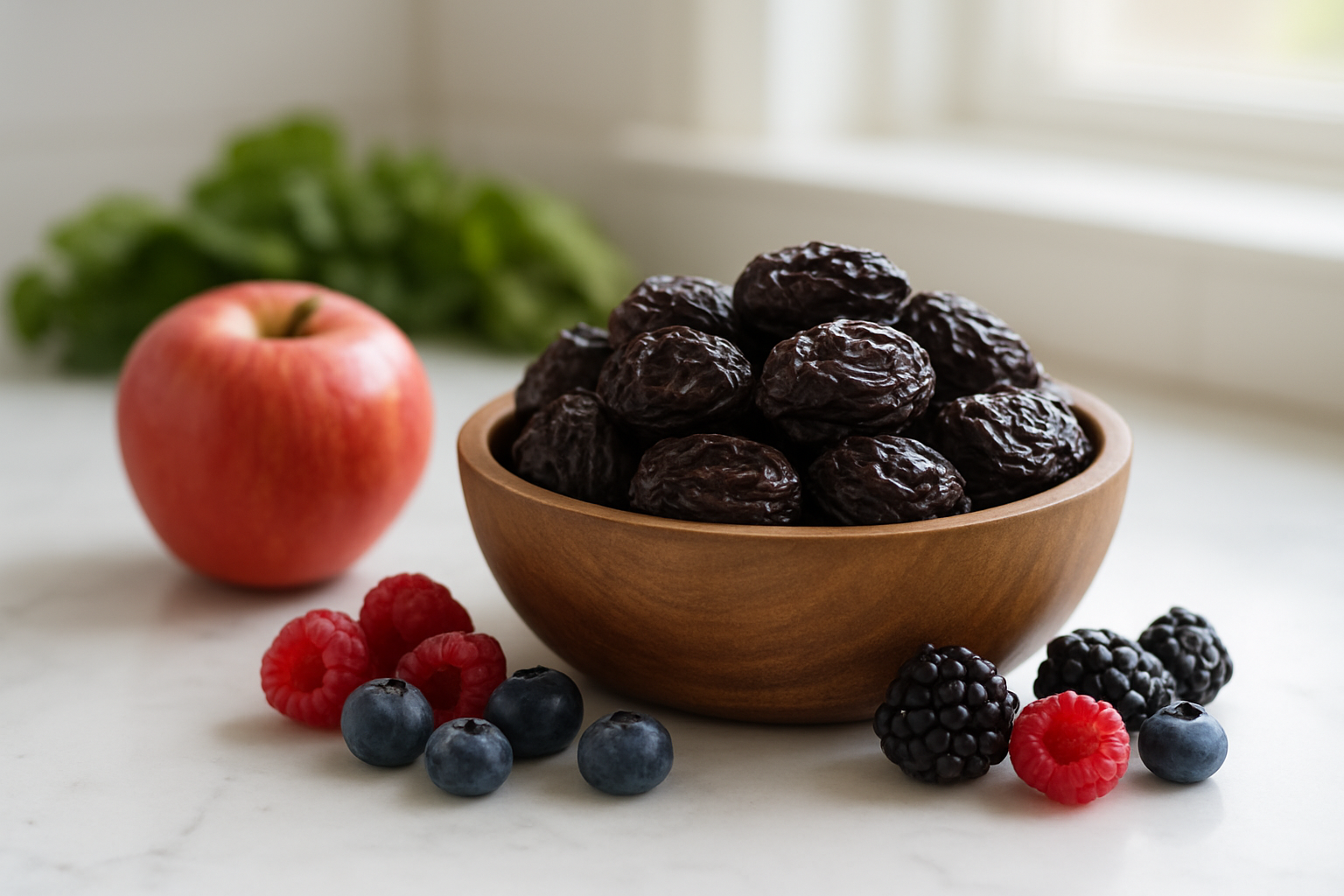
Prunes pack an incredible punch when it comes to digestive health. Each serving delivers about 6 grams of fiber, making them one of nature's most effective solutions for constipation. The magic lies in their unique combination of both soluble and insoluble fiber working together to keep things moving smoothly through your digestive system.
What makes prunes extra special is their natural sorbitol content - a sugar alcohol that acts as a gentle laxative. This compound draws water into your intestines, softening stool and making elimination easier. Unlike harsh chemical laxatives, sorbitol provides relief without creating dependency or uncomfortable cramping.
The fiber content in prunes also feeds beneficial gut bacteria, promoting a healthy microbiome. These friendly bacteria produce short-chain fatty acids that strengthen your intestinal lining and reduce inflammation. Regular prune consumption can help establish consistent bowel movements within just a few days.
For best results, start with 3-4 prunes daily and drink plenty of water. Many people notice improvements in their digestive regularity within 24-48 hours of adding prunes to their routine.
Bone Health Enhancement Through Key Nutrients
Dried plums deliver a remarkable collection of bone-building nutrients that work together to maintain strong, healthy bones throughout your life. Each serving provides significant amounts of vitamin K, potassium, and boron - three minerals that play crucial roles in bone metabolism and calcium absorption.
Vitamin K in prunes helps activate osteocalcin, a protein essential for binding calcium to bone tissue. Without adequate vitamin K, your body can't effectively use the calcium you consume, leading to weaker bones over time. Just a handful of prunes provides about 20% of your daily vitamin K needs.
The potassium content helps neutralize acids in your body that can leach calcium from bones. Research shows that people who eat potassium-rich foods like prunes maintain better bone density as they age. Boron, another key mineral found in prunes, helps your body retain both calcium and magnesium more effectively.
Studies involving postmenopausal women have shown that eating prunes daily can significantly slow bone loss and even improve bone density markers. The combination of nutrients in prunes creates a synergistic effect that's more powerful than any single supplement.
Heart Health Protection from Natural Compounds
The health benefits of prunes extend powerfully to your cardiovascular system through their rich antioxidant profile and fiber content. These dried plums contain phenolic compounds that help reduce inflammation in blood vessels and protect against oxidative stress - two major contributors to heart disease.
The soluble fiber in prunes actively works to lower cholesterol levels by binding to bile acids in your digestive system. Your liver must then use existing cholesterol to produce more bile acids, effectively reducing overall cholesterol in your bloodstream. Studies show that people who eat prunes regularly see notable improvements in their cholesterol profiles within weeks.
Potassium in prunes helps regulate blood pressure by counteracting sodium's effects and supporting proper muscle contractions in your heart. This mineral also helps maintain healthy blood vessel function, reducing strain on your cardiovascular system.
The antioxidants in prunes, particularly chlorogenic acid and quercetin, help prevent the oxidation of LDL cholesterol - a key step in the development of arterial plaque. These natural compounds also support healthy blood flow and may help reduce the risk of blood clots.
Regular consumption of prunes as part of a balanced diet can contribute to better heart health markers and reduced cardiovascular disease risk over time.
Versatile Ways to Enjoy Prunes Daily
Simple Snacking Options for Busy Lifestyles
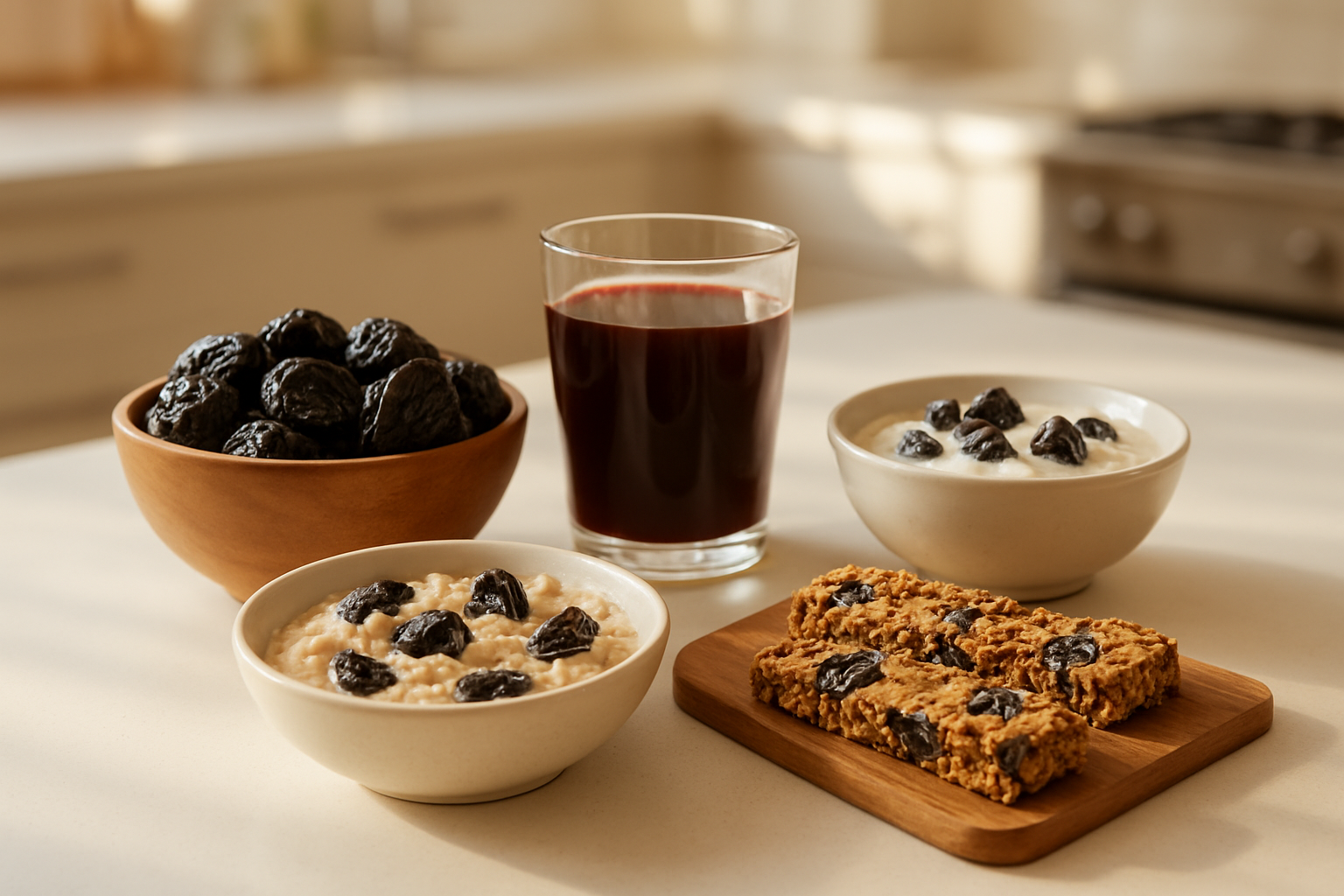
Grabbing a handful of prunes makes for one of the easiest and most nutritious snacks you can have. These dried plums require no preparation – just toss a few in your bag for an instant energy boost during hectic days. The natural sweetness satisfies sugar cravings while the fiber content keeps you feeling full between meals.
Create portable snack mixes by combining prunes with nuts like almonds or walnuts. This combination provides healthy fats alongside the prune benefits, making it perfect for afternoon energy dips. Store-bought trail mix often contains too much sugar, but making your own with prunes ensures you get real nutrition without artificial additives.
For those who prefer softer textures, try chopping prunes and mixing them with Greek yogurt or cottage cheese. This creates a protein-rich snack that's especially great for post-workout recovery. The digestive health prunes provide pairs beautifully with the probiotics in yogurt.
Creative Cooking and Baking Applications
Prunes work wonders as natural sweeteners in baked goods. Replace half the sugar in muffin or cookie recipes with pureed prunes – your treats will stay moist longer while cutting refined sugar content. The dense, chewy texture of whole prunes adds interest to oatmeal cookies and energy bars.
Try stuffing prunes with cream cheese and wrapping them in bacon for an elegant appetizer that balances sweet and savory flavors. This combination works particularly well for dinner parties where you want something sophisticated yet easy to prepare.
Moroccan and Middle Eastern cuisines showcase how to eat prunes in savory contexts. Add them to braised lamb, chicken tagines, or rice pilafs for authentic flavor profiles. The fruit's natural sugars caramelize during slow cooking, creating complex flavors that complement spices like cinnamon, ginger, and cumin.
Smoothie and Breakfast Bowl Additions
Blend soaked prunes into morning smoothies for natural sweetness and extra fiber. Soak 3-4 prunes overnight in water, then add both the fruit and soaking liquid to your blender with bananas, spinach, and your preferred milk. This creates a creamy texture while maximizing the prune nutrition facts.
Breakfast bowls benefit enormously from chopped prunes. Sprinkle them over oatmeal, quinoa porridge, or chia pudding for bursts of concentrated sweetness. The chewy texture contrasts nicely with creamy bases, and the prune fiber content helps maintain steady blood sugar throughout the morning.
Acai and smoothie bowls look stunning with sliced prunes arranged on top alongside other colorful fruits. The deep purple color of prunes creates beautiful contrast against lighter toppings like coconut flakes or hemp hearts.
Savory Dish Pairings for Gourmet Meals
Professional chefs understand that prunes elevate savory dishes to restaurant quality. Add them to wine-braised short ribs or pork shoulder for depth of flavor that develops during long, slow cooking. The natural sugars help create beautiful glazes on roasted meats.
Cheese boards gain sophistication with the addition of fresh or dried prunes. They pair exceptionally well with aged cheeses like Manchego, blue cheese, or sharp cheddar. The contrast between tangy cheese and sweet fruit creates memorable flavor combinations that impress guests.
Consider adding chopped prunes to grain salads with quinoa, farro, or bulgur. Mix them with fresh herbs, toasted nuts, and simple vinaigrettes for Mediterranean-inspired dishes. These salads work well as side dishes or light main courses, and the prunes for constipation benefits make them as healthful as they are delicious.
Smart Selection and Storage Tips
Choosing High-Quality Prunes at the Store
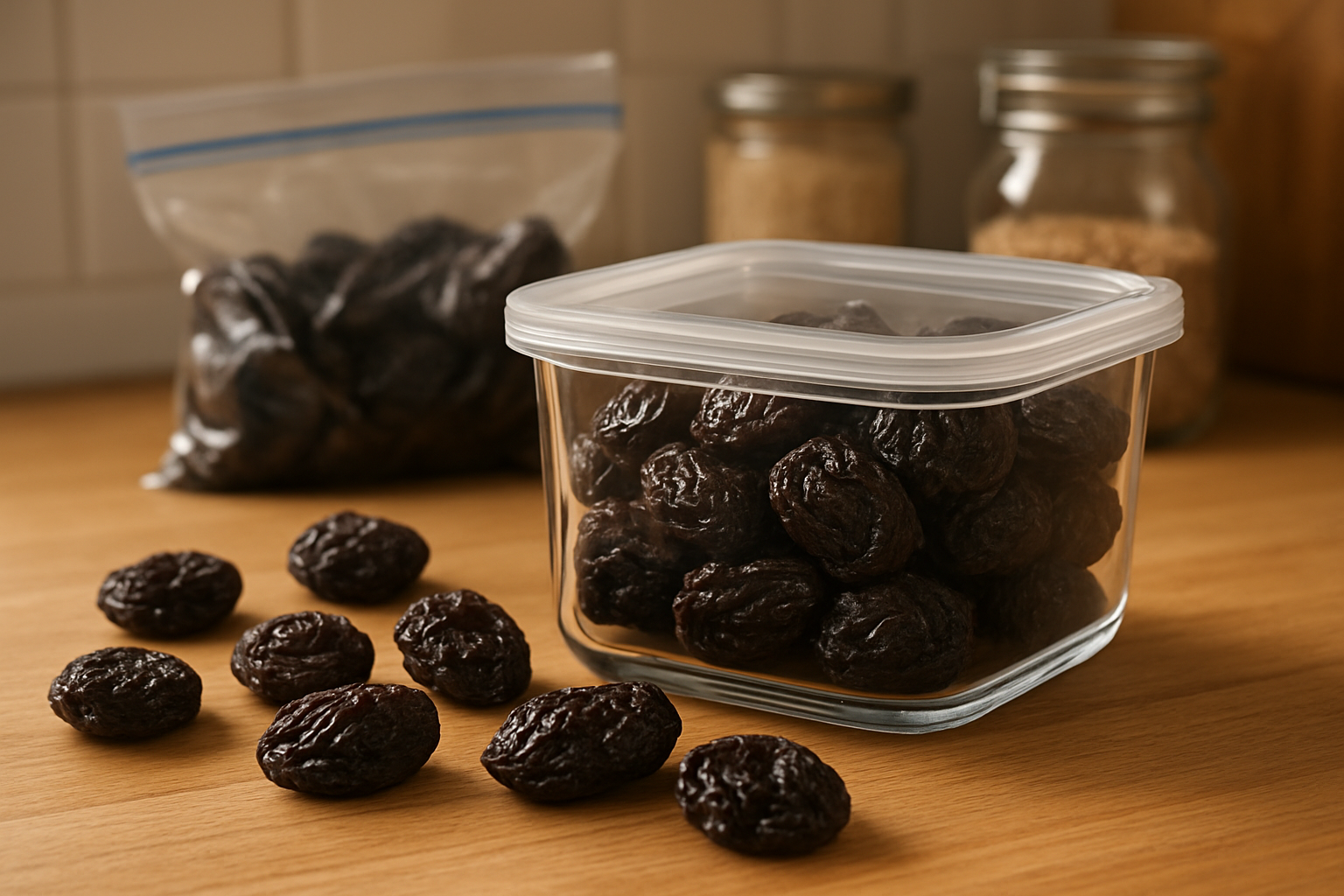
When shopping for prunes, look for ones that feel slightly soft and pliable to the touch. Top-quality prunes should have a deep, dark purple-black color with a slight natural sheen. Avoid prunes that appear overly dry, hard, or have white crystalline deposits on the surface, as these signs indicate they've been sitting on shelves too long or weren't processed properly.
Check the packaging carefully - opt for prunes in airtight containers or sealed bags rather than open bins. This packaging protects the dried plums from moisture, air exposure, and contamination. Organic prunes often provide superior taste and nutrition since they're grown without synthetic pesticides or preservatives.
Size matters too. Larger prunes typically offer better texture and flavor than smaller ones, though both provide excellent prune nutrition facts and health benefits. Many stores offer both pitted and unpitted varieties - pitted prunes offer convenience for snacking and cooking, while unpitted ones often retain moisture better.
Proper Storage Methods for Maximum Freshness
Store your prunes in an airtight container in a cool, dry place like your pantry. Room temperature storage keeps prunes fresh for several months while maintaining their natural sweetness and chewy texture. Glass jars or plastic containers with tight-fitting lids work perfectly for this purpose.
For extended freshness, refrigerate prunes in sealed containers. Cold storage can extend their shelf life up to a year while preserving the fiber content and nutritional benefits that make prunes excellent for digestive health. Keep them away from strong-smelling foods since prunes can absorb odors.
Freezing offers the longest storage option - properly wrapped prunes stay fresh for up to two years in the freezer. Place them in freezer bags or airtight containers, removing as much air as possible before sealing.
Understanding Expiration Dates and Shelf Life
Most packaged prunes display "best by" dates rather than strict expiration dates. These dried plums typically remain safe and nutritious well beyond these dates when stored properly. Fresh prunes can last 6-12 months past the printed date in pantry conditions.
Watch for warning signs that indicate your prunes have gone bad: mold growth, off odors, or an unusually hard texture. Properly stored prunes maintain their health benefits of prunes, including support for digestive health and relief from constipation, throughout their extended shelf life.
The natural sugars in prunes act as preservatives, helping these dried fruits maintain quality longer than many other dried foods.
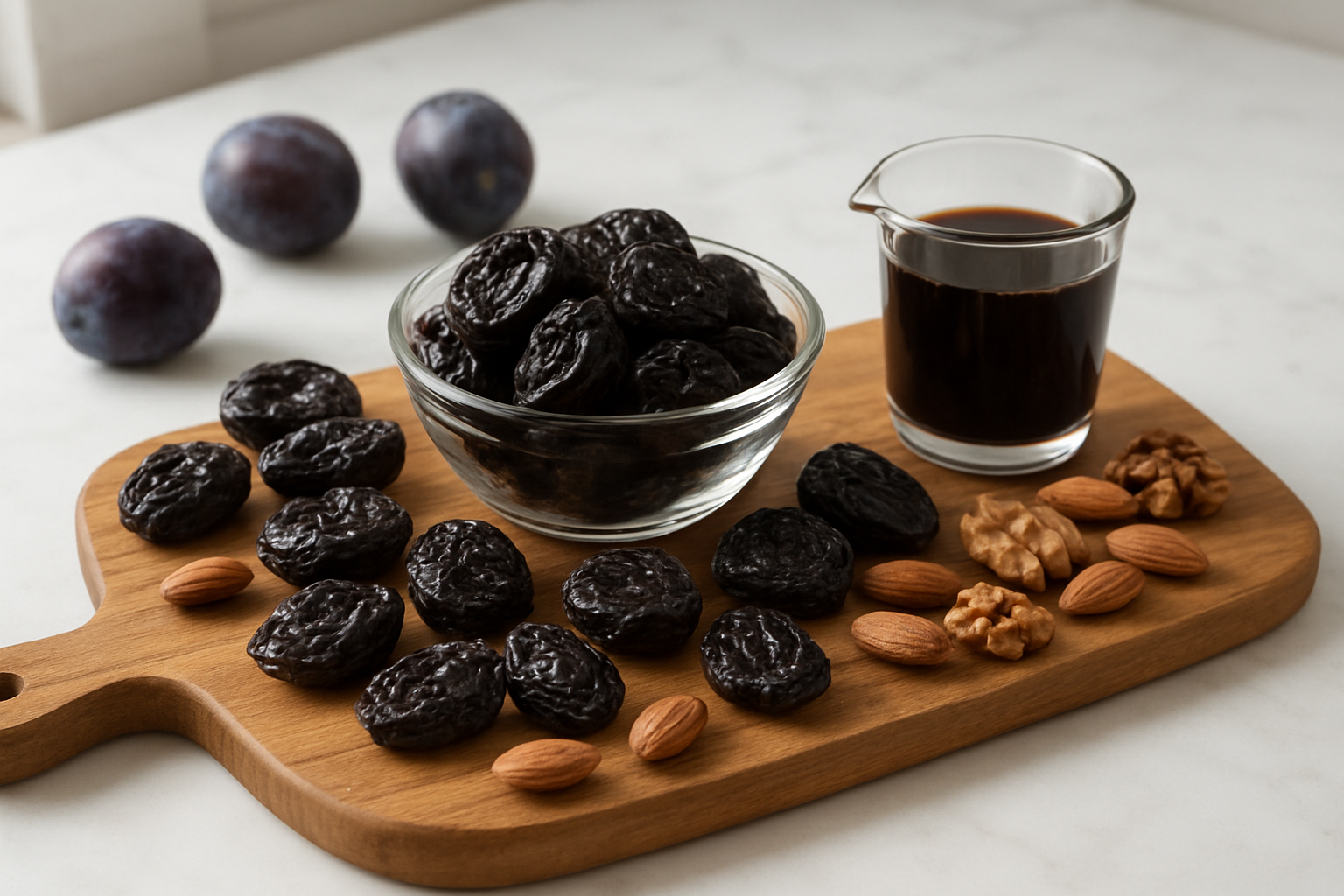
Prunes pack an impressive nutritional punch that goes far beyond their reputation as a digestive aid. These dried plums deliver essential vitamins, minerals, and antioxidants that support bone health, heart function, and overall wellness. From snacking straight from the bag to blending into smoothies or adding to baked goods, prunes offer endless ways to boost your daily nutrition.
Ready to give prunes a try? Start small by adding a few to your morning oatmeal or afternoon snack routine. Choose organic varieties when possible and store them in airtight containers to maintain freshness. Your body will thank you for this simple yet powerful addition to your diet.


.png)
Comments
Post a Comment