Pumpkins - What Are Pumpkins?
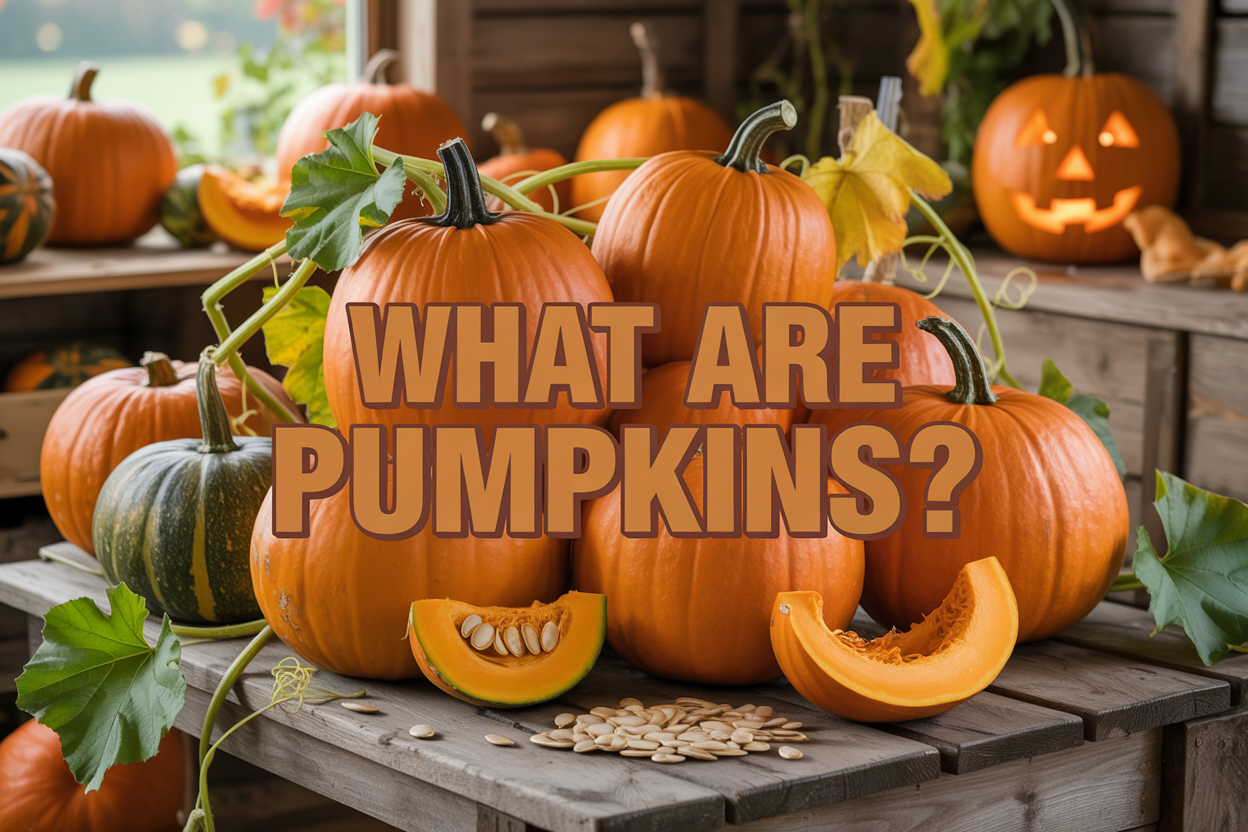
Pumpkins are versatile fruits with a rich history and countless uses. This guide is perfect for gardeners curious about growing their own pumpkins, home cooks wanting to expand their recipe collection, and anyone interested in learning about these orange giants.
We'll explore the different pumpkin varieties and how they're classified, from tiny ornamental types to massive prize-winning specimens. You'll also discover the best growing conditions for pumpkin cultivation, including soil requirements, climate needs, and farming techniques that lead to successful harvests. Finally, we'll dive into the many pumpkin uses beyond jack-o'-lanterns, covering everything from classic pumpkin recipes to their role in commercial pumpkin production and the agricultural economy.
Understanding Pumpkin Basics and Classification
Scientific classification and botanical family relationships
Pumpkins belong to the genus Cucurbita within the Cucurbitaceae family, commonly known as the gourd or squash family. This classification places pumpkins alongside cucumbers, melons, and other squashes as close botanical relatives. The Cucurbitaceae family contains over 900 species, with pumpkins representing some of the most economically important members.
Most pumpkins fall into three primary species: Cucurbita pepo, Cucurbita maxima, and Cucurbita moschata. Each species evolved in different regions of the Americas and displays unique characteristics. C. pepo includes many traditional jack-o'-lantern varieties and originated in northeastern Mexico. C. maxima encompasses the largest pumpkin varieties and developed in South America. C. moschata species thrived in Central America and Mexico, producing varieties known for their long storage capabilities.
These plants are annual vines with sprawling growth habits, featuring large, broad leaves and separate male and female flowers on the same plant. The botanical relationship explains why pumpkins can cross-pollinate with other squash varieties within the same species, creating interesting hybrid combinations.
Physical characteristics that define true pumpkins
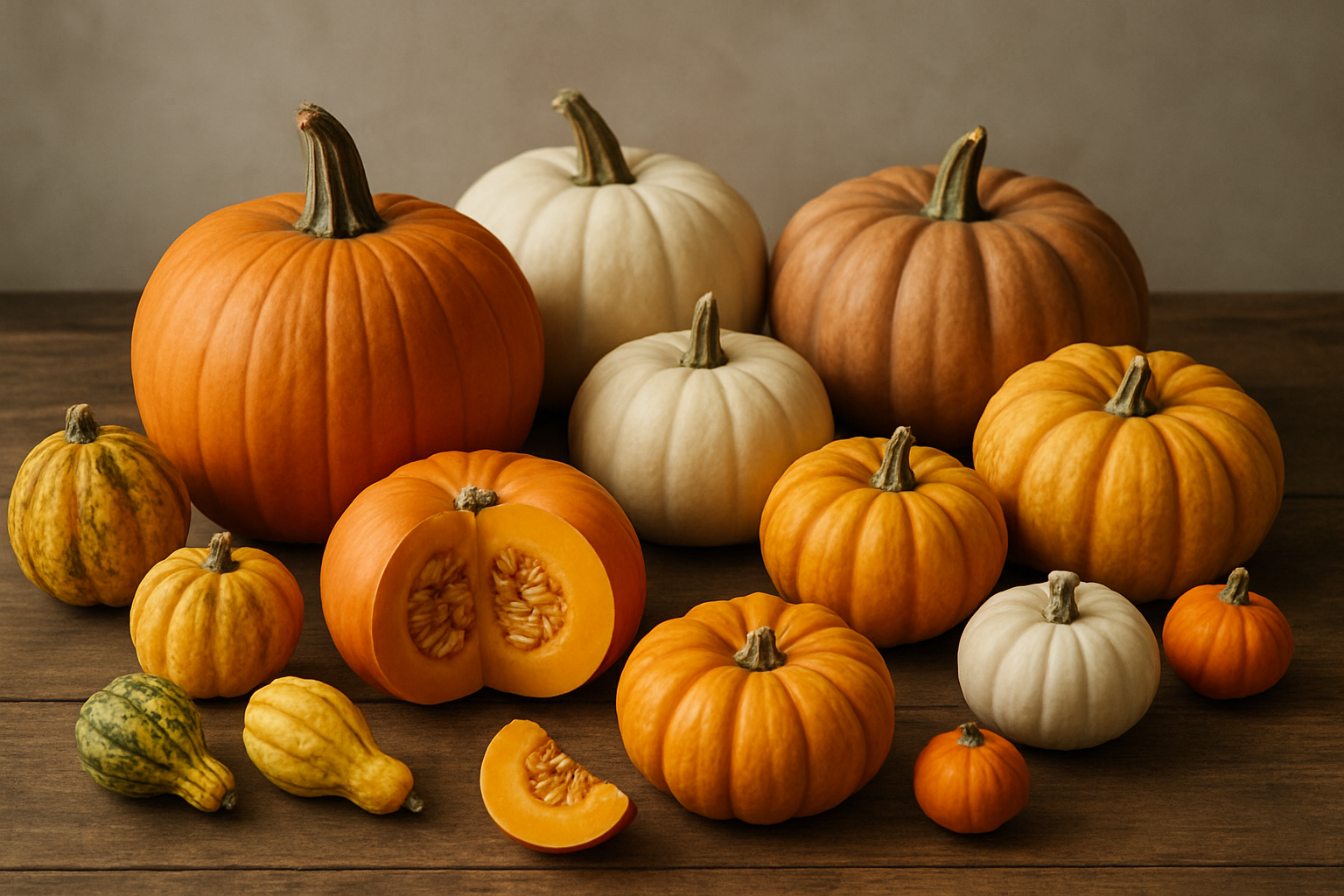
True pumpkins share several distinctive physical traits that separate them from other members of the squash family. The most recognizable feature is their rounded, ribbed exterior with a hard, thick rind that ranges from smooth to deeply grooved. This protective shell typically displays vibrant orange coloration, though pumpkin varieties can also appear in white, yellow, red, green, or even blue-gray hues.
The stem attachment point creates another defining characteristic. Pumpkin stems are typically hard, woody, and deeply ridged with five distinct sides. This contrasts with the softer, rounder stems found on many winter squashes. When a pumpkin reaches maturity, the stem naturally forms a cork-like barrier that helps preserve the fruit during storage.
Inside, pumpkins contain a central cavity filled with stringy pulp and flat, oval seeds. The flesh wall thickness varies by variety, with carving pumpkins having thinner walls and pie pumpkins featuring denser, thicker flesh. The interior color ranges from pale yellow to deep orange, directly correlating with the beta-carotene content.
Size variations are dramatic across pumpkin varieties. Miniature decorative types weigh less than a pound, while giant pumpkins can exceed 2,000 pounds. The surface texture also varies, from smooth-skinned varieties to deeply warted types with pronounced bumps and ridges.
Common varieties and their distinguishing features
Pumpkin varieties serve different purposes, creating distinct categories based on their intended use. Carving pumpkins, primarily Cucurbita pepo varieties, include the familiar 'Connecticut Field' and 'Howden' types. These varieties grow to medium-large sizes with thin walls perfect for hollowing out, though their flesh tends to be stringy and less flavorful for eating.
Pie pumpkins represent the culinary champions of the pumpkin world. 'Sugar Pie' and 'New England Pie' varieties produce smaller, rounder fruits with thick, dense flesh that's naturally sweet and smooth-textured. These pumpkins typically weigh between 2-8 pounds and have deeper orange coloring than their carving counterparts.
Giant pumpkins belong mostly to C. maxima species, with 'Atlantic Giant' being the most famous variety for competitive growing. These monsters can reach extraordinary sizes but sacrifice flavor and texture for sheer bulk. Their genetics focus on rapid cell division and water retention rather than sugar development.
| Variety Type | Size Range | Primary Use | Flesh Quality |
|---|---|---|---|
| Carving | 10-25 lbs | Decoration | Stringy, mild |
| Pie | 2-8 lbs | Cooking | Dense, sweet |
| Giant | 100+ lbs | Competition | Watery, bland |
| Miniature | 0.5-2 lbs | Decoration | Variable |
Specialty varieties include white pumpkins like 'Casper' and 'Lumina', which offer the same growing characteristics as orange types but with ghostly pale skin. Warted varieties such as 'Knucklehead' provide unique texture for decorative purposes.
Nutritional profile and health benefits
Pumpkins pack impressive nutritional value while remaining naturally low in calories. A single cup of cooked pumpkin contains only about 50 calories but delivers over 200% of the daily recommended vitamin A intake through beta-carotene. This powerful antioxidant gives pumpkins their characteristic orange color and supports eye health, immune function, and skin integrity.
The nutritional profile extends beyond vitamin A. Pumpkins provide significant amounts of vitamin C, potassium, and fiber while containing beneficial plant compounds like lutein and zeaxanthin. These carotenoids specifically support retinal health and may reduce age-related eye disease risks.
Pumpkin seeds, often discarded during carving, contain their own nutritional treasures. These pepitas offer healthy fats, protein, zinc, and magnesium. Traditional medicine systems have long used pumpkin seeds for prostate health support, and modern research suggests they may help regulate blood sugar levels.
The high fiber content in pumpkin flesh supports digestive health and helps maintain steady blood sugar levels. The potassium content contributes to heart health and blood pressure regulation. Low in saturated fat and naturally free of cholesterol, pumpkins fit well into heart-healthy eating patterns.
Pumpkins also contain smaller amounts of iron, folate, and riboflavin, making them a well-rounded addition to balanced diets. The natural sugars in pumpkins provide energy while the fiber content helps slow sugar absorption, preventing rapid blood glucose spikes.
Growing Conditions and Agricultural Requirements

Optimal soil conditions and climate preferences
Pumpkins thrive in well-draining, nutrient-rich soil with a pH between 6.0 and 6.8. The soil should be loose and organic-rich, allowing the extensive root systems to spread freely. Heavy clay soils can stunt growth and lead to poor fruit development, while sandy soils may require frequent watering and additional fertilization.
Temperature plays a crucial role in pumpkin cultivation. These warm-season crops need soil temperatures of at least 65°F (18°C) for successful germination. The ideal growing temperature ranges between 75-85°F (24-29°C) during the day, with nighttime temperatures not dropping below 50°F (10°C). Frost will kill pumpkin plants instantly, making timing essential for successful cultivation.
Pumpkins require full sun exposure for 6-8 hours daily to produce quality fruit. They also need consistent moisture throughout the growing season, requiring about 1-2 inches of water weekly. However, overwatering can lead to root rot and disease problems.
Planting techniques for maximum yield
Space is the most important factor when growing pumpkins. Standard varieties need 50-100 square feet per plant, while giant varieties require even more room. Plant seeds in hills or mounds spaced 6-10 feet apart, with 2-3 seeds per hill at a depth of 1 inch.
Direct seeding works best since pumpkins don't transplant well due to their sensitive root systems. If starting indoors, use biodegradable pots that can be planted directly into the ground. Start seeds 2-4 weeks before the last expected frost date.
Companion planting with corn and beans creates the traditional "Three Sisters" garden, where corn provides support, beans fix nitrogen in the soil, and pumpkins spread as ground cover. This method maximizes space and improves soil health naturally.
Regular fertilization boosts yields significantly. Apply a balanced fertilizer (10-10-10) when planting, then switch to a low-nitrogen, high-phosphorus fertilizer once flowering begins to encourage fruit development rather than excessive vine growth.
Seasonal growth cycles and harvest timing
Pumpkin growing follows a predictable 90-120 day cycle from seed to harvest. The vegetative growth phase lasts 50-60 days, during which vines establish and spread rapidly. Male flowers appear first, followed by female flowers that develop into fruit.
Flowering typically begins 8-10 weeks after planting. Each plant produces multiple flowers, but only a small percentage develop into mature pumpkins. Many growers remove excess fruit to concentrate the plant's energy into fewer, larger pumpkins.
The fruit development stage spans 45-55 days, depending on variety size. Small decorative pumpkins mature faster than large carving varieties. During this phase, pumpkins change color from green to their final orange, white, or specialty hue.
Harvest timing is critical for pumpkin quality and storage life. Pumpkins are ready when they've reached full color, the stem has begun to dry and shrivel, and the skin resists puncturing with a fingernail. The classic hollow sound when tapped indicates proper maturity.
Commercial pumpkin farming operations typically harvest in late September through October, timing the harvest to meet Halloween demand. Proper curing in the field for 7-10 days after harvest hardens the skin and extends storage life to 2-3 months when stored in cool, dry conditions.
Culinary Uses and Food Applications
Traditional Cooking Methods and Recipes
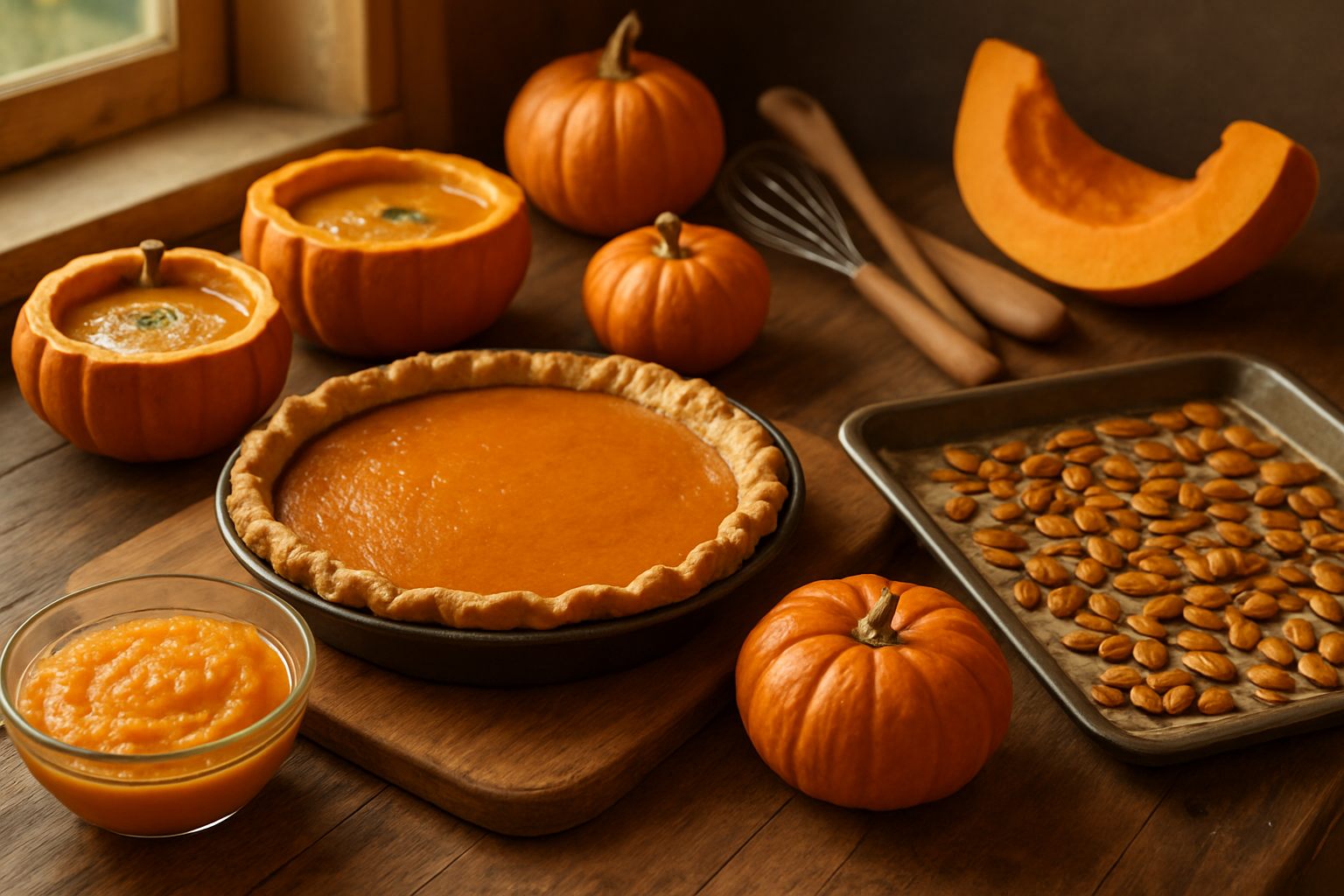
The art of cooking pumpkins spans centuries, with traditional methods varying from simple roasting to complex preparation techniques. Roasting whole pumpkins in wood-fired ovens remains one of the oldest and most effective ways to bring out their natural sweetness. Native American communities developed methods of stuffing pumpkins with wild rice, nuts, and game meat before slow-cooking them over open fires.
Traditional pumpkin recipes often focus on maximizing the vegetable's natural flavor profile. Classic pumpkin soups require gentle simmering with aromatic herbs, while traditional pumpkin bread relies on the moisture content and natural sugars found in pureed pumpkin flesh. Many old-world recipes call for combining different pumpkin varieties to achieve specific textures and flavors - sugar pumpkins for sweetness, field pumpkins for body, and ornamental varieties for color.
Steaming represents another time-tested cooking method, particularly popular in Asian cuisines where pumpkins are cut into chunks and steamed until tender. This technique preserves more nutrients compared to boiling and maintains the pumpkin's structural integrity for dishes requiring firm pieces.
Nutritional Advantages in Modern Diets
Modern nutrition science has validated what traditional cultures knew instinctively - pumpkins pack impressive nutritional value. A single cup of cooked pumpkin delivers over 200% of the daily recommended vitamin A intake, primarily through beta-carotene. This orange pigment acts as a powerful antioxidant, supporting immune function and promoting healthy vision.
Pumpkins offer substantial fiber content, with one cup providing approximately 3 grams of dietary fiber. This supports digestive health and helps regulate blood sugar levels, making pumpkins valuable for diabetic meal planning. The low calorie count - roughly 50 calories per cup - makes pumpkins excellent for weight management programs.
The potassium content in pumpkins supports cardiovascular health, while the vitamin C provides immune system benefits. Plant-based diets particularly benefit from pumpkins' iron content, though pairing with vitamin C-rich foods enhances absorption. Modern food scientists have identified unique compounds in pumpkin seeds, including zinc and magnesium, which support prostate health and bone density.
Athletes increasingly incorporate pumpkins into recovery meals due to their natural electrolyte balance and anti-inflammatory properties from compounds like cucurbitacins.
Preservation Techniques and Storage Solutions
Proper pumpkin preservation extends their usability well beyond harvest season. Fresh whole pumpkins store best in cool, dry environments with temperatures between 50-55°F and humidity levels around 70%. Properly cured pumpkins can last 2-6 months when stored on wooden shelves with adequate air circulation.
Freezing represents the most practical preservation method for home cooks. Blanched pumpkin cubes maintain quality for 8-12 months in freezer storage, while pureed pumpkin freezes well in portion-sized containers. Ice cube trays work perfectly for freezing small amounts of pumpkin puree for smoothies or baby food.
Dehydrating pumpkin creates shelf-stable chips and leather that store for years in airtight containers. Traditional smoking techniques, still used in some regions, impart unique flavors while extending storage life. Canning pumpkin requires pressure canning methods due to its low acidity, but properly canned pumpkin maintains quality for 2-3 years.
Commercial food processors use freeze-drying technology to create pumpkin powders and flakes that reconstitute easily and store indefinitely. Fermentation techniques, borrowed from other vegetable preservation methods, create probiotic-rich pumpkin products with extended shelf lives.
Popular Dishes Across Different Cultures
Global cuisines have embraced pumpkins in remarkably diverse ways, creating dishes that reflect local tastes and cooking traditions. Italian cuisine features pumpkin prominently in risottos and stuffed pasta dishes, particularly tortelli di zucca from Lombardy, where sweet Delica pumpkins combine with amaretti cookies and Parmigiano-Reggiano cheese.
Thai cuisine incorporates pumpkins into both sweet and savory applications. Gaeng pet fak thong (red curry with pumpkin) balances the vegetable's sweetness against spicy curry paste, while traditional Thai desserts like thong yip use pumpkin in egg-based custards.
Mexican cooking traditions include calabaza en tacha, where pumpkins cook slowly with cinnamon, piloncillo sugar, and orange peel. This Day of the Dead traditional dish showcases pumpkins' ability to absorb complex flavor combinations while maintaining their texture.
Japanese cuisine treats kabocha (Japanese pumpkin) as both vegetable and dessert ingredient. Tempura-battered kabocha creates popular restaurant dishes, while kabocha no nimono (simmered pumpkin) appears regularly in home cooking.
Indian regional cuisines prepare pumpkins in numerous ways - Bengali cooking features kumro (pumpkin) in fish curries, while South Indian preparations include sambar with pumpkin chunks. Middle Eastern cuisines stuff small pumpkins with rice, meat, and aromatic spices, creating hearty one-pot meals perfect for family gatherings.
Economic and Commercial Significance
.png)
Global production statistics and major growing regions
The global pumpkin industry spans across multiple continents, with production concentrated in regions that offer ideal growing conditions. China dominates worldwide pumpkin farming, producing over 7 million metric tons annually, accounting for nearly 40% of global output. The United States follows as the second-largest producer, generating approximately 1.5 million metric tons yearly, with Illinois, Indiana, Ohio, Pennsylvania, and California leading domestic commercial pumpkin production.
European countries contribute significantly to global supply, with Ukraine, Russia, and Romania ranking among top producers. India has emerged as a major player in the Asian market, focusing primarily on tropical pumpkin varieties. These major growing regions benefit from suitable climate conditions, established agricultural infrastructure, and access to international markets.
Production statistics reveal seasonal variations, with peak harvesting occurring between September and November in the Northern Hemisphere. The pumpkin cultivation industry has shown consistent growth, with global production increasing by approximately 15% over the past decade.
Market value and economic impact on agriculture
Commercial pumpkin production generates substantial economic value across multiple market segments. The global pumpkin market reaches approximately $2.1 billion annually, with fresh produce accounting for 60% of total value. Seasonal demand spikes dramatically during autumn months, particularly around Halloween, when prices can increase by 200-300% compared to off-season rates.
Agricultural communities benefit significantly from pumpkin farming operations. Small-scale farmers often use pumpkins as rotation crops, improving soil health while generating additional income. Large commercial operations create employment opportunities during planting, maintenance, and harvesting seasons, supporting rural economies.
The agritourism sector has embraced pumpkin production, with pumpkin patches and corn mazes generating millions in supplementary revenue. This seasonal tourism creates jobs in transportation, hospitality, and retail sectors, multiplying the economic impact beyond traditional agriculture.
Industrial applications beyond food consumption
Pumpkins serve diverse industrial purposes that extend far beyond culinary applications. The cosmetics industry increasingly utilizes pumpkin extracts, enzymes, and oils in skincare products, face masks, and anti-aging treatments. These applications capitalize on pumpkins' natural alpha-hydroxy acids and vitamins.
Biodegradable packaging represents an emerging market for pumpkin uses. Researchers have developed packaging materials from pumpkin fibers and pulp, offering environmentally friendly alternatives to petroleum-based plastics. The textile industry experiments with pumpkin-derived fibers for creating sustainable fabrics.
Agricultural waste from pumpkin cultivation finds purpose in biofuel production, animal feed supplements, and organic fertilizers. Pumpkin seeds generate valuable oil used in pharmaceuticals and health supplements, while shells become natural containers and decorative items.
The pharmaceutical industry investigates pumpkin compounds for potential medicinal applications, including anti-inflammatory and antioxidant properties. These diverse industrial applications continue expanding, creating new revenue streams for producers and processors worldwide.
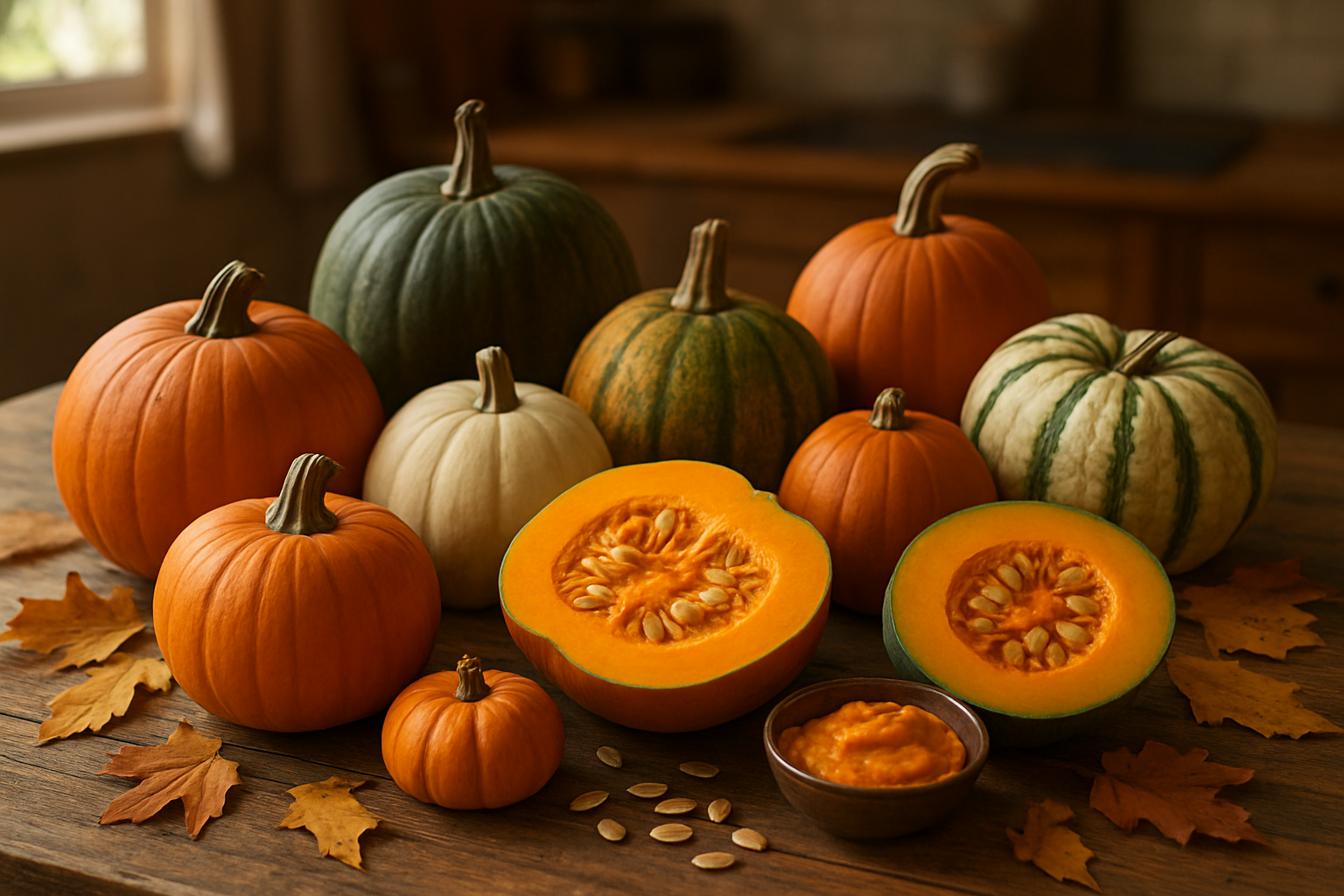
Pumpkins are far more than just seasonal decorations or pie ingredients. These versatile fruits serve multiple purposes across agriculture, cuisine, and commerce. From their specific growing requirements and soil needs to their classification as both fruits and vegetables depending on context, pumpkins have earned their place as valuable crops worldwide.
The economic impact of pumpkin farming extends well beyond seasonal sales. Their nutritional benefits, diverse culinary applications, and commercial uses in everything from animal feed to cosmetics make them profitable year-round crops. Whether you're considering growing your own pumpkins or simply want to appreciate their versatility, understanding these basics helps you see why pumpkins remain such an important part of global agriculture and food systems.


.png)
Comments
Post a Comment