Quince - What's The Quince Fruit?
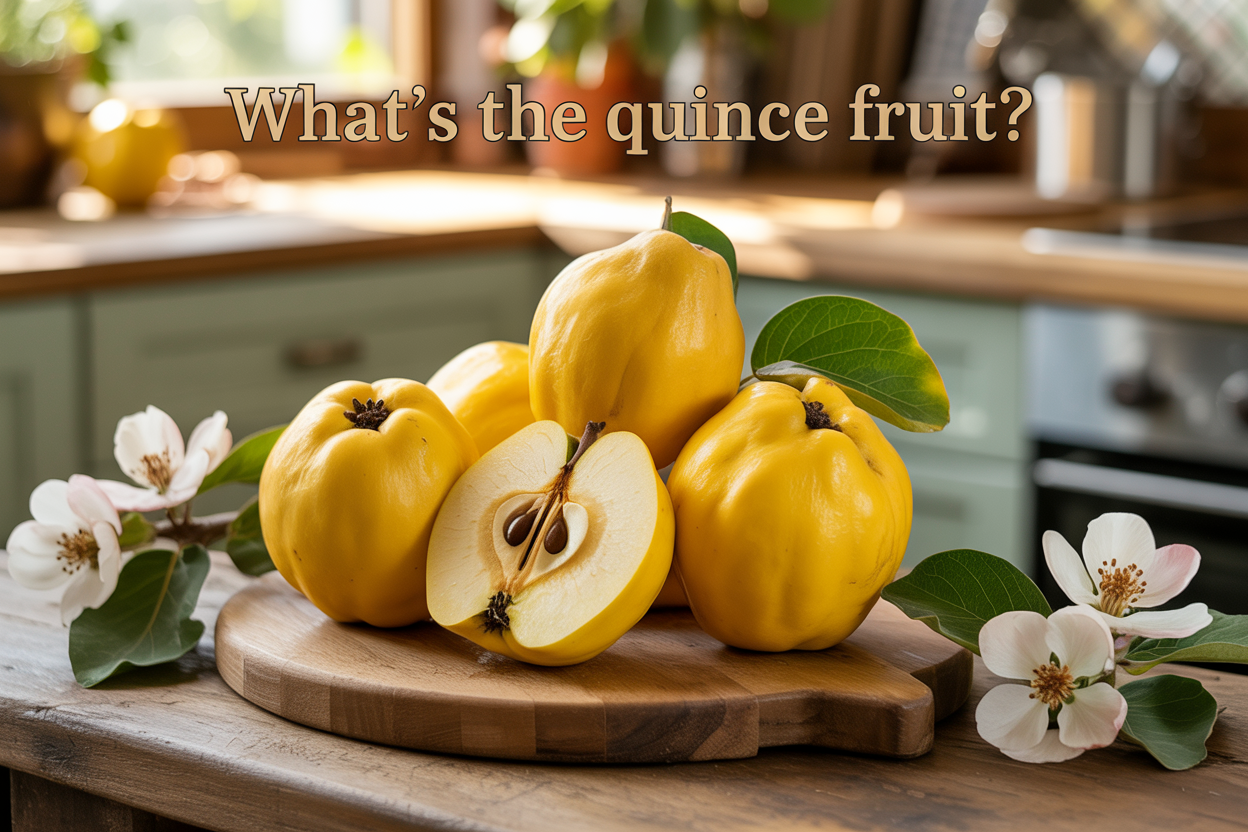
The quince fruit might look like a cross between an apple and a pear, but this golden treasure has its own unique story to tell. If you're curious about this often-overlooked fruit or stumbled upon quinces at your local farmers market, you're in for a treat.
This guide is perfect for home cooks wanting to explore new flavors, gardeners considering fruit trees for their yard, and anyone interested in traditional foods with modern health benefits.
We'll start by covering what is quince and why it deserves a spot in your kitchen, including its impressive quince nutrition profile and natural health properties. Then we'll dive into practical quince culinary uses and share simple techniques for how to cook quince, from basic preparation to classic quince jam recipes. Finally, we'll explore what it takes to start growing quince trees in your own backyard and discover why this ancient fruit has been cherished across cultures for thousands of years.
Understanding the Quince Fruit Basics
Physical characteristics and appearance of quince
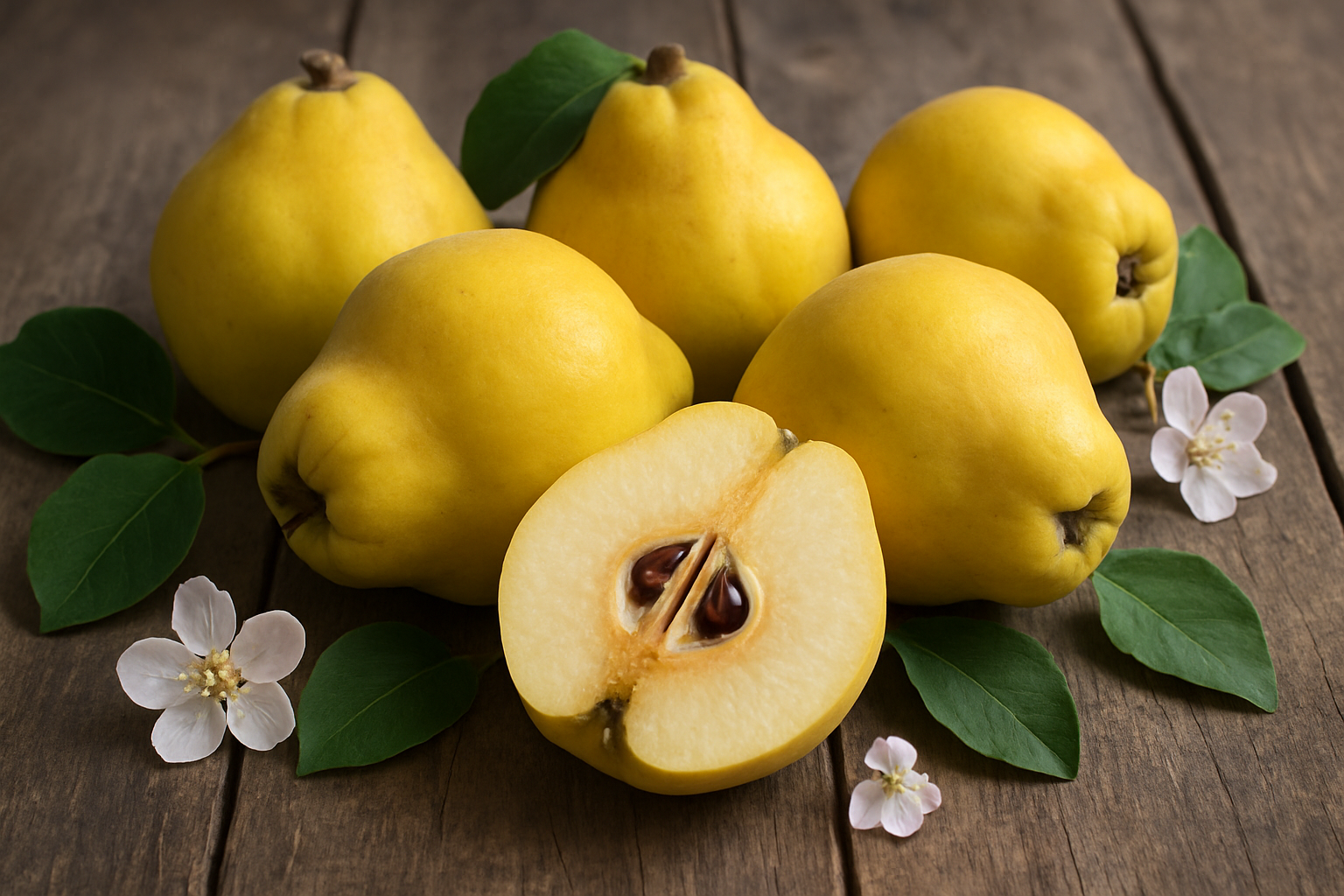
The quince fruit looks like a golden cross between an apple and a pear, but don't let that fool you into thinking it tastes the same. These beautiful fruits are typically larger than most apples, often reaching the size of a softball. Their skin has a distinctive fuzzy coating when fresh, similar to a peach but much more pronounced. The fuzz actually rubs off easily when handled.
What is quince in terms of color? When ripe, quinces display a gorgeous golden-yellow hue that almost seems to glow. The shape varies between varieties - some are more apple-like and round, while others lean toward a pear shape with a narrower top. The flesh inside is cream-colored to pale yellow, incredibly hard and astringent when raw, which makes them quite different from their apple and pear cousins.
The fruit's surface often shows natural bumps and irregularities, giving each quince a unique character. They typically weigh between 8-12 ounces, though some varieties can grow much larger. The skin bruises easily, developing brown spots that don't affect the fruit's quality but do impact its appearance.
Origin and natural habitat of quince trees
Quinces trace their roots back to ancient Persia and Turkey, where they've grown wild in mountainous regions for thousands of years. These hardy trees naturally thrive in areas with hot, dry summers and cool winters - conditions that mirror their Mediterranean origins.
The natural habitat of quince trees includes rocky hillsides and valley floors across the Caucasus region, parts of Central Asia, and the eastern Mediterranean. Wild quinces still grow in these areas today, often found alongside other stone fruits in mixed forests and scrublands.
These trees prefer well-drained soils and can handle drought conditions better than many other fruit trees. They're remarkably adaptable, which explains how they spread throughout Europe, Asia, and eventually to the Americas. The trees can tolerate temperatures as low as -25°F once established, making them suitable for many temperate climates worldwide.
Quince trees love full sun but can tolerate partial shade. They're not picky about soil pH, growing well in anything from slightly acidic to alkaline conditions. This adaptability helped them become established in diverse regions from California's Central Valley to the orchards of Eastern Europe.
How quince differs from apples and pears
While quinces belong to the same rose family as apples and pears, they're dramatically different in almost every practical way. The most obvious difference hits you the moment you try to take a bite - quince fruit is incredibly hard and astringent when raw, making it nearly inedible without cooking.
Apples and pears can be enjoyed fresh off the tree, but quinces require transformation through cooking to become palatable. The astringent compounds in raw quinces create an unpleasant, dry mouth sensation that's completely unlike the crisp sweetness of a fresh apple or the juicy texture of a ripe pear.
| Characteristic | Quince | Apple | Pear |
|---|---|---|---|
| Raw edibility | Inedible (too astringent) | Ready to eat | Ready to eat |
| Texture when raw | Rock-hard | Crisp | Soft to crisp |
| Aroma | Intensely fragrant | Mild | Mild |
| Cooking requirement | Essential | Optional | Optional |
| Flesh color when cooked | Pink to deep red | Remains pale | Remains pale |
The aroma sets quinces apart completely. While apples and pears have subtle scents, quinces produce an incredibly powerful, sweet fragrance that can fill an entire room. This intense perfume-like quality was prized in ancient times for scenting homes.
When cooked, quinces develop a completely different personality. The flesh transforms from hard and astringent to tender and sweet, often turning a beautiful pink or deep red color. This dramatic change through cooking makes them unique among common fruits.
Common varieties of quince found worldwide
Several distinct quince varieties have developed across different growing regions, each with unique characteristics that make them special for specific uses.
Champion quinces are among the most popular in North America. These large, pear-shaped fruits have excellent flavor and cook up beautifully for jams and jellies. They're also relatively easy to grow in home gardens, making them a favorite among backyard fruit growers.
Orange (also called Apple) quinces are rounder and more apple-like in shape. They're prized for their intense fragrance and excellent cooking qualities. The flesh turns a lovely orange-pink when cooked, making them perfect for preserves and desserts.
Pineapple quinces earned their name from their distinctive tropical-like aroma. They're slightly less astringent than other varieties and have a more tender texture when cooked. Some people can even eat small amounts raw, though cooking still brings out their best qualities.
Portuguese quinces are massive fruits that can weigh over a pound each. They're incredibly fragrant and produce excellent results in traditional European quince preparations like membrillo (quince paste).
Smyrna quinces come from Turkey and represent some of the oldest cultivated varieties. They're particularly well-suited to hot, dry climates and produce fruits with exceptional keeping qualities.
Japanese Quince (Chaenomeles) varieties are often grown more for ornamental purposes, though their smaller fruits are edible. These shrub-like plants produce beautiful spring flowers and small, very fragrant fruits that work well in preserves.
Each variety brings something different to the table in terms of size, shape, aroma intensity, and cooking characteristics, giving growers and cooks plenty of options to explore.
Nutritional Benefits and Health Properties
Essential vitamins and minerals in quince
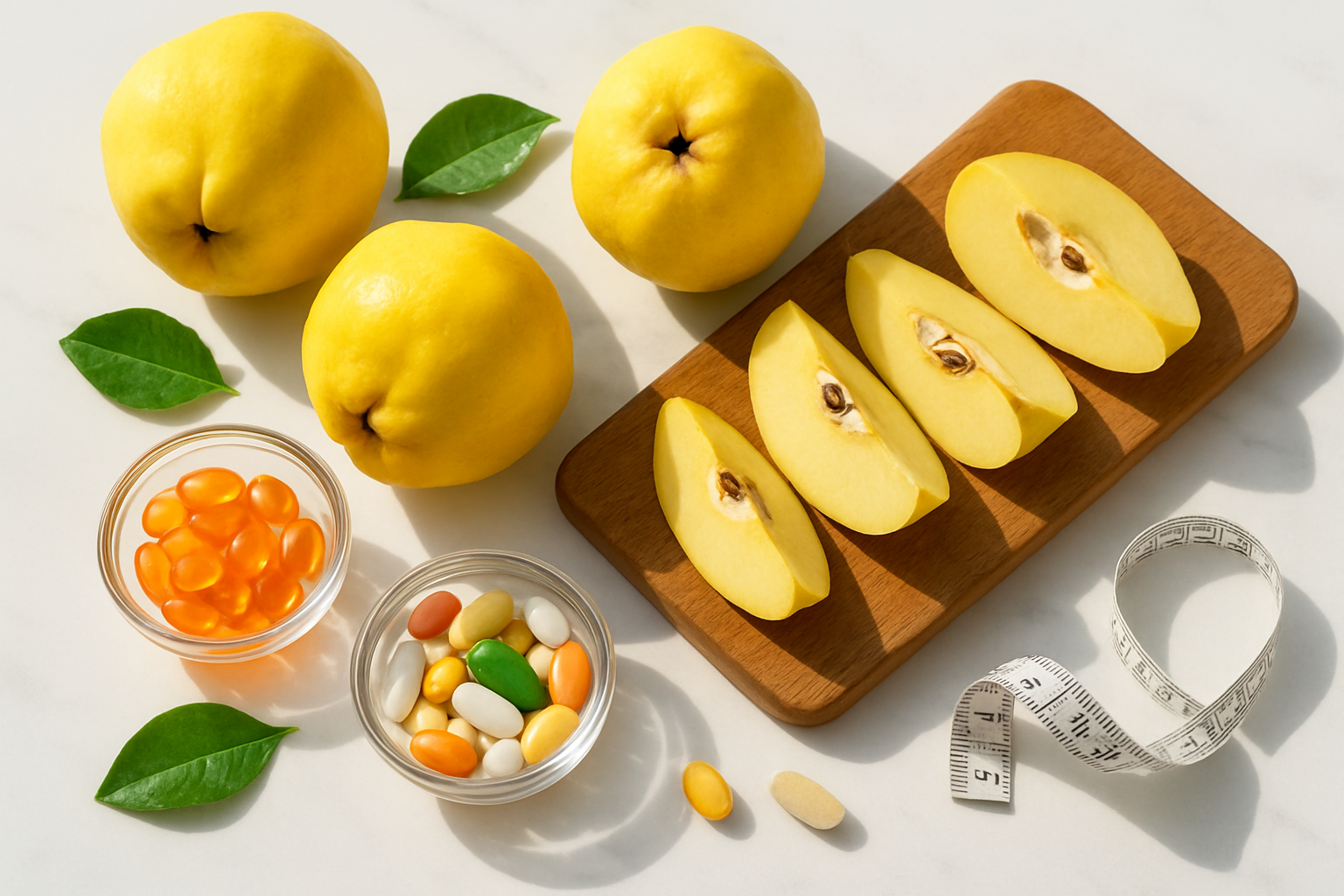
Quince fruit packs a surprisingly impressive nutritional punch despite being one of the lesser-known fruits in modern diets. This golden fruit delivers substantial amounts of vitamin C, providing about 15mg per 100 grams, which covers roughly 17% of your daily needs. The vitamin C content in quince benefits your skin health, wound healing, and overall immune function.
The fruit also contains meaningful amounts of copper, an essential mineral that helps your body absorb iron and supports healthy connective tissue formation. You'll find decent levels of potassium in quince nutrition, which plays a crucial role in heart health and blood pressure regulation. The fruit provides smaller but still valuable amounts of iron, magnesium, and phosphorus.
What makes quince particularly interesting is its content of pectin and tannins, which contribute to its unique texture and astringent taste. These compounds also offer health benefits beyond basic nutrition. The fruit contains folate, important for cell division and DNA synthesis, making it especially valuable for pregnant women.
Antioxidant properties and immune system support
The antioxidant properties of quince fruit come primarily from its phenolic compounds, including catechins, epicatechins, and various flavonoids. These powerful compounds help neutralize free radicals in your body, potentially reducing oxidative stress and inflammation. The golden color of ripe quince indicates the presence of carotenoids, another group of antioxidants that support eye health and immune function.
Research suggests that quince health properties include anti-inflammatory effects, which may help protect against chronic diseases. The fruit's unique combination of antioxidants works synergistically to support your immune system, helping your body defend against infections and environmental stressors.
The tannins found in quince also contribute to its antioxidant capacity. While these compounds give the raw fruit its astringent taste, they provide protective benefits when consumed. Some studies indicate that regular consumption of antioxidant-rich fruits like quince may support cardiovascular health and cognitive function.
Digestive health benefits from high fiber content
Quince delivers impressive digestive health benefits thanks to its high fiber content, providing about 1.9 grams per 100 grams of fruit. This soluble and insoluble fiber combination supports healthy digestion in multiple ways. The pectin in quince acts as a prebiotic, feeding beneficial gut bacteria and promoting a healthy microbiome.
The fiber in quince benefits your digestive system by adding bulk to stool and promoting regular bowel movements. This can help prevent constipation and support overall gut health. The soluble fiber also helps slow down sugar absorption, which can be beneficial for blood sugar management.
Traditional medicine has long recognized quince for its digestive properties. The fruit's natural compounds may help soothe stomach irritation and support healthy digestion. The mucilaginous properties of cooked quince create a gentle, coating effect that can be particularly soothing for sensitive digestive systems.
The combination of fiber and natural fruit acids in quince also supports the body's natural detoxification processes by promoting healthy elimination and supporting liver function.
Culinary Uses and Cooking Methods
Why quince requires cooking before consumption
Raw quince fruit presents a unique challenge - it's incredibly hard, astringent, and nearly inedible in its fresh state. The fruit contains high levels of tannins that create an unpleasant, dry sensation in your mouth. Unlike apples or pears, biting into a raw quince will leave you with a woody, bitter experience that's far from enjoyable.
How to cook quince transforms this stubborn fruit completely. Heat breaks down the tough cellular structure and converts the tannins, revealing the quince's hidden sweetness and aromatic qualities. The cooking process also brings out the fruit's signature perfume-like fragrance that makes it so prized in kitchens worldwide.
Traditional quince preserves and jellies
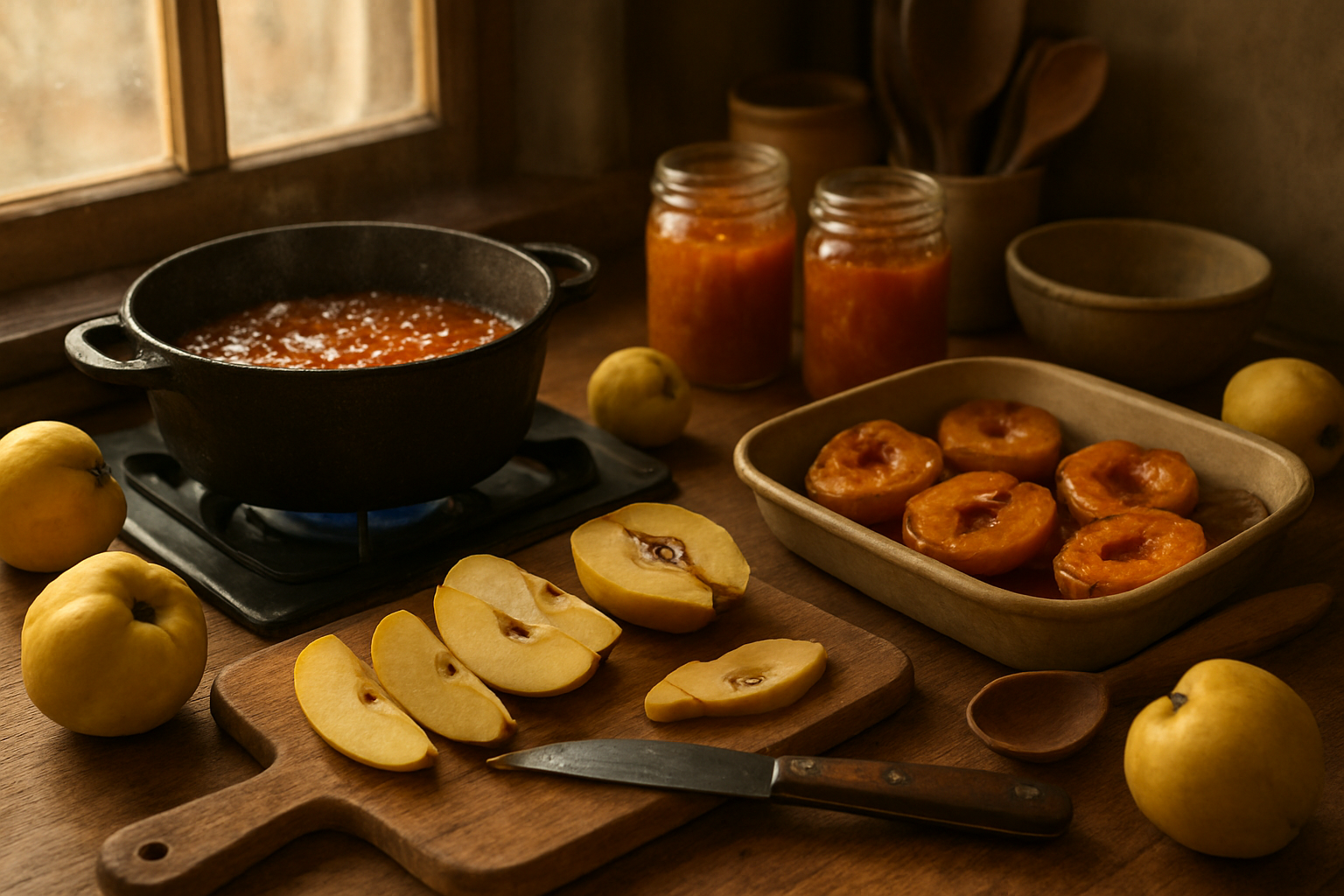
Quince jam stands as one of the most beloved ways to preserve this fruit. The natural pectin content in quinces makes them perfect for creating thick, jewel-toned preserves. Traditional quince jelly achieves a beautiful amber color and intense flavor that spreads wonderfully on toast or pairs with cheese.
Spanish membrillo represents the gold standard of quince preserves - a thick, sliceable paste that's often served alongside Manchego cheese. This concentrated preserve requires patience, cooking the quince down slowly until it reaches a deep ruby color and firm consistency.
Portuguese marmelada follows similar principles but often includes additional spices like cinnamon or lemon zest. These preserves can last for months when properly stored, making them excellent pantry staples.
Baking and roasting techniques for quince
Roasted quince develops beautiful caramelized edges while maintaining a tender interior. Cut the fruit into quarters, remove the core, and roast at 375°F with honey, butter, and warming spices. The natural sugars concentrate during roasting, creating complex flavors.
Poaching quince in wine or spiced syrup creates elegant desserts. The fruit absorbs the liquid's flavors while becoming fork-tender. Red wine poaching turns quince a stunning deep pink color that's perfect for special occasions.
Quince recipes for baking often incorporate the fruit into tarts, where its firm texture holds up well during cooking. Unlike softer fruits, quince won't turn mushy, making it ideal for galettes and rustic pies.
Popular quince recipes from different cultures
Middle Eastern cuisines feature quince in savory stews, particularly with lamb or chicken. The fruit's tartness balances rich meats while adding subtle sweetness to the dish. Persian khoreshte-beh combines quince with meat and aromatic herbs.
Turkish ayva tatlısı presents quince as a dessert, stuffed with nuts and slow-cooked in syrup. The whole fruit becomes translucent and incredibly fragrant.
Greek quince spoon sweets (glyko) preserve small pieces of the fruit in heavy syrup, traditionally served to guests with coffee. These intensely sweet morsels showcase the fruit's floral notes.
Pairing quince with other ingredients
Quince's complex flavor profile makes it remarkably versatile. The fruit complements both sweet and savory applications beautifully. Classic pairings include:
| Ingredient Category | Best Matches |
|---|---|
| Proteins | Pork, lamb, duck, game meats |
| Cheeses | Manchego, goat cheese, blue cheese |
| Spices | Cinnamon, cardamom, star anise, ginger |
| Other Fruits | Apples, pears, pomegranates, figs |
| Nuts | Walnuts, almonds, pistachios |
The fruit's natural acidity cuts through fatty meats, while its sweetness enhances savory dishes. When using quince in cooking, remember that it takes significantly longer to soften than other fruits, so plan your cooking times accordingly.
Growing and Harvesting Quince

Climate and Soil Requirements for Quince Trees
Growing quince trees successfully starts with understanding their environmental needs. These hardy fruit trees thrive in temperate climates with distinct seasons, preferring areas that experience cold winters and warm summers. Quince trees need a certain amount of winter chill hours - typically between 200-400 hours below 45°F - to produce quality fruit. This makes them well-suited for USDA hardiness zones 5-9.
When it comes to soil, quince trees are remarkably adaptable but perform best in well-draining, slightly acidic to neutral soil with a pH between 6.0-7.0. They can tolerate clay soils better than many other fruit trees, though ensuring proper drainage remains crucial to prevent root rot. The soil should be rich in organic matter, which helps retain moisture while allowing excess water to drain away.
Quince trees appreciate full sun exposure, requiring at least 6-8 hours of direct sunlight daily for optimal fruit production. They can handle partial shade but may produce fewer fruits. Wind protection benefits young trees, though mature quinces are quite wind-tolerant. These trees also show good drought tolerance once established, though consistent moisture during the growing season improves fruit quality and size.
Seasonal Growing Patterns and Harvest Timing
Understanding the seasonal rhythm of quince trees helps maximize your harvest. Spring brings beautiful white or pale pink blossoms that appear after the leaves emerge, usually in late April or May depending on your location. The flowers are self-fertile, meaning a single tree can produce fruit without cross-pollination, though planting multiple varieties often increases yields.
Summer is the primary growing season when quinces develop from small, fuzzy fruits into their characteristic golden-yellow appearance. The fruits grow slowly compared to other tree fruits, requiring the full growing season to mature properly. During this time, regular watering and occasional fertilizing support healthy development.
Harvest timing varies by region but typically falls between late September and November. Ripe quinces turn from green to golden-yellow and develop their distinctive fragrant aroma. The fruits should feel firm but give slightly to pressure when ready. Don't wait for quinces to fall from the tree - harvest them when they reach full color and size but remain firm. Late-season quinces often have the best flavor and highest pectin content, making them ideal for preserves and cooking.
Storage Methods to Preserve Fresh Quince
Proper storage extends the usability of your quince harvest significantly. Fresh quinces can last several weeks when stored correctly, giving you plenty of time to enjoy them or process them into preserves. The key is maintaining the right temperature and humidity conditions.
Store quinces in a cool, dark place with good air circulation. A basement, root cellar, or refrigerator crisper drawer works well. Ideal storage temperature ranges between 32-40°F with humidity around 85-90%. Wrap individual fruits in newspaper or place them in perforated plastic bags to maintain humidity while preventing moisture buildup that could cause rot.
Check stored quinces regularly and remove any showing signs of decay immediately to prevent spread. Properly stored quinces continue to ripen slowly, developing their full aroma over time. Some varieties actually improve in flavor after a few weeks of storage.
For longer preservation, consider processing quinces into jam, jelly, or paste shortly after harvest. Their high pectin content makes them excellent for these preparations. You can also freeze quinces after cooking them, though fresh quinces don't freeze well due to their texture. Dehydrating sliced quinces creates a shelf-stable option that retains much of the fruit's distinctive flavor.
Cultural Significance and Historical Context
Ancient Civilizations and Their Use of Quince
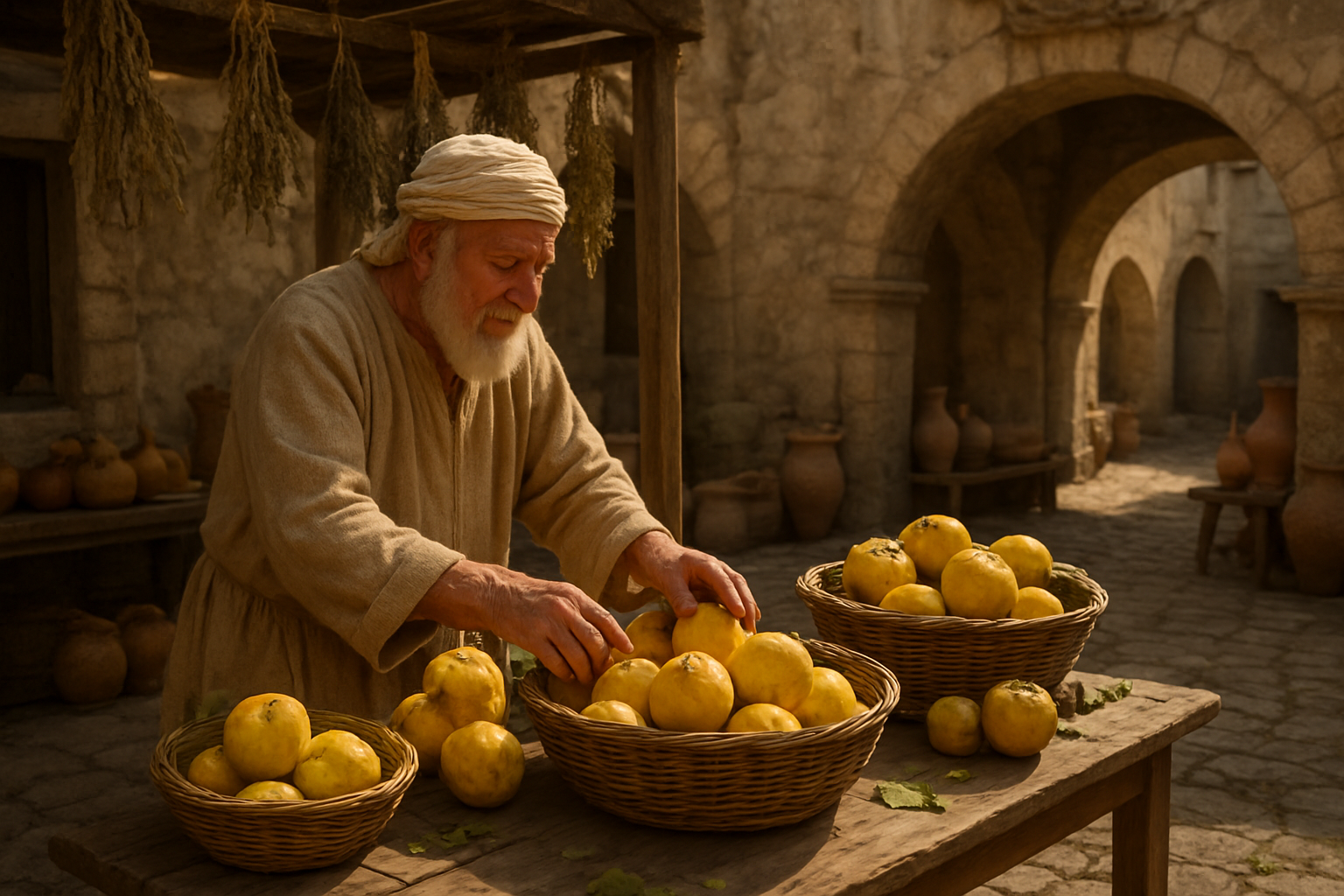
The quince fruit has been treasured for thousands of years, with archaeological evidence pointing to its cultivation in ancient Mesopotamia around 4,000 years ago. Ancient Greeks considered quinces sacred to Aphrodite, the goddess of love, and Greek mythology tells us that the golden apple Paris gave to Aphrodite was actually a quince. This golden fruit became deeply woven into wedding ceremonies, where brides would bite into a quince to ensure a sweet marriage.
Roman civilization embraced quinces with equal enthusiasm, using them extensively in cooking and medicine. Pliny the Elder documented numerous quince varieties in his natural histories, describing their medicinal properties for digestive ailments. The Romans developed sophisticated preservation techniques, creating what we now recognize as the ancestor to modern quince jam and marmalade.
Ancient Persian and Middle Eastern cultures cultivated quinces extensively, developing many of the cooking methods still used today. They discovered that slow-cooking transformed the fruit's astringent flesh into something magnificently aromatic and sweet. These early culinary innovations laid the groundwork for quince recipes that would spread across the Mediterranean and beyond.
Symbolic Meanings in Different Cultures
Across cultures, quinces carry profound symbolic weight that extends far beyond their quince benefits as food. In Islamic tradition, many scholars believe the forbidden fruit in the Garden of Eden was actually a quince, not an apple. This interpretation stems from the fruit's golden color and intoxicating fragrance, which seemed more fitting for paradise than ordinary apples.
Jewish culture embraces quinces during Rosh Hashanah, where their sweetness represents hopes for a sweet new year. The fruit's hard exterior that softens with proper preparation serves as a metaphor for life's challenges yielding to patience and care.
Greek Orthodox wedding traditions still incorporate quinces, continuing ancient customs where the fruit symbolizes fertility and marital happiness. Newlyweds share quince preserves to bless their union with sweetness and abundance.
In many Balkan countries, quinces represent hospitality and prosperity. Hosts offer quince preserves to guests as a gesture of welcome and respect. The labor-intensive process of preparing quince jam demonstrates the host's dedication to their visitors.
Turkish culture particularly reveres quinces, with the phrase "elma quince" (apple quince) representing something precious and rare. Traditional Turkish cuisine features quinces in both sweet and savory dishes, reflecting the fruit's versatility and cultural importance.
Modern Cultivation and Availability Worldwide
Today's growing quince trees has expanded globally, though production remains concentrated in traditional regions. Turkey leads world production, followed by China, Argentina, and Iran. These countries maintain centuries-old cultivation practices while incorporating modern agricultural techniques.
Quince nutrition awareness has sparked renewed interest in Western markets, where the fruit was nearly forgotten for decades. Health-conscious consumers now seek out quinces for their high pectin content, vitamin C, and antioxidant properties. Specialty grocery stores and farmers' markets increasingly stock fresh quinces during harvest season.
European countries like Spain, Italy, and France maintain strong quince traditions, with regional varieties adapted to local climates and culinary preferences. Spanish membrillo (quince paste) remains a cornerstone of Iberian cuisine, while French cognassier varieties produce fruit specifically for preserves and liqueurs.
Modern cultivation techniques have improved yield and disease resistance, making quince fruit more accessible to home gardeners worldwide. Climate change has actually benefited some regions, allowing quince cultivation to expand into previously unsuitable areas.
North American interest in heritage fruits has brought quinces back to boutique orchards and home gardens. Farmers' markets from California to Maine now feature locally grown quinces, often accompanied by recipe cards explaining how to cook quince for newcomers to the fruit.
Online retailers have revolutionized quince availability, shipping fresh fruit and quince products globally. This accessibility has helped preserve traditional quince recipes while inspiring new culinary applications in fusion cuisine.
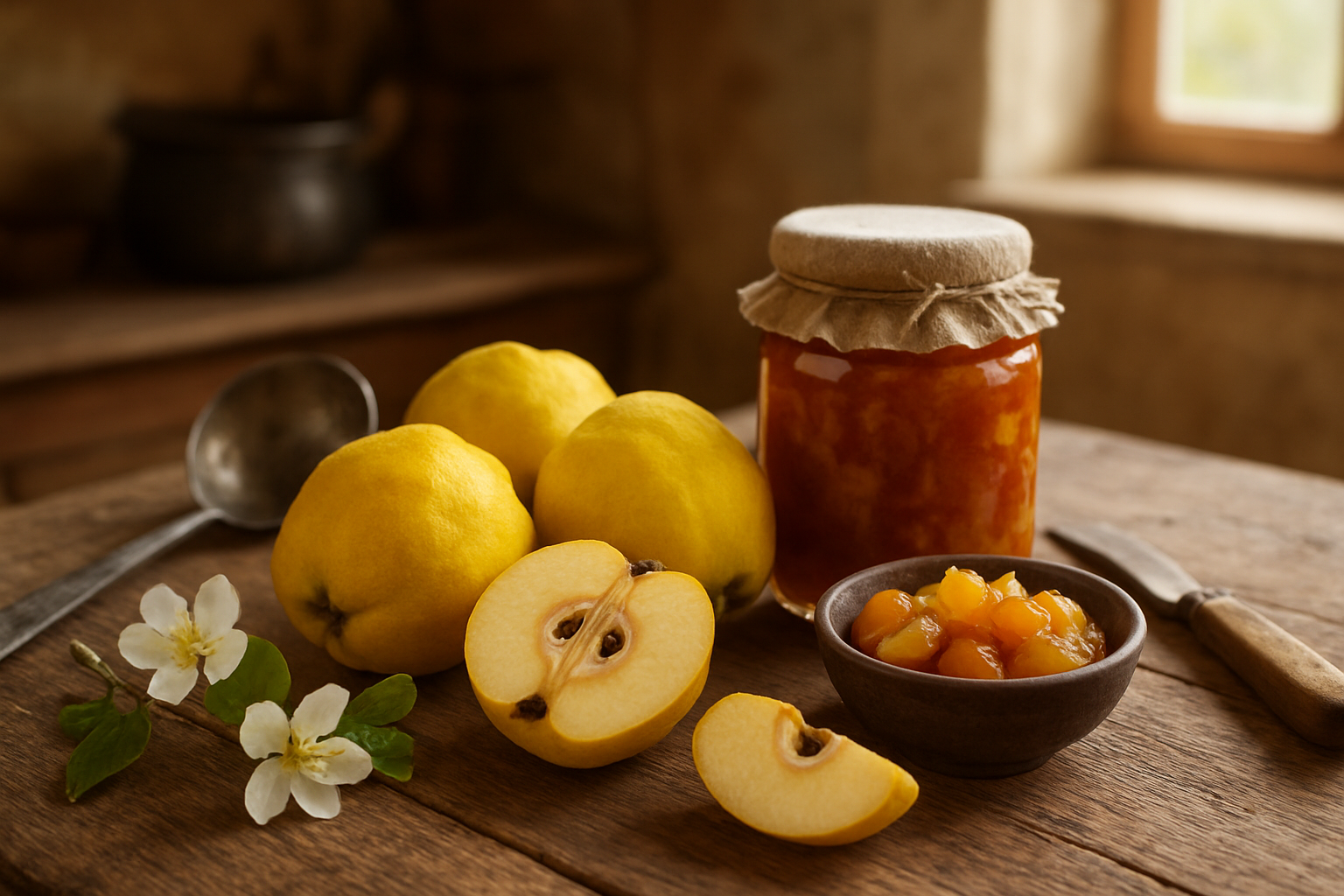
Quince might not be the most popular fruit in your local grocery store, but it packs a serious nutritional punch and brings centuries of culinary tradition to your kitchen. From its impressive vitamin C content to its natural pectin that makes amazing jams and jellies, this golden fruit offers both health benefits and incredible cooking versatility. Whether you're making traditional Middle Eastern stews, European preserves, or experimenting with modern recipes, quince adds a unique floral sweetness that's hard to replicate.
If you've never tried quince before, now's the perfect time to give it a shot. Look for firm, fragrant fruits at specialty stores or farmers markets, and don't be intimidated by the cooking process – the transformation from hard, astringent raw fruit to tender, aromatic cooked quince is truly magical. Growing your own quince tree can also be a rewarding long-term project, connecting you to the rich history of this ancient fruit that has graced tables from Persia to Portugal for thousands of years.


.png)
Comments
Post a Comment