Raisins - What Are Raisins?
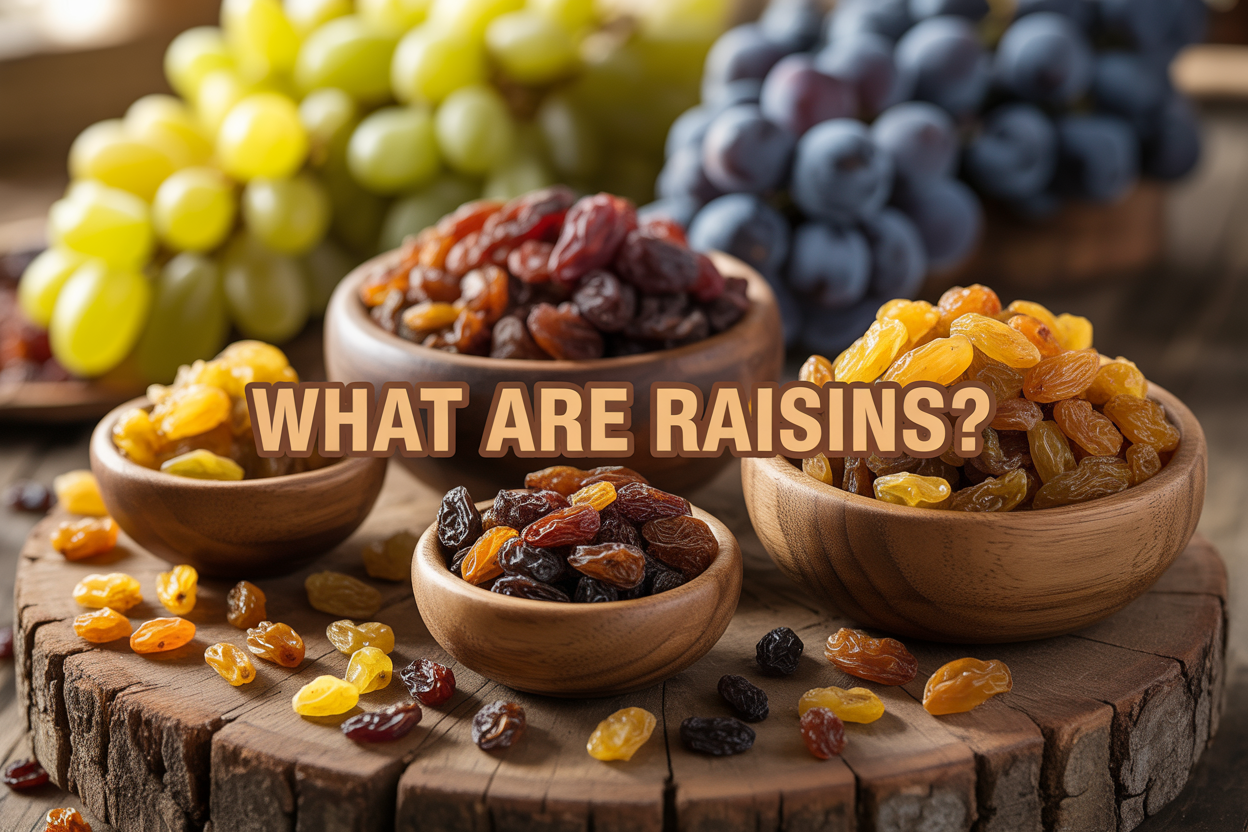
What Are Raisins? Your Complete Guide to Nature's Sweet Snack
Raisins are simply dried grapes that pack a punch of sweetness and nutrition into every tiny bite. This guide is perfect for home cooks, health-conscious snackers, and anyone curious about these wrinkled little gems that show up in everything from trail mix to oatmeal cookies.
You'll discover what makes raisins special beyond their chewy texture and natural sweetness. We'll explore the different types of raisins you'll find at the store, from golden sultanas to dark Thompson seedless varieties. You'll also learn how raisins are made through various drying methods, plus get the scoop on their impressive nutritional benefits and smart storage tips to keep them fresh in your pantry.
Ready to become a raisin expert? Let's dive into everything you need to know about these concentrated bundles of grape goodness.
Understanding the Basic Definition and Nature of Raisins
Learn What Raisins Are and How They Differ from Fresh Grapes
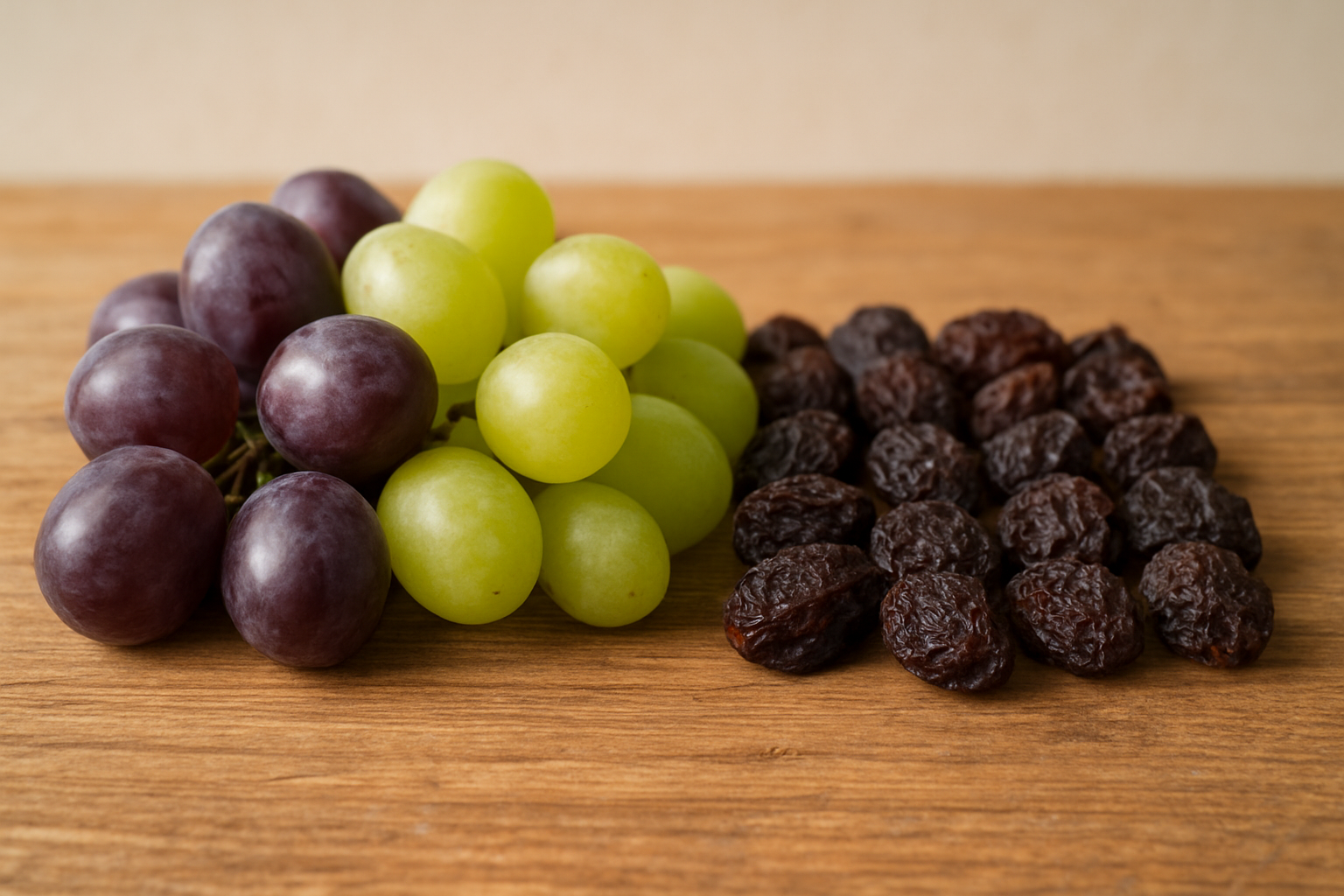
What are raisins? Simply put, raisins are dried grapes that have undergone a dehydration process, removing most of their water content while concentrating their natural sugars and flavors. This transformation creates a completely different food product with unique characteristics that set it apart from its fresh counterpart.
Fresh grapes contain approximately 80-85% water, giving them their juicy, plump texture and light, refreshing taste. When grapes become raisins, their water content drops to just 15-20%, creating a chewy, concentrated treat that's significantly sweeter and more calorie-dense than the original fruit.
| Characteristic | Fresh Grapes | Raisins |
|---|---|---|
| Water Content | 80-85% | 15-20% |
| Texture | Juicy, firm | Chewy, wrinkled |
| Sweetness | Mild to moderate | Highly concentrated |
| Shelf Life | 1-2 weeks refrigerated | 6-12 months |
| Calories (per 100g) | 62 calories | 299 calories |
The physical appearance also changes dramatically. Fresh grapes are smooth, plump, and vibrant in color, while raisins develop a wrinkled, shriveled appearance with darker, more muted tones. This visual transformation reflects the internal changes happening at the cellular level.
Discover the Natural Dehydration Process That Creates Raisins
The dehydration process that creates raisins can occur naturally or through controlled methods. Natural sun-drying has been used for thousands of years and remains the most traditional approach to raisin production.
During natural dehydration, grapes are typically laid out on paper trays or hung in bunches, allowing the sun's heat and air circulation to slowly remove moisture. This process takes anywhere from 2-4 weeks, depending on weather conditions, grape variety, and desired final moisture content.
Key factors in natural dehydration:
-
Temperature ranges of 95-110°F (35-43°C)
-
Low humidity levels below 60%
-
Good air circulation
-
Protection from rain and excessive moisture
Modern commercial operations often use artificial dehydration methods to speed up the process and ensure consistent quality. These include:
-
Tunnel dehydrators: Controlled temperature and airflow systems
-
Tray dryers: Heated air circulated over grape-filled trays
-
Vacuum drying: Reduced pressure environments that lower drying temperatures
The choice of dehydration method affects the final product's color, texture, and flavor profile. Sun-dried raisins often have a more complex flavor due to the slower, variable drying conditions, while mechanically dried raisins offer more uniform appearance and faster production times.
Explore the Transformation from Grape to Raisin
The journey from grape to raisin involves fascinating biochemical and physical changes that completely alter the fruit's character. This transformation goes far beyond simple water removal.
Sugar concentration is one of the most significant changes. As water evaporates, the natural sugars become increasingly concentrated, making raisins much sweeter than fresh grapes. The sugar content can increase from 15-20% in fresh grapes to 60-70% in finished raisins.
Cell structure changes occur as water leaves the grape tissues. The cell walls collapse and wrinkle, creating the characteristic shriveled appearance. This process also breaks down some cellular barriers, making nutrients more bioavailable.
Flavor development happens through enzymatic reactions during the drying process. These reactions create new flavor compounds that give raisins their distinctive taste profile - deeper, more complex, and earthier than fresh grapes.
Color transformation varies by grape variety but generally results in darker, more muted tones. Green grapes may turn golden or brown, while red or purple grapes become deep brown or nearly black.
The entire transformation preserves the grape's nutritional value while creating a shelf-stable product that can be stored for months without refrigeration. This remarkable change from a perishable fresh fruit to a long-lasting dried good explains why raisins have been valued as both food and trade commodities throughout human history.
Discover the Different Types and Varieties of Raisins
Compare golden raisins versus dark raisins
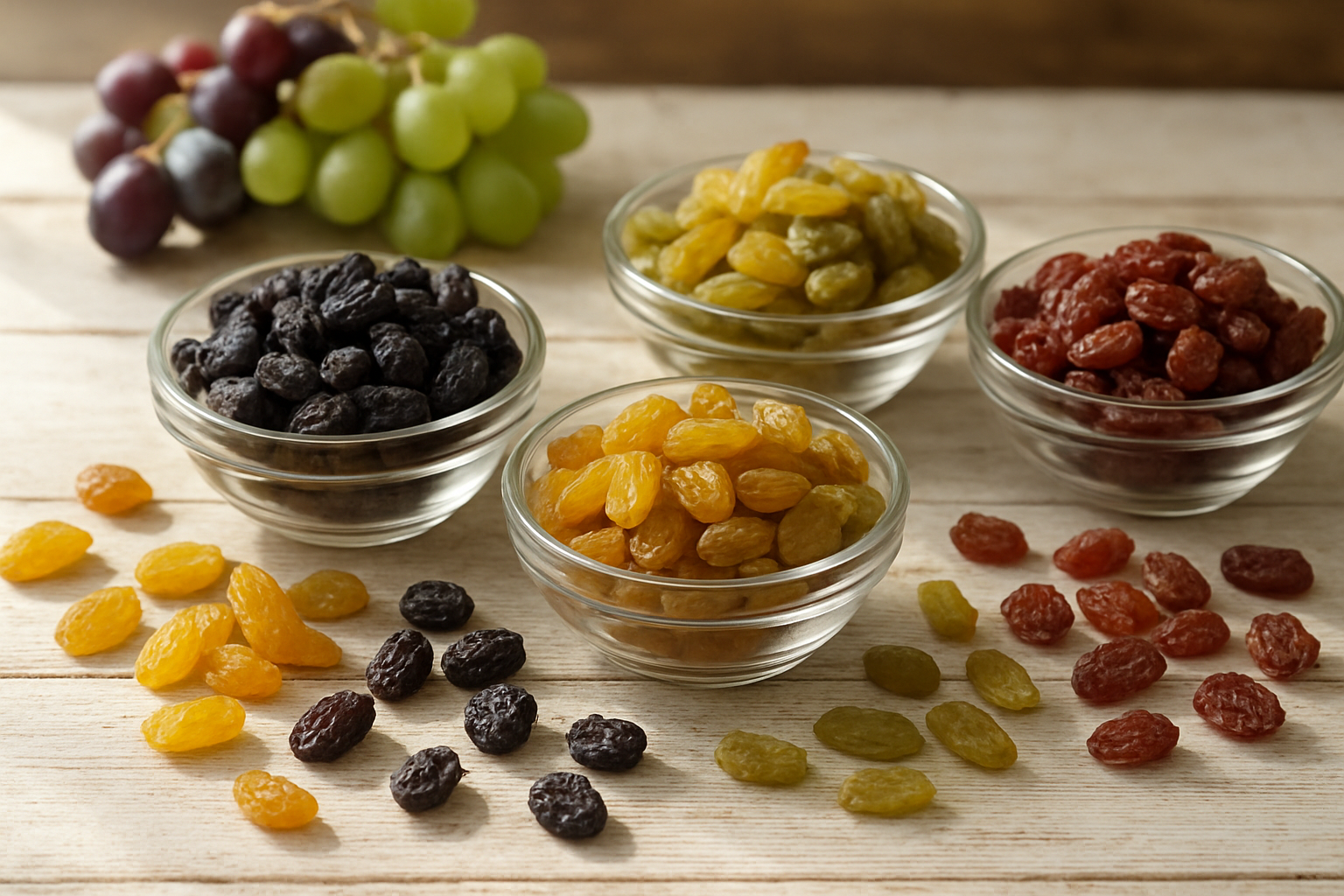
Golden raisins and dark raisins represent the two most popular types of raisins found in kitchens worldwide, each offering distinct characteristics that make them suitable for different culinary applications. The primary difference lies in their processing methods and resulting flavor profiles.
Dark raisins, typically made from Thompson Seedless grapes, undergo natural sun-drying for several weeks. This process creates their characteristic deep brown color and concentrated, intensely sweet flavor with subtle molasses notes. The natural oxidation during sun-drying gives these dried grapes their chewy texture and robust taste that pairs beautifully with oatmeal cookies, trail mix, and hearty bread recipes.
Golden raisins receive a different treatment that preserves their lighter color and creates a more delicate flavor. These raisin varieties are treated with sulfur dioxide and dried using controlled heat in dehydrators or ovens. This process prevents browning and maintains their golden hue while producing a milder, more nuanced sweetness with subtle tartness. Golden raisins tend to be plumper and softer than their dark counterparts, making them excellent for salads, rice pilafs, and delicate baked goods.
| Feature | Dark Raisins | Golden Raisins |
|---|---|---|
| Color | Deep brown/black | Light golden yellow |
| Processing | Sun-dried naturally | Sulfur-treated, oven-dried |
| Flavor | Intense, concentrated sweetness | Mild, subtle sweetness |
| Texture | Chewy, firmer | Plump, softer |
| Best Uses | Cookies, trail mix, bread | Salads, rice dishes, light baking |
Explore sultanas and their unique characteristics
Sultanas represent a premium category of raisin varieties that originate from specific grape cultivars and regions, most notably the sultana grape variety primarily grown in Turkey, Australia, and California. These dried grapes possess distinctive qualities that set them apart from common raisins.
True sultanas are naturally seedless and smaller than regular raisins, with a golden to light brown color when dried. They offer a delicate, wine-like flavor with subtle floral notes that reflect their grape origins. The sultana grape's thin skin contributes to faster drying times and creates a tender texture that doesn't require the chewy bite associated with thicker-skinned raisin varieties.
Turkish sultanas are considered the gold standard, prized for their exceptional sweetness and uniform size. These are often sun-dried on special drying beds, creating a natural product without chemical treatments. Australian sultanas, primarily from the Murray River region, offer consistent quality and are often mechanically harvested and dried using controlled methods.
The versatility of sultanas makes them popular in Middle Eastern and Mediterranean cuisines, where they enhance rice dishes, couscous, and meat preparations. Their refined flavor profile works exceptionally well in upscale baking applications, from artisanal breads to gourmet desserts.
Learn about currants and specialty raisin varieties
Currants occupy a unique position among types of raisins, often misunderstood due to naming confusion with fresh currant berries. True raisin currants are made from small, dark grapes grown primarily in Greece, specifically the Black Corinth grape variety, which produces tiny, intensely flavored dried grapes.
These miniature raisins pack remarkable flavor intensity into their small size, delivering concentrated sweetness with complex notes that can include hints of spice and deep fruit flavors. Their petite size makes them perfect for applications where larger raisins might overwhelm, such as in delicate pastries, scones, and traditional British spotted dick.
Greek currants, also known as Zante currants, represent the highest quality in this category. They're naturally seedless and require careful harvesting due to their small size. The drying process concentrates their flavors even more than regular raisins, creating an almost jam-like intensity when bitten.
Specialty raisin varieties extend beyond these traditional options to include:
-
Flame raisins: Made from red Flame Seedless grapes, offering a slightly different flavor profile
-
Monukka raisins: Large, dark raisins with seeds, prized for their meaty texture
-
Muscat raisins: Made from Muscat grapes, featuring distinctive floral and wine-like characteristics
-
Lexia raisins: Large Australian variety perfect for snacking
Understand how grape variety affects raisin flavor and texture
The foundation of any quality raisin begins with the grape variety selected for drying, as different cultivars contribute unique characteristics that remain prominent even after the dehydration process. Understanding these relationships helps explain why certain raisin varieties excel in specific applications.
Thompson Seedless grapes, the most common source for commercial dried grapes, provide reliable sweetness with balanced acidity and thin skins that dry evenly. Their neutral flavor profile makes them versatile, but they lack the complexity found in specialty varieties.
Muscat grapes create raisins with pronounced floral aromatics and wine-like complexity. These grapes naturally contain higher levels of certain compounds that survive the drying process, resulting in raisin varieties that taste distinctly different from standard options. The natural oils in Muscat grape skins contribute to a slightly different mouthfeel and more intense flavor release.
Red grape varieties like Flame Seedless produce raisins with subtle berry notes and slightly different tannin structures. These types of raisins often have more complex flavor development and can add interesting color variation to dishes.
The grape's sugar content at harvest directly impacts the final raisin's sweetness intensity. Grapes with higher natural sugar levels produce sweeter raisins, while those with more balanced sugar-to-acid ratios create more complex flavor profiles. Skin thickness affects both drying time and final texture, with thicker-skinned varieties producing chewier raisins and thin-skinned grapes yielding more tender results.
Climate and growing conditions also influence the final product, as grapes grown in different regions develop varying concentrations of flavor compounds that carry through to the finished dried grapes.
Master the Production Methods Behind Quality Raisins
Understand sun-drying techniques for traditional raisins
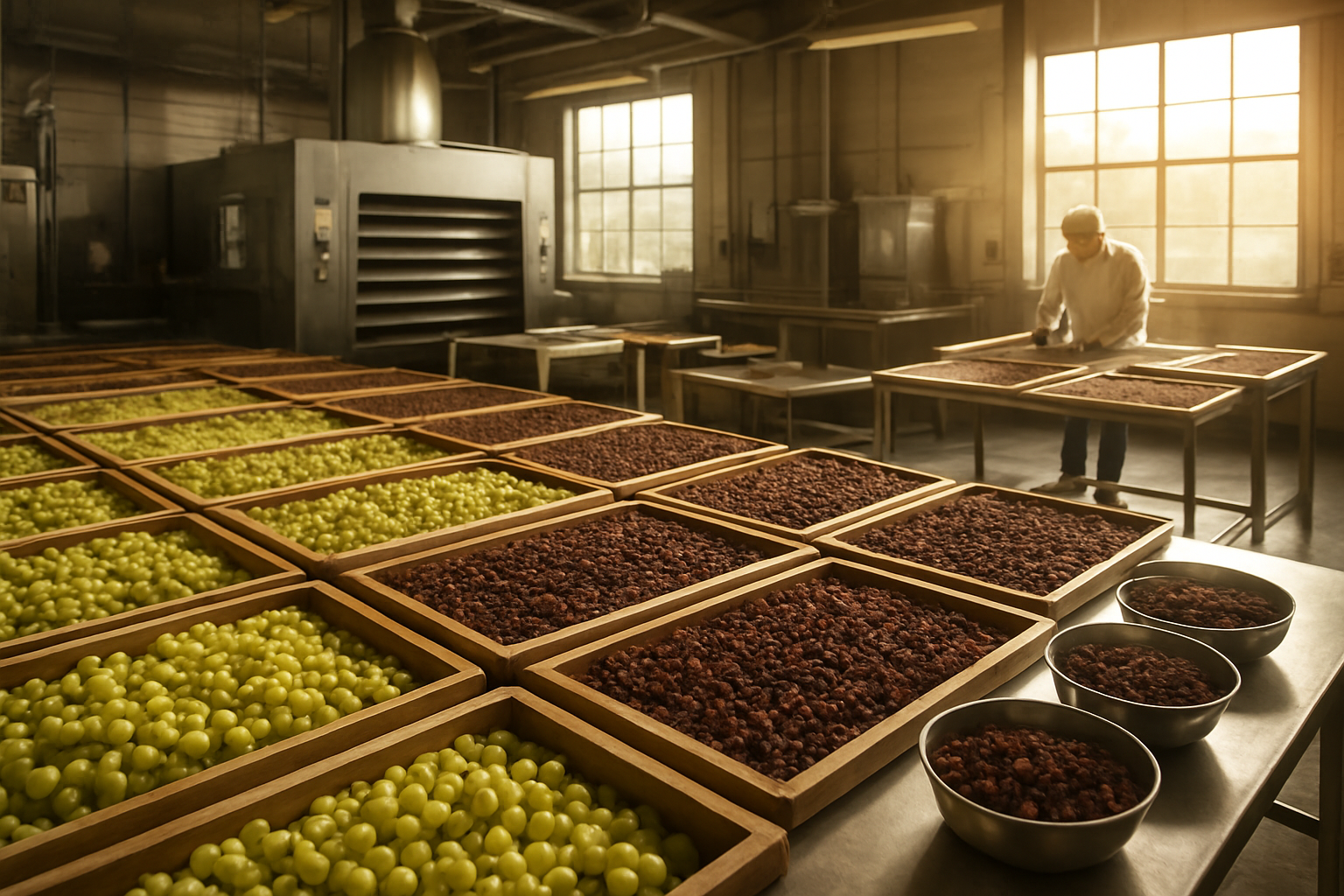
Sun-drying remains the most ancient and widely used method for creating raisins from fresh grapes. This traditional raisin production process transforms plump grapes into concentrated, sweet dried fruit through natural solar energy and air circulation.
The process begins with selecting ripe grapes, typically Thompson Seedless varieties, which are laid out on paper trays between vineyard rows. These trays allow grapes to receive direct sunlight while protecting them from ground contact. The drying period usually spans 2-4 weeks, depending on weather conditions and grape size.
Temperature plays a critical role in successful sun-drying. Ideal conditions include daytime temperatures between 80-90°F with low humidity levels below 60%. Grape clusters are often dipped in a potassium carbonate solution before drying, which creates microscopic cracks in the skin to speed moisture evaporation.
During the drying process, grapes lose approximately 80% of their water content. The natural sugars become concentrated, creating the characteristic sweetness of raisins. Workers regularly turn the grapes to ensure even drying and prevent mold formation.
Weather protection becomes essential during unexpected rain or excessive humidity. Many producers use specialized covers or move trays to covered areas when conditions threaten the drying process. This traditional method produces raisins with a distinctive chewy texture and deep, complex flavors that mechanical processes can't replicate.
Learn about mechanical dehydration processes
Modern raisin production has embraced mechanical dehydration to overcome weather dependency and increase production efficiency. These controlled environments offer precise temperature and humidity management, resulting in consistent quality raisins year-round.
Tunnel dehydrators represent the most common mechanical method for how raisins are made commercially. Fresh grapes move through large tunnels on conveyor belts while heated air circulates around them. Temperature controls maintain optimal drying conditions between 140-160°F, significantly faster than sun-drying.
The dehydration process typically takes 12-24 hours compared to weeks required for traditional methods. Grapes enter the tunnel at higher moisture levels and gradually lose water as they progress through different temperature zones. Air velocity and humidity levels are carefully monitored to prevent case hardening, where the outer skin becomes too dry while the interior remains moist.
Some facilities use cabinet dehydrators for smaller batches or specialty varieties. These enclosed systems stack trays of grapes in temperature-controlled chambers with forced air circulation. The method allows for precise control over each batch's drying conditions.
Infrared drying has emerged as an innovative technique, using radiant heat to remove moisture more efficiently. This method reduces drying time while preserving more nutrients compared to conventional heated air systems. The technology creates raisins with improved rehydration properties and extended shelf life.
Discover how sulfur dioxide creates golden raisins
Golden raisins owe their distinctive light color and tender texture to sulfur dioxide treatment, a process that fundamentally changes the traditional raisin production process. This chemical treatment prevents the natural browning that occurs during grape dehydration, preserving the fruit's original golden hue.
Before drying begins, fresh grapes receive exposure to sulfur dioxide gas in enclosed chambers for 4-6 hours. The sulfur dioxide penetrates the grape skin and flesh, acting as an antioxidant that inhibits enzymatic browning reactions. This treatment also helps preserve vitamin content and creates a more pliable final product.
The sulfur dioxide concentration must be carefully controlled, typically ranging from 1,500-3,000 parts per million during treatment. Too little sulfur dioxide results in darker raisins, while excessive amounts can create off-flavors and exceed food safety regulations. Professional producers use specialized monitoring equipment to maintain proper levels throughout the process.
After sulfur treatment, grapes undergo mechanical dehydration rather than sun-drying. The controlled environment prevents sulfur dioxide from dissipating too quickly and maintains the golden color development. Dehydration temperatures remain lower than standard processing to preserve the sulfur's effectiveness.
| Raisin Type | Color | Texture | Processing Method |
|---|---|---|---|
| Natural | Dark brown | Chewy | Sun-dried |
| Golden | Light golden | Soft | Sulfur dioxide + mechanical |
| Flame | Reddish-brown | Medium | Sun-dried from red grapes |
The final golden raisins contain residual sulfur dioxide levels between 1,000-1,500 ppm, which continues protecting against oxidation during storage. This preservation method extends shelf life and maintains the appealing golden appearance that consumers prefer for baking and snacking applications.
Unlock the Impressive Nutritional Benefits of Raisins
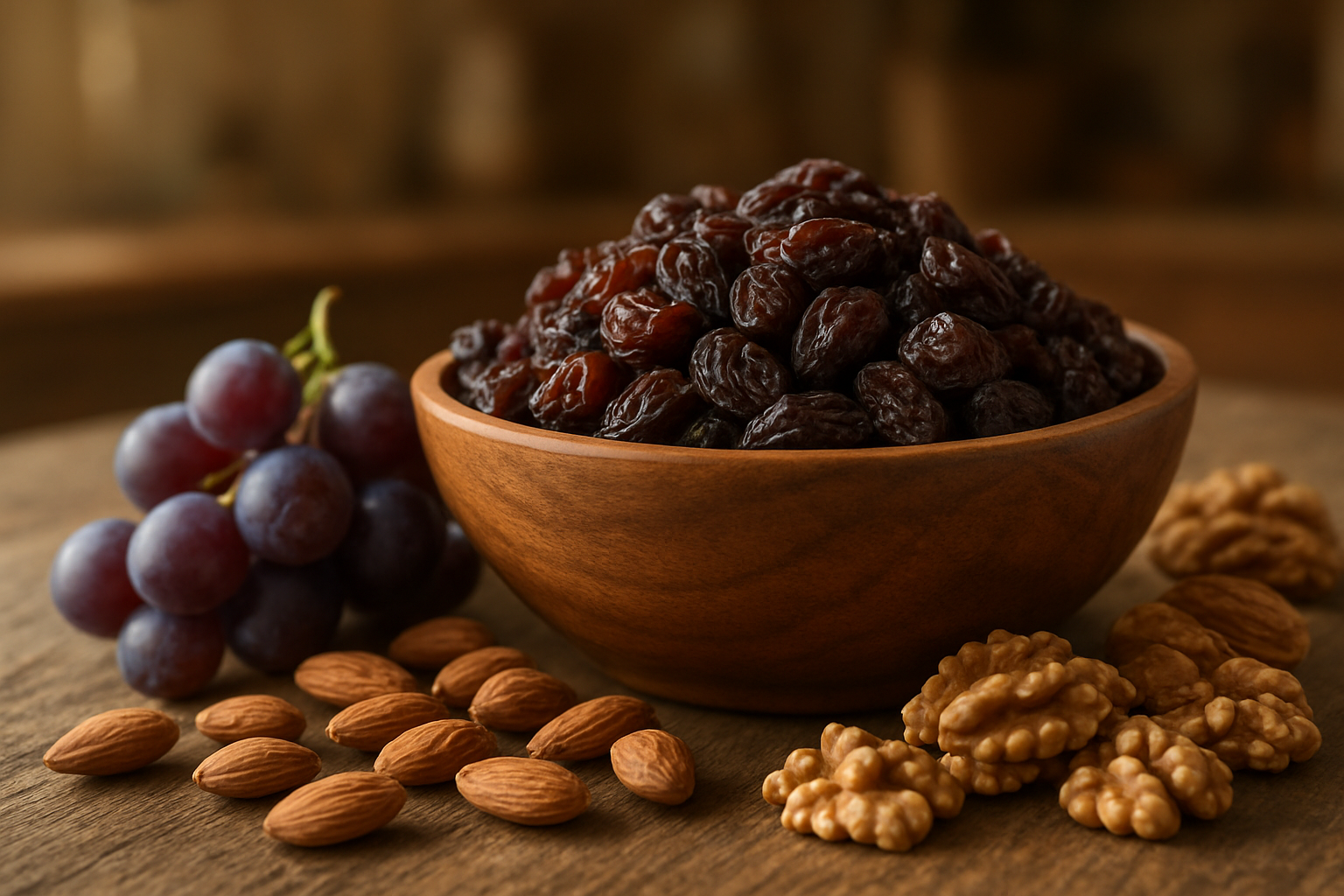
Boost your energy with natural sugars and carbohydrates
Raisins pack a powerful energy punch thanks to their concentrated natural sugars and carbohydrates. When grapes transform into raisins through the drying process, their natural fructose and glucose become concentrated, creating an ideal quick-energy snack. A single quarter-cup serving delivers about 29 grams of carbohydrates, making raisins perfect for athletes, students cramming for exams, or anyone needing an afternoon pick-me-up.
The beauty of raisin energy lies in its natural composition. Unlike processed snacks loaded with artificial sugars, raisins provide sustained energy release. The combination of simple sugars offers immediate fuel while the fiber content helps prevent dramatic blood sugar spikes. This makes raisins an excellent pre-workout snack or post-exercise recovery food.
Support bone health with essential minerals like potassium
Your bones will thank you for adding raisins to your diet. These dried grapes contain impressive amounts of potassium, with about 320 milligrams per quarter-cup serving. Potassium plays a crucial role in bone health by helping your body retain calcium and reducing calcium loss through urine.
Raisins also provide boron, a trace mineral that many people don't get enough of in their diets. Boron works alongside calcium, magnesium, and vitamin D to strengthen bone structure and may help prevent osteoporosis. The copper content in raisins contributes to collagen formation, which gives bones their flexibility and strength.
Improve digestive health with natural fiber content
Your digestive system gets a significant boost from the natural fiber content found in raisins. Each quarter-cup serving provides about 2 grams of both soluble and insoluble fiber. This fiber combination works like a gentle internal cleaning crew, promoting regular bowel movements and supporting overall gut health.
The soluble fiber in raisins helps feed beneficial bacteria in your digestive tract, creating a healthier gut microbiome. This can improve nutrient absorption and may even boost your immune system since much of your body's immune function originates in the gut. The insoluble fiber adds bulk to stool and helps food move through your digestive system more efficiently.
Enhance iron intake for better blood circulation
Iron deficiency affects millions of people worldwide, making raisins a valuable dietary addition. A quarter-cup of raisins provides approximately 0.8 milligrams of iron, which helps your body produce healthy red blood cells. These cells carry oxygen from your lungs to every part of your body, supporting energy levels and overall vitality.
The iron in raisins comes in a form that your body can absorb relatively well, especially when paired with vitamin C-rich foods. Women of childbearing age, vegetarians, and growing children particularly benefit from the iron boost that raisins provide. Regular consumption can help prevent iron-deficiency anemia and support optimal oxygen transport throughout your bloodstream.
Maximize Raisin Storage and Usage in Your Kitchen
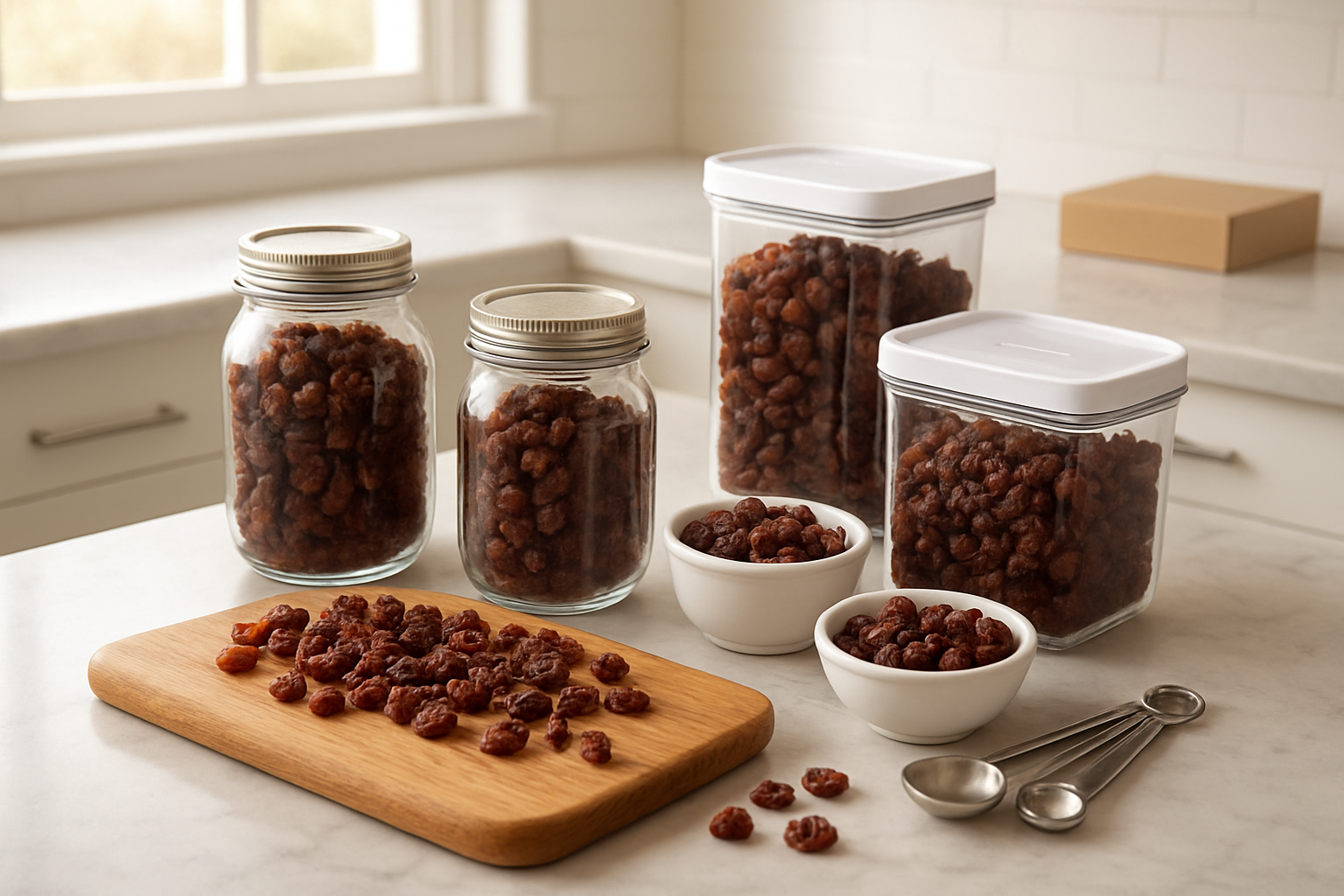
Store raisins properly to maintain freshness and flavor
Proper raisin storage tips make all the difference between plump, flavorful dried grapes and tough, cardboard-tasting disappointments. Keep unopened packages in a cool, dry pantry away from direct sunlight. Once opened, transfer raisins to an airtight container or resealable bag, pushing out excess air before sealing. Your refrigerator works great for long-term storage, where raisins stay fresh for up to a year.
Temperature matters more than you might think. Room temperature storage works fine for up to six months, but refrigeration extends freshness significantly. Freezing raisins works too - they won't freeze solid due to their sugar content, making them perfect for adding directly to recipes without thawing.
Watch out for moisture, the enemy of good raisin storage. Even small amounts can lead to mold growth or unwanted fermentation. If you live in a humid climate, refrigeration becomes even more important for maintaining quality.
Incorporate raisins into baking and cooking recipes
Raisins transform ordinary recipes into extraordinary dishes. Classic applications include oatmeal cookies, cinnamon rolls, and bread pudding, where their natural sweetness balances spices beautifully. Soak raisins in warm liquid - wine, brandy, or even fruit juice - before adding to batters for enhanced flavor and texture.
Savory cooking benefits from raisins too. Middle Eastern rice pilafs, Moroccan tagines, and Indian curries all rely on raisins for their signature sweet-savory balance. The natural sugars caramelize during cooking, adding depth and complexity.
For baking success, coat raisins lightly in flour before folding into cake or muffin batter. This prevents them from sinking to the bottom during baking. When making bread, add raisins during the final kneading stage to avoid breaking them apart.
Create healthy snack combinations with raisins
Smart snack combinations featuring raisins provide sustained energy and satisfy cravings naturally. Mix raisins with nuts like almonds or walnuts for a perfect protein-carbohydrate balance. The combination delivers quick energy from natural sugars plus lasting satisfaction from healthy fats and protein.
Trail mix remains a classic choice, but try unexpected combinations: raisins with dark chocolate chips and pumpkin seeds, or mixed with dried coconut flakes and cashews. These combinations offer nutritional benefits of raisins while keeping snack time interesting.
Cheese and raisin pairings work surprisingly well. Sharp cheddar with golden raisins creates a sophisticated snack, while cream cheese spread with raisins on whole grain crackers makes a satisfying mini-meal.
Revive dried-out raisins with simple rehydration techniques
Hard, overly dried raisins don't have to end up in the trash. Steam them over boiling water for 10-15 minutes, then let them cool covered to trap moisture. This gentle method restores their chewy texture without making them mushy.
Microwave rehydration works faster: place raisins in a microwave-safe bowl with a tablespoon of water, cover, and heat for 30 seconds. Let them sit covered for a few minutes to absorb the steam.
For flavor enhancement while rehydrating, replace water with fruit juice, wine, or liqueurs. This technique works especially well when preparing raisins for baking or cooking applications where the extra flavor complements the final dish.
Select the best raisins when shopping for quality
Quality raisin selection starts with visual inspection. Look for plump, uniformly colored raisins without white spots or crystallization, which indicate age or improper storage. Good raisins should feel slightly soft when gently squeezed through the package.
Different raisin varieties offer distinct characteristics. Golden raisins provide milder flavor and softer texture, while dark raisins offer more intense sweetness. Flame raisins deliver the most robust flavor profile, perfect for recipes where raisins play a starring role.
Check packaging dates and choose products with recent packaging dates when possible. Clear packaging allows better quality assessment than opaque containers. Organic options often provide superior flavor and fewer additives, though they may cost slightly more than conventional varieties.
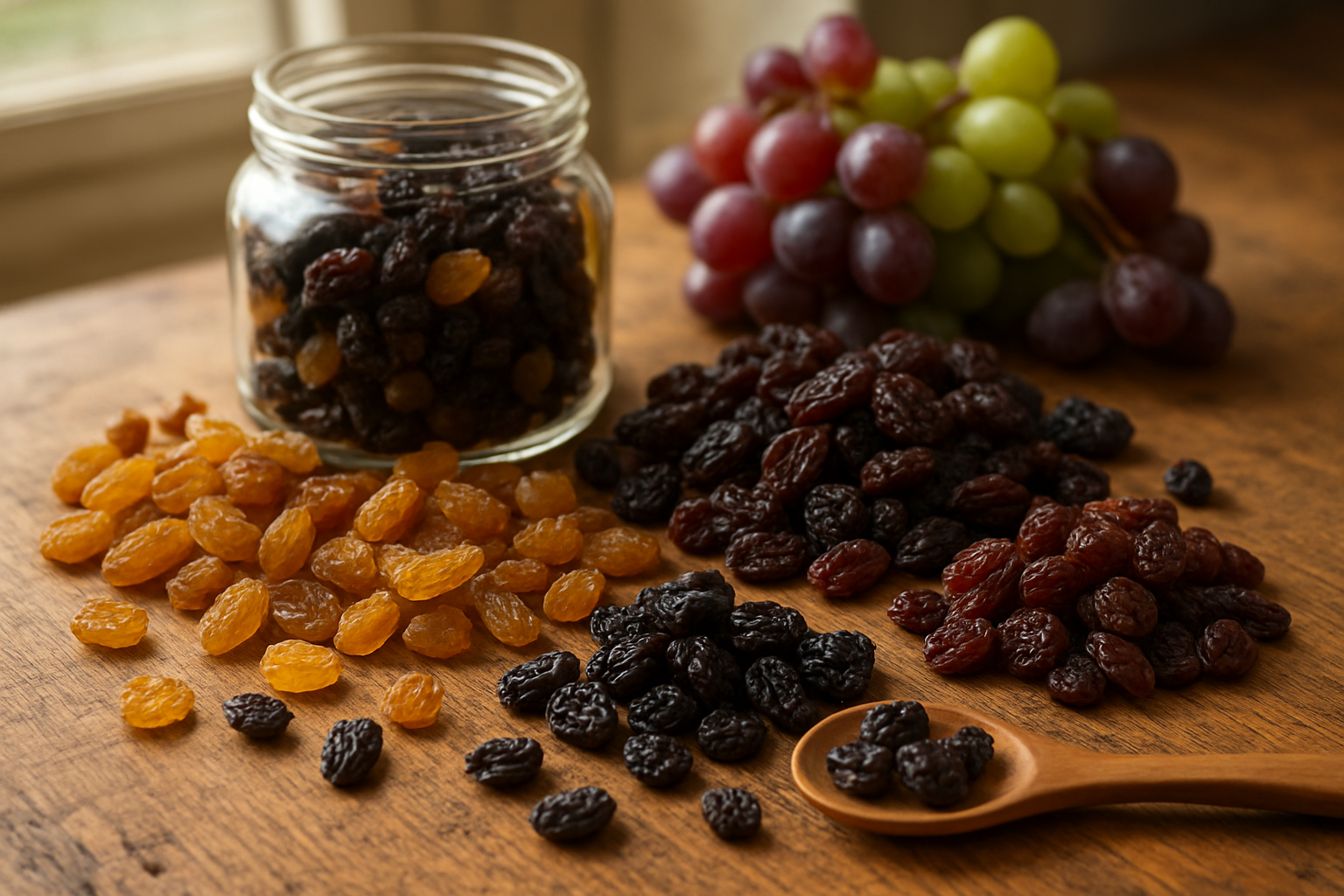
Raisins might seem simple, but they're actually quite fascinating little powerhouses packed with nutrition and versatility. From understanding that they're essentially dried grapes to discovering the amazing variety available - from golden sultanas to dark Zante currants - there's a whole world of flavor waiting to be explored. The careful drying process that transforms fresh grapes into these chewy gems preserves incredible amounts of fiber, potassium, and antioxidants that can boost your health in surprising ways.
Now that you know how to store them properly and use them creatively in your cooking, it's time to give raisins the respect they deserve. Don't just toss them in your morning oatmeal - experiment with different varieties in savory dishes, baked goods, or even as a standalone snack. Your taste buds and your body will thank you for making these nutrient-dense dried fruits a regular part of your kitchen arsenal.


Comments
Post a Comment