Salak - What's The Salak Fruit?
.png)
Ever wondered about that scaly, brown fruit you've spotted at Asian markets? Meet the salak fruit, also known as snake fruit for its distinctive reptilian skin. This tropical Indonesian delicacy has been gaining attention among adventurous food lovers and health enthusiasts looking to expand their fruit horizons.
This guide is perfect for curious food explorers, health-conscious eaters, and anyone who's ever asked "what is salak?" when browsing exotic produce sections. You'll discover what makes this unique fruit special and why it's worth trying.
We'll explore the salak nutrition benefits that make this fruit a powerhouse of vitamins and minerals. You'll also learn about the salak fruit taste - from its crisp texture to its sweet-tart flavor profile that surprises first-time tasters. Finally, we'll cover practical tips on how to eat salak fruit properly and where you might find this Indonesian snake fruit to try for yourself.
Understanding Salak Fruit Basics
.png)
Origins and Natural Habitat of Snake Fruit
The salak fruit, commonly known as snake fruit, traces its roots back to the tropical rainforests of Indonesia, where it has been cultivated for centuries. This exotic fruit belongs to the palm family (Arecaceae) and thrives in the humid, volcanic soils of Java, Sumatra, and Bali. The Indonesian snake fruit has become so integral to the local culture that different regions have developed their own prized varieties, each with distinct characteristics.
Wild salak palms originally grew in the understory of dense tropical forests, where they adapted to filtered sunlight and consistent moisture. Today, commercial cultivation has expanded beyond Indonesia to other Southeast Asian countries including Malaysia, Thailand, and the Philippines. The trees prefer elevations between sea level and 1,400 feet, making them well-suited to Indonesia's diverse topography.
The cultivation of salak fruit requires specific environmental conditions that mirror its natural habitat. These palms need year-round temperatures between 68-86°F (20-30°C) and high humidity levels above 80%. The volcanic ash-enriched soils of Indonesia provide the perfect blend of drainage and nutrient content that salak palms crave.
Physical Appearance and Unique Characteristics
The most striking feature of salak fruit is undoubtedly its distinctive reddish-brown skin that resembles snake scales, earning it the nickname "snake fruit." The outer covering consists of overlapping scales that feel rough and woody to the touch, similar to a snake's skin texture. Each fruit measures roughly 2-3 inches long and has a teardrop shape that tapers to a pointed end.
Beneath the scaly exterior lies segmented flesh that's typically divided into three lobes, similar to garlic cloves. The flesh ranges from white to pale yellow and has a firm, crisp texture that's often compared to a cross between an apple and a large grape. Each segment usually contains a large, inedible brown seed that takes up a significant portion of the fruit's interior.
| Physical Feature | Description |
|---|---|
| Size | 2-3 inches long |
| Weight | 50-100 grams |
| Skin Color | Reddish-brown to dark brown |
| Flesh Color | White to pale yellow |
| Texture | Crisp, firm |
| Seeds | 1-3 large brown seeds |
The salak palm itself is a short, clustering palm that rarely exceeds 20 feet in height. Female and male flowers grow on separate trees, with the spiny female palms producing the coveted fruit clusters. The palms are heavily armed with sharp spines on their trunks, leaves, and fruit stems, making harvesting a challenging task that requires protective gear and specialized techniques.
Common Names and Regional Variations
While "salak" remains the most widely recognized name, this fruit goes by numerous regional variations across Southeast Asia. In Indonesia, different areas use specific terms like "salak pondoh" for the sweet Yogyakarta variety or "salak Bali" for the Balinese types. Malaysian locals often call it "buah salak," while Thai speakers refer to it as "sa-la" or "rakum."
The English-speaking world primarily knows this fruit as "snake fruit" due to its distinctive scaly appearance, though "salak fruit" is gaining popularity among exotic fruit enthusiasts. Some international markets label it as "snakeskin fruit" or simply use the Indonesian "salak" to maintain cultural authenticity.
Regional varieties of salak fruit showcase remarkable diversity in taste, size, and appearance. The renowned salak pondoh from Yogyakarta is prized for its exceptionally sweet flavor and lack of astringency, while Balinese varieties tend to be more tart and aromatic. Central Java produces salak with larger fruit sizes, and Sumatran varieties often have a more pronounced tartness that locals appreciate.
Different regions have also developed unique preparation methods and cultural significance around the fruit. In Java, salak is often eaten fresh as a snack or dessert, while some Thai communities incorporate it into spicy salads. The fruit plays a role in traditional ceremonies and local festivals, where specific varieties are showcased as regional specialties.
Nutritional Benefits and Health Value
.png)
Essential Vitamins and Minerals Content
Salak fruit packs an impressive nutritional punch that makes it stand out among tropical fruits. This Indonesian snake fruit contains significant amounts of vitamin C, providing about 8.4 milligrams per 100 grams, which helps boost your immune system and supports collagen production for healthy skin. The fruit also delivers essential B-complex vitamins, particularly thiamine (B1) and riboflavin (B2), which play crucial roles in energy metabolism and nervous system function.
When it comes to minerals, salak nutrition benefits include substantial potassium content - approximately 380 milligrams per 100 grams. This electrolyte helps regulate blood pressure and supports proper muscle and nerve function. The fruit also provides calcium for bone health, iron for healthy blood circulation, and phosphorus for strong teeth and bones. Magnesium, another key mineral found in salak, supports over 300 enzymatic reactions in your body.
Antioxidant Properties and Immune Support
The deep reddish-brown skin and pale flesh of salak fruit contain powerful antioxidants that combat free radicals in your body. These compounds, including flavonoids and phenolic acids, help protect your cells from oxidative stress and may reduce the risk of chronic diseases. The vitamin C content works synergistically with these antioxidants to strengthen your immune defenses.
Regular consumption of salak fruit can help your body fight off infections and seasonal illnesses. The antioxidants also support cardiovascular health by protecting blood vessels from damage and potentially reducing inflammation throughout your body.
Digestive Health and Fiber Benefits
Salak fruit health benefits extend significantly to your digestive system. Each serving provides approximately 4.2 grams of dietary fiber, which represents about 17% of your daily fiber needs. This fiber content helps promote regular bowel movements and prevents constipation while supporting the growth of beneficial gut bacteria.
The fiber in salak also helps slow down sugar absorption, leading to more stable blood glucose levels. This makes the fruit particularly beneficial for people managing diabetes or those looking to maintain steady energy levels throughout the day. The pectin found in salak acts as a prebiotic, feeding the good bacteria in your gut and promoting overall digestive wellness.
Low Calorie Content for Weight Management
For those watching their weight, salak fruit offers an excellent low-calorie snacking option. With only about 82 calories per 100 grams, you can enjoy this flavorful fruit without derailing your dietary goals. The high fiber content helps you feel full and satisfied, potentially reducing overall calorie intake throughout the day.
The natural sugars in salak provide quick energy without the crash associated with processed sweets. The combination of fiber, water content, and essential nutrients makes this fruit an ideal choice for anyone following a weight management plan or simply looking to make healthier snacking choices.
Taste Profile and Culinary Experience
.png)
Flavor Description and Texture Comparison
The salak fruit taste delivers a truly unique culinary adventure that's hard to compare to any other fruit. When you bite into fresh salak fruit, you'll experience a crisp, crunchy texture similar to a firm apple or Asian pear, but with its own distinctive character. The flesh breaks cleanly between your teeth, releasing a complex flavor profile that combines sweet and tangy notes.
Most people describe the taste as a delightful blend of pineapple and banana, with subtle hints of honey and a slight acidic finish. The sweetness varies significantly based on the variety and ripeness, ranging from mildly sweet to intensely sugary. Some varieties carry earthy undertones, while others lean more toward tropical fruit flavors.
The texture stands out as much as the taste - imagine the crispness of a fresh water chestnut combined with the juiciness of a grape. Unlike soft tropical fruits like mango or papaya, salak maintains its firm bite throughout eating, making it satisfying and refreshing.
Different salak varieties offer varying taste experiences. The Bali salak tends toward sweeter profiles, while Java varieties often present more complex, nuanced flavors with stronger acidic notes. The snake fruit gets its appeal from this perfect balance of crunch and flavor complexity.
Ripeness Indicators for Optimal Taste
Knowing when salak fruit reaches peak ripeness makes all the difference in your eating experience. The skin provides the most reliable indicator - look for scales that have shifted from bright reddish-brown to deeper, more muted tones. Ripe salak displays uniform coloring without green patches or overly dark spots.
Gently squeeze the fruit to test firmness. Perfect salak should yield slightly to pressure while maintaining overall firmness. Avoid fruits that feel too hard (underripe) or too soft (overripe). The sweet spot feels similar to a ripe pear - firm but with just a hint of give.
Fresh salak emits a subtle, sweet aroma when ripe. If you detect any fermented or overly strong smells, the fruit has passed its prime. The best Indonesian snake fruit should smell clean and faintly sweet at the stem end.
Visual cues include:
-
Deep, consistent scale coloring
-
No visible bruising or dark spots
-
Scales that feel slightly loose but not lifting away
-
Clean, unblemished stem area
Size can indicate ripeness too - fully mature fruits typically feel heavy for their size due to higher juice content.
Best Eating Methods and Preparation Tips
How to eat salak fruit starts with proper peeling technique. Pinch the pointed tip and carefully peel away the scaly skin, working from top to bottom. The skin removes easily when ripe, revealing segmented flesh inside. Each segment contains a large, inedible seed that you'll need to work around.
Fresh consumption provides the best experience - eat salak immediately after peeling for maximum crispness and flavor. The fruit pairs beautifully with other tropical fruits in mixed fruit salads, where its unique texture adds welcome contrast to softer fruits.
Creative preparation methods include:
-
Fresh fruit salads: Combine with mango, pineapple, and dragon fruit
-
Juice blends: Mix with coconut water or other tropical fruit juices
-
Dessert toppings: Use as garnish for ice cream or yogurt
-
Pickling: Some cultures pickle young salak for tangy side dishes
For salak fruit preparation, always wash the exterior thoroughly before peeling, even though you won't eat the skin. Cut around the seeds carefully - they're quite large and hard. Store peeled segments in the refrigerator and consume within a day for best quality.
Some people enjoy salak slightly chilled, which enhances the crisp texture and makes the sweet-tart flavor more pronounced. Avoid freezing, as this destroys the appealing texture that makes salak so special.
Growing Conditions and Availability
.png)
Climate Requirements for Cultivation
Salak fruit thrives in tropical climates with specific environmental conditions that mirror its native Indonesian habitat. These palm trees require year-round temperatures between 75-85°F (24-29°C) and high humidity levels of 70-80%. The plants need consistent moisture but demand excellent drainage to prevent root rot, making them particularly suited to volcanic soils found in Indonesia's islands.
What makes salak cultivation challenging is its sensitivity to temperature fluctuations and drought. The trees cannot tolerate temperatures below 60°F (15°C) or extended dry periods. They also require partial shade, especially during their early growth stages, which explains why they grow naturally under the canopy of larger trees in Indonesian forests.
Seasonal Harvesting Patterns
Snake fruit follows distinct harvesting cycles that vary by region and variety. In Indonesia, the primary harvest season runs from May through August, with smaller secondary harvests occurring between December and February. Each tree can produce fruit multiple times per year, with mature palms yielding 15-25 pounds annually.
The harvesting window for individual fruits is narrow - typically 5-6 months from flowering to ripeness. Farmers must carefully monitor the fruit's development, as salak doesn't ripen after picking. The scaly skin changes from bright green to brownish-red when ready, and the fruit must be harvested by hand due to the sharp spines covering the palm fronds.
Global Distribution and Export Markets
While salak fruit remains primarily concentrated in Southeast Asia, cultivation has expanded to other tropical regions. Indonesia dominates global production, particularly in Java and Bali, followed by Thailand, Malaysia, and the Philippines. Small-scale cultivation now exists in parts of Australia, Hawaii, and southern Florida.
The export market for salak remains relatively limited compared to other tropical fruits. Most international trade occurs within Southeast Asian countries, with some specialty exports reaching Japanese and European markets. Fresh fruit exports face challenges due to the short shelf life and specific storage requirements.
| Region | Production Level | Export Capability |
|---|---|---|
| Indonesia | Primary producer | Limited international |
| Thailand | Secondary producer | Regional exports |
| Malaysia | Small-scale | Domestic consumption |
| Philippines | Emerging | Minimal exports |
Finding Salak Fruit in Local Stores
Locating salak fruit outside Southeast Asia requires knowing where to look. Asian grocery stores, particularly those specializing in Southeast Asian products, offer the best chances of finding fresh snake fruit. Cities with large Indonesian or Thai populations often stock salak in specialty markets during peak import seasons.
Online retailers increasingly offer frozen or dried salak products, though fresh fruit remains rare due to shipping challenges. Some high-end grocery chains in major metropolitan areas occasionally carry fresh salak as an exotic fruit option, typically priced significantly higher than in origin countries.
When shopping for salak fruit, look for specimens with intact, unblemished scales and slight give when gently pressed. Avoid fruits with dark spots, cracks in the skin, or strong fermented odors, as these indicate overripeness or spoilage.
Preparation and Storage Guidelines
Proper Peeling Techniques for Beginners
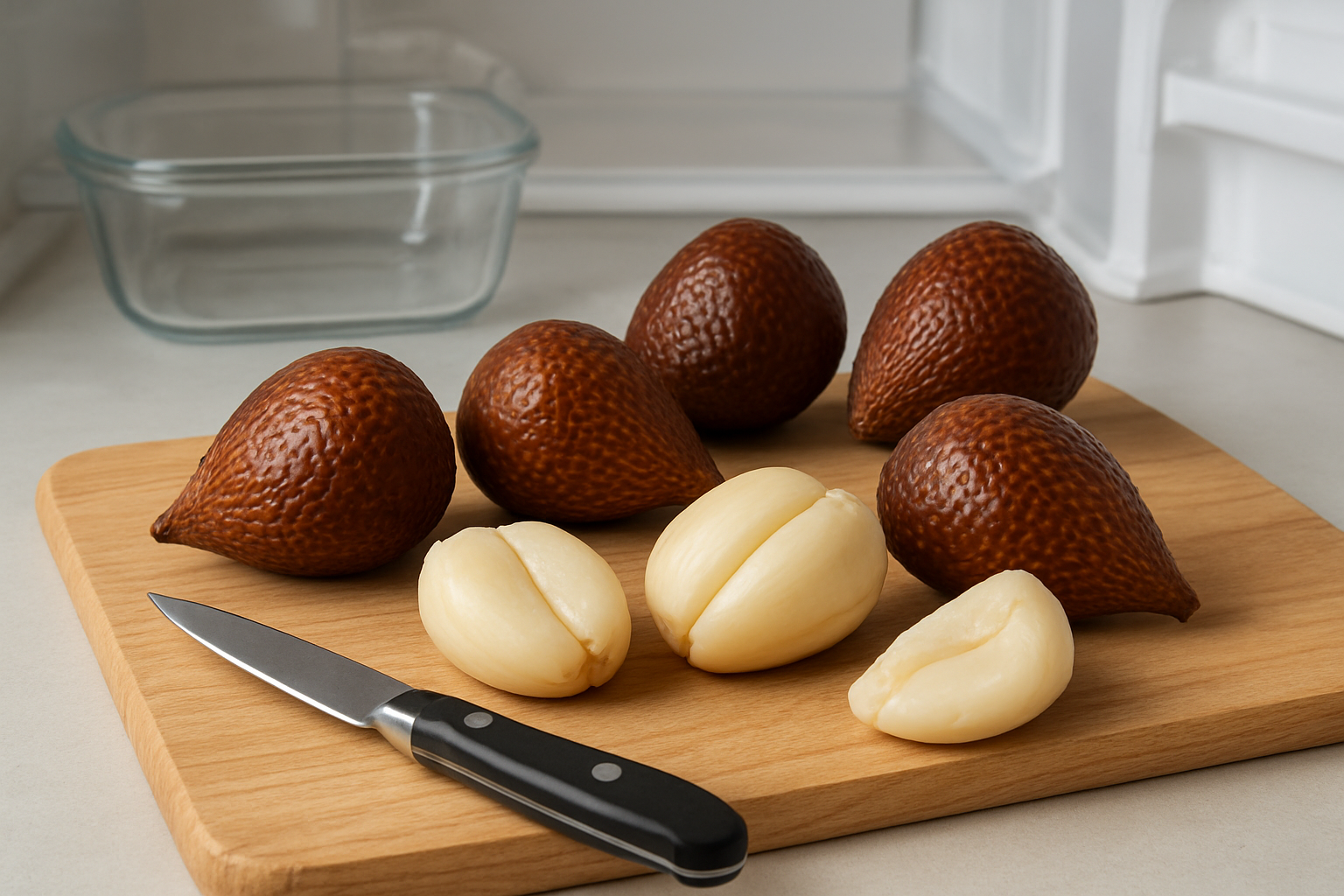
Getting into a salak fruit might look tricky at first, but the process becomes simple once you know the right approach. The snake-like skin that gives this Indonesian snake fruit its nickname peels away easily when you use the correct technique.
Start by selecting a ripe salak fruit that yields slightly to gentle pressure. Hold the fruit firmly and locate the pointed tip - this is your starting point. Using your fingernail or a small knife, create a small tear in the skin near the tip. The scaly exterior should split naturally along its segments.
Gently pull the skin away in sections, working from the tip toward the base. The peel comes off in triangular pieces, similar to removing a hard-boiled egg shell. Avoid digging your nails too deep, as the flesh underneath is delicate. Fresh salak fruit preparation becomes easier with practice, and you'll develop a rhythm for efficient peeling.
Optimal Storage Methods and Shelf Life
Proper storage significantly impacts how long your salak fruit stays fresh and maintains its unique flavor profile. At room temperature, ripe salak fruit lasts 2-3 days, making it perfect for quick consumption after purchase.
For extended storage, refrigeration works best. Place unpeeled fruits in the crisper drawer, where they'll stay fresh for up to one week. The cool, humid environment preserves the fruit's crisp texture and prevents rapid deterioration.
| Storage Method | Duration | Best For |
|---|---|---|
| Room Temperature | 2-3 days | Immediate consumption |
| Refrigerator | 5-7 days | Extended freshness |
| Freezer | 2-3 months | Smoothies and cooking |
Freezing changes the texture but works well for smoothies or cooked preparations. Peel the fruit before freezing and store pieces in airtight containers to prevent freezer burn.
Signs of Spoilage to Avoid
Recognizing spoiled salak fruit protects you from unpleasant experiences and potential digestive issues. Fresh salak fruit should feel firm with slight give when pressed gently. Avoid fruits that feel mushy or have soft spots, as these indicate overripeness or decay.
Visual cues include dark brown or black patches on the skin, which signal internal deterioration. The scaly exterior should maintain its natural brown color without any slimy or wet areas. When you smell the fruit, it should have a mild, sweet aroma - any sour or fermented odors mean the fruit has gone bad.
After peeling, examine the flesh closely. Fresh salak appears cream-colored or slightly yellowish with a translucent quality. Brown spots, unusual discoloration, or any mold growth means you should discard the fruit immediately. The texture should remain firm and crisp, never slimy or overly soft.
Creative Serving Suggestions and Recipes
Salak fruit shines in both simple preparations and creative culinary applications. The easiest way to enjoy this exotic fruit is fresh, either on its own or mixed into fruit salads where its unique taste adds an interesting contrast to familiar flavors.
Create refreshing beverages by blending peeled salak with coconut water, lime juice, and a touch of honey. This combination highlights the fruit's natural sweetness while adding tropical flair to your drink repertoire. The smooth texture works perfectly in smoothies combined with mango, banana, or pineapple.
For more adventurous preparations, try incorporating salak into savory dishes. Thin slices work beautifully in Asian-inspired salads alongside cucumber, herbs, and spicy dressing. The fruit's firm texture holds up well when lightly pickled with rice vinegar and chili flakes.
Traditional Indonesian preparations include rujak, a spicy fruit salad that combines various tropical fruits with palm sugar, tamarind, and chili paste. Salak fruit adds authentic flavor and satisfying crunch to this beloved dish. You can also candy the fruit by simmering pieces in sugar syrup, creating an exotic preserve that stores well and makes excellent gifts for curious friends wanting to experience this unique Indonesian snake fruit.
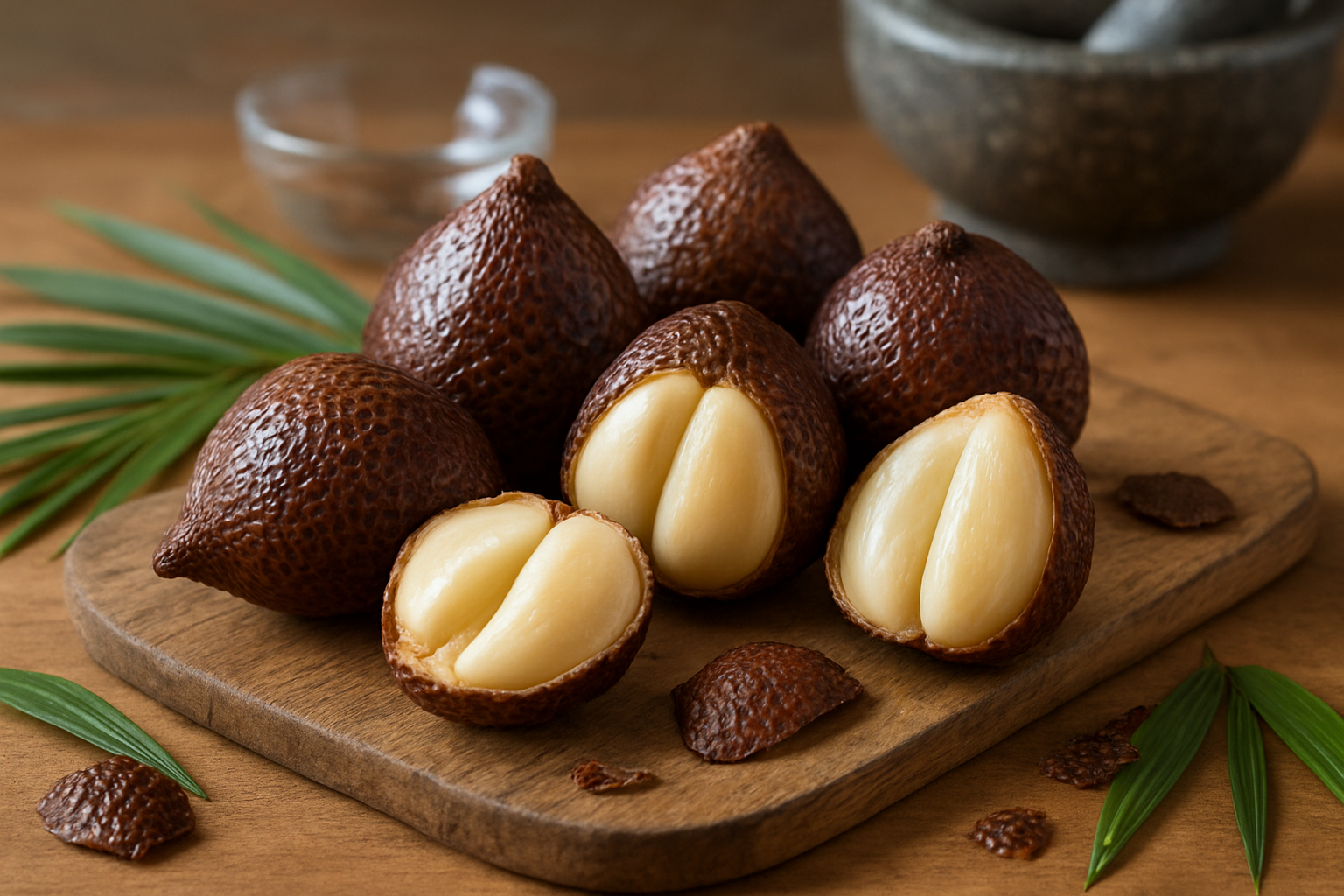
The salak fruit offers a unique combination of exotic appeal and nutritional value that makes it worth seeking out. With its distinctive snake-like skin and sweet-tangy flesh, this Indonesian gem packs impressive amounts of fiber, antioxidants, and essential minerals while delivering a flavor experience that's both familiar and refreshingly different. The fruit's crisp texture and honey-like sweetness make it perfect for eating fresh or incorporating into various dishes.
Finding salak might require a trip to Asian markets or specialty stores, but the effort pays off when you experience this tropical treat firsthand. Remember to choose fruits that feel firm and heavy, store them properly in the refrigerator, and don't be intimidated by that scaly exterior – just peel it away to reveal the delicious segments inside. Give salak a try and discover why this "snake fruit" has been captivating taste buds across Southeast Asia for generations.


.png)
Comments
Post a Comment