Sugar Cane - What's The Sugar Cane Fruit?
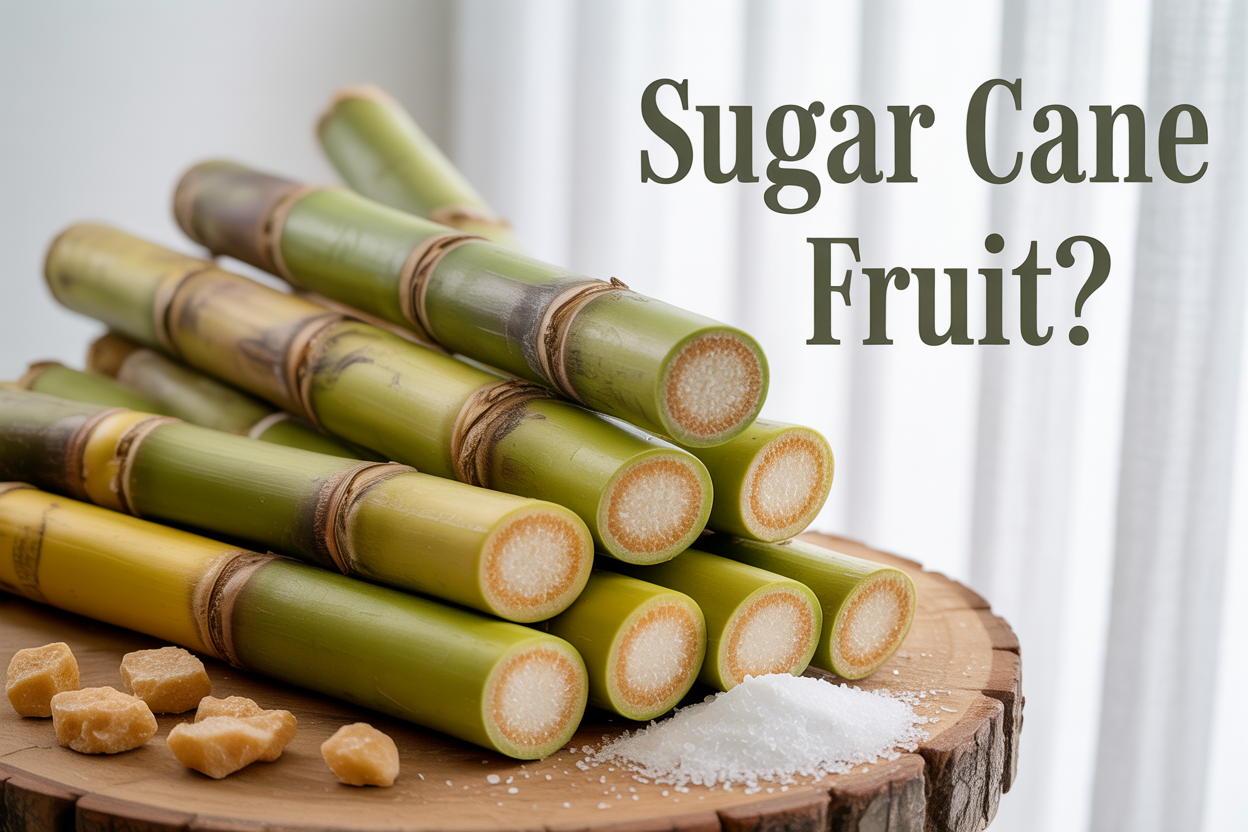
Many people wonder if sugar cane is actually a fruit, and the answer might surprise you. This guide is perfect for curious food enthusiasts, health-conscious consumers, and anyone who's ever bitten into fresh sugar cane and wanted to know more about this sweet plant.
Sugar cane isn't technically a fruit at all – it's actually a tall grass that stores sugar in its thick stems. The confusion comes from how we eat and enjoy raw sugar cane, chewing on the fibrous stalks to extract the sweet juice inside.
We'll explore what sugar cane really is as a plant and clear up the fruit confusion once and for all. You'll also discover the impressive nutritional benefits of raw sugar cane, from its vitamin C content to essential minerals that make it more than just empty calories. Finally, we'll walk through how this remarkable plant transforms from field to table, including both industrial sugar cane processing and the many traditional ways people around the world enjoy sugar cane juice and other creative uses.
Understanding Sugar Cane as a Plant
Botanical Classification and Scientific Name
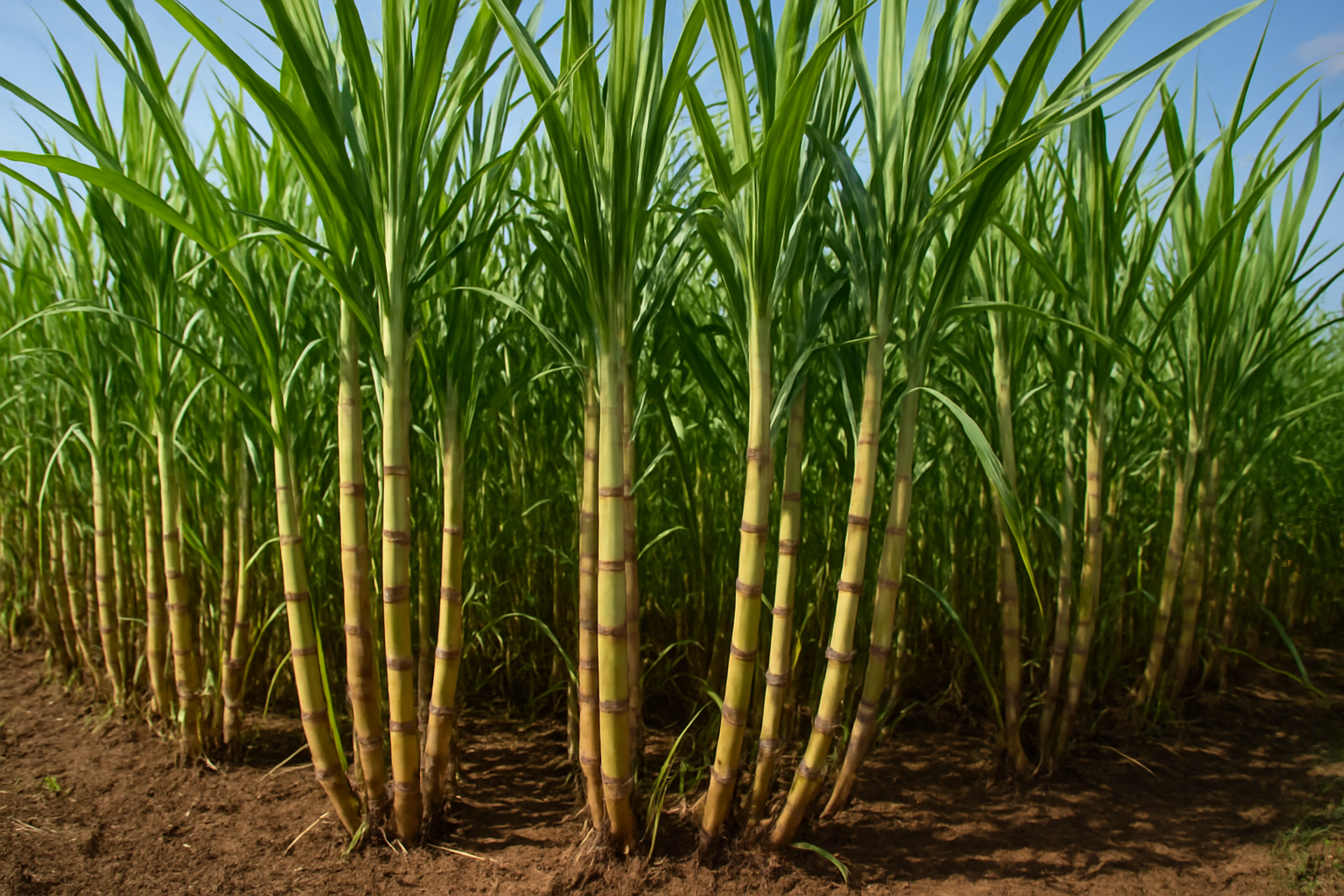
Sugar cane belongs to the grass family Poaceae and carries the scientific name Saccharum officinarum. This tropical perennial grass ranks among the world's most economically important crops, though many people wonder is sugar cane a fruit - the answer is no. The sugar cane plant produces tall, jointed stalks rather than traditional fruits, making it fundamentally different from fruit-bearing trees or vines.
The genus Saccharum includes several species, with S. officinarum being the primary commercial variety. Modern sugar cane cultivation relies heavily on hybrid varieties that combine traits from different Saccharum species to optimize sugar content, disease resistance, and yield potential.
Physical Characteristics of Sugar Cane Stalks
Sugar cane stalks display distinctive physical features that make them easily recognizable. These robust stems typically reach heights of 10-20 feet, though some varieties can grow even taller under ideal conditions. The stalks measure 1-2 inches in diameter and showcase a segmented structure divided by nodes, creating the characteristic jointed appearance.
Each segment between nodes contains the sweet juice that makes sugar cane so valuable. The stalks exhibit various colors depending on the variety - from green and yellow to purple and red. The surface often displays a waxy coating that helps retain moisture and protect against pests.
Long, narrow leaves emerge from each node, growing up to 6 feet in length. These leaves eventually dry and can be stripped away during harvesting. The root system spreads extensively underground, helping the plant access nutrients and water across a wide area.
Growth Requirements and Cultivation Regions
Sugar cane thrives in tropical and subtropical climates with specific environmental conditions. The plant requires consistent temperatures between 70-95°F throughout its growing season, making it unsuitable for temperate regions with cold winters.
Water needs vary throughout the growing cycle, with the plant requiring substantial moisture during initial growth phases - typically 60-80 inches of rainfall annually or equivalent irrigation. However, sugar cane benefits from drier conditions during the final maturation period to concentrate sugar content in the stalks.
Soil requirements include well-draining, fertile ground with pH levels between 6.0-7.5. The sugar cane plant performs best in deep, loamy soils rich in organic matter. Major cultivation regions span across:
-
Tropical Americas: Brazil, Mexico, Colombia
-
Asia: India, China, Thailand, Philippines
-
Africa: South Africa, Egypt, Mauritius
-
Oceania: Australia, Fiji
Harvesting Timeline and Methods
Sugar cane typically requires 12-24 months to reach maturity, depending on climate conditions and variety. In tropical regions with consistent temperatures, farmers can achieve multiple harvests per year from the same plants, as sugar cane regrows from its root system after cutting.
Harvesting timing proves critical for maximizing sugar content. Farmers monitor sucrose levels using refractometers to determine optimal harvest windows. The stalks reach peak sugar concentration when growth slows and leaves begin yellowing.
Modern harvesting employs two primary methods:
Manual Harvesting: Workers use machetes to cut stalks close to ground level, then remove leaves and tops. This labor-intensive method allows for selective harvesting and reduces plant damage but requires significant workforce.
Mechanical Harvesting: Specialized machines cut and clean stalks while loading them directly onto transport vehicles. This method increases efficiency and reduces labor costs but may damage plants and affect ratoon crop quality.
The harvested raw sugar cane must reach processing facilities within 24-48 hours to prevent sugar degradation and maintain juice quality for optimal sugar cane processing.
The Truth About Sugar Cane "Fruit"
Why sugar cane is not technically a fruit
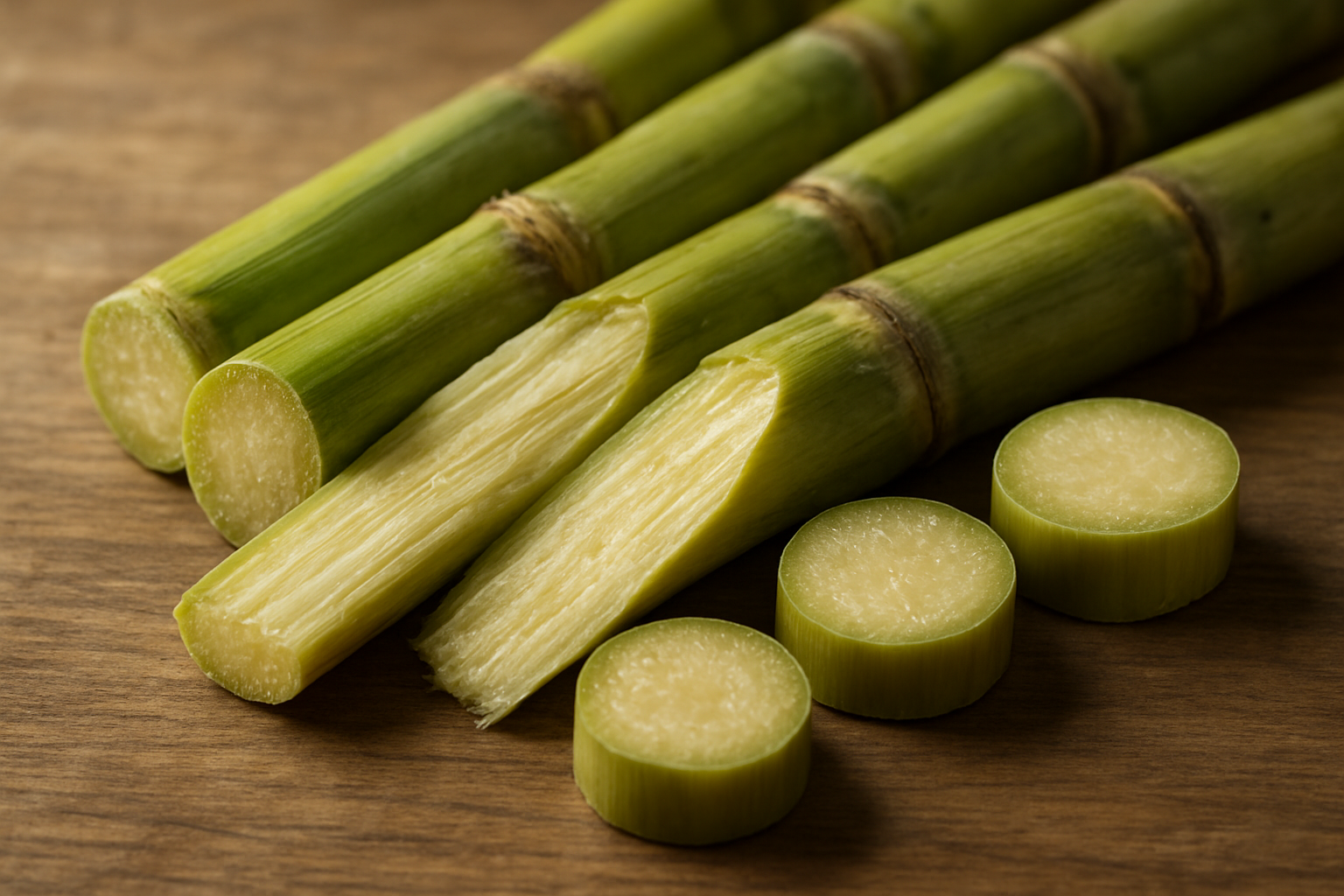
Despite the common question "is sugar cane a fruit," the answer is definitively no. Sugar cane belongs to the grass family Poaceae, making it a monocotyledonous plant more closely related to bamboo, corn, and wheat than to any fruit-bearing tree or vine. The sugar cane plant consists of tall, jointed stalks that store sucrose in their fibrous interior, but these stalks are stems, not fruits.
Botanically speaking, a true fruit develops from the flower of a plant and contains seeds. The sweet, fibrous stalks we associate with sugar cane are actually enlarged stems called culms. These stems serve as storage organs for the plant's energy reserves in the form of concentrated sugars, but they don't meet the botanical definition of fruit since they don't develop from flowers or contain seeds for reproduction.
The confusion often arises because we consume the sweet interior of sugar cane stalks, similar to how we eat many fruits for their natural sugars. However, what is sugar cane in botanical terms is simply a perennial grass that has evolved to store exceptional amounts of sucrose in its stems.
How sugar cane reproduces and propagates
Sugar cane reproduces through two distinct methods, neither of which involves fruit production. The primary commercial method relies on vegetative propagation using stem cuttings called setts. Farmers cut mature stalks into sections, each containing several nodes or "eyes," which are then planted directly into the soil. These nodes sprout new shoots, creating genetically identical plants to the parent.
Sexual reproduction in sugar cane does occur through flowering, but it's rarely used in commercial cultivation. When sugar cane plants flower, they produce feathery plumes called arrow or tassel, containing tiny seeds. However, these seeds are notoriously difficult to germinate and often produce plants with inconsistent sugar content compared to their parents.
The vegetative propagation method offers several advantages:
-
Maintains consistent sugar quality across crops
-
Ensures faster establishment than seed propagation
-
Allows farmers to select the best-performing plants for future crops
-
Eliminates the genetic variability that comes with sexual reproduction
This reproduction strategy explains why sugar cane processing operations can maintain consistent quality - farmers essentially clone their best-performing plants rather than dealing with the genetic lottery of seed-based reproduction.
Comparison with actual fruits in the plant kingdom
The differences between sugar cane and actual fruits become crystal clear when examining their botanical structures and purposes. Real fruits like apples, oranges, or berries develop from the ovary of a flower after pollination, serving as protective vessels for seeds while often providing attractive colors, flavors, and aromas to entice animals for seed dispersal.
| Characteristic | Sugar Cane | Actual Fruits |
|---|---|---|
| Plant Part | Modified stem (culm) | Developed ovary |
| Contains Seeds | No | Yes |
| Develops from | Growing shoot | Flower after pollination |
| Purpose | Energy storage | Seed protection and dispersal |
| Reproduction Role | None | Primary reproductive structure |
Raw sugar cane stalks contain concentrated sucrose stored in parenchyma cells within the stem tissue. This storage system evolved to provide energy for the plant's growth and survival, particularly during periods when photosynthesis might be limited. True fruits, by contrast, often contain fructose, glucose, and various organic acids that make them appealing to animals while protecting the enclosed seeds.
The sugar cane plant produces its sweetness as an energy reserve mechanism, similar to how potatoes store starch in their tubers or how tree trunks store nutrients in their bark. This fundamental difference in biological purpose and structure clearly separates sugar cane from the fruit category, despite both providing natural sweetness that humans have learned to appreciate and utilize.
Nutritional Profile of Raw Sugar Cane
Natural Sugar Content and Types
Raw sugar cane contains primarily sucrose, making up about 13-18% of its fresh weight. This natural sugar differs significantly from processed table sugar because it comes bundled with the plant's original cellular structure and accompanying nutrients. The sucrose in raw sugar cane exists alongside small amounts of glucose and fructose, creating a complex sugar profile that releases energy more gradually than refined alternatives.
The concentration of these sugars varies based on the cane's maturity, growing conditions, and variety. Younger stalks tend to have lower sugar content but higher moisture, while mature canes develop their characteristic sweetness through photosynthesis and storage processes.
Fiber and Mineral Composition
Fresh sugar cane provides substantial dietary fiber, with approximately 0.6 grams per 100-gram serving. This fiber comes primarily from the plant's structural components - cellulose and lignin - which support digestive health and help slow sugar absorption.
The mineral profile includes several essential nutrients:
| Mineral | Amount per 100g |
|---|---|
| Potassium | 150-200mg |
| Calcium | 40-60mg |
| Magnesium | 15-20mg |
| Iron | 0.4-0.8mg |
| Phosphorus | 20-30mg |
These minerals support various bodily functions, from bone health to muscle function and oxygen transport.
Vitamins and Antioxidants Present
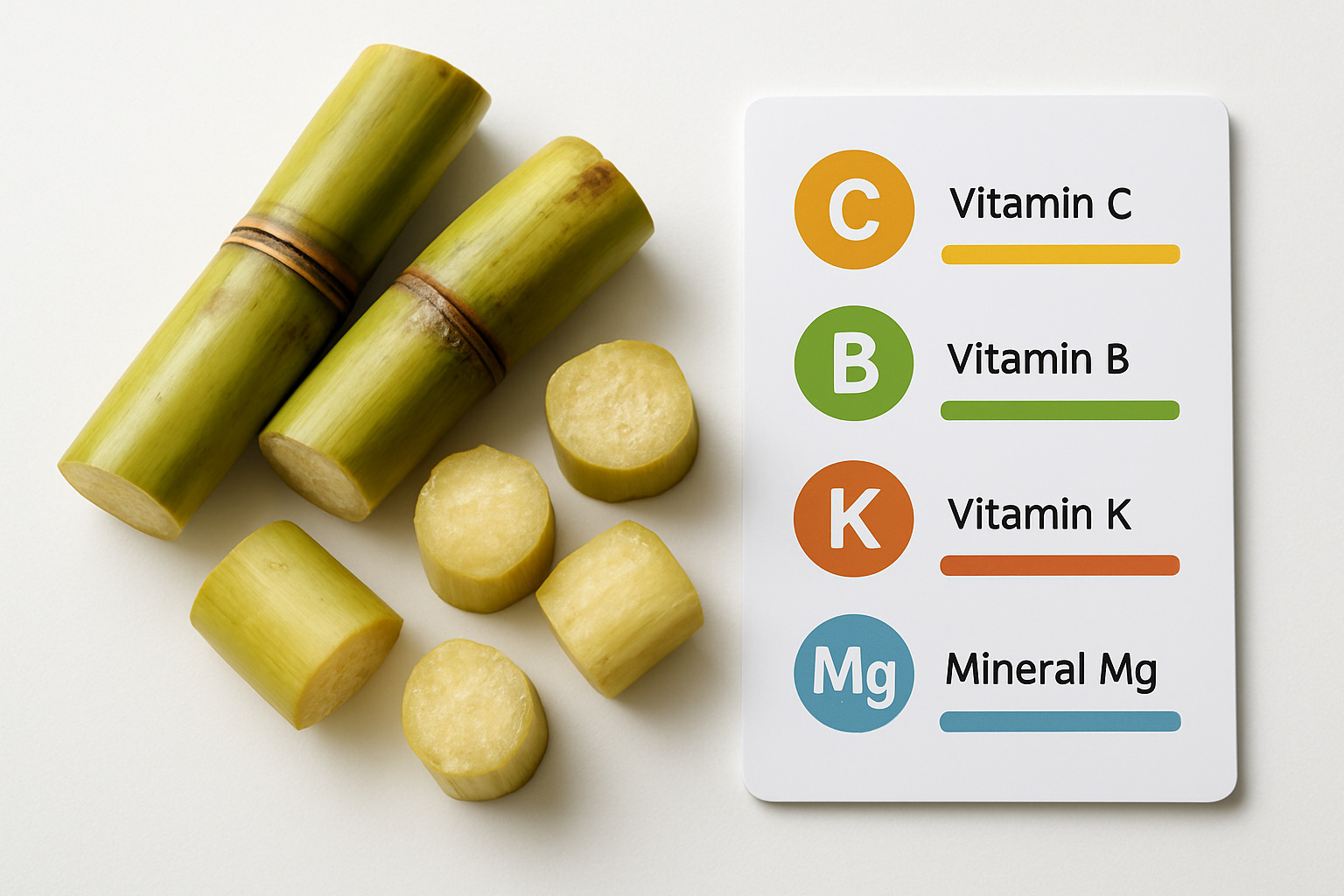
Raw sugar cane contains modest amounts of several vitamins, particularly vitamin C (2-4mg per 100g) and small quantities of B-complex vitamins including thiamine, riboflavin, and niacin. While these amounts aren't substantial compared to dedicated fruit sources, they contribute to the overall nutritional value.
The plant also contains natural antioxidants, including flavonoids and phenolic compounds concentrated in the outer layers. These compounds help protect cells from oxidative stress and may contribute to the health benefits associated with consuming whole plant foods rather than isolated sugars.
Caloric Value Per Serving
A 100-gram serving of raw sugar cane provides approximately 58-64 calories, making it a relatively moderate-calorie snack. This caloric content comes almost entirely from its natural sugar content, with minimal contribution from proteins or fats.
Compared to processed sugary snacks, the caloric density is lower because of the high water content (about 70-75%) and fiber present in the fresh stalks.
Health Benefits of Chewing Raw Cane
Chewing raw sugar cane offers several advantages over consuming processed sugar products. The mechanical action of chewing stimulates saliva production, which aids digestion and helps neutralize mouth acids that can contribute to tooth decay.
The fiber content slows sugar absorption, preventing rapid blood sugar spikes that occur with refined sugars. This makes raw sugar cane a better option for sustained energy release.
Traditional medicine systems have long recognized sugar cane juice and raw cane consumption for supporting kidney function, providing quick energy during physical exertion, and helping maintain electrolyte balance due to its mineral content. The natural enzymes present in fresh cane may also support digestive processes when consumed in moderation.
Processing Sugar Cane for Commercial Use
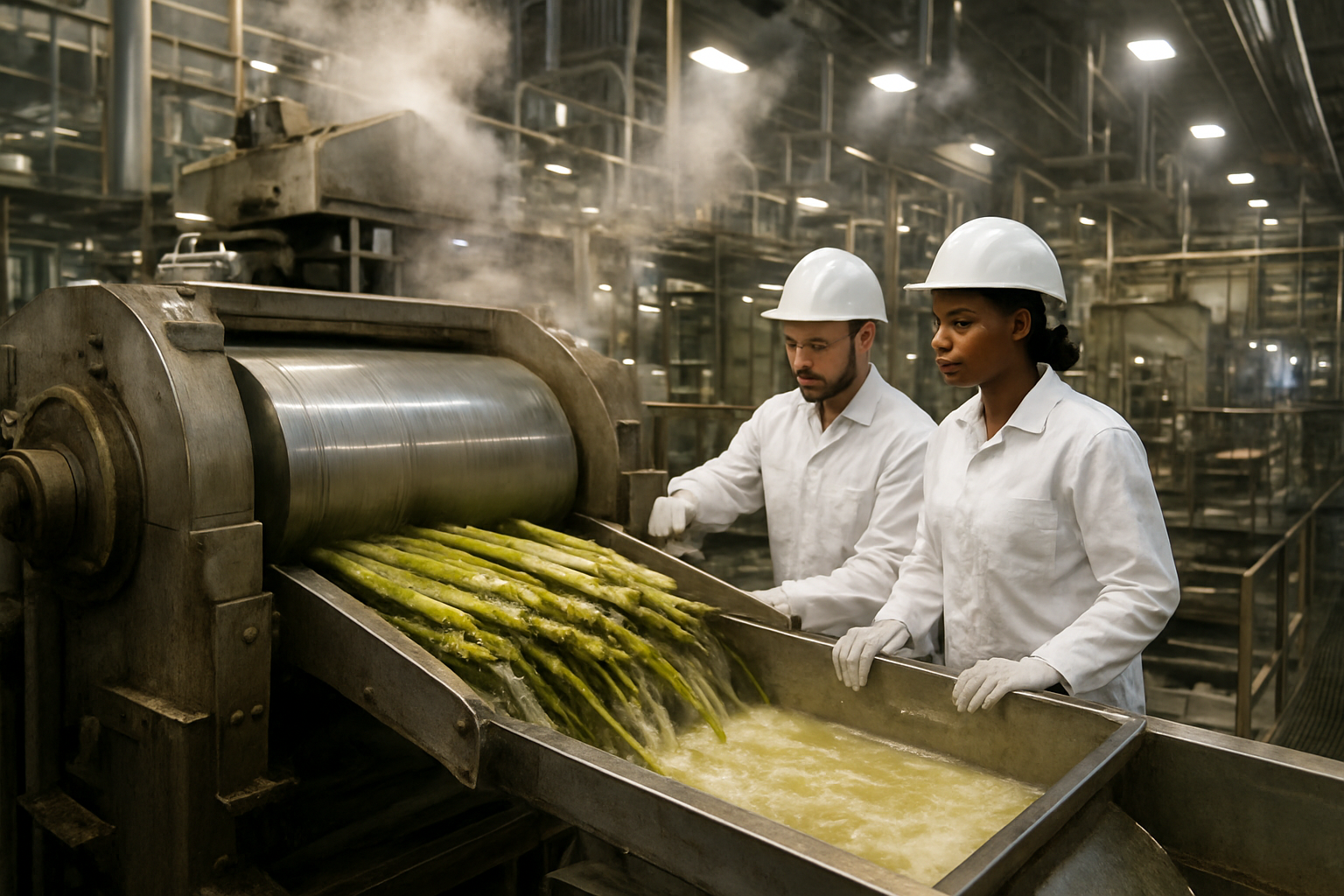
Juice extraction methods
Commercial sugar cane processing begins with extracting juice from the fibrous stalks. Mills use massive roller systems that crush the cane between steel cylinders, applying tremendous pressure to squeeze out every drop of sweet liquid. The process typically involves three to six sets of rollers, with each stage extracting more juice while leaving behind the pulpy fiber called bagasse.
Modern facilities often use diffusion extraction, where hot water passes through shredded cane to dissolve the sugar. This method can extract up to 98% of available sugar, making it more efficient than traditional milling. Some operations combine both methods - first crushing the cane, then using diffusion to capture remaining sugars from the bagasse.
Fresh sugar cane juice contains about 15-20% sucrose along with water, fiber particles, and various impurities. The raw juice appears cloudy and greenish, requiring immediate processing to prevent fermentation and quality loss.
Sugar refining and crystallization process
Raw sugar cane juice undergoes extensive purification before becoming the white crystals we know. The first step involves adding lime to neutralize acids and remove impurities through clarification. This creates a clearer juice that gets concentrated through evaporation in multiple-effect vacuum pans.
The concentrated syrup, now called "massecuite," contains about 80% sugar. Crystallization happens in large vacuum pans where seed crystals are introduced to encourage sugar formation. Temperature and pressure control during this stage determines crystal size and quality.
Centrifuges separate the sugar crystals from the remaining syrup (molasses). Multiple rounds of crystallization extract different grades of sugar, with each cycle producing darker molasses with less recoverable sugar content.
Byproducts and their uses
Sugar cane processing generates valuable byproducts that create additional revenue streams. Bagasse, the fibrous pulp remaining after juice extraction, becomes fuel for power generation at sugar mills. Many facilities achieve energy self-sufficiency by burning bagasse to run their operations.
Molasses serves multiple purposes across industries. Food manufacturers use it in baking, brewing, and as animal feed supplements. The pharmaceutical industry values molasses for producing alcohol, citric acid, and various chemicals through fermentation processes.
Filter mud, another byproduct rich in phosphorus and organic matter, works excellently as fertilizer. Sugar mills often return this material to cane fields, completing a sustainable cycle that improves soil health while reducing waste disposal costs.
Even the wastewater from sugar processing gets recycled for irrigation after treatment, making modern sugar cane processing increasingly environmentally conscious.
Culinary and Traditional Uses Worldwide

Fresh consumption methods in different cultures
Throughout the world, people enjoy raw sugar cane in remarkably diverse ways that reflect local traditions and preferences. In many Latin American countries, street vendors sell freshly cut sugar cane stalks that customers chew directly, extracting the sweet juice and spitting out the fibrous pulp. This method provides an authentic taste of the sugar cane plant while delivering natural sugars and minerals.
Indian markets showcase another approach where vendors peel the tough outer skin and cut the cane into manageable pieces. Families often gather around to share these segments, turning sugar cane consumption into a social activity. Children particularly enjoy this natural candy alternative that their grandparents also cherished.
Caribbean communities have perfected the art of selecting the sweetest varieties, often choosing purple or yellow-tinted stalks over the more common green ones. Local knowledge passed down through generations helps identify the perfect ripeness for optimal sweetness.
In parts of Africa and Asia, people create thin slices or strips that are easier to chew, making the experience more accessible for younger family members. Some cultures combine fresh sugar cane with spices like ginger or lime to enhance the flavor profile.
Traditional beverages and recipes
Sugar cane juice stands as one of the world's most beloved fresh beverages, prepared differently across various cultures. Brazilian "caldo de cana" often includes lime and ginger, creating a refreshing drink that's perfect for hot climates. The mechanical press extracts maximum juice while filtering out most fiber, resulting in a smooth, sweet beverage.
Indian "ganne ka ras" frequently incorporates mint leaves, black salt, and lemon juice. Street-side juice vendors customize each glass according to customer preferences, creating unique flavor combinations that highlight regional tastes. The addition of ice transforms this into a cooling summer treat that locals crave during intense heat waves.
Cuban "guarapo" represents another traditional preparation where fresh sugar cane juice is sometimes fermented slightly, creating a mildly alcoholic beverage. This process requires specific timing and conditions to achieve the desired taste without over-fermentation.
Many Southeast Asian countries create elaborate mixed drinks combining sugar cane juice with coconut water, pandan leaves, or tropical fruits. These combinations showcase how the natural sweetness of sugar cane complements other local ingredients.
Traditional recipes also include sugar cane in cooking applications. Some cultures use pieces of the stalk as natural skewers for grilling meats, imparting subtle sweetness to the food while cooking.
Medicinal applications in folk medicine
Folk medicine traditions across multiple continents recognize various sugar cane benefits for health and wellness. Traditional Chinese medicine practitioners have used sugar cane juice for centuries to treat respiratory conditions, believing its cooling properties help reduce body heat and soothe irritated throats.
Ayurvedic medicine in India considers fresh sugar cane juice beneficial for liver function and natural detoxification processes. Practitioners often recommend it as a gentle energy source that doesn't spike blood sugar levels as dramatically as processed sugars, though moderation remains important.
Caribbean folk healers traditionally use sugar cane juice mixed with herbs to address digestive issues. The natural enzymes present in fresh juice are believed to aid digestion when consumed in appropriate amounts.
Some African traditional medicine systems incorporate sugar cane fiber in topical applications, using the pulp as a natural compress for minor wounds or skin irritations. The antimicrobial properties of certain compounds in the plant may contribute to these traditional uses.
Latin American curanderos sometimes recommend sugar cane juice as a natural remedy for fatigue and weakness, particularly during recovery from illness. The quick energy provided by natural sugars, combined with minerals and vitamins present in fresh juice, supports this traditional application.
Many cultures also use sugar cane as a natural remedy for nausea, particularly during pregnancy, though modern medical guidance should always be consulted for such applications.
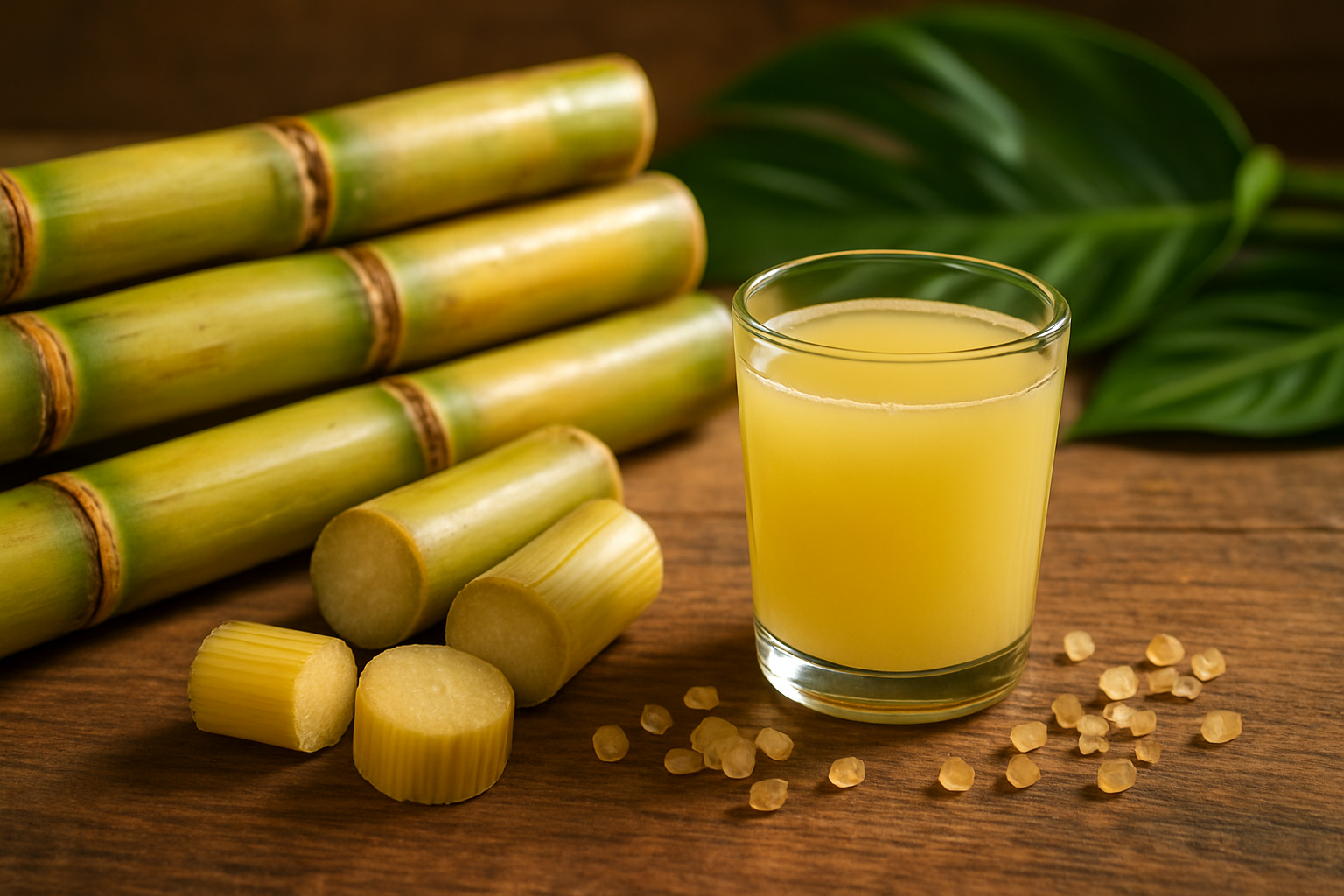
Sugar cane isn't actually a fruit at all – it's a tall grass that stores sweet juice in its fibrous stalks. While many people think of it as producing fruit, the plant itself is what we harvest and process. Raw sugar cane offers surprising nutritional benefits, including fiber, antioxidants, and essential minerals, though most of these are lost during commercial sugar production.
Around the world, people have found creative ways to enjoy sugar cane beyond just making white sugar. From fresh juice in tropical markets to traditional medicine and even building materials, this versatile plant plays a bigger role in daily life than you might expect. Next time you see sugar cane at a local market or juice bar, try it fresh – you'll taste the difference between nature's original sweetness and the processed sugar we're used to.


.png)
Comments
Post a Comment