Tomatoes - What Are Tomatoes?
What Are Tomatoes? Your Complete Guide to Nature's Most Versatile Fruit
Tomatoes are one of the world's most popular and widely consumed fruits, though many people still think of them as vegetables. This comprehensive guide is perfect for home gardeners, cooking enthusiasts, and anyone curious about these vibrant red (and sometimes yellow, purple, or green) powerhouses.
You'll discover the surprising tomato nutrition facts and impressive tomato health benefits that make them nutritional superstars. We'll walk you through everything you need to know about tomato growing conditions and share practical tomato cultivation tips for your garden. Finally, you'll learn creative tomato cooking uses for your kitchen and effective tomato storage methods to keep your harvest fresh longer.
Ready to become a tomato expert? Let's dig into what makes these fruits so special and how you can make the most of them in your garden and kitchen.
Understanding the Basic Nature of Tomatoes
Scientific Classification and Botanical Family
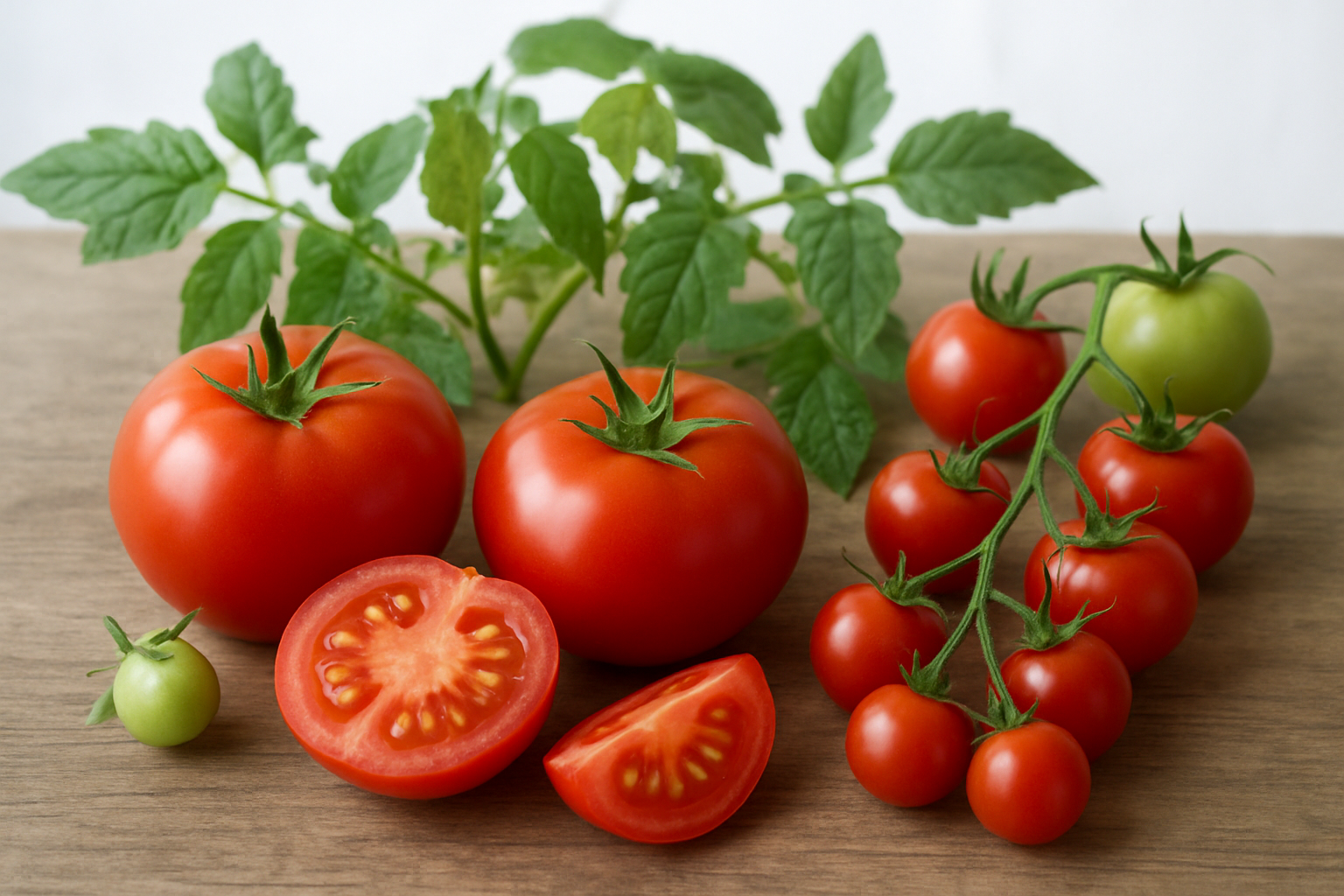
What are tomatoes from a scientific perspective? Tomatoes belong to the nightshade family (Solanaceae), sharing this botanical lineage with potatoes, peppers, and eggplants. Their scientific name is Solanum lycopersicum, and they originated in South America before spreading worldwide. This classification places them firmly in the plant kingdom as flowering plants that produce seeds enclosed within their fleshy fruit structure.
The nightshade family connection explains why tomatoes contain natural compounds like solanine in their green parts, which can be mildly toxic if consumed in large quantities. This botanical relationship also means tomatoes thrive in similar growing conditions to their nightshade relatives.
Key Physical Characteristics and Appearance
Fresh tomatoes display remarkable diversity in their physical traits. The classic round, red tomato represents just one variation among hundreds of possibilities. Colors range from deep purple and black to yellow, orange, green, and striped varieties. Sizes vary dramatically, from tiny cherry tomatoes weighing less than an ounce to massive beefsteak varieties exceeding two pounds.
The fruit's structure consists of a smooth, sometimes ribbed skin encasing multiple seed chambers called locules. Inside, you'll find a gel-like substance surrounding the seeds, with the flesh varying from firm and meaty to soft and juicy depending on the variety. The characteristic tomato shape can be perfectly round, elongated like a plum, or flattened and ribbed.
Fruit Versus Vegetable Debate Explained
The famous fruit versus vegetable debate surrounding tomatoes has both botanical and culinary answers. Botanically speaking, tomatoes are definitely fruits because they develop from the flower of the plant and contain seeds. This scientific classification puts them in the same category as cucumbers, peppers, and even peas.
The confusion arose from culinary traditions and a famous 1893 U.S. Supreme Court case (Nix v. Hedden) that legally classified tomatoes as vegetables for tariff purposes. The court ruled based on how tomatoes are typically used in meals - as part of the main course rather than dessert. This practical approach to classification stuck in popular culture.
Most cooks treat tomatoes as vegetables because of their savory flavor profile and common use in salads, sauces, and main dishes rather than sweet applications.
Common Varieties and Types Available
The tomato world offers incredible diversity to match every growing condition and culinary need. Tomato cultivation has produced distinct categories, each with unique characteristics:
Determinate varieties grow to a specific height and produce most of their fruit at once, making them perfect for sauce-making and canning. Popular determinate types include Roma, San Marzano, and Celebrity tomatoes.
Indeterminate varieties continue growing and producing fruit throughout the season until frost kills them. These include favorites like Brandywine, Cherokee Purple, and Mortgage Lifter - perfect for continuous fresh eating.
Cherry and grape tomatoes provide bite-sized sweetness, with varieties like Sweet 100, Black Cherry, and Yellow Pear offering different flavor profiles and colors.
Heirloom tomatoes represent varieties passed down through generations, often featuring unique colors, shapes, and exceptional flavors that commercial varieties can't match. Examples include Green Zebra, Purple Cherokee, and Pineapple tomatoes.
Hybrid varieties combine the best traits of different parent plants, often offering disease resistance, consistent production, and reliable performance in various growing conditions.
Nutritional Value and Health Benefits
Essential vitamins and minerals content
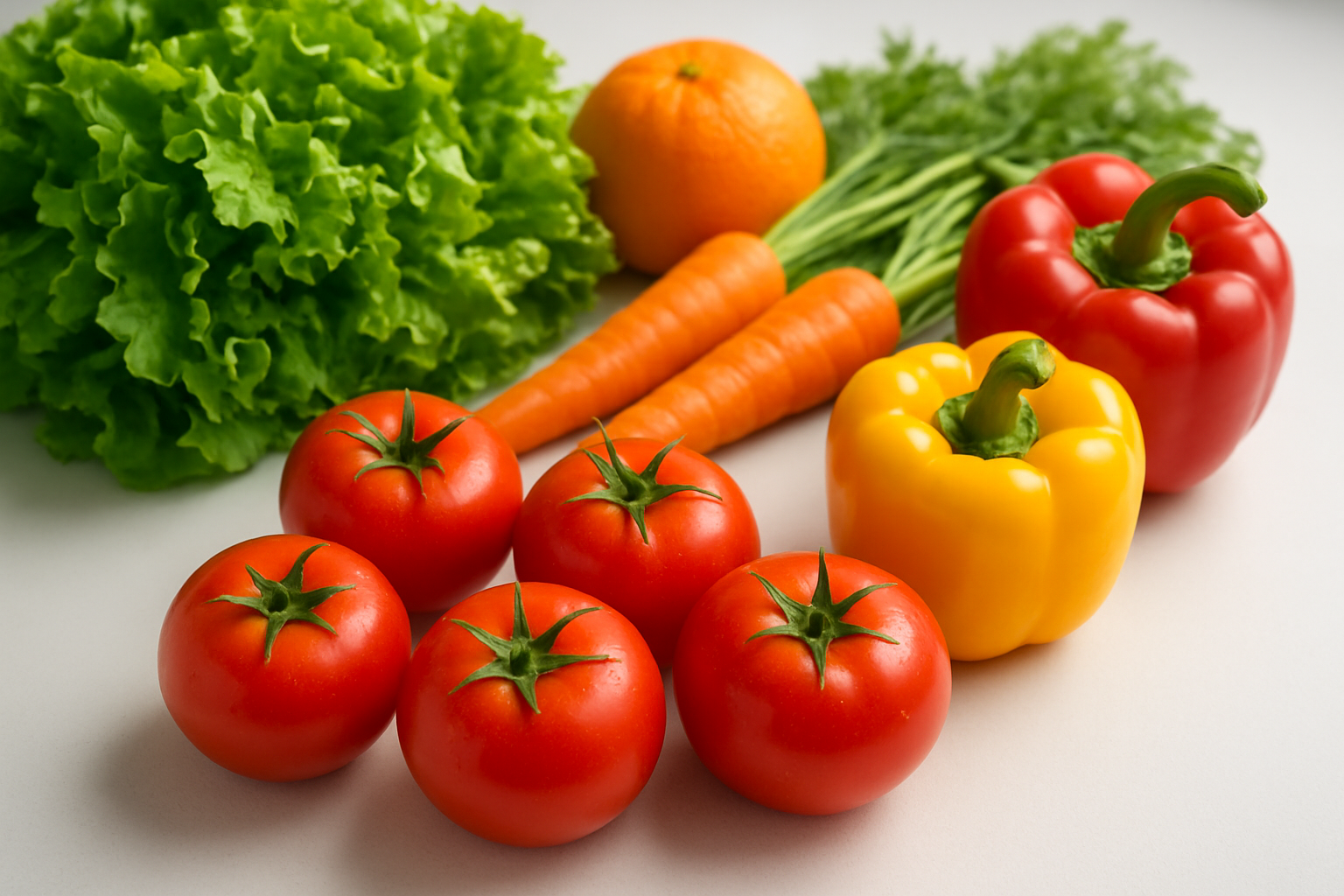
Tomatoes pack an impressive nutritional punch that makes them a standout addition to any diet. A single medium-sized tomato contains about 95% water, making it naturally low in calories while delivering essential nutrients your body craves.
Vitamin C takes center stage in tomato nutrition facts, with one medium tomato providing roughly 28% of your daily recommended intake. This powerful vitamin supports immune function and helps your body absorb iron more effectively. Tomatoes also deliver a solid dose of vitamin K, which plays a crucial role in bone health and blood clotting.
The potassium content in tomatoes deserves special attention - one cup of chopped tomatoes provides about 427mg of this essential mineral. Potassium helps regulate blood pressure and supports proper muscle and nerve function. Folate, another key nutrient found in tomatoes, supports cell division and DNA synthesis, making it especially important for pregnant women.
Fresh tomatoes also contain vitamin A in the form of beta-carotene, supporting eye health and immune function. The mineral profile includes manganese, which aids in bone development and wound healing, plus smaller amounts of magnesium, phosphorus, and copper.
Antioxidant properties and lycopene benefits
The real star of tomato health benefits comes from lycopene, the carotenoid responsible for tomatoes' vibrant red color. This powerful antioxidant has earned significant attention from researchers for its potential protective effects against various health conditions.
Lycopene concentration actually increases when tomatoes are cooked, making tomato sauce, paste, and cooked dishes excellent sources. Studies suggest that lycopene may help reduce the risk of heart disease by lowering LDL cholesterol levels and reducing inflammation in blood vessels. Some research also points to lycopene's potential role in supporting prostate health, particularly in men over 50.
Beyond lycopene, tomatoes contain other antioxidants including vitamin C, beta-carotene, and flavonoids like naringenin and chlorogenic acid. These compounds work together to combat free radicals in your body, potentially reducing cellular damage and supporting overall health.
The antioxidant activity in tomatoes may also contribute to skin health protection. Some studies indicate that regular consumption of lycopene-rich foods like tomatoes might help protect skin from UV damage, though this shouldn't replace proper sun protection practices.
Low-calorie nutrition for weight management
Tomatoes shine as a weight management ally, offering substantial nutrition without the calorie load. One medium tomato contains just 22 calories, making it an ideal food for those watching their weight while still wanting satisfying, flavorful meals.
The high water content in tomatoes helps create a feeling of fullness without adding significant calories to your daily intake. This makes them perfect for bulking up salads, soups, and other dishes without compromising your weight management goals. The natural fiber content, about 1.5 grams per medium tomato, also contributes to satiety and supports healthy digestion.
What makes tomatoes particularly valuable for weight management is their versatility in cooking. You can use them as a base for low-calorie sauces, add them to omelets for volume without excess calories, or simply enjoy them as a satisfying snack. Their natural umami flavor enhances other foods, potentially reducing the need for higher-calorie flavor enhancers.
The combination of low calories, high water content, and essential nutrients means you can eat tomatoes liberally without worrying about sabotaging your health goals. This nutrient density - getting maximum nutrition for minimal calories - makes tomatoes a smart choice for sustainable, healthy eating patterns.
Growing Conditions and Cultivation Requirements
Ideal Climate and Soil Conditions
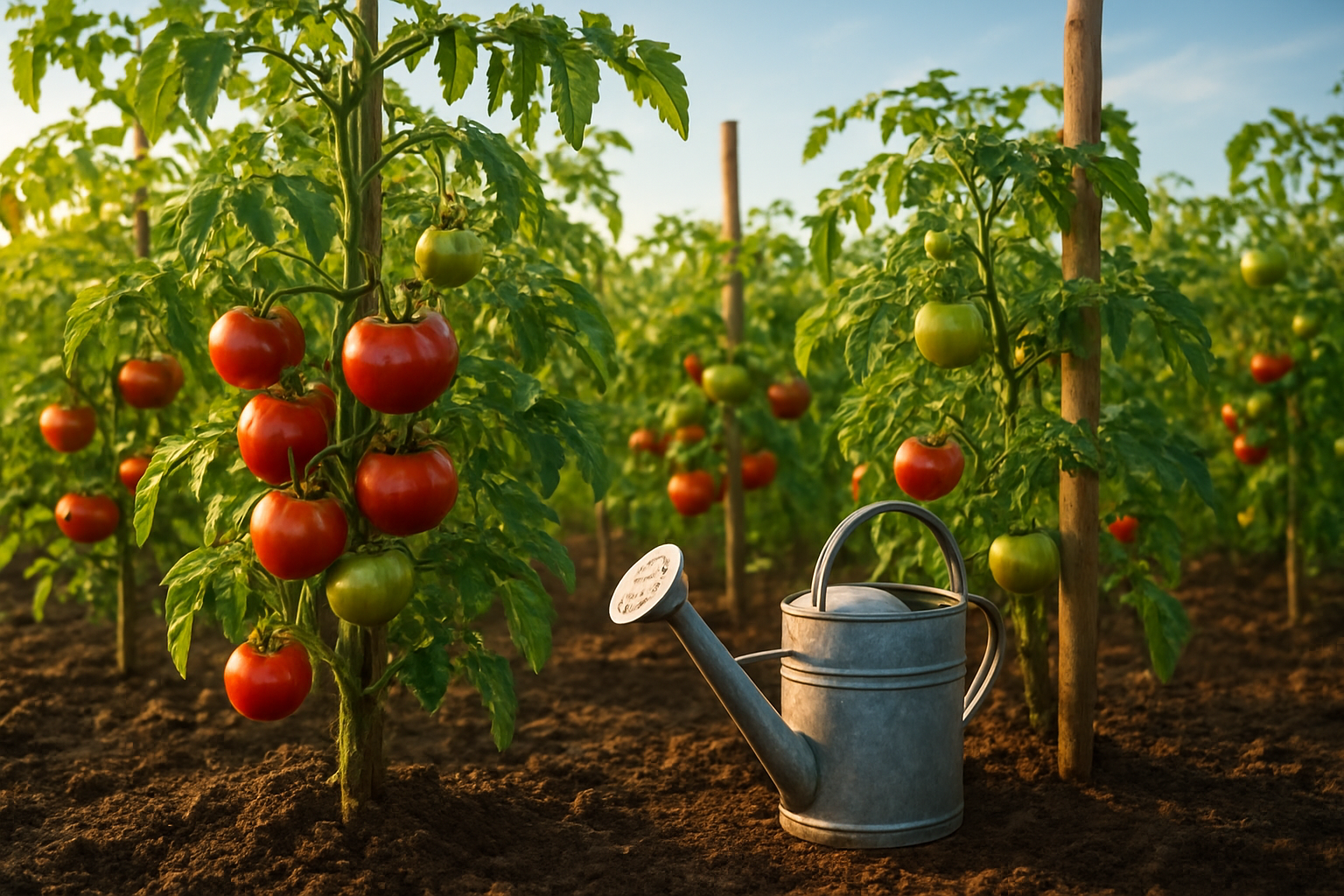
Tomatoes thrive in warm, sunny environments with temperatures between 65-75°F (18-24°C) during the day. They need at least 6-8 hours of direct sunlight daily to develop properly. Cool nights around 60-65°F (15-18°C) actually help the plants set fruit better than consistently hot temperatures.
Well-draining soil with a pH between 6.0-6.8 works best for tomato cultivation. The soil should be rich in organic matter, loose enough for roots to spread easily, and retain moisture without becoming waterlogged. Adding compost or aged manure before planting creates the perfect foundation.
Wind protection matters too - strong winds can damage plants and reduce fruit production. Choose a sheltered spot or create windbreaks if your growing area gets blustery.
Planting Seasons and Timing Considerations
Start tomato seeds indoors 6-8 weeks before your last expected frost date. The soil temperature should reach at least 60°F (16°C) before transplanting seedlings outdoors. Most gardeners transplant 2-3 weeks after the last frost when nighttime temperatures consistently stay above 50°F (10°C).
In warmer climates, you can plant successive crops every 2-3 weeks through early summer for continuous harvests. Northern gardeners typically have one main planting season, while southern regions may support both spring and fall crops.
Wait for established soil warmth rather than rushing - cold soil stunts growth and makes plants vulnerable to diseases.
Watering and Fertilization Needs
Consistent watering keeps tomatoes healthy and prevents problems like blossom end rot and cracking. Aim for about 1-2 inches of water weekly, delivered slowly and deeply rather than frequent shallow watering. Water at the base of plants to avoid wetting leaves, which can encourage disease.
Mulching around plants helps retain soil moisture and regulate temperature. Use organic materials like straw, grass clippings, or shredded leaves applied 2-3 inches thick.
Tomatoes are heavy feeders requiring balanced nutrition throughout the growing season. Start with a balanced fertilizer (like 10-10-10) at planting, then switch to lower nitrogen formulas once flowering begins to encourage fruit development over leafy growth.
| Growth Stage | Fertilizer Type | Application Frequency |
|---|---|---|
| Seedling | Balanced (10-10-10) | Every 2 weeks |
| Flowering | Low nitrogen (5-10-10) | Every 3 weeks |
| Fruiting | Potassium-rich | Monthly |
Common Pests and Disease Prevention
Crop rotation prevents many soil-borne diseases - don't plant tomatoes in the same spot for at least 3-4 years. Choose disease-resistant varieties when possible, looking for codes like VFN (Verticillium, Fusarium, Nematode resistant).
Hornworms are large green caterpillars that can strip plants quickly. Hand-picking works for small gardens, while Bt (Bacillus thuringiensis) provides organic control for larger areas. Cutworms attack young transplants - cardboard collars around stems offer protection.
Fungal diseases like early blight and late blight spread in humid conditions. Proper spacing for air circulation, avoiding overhead watering, and removing affected plant material help prevent outbreaks. Copper-based fungicides provide organic disease control when applied preventively.
Companion planting with basil, marigolds, or nasturtiums can deter certain pests while attracting beneficial insects.
Harvesting Techniques for Optimal Ripeness
Harvest tomatoes when they show their first blush of color - they'll continue ripening off the vine with better flavor than fully vine-ripened fruits in hot weather. Gently twist and pull ripe fruits, or use clean scissors to avoid damaging stems.
Check plants daily during peak season as tomatoes ripen quickly in warm weather. Morning harvest often yields the best flavor when fruits are cool and fully hydrated.
Green tomatoes at season's end can ripen indoors. Place them in paper bags with ripe apples or bananas to speed the process, or wrap individually in newspaper for slower ripening. Store at room temperature, never in the refrigerator, which breaks down flavor compounds and creates mealy texture.
Culinary Uses and Cooking Applications
Fresh consumption and salad preparations
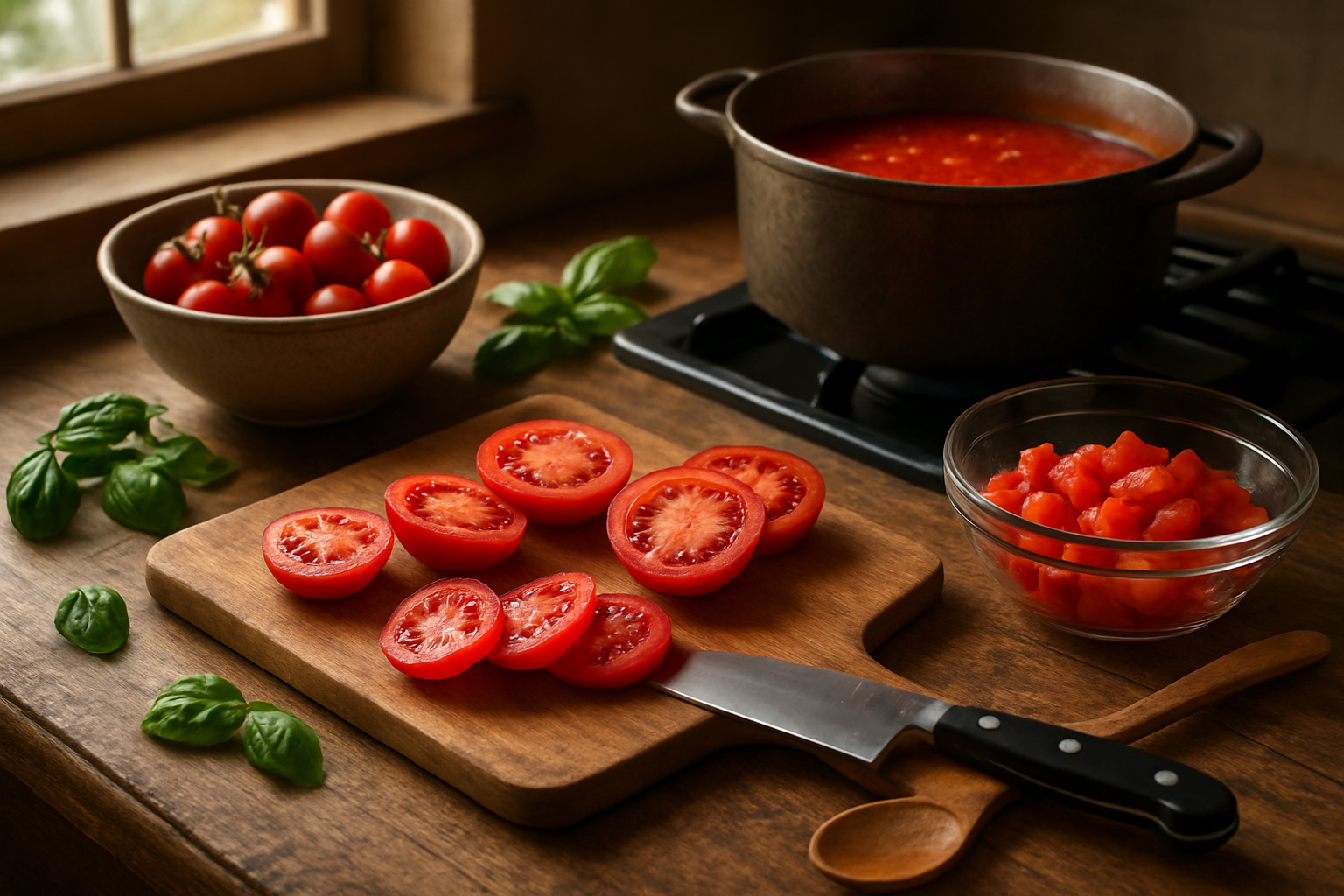
Fresh tomatoes shine brightest when eaten raw, showcasing their natural juiciness and vibrant flavor. Cherry and grape tomatoes make perfect snacking companions, while beefsteak varieties work wonderfully sliced thick for sandwiches and burgers. The key to enjoying fresh tomatoes lies in selecting ripe fruit with deep color and slight give when gently pressed.
For salad preparations, tomatoes pair beautifully with fresh basil, mozzarella, and olive oil in the classic Caprese combination. Mixed green salads benefit from cherry tomatoes cut in half, while wedged Roma tomatoes add substance to heartier salads. Heirloom varieties bring unique colors and flavors that make any salad more visually appealing and delicious.
When preparing fresh tomatoes, avoid refrigeration if possible, as cold temperatures diminish their flavor and texture. Room temperature storage preserves the best taste until you're ready to use them.
Cooking methods that enhance flavor
Heat transforms tomatoes in remarkable ways, concentrating their flavors and creating rich, complex tastes. Roasting tomatoes in the oven caramelizes their natural sugars, creating sweet, intensely flavored results perfect for sauces and soups. Simply halve tomatoes, drizzle with olive oil, season with salt and herbs, then roast at 400°F until edges become slightly charred.
Sautéing tomatoes quickly over medium-high heat works well for pasta sauces and stir-fries. The brief cooking time preserves some texture while developing deeper flavors. For longer-cooking dishes, tomatoes break down beautifully, releasing their juices to create rich, flavorful bases.
Grilling adds smoky notes that complement tomatoes' natural sweetness. Cut large tomatoes into thick slices or keep smaller varieties whole, brush with oil, and grill for 3-4 minutes per side. The slight char creates an irresistible flavor combination.
Slow-cooking methods like braising allow tomatoes to meld with other ingredients, creating complex flavor profiles in stews, ragouts, and casseroles.
Popular recipes and dish combinations
Tomatoes form the backbone of countless beloved dishes worldwide. Classic marinara sauce starts with good tomatoes, garlic, onions, and fresh herbs - a simple combination that highlights tomato cooking uses perfectly. San Marzano or Roma varieties work best for sauces due to their lower water content and rich flavor.
Gazpacho showcases fresh tomatoes in a refreshing cold soup, blended with cucumbers, peppers, and herbs. This Spanish favorite proves that fresh tomatoes can create sophisticated dishes without any cooking at all.
Tomato-based pasta dishes range from simple aglio e olio with cherry tomatoes to rich Bolognese sauces that simmer for hours. Fresh tomatoes work beautifully in quick pasta dishes, while canned varieties excel in longer-cooking sauces.
Pizza wouldn't be the same without tomato sauce, and homemade versions using fresh or high-quality canned tomatoes taste infinitely better than store-bought alternatives. Mediterranean dishes like ratatouille and Greek moussaka rely heavily on tomatoes for their signature flavors.
Stuffed tomatoes make elegant side dishes, filled with rice, herbs, and vegetables, then baked until tender. This preparation method works especially well with large, firm varieties that hold their shape during cooking.
Storage Methods and Preservation Techniques
Proper fresh storage for maximum shelf life
The key to extending your fresh tomatoes shelf life lies in understanding their ripening process and temperature sensitivity. Store fully ripe tomatoes at room temperature on your kitchen counter, away from direct sunlight. They'll stay fresh for 3-5 days this way. Never refrigerate ripe tomatoes unless you absolutely must - cold temperatures break down their cell structure, creating that mealy, flavorless texture nobody wants.
For partially ripe tomatoes, keep them stem-side down in a single layer on your counter. The stem area is where most moisture escapes, so this position helps retain freshness. If you need to slow down ripening, place them in the refrigerator's crisper drawer, but understand they'll lose some flavor.
Green tomatoes need warmth to ripen properly. Store them in a paper bag with a banana or apple - these fruits release ethylene gas that speeds up the ripening process. Check daily and remove any that show signs of softening.
Tomato storage methods work best when you avoid washing them until you're ready to use them. Excess moisture encourages bacterial growth and speeds up decay.
Freezing and canning preservation options
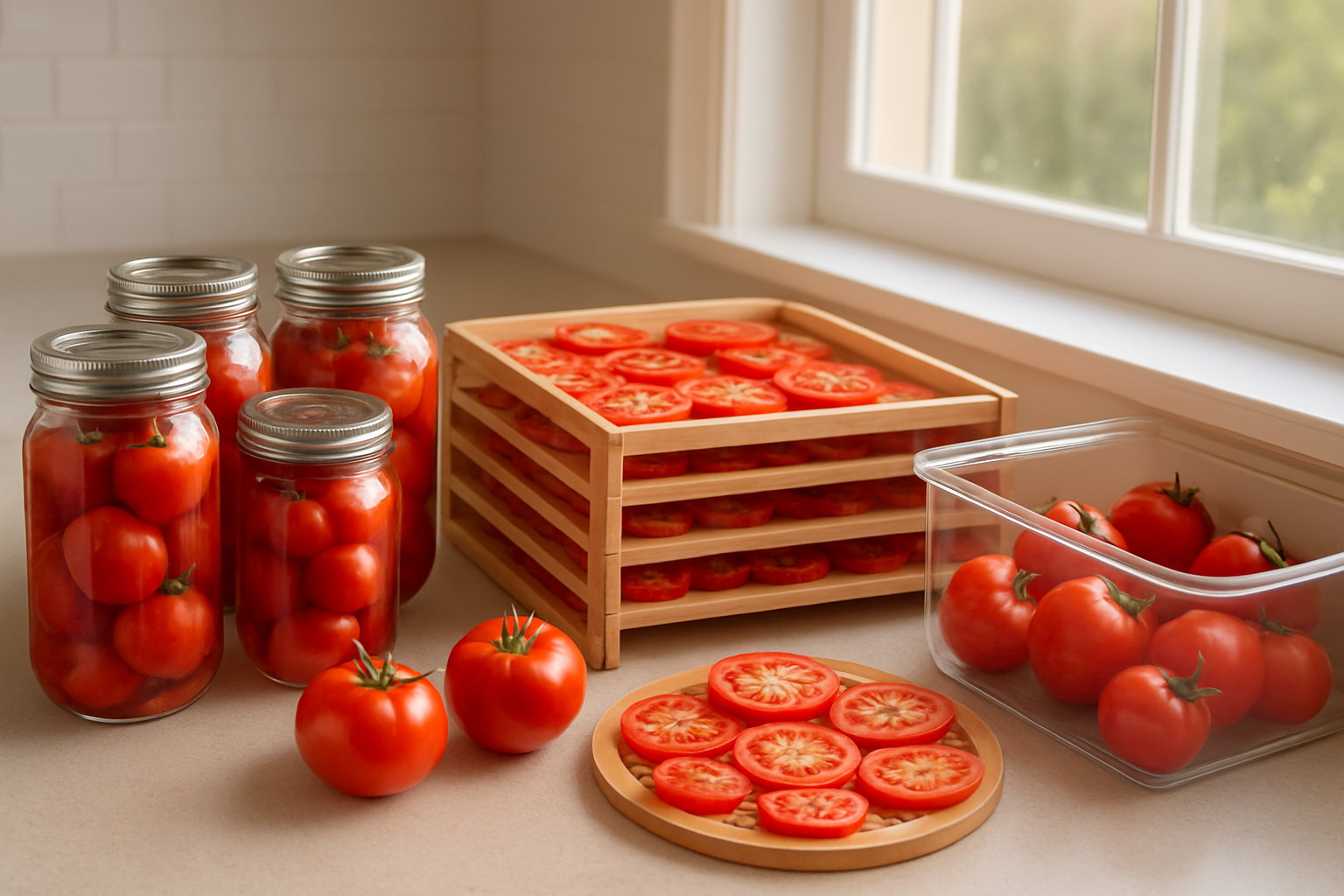
Tomato preservation techniques offer excellent ways to enjoy your harvest year-round. Freezing works best for tomatoes you'll use in cooked dishes later. Simply wash, core, and freeze whole tomatoes in freezer bags. The skins slip off easily once thawed, making them perfect for sauces and soups.
For blanched freezing, score an X on the bottom of each tomato, dip in boiling water for 30-60 seconds, then transfer to ice water. Peel off the loosened skins, cut as desired, and freeze in portions you'll actually use.
Canning requires more attention to safety but creates shelf-stable products. Water bath canning works for high-acid tomato products like plain tomatoes, sauces, and salsas. Always add lemon juice or citric acid to ensure proper acidity levels. Pressure canning is necessary for low-acid recipes containing vegetables, meats, or dairy.
Dehydrating creates concentrated flavor in sun-dried or oven-dried tomatoes. Slice them 1/4 inch thick, salt lightly, and dry at 135°F for 8-12 hours until leathery but not crisp.
Signs of spoilage to avoid
Knowing when tomatoes have gone bad protects your health and prevents waste. Fresh tomatoes showing dark, sunken spots or black patches should go straight to the compost. These indicate bacterial or fungal infections that can spread to other produce.
Soft, mushy areas that yield easily to pressure signal the beginning of decay. Small soft spots can be cut away if the rest of the tomato remains firm, but extensive softness means the whole fruit is compromised.
White or green fuzzy mold anywhere on the surface makes the entire tomato unsafe to eat. Mold roots penetrate deeper than what you can see, so don't try to salvage moldy tomatoes by cutting around the visible growth.
Off-putting sour or fermented smells indicate bacterial breakdown. Fresh tomatoes should smell earthy and slightly sweet at the stem end. Any unpleasant odors mean it's time to toss them.
Wrinkled, shriveled skin combined with a hollow sound when tapped shows moisture loss and aging. While not dangerous, these tomatoes won't taste good and work better in cooked applications if they're not too far gone.
Pay attention to color changes too - fresh red tomatoes that develop brown or black discoloration have likely been damaged by cold or age.
Tomatoes are far more than just a simple garden vegetable – they're actually fruits packed with vitamins, minerals, and antioxidants that support your overall health. From their lycopene content that may help protect against certain diseases to their versatility in countless recipes, tomatoes deserve a spot in everyone's kitchen. Understanding their growing needs helps you appreciate the care that goes into producing these flavorful gems, whether you're buying them from the store or trying your hand at home gardening.
Getting the most out of your tomatoes means knowing how to store them properly and exploring different preservation methods to enjoy their goodness year-round. Fresh tomatoes can transform a simple salad, while preserved varieties like sauces and dried tomatoes add depth to countless dishes. Start experimenting with different tomato varieties and cooking techniques – your taste buds and your body will thank you for embracing this nutritious and delicious fruit.


.png)
Comments
Post a Comment