Zucchini - What's Zucchini?
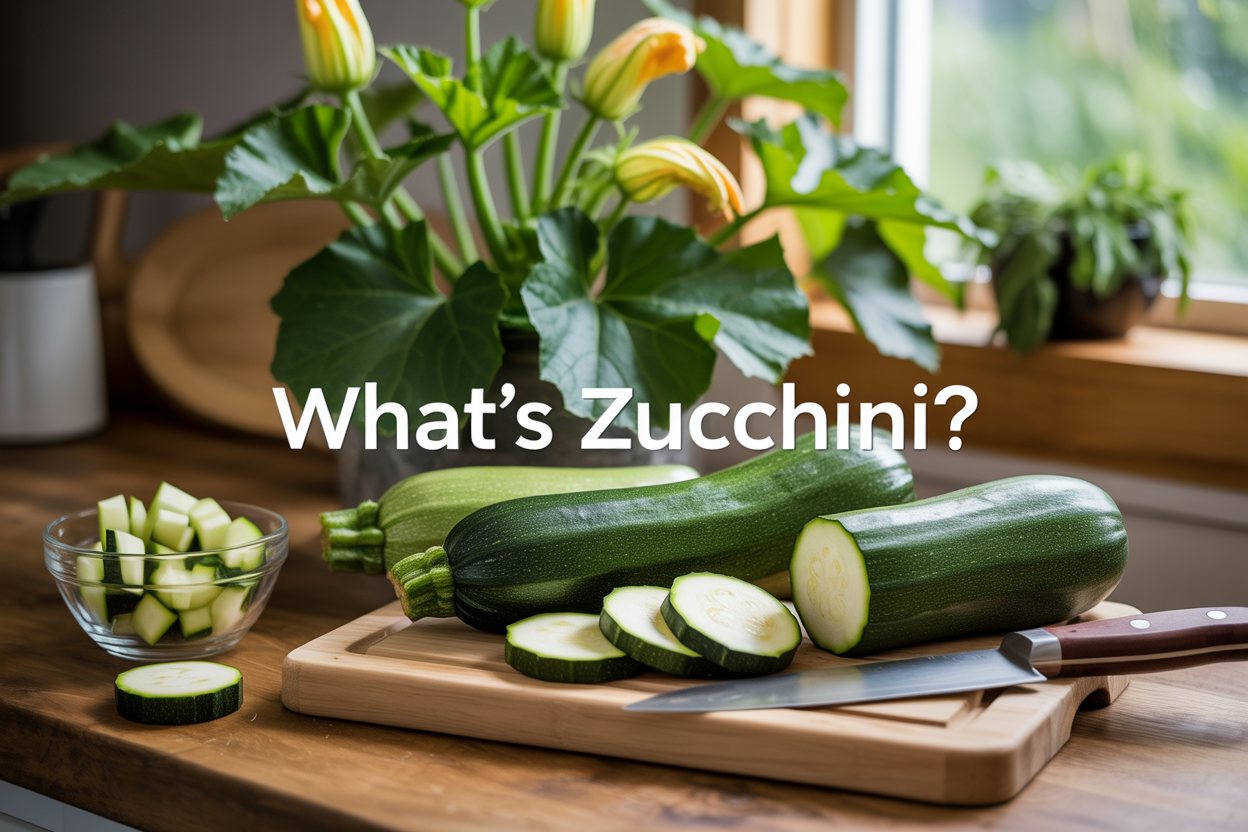
What's Zucchini? Your Complete Guide to This Green Garden Superstar
Zucchini is a popular summer squash that belongs to the same family as cucumbers, melons, and pumpkins. This mild-flavored, versatile vegetable grows easily in most gardens and packs surprising nutritional punch despite being 95% water.
This guide is perfect for home gardeners curious about growing their own zucchini, health-conscious cooks wanting to understand zucchini nutrition facts and benefits, and anyone looking to make the most of this abundant summer harvest.
We'll explore what makes zucchini such a nutritional powerhouse and cover practical zucchini cooking tips that transform this humble vegetable into delicious meals. You'll also learn proven methods for growing zucchini in your garden and storing zucchini properly so you can enjoy fresh summer squash long after the growing season ends.
Understanding Zucchini as a Versatile Summer Vegetable
Botanical Classification and Plant Family Origins
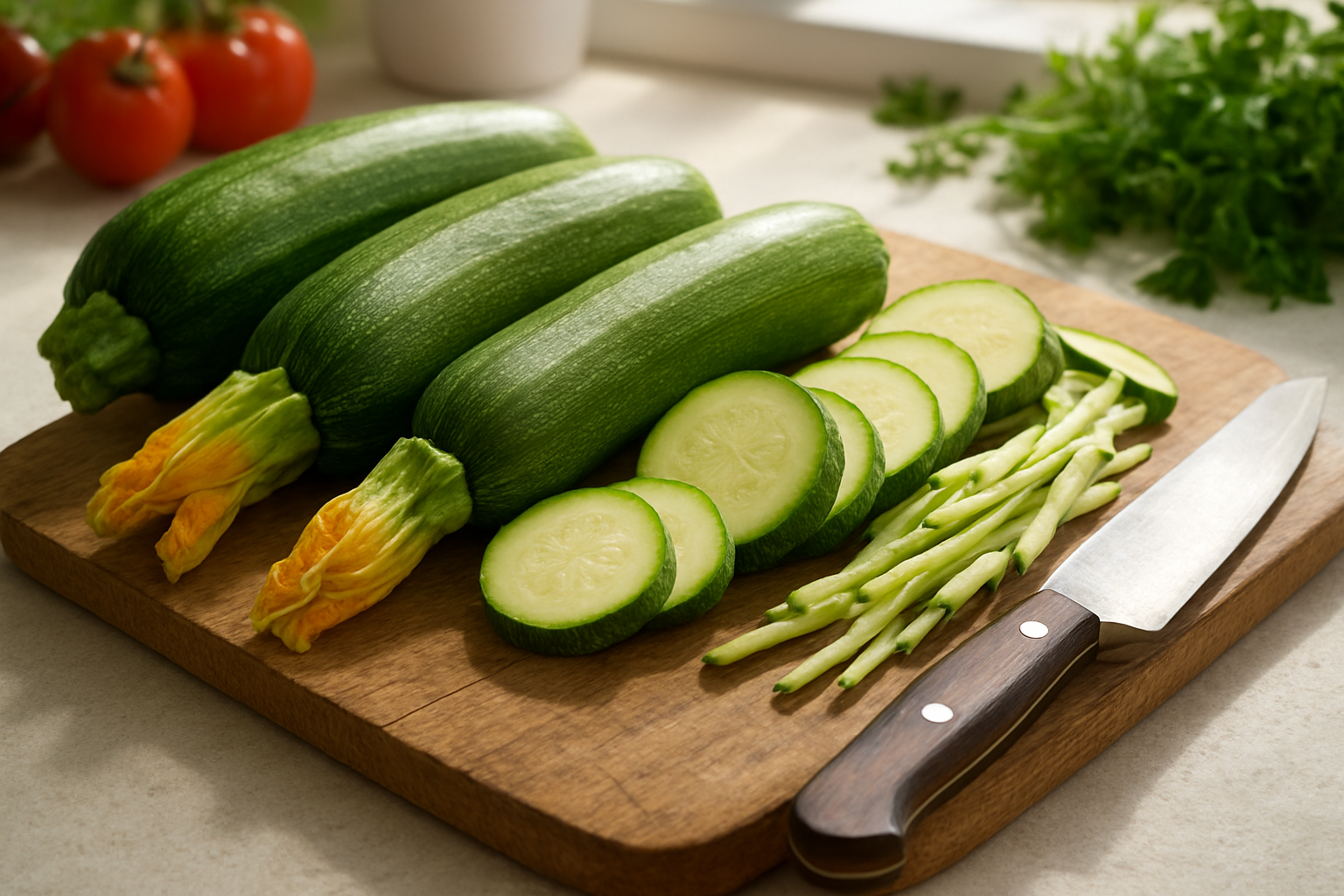
Zucchini belongs to the Cucurbitaceae family, making it a close relative of cucumbers, melons, and pumpkins. Scientifically known as Cucurbita pepo, this summer squash originated in Central America and Mexico thousands of years ago. Early civilizations cultivated various forms of Cucurbita pepo, but the zucchini we know today was developed in Italy during the 19th century. Italian gardeners selectively bred these squash plants to produce the tender, elongated fruits we recognize as zucchini.
The plant grows as a bushy annual with large, broad leaves and bright yellow flowers. Both male and female flowers appear on the same plant, with bees typically handling pollination. The sprawling vines can reach several feet in diameter, producing multiple zucchini throughout the growing season.
Physical Characteristics That Distinguish Zucchini From Other Squash
Zucchini stands out from other squash varieties through several distinctive features. Most zucchini varieties display a dark green skin with subtle light green stripes or mottling, though golden and striped varieties also exist. The flesh inside remains consistently pale green to white, offering a mild, slightly sweet flavor.
Unlike winter squash that develop thick, hard rinds, zucchini maintains a tender skin that's completely edible. The fruit typically grows 6 to 8 inches long when harvested at peak tenderness, though they can reach enormous sizes if left on the plant. The cylindrical shape tapers slightly at both ends, with a smooth, glossy surface when fresh.
The texture sets zucchini apart from its cousins - it's crisp when raw but becomes tender when cooked, never developing the stringy quality found in some summer squash varieties.
Peak Growing Season and Harvest Timing
Summer squash like zucchini thrives in warm weather, making late spring through early fall the prime growing season in most climates. Planting typically begins after the last frost date when soil temperatures consistently reach 60°F or higher. Seeds germinate quickly in warm soil, usually sprouting within 7 to 10 days.
The magic happens fast once plants get established. Zucchini plants begin flowering approximately 6 to 8 weeks after planting, with fruit following shortly after successful pollination. Peak harvest season runs from mid-summer through early fall, with plants producing continuously under the right conditions.
Timing the harvest makes all the difference in quality. Young zucchini harvested at 4 to 6 inches long offer the best flavor and texture. Daily checking becomes essential during peak season since zucchini can double in size overnight. Overgrown zucchini develop tough skins and large seeds, making them better suited for baking or composting than fresh eating.
Common Varieties and Their Unique Features
Several zucchini varieties bring different qualities to the garden and kitchen. Dark Green zucchini represents the classic variety most people recognize, with its deep forest green skin and reliable production. Black Beauty offers similar characteristics but with an even darker, almost black-green appearance.
Golden zucchini varieties like Gold Rush provide bright yellow fruits with the same tender texture and mild flavor as green types. These add visual interest to dishes and gardens while maintaining identical growing requirements and harvest timing.
Striped varieties such as Costata Romanesco bring Italian heritage to the garden with distinctive light and dark green ribbing. This heirloom variety produces slightly more flavorful fruit with a firmer texture than standard varieties.
Round zucchini varieties like Eight Ball create sphere-shaped fruits perfect for stuffing. These compact plants work well in smaller gardens while producing unique, tennis ball-sized zucchini that hollow out easily for creative cooking applications.
Compact varieties like Patio Star cater to container gardening, producing full-sized zucchini on smaller plants suitable for deck or balcony growing.
Nutritional Benefits That Make Zucchini a Health Powerhouse
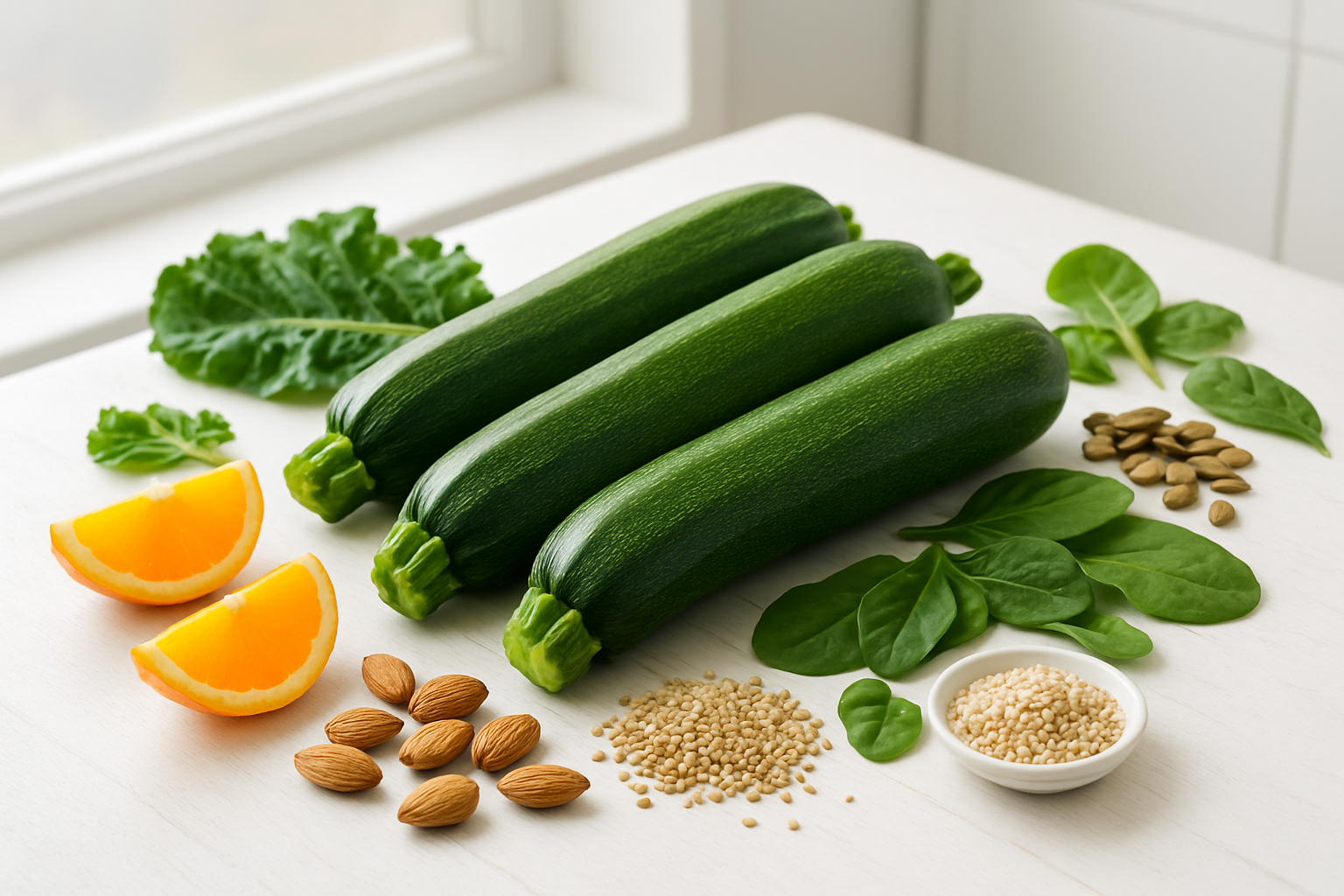
Essential vitamins and minerals for optimal wellness
Zucchini packs an impressive nutritional punch that makes it a standout choice for health-conscious individuals. This summer squash delivers substantial amounts of vitamin C, providing about 35% of your daily needs in just one cup. Vitamin C acts as a powerful antioxidant, boosting immune function and supporting collagen production for healthy skin and joints.
The potassium content in zucchini deserves special attention, offering approximately 512 milligrams per cup. This essential mineral helps regulate blood pressure, supports proper muscle function, and maintains healthy fluid balance throughout your body. Manganese, another key nutrient found in zucchini, plays a crucial role in bone development and wound healing.
Folate levels in zucchini make it particularly valuable for pregnant women and those planning to conceive. This B-vitamin supports proper cell division and helps prevent neural tube defects in developing babies. Vitamin A contributes to eye health and immune function, while magnesium supports over 300 enzymatic reactions in your body.
| Nutrient | Amount per Cup | % Daily Value |
|---|---|---|
| Vitamin C | 35.4 mg | 35% |
| Potassium | 512 mg | 15% |
| Folate | 57 mcg | 14% |
| Manganese | 0.4 mg | 18% |
Low-calorie content perfect for weight management
Anyone focusing on weight management will appreciate zucchini's remarkably low calorie profile. One cup of sliced zucchini contains only 19 calories, making it an excellent choice for creating satisfying meals without compromising your caloric goals. This low energy density means you can enjoy generous portions while maintaining a caloric deficit.
The high fiber content works alongside the low calories to create lasting satiety. Fiber slows digestion and helps you feel full longer, reducing the likelihood of overeating between meals. This combination of low calories and high fiber makes zucchini nutrition facts particularly appealing for sustainable weight loss strategies.
Zucchini's versatility allows creative substitutions that significantly reduce meal calories. Spiralized zucchini noodles can replace traditional pasta, cutting hundreds of calories per serving. Grated zucchini works wonderfully in baked goods, adding moisture while reducing overall caloric density. These substitutions don't sacrifice taste or satisfaction, making them practical long-term solutions.
High water content supporting hydration needs
The impressive water content in zucchini contributes significantly to daily hydration goals. Composed of approximately 95% water, this summer squash provides a refreshing way to increase fluid intake, especially during hot weather when hydration becomes critical.
Water-rich foods like zucchini help maintain electrolyte balance and support proper cellular function. The natural hydration from whole foods often proves more effective than drinking water alone because it comes packaged with electrolytes and nutrients that enhance absorption and retention.
Including high-water foods in your diet supports kidney function, aids digestion, and helps regulate body temperature. The water content in zucchini also contributes to its filling nature, helping you feel satisfied with smaller portions while meeting hydration needs naturally. This dual benefit makes zucchini benefits extend beyond basic nutrition into practical wellness support.
Culinary Applications for Maximum Flavor and Enjoyment
Raw preparations that showcase natural freshness
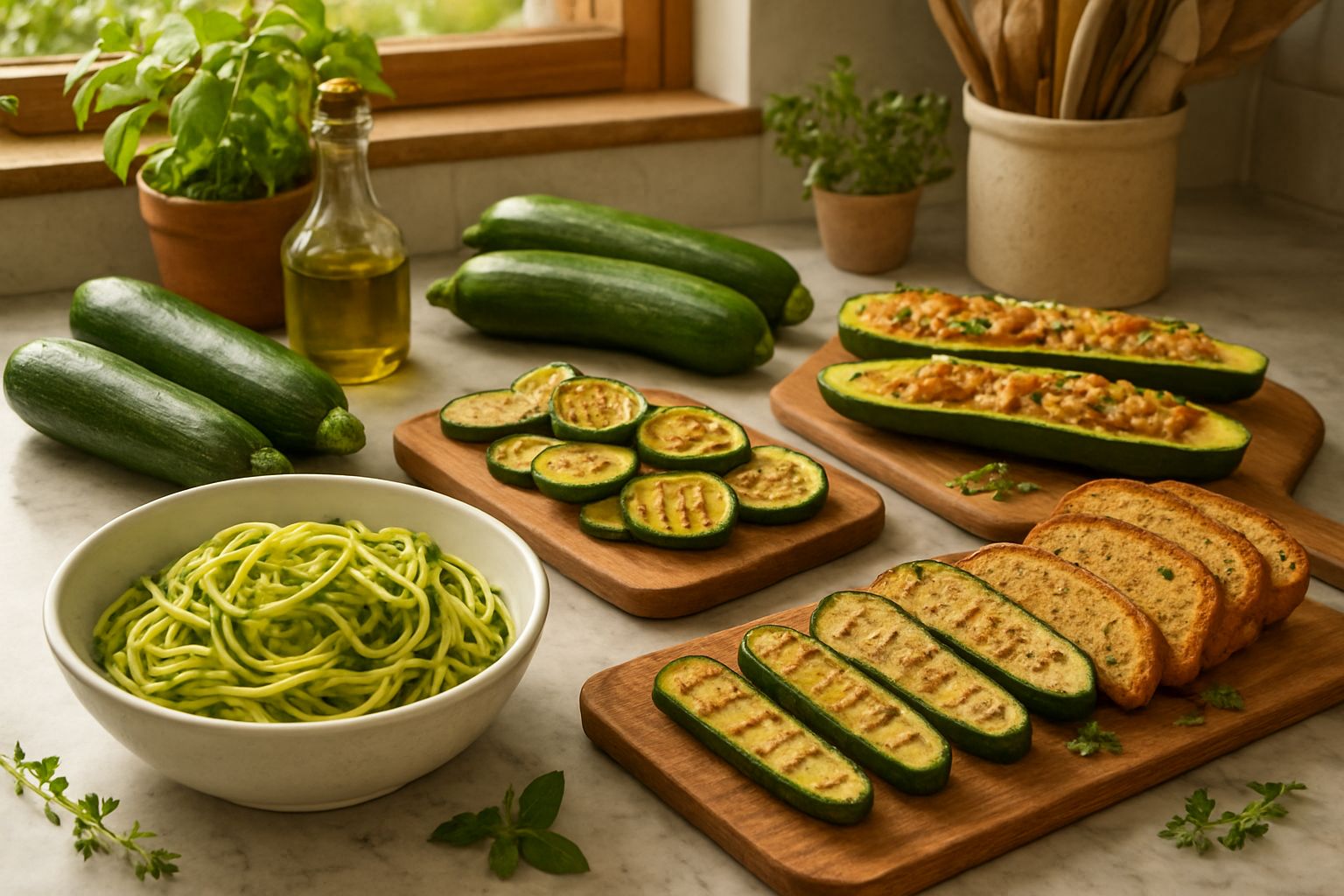
Zucchini shines brightest when eaten raw, offering a crisp texture and mild flavor that pairs beautifully with countless ingredients. Spiralized zucchini creates perfect "zoodles" that serve as an excellent low-carb pasta alternative, absorbing dressings and sauces while maintaining that satisfying crunch.
Thin zucchini ribbons, created with a vegetable peeler or mandoline, make stunning salad components. Toss these ribbons with lemon juice, olive oil, and fresh herbs for a simple yet elegant side dish. The natural sweetness becomes more pronounced when the zucchini is lightly salted and allowed to release its moisture for 10-15 minutes.
Grated zucchini adds moisture and nutrition to coleslaw mixes, while diced pieces bring freshness to salsas and gazpacho. For an impressive appetizer, slice zucchini into rounds and top with goat cheese, tomatoes, and basil - a perfect summer bite that requires zero cooking.
Popular cooking methods that enhance taste
Grilling transforms zucchini into something magical. Thick lengthwise slices develop beautiful char marks while maintaining their structure, creating the perfect balance between smoky flavor and tender texture. Brush with olive oil and season simply with salt, pepper, and fresh herbs.
Sautéing remains the go-to method for quick weeknight meals. Cut zucchini into half-moons or cubes and cook over medium-high heat for 3-4 minutes until just tender. The key is avoiding overcooking, which turns this versatile vegetable into mush.
Roasting concentrates zucchini's natural flavors while creating appealing caramelized edges. Toss chunks with olive oil and roast at 425°F for 15-20 minutes. For extra flavor, add garlic, onions, or other Mediterranean vegetables to create a colorful sheet pan dinner.
Baking zucchini into breads, muffins, and fritters has become incredibly popular. The vegetable adds moisture without overwhelming other flavors, making it perfect for both sweet and savory applications.
Creative substitutions for traditional ingredients
Zucchini's neutral flavor and high water content make it an incredibly versatile ingredient substitute. Replace pasta with spiralized zucchini noodles for a lighter, nutrient-dense alternative that pairs beautifully with any sauce. The trick is not overcooking them - just a quick sauté or even serving them raw works perfectly.
In baking, grated zucchini can replace up to half the butter or oil in many recipes while adding moisture and fiber. This works especially well in chocolate cakes, muffins, and quick breads where the zucchini virtually disappears while keeping everything moist and tender.
For pizza crusts, pressed and seasoned grated zucchini creates a surprisingly sturdy base that's naturally gluten-free. Mix with eggs, cheese, and seasonings, then bake until golden for a crispy foundation that holds toppings well.
Zucchini boats make excellent substitutes for traditional stuffed peppers or cabbage rolls. Halve large zucchini lengthwise, scoop out the center, and fill with your favorite stuffing mixture for an attractive, edible serving vessel.
International dishes featuring zucchini as star ingredient
Mediterranean cuisines have embraced zucchini for centuries. Greek moussaka layers thinly sliced zucchini with rich meat sauce and béchamel, while Italian ratatouille celebrates the vegetable alongside eggplant, tomatoes, and herbs. French courgette gratin showcases zucchini's ability to absorb cream and cheese beautifully.
Middle Eastern cooking features stuffed zucchini (kousa mahshi), where small zucchini are hollowed out and filled with spiced rice and meat mixtures. The tender shells become infused with the aromatic filling during slow cooking.
Indian cuisine incorporates zucchini into curries and sabzis, where the vegetable's mild flavor absorbs complex spice blends. Thai stir-fries often include julienned zucchini for its quick-cooking properties and appealing texture contrast.
Mexican cuisine uses zucchini in everything from quesadillas to soups. Calabacitas, a traditional dish combining zucchini with corn, tomatoes, and peppers, perfectly demonstrates how this summer squash adapts to bold, spicy flavors while maintaining its own character.
Growing and Storing Zucchini for Year-Round Enjoyment
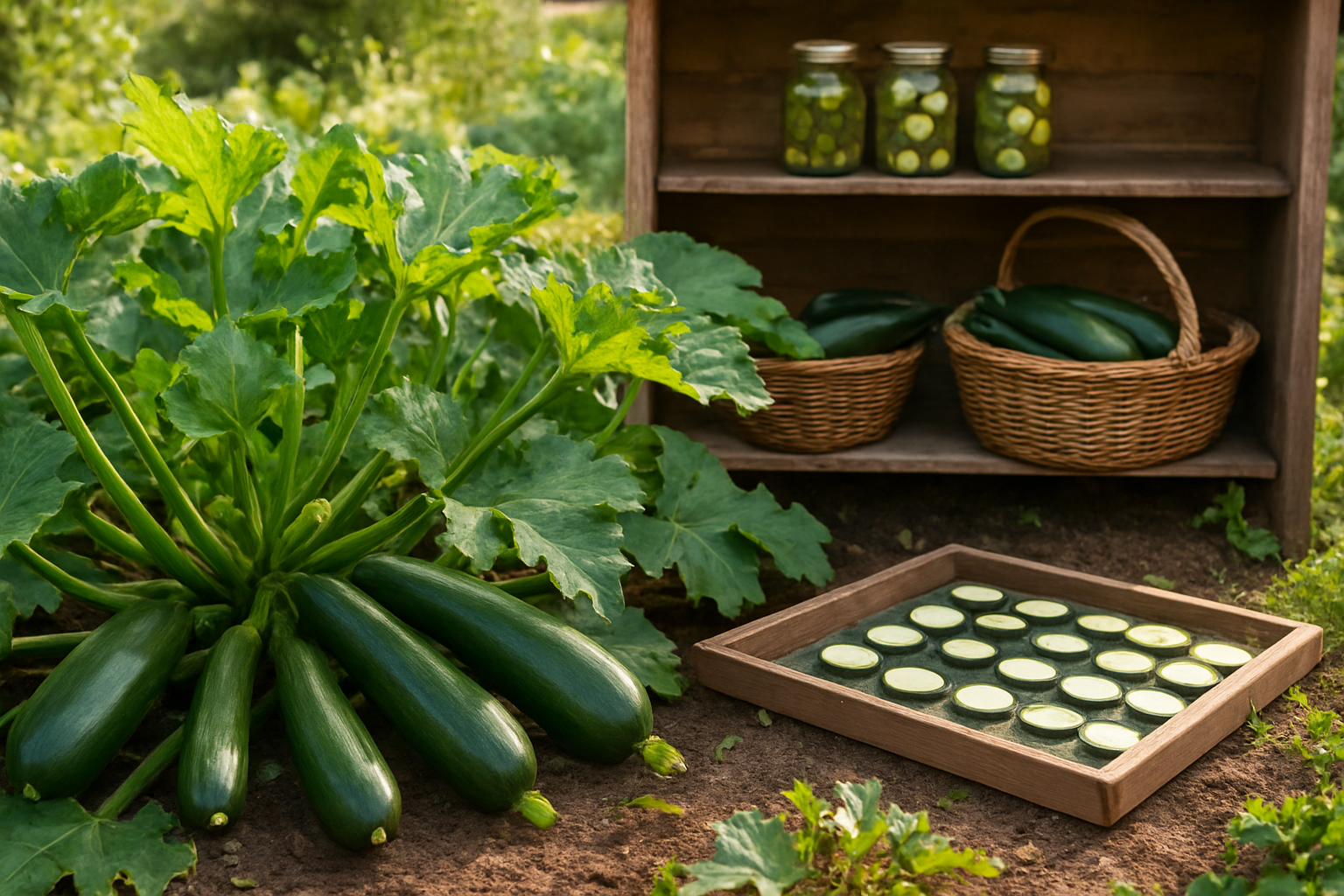
Simple garden cultivation tips for abundant harvests
Zucchini thrives in warm weather and produces incredible yields when given the right conditions. Choose a sunny spot in your garden with at least 6-8 hours of direct sunlight daily. The soil should be well-draining and rich in organic matter - adding compost or aged manure before planting creates the perfect foundation.
Plant zucchini seeds directly in the ground after the last frost date in your area. Space plants 3-4 feet apart since they spread considerably. If you're working with limited space, bush varieties work better than vining types. Water deeply but infrequently, aiming for about 1 inch per week. Mulching around plants helps retain moisture and prevents weeds.
Summer squash like zucchini are heavy feeders, so fertilize every 2-3 weeks with a balanced fertilizer. Watch for common pests like squash bugs and cucumber beetles. Row covers during early growth protect young plants, but remove them once flowers appear to allow pollination.
The secret to continuous harvest lies in frequent picking. Harvest zucchini when they're 6-8 inches long for the best flavor and texture. Daily checking during peak season prevents oversized fruits that can slow down production.
Proper storage techniques to extend shelf life
Fresh zucchini stays crisp longest when stored properly. Keep unwashed zucchini in the refrigerator's crisper drawer, wrapped loosely in perforated plastic bags. This method maintains humidity while allowing air circulation, extending freshness up to one week.
Storing zucchini long-term requires different approaches. Blanching and freezing works well for cooking applications. Slice or shred zucchini, blanch for 1-2 minutes, cool in ice water, drain thoroughly, and freeze in portions. Frozen zucchini works perfectly in baked goods, soups, and casseroles.
Dehydrating creates zucchini chips that last months in airtight containers. Slice thin, season as desired, and dry until crisp. These make healthy snacks or can be rehydrated for cooking.
Avoid storing zucchini at room temperature for extended periods, as it loses moisture and becomes rubbery quickly. Never store damaged or bruised zucchini with fresh ones, as deterioration spreads rapidly.
Signs of ripeness and quality selection at markets
Quality selection starts with visual inspection. Look for zucchini with glossy, dark green skin free from blemishes, cuts, or soft spots. The skin should feel firm and smooth when gently pressed. Avoid zucchini with wrinkled or dull skin, which indicates age or dehydration.
Size matters when selecting zucchini. Medium-sized ones (6-8 inches long and 1-2 inches in diameter) offer the best flavor and texture. Oversized zucchini often have tough skin, large seeds, and watery flesh that lacks flavor. Baby zucchini, while tender, can be expensive and offer less versatility.
The stem end provides valuable clues about freshness. A green, moist stem indicates recent harvest, while brown or dried stems suggest the zucchini has been sitting longer. Gently twist the zucchini - it should feel heavy for its size and have no give when squeezed.
Check for uniformity in color and avoid zucchini with yellow patches (unless you're specifically buying yellow varieties). Dark green, consistent coloring indicates proper ripeness and good growing conditions. Trust your nose too - fresh zucchini should smell clean and slightly sweet, never sour or musty.
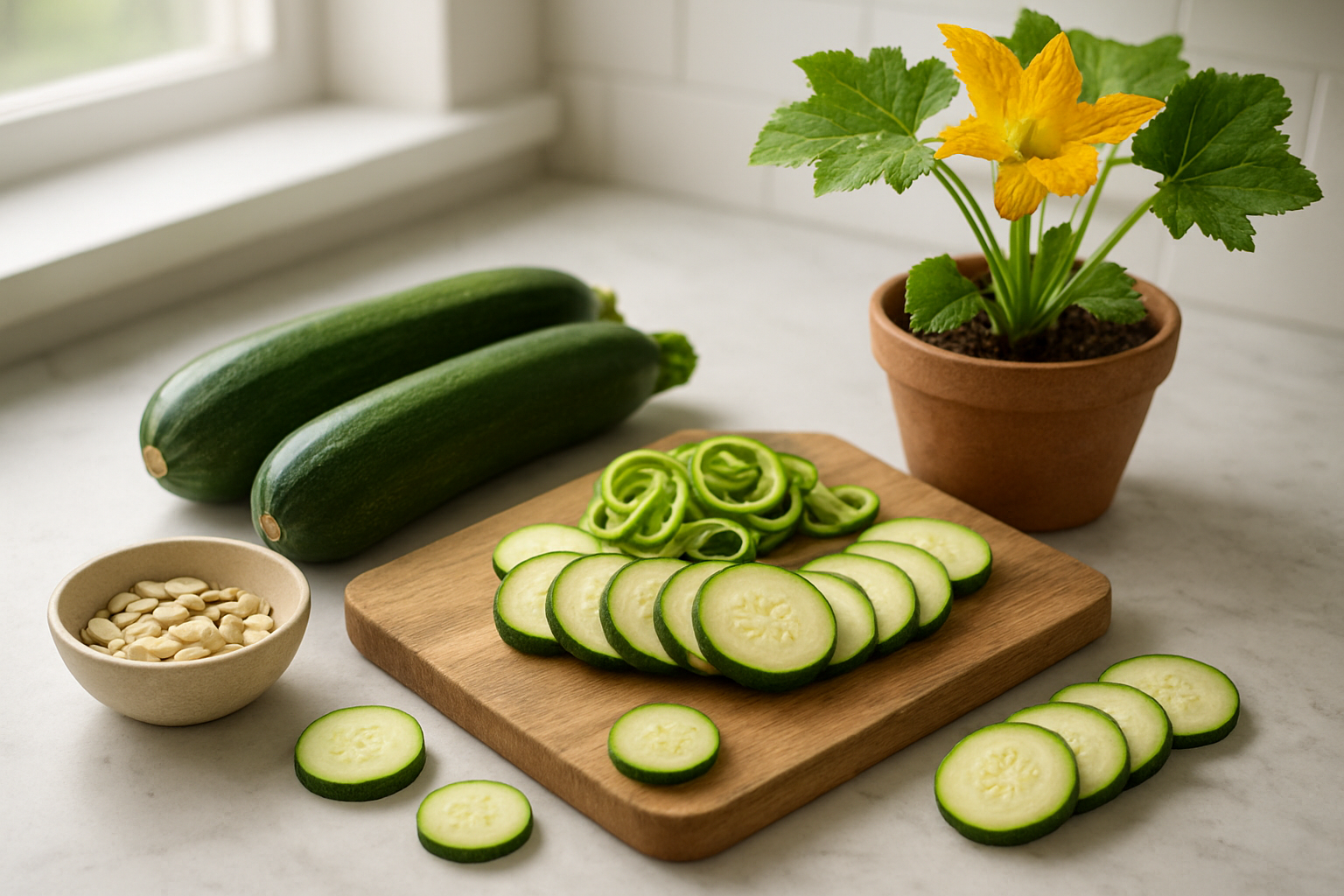
Zucchini proves itself as one of summer's most rewarding vegetables, packed with essential nutrients while staying incredibly low in calories. This green powerhouse delivers vitamin C, potassium, and fiber that your body craves, all while being gentle on your digestive system. From spiralized noodles to crispy fritters, zucchini adapts to whatever cooking style you prefer, making it easy to sneak extra vegetables into any meal.
Growing your own zucchini can turn into a fun garden adventure that keeps giving all season long. With proper storage techniques, you can enjoy fresh zucchini flavors well beyond summer months. Start small with one zucchini recipe this week - your taste buds and your health will thank you for discovering this versatile vegetable that's been hiding in plain sight at the grocery store.


.png)
Comments
Post a Comment