Best Fruits for Glowing skin
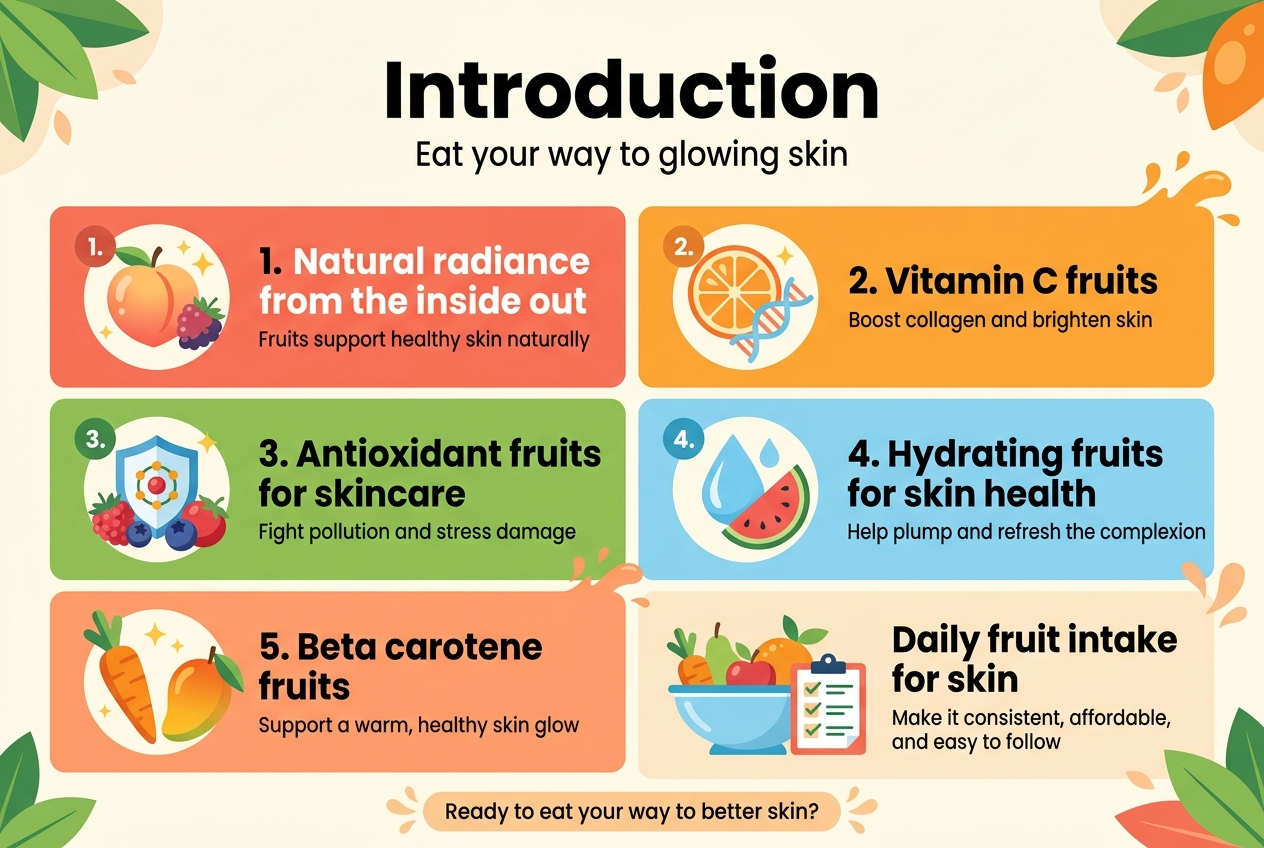
Want radiant, healthy skin that glows from within? The secret might be sitting in your fruit bowl. While expensive skincare products promise miracles, the best fruits for glowing skin work from the inside out to give you that natural radiance you've been chasing.
This guide is perfect for anyone tired of dull, tired-looking skin and ready to try a delicious, natural approach to skincare. You'll discover which vitamin C fruits for skin pack the most collagen-boosting punch and learn about antioxidant fruits for skincare that fight off damage from pollution and stress.
We'll explore hydrating fruits for skin health that plump up your complexion naturally, plus reveal which beta carotene fruits deliver serious skin benefits for that coveted golden glow. You'll also get the inside scoop on daily fruit intake for skin that actually makes a difference, so you can create a routine that fits your lifestyle and budget.
Ready to eat your way to better skin? Let's dive into the juiciest secrets for achieving that natural skin glow.
Vitamin C Rich Fruits That Boost Collagen Production
Citrus Fruits for Enhanced Skin Elasticity
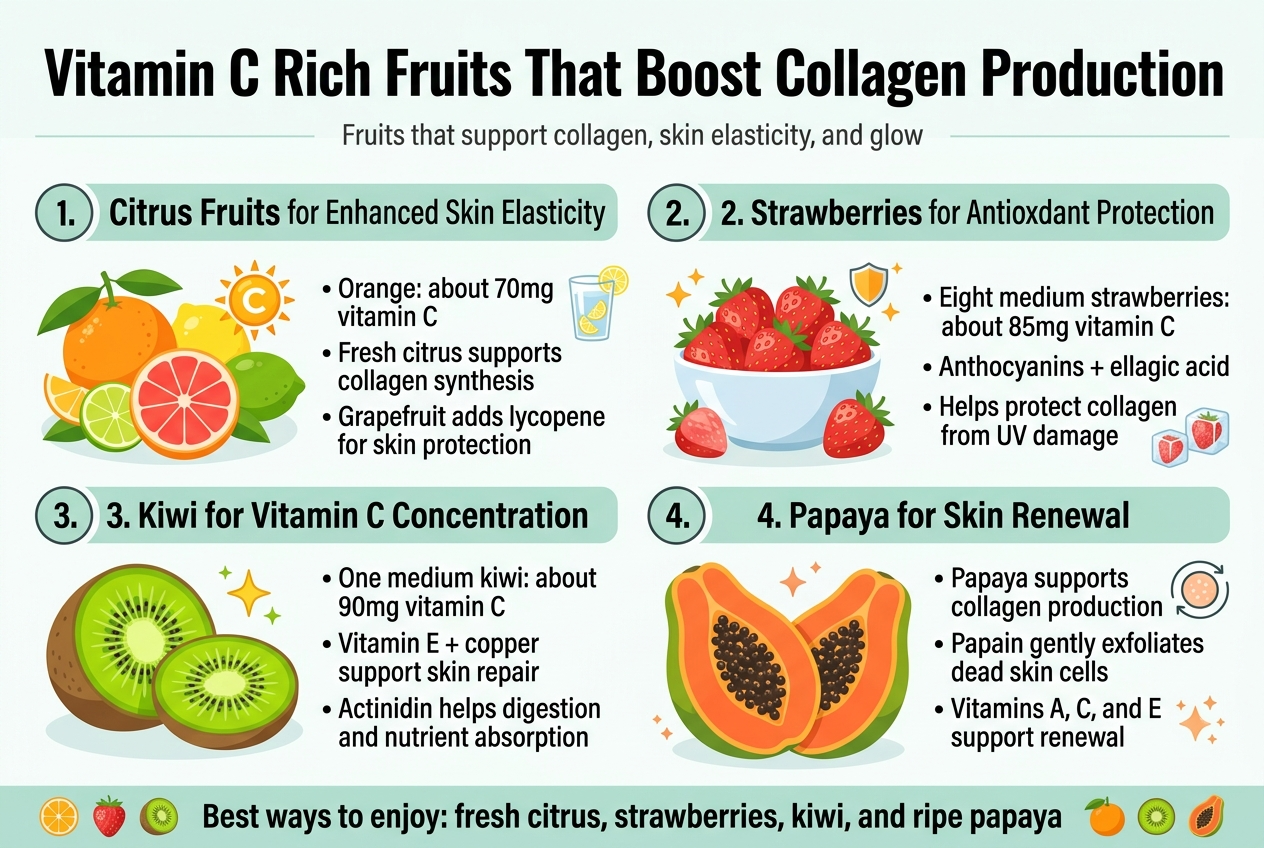
Oranges, lemons, limes, and grapefruits pack a serious vitamin C punch that your skin absolutely loves. These vitamin C fruits for skin work overtime to stimulate collagen synthesis, the protein responsible for keeping your skin firm and bouncy. A single medium orange delivers about 70mg of vitamin C - that's nearly your entire daily requirement right there.
The beauty of citrus lies in their bioavailability. Your body absorbs vitamin C from fresh citrus fruits more efficiently than synthetic supplements. Start your morning with fresh lemon water or snack on orange segments throughout the day. Grapefruit contains additional compounds like lycopene that provide extra skin protection benefits.
Strawberries for Antioxidant Protection
Don't let their sweet taste fool you - strawberries are vitamin C champions containing more of this skin-loving nutrient per serving than oranges. Eight medium strawberries provide about 85mg of vitamin C, plus powerful antioxidants like anthocyanins and ellagic acid.
These antioxidant fruits for skincare fight free radical damage that leads to premature aging. The ellagic acid in strawberries specifically helps prevent collagen breakdown from UV exposure. Frozen strawberries retain their nutritional value, making them a year-round option for your skin health routine.
Kiwi for Vitamin C Concentration
Kiwi fruits are absolute vitamin C superstars, containing nearly twice as much as oranges. One medium kiwi delivers about 90mg of vitamin C along with vitamin E and copper - nutrients that work together to support collagen production and skin repair.
The fuzzy exterior might not look appealing, but the green flesh inside is a goldmine for natural skin glow foods. Kiwis also contain actinidin, an enzyme that aids digestion and helps your body better absorb all those skin-beneficial nutrients.
Papaya for Skin Renewal
Tropical papaya brings more than just vitamin C to your skin game. This collagen boosting fruit contains papain, an enzyme that gently exfoliates dead skin cells from the inside out. Combined with vitamins A, C, and E, papaya supports both collagen production and cellular turnover.
The carotenoids in papaya give it that gorgeous orange color and provide additional protection against skin damage. Fresh papaya works best, but dried versions without added sugar can also contribute to your vitamin C intake.
Antioxidant Powerhouse Fruits for Skin Protection
Blueberries for Fighting Free Radical Damage
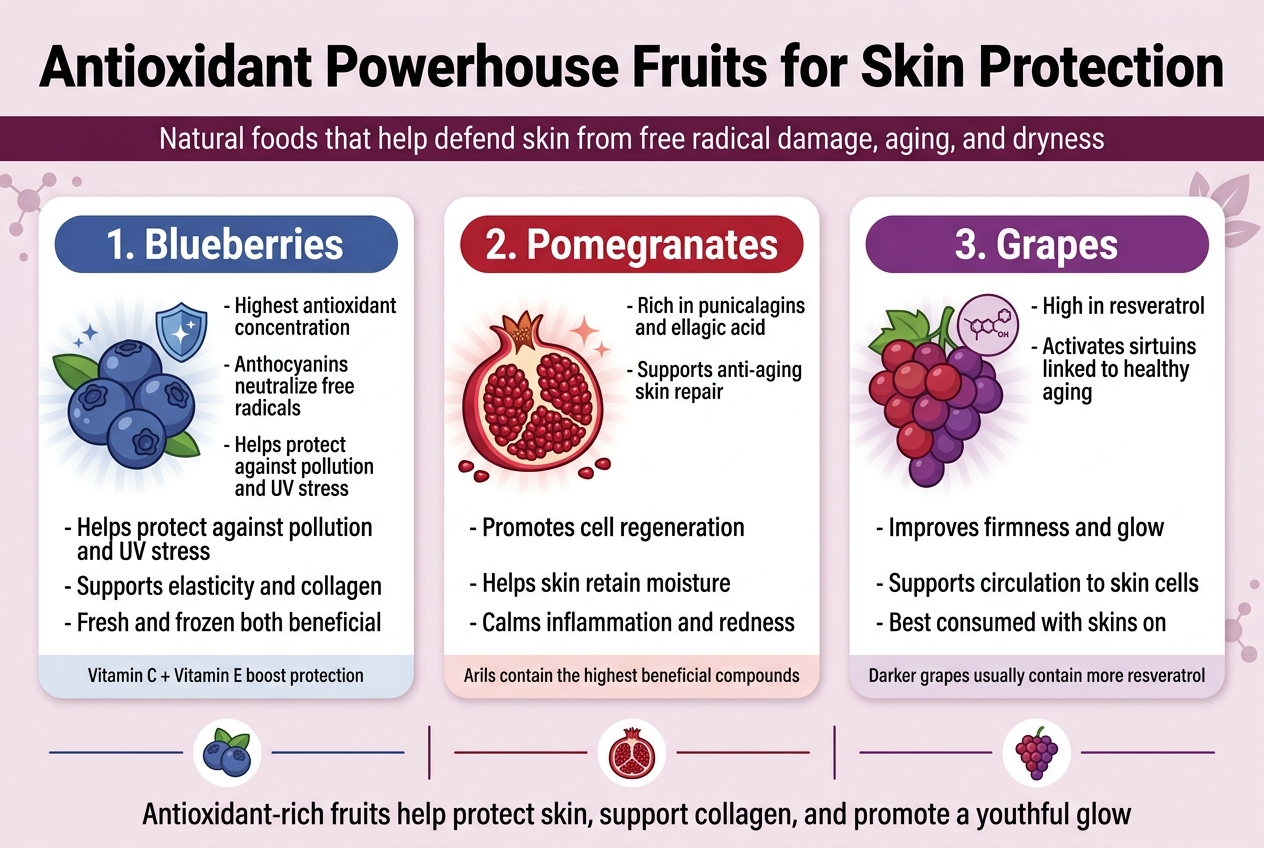
Blueberries pack one of the highest antioxidant concentrations among antioxidant fruits for skincare. These tiny powerhouses contain anthocyanins, the compounds responsible for their deep blue color, which actively neutralize harmful free radicals that accelerate skin aging. When you eat blueberries regularly, you're essentially giving your skin a protective shield against environmental stressors like pollution and UV radiation.
The antioxidants in blueberries work by stabilizing unstable molecules that would otherwise damage your skin cells. This protection helps maintain your skin's natural elasticity and prevents the breakdown of collagen fibers. Fresh blueberries provide the highest antioxidant levels, but frozen varieties retain most of their beneficial compounds.
Research shows that people who consume blueberries consistently experience improved skin texture and reduced signs of oxidative stress. The vitamin E and vitamin C in blueberries work together to enhance their protective effects, creating a synergistic relationship that maximizes skin benefits.
Pomegranates for Anti-Aging Benefits
Pomegranates stand out as exceptional fruits for glowing skin due to their unique combination of antioxidants, including punicalagins and ellagic acid. These powerful compounds specifically target the cellular processes that lead to premature aging, making pomegranates a natural anti-aging solution.
The seeds contain polyphenols that stimulate cell regeneration and help repair damaged skin tissue. Pomegranate consumption has been linked to increased skin thickness and improved moisture retention, both critical factors for maintaining youthful-looking skin. The fruit's anti-inflammatory properties also help calm irritated skin and reduce redness.
What makes pomegranates particularly effective is their ability to protect against UV-induced skin damage while promoting the production of new, healthy skin cells. The arils (seed sacs) provide the highest concentration of beneficial compounds, making them the preferred part to consume for skin benefits.
Grapes for Resveratrol Content
Grapes, especially red and purple varieties, deliver significant amounts of resveratrol, a potent antioxidant that has gained attention for its remarkable skin-protective properties. This compound naturally occurs in grape skins and provides powerful anti-aging effects that rival many skincare ingredients.
Resveratrol activates sirtuins, proteins that regulate cellular aging and help maintain healthy skin function. Regular grape consumption can improve skin firmness and reduce the appearance of fine lines. The compound also enhances blood circulation, which brings more nutrients and oxygen to skin cells, resulting in a natural, healthy glow.
Different grape varieties offer varying levels of resveratrol, with darker grapes generally containing higher concentrations. Consuming grapes with their skins provides maximum benefits, as the skin contains the highest concentration of this valuable antioxidant. The natural sugars in grapes also help maintain skin hydration from within.
Hydrating Fruits for Plump and Moisturized Skin
Watermelon for Natural Hydration
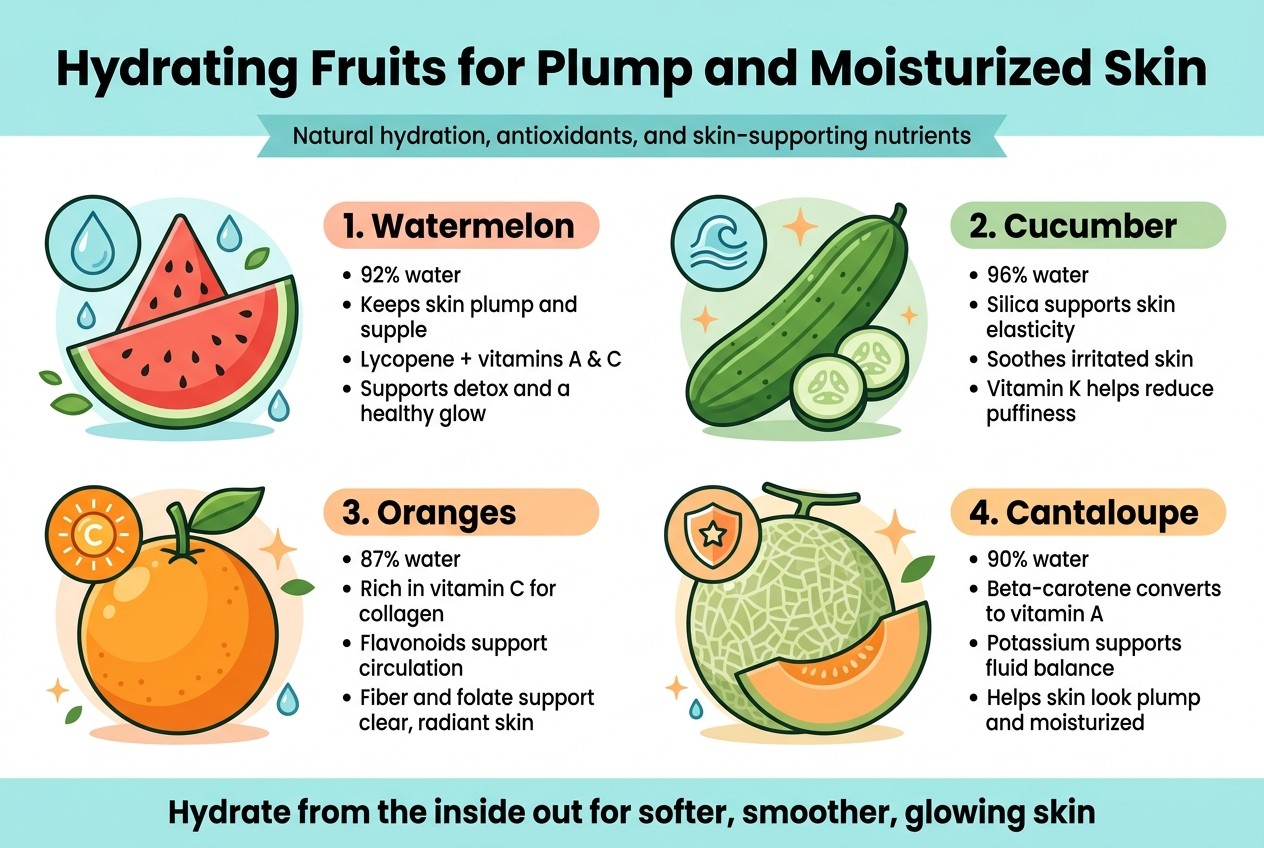
Watermelon stands as one of the most hydrating fruits for skin health, containing about 92% water content that works from the inside out to keep your skin plump and supple. This summer favorite delivers essential hydration that your skin craves, helping maintain optimal moisture levels that prevent dryness and flakiness. The high water content in watermelon supports your body's natural detoxification processes, flushing out toxins that can contribute to dull, tired-looking skin.
Beyond hydration, watermelon contains lycopene, a powerful antioxidant that protects skin cells from damage caused by UV rays and environmental stressors. This pink-fleshed fruit also provides vitamin A and vitamin C, both crucial for maintaining healthy skin cell turnover and supporting collagen production. When you eat watermelon regularly, you're essentially giving your skin a moisture boost that shows up as a natural, healthy glow.
Cucumber for Cooling and Soothing Effects
Cucumber might technically be a fruit, and it's an absolute champion when it comes to cooling and soothing irritated skin. With 96% water content, cucumbers rank among the most hydrating fruits for skin health available. This cooling fruit contains silica, a mineral that strengthens connective tissues and helps maintain skin elasticity.
The anti-inflammatory properties in cucumber make it particularly beneficial for sensitive or irritated skin conditions. Caffeic acid and ascorbic acid in cucumbers help reduce skin irritation and swelling, while the high water content provides immediate relief for dehydrated skin. Eating cucumber regularly helps maintain your skin's natural moisture barrier, preventing water loss and keeping your complexion looking fresh and dewy.
The vitamin K in cucumbers also supports healthy blood circulation, which can help reduce dark circles and puffiness around the eyes. This makes cucumber one of the best fruits for achieving that coveted natural skin glow.
Oranges for Water Content and Nutrients
Oranges pack a double punch for skin hydration with their impressive water content of about 87% combined with skin-loving nutrients. These citrus powerhouses deliver vitamin C in abundance, supporting collagen synthesis that keeps skin firm and youthful-looking. The flavonoids in oranges, particularly hesperidin, help strengthen capillary walls and improve blood circulation to the skin.
The natural sugars in oranges help your body retain water more effectively, while the fiber content supports healthy digestion and toxin elimination. When your digestive system works efficiently, it shows in your skin's clarity and radiance. Oranges also contain folate, which supports healthy cell division and skin repair processes.
The citric acid in oranges provides gentle exfoliation benefits when consumed regularly, helping your skin maintain its natural renewal cycle. This combination of hydration and nutrients makes oranges excellent additions to your daily fruit intake for skin health.
Cantaloupe for Beta-Carotene Benefits
Cantaloupe delivers exceptional hydration with about 90% water content while providing beta-carotene that your body converts to vitamin A. This orange-fleshed melon supports skin cell regeneration and helps maintain healthy skin texture. The beta-carotene in cantaloupe acts as a natural sunscreen from within, offering some protection against UV damage.
The potassium in cantaloupe helps regulate fluid balance in your body, supporting optimal hydration levels that reflect in your skin's appearance. This mineral also supports healthy blood pressure, which affects circulation and nutrient delivery to your skin cells. Regular consumption of cantaloupe can help achieve that coveted natural glow that comes from well-hydrated, nourished skin.
Cantaloupe also contains choline, which supports healthy cell membrane function and helps maintain skin barrier integrity. The combination of hydration, beta-carotene, and supporting nutrients makes cantaloupe one of the top hydrating fruits for achieving plump, moisturized skin that radiates health.
Beta-Carotene Rich Fruits for Natural Glow
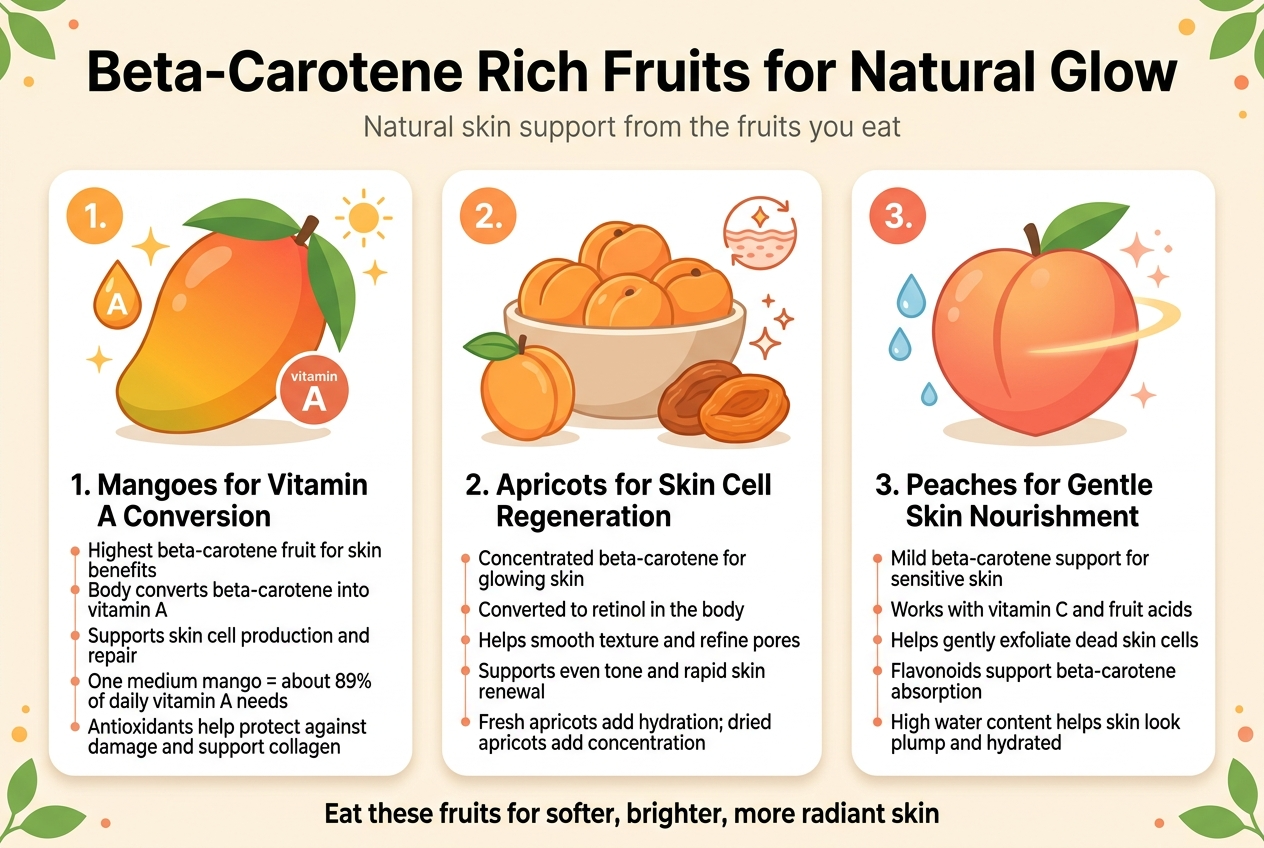
Mangoes for Vitamin A Conversion
Mangoes pack a serious punch when it comes to beta carotene fruits skin benefits. This tropical superstar contains more beta-carotene than almost any other fruit, making it a top choice for natural skin glow foods. Your body converts beta-carotene into vitamin A, which plays a crucial role in skin cell production and repair.
The vitamin A derived from mangoes helps speed up cell turnover, revealing fresh, radiant skin underneath. This process naturally diminishes dullness and creates that coveted healthy glow. One medium mango provides about 89% of your daily vitamin A needs, making it an incredibly efficient way to nourish your skin from within.
The antioxidants in mangoes also protect against environmental damage while promoting collagen synthesis. This dual action helps maintain skin elasticity while preventing premature aging signs like fine lines and dark spots.
Apricots for Skin Cell Regeneration
Fresh apricots deserve recognition as powerful fruits for glowing skin due to their exceptional beta-carotene content. These small orange gems contain concentrated amounts of this vital nutrient, supporting rapid skin cell regeneration and renewal.
The beta-carotene in apricots gets converted to retinol in your body - the same active ingredient found in expensive skincare products. This natural conversion process helps smooth skin texture, reduce appearance of pores, and create an even skin tone. Regular consumption of apricots can lead to visibly smoother, more refined skin within weeks.
Dried apricots offer even higher concentrations of beta-carotene, though fresh varieties provide additional water content for hydration benefits. Both forms deliver impressive results for skin regeneration.
Peaches for Gentle Skin Nourishment
Peaches provide gentle yet effective beta-carotene benefits, making them perfect for sensitive skin types. Unlike some stronger antioxidant fruits for skincare, peaches offer mild nourishment that won't cause irritation while still delivering powerful skin-enhancing compounds.
The beta-carotene in peaches works alongside vitamin C and natural fruit acids to create a gentle exfoliating effect. This combination helps remove dead skin cells while providing deep nourishment to newly revealed skin layers. The result is softer, more supple skin with improved texture and natural radiance.
Peaches also contain flavonoids that enhance the absorption of beta-carotene, maximizing the skin benefits you receive from each serving. Their high water content adds hydration benefits, supporting plump, healthy-looking skin that glows from within.
Essential Fatty Acid Fruits for Skin Barrier Health
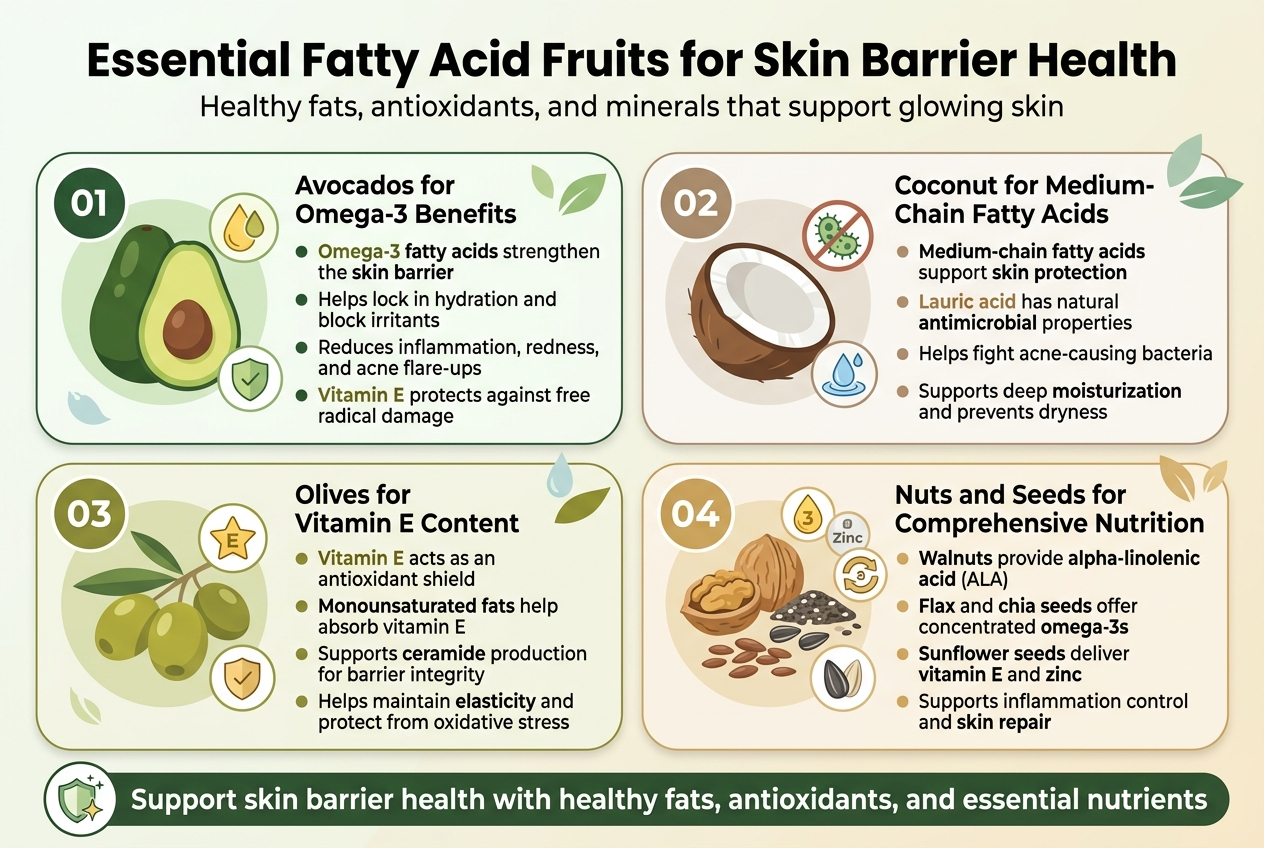
Avocados for Omega-3 Benefits
Avocados stand out as one of the most skin-friendly fruits for glowing skin thanks to their exceptional omega-3 fatty acid content. These healthy fats work deep within your skin cells to strengthen the skin barrier, which acts as your first line of defense against environmental damage and moisture loss. When your skin barrier functions properly, it locks in hydration while keeping irritants and pollutants out.
The omega-3s in avocados specifically help reduce inflammation throughout your body, including your skin. This anti-inflammatory action can calm redness, reduce acne flare-ups, and give you that coveted healthy glow. Your skin cells use these fatty acids to create flexible, resilient cell membranes that maintain optimal moisture levels.
Beyond omega-3s, avocados pack vitamin E, which protects your skin from free radical damage. This combination of healthy fats and antioxidants makes avocados a powerhouse for maintaining youthful, radiant skin.
Coconut for Medium-Chain Fatty Acids
Coconut offers unique medium-chain fatty acids (MCFAs) that your skin absorbs and uses differently than other fats. These MCFAs, particularly lauric acid, have natural antimicrobial properties that help keep harmful bacteria at bay while supporting your skin's natural protective barrier.
The lauric acid in coconut converts to monolaurin in your body, which fights off acne-causing bacteria and other skin irritants. This makes coconut particularly beneficial for those dealing with breakouts or sensitive skin conditions.
Coconut's fatty acids also provide deep moisturization from within. Unlike topical moisturizers that work on the surface, eating coconut helps your skin maintain its natural oil production and prevents that tight, dry feeling that comes from compromised skin barrier health.
Olives for Vitamin E Content
Olives bring impressive amounts of vitamin E, a fat-soluble antioxidant that works hand-in-hand with healthy fats to protect your skin barrier. This vitamin acts as a shield against UV damage and environmental pollutants that can break down your skin's protective layer.
The monounsaturated fats in olives help your body absorb vitamin E more effectively, creating a synergistic effect for skin health. These healthy fats also support the production of ceramides, which are crucial lipids that keep your skin barrier intact and functioning properly.
Regular consumption of olives helps maintain skin elasticity and prevents premature aging by protecting against oxidative stress. The combination of healthy fats and vitamin E in olives makes them an excellent choice for maintaining supple, protected skin.
Nuts and Seeds for Comprehensive Nutrition
While technically not fruits, nuts and seeds deserve mention for their exceptional contribution to skin barrier health fruits nutrition. Walnuts provide alpha-linolenic acid (ALA), an omega-3 fatty acid that reduces skin inflammation and supports barrier function.
Flax seeds and chia seeds offer concentrated omega-3s that your body converts to EPA and DHA, the same beneficial fatty acids found in fish. These seeds also contain lignans, compounds that help balance hormones and can reduce hormonally-triggered skin issues.
Sunflower seeds deliver vitamin E and zinc, both essential for skin repair and protection. The combination of healthy fats, vitamins, and minerals in various nuts and seeds creates a comprehensive approach to skin health that supports every aspect of barrier function and cellular repair.
Daily Fruit Consumption Guidelines for Optimal Results
Recommended Serving Sizes for Skin Benefits
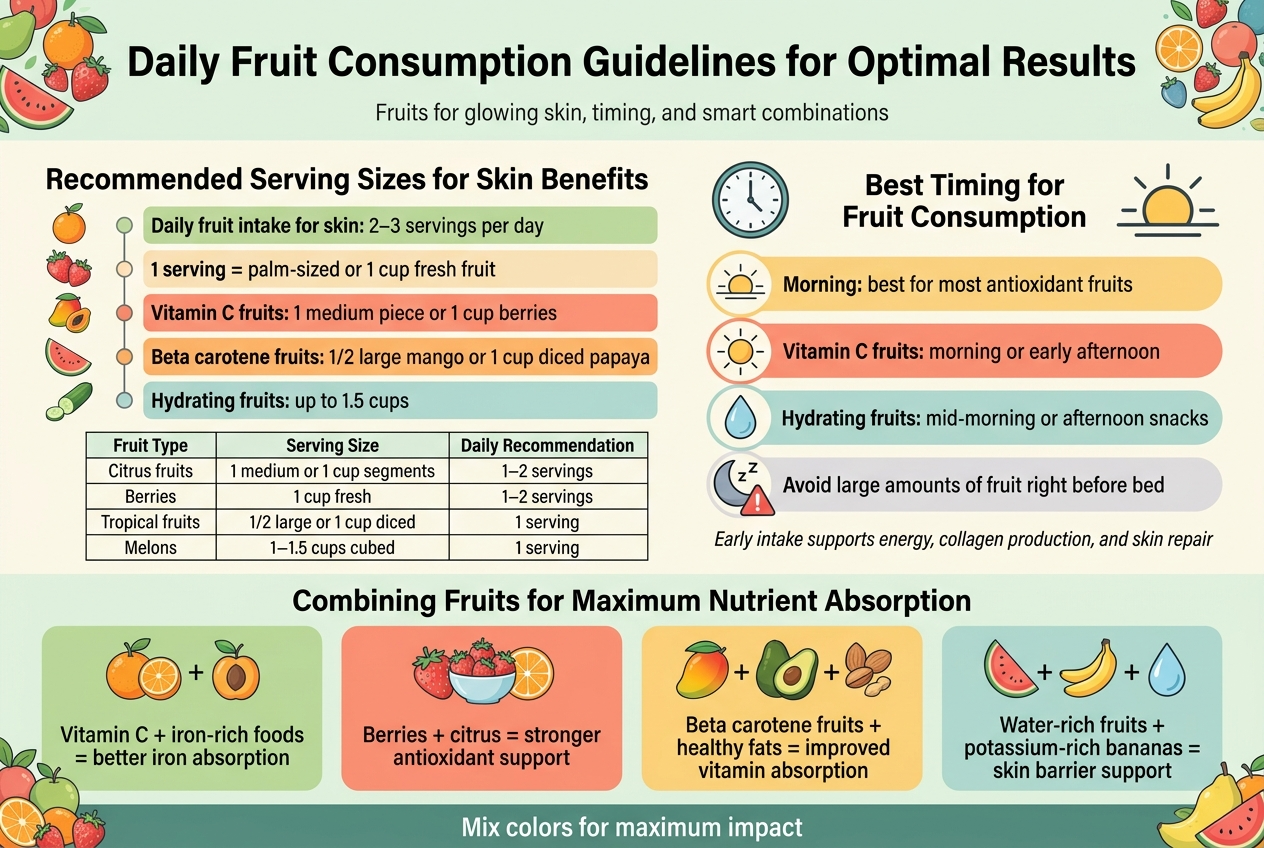
Getting the right amount of fruits for glowing skin means striking a balance between getting enough nutrients and not overdoing it on natural sugars. The sweet spot for daily fruit intake for skin benefits is 2-3 servings per day, with each serving roughly the size of your palm or about 1 cup of fresh fruit.
For vitamin C fruits for skin like oranges, kiwis, or strawberries, one medium piece or a cup of berries counts as one serving. These pack the most collagen-boosting punch when you eat 1-2 servings daily. Beta carotene fruits skin benefits come from orange-colored options like mangoes, papayas, and apricots - half a large mango or one cup of diced papaya gives you plenty of that natural glow-enhancing nutrient.
Hydrating fruits for skin health like watermelon and cucumber (yes, it's technically a fruit!) can be enjoyed in slightly larger portions - up to 1.5 cups - since they're mostly water and lower in natural sugars.
| Fruit Type | Serving Size | Daily Recommendation |
|---|---|---|
| Citrus fruits | 1 medium or 1 cup segments | 1-2 servings |
| Berries | 1 cup fresh | 1-2 servings |
| Tropical fruits | 1/2 large or 1 cup diced | 1 serving |
| Melons | 1-1.5 cups cubed | 1 serving |
Best Timing for Fruit Consumption
Timing your fruit intake can maximize the natural skin glow foods benefits your body absorbs. Morning consumption works best for most antioxidant fruits for skincare because your digestive system is fresh and ready to process nutrients efficiently.
Eat vitamin C fruits for skin in the morning or early afternoon since vitamin C provides energy and supports your body's natural collagen production throughout the day. Your skin repairs itself most actively during sleep, so getting these nutrients early gives your body time to put them to work.
Hydrating fruits for skin health work great as mid-morning or afternoon snacks. They help maintain your skin's moisture levels throughout the day while providing a natural energy boost without the crash that comes from processed snacks.
Avoid eating large amounts of fruit right before bed, as the natural sugars might interfere with sleep quality, and poor sleep directly impacts skin health and appearance.
Combining Fruits for Maximum Nutrient Absorption
Smart fruit combinations can supercharge your skin benefits. Pairing vitamin C fruits for skin with iron-rich options like dried apricots helps your body absorb more nutrients. The vitamin C enhances iron absorption, which supports healthy circulation and that coveted natural glow.
Create powerful antioxidant combinations by mixing berries with citrus fruits. A bowl of strawberries with orange segments gives you multiple types of antioxidant fruits for skincare that work together to fight free radical damage more effectively than eating them separately.
Beta carotene fruits skin benefits get a boost when combined with healthy fats. Try adding avocado to your mango smoothie or eating papaya with a small handful of nuts. The fats help your body absorb fat-soluble vitamins more efficiently.
For skin barrier health fruits, combine water-rich options like watermelon with potassium-rich bananas. This combination supports proper hydration balance and helps maintain your skin's protective barrier function.
Mix colors for maximum impact - the more colorful your fruit combination, the wider variety of skin-supporting compounds you're getting in each serving.
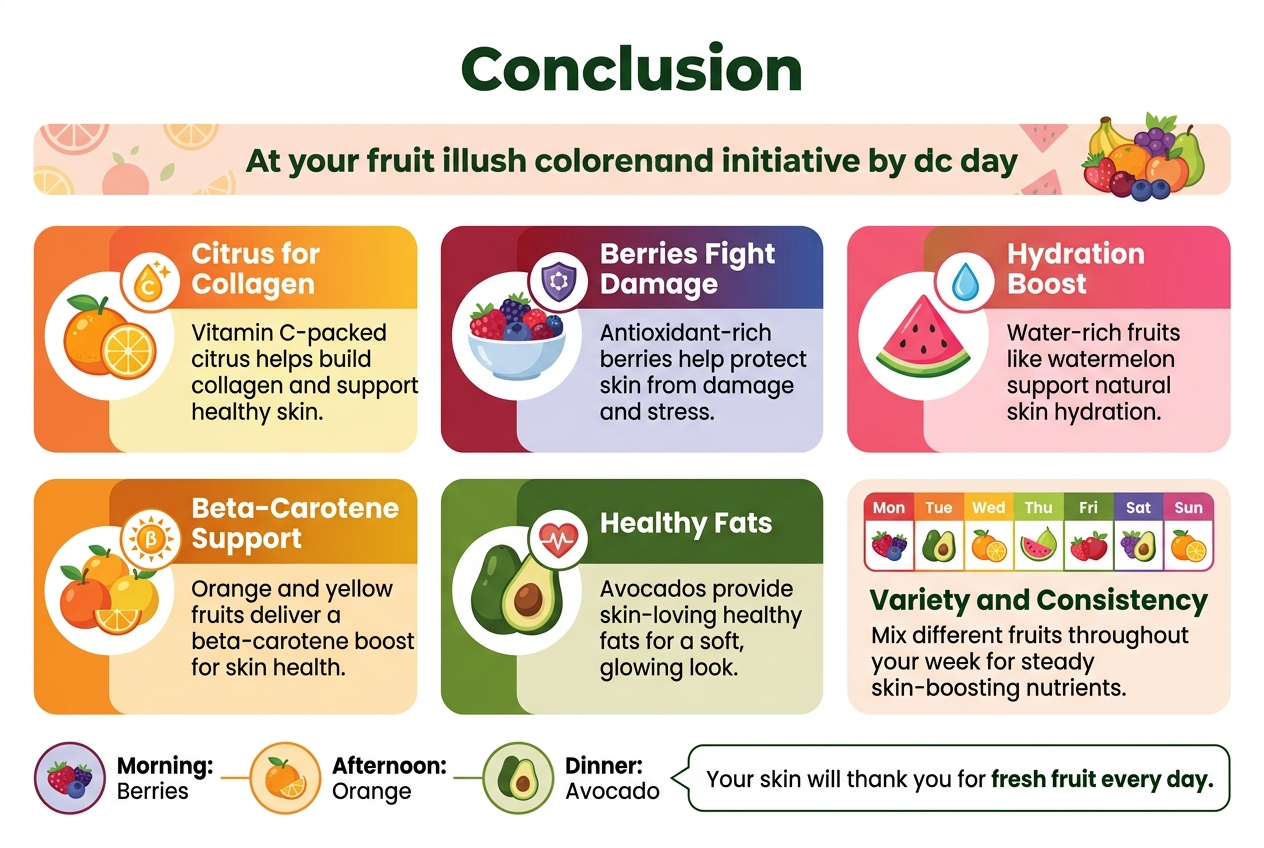
Your skin craves the natural goodness that fresh fruits deliver every single day. From vitamin C-packed citrus that builds collagen to antioxidant-rich berries that fight damage, these colorful powerhouses work from the inside out to give you that healthy glow. Add water-rich fruits like watermelon for hydration, orange and yellow fruits for that beta-carotene boost, and don't forget avocados for those skin-loving healthy fats.
The secret lies in variety and consistency. Mix different types of fruits throughout your week to cover all the skin-boosting nutrients your body needs. Start your morning with berries, snack on an orange in the afternoon, and add some avocado to your dinner. Your skin will thank you for the steady stream of vitamins, antioxidants, and natural hydration that only fresh fruit can provide.


.png)
Comments
Post a Comment